



You cannot just show up and wing it.
Or, I mean, you *can*. We did. And then we spent an embarrassing amount of our trip learning things the hard way that a five-minute conversation with literally anyone who’d been there could have prevented.
So here’s that five-minute conversation. These are the ten mistakes we actually made in Lisbon, plus a few we watched other tourists make in real time while trying not to wince. Consider this your friend pulling you aside before your flight.
Wearing the Wrong Shoes
I need you to hear me on this one.
Lisbon is built on seven hills. This is not a cute fun fact they put on postcards for decoration. Some of these streets are at a 15-20% grade, which doesn’t sound like much until you’re climbing one after lunch and your calves are staging a mutiny.
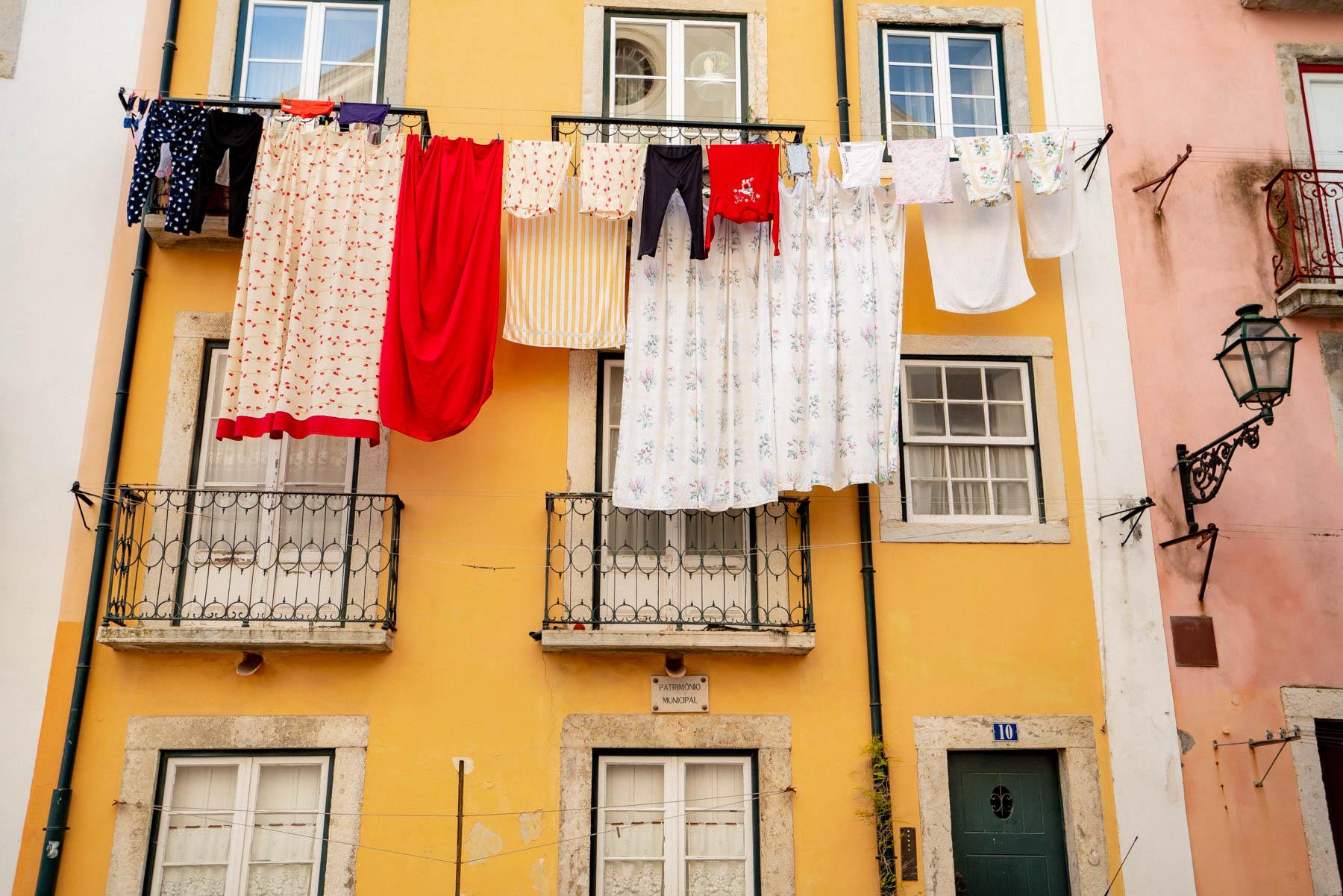
And then there’s the calçada portuguesa. Those gorgeous black and white mosaic cobblestones that are all over Instagram. They are genuinely beautiful and they become an ice rink the second it rains. I watched a woman in wedge sandals go down like she’d been tackled on Rua Augusta. I would’ve helped but I was too busy trying not to fall myself, in my very cute and very stupid ballet flats.
Flat shoes with actual grip on the soles. That’s it. That’s the entire recommendation. Heels are a hospital visit waiting to happen. Flip-flops are marginally better but your feet will hate you after 20,000 steps on uneven stone.

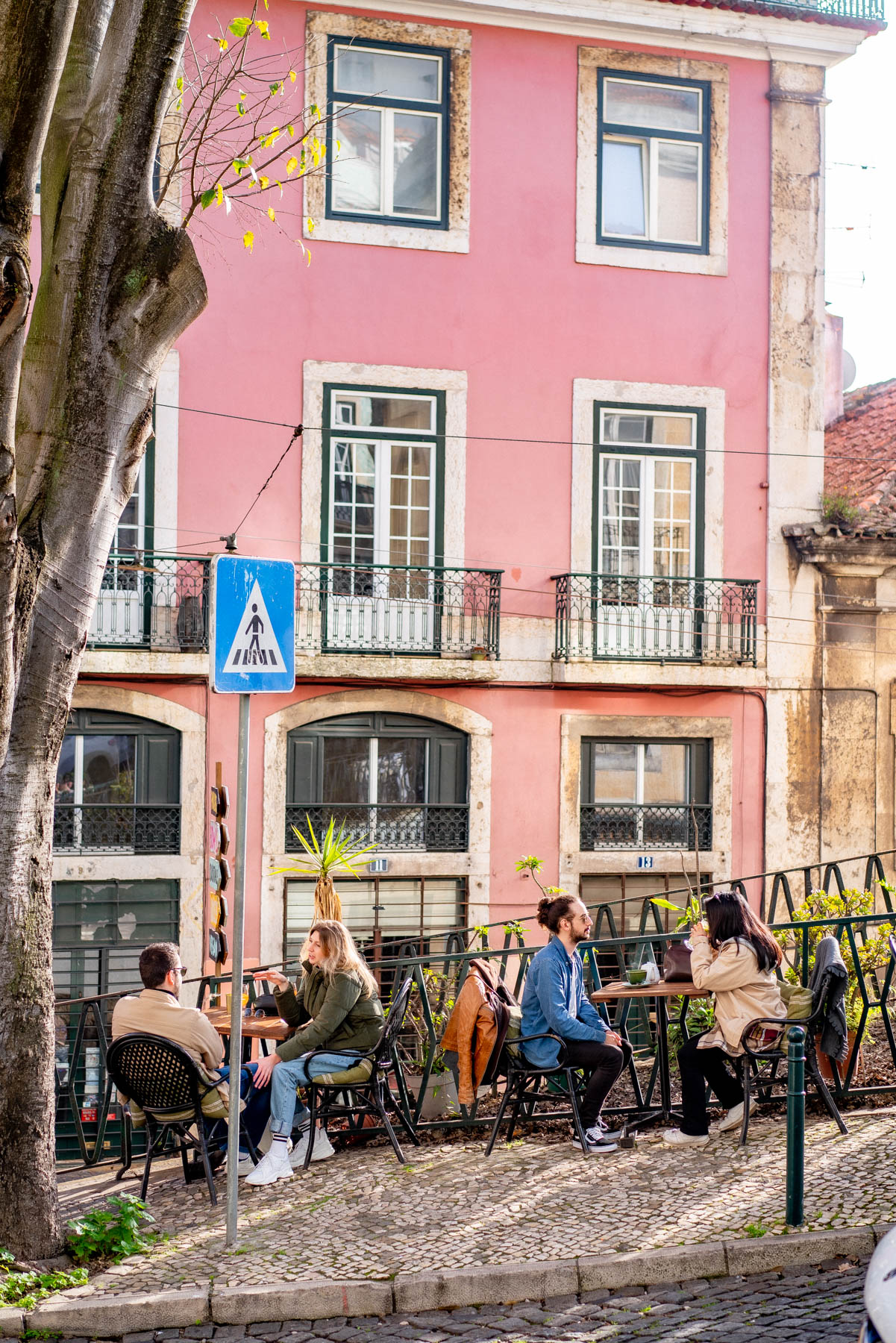
I now travel with trail runners that look vaguely normal and I have zero regrets. Fashion died on those hills and I let it go.
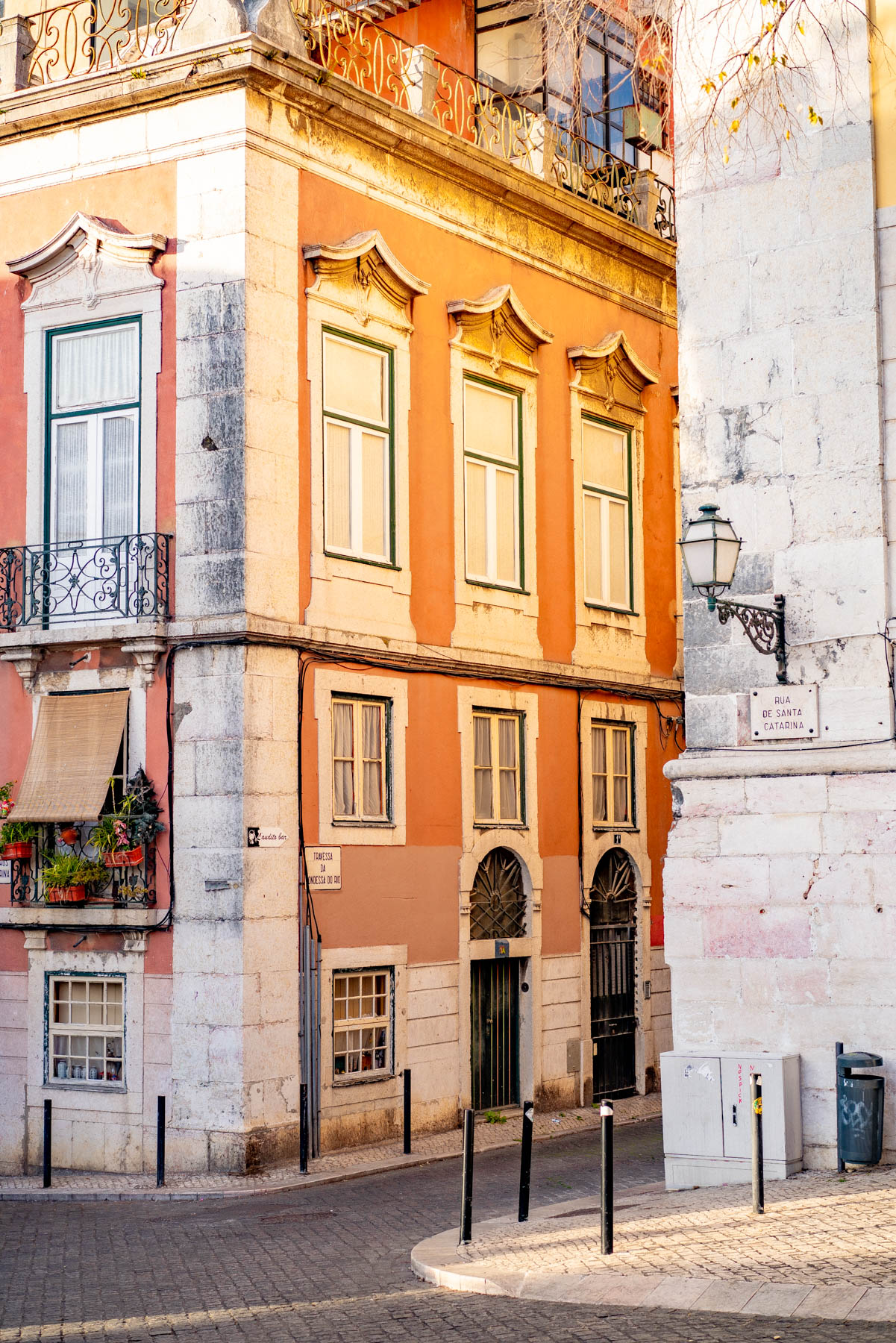
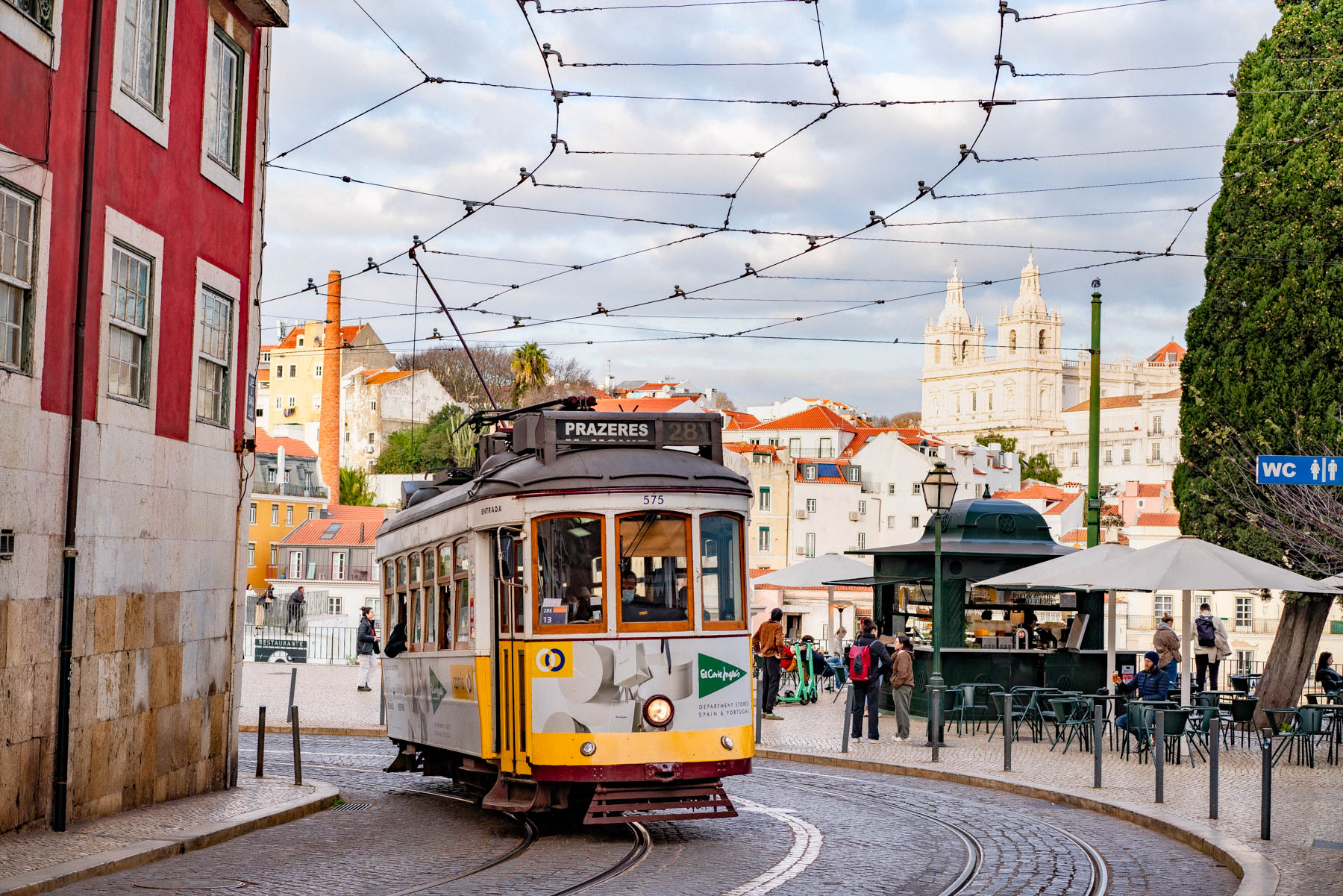
Taking Tram 28
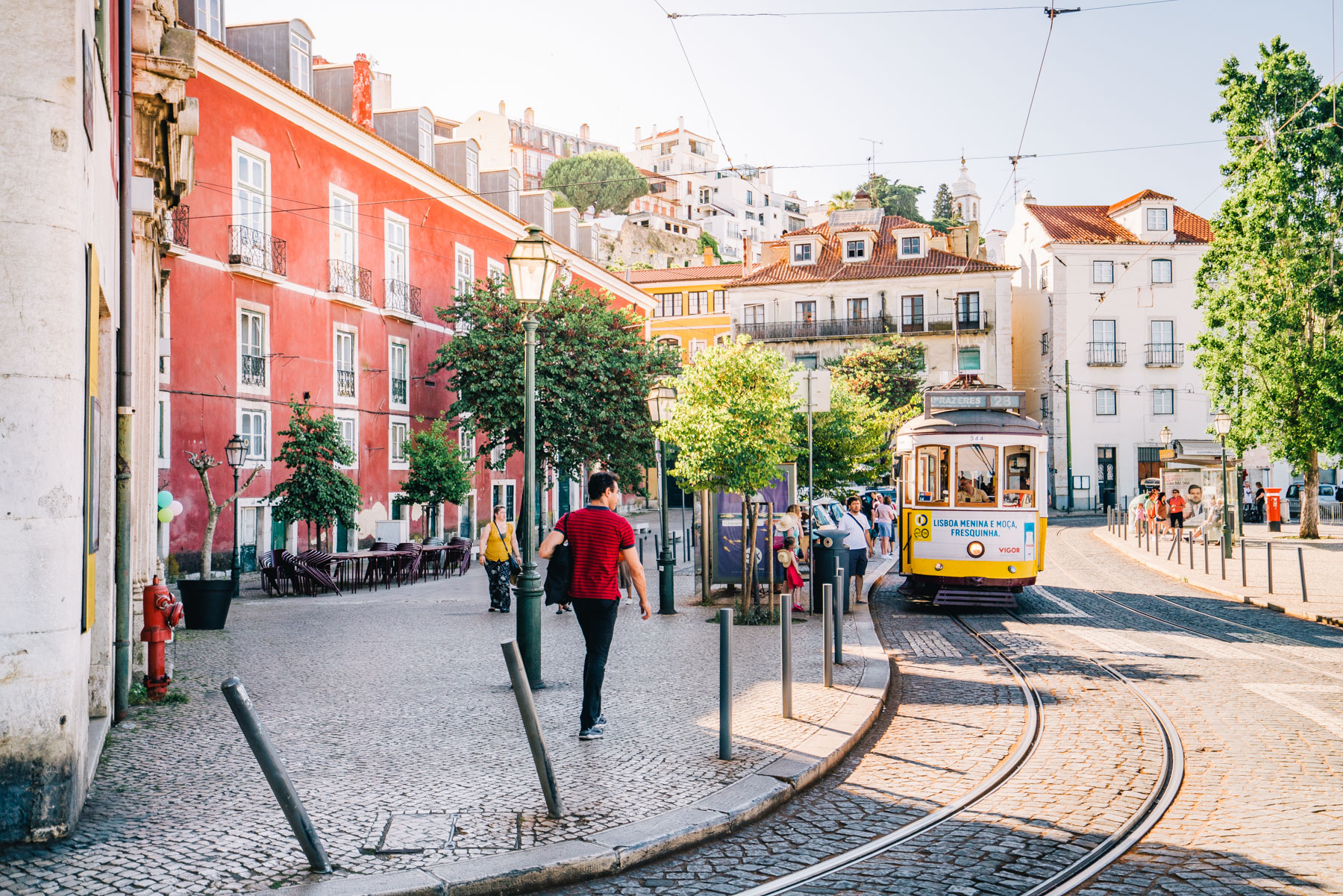
Every single Lisbon guide will tell you to ride the famous Tram 28 through Alfama and Graça. Many of those guides were written by people who have never actually ridden Tram 28 in the last five years.
Here’s what it’s actually like now. You wait in a line for 30 to 45 minutes. You squeeze into a tiny wooden tram car that fits maybe 50 people but currently contains 80. You stand with your face pressed against a stranger’s backpack while the tram lurches through streets you can’t see because there are too many people in the way. Meanwhile, pickpockets are working the crowd because this is literally the most famous pickpocketing spot in Portugal.
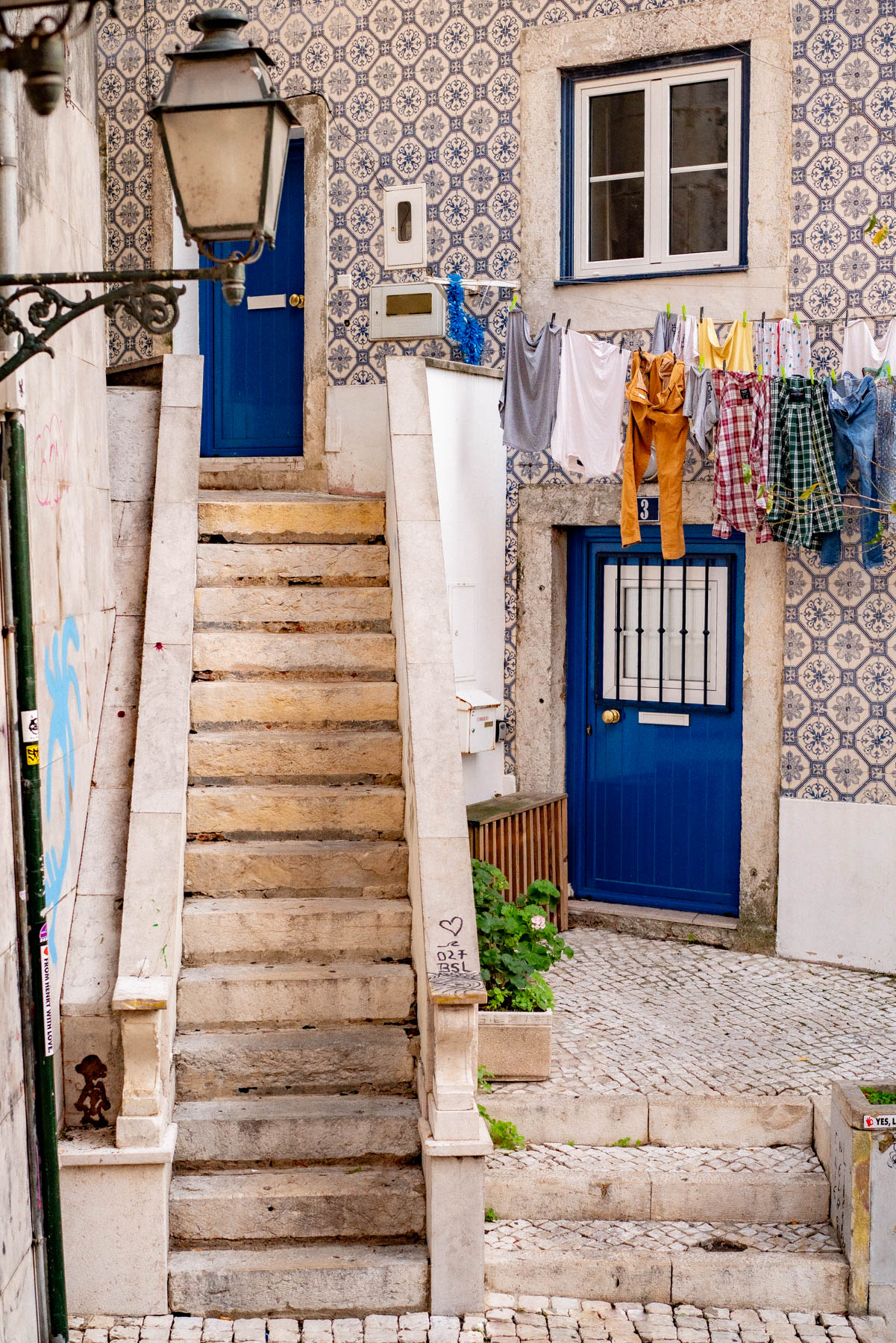
It’s a moving tourist trap. Beautiful from the outside, miserable from the inside.
Bus 737 covers nearly identical ground with a fraction of the crowds. Or, radical idea, just walk the route yourself. It takes maybe 40 minutes and you can actually stop to look at things. Take photos without someone’s elbow in your ribs. Pop into a shop. You know, enjoy the city.
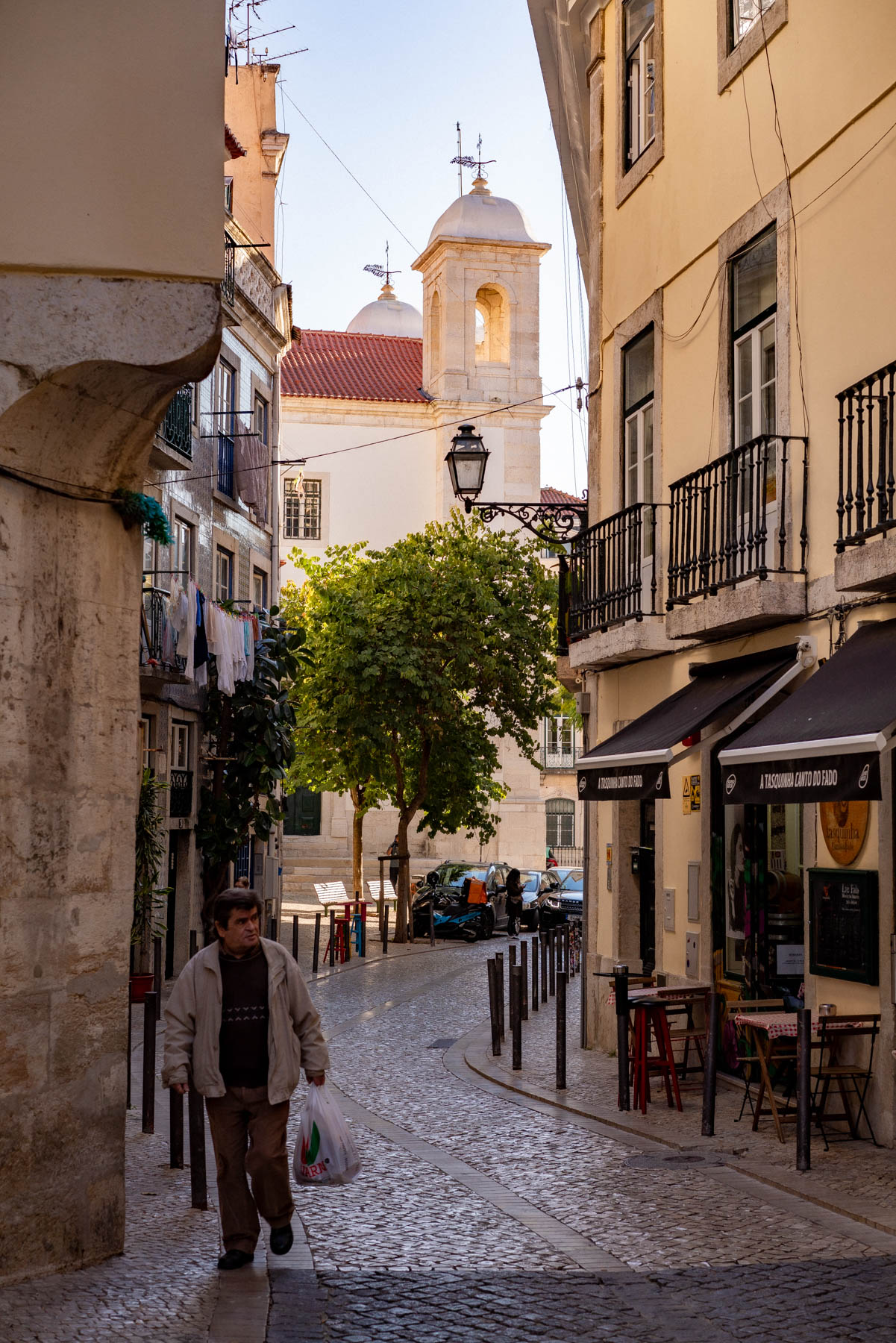
The tram is photogenic from across the street. Leave it at that.
Going to Belém on a Monday
This one still stings.
We took the train out to Belém on our second day in Lisbon, which happened to be a Monday. Walked up to Jerónimos Monastery. Closed. Walked to the Tower of Belém. Closed. National Coach Museum. Closed. MAAT. Closed. The Archaeology Museum. You guessed it.
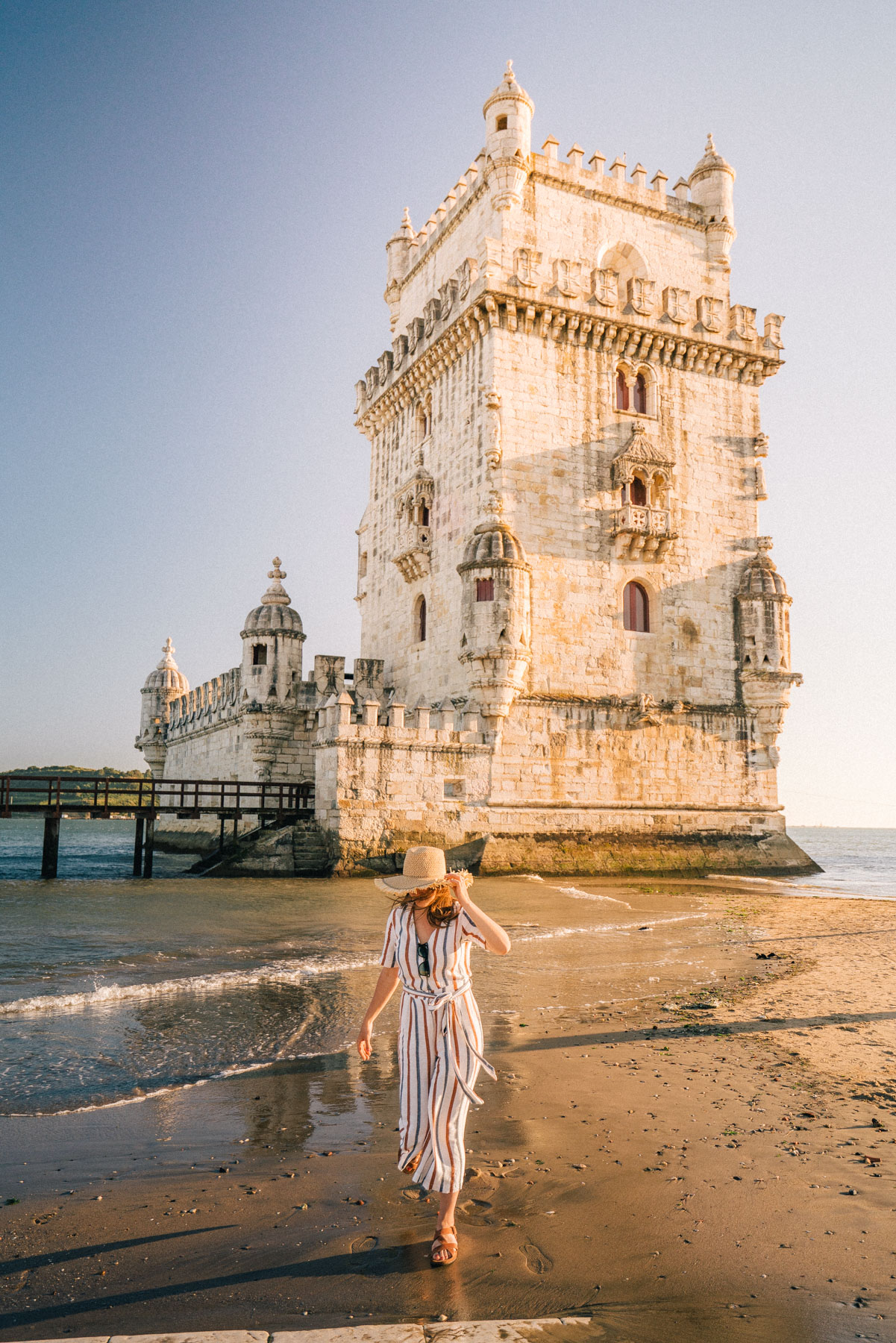
Nearly every major attraction in Belém is closed on Mondays. This is the single most avoidable mistake tourists make in Lisbon and we walked right into it because I didn’t check.
When you do go (on literally any other day), buy your Jerónimos Monastery tickets online in advance. The line at the ticket window can stretch 45 minutes to an hour in peak season. Online tickets let you skip it entirely.
And here’s the Pastéis de Belém hack that took us two visits to figure out. You know the famous bakery with the line out the door and down the sidewalk? That line is for takeaway only. Walk straight past it, go inside, and head to the back dining rooms. There are *hundreds* of seats back there and barely any wait. You get your pastéis de nata served warm at a table like a civilized person. Same pastéis. No line.
Eating Near Praça do Comércio
If a restaurant has laminated menus in six languages, photos of every dish, and a guy standing outside waving you in like he’s directing aircraft, walk away. Walk at least two blocks in any direction. Quality improves dramatically.
The tourist restaurants around Praça do Comércio and Rossio exist to serve mediocre food at inflated prices to people who won’t be back to complain. They’re not *terrible*. They’re just the worst version of Portuguese food you can eat.
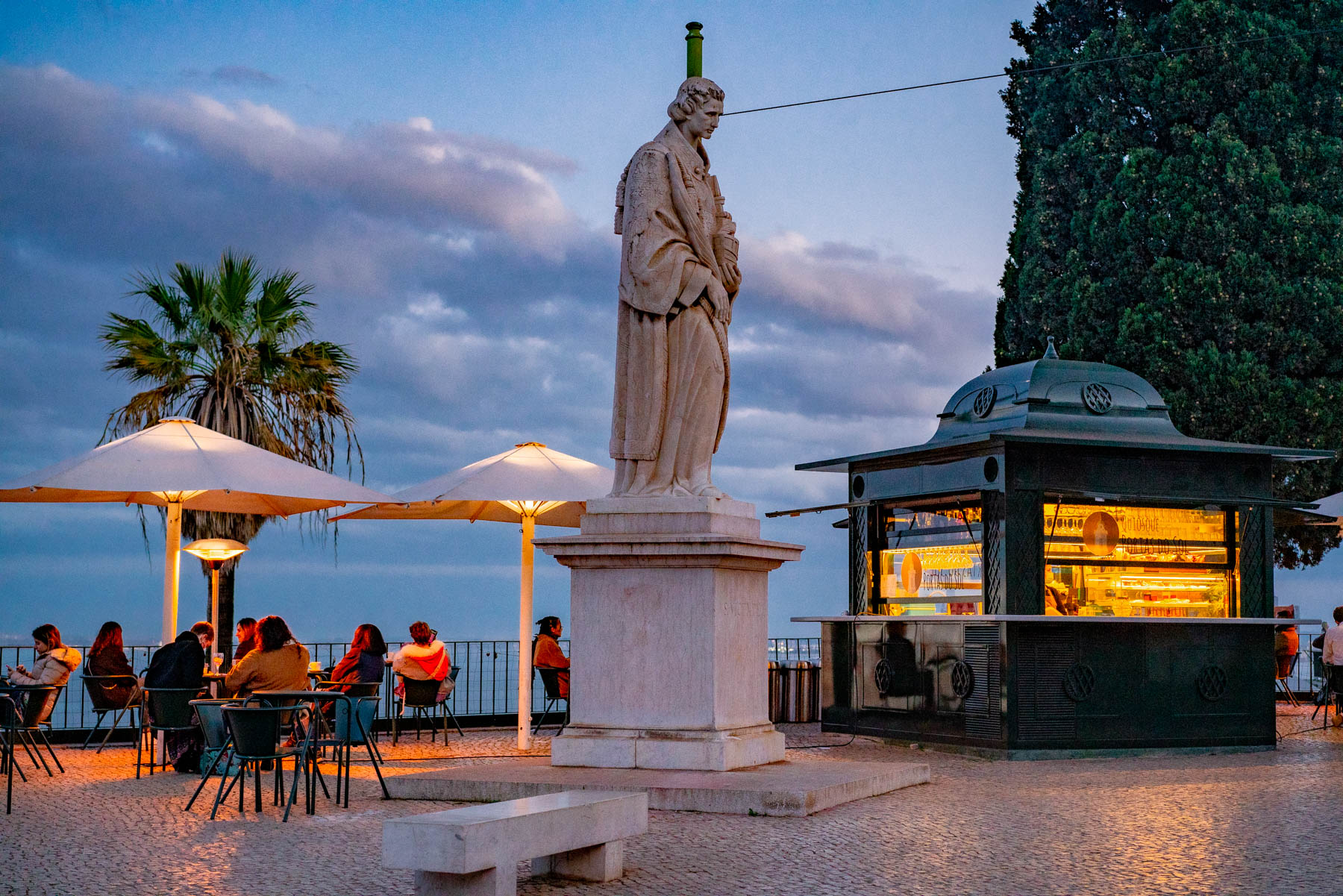
Time Out Market (Mercado da Ribeira) is actually better than I expected. Real chefs run many of the stalls and the food quality is legitimately good. But finding a seat during peak hours is a full-contact sport. Go before noon or after 3pm, or just accept you’ll be standing.
The real move is eating where Lisboetas eat. Tascas (small taverns) in Mouraria serve some of the best food in the city and most tourists never set foot there. Campo de Ourique Market is the local version of Time Out Market without the crowds. The Arroios neighborhood is full of standout restaurants reflecting Lisbon’s immigrant communities.
Look for the prato do dia, the daily lunch special. At a neighborhood spot it runs €8-12 for a full meal including a drink. That’s better food for a third of the price.
Only Eating Pastéis de Nata
Look, I get it. They’re perfect. A warm flaky shell with creamy egg custard and a little char on top. You have one and immediately want four more.
Pastéis de Belém is the famous spot (the original recipe since 1837, allegedly). Manteigaria might actually be better though. Theirs come out warmer, crispier, and you can watch them being made through the glass. Both are great. The “which one is best” debate is honestly a tourist trap in itself because they’re *all* good. Every bakery in Lisbon makes a decent pastel de nata.
But Portugal has so many pastries beyond the nata and most visitors never try them. Travesseiros from Sintra are these pillow-shaped pastries filled with almond cream that are absolutely worth the trip. Queijadas are little cheese tarts that vary by region. Bolo de arroz is a fluffy rice flour muffin that Portuguese people eat for breakfast and tourists somehow never discover.
And the same goes for bacalhau (salt cod). Everyone tries bacalhau à Brás (shredded cod with eggs and potatoes) and stops there. Try bacalhau com natas (baked with cream), à lagareiro (roasted with olive oil and garlic), or pataniscas (cod fritters). Portugal supposedly has 365 ways to cook bacalhau, one for every day of the year. You have time for at least three or four.
Taking a Taxi From the Airport
Lisbon taxis have a long and well-documented history of creative pricing for tourists. Rigged meters, conveniently broken meters, scenic routes through neighborhoods nowhere near your hotel. It’s gotten better in recent years but it’s still a gamble.
The metro Red Line runs directly from the airport to the city center in about 20 minutes. It costs under €2. That’s it. That’s the whole tip.
If you prefer door-to-door service, Uber and Bolt both work great in Lisbon and fares are transparent. Airport to Baixa typically runs €8-12 depending on traffic. No meter games, no route debates.
One more transit tip. Get a Viva Viagem card and load it with zapping credit. Each metro or bus ride costs around €1.50-1.65 instead of the €3+ you’ll pay for individual paper tickets. The card itself costs 50 cents. You’ll make that back in two rides.
Paying in Your Home Currency
This one applies everywhere in Europe but it’s especially common in Lisbon because the card machines default to asking you.
When the payment terminal says “Pay in EUR or USD?” (or GBP, or whatever your home currency is), *always* choose EUR. Always. Choosing your home currency triggers something called dynamic currency conversion, which sounds helpful but actually just means the merchant’s bank sets the exchange rate instead of yours. The markup is typically 3-5%.
Same rule at ATMs. Use Multibanco-branded ATMs (Portugal’s national network) and decline any offer to convert for you. Avoid Euronet ATMs entirely. They’re the ones with the bright orange and blue branding and they exist specifically to profit off tourists through bad exchange rates and hidden fees.
This isn’t specific to Lisbon. It applies across all of Portugal and honestly all of Europe. But tourists fall for it constantly here.
Not Booking Sintra Tickets in Advance
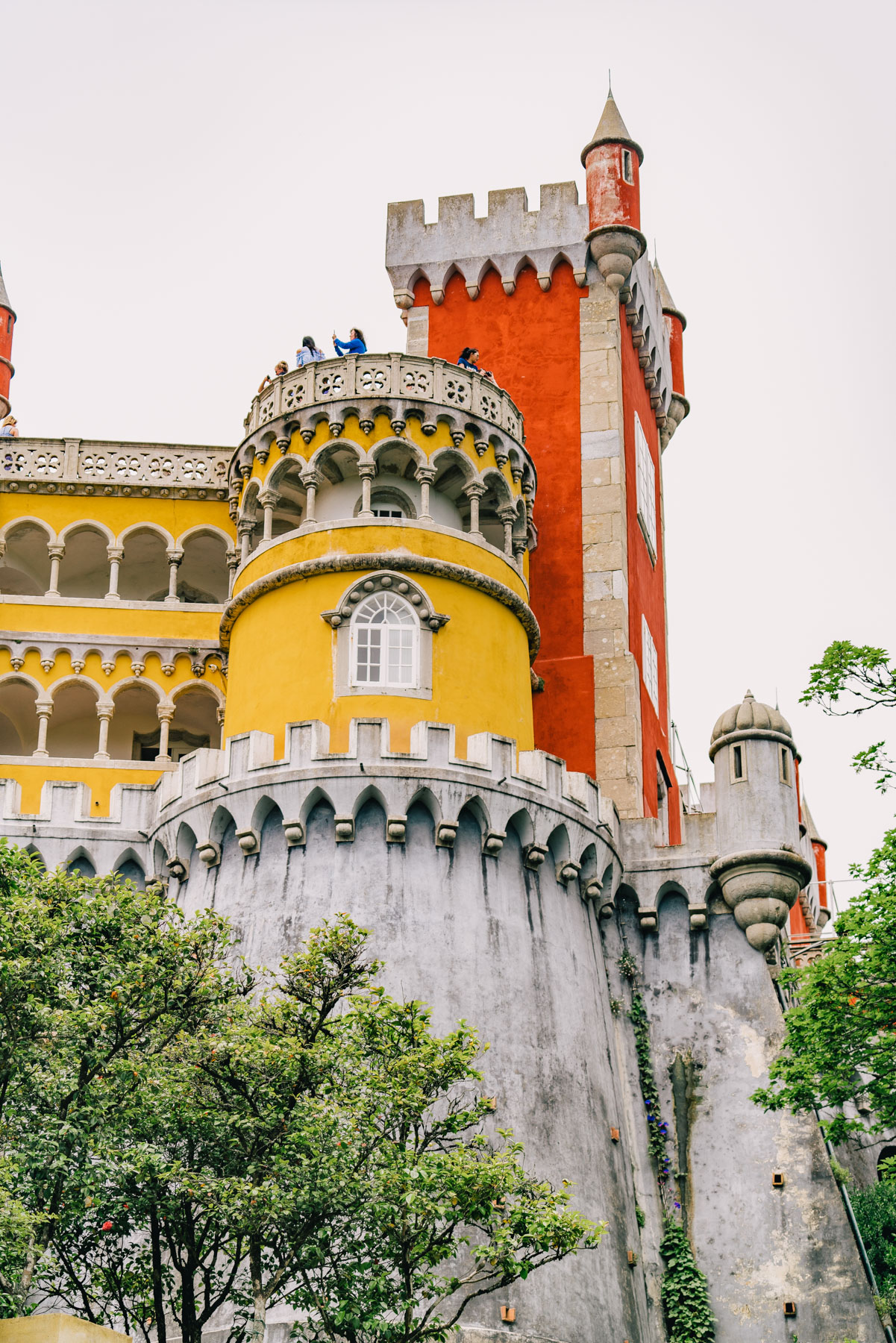
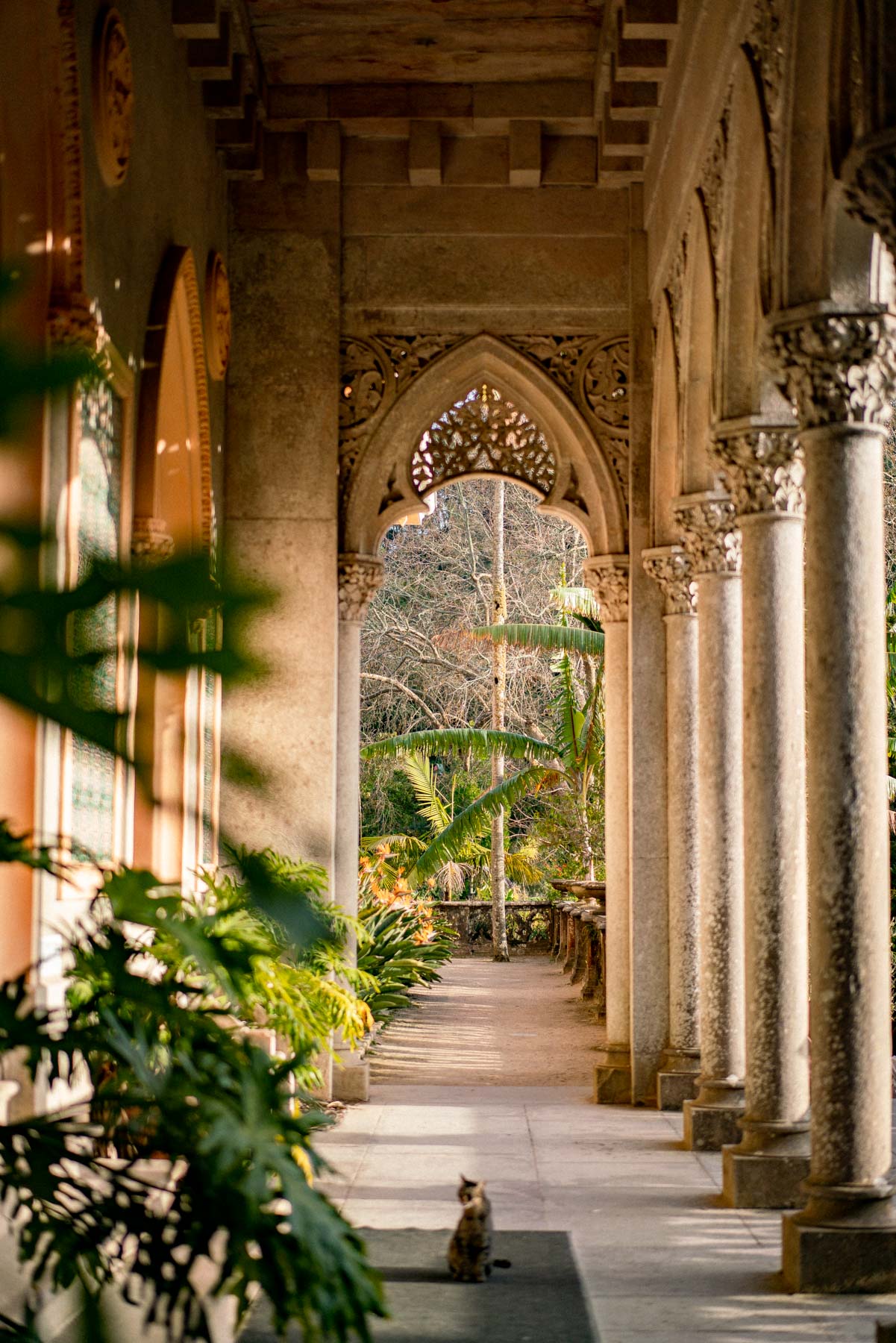
Pena Palace in Sintra uses timed entry tickets that sell out, especially from spring through fall. People drive or take the train 40 minutes out there, arrive at the gate, and get turned away because every time slot for the day is gone.
This is not a rare occurrence. It happens daily in peak season.

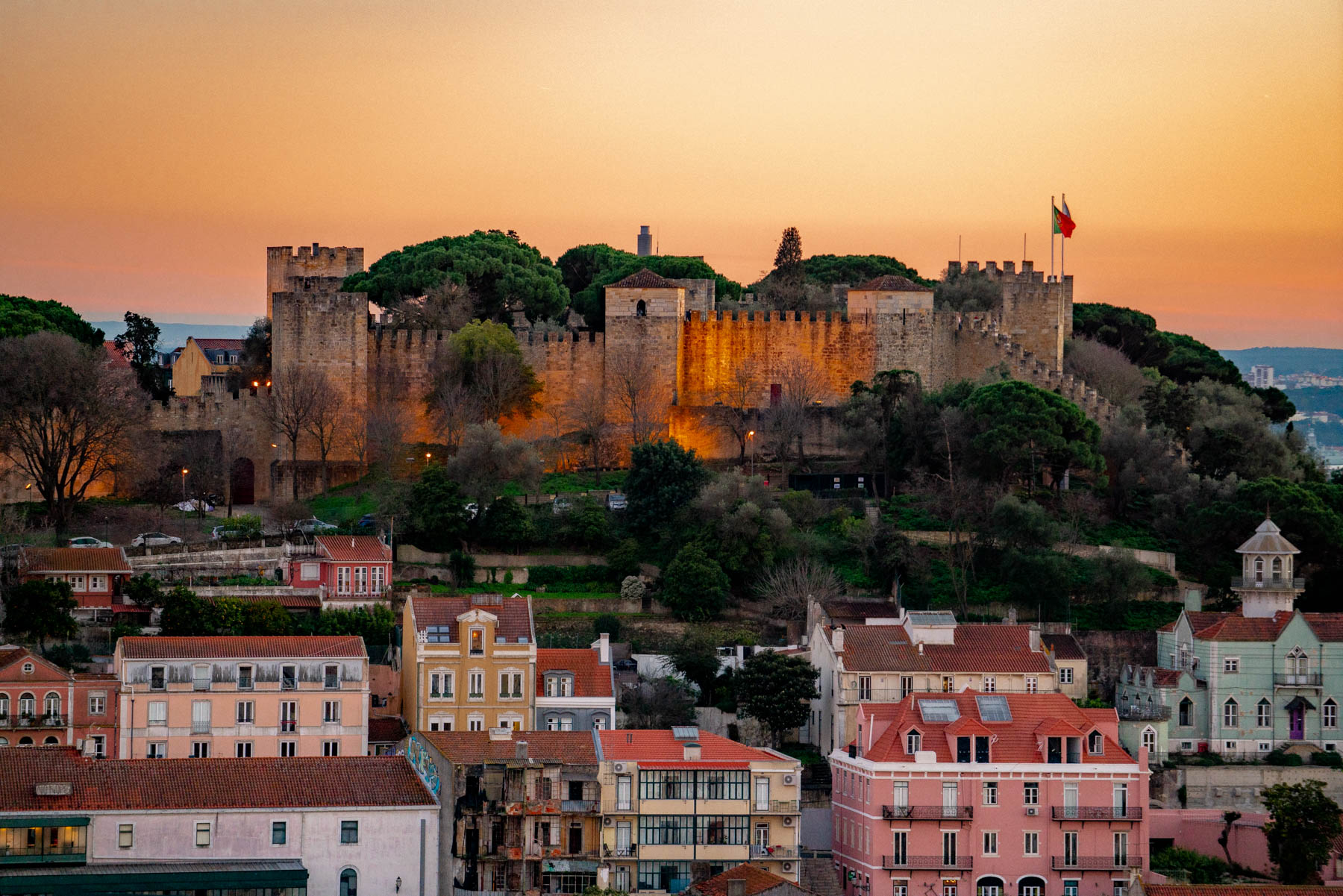
Book online at least a few days ahead, more in summer. Pena Palace is around €14, which is honestly a steal for what you get. While you’re at it, here are the other major ticket prices so you can plan your budget. Jerónimos Monastery is €10, Tower of Belém is €8, and Castelo de São Jorge is €10.
For more on planning a Sintra day trip, we have a full guide to things to do in Sintra.
Skipping the Real Neighborhoods
Most tourists stick to Alfama, Baixa, and Chiado. Which are perfectly fine areas. Alfama is charming, Baixa is convenient, Chiado has good shopping. But they’re the tourist version of Lisbon, and the neighborhoods where the city actually *lives* are far more interesting.
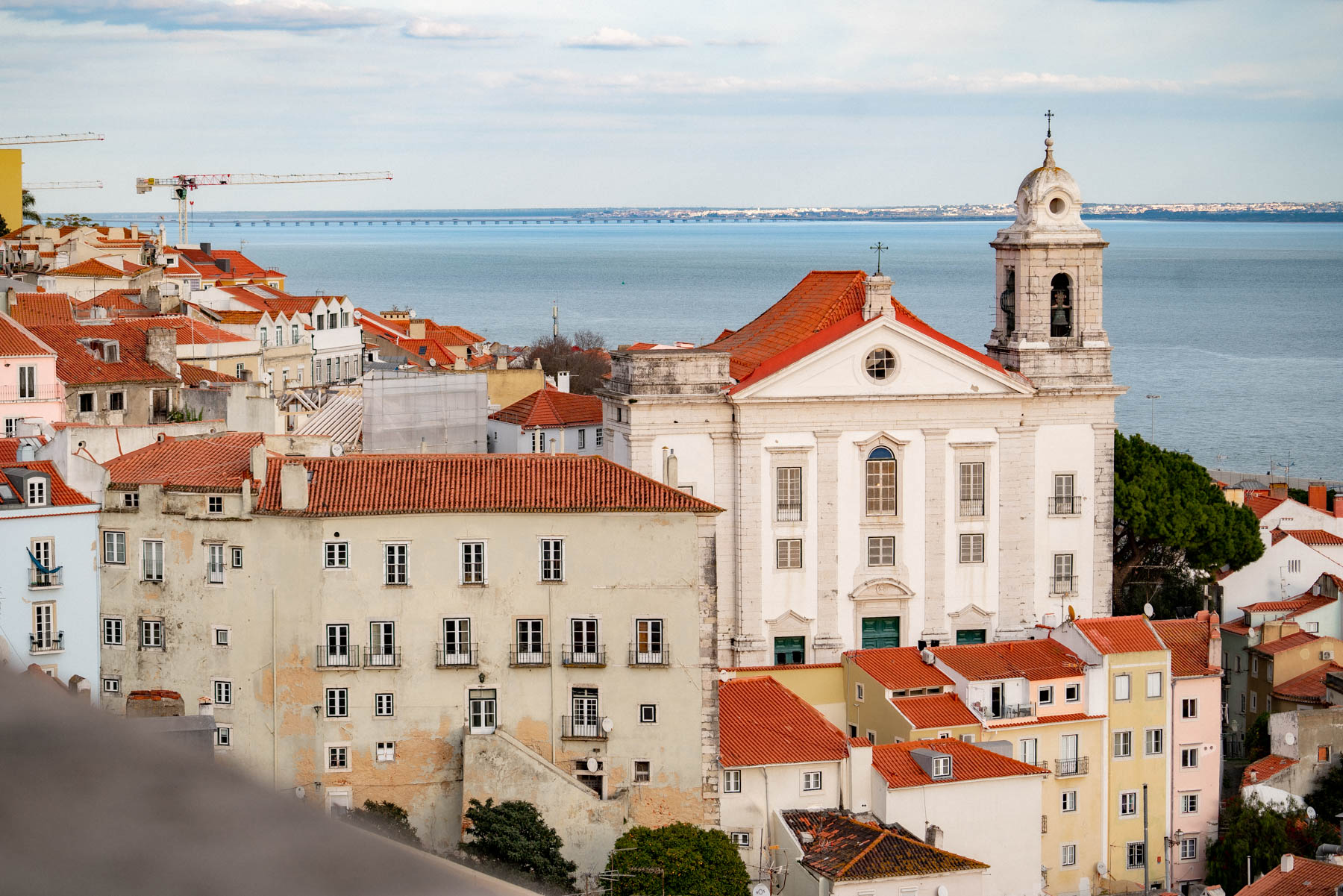
Graça is right above Alfama but feels completely different. Authentic, residential, and home to some of the best best viewpoints in Lisbon without the crowds. Miradouro da Graça and Miradouro da Senhora do Monte are both up here and they’re better than the more famous viewpoints below.

Príncipe Real is where Lisbon’s creative and food scene has been quietly exploding. Excellent restaurants, independent shops, a beautiful botanical garden, and a Saturday market that’s actually worth going to.
Mouraria is one of the most culturally diverse neighborhoods in Europe. The food here reflects that. You can get Mozambican, Goan, Chinese, and Bangladeshi food within a few blocks, alongside traditional Portuguese tascas.
Santos and Madragoa are residential, quiet, and close to the river. If you want to know what Lisbon feels like when tourists aren’t around, spend an afternoon here.
And Bairro Alto. Let me save you a bad night’s sleep. It’s the nightlife district. Bars don’t really get going until midnight and things are loud until 4am. Do *not* book accommodation here unless you specifically want to be in the middle of that.
For more on choosing the right area, check our guide to where to stay in Lisbon.
Visiting in August
August in Lisbon is 35°C or higher, the kind of heat that makes sightseeing feel like a punishment. But the bigger problem isn’t the temperature. It’s that many locals leave the city entirely. Neighborhood restaurants close for two to four weeks. The tascas and family-run spots that make Lisbon special just put up a sign and disappear until September.
The tourist areas stay packed, but the city loses something. It’s like visiting someone’s apartment when they’re not home.


The best months to visit are March through May and September through October. If I had to pick one perfect window, it’s late September. The summer crowds are gone, temperatures are warm but not brutal, and the light is this soft golden thing that makes everything look like a movie.
If you can time it right, mid-June for Santos Populares is magical. The whole city throws a street party, especially in Alfama and Mouraria. There are sardine grills on every corner, manjerico (basil plant) vendors everywhere, and dancing in the streets until dawn. It’s one of those things that makes you fall in love with a place permanently.
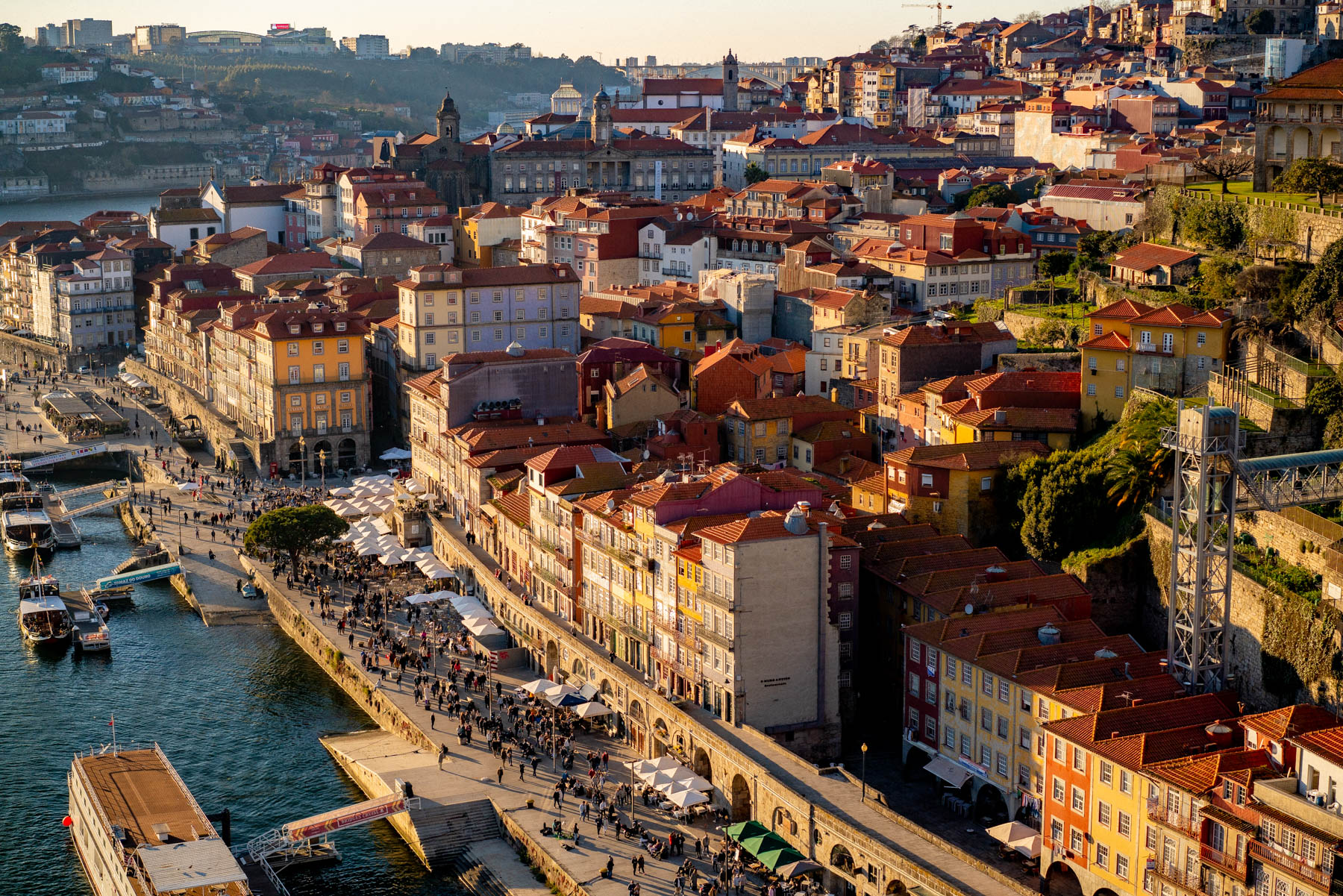
Lisbon is one of the warmest, most walkable, and most affordable capital cities in Western Europe. It’s the kind of place where you can eat well for €15, walk everywhere that matters, and stumble into something beautiful around every corner.
These mistakes won’t ruin your trip. But avoiding them will make it dramatically better. You’ll eat better food, waste less time in lines, save real money on transit, and actually see the neighborhoods where Lisbon does its best work.
If you’re still planning, start with our full guide to things to do in Lisbon. And if you’re choosing between Portugal’s two big cities, we break that down in Lisbon vs Porto. For a wider view of the country, here are our favorite things to do in Portugal.
Three days is the sweet spot. You can cover the main neighborhoods, eat your way through the city, and take a day trip to Sintra without feeling like you are on a schedule.
Lisbon is walkable but extremely hilly. Wear solid shoes and be ready for steep cobblestone streets, especially in Alfama. The trams and elevators exist for a reason. Use them.
Do not eat near the Belem Tower, do not skip Alfama in the evening, and do not ride Tram 28 during peak hours. That tram becomes a sardine can of pickpockets by midmorning.
It is one of the most affordable capitals in Western Europe. A great meal with wine runs about 15 to 20 euros per person. Hotels have gotten pricier in recent years, but food and drinks remain a bargain.


