



We spent a month in Mallorca and still managed to get things wrong. Some mistakes cost us time, some cost us money, and one nearly cost our lunch on a mountain road with 26 hairpin turns.
The thing about Mallorca is that it’s easy to visit. Fly in, grab a hotel, hit the beach. But easy doesn’t mean you’ll do it well. After four weeks on the island, we left with a list of things we’d do differently, and a few regrets we couldn’t undo.
Here are 10 mistakes to avoid in Mallorca so you don’t repeat ours. If you’re planning a trip, you might also want to check out our guide to the things to do in Mallorca and our one week in Mallorca itinerary.
Renting a Huge Car
This was mistake number one and we made it within 45 minutes of landing.
We rented an SUV because it seemed comfortable for a month-long stay. Big trunk, room for groceries, all that. What we didn’t account for was the Serra de Tramuntana, where the roads are single-lane with passing places and stone walls on both sides. We spent half the trip folding our mirrors in and holding our breath.

Get a small car. Ford Focus size, maximum. Anything bigger and you’ll regret it the first time a tour bus comes around a blind corner on the road to Sa Calobra. Manual transmission is cheaper, but if you’re not comfortable with mountain switchbacks and clutch work at the same time, pay the extra for automatic. Your nerves are worth it.
The road from Sóller to Fornalutx is another one that punishes oversized vehicles. It narrows to the point where you’re threading between ancient stone walls with maybe three inches of clearance on each side. The Ma-10 between Valldemossa and Deià has blind corners every few hundred meters, and local drivers take them fast. We watched a Range Rover try to reverse down a 200-meter stretch because it couldn’t squeeze past a delivery van. The whole thing took about 15 minutes and drew an audience.
If you’re visiting in summer, book early. The small cars go first.
Only Going to the Beach
Look, the beaches in Mallorca are gorgeous. Crystal-clear water, white sand, coves that look like someone Photoshopped the color saturation up. We get it.
But if that’s all you do, you’re missing the best part of the island.
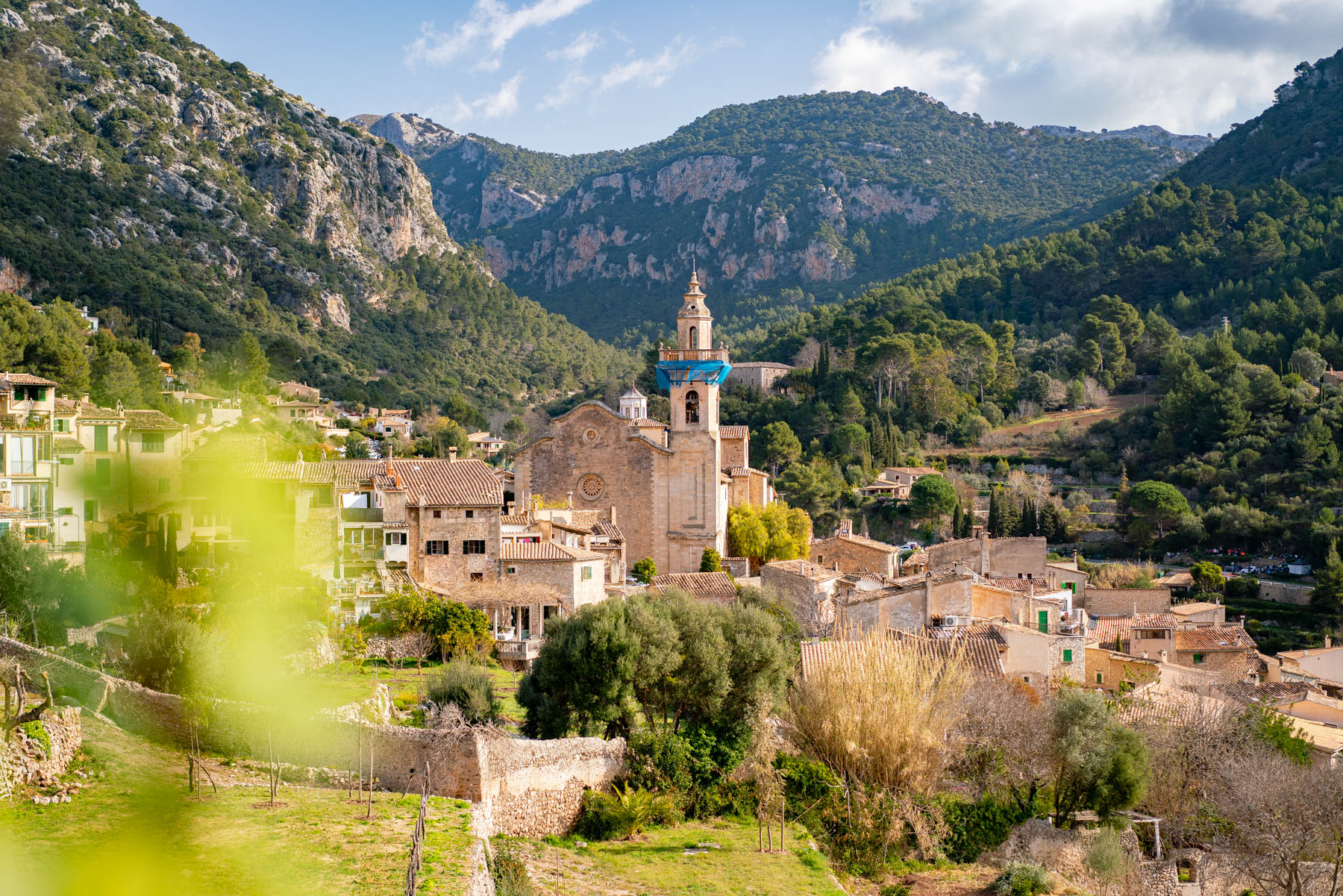
The Serra de Tramuntana mountains are a UNESCO World Heritage Site. The interior has wine country, medieval towns with stone buildings that haven’t changed in centuries, and almond groves that bloom pink and white in February. Palma has a food scene that rivals cities twice its size. There are hikes in Mallorca that will make you forget you’re on a Mediterranean beach island.
We spent the first week glued to the coast and only ventured inland because it rained. That rainy day ended up being one of our favorites.
Going to Caló des Moro After 9 AM
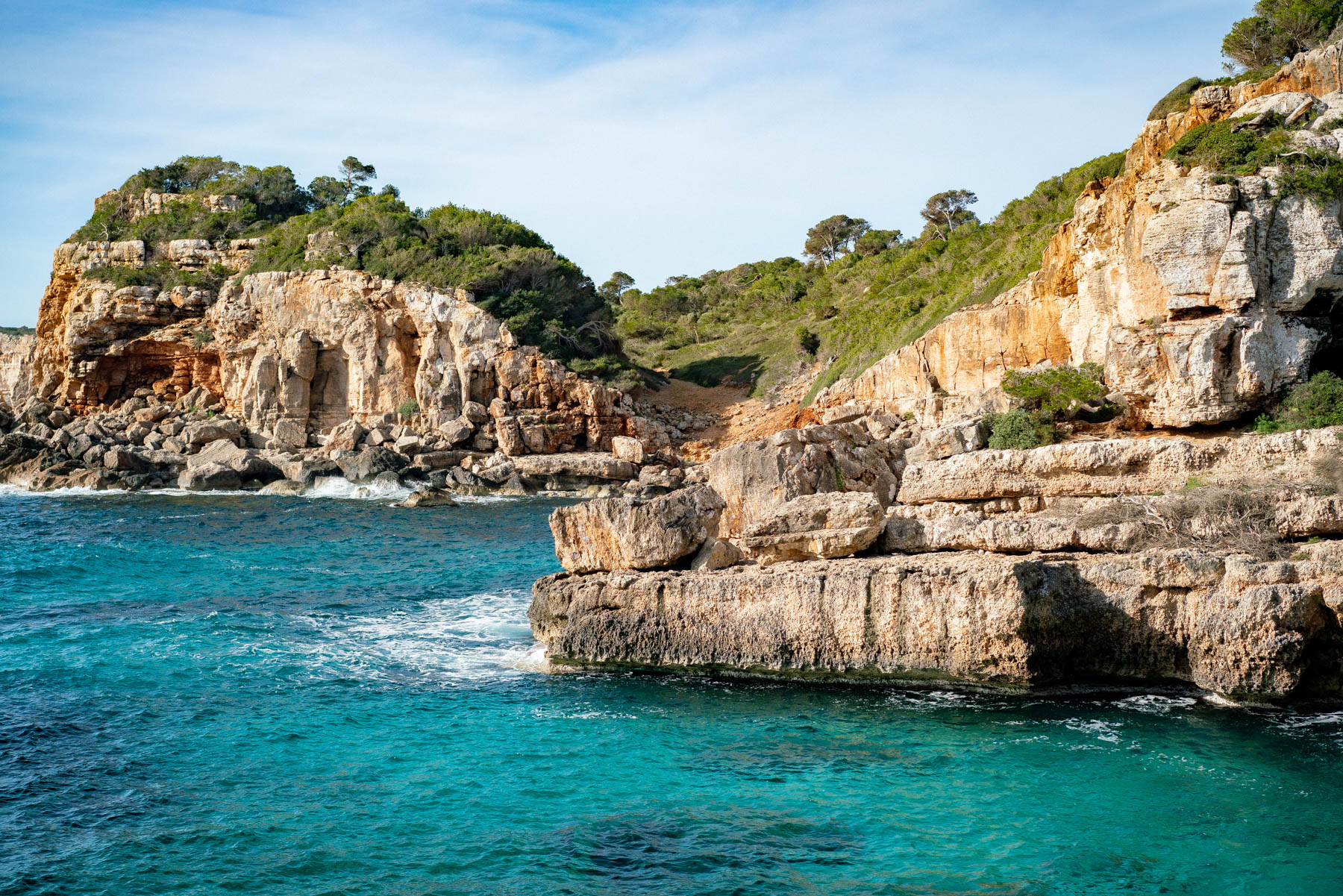
Caló des Moro is Instagram’s favorite cove. You’ve seen it. Turquoise water, dramatic cliff walls, impossibly pretty. What the photos don’t show is that the cove is about 25 meters wide.
In July, there are 200+ people crammed into that tiny space. After 9am, there’s no room on the rocks, no space to lay a towel, and no parking anywhere near the trailhead. We showed up at 10:30 and turned around after standing on the cliff looking down at what resembled a very attractive sardine can.
Go at dawn. Like, sunrise dawn. Or visit in shoulder season when the crowds thin out. Cala S’Almunia is right next door, slightly bigger, and significantly less insane. We ended up swimming there instead and had a great time.
Skipping Palma
A lot of visitors treat Palma as the airport city. You land, pick up the rental car, and drive straight to your resort on the coast. That’s a big mistake.
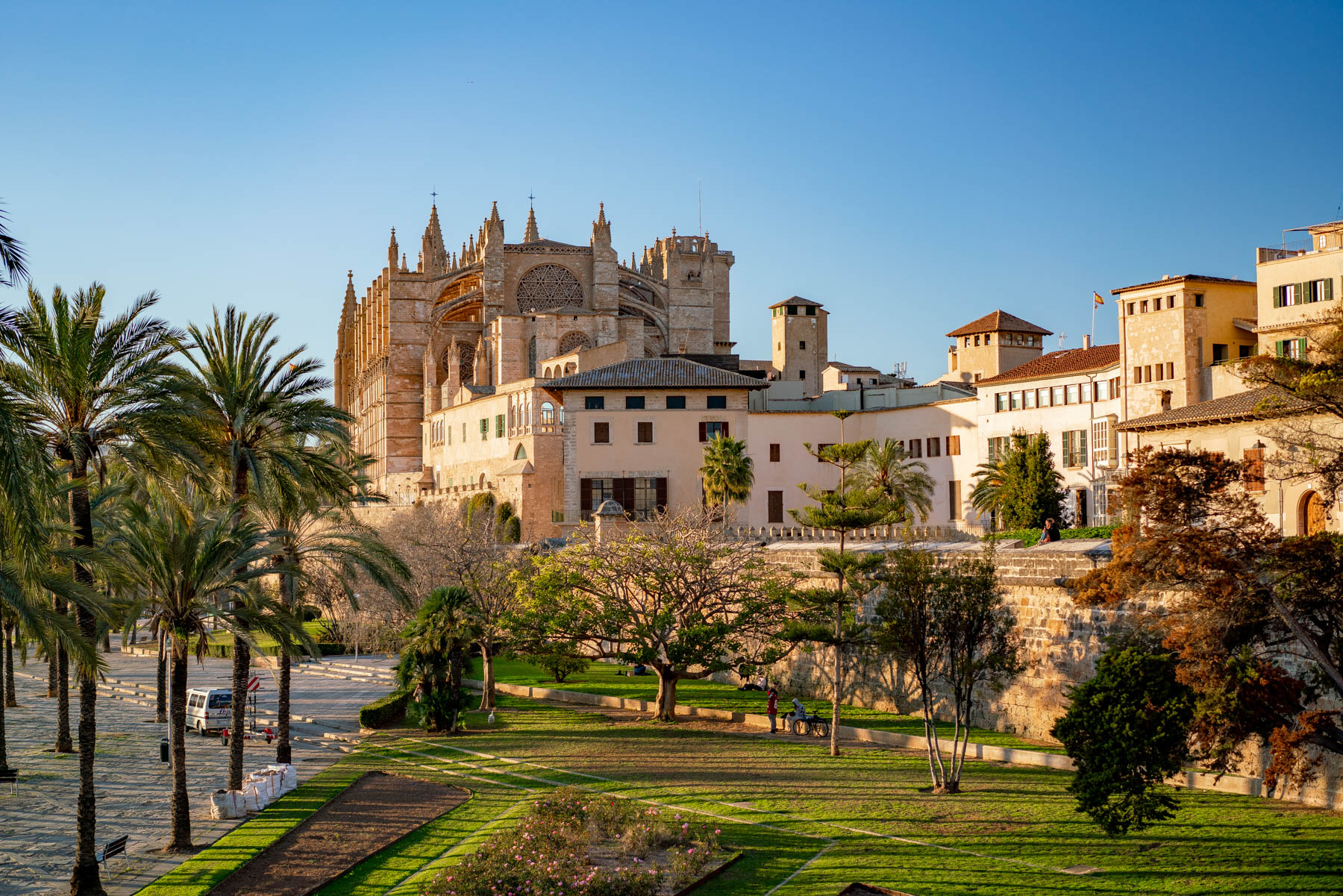
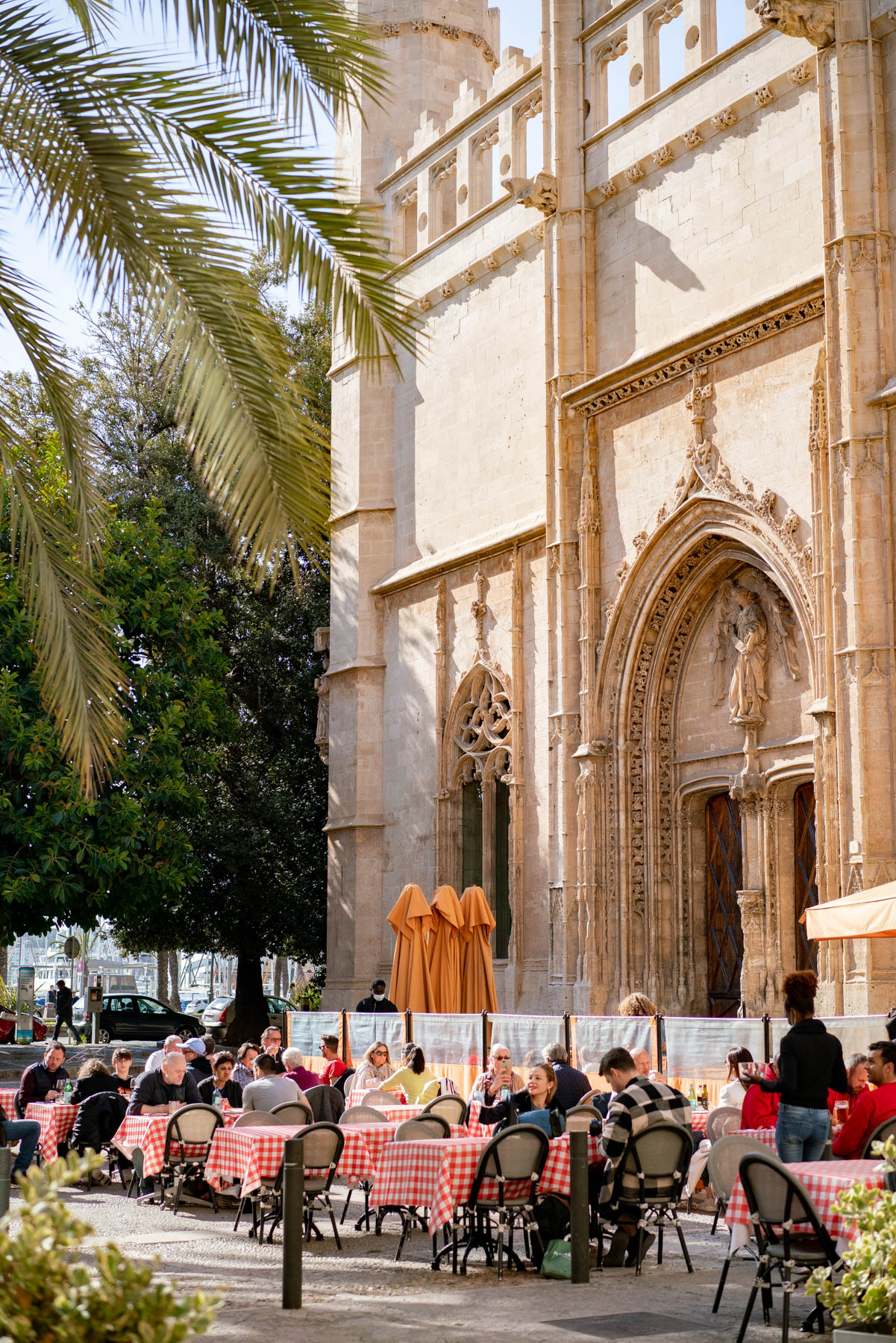
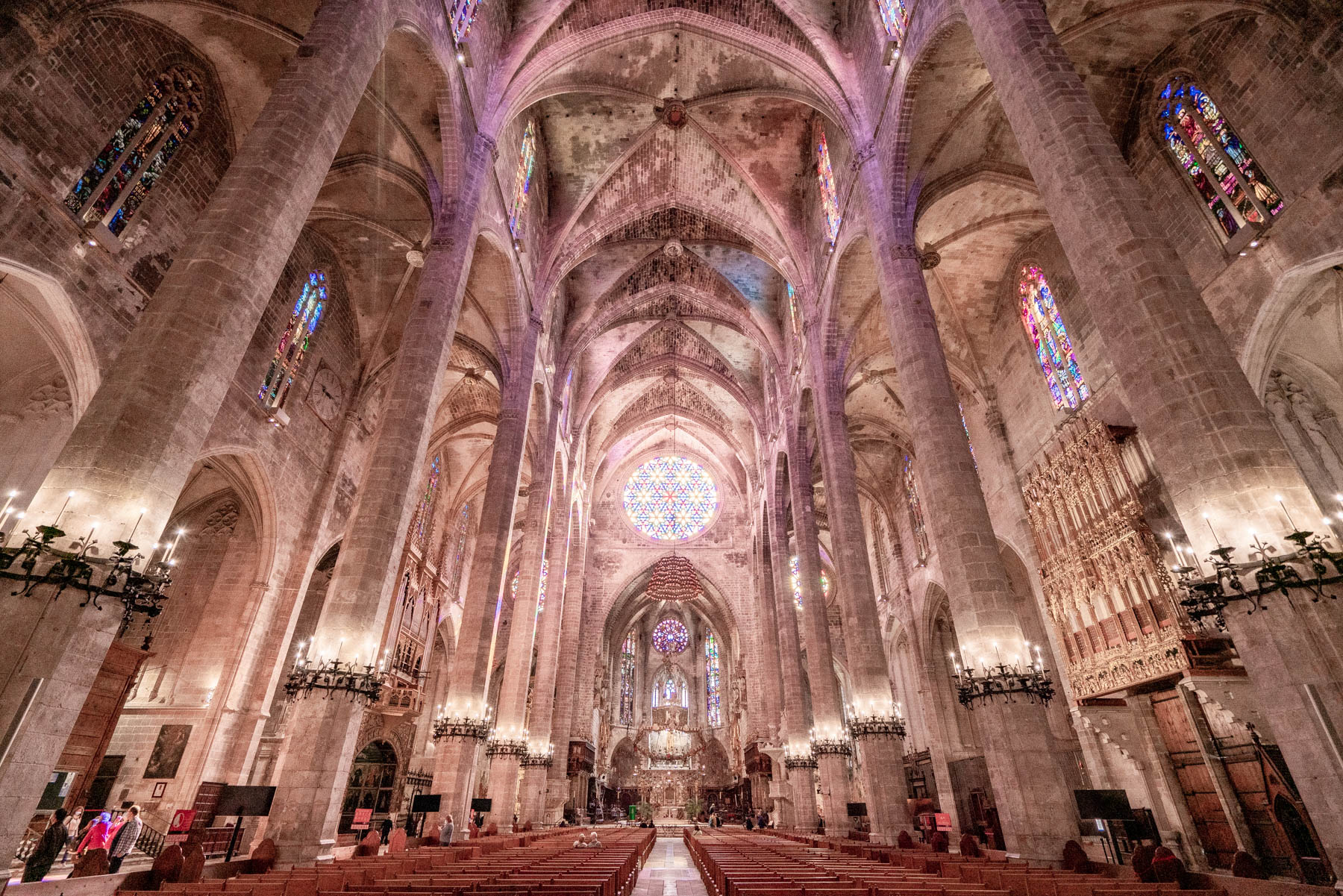
Palma is a fantastic city. The cathedral is jaw-dropping, especially when the morning light hits the rose window and throws color across the interior. The Santa Catalina neighborhood has the best food scene on the island. Mercat de l’Olivar is where you sit at the counter and eat oysters with cava at 11am and feel zero guilt about it.
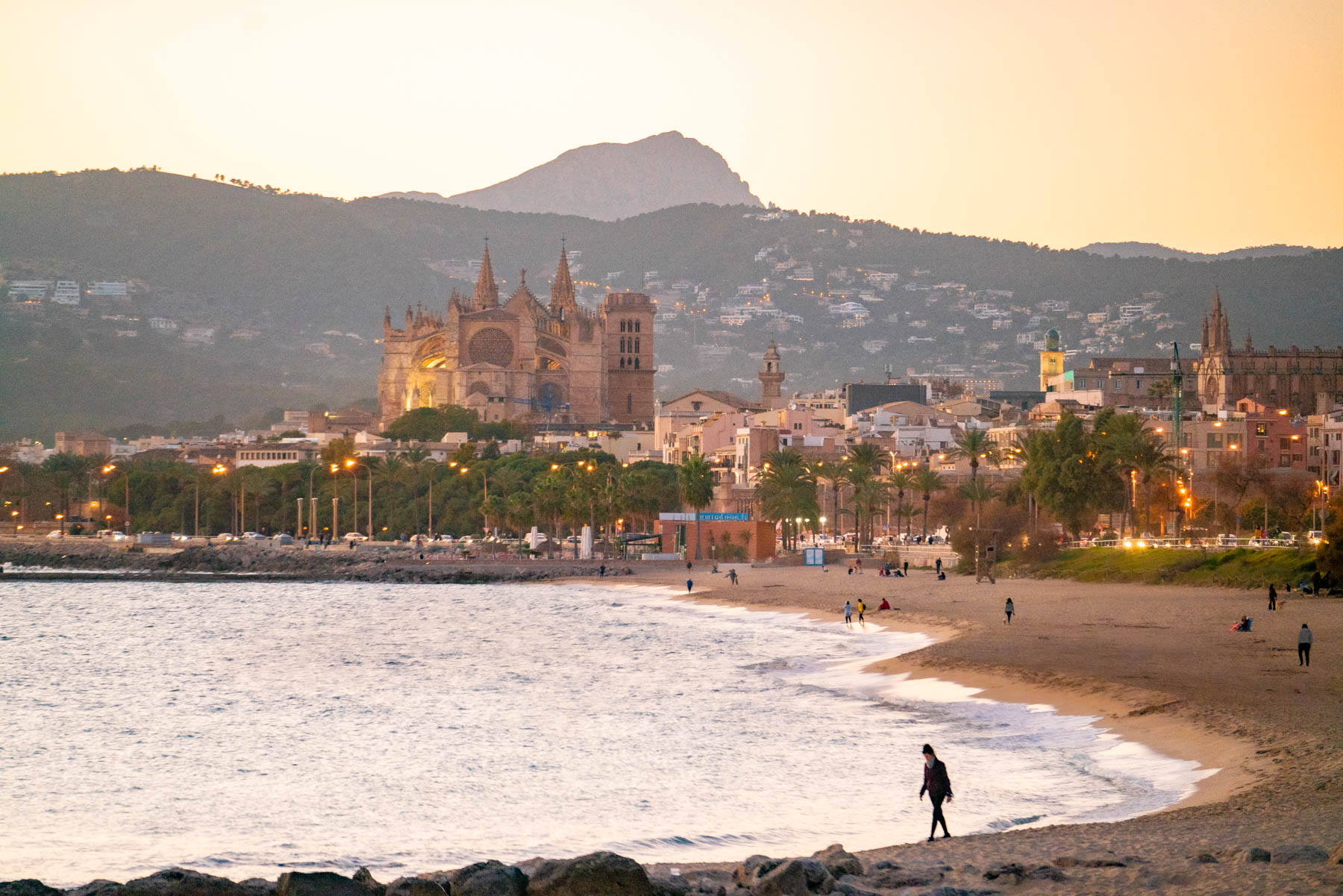
You could easily spend 2-3 days in Palma alone. The old town is walkable, the architecture is beautiful, and the tapas bars stay open late. If you’re figuring out where to stay in Mallorca, spending at least a night or two in Palma is worth it.
Not Booking Restaurant Reservations
We learned this one the hard way. Twice.
Ca’s Patró March, the cliffside restaurant in Deià that every travel writer mentions, books weeks in advance during summer. DINS Santi Taura, the Michelin-starred spot in Palma, needs at least a few days notice. We tried to walk into both and got politely turned away both times.
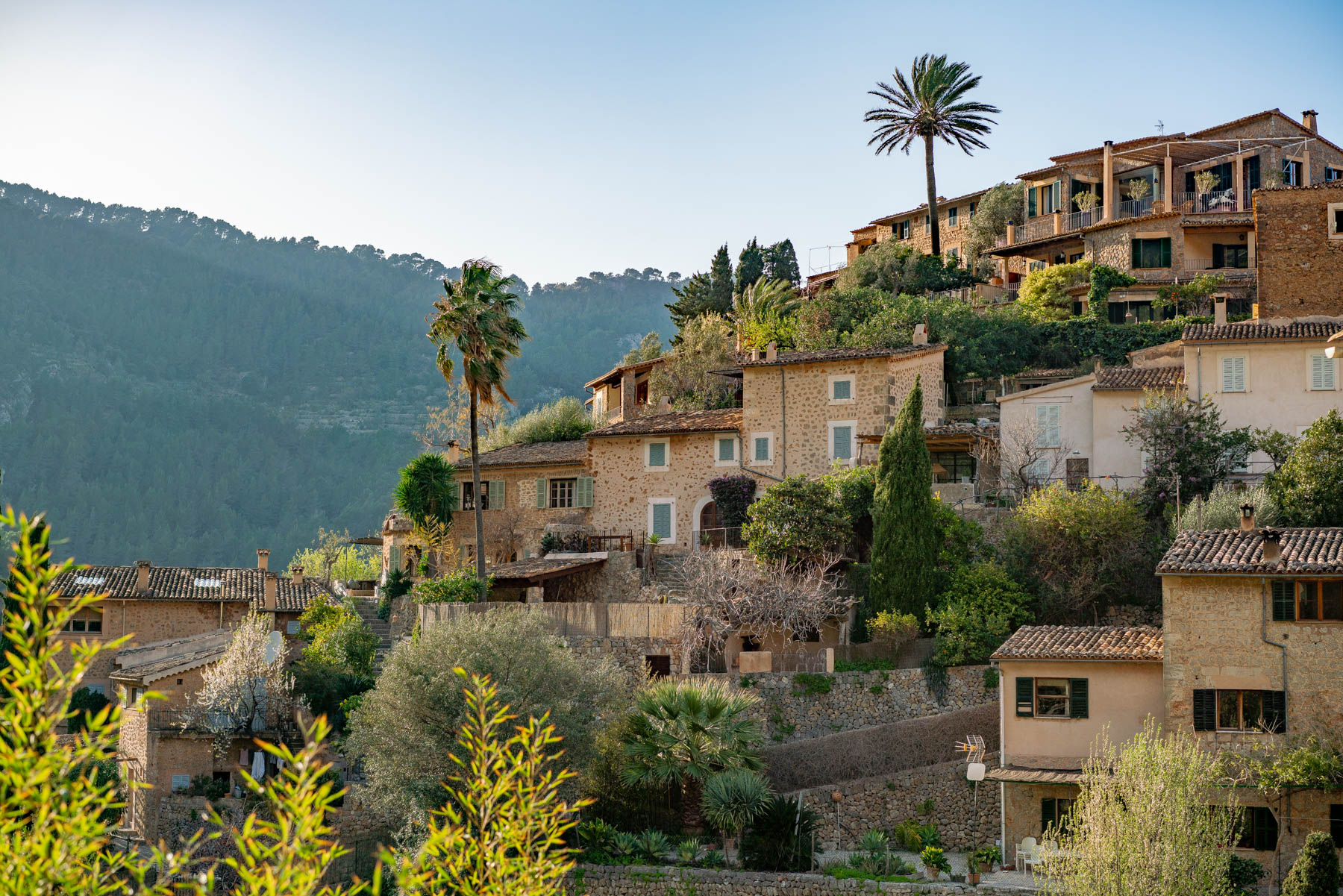
El Olivo at La Residencia in Deià is another one that fills up fast. Same goes for Marc Fosh in Palma. If it’s been written about in a travel magazine, assume you need a reservation. We started booking at least a week out for anything we really wanted to try and never had a problem after that.
The one exception is Es Verger, up in the mountains near Alaró. They don’t take reservations. You just show up, sit down, and they bring you one dish. Lamb shoulder, slow-roasted for hours. It’s worth it. But for everything else popular in summer, book ahead. Mallorca gets 14 million tourists a year and they all need to eat. Check out our full guide to the best restaurants in Mallorca for more recommendations.
Driving to Sa Calobra Unprepared
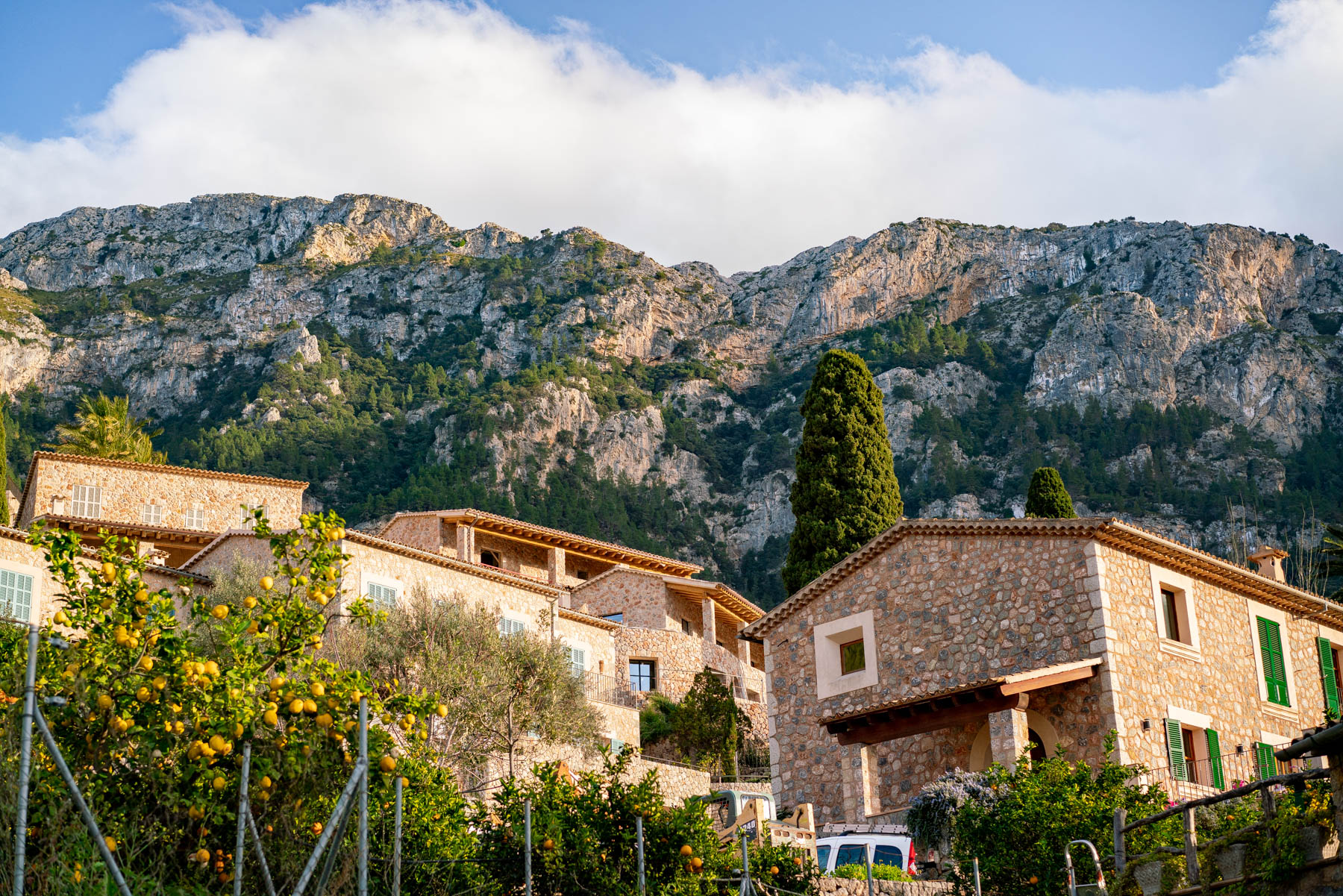
The Ma-2141 to Sa Calobra is 14 kilometers of hairpin turns dropping 800 meters to sea level. It includes a 270-degree loop where the road literally passes over itself. It is not a casual drive.
We went at noon on a Saturday. Tour buses were coming up as we were going down, and there is genuinely no room to pass on some sections. I was driving and my knuckles were white. My husband was in the passenger seat pretending to be calm while gripping the door handle hard enough to leave fingerprints.
The first few turns feel manageable. Then the road drops off a cliff edge with no guardrail and you realize this is going to be that kind of drive. Around turn 12 or 13, you hit the famous knot where the road twists back over itself through a short tunnel. It’s wild to see from above. Less fun when you’re actually in it and a cyclist is coming the other way.
The bottom half is steeper and tighter. By the time we reached the parking lot at sea level, my hands ached from gripping the wheel. And then we remembered we had to drive back up.
Go before 9:30am to avoid the tour buses. Take carsick medicine if you’re prone to motion sickness (no shame). And drive a small car. The Torrent de Pareis gorge at the bottom, where the cliffs tower hundreds of feet above you and open onto a rocky beach, is worth every single switchback. If you’re planning a day trip to Sóller and Deià, you can combine it with this drive.
Visiting in August
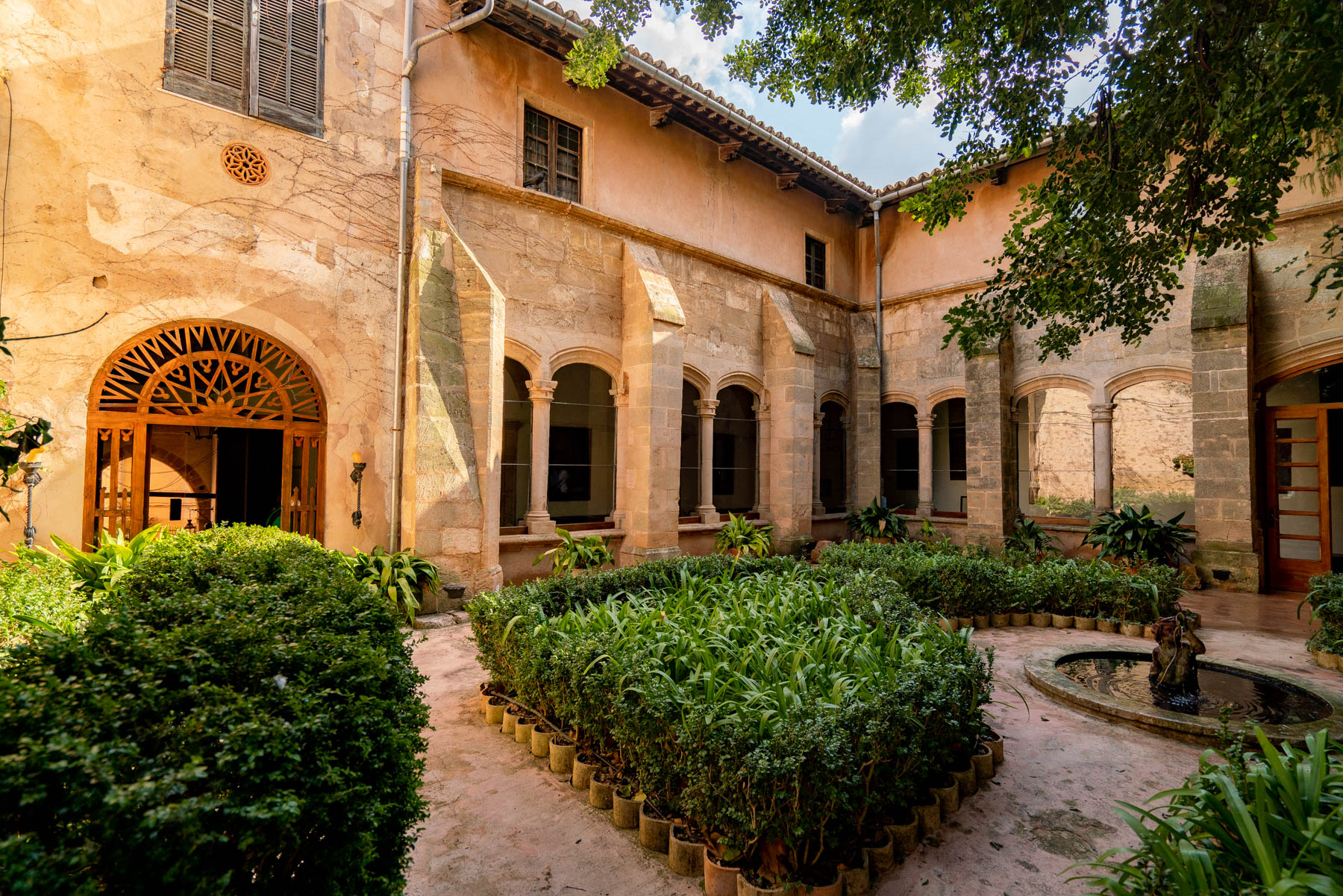
August in Mallorca is 35°C+, every beach is packed shoulder to shoulder, parking is a nightmare everywhere, and hotel prices are roughly double what they are in June. Even the Mallorcans leave. The road to Cap de Formentor closes to private cars entirely because there’s simply no room.
We talked to a restaurant owner in Sóller who said August is the month she works the hardest and enjoys the least. She also mentioned that some of the smaller coves get so crowded that local authorities have started limiting access. That tells you everything you need to know.
May through June and September through October are the sweet spot. Half the crowds, better prices, the locals are actually around, and the weather is still warm enough to swim. We visited in late June and it was perfect. A few weeks later and it would have been a completely different trip.
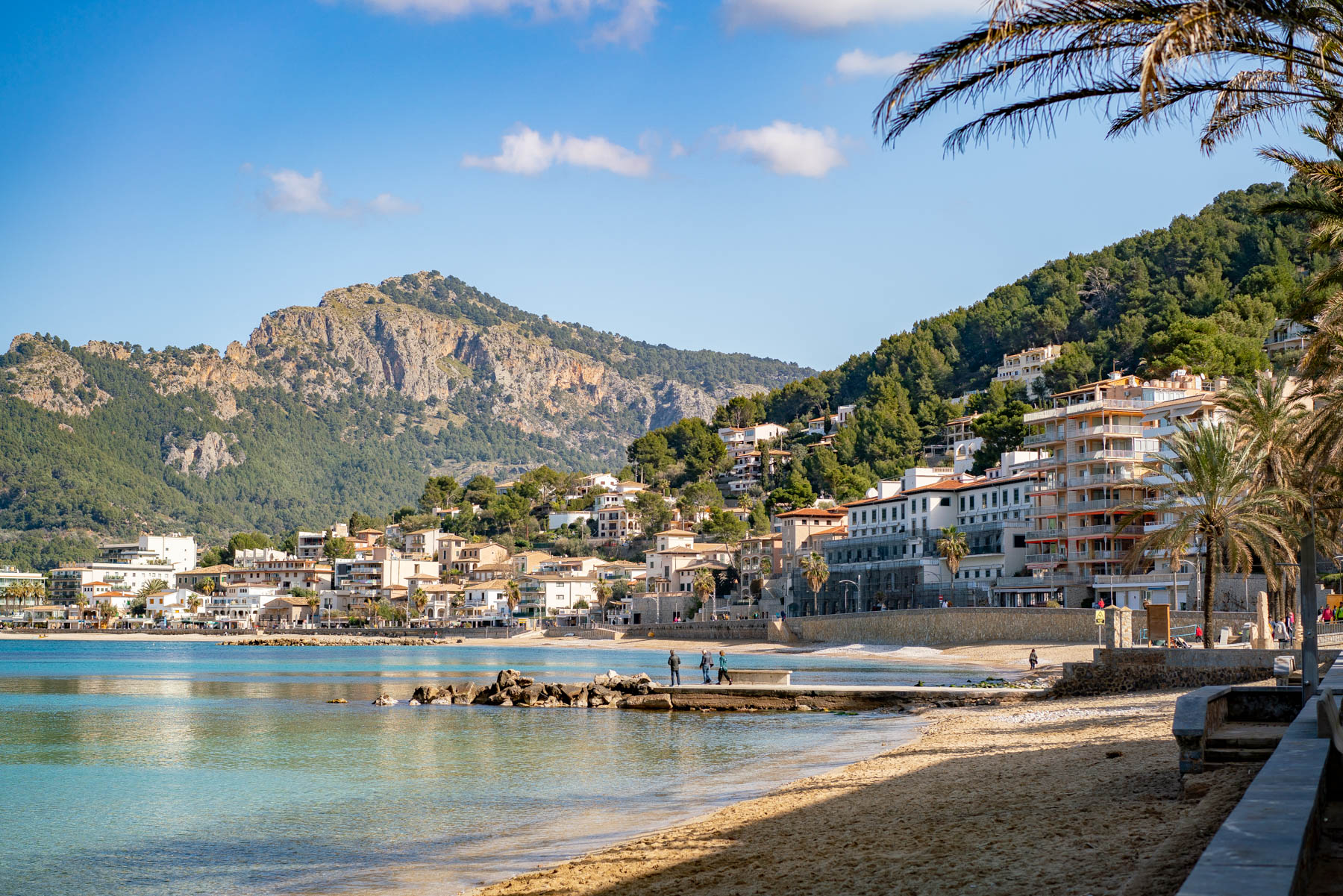
Not Trying the Local Food
Please don’t eat paella and pizza the entire trip. Mallorca has its own cuisine and it’s really good.
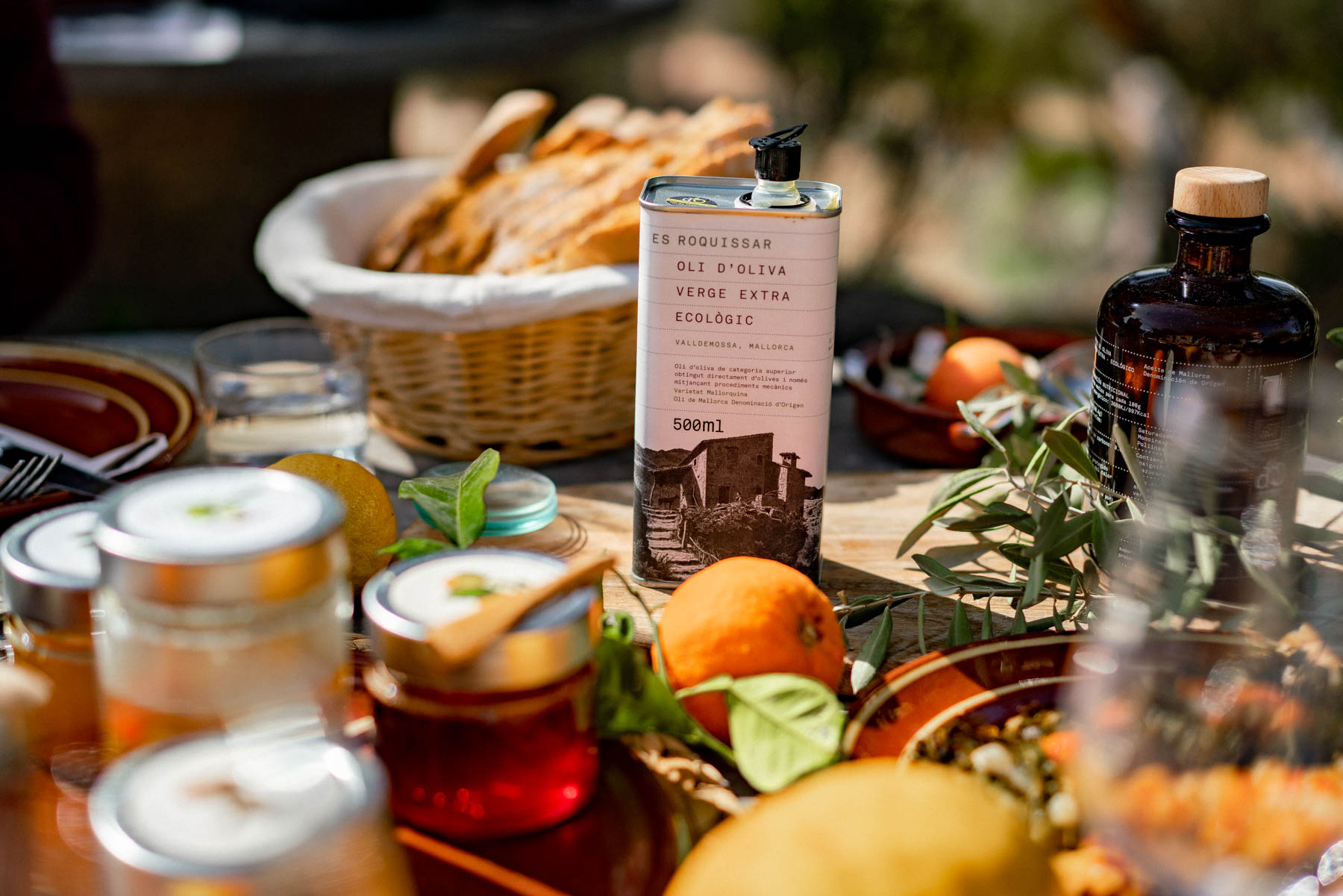
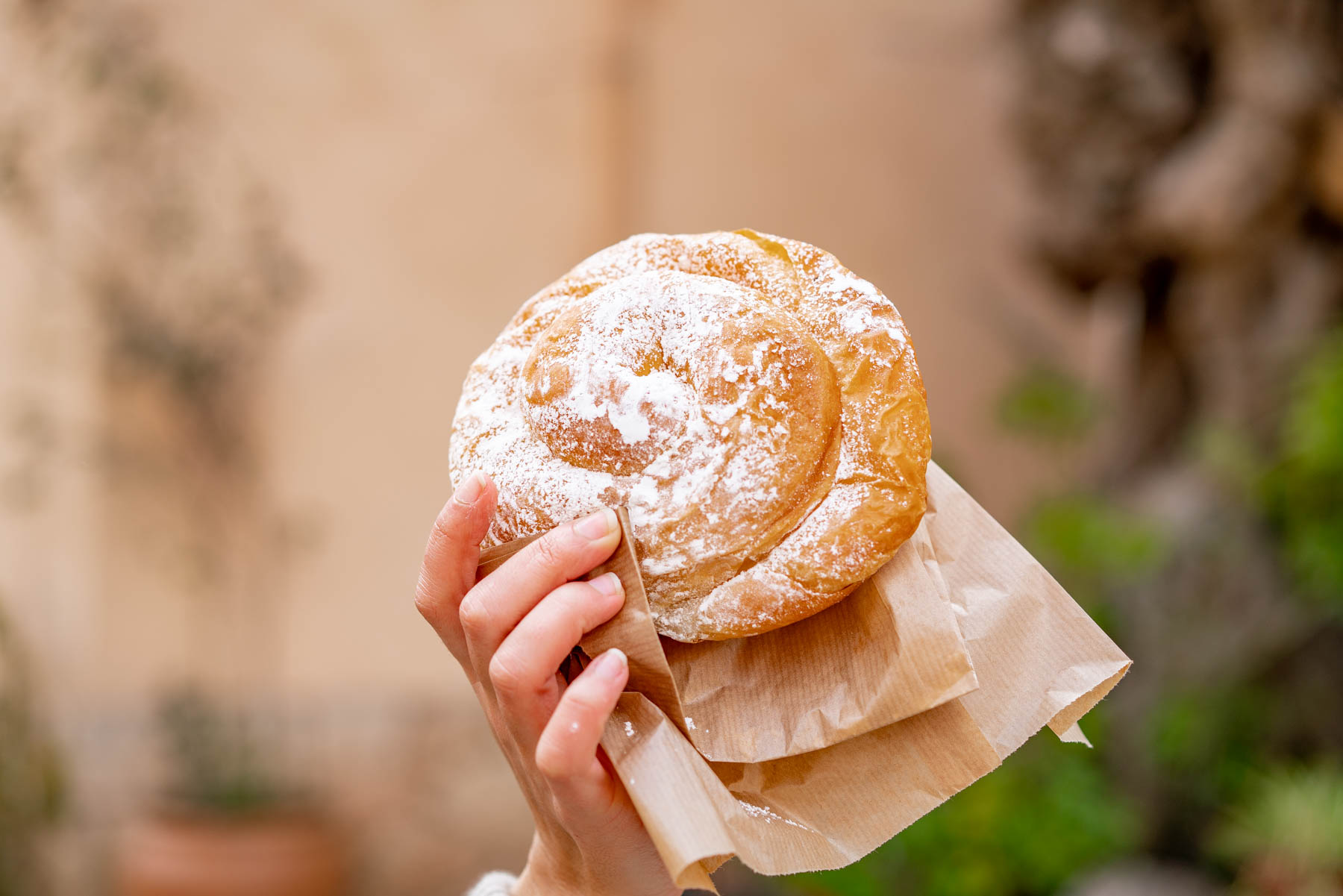
Frit mallorquí is fried offal with peppers and potatoes. It sounds intense but tastes amazing, especially at a traditional celler with a glass of local red wine. Ensaïmada from Fornet de la Soca in Palma is a flaky, spiral pastry dusted with powdered sugar that will ruin all other pastries for you. Sobrassada with honey drizzled on bread is the snack you didn’t know you needed.
Pa amb oli is the simplest thing on earth (bread rubbed with tomato and olive oil) and somehow one of the most satisfying. Arròs brut is a hearty rice stew with pork, rabbit, and whatever vegetables are around. It translates to “dirty rice” and it looks the part, but it’s the kind of thing you want on a cool evening after a day of hiking.
For dessert, don’t skip the gató, an almond cake served with almond ice cream. It’s on every traditional menu and for good reason. Coca de trampó is a flatbread topped with peppers, onions, and tomatoes that works as a snack or a light lunch. And tumbet, layers of fried potato, eggplant, and pepper baked in tomato sauce, is basically Mallorca’s version of ratatouille except better. We had it at a tiny place in Sóller and ordered a second plate.
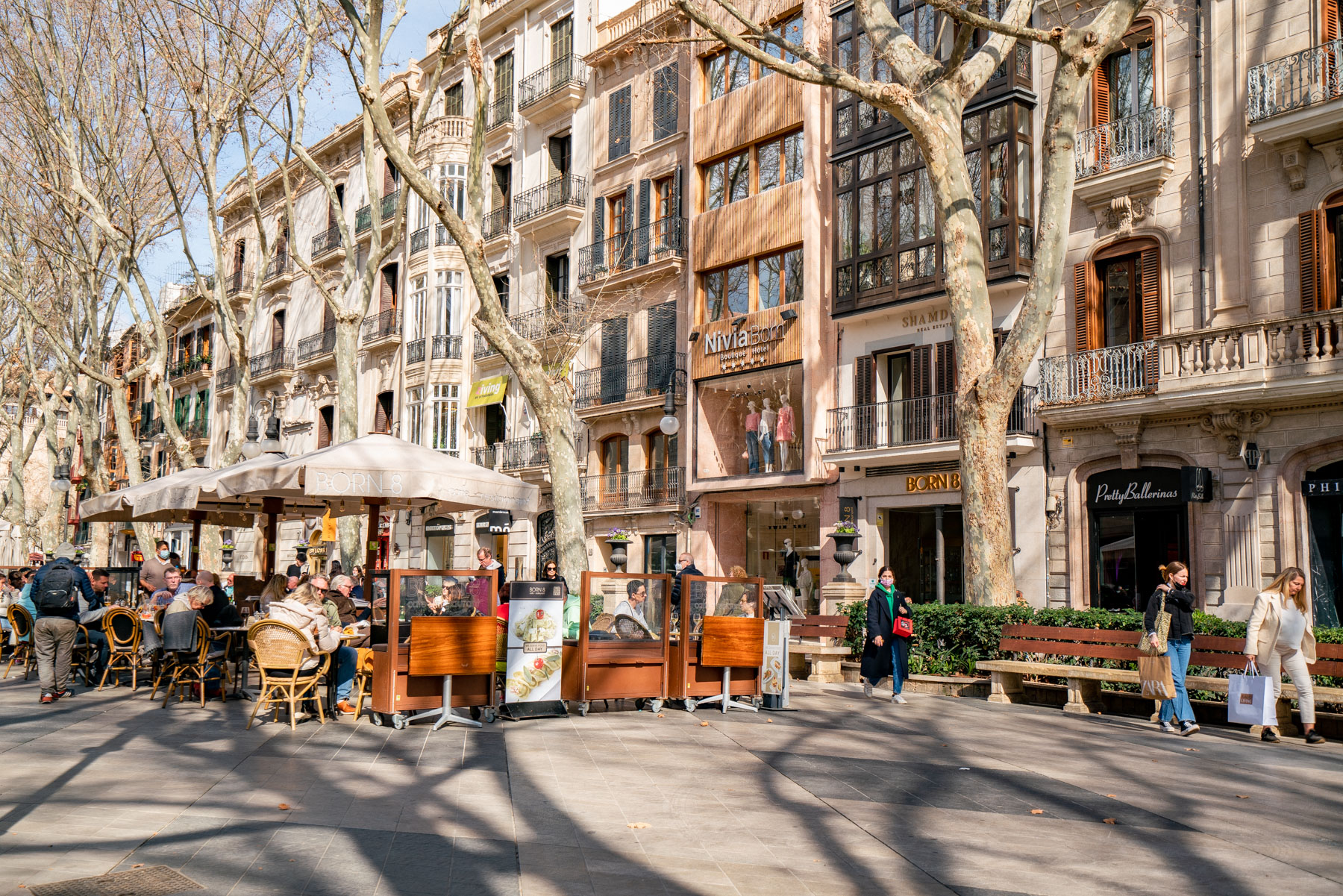
Celler Sa Premsa in Palma has walls lined with old wine barrels, mains run €10-16, and the portions are enormous. It’s been open since 1958 and feels like eating in someone’s very large, very Mallorcan dining room. For ensaïmadas, Horno Santo Cristo in the old town has been baking them since 1910. Get there early because they sell out.
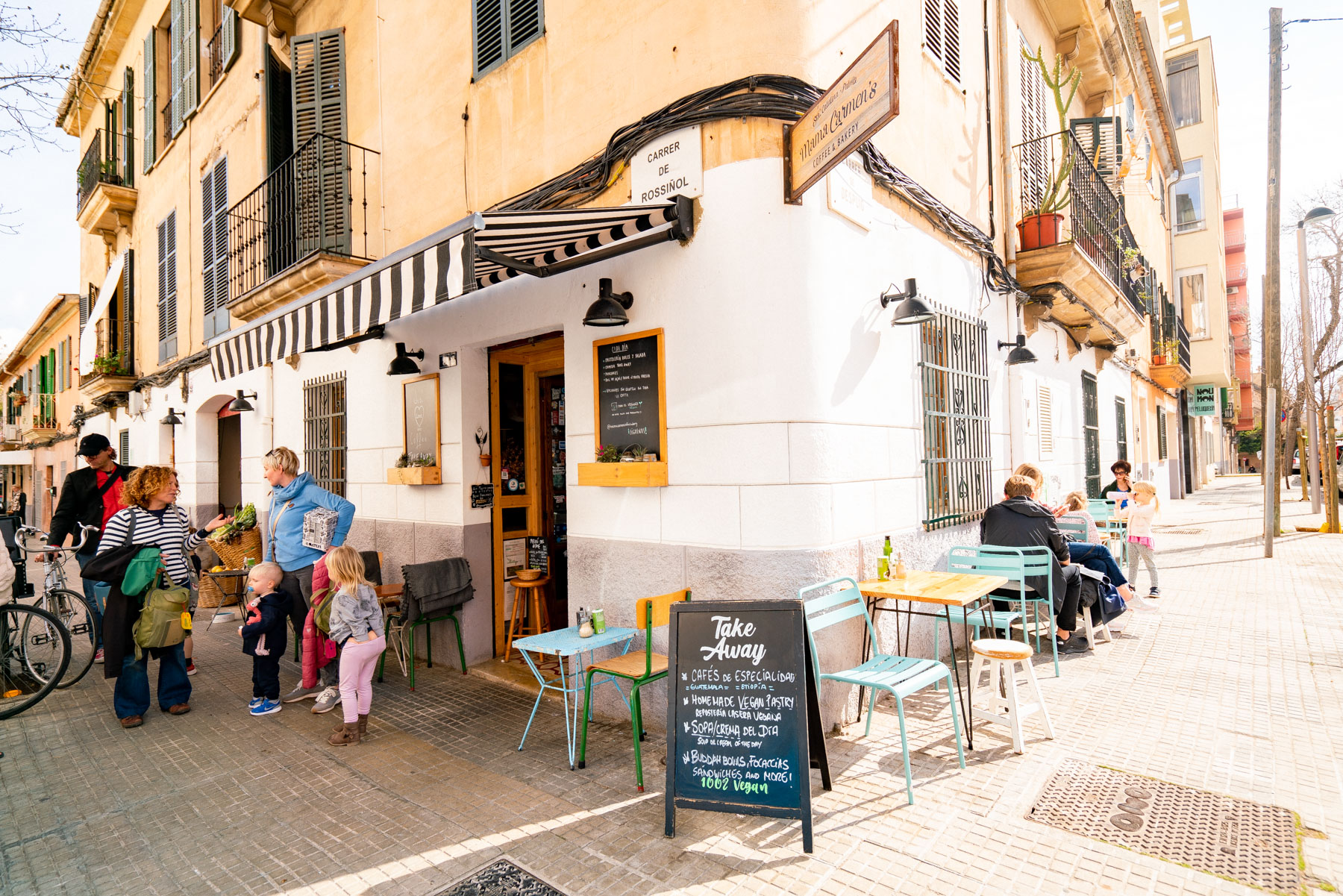
Not Learning Any Spanish
You don’t need to be fluent. You barely need to be conversational. But learning a handful of phrases goes a surprisingly long way.
“Hola.” “Gracias.” “La cuenta, por favor.” “Una cerveza, por favor.” That’s honestly enough to start.
Mallorca speaks both Catalan and Spanish, and everyone who works in tourism speaks English. But making the effort gets you better service, warmer interactions, and occasionally a free dessert. We stumbled through some very bad Spanish at a family-run restaurant in Alaró and the owner brought us a plate of homemade cake we never ordered. Effort counts.
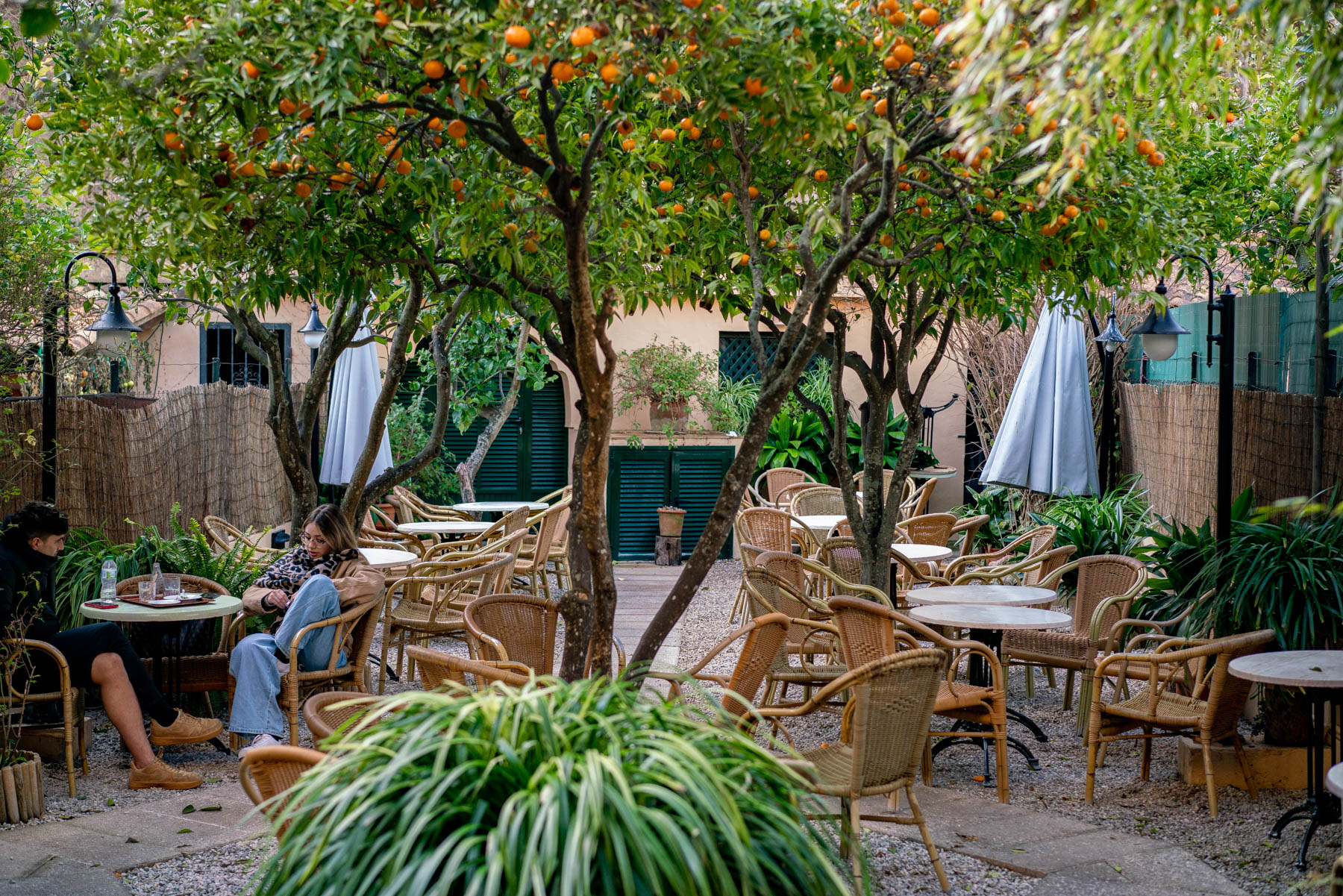
Treating It Like a Package Holiday
The all-inclusive pool resort is fine. Nobody’s judging. But if that’s all you experience, you’re visiting a version of Mallorca that could be anywhere in the Mediterranean.
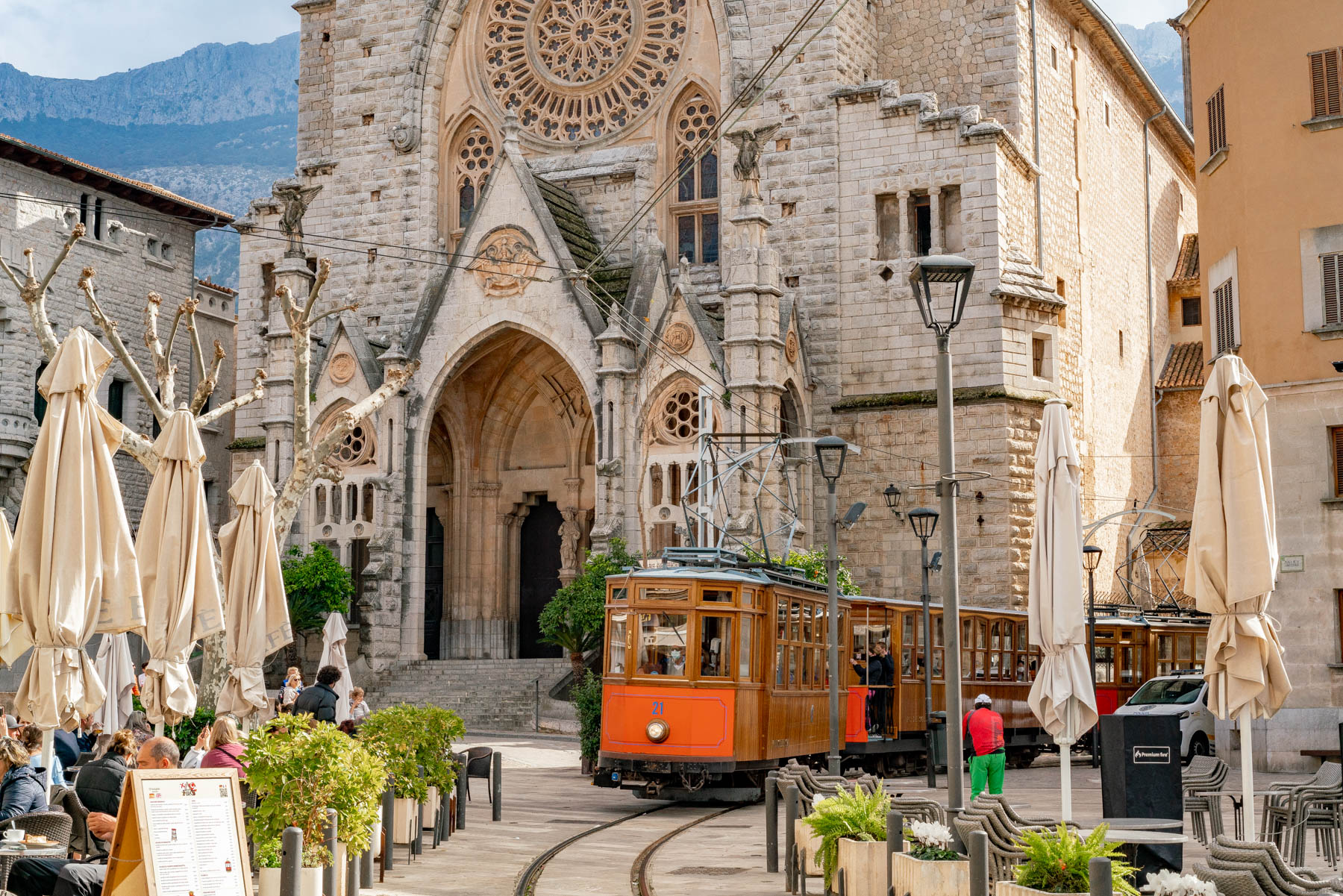
The real Mallorca is the one where you drive the Tramuntana with the windows down and pull over because the view made you forget how to breathe. Where you eat at a celler and the waiter brings you a wine you’ve never heard of and it’s the best thing you drink all trip. Where you swim in a cove that took 20 minutes of hiking to reach and you share it with exactly four other people.
Rent a finca in the countryside for a few nights. Wake up to the sound of goat bells instead of hotel lobby music. Walk to a village bakery for coffee and an ensaïmada while nobody’s in a rush and nobody’s checking you out by 11. Buy oranges from a roadside stand and eat them on a stone wall overlooking terraced olive groves that have been producing oil since before your country existed.
We met a couple from Berlin on our last week who’d been coming to Mallorca every year for a decade. They told us they’d never once stayed in a resort. Every trip was a different village, a different corner of the island. They knew it better than we knew our own neighborhood. That’s the kind of place Mallorca is. It rewards the people who bother to look past the surface.
That’s the Mallorca that makes you come back. And after a month there, trust us, you will want to come back.
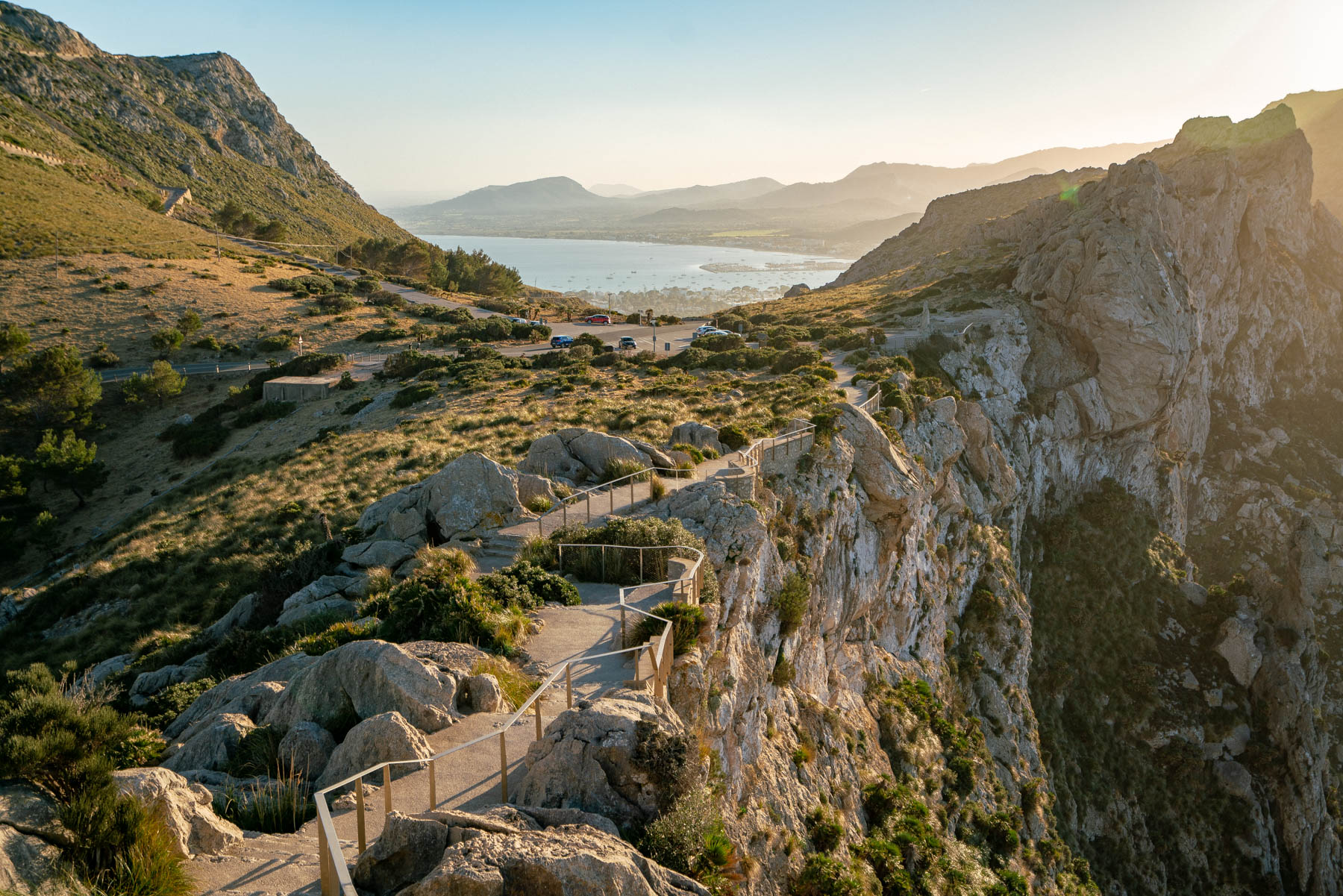
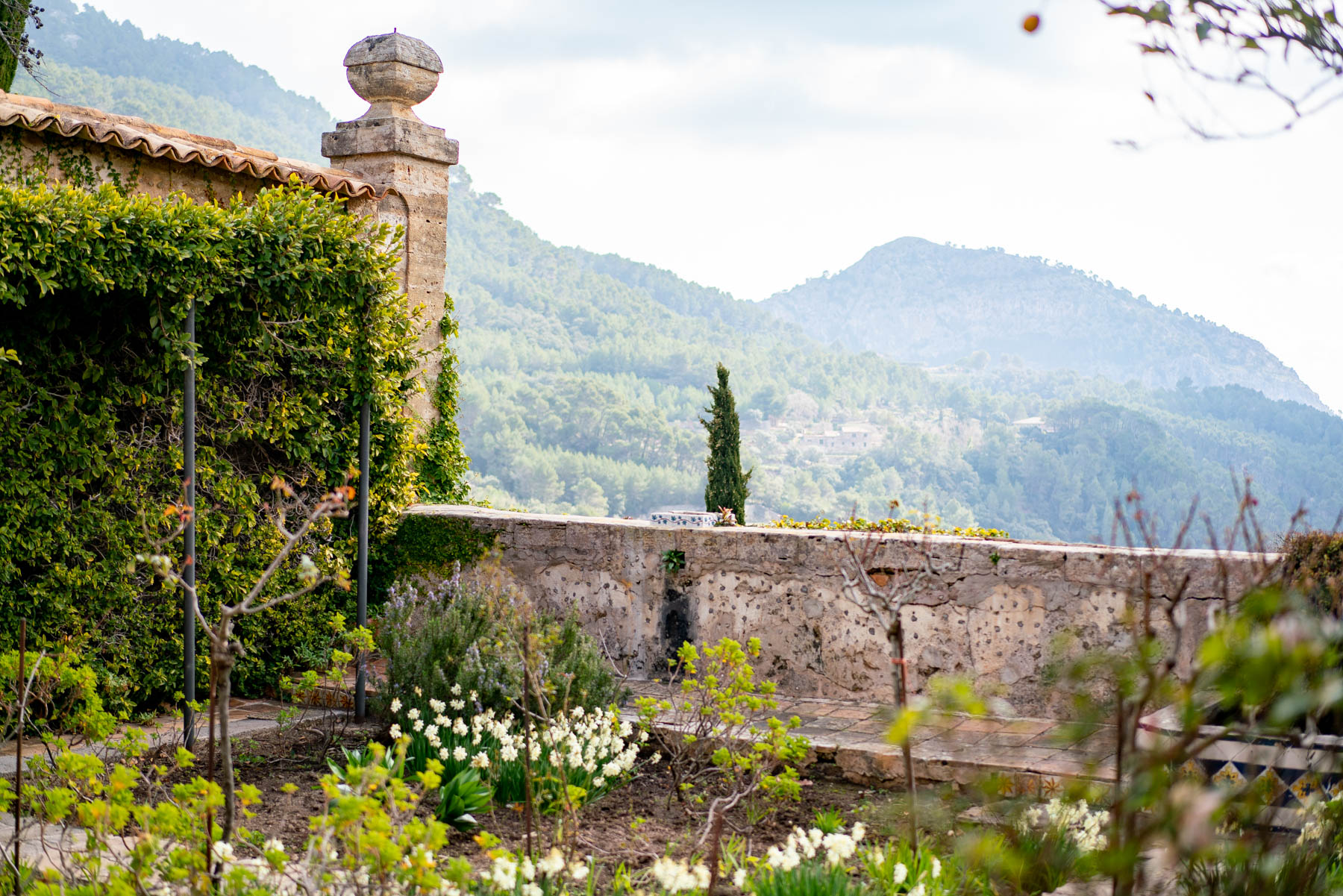
At least five days, ideally a week. The island is bigger than most people realize, and the best parts are the small mountain towns and hidden coves that take time to reach and appreciate.
Not even close. That reputation comes from a few beach clubs in Magaluf. The rest of the island is mountain villages, olive groves, hidden beaches, and some of the best food in the Mediterranean.
Absolutely yes. The best beaches, mountain towns like Deia and Valldemossa, and the Serra de Tramuntana are all impossible to reach without a car. Public transit covers very little of the island.
May through June or September through October. July and August are brutally crowded and hot. Shoulder season gives you warm swimming weather, open restaurants, and beaches you might actually have to yourself.


