



I know what women want. They want to be beautiful – Valentino Garavani
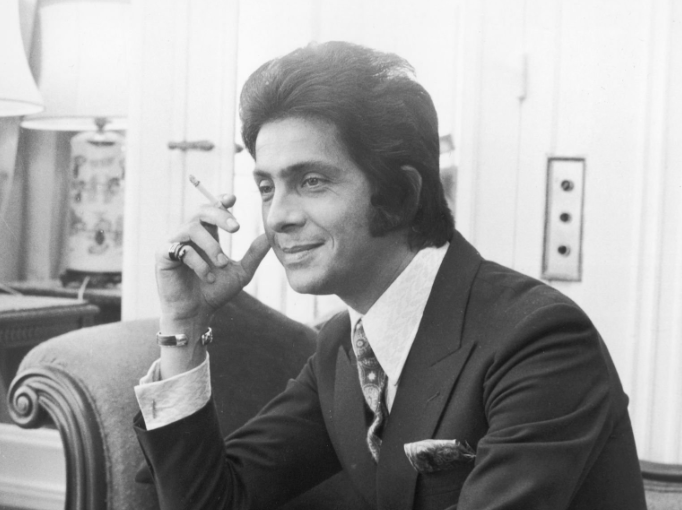
Very few names evoke the sheer opulence and unapologetic romance quite like Valentino Garavani. With his recent passing on January 19, 2026, at the age of 93 in his beloved Rome, the fashion world bid farewell to a true sovereign of style: a couturier who never apologised for glamour, emotion, or excess.
Valentino did not design clothes to follow moments; he designed them to define them. Draped in silk, tulle, lace, and his now-mythic red, his creations became markers of history, worn at weddings, awards, and turning points of personal and cultural significance.
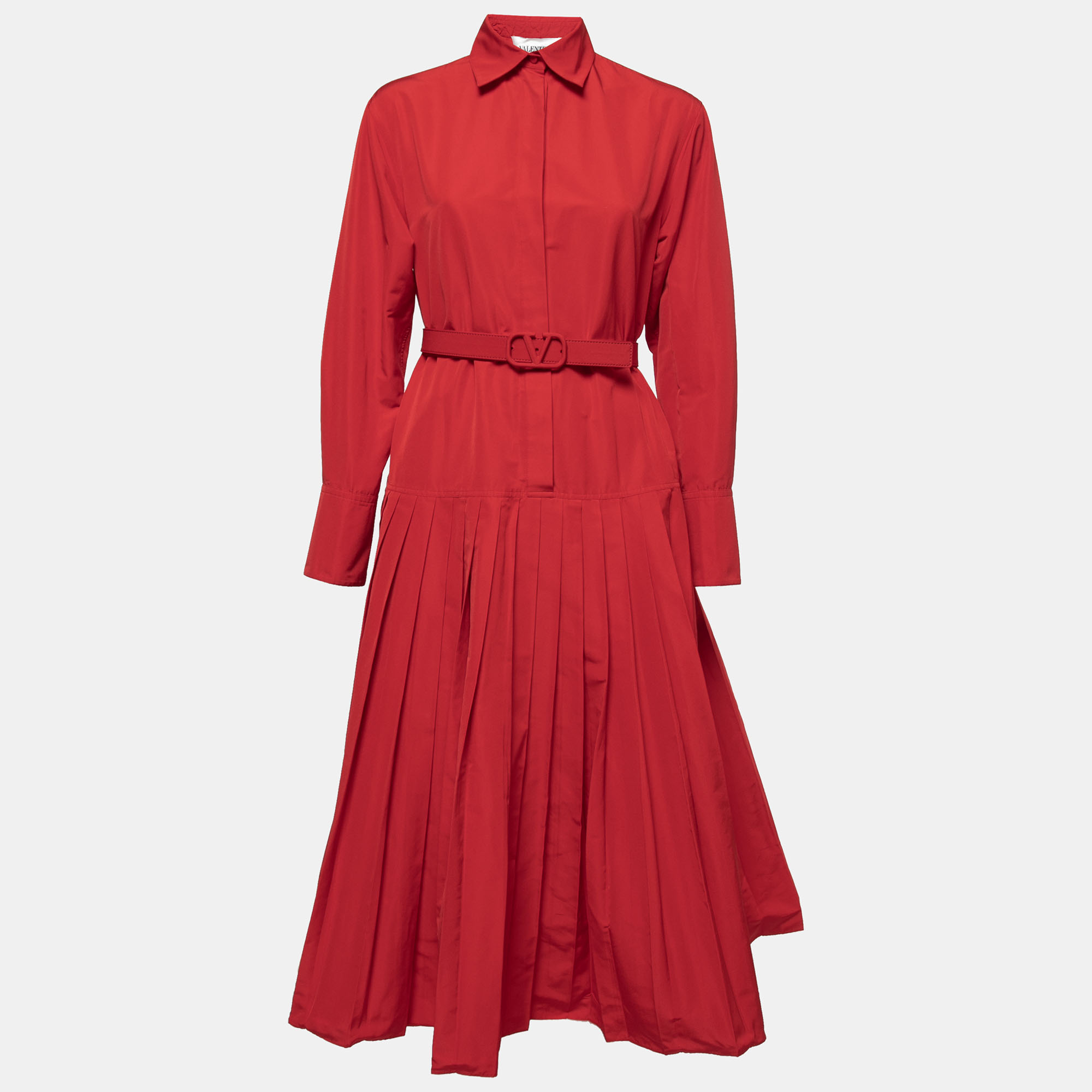
At The Luxury Closet, where we curate enduring pieces from the world’s most iconic fashion houses, Valentino holds a singular place. From haute couture masterpieces to the playful yet powerful expressions under the Red Valentino label, his work continues to captivate and stay relevant, proof that classic elegance never dates, only deepens.
This tribute honors his legacy: a life dedicated to infusing the fashion world with bold color, fearless glamour, and a style that went beyond gender, empowering both men and women to embrace their most elegant selves in the most flamboyant way.
That said, no celebration of Valentino would be complete without acknowledging the risks he took, the challenges he overcame, and the conviction with which he built a global fashion powerhouse. What follows is a chronological tribute to the 14 defining milestones that shaped the designer—and the legend—we continue to admire.
1. Birth and Early Fascination with Fashion (1932, Voghera, Italy)
Valentino Garavani was born on May 11, 1932, in the small village of Voghera, outside Milan, into a modest family: his father was a hardware store owner and his mother a homemaker. Young Valentino sketched dresses inspired by Hollywood films and by the glamour of opera.
Anecdote: As a child, he apprenticed under his aunt Rosa and the local designer Ernestina Salvadeo, altering his sister’s clothes, risking family scoldings, but honing his eye for fit and flair. This early passion set the stage for his bold move to Paris at 17, defying post-war Italy’s economic hardships.
Even as a young boy, my passion was to design, and I have been very lucky to be able to do what I have loved all my life. There can be few greater gifts than that – Valentino Garavani.
2. Arrival in Paris and Formal Training (1949-1950s)
At 17, Valentino relocated to Paris to study at the École des Beaux-Arts and Chambre Syndicale de la Couture Parisienne. This was a risky leap into the unknown, where he faced cultural shock and financial strain but absorbed French elegance.
Anecdote: He recalled sleeping on benches during lean times and drawing designs on scraps of paper amid the post-war drabness, yet this period sparked his love for intricate embroidery and Balenciaga’s architectural volumes. This milestone marked his transition from amateur sketches to professional discipline, laying the foundation for gender-fluid glamour in later menswear lines.
There are only three things I can do – make a dress, decorate a house, and entertain people – Valentino Garavani.
3. Apprenticeships with Jacques Fath, Balenciaga, Jean Dessès, and Guy Laroche (1952-1959).
Sources confirm he apprenticed under Jacques Fath (briefly). Then, Balenciaga, followed by Jean Dessès (for ~5 years, during which he sketched for clients like Jacqueline de Ribes), while also mastering draping and exotic influences. Finally, he worked for Guy Laroche (for ~2 years), where he learned the practicalities of ready-to-wear. There were challenges: intense workloads and low pay, but he took risks by experimenting with bold colors amid grayscale post-war trends.
Anecdote: At Dessès, he designed a dress for Ava Gardner, his first celebrity touch, igniting his dream of dressing stars. This honed his commitment to empowering women with romantic silhouettes and men with refined tailoring. Risks abounded in pushing vibrant hues against grayscale norms, honing his commitment to empowering silhouettes for all.
I love my beauty. It’s not my fault – Valentino Garavani
4. The Barcelona Opera Revelation and Birth of “Valentino Red” (1950s)
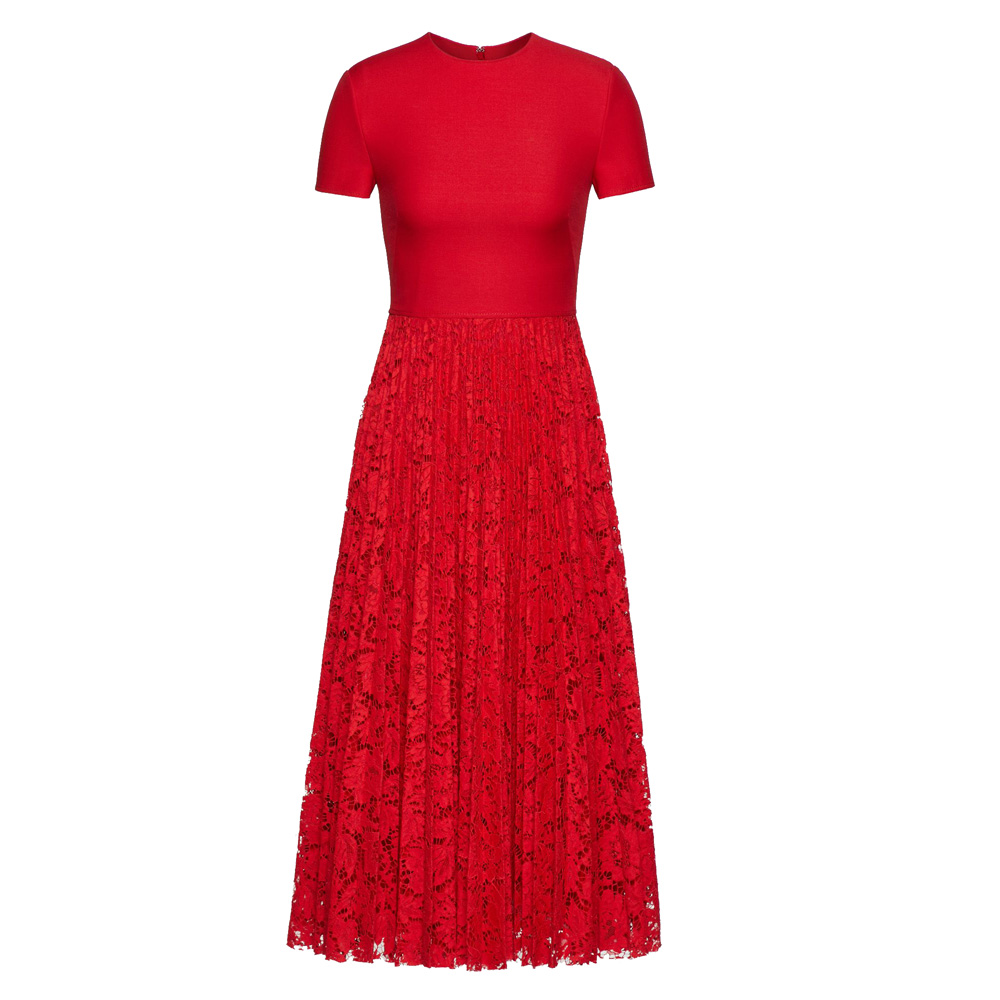
Picture a young Valentino, barely out of his teens, in the opulent darkness of Barcelona’s opera house in the 1950s. He had traveled from his provincial Italian roots, hungry for beauty amid the post-war drabness. As the lights dimmed for Bizet’s Carmen, his eyes fixed not on the stage but on a box seat: an elegant older woman with grey hair, radiant in a red velvet gown that seemed to glow against the night.
Anecdote: He was “Enthralled,” as he later recalled, he saw her as the perfect image of a heroine. That crimson struck him like lightning—after black and white, no color could compare. It planted the seed for “Rosso Valentino,” a fiery mix of carmine, scarlet, and orange that debuted in his Spring/Summer 1959 collection. A shade so potent (hex #E4002B) it became synonymous with passion, power, and unbridled femininity.
I like things simple. –Valentino Garavani
5. Debut of the “Fiesta” Dress and First Collection (1959).
He channeled his Barcelona opera inspiration into his first iconic red dress for the spring/summer 1959 collection, aptly named “Fiesta.” It was a celebration of joy and vibrancy. The strapless tulle “Fiesta” dress had hand-embroidered roses cascading over a balloon skirt. Valentino insisted red made a woman unforgettable, a bold declaration of joy and power that he carried into every collection, including vibrant menswear accents that encouraged men to embrace dramatic flair without apology. It was a defiant risk against minimalist rivals like Courrèges.
Anecdote: Though it sold modestly, it caught Elizabeth Taylor’s attention during her Rome filming, leading to her choice of Valentino for the Spartacus premiere.
I am especially grateful that I have been able to keep my own style over the decades, in spite of the many changes that have taken place in the world of fashion and in its business – Valentino Garavani.
6. Opening His Atelier in Rome and Meeting Giancarlo Giammetti (1960).
Returning to Italy, Valentino opened his Via Condotti atelier with family backing, nearly going bankrupt in the first year amid economic turmoil in post-war Italy. Yet, in that same pivotal year of 1960, fate intervened when he met architecture student Giancarlo Giammetti. What began as a chance encounter in a cafe blossomed into a lifelong partnership—Giammetti brought business acumen, transforming Valentino’s creative vision into a luxury empire spanning ready-to-wear, accessories, and even uniforms for the 1984 Summer Olympics. This synergy allowed Valentino’s artistry to flourish unchecked, turning potential ruin into resounding success.
Anecdote: Giammetti, initially skeptical, restructured finances overnight, allowing Valentino’s creativity to flourish. This partnership turned challenges into triumph, expanding into menswear with glamorous ruffles and prints.
My first year, people were interested in me because I was new. Then the press started to come – Valentino Garavani.
7. International Breakthrough at Pitti Palace and Elizabeth Taylor’s Early Endorsement (1962, with roots in 1960).
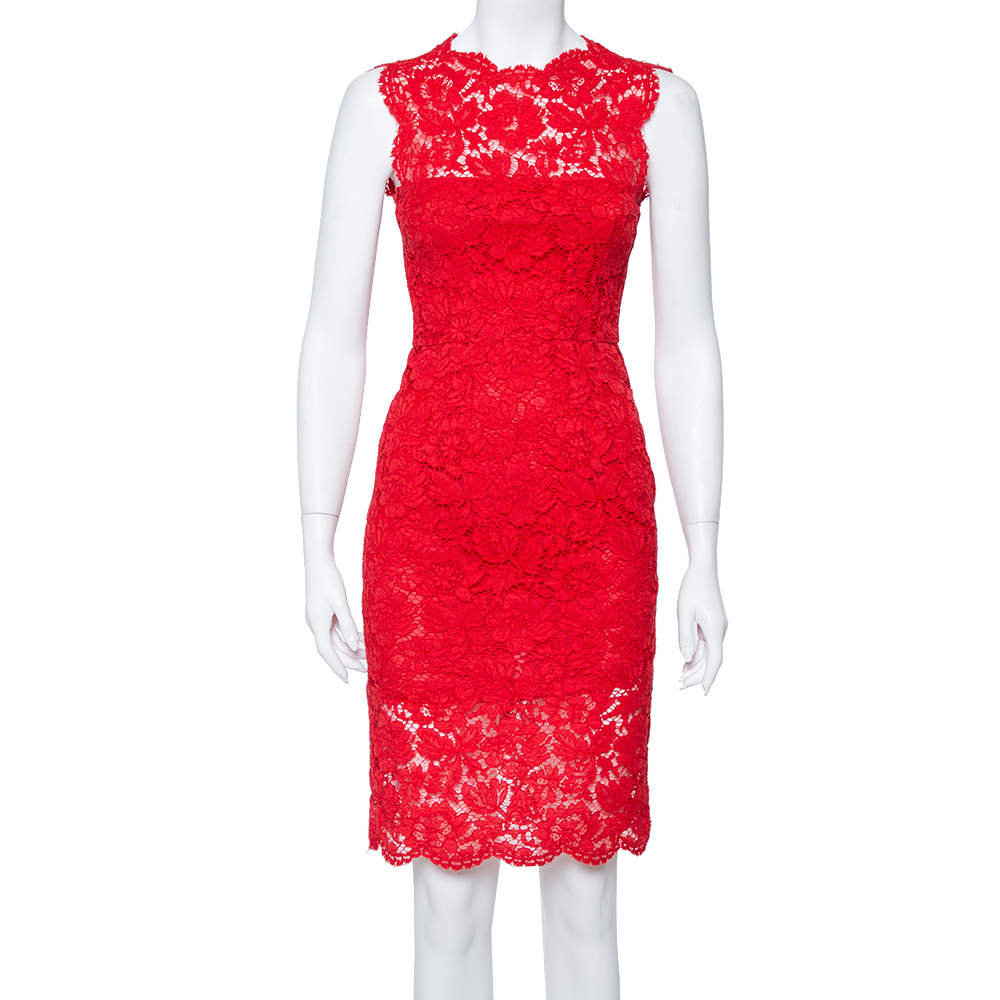
His international debut at Florence’s Pitti Palace in 1962 was nothing short of electric. The collection, alive with his signature red dresses, sold out amid rave reviews, catapulting him onto the global stage. His Florence debut sold out amid electric reviews for “Valentino red” dresses. British-American actress Elizabeth Taylor chose a pristine white Valentino gown over houses like Dior for the 1960 Rome premiere of Spartacus, marking a worldwide ripple. The next day, she visited his atelier, demanding seven more outfits as thanks for the publicity—cementing lifelong loyalty and proving his designs’ instant star power.
Anecdote: Buyers queued overnight, and the press dubbed him “Italy’s new star,” boosting exports. This milestone secured his global status, with risks paying off in celebrity endorsements like Taylor’s ongoing loyalty. Even in menswear, he infused the same colorful audacity, creating tailored suits and accessories that blended sophistication with a touch of theatrical flair, proving glamour wasn’t confined to women’s wardrobes.
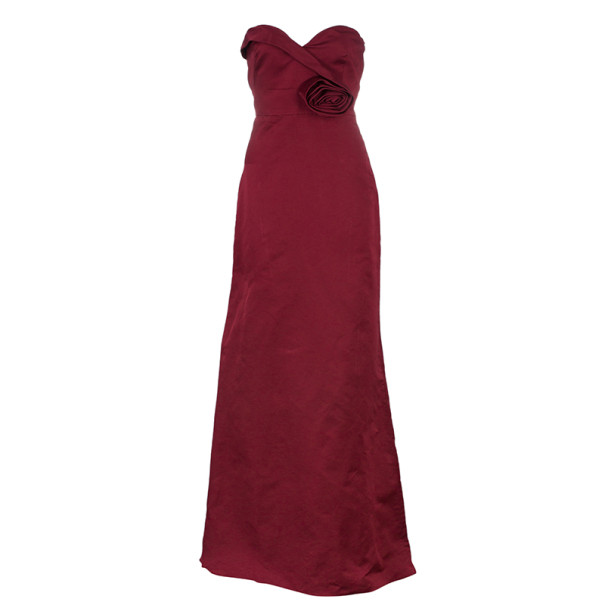
I have my favourite fashion decade, yes, yes, yes: ’60s. It was a sort of little revolution; the clothes were amazing but not too exaggerated – Valentino Garavani.
8. Dressing Jacqueline Kennedy in Mourning and Her Wedding (1964-1968)
Jackie ordered six monochrome pieces in 1964 for quiet strength during grief, then wore an ivory lace high-neck top and pleated skirt from his all-white 1968 collection for her wedding to Aristotle Onassis. This off-the-rack design became a bridal legend. This milestone solidified his status among American elites.
9. The Radical “White Collection” and “V” Logo Introduction (1968)
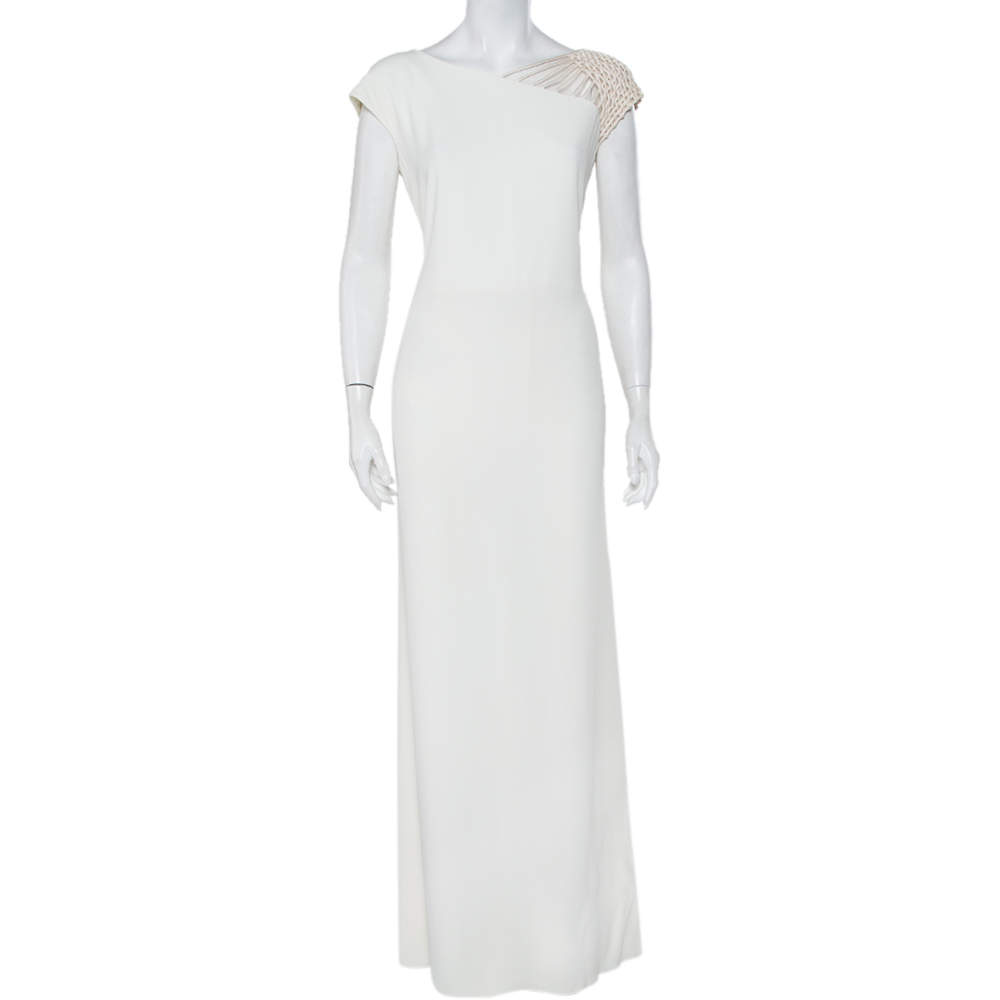
Amid psychedelic excess, his pure white couture line risked backlash but won the Neiman Marcus Award for exquisite craftsmanship and the debut “V” logo—symbolizing timeless versatility in women’s elegance and men’s refined tailoring.
Anecdote: Inspired by Jackie Kennedy’s 1968 wedding dress (from an earlier white order of 12 pieces she commissioned), Valentino dedicated the entire “Sfilata Bianca” collection to white as “the lightness of summer, purity”—a radical move celebrating restraint as spectacle, turning his muse’s quiet strength into global triumph.
I hope people will say, ‘Mr. Valentino, he did something for fashion, no?’ – Valentino Garavani
10. Expansion into Global Empire, Red-Carpet Dominance, and Oscar “Luck Charms” (1970s-2000s).
Valentino gowns became red-carpet fixtures from the start. Jessica Lange won her 1983 Oscar in a mint green sequined gown; Sophia Loren accepted her 1991 honorary in eye-catching black sequins. Julia Roberts stunned in 2001 with a black-and-white 1992 couture column—still hailed as one of the best Oscar dresses ever—for her Erin Brockovich win. Jennifer Aniston glowed in an iconic red strapless Valentino at the 2004 UK premiere of Along Came Polly. These moments proved his designs as talismans of success and glamour.
I am like a freight train. Working on the details, twisting them and playing with them over the years, but always staying on the same track – Valentino Garavani.
11. Princess Diana and Valentino: Glamour Through Turbulent Times
Princess Diana’s relationship with Valentino Garavani went far beyond client and couturier. He became a trusted presence during her most fragile years, someone who understood that clothes could communicate resolve when words could not.
In November 1992, amid her separation from Prince Charles, Diana attended Paul McCartney’s Liverpool Oratorio concert in Lille wearing a burgundy velvet and lace Valentino dress. The look marked a turning point: regal yet unmistakably individual. The deep red, so central to Valentino’s aesthetic, signalled passion, confidence, and quiet defiance rather than spectacle.
Valentino continued to dress her through moments of personal transition, balancing elegance with emotional freedom.
Anecdote: Their bond extended into their private lives, including time aboard the Valentino yacht T.M. Blue One, where Diana found rare calm away from public scrutiny. Even a brief rupture in 1994, when a leaked Valentino gown preceded her decision to wear the now-iconic “revenge dress” by Christina Stambolian, did not undo their connection. It endured as proof of Valentino’s gift: dressing women not as symbols, but as evolving, powerful selves.
12. The Brides of Valentino: Royals, Celebrities, and Timeless Romance (1968 onward).
Beyond red carpets, Valentino dressed dream brides. Jackie Kennedy’s 1968 wedding gown set the tone; Jennifer Lopez walked down the aisle to Cris Judd in 2001 in a white Chantilly lace gown with a plunging neckline and veil. Gwyneth Paltrow chose a lace A-line with sheer details for her 2018 marriage to Brad Falchuk. Nicky Hilton wore a crystal-embellished high-neck lace gown by then-creative directors Maria Grazia Chiuri and Pierpaolo Piccioli in 2015. Other luminaries include Nicola Peltz-Beckham, Anne Hathaway, Princess Madeleine of Sweden, Princess Marie-Chantal of Greece, Courteney Cox, and Elizabeth Taylor (for her 1991 wedding to Larry Fortensky in lemon-yellow lace). His bridal legacy celebrated unabashed romance and empowerment.
An evening dress that reveals a woman’s ankles while walking is the most disgusting thing I have ever seen.- Valentino Garavani
13. Valentino in Popular Culture: Fashion’s Authority, On and Off Screen
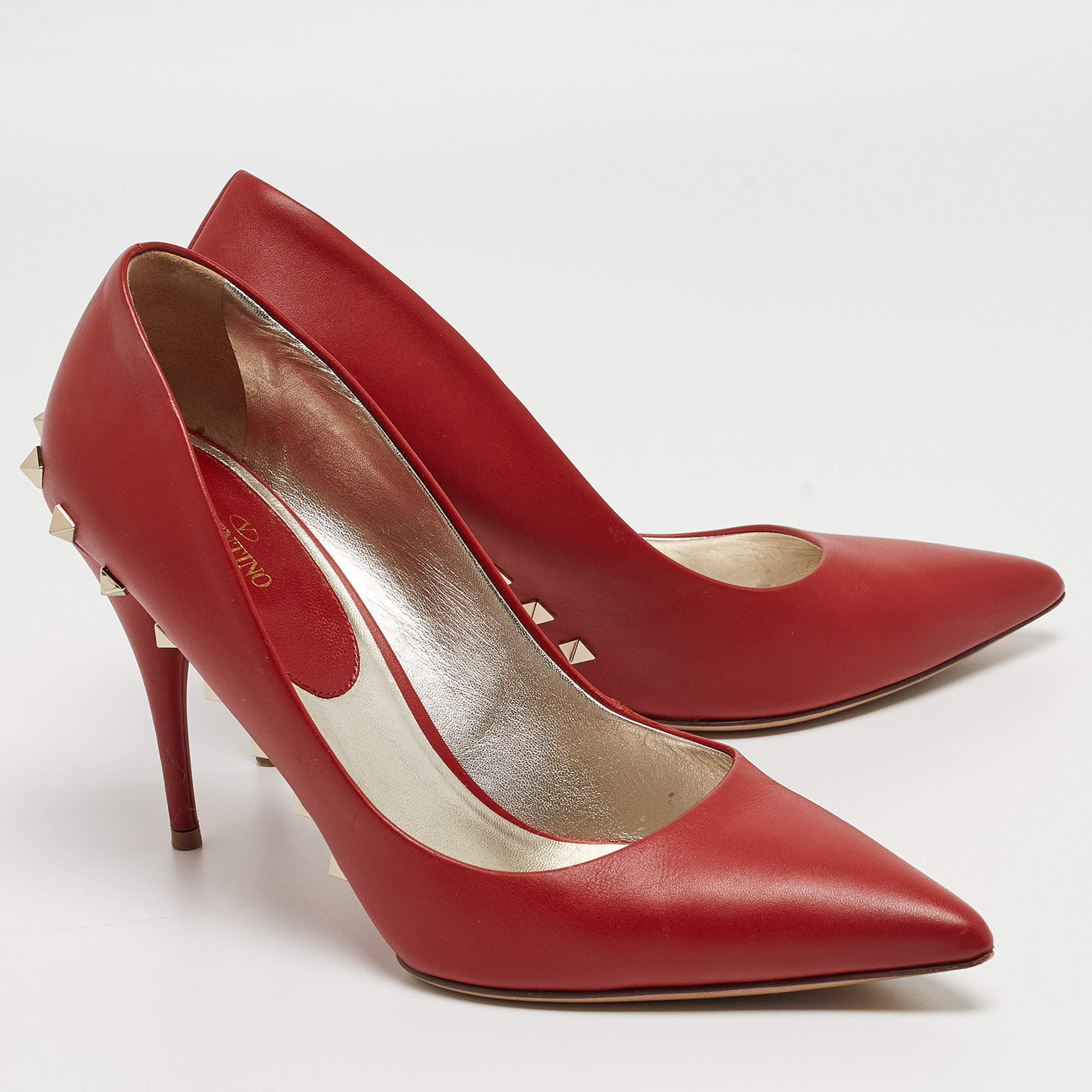
Valentino’s cultural relevance has always extended beyond the runway. In The Devil Wears Prada (2006), he became the only major designer to appear as himself, a subtle but decisive acknowledgment of his real-world authority. His brief exchange with Meryl Streep’s Miranda Priestly was not cameo casting; it was recognition.
Anecdote: That influence resurfaces in the teaser for The Devil Wears Prada 2 (releasing May 1, 2026), where Miranda strides through New York in lacquered-red Valentino Rockstud stilettos. The choice is intentional. Red, once again, becomes a visual shorthand for power and command.
14. Retirement, Final Honors, and Eternal Legacy (2007-2026).
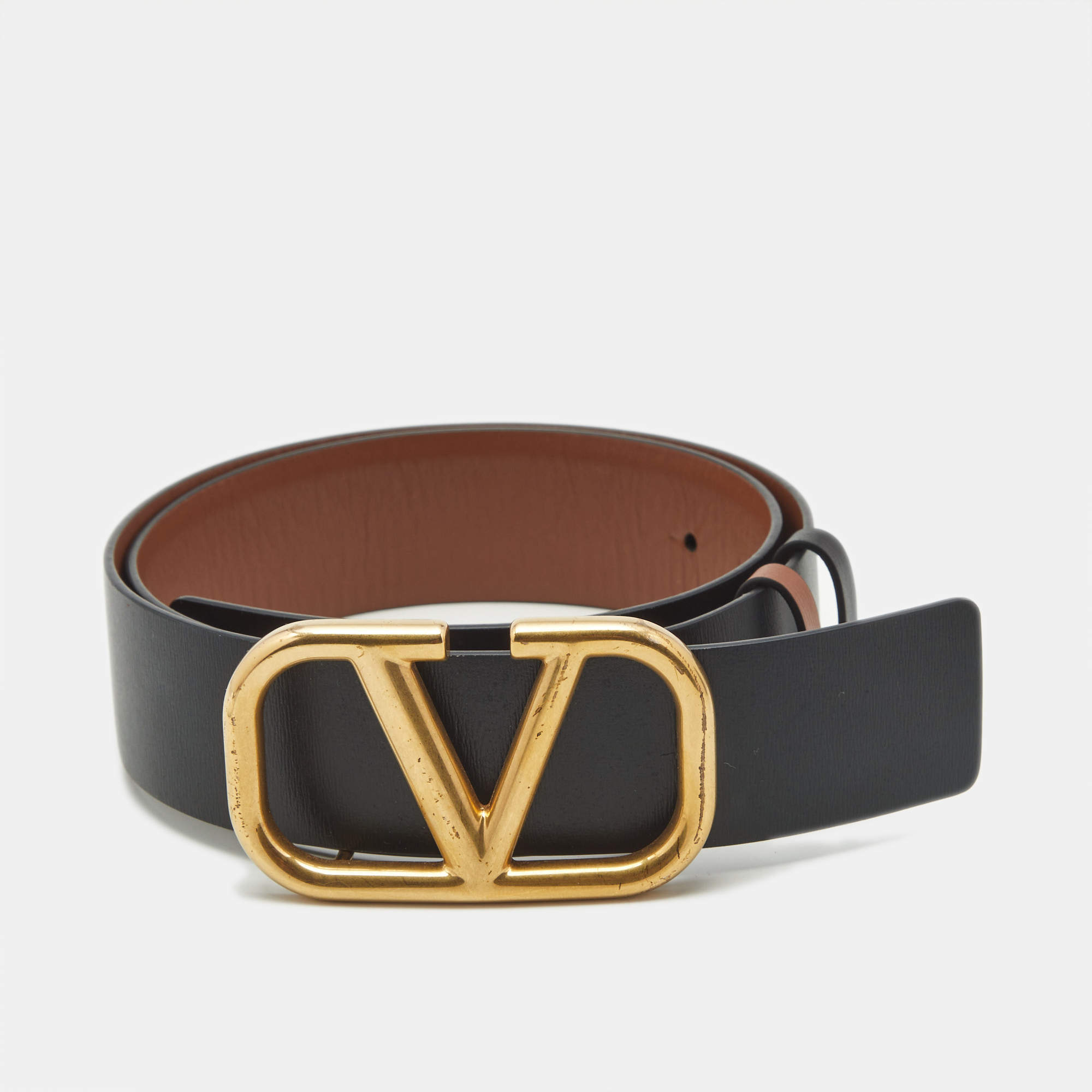
Retiring after a spectacular 2007 haute couture show, Valentino received the Outstanding Achievement Award at the 2023 British Fashion Awards. Models paraded his famous red dresses, including “Fiesta”; Giancarlo Giammetti accepted on his behalf, presented by longtime friend Gwyneth Paltrow in head-to-toe red—she admitted she “didn’t normally like the hue” until Valentino made her love it. Passing peacefully in Rome on January 19, 2026, at 93, his foundation continues his artisan support. Honors like the Legion of Honour endure, as does his red revolution.
I am happy that thousands of students, young designers and fashion people will be able to see and study my work in every aspect of it – Valentino Garavani.
Valentino, A Trendsetter Not a Follower: Risks, Resilience, and Innovation
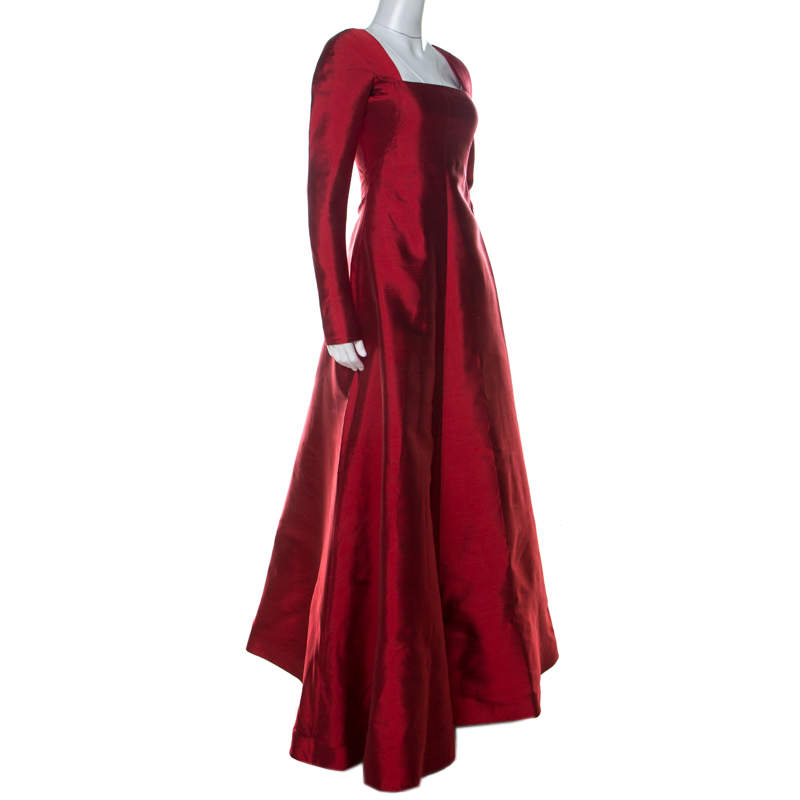
Through the 1970s, when critics lambasted his structured, retro styles and midi skirts, shoulder pads, and asymmetric hems, considering them too stiff against the flowing bohemian trends of the time, Valentino doubled down on his vision and stood firm on his beliefs. His commitment paid off spectacularly: by the 1980s, his brand had become the best-selling Italian fashion export, with international sales reaching US$385 million as reported by Vogue in 1986.
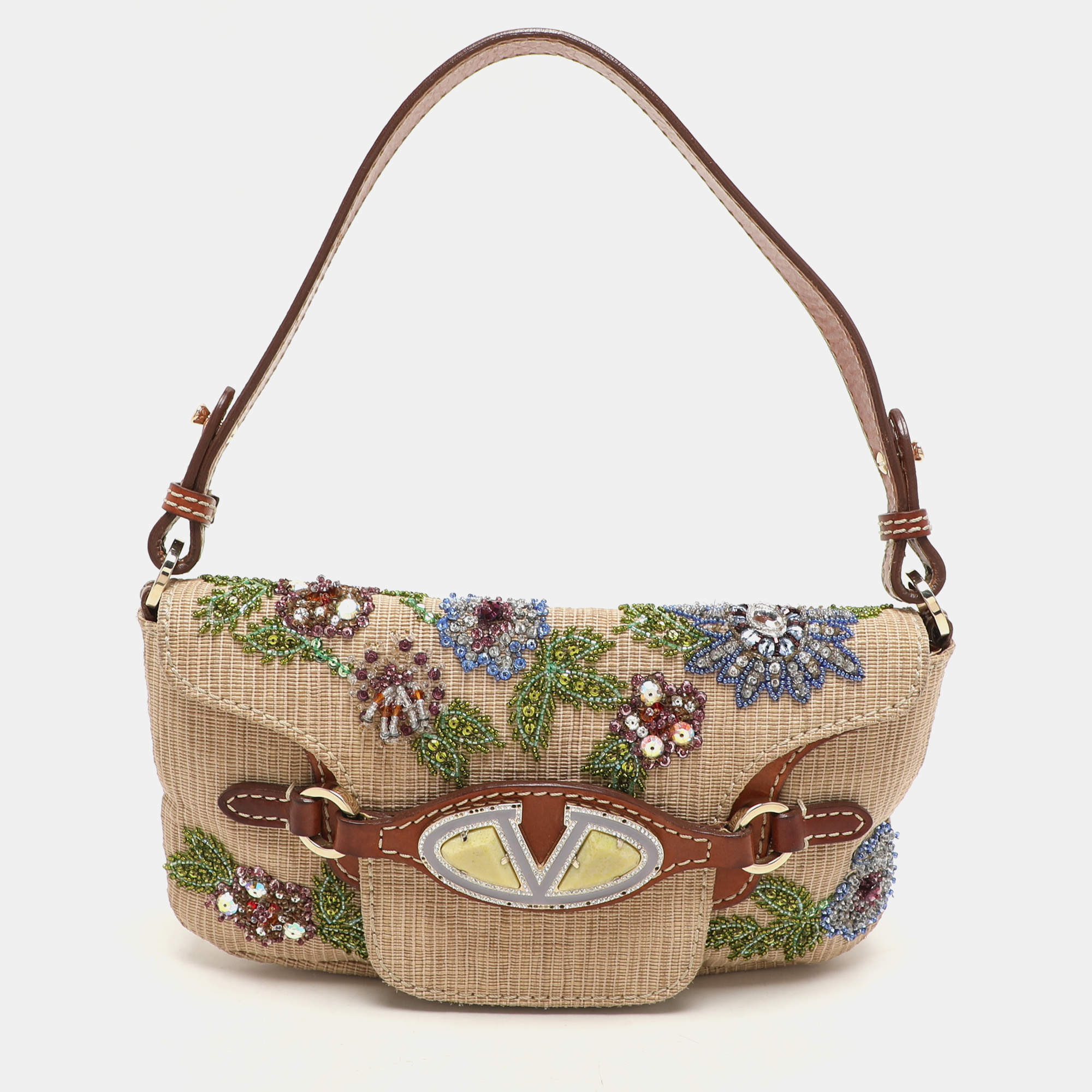
He never shied away from bold moves. In an era when many European fashion houses relied heavily on global craftsmanship, particularly intricate Indian embroidery, without giving proper credit, Valentino stood apart. He openly admired the skill and precision of Indian artisans, incorporating zardozi, aari work, and other techniques into his designs with genuine respect and public acknowledgment. This was a subtle yet powerful rebellion against industry norms, and his 2002 India-inspired couture collection later became a full homage to that enduring influence.
Even in menswear, he challenged conventions, introducing glamorous elements like ruffled shirts, bold prints, and theatrical details that encouraged men to embrace style with the same unabashed flair as his women’s collections, proving glamour had no gender boundaries.
These risks weren’t without peril: financial strains in the early years, shifting cultural tastes, and a flamboyant lifestyle that included driving a bulletproof red Mercedes during Italy’s turbulent Red Brigades era (a defiant choice of color amid threats of kidnapping and violence). Yet these very challenges forged a legacy of resilience and innovation, turning potential setbacks into the foundation of an enduring empire.
I am always locked in my design studio- Valentino Garavani
So, What Makes Valentino Both Enduring and Endearing
Valentino didn’t just create clothes; he crafted moments of joy, power, and beauty. His gowns carried women through grief, celebration, triumph, and transformation, from Oscars to “I dos.” His tailoring softened masculinity without weakening it, and his colours, especially red, gave wearers permission to be seen.
That is why Valentino endures in the world of pre-owned luxury. His creations were never meant to be consumed and discarded; they were meant to be kept, cherished, and passed on. Each piece holds not just craftsmanship, but memory.
At The Luxury Closet, our curated selection of Valentino and Red Valentino pieces continues this legacy—allowing a new generation to own a fragment of fashion history that still feels breathtakingly present. Rest in eternal elegance, Valentino. Your legacy inspires forever.






