



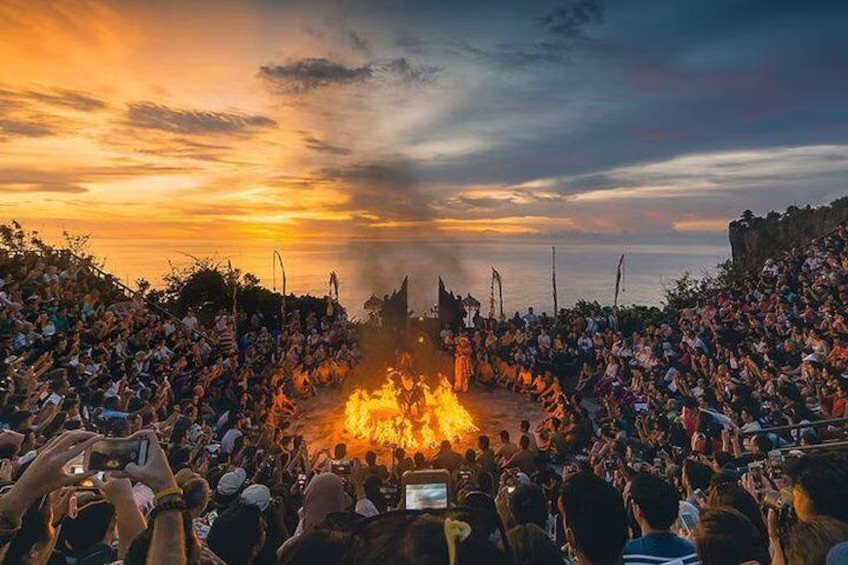
Bali is one of those destinations that looks exactly like the pictures, but you can’t always tell how different your experience can be depending on how you plan your trip. We’ve selected the top 15 things you need to know before booking a trip to Bali.
From choosing the right area to understanding local customs and what to expect on a day-to-day basis, a few small details can make a big difference.
Here are 15 things to know before you book:
⸻
1. Bali offers a variety of experiences in one place
One of the biggest mistakes people make is assuming that Bali is just one type of destination. In fact, each area offers something completely different.
Ubud is about jungle, culture, and a slower pace. Uluwatu favors beach clubs and clifftop views, while Nusa Dua is where you’ll find large luxury resorts.
Where you stay will determine the shape of your entire trip, so it’s a good idea to get it right from the start. If you’re unsure, read our guide to accommodation in Bali before booking.
⸻
2. Bali is not really all-inclusive.
Unlike Mexico or the Caribbean, Bali is not built around all-inclusive resorts.
Even in luxury hotels, only breakfast is usually reserved. This means you’ll need to budget separately for lunch, dinner, drinks, and experiences.
The good news is that food in Bali can be very affordable. However, there are some things people often overlook when creating a budget.
⸻
3. The best time to visit is not always August

Bali’s dry season runs from May to September, and is generally considered the best time to visit.
However, August is peak season. Prices are higher, popular places are busier and we are seeing a huge increase in tourists, especially from Australia.
We visited in September, and despite several days of heavy rain the weather was still nice overall. Shoulder months can work well if you want a balance of nice weather and fewer crowds.
For full details, see our guide on the best time to visit Bali.
⸻
4. Monkeys are not as friendly as they seem
Places like Ubud’s Monkey Forest are popular, but the monkeys can be aggressive and are known for stealing phones, sunglasses and loose items.
When you visit; Please be careful, keep your belongings safe, do not carry food with you and follow local advice. I recommend a guide like a monkey would take your handbag or cell phone. The guides are experienced and will help you stay calm and find your belongings.
⸻
5. When going to a temple, you must dress appropriately.
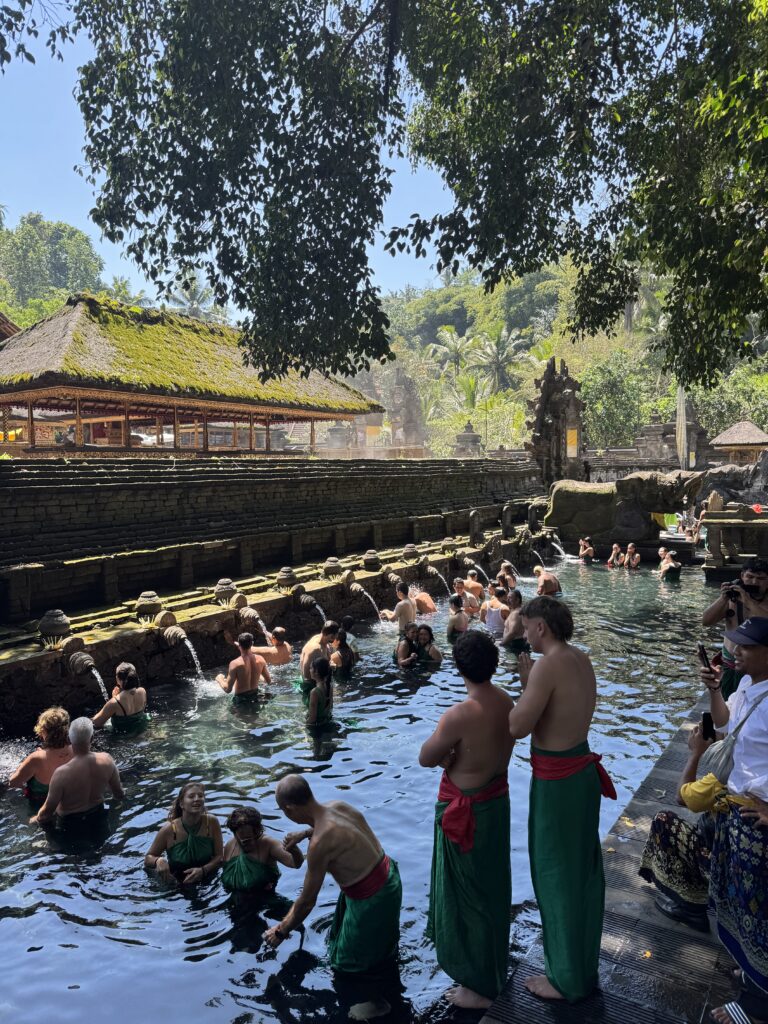
Bali is a very spiritual place and temples are an important part of daily life.
When visiting, you should generally wear appropriate clothing that covers your shoulders and legs. In many places, you may be asked or required to wear a sarong before entering.
It’s a simple thing, but worth knowing about in advance.
⸻
6. Traffic may be slower than expected.
Bali’s streets can be misleading.
A 10-15km journey can take over an hour depending on traffic, especially around Ubud or Seminyak. The roads are crowded, narrow and often full of scooters.
It’s important to plan your day realistically. Your schedule may not be as adaptable as you might expect.
⸻
7. Hiring a driver makes a big difference
Hiring a private driver is one of the easiest ways to explore Bali rather than exploring it on your own.
We used a local driver (balitourdriver_adi on Instagram) which made the trip much smoother. He always arrived on time, knew the best route, and shared insights about the island along the way.
For day trips and transfers, this is one of the best decisions you can make.
⸻
8. Driving yourself isn’t for everyone
Although it is possible to rent a scooter or car, driving in Bali is very different from most Western countries.
Traffic conditions are unpredictable, road rules are loosely followed, and things can be tricky if you’re not used to it.
If you’re not confident, it’s usually better to let a local do the driving for you.
⸻
9. You will most likely need an eSIM.
If you’re traveling outside of Southeast Asia, it’s important to stay connected.
We used Airalo with our eSIM and had no issues at all. It worked immediately and saved me the hassle of buying a local SIM card.
It’s a tiny detail, but it makes navigating, booking, and staying in touch much easier.
⸻
10. Bali offers world-class resorts (without the same price tag)
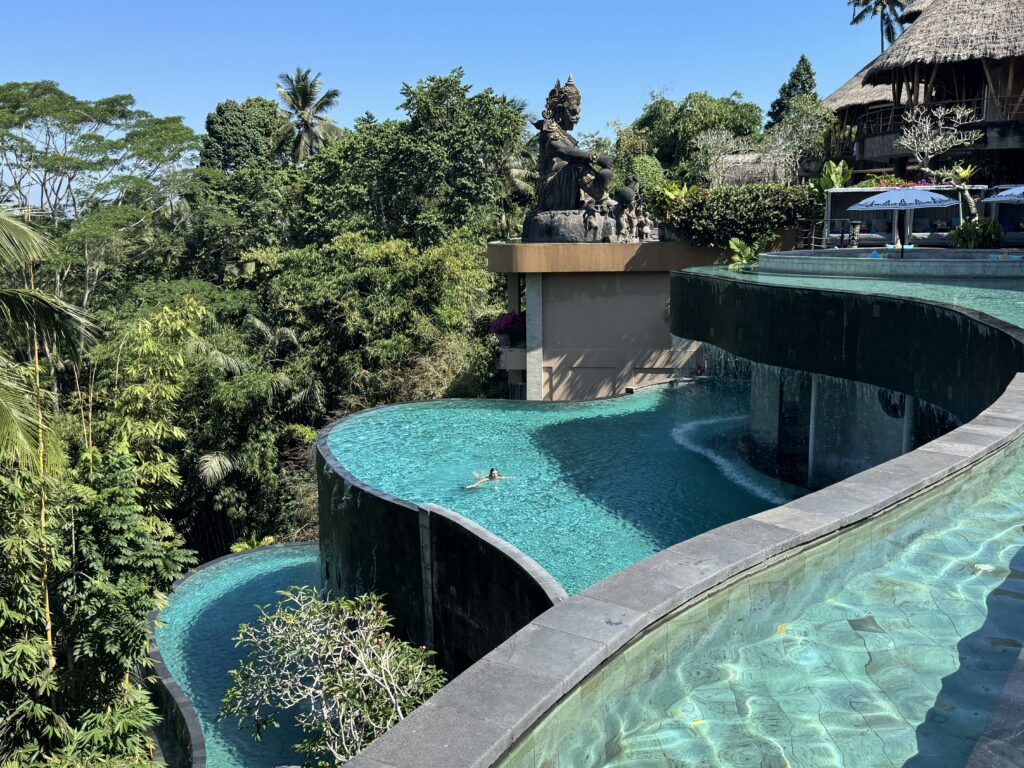
Bali is famous for its luxurious accommodations, which often offer much lower costs than similar resorts elsewhere.
Places like Kayon Jungle Resort in Ubud have been named one of the best in the world by TripAdvisor, and when you stay there for yourself, it’s easy to see why.
If you’re planning a special trip, Bali is one of the best places to experience luxury accommodations without paying exorbitant prices.
⸻
11. You don’t have to pack as much as you think.
Bali has everything you need.
From toiletries to clothing and daily necessities, most things can be purchased locally at low prices. This will allow you to pack lighter.
⸻
12. Cash is still widely used
Cards are accepted in many places, but cash is more common, especially in smaller shops, markets and local restaurants.
For convenience, it is recommended to carry a small amount.
⸻
13. Bali is very safe, but still use common sense
Bali is generally very safe for tourists, but like anywhere else, it is important to always exercise caution.
Take care of your belongings, be careful in crowded places, and do not carry valuables around unnecessarily.
⸻
14. Day trips are a big part of the experience
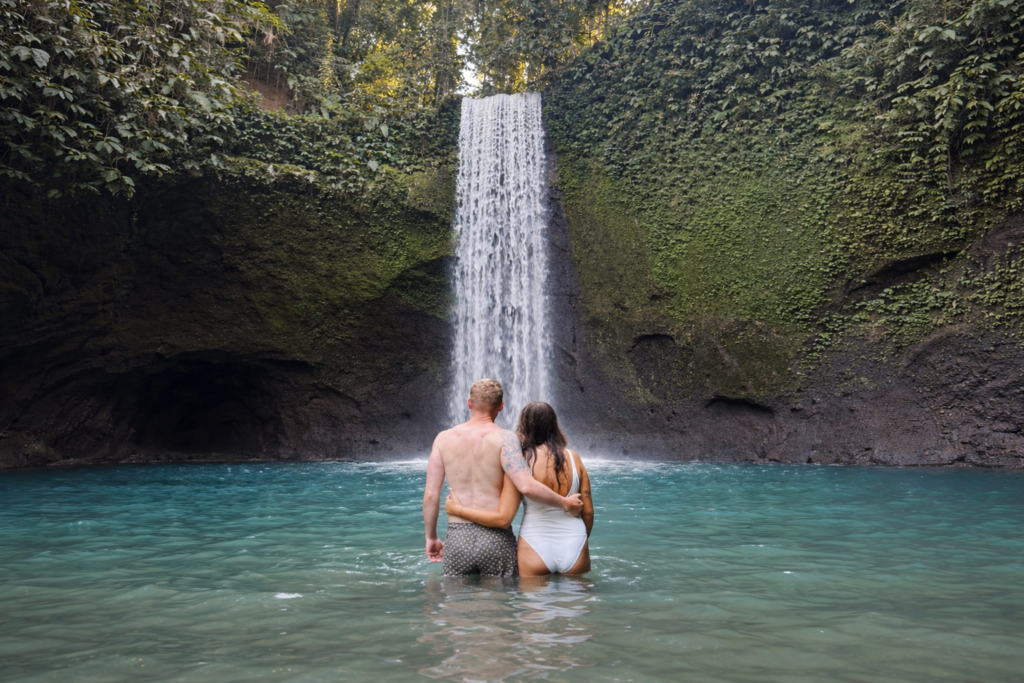
Some of Bali’s best attractions aren’t right next to your hotel.
There are often waterfalls, rice terraces, temples and stretches of beach, so planning a day trip (or hiring a driver) is important.
With our driver, we were able to visit two waterfalls, a temple, and the Tegalalang Rice Terraces in one day.
⸻
15. Your experience depends on planning more than you think
Bali is incredibly beautiful, but it can also be crowded and chaotic if you don’t plan properly.
Choosing the right location, timing your trip right, and setting realistic expectations can make all the difference.
⸻
final thoughts
Bali is one of those travel destinations that can easily exceed your expectations, but only if you are prepared.
A few small decisions about where you stay, how you get around, and when you visit can completely change your experience.
If you’re planning a trip, it’s a good idea to take the time to get the basics right first.
If you liked this article, you might also like:
Bali travel guide for 2026: best things to do, where to stay and how much it costs
12 Best Resorts in Bali for an Unforgettable Stay
Return to Bali destinations page >>>





