



June is Alzheimer’s Disease and Brain Awareness Month.
What if the food we eat is sugar-free coffee creamer and chicken salad (saving friends)?
Short answer: You might want to rethink your diet. And while you’re thinking, try adding a few ingredients that may help improve your brain health.
Eating plans like the MIND and DASH diets include anti-inflammatory foods like leafy greens, fatty fish, nuts, and olive oil, which have positive effects and may help slow brain aging. A recent study of mostly women found that participants who followed the DASH diet had a lower risk of cognitive decline and improved cognitive function (thinking, learning, and memory) compared to those who did not follow the diet.
When it comes to brain-boosting ingredients, produce is generally queen. Studies have shown that foods rich in flavonols, a group of plant compounds with anti-inflammatory and antioxidant properties, may help improve cognitive function and reduce the risk of neurodegenerative diseases such as Alzheimer’s disease.
It is especially important for women to keep their brains as healthy as possible because they have a higher risk of Alzheimer’s disease and more cognitive aging than men.
Here are five foods you can include in your meal plan to help keep your brain sharp.
1. Fatty fish

iStock.com/tbralnina
There are plenty of fish in the ocean, but salmon, sardines, anchovies, mackerel, and herring are the best for brain health. These undersea treats are rich in omega-3 fatty acids, or docosahexaenoic acid (DHA), which the brain needs to build and repair brain cells, among other important functions.
Consuming omega-3 fatty acids can also help protect memory and support cognitive thinking. One study of mostly women found that participants who ate fatty fish at least twice a week had a lower risk of developing brain changes associated with dementia compared to a group that did not eat fish.
Nourish your brain: 8 ounces per week — about the size of two decks of cards laid side by side.
2. blueberry
iStock.com/Maksym Narodenko
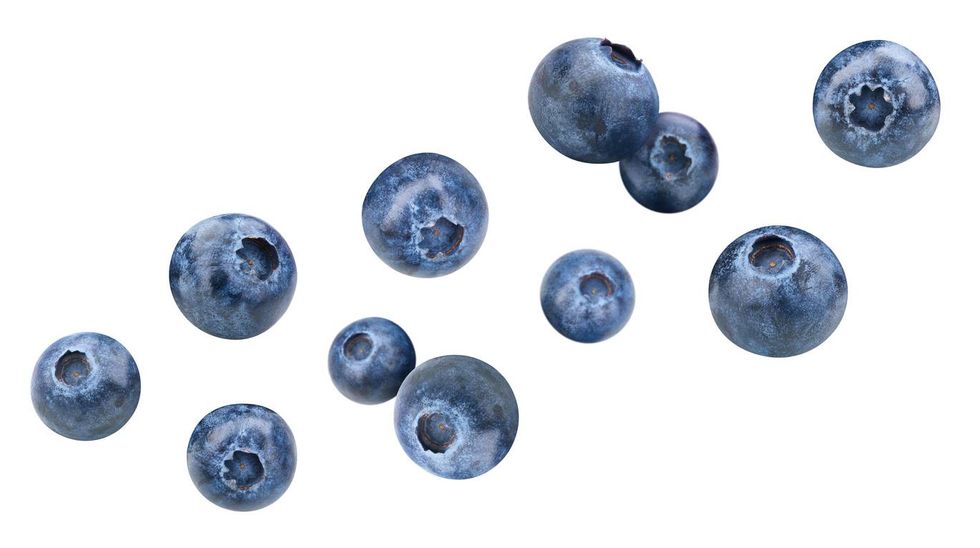
Blueberries are the superwoman of fruits, preventing neurological decline. Their superpower comes from a blue pigment, a flavonoid called anthocyanin, which has antioxidant and anti-inflammatory properties.
Studies have shown that consuming blueberries has a variety of benefits, including improved brain processing speed, protected memory, and improved brain function. And when you combine these little blue, beautiful fruits with other berries, you can give your brain a boost. One study found that women who consumed two or more servings of blueberries and strawberries per week delayed memory decline by up to 2.5 years.
Nourish your brain: 1/2 cup to 1 cup per day
3. avocado
iStock.com/Volodymyr Rozumii
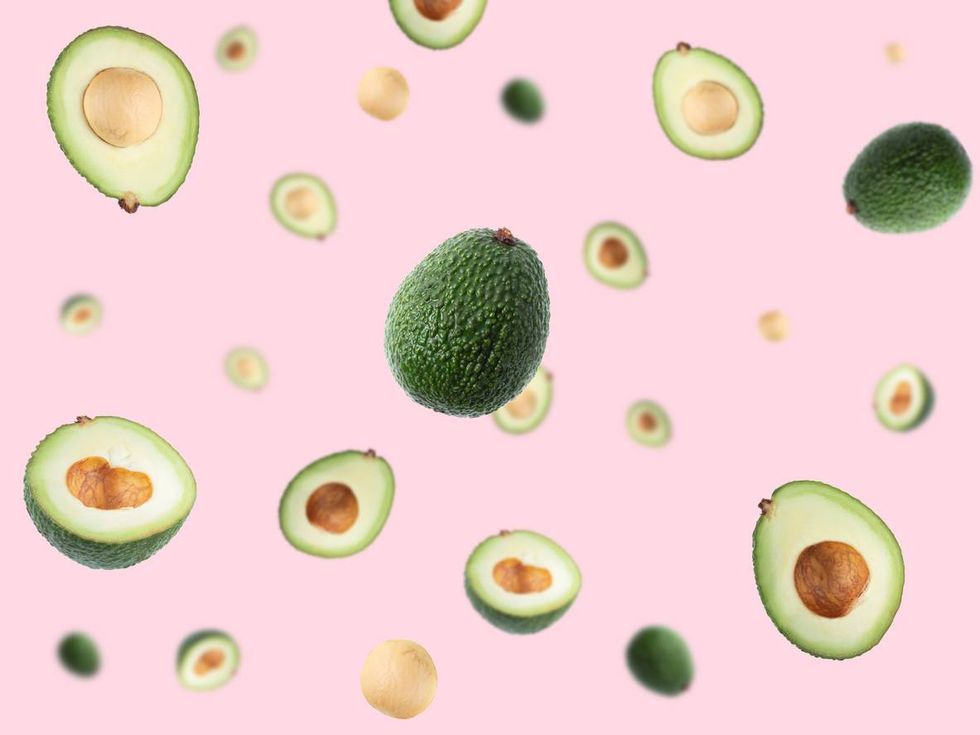
Did you know that Audrey II is a plant? little shop of horror — Is it a cross between Venus flytrap and avocado? It all makes sense, considering that avocados supply the brain with monounsaturated fats (“good” fats) and antioxidants like lutein, which improve blood flow and may have a positive effect on memory. One study found that people who consumed avocados had significantly better immediate and delayed memory and overall cognition compared to a group that did not eat avocados. Pass on the guacamole!
Nourish your brain: About half an avocado per day
4. walnut
iStock.com/Ole Muslimof
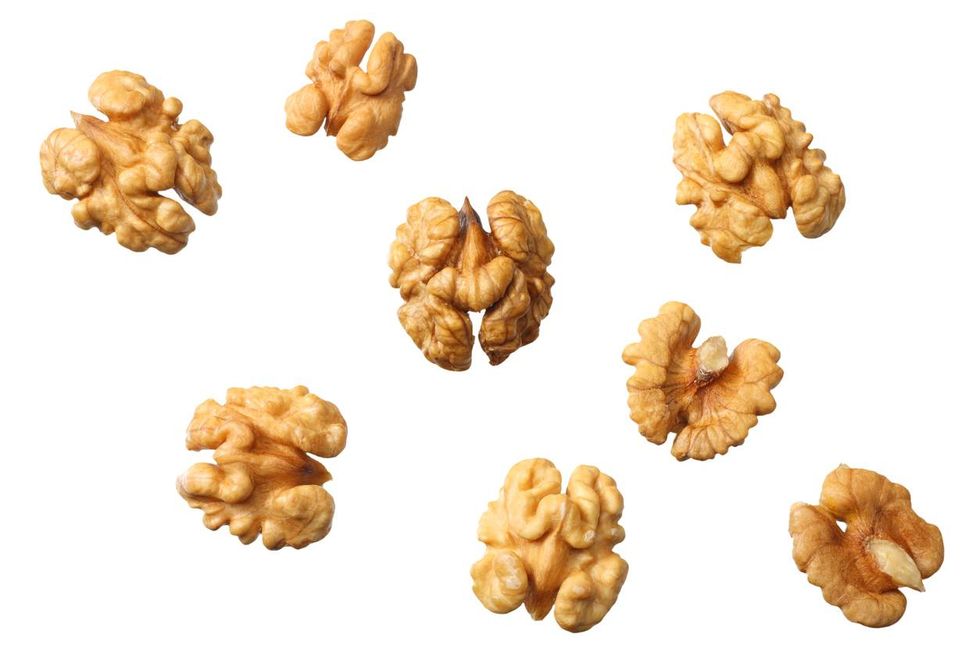
Sometimes I feel like a nut, and when it comes to brain health, that nut has to be walnuts. Fun fact: Walnuts are the only nut that contains significant amounts of alpha-linolenic acid (ALA), an omega-3 fatty acid essential for protecting brain health.
Walnuts also have antioxidant and anti-inflammatory properties that fight oxidative stress and inflammation in the brain.
Studies have shown that consuming walnuts daily improves memory and delays cognitive decline due to aging. Bonus: The antioxidant benefits of walnuts may reduce the risk of other health conditions, such as cardiovascular disease, which is a risk factor for Alzheimer’s disease.
Nourish your brain: About 1/4 to 1/2 cup (7 to 14 walnuts per day)
5. dark chocolate

iStock.com/SherSor
We didn’t forget all the sweet treats there. Or rather, Mother Nature didn’t. Dark chocolate contains cocoa flavanols, which improve brain blood flow and prevent brain cell damage. One study of middle-aged adults found that the group that ate five pieces of 72% dark chocolate per day for a month showed improvements in executive functions, such as problem solving, concentration, memory, and an increase in gray matter volume associated with memory, an important indicator of good brain function. The sweet group also showed less fatigue than the group that didn’t eat dark chocolate.
It’s important to note that not all dark chocolate is the same. For brain-boosting benefits, you want dark chocolate with at least 70% cacao, with higher percentages containing more flavanols and antioxidants.
Nourish your brain: About 1 to 3 bars of dark chocolate, up to 6 times a week — bonus brain points for dark chocolate with walnuts.
From your site article
Related articles on the web






