



Bangkok has changed quietly but decisively.
Anyone who spends time here will feel it immediately. Food prices are rising, transportation is no longer “affordable,” and cities are losing their old reputation as cheap transit destinations. But in return, Bangkok offers an integrated wellness ecosystem that operates at a scale, speed and sophistication that rivals few global cities.
Nowhere is this more evident than in hotels.
After reviewing hotels across Europe, Asia and the Middle East for over a decade, it’s clear that Bangkok is no longer copying global wellness trends, but rather setting them.
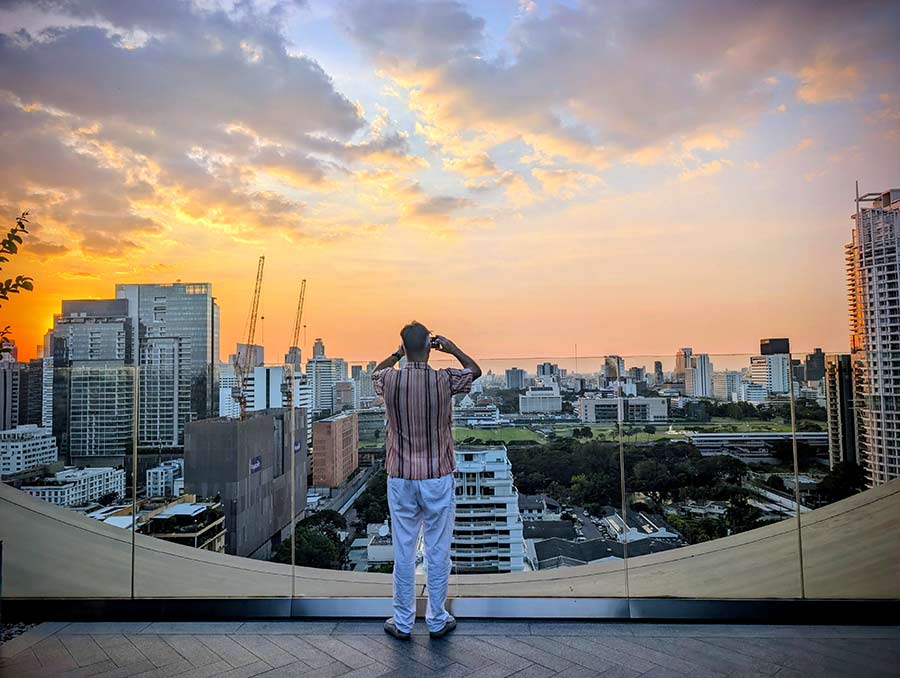
Wellness is no longer just a spa. It’s infrastructure
In traditional luxury hospitality, wellness meant spa menus, underground gyms and yoga classes at sunrise.
Bangkok has gone beyond that.
Here, wellness is built into the architecture, airflow, lighting, sound, water, food and medical facilities of the hotel itself. The city’s newest and most forward-thinking hotel is no longer requiring guests to book wellness appointments, but rather designing an environment where recovery is fundamental.
A standout example is Sindhorn Kempinski Bangkok, a hotel that does not simply offer wellness treatments, but is physically designed around human regulation.
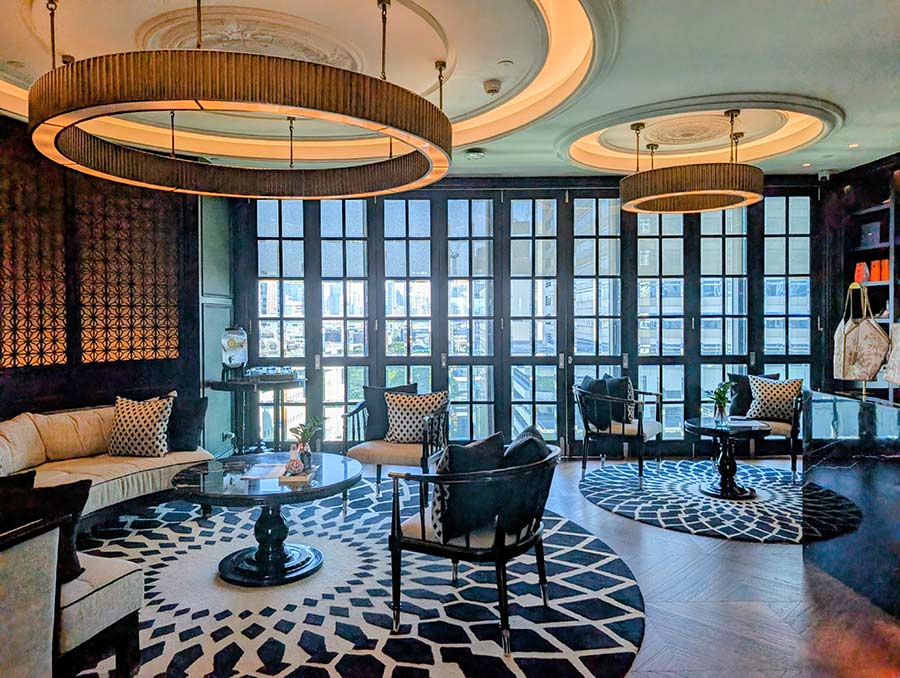
The science of wind, breath, and stillness
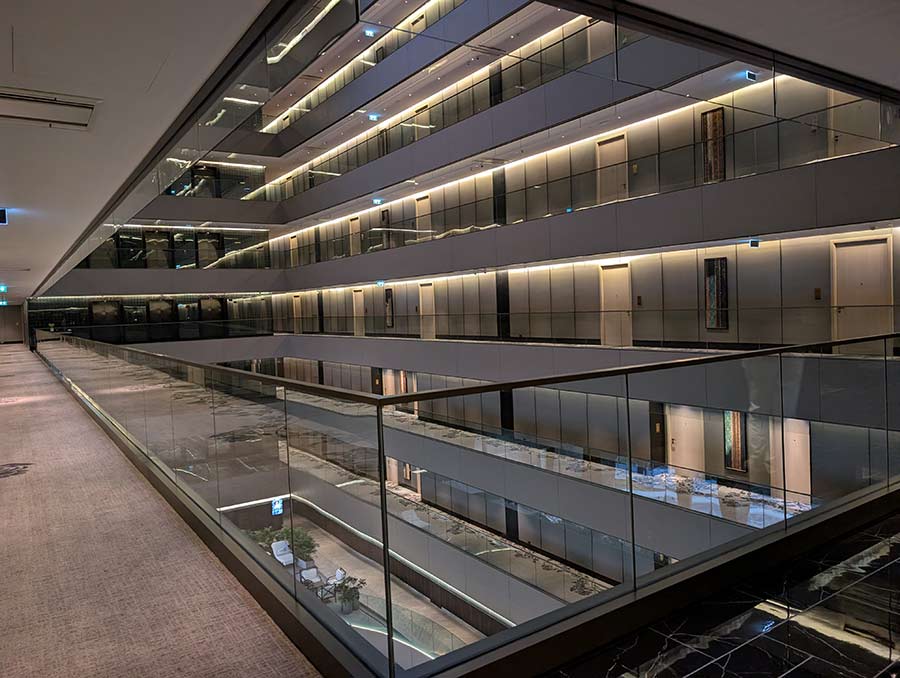
One of Sindhorn Kempinski’s most notable and little-discussed wellness innovations is something invisible: wind.
The building was designed to allow for continuous natural airflow through the lobby. Once inside, there is a gentle and continuous movement of air. Not aggressive air conditioning or humidity, but controlled circulation that instantly cools the body and reduces sensory stress.
This is not an aesthetic play. Physiology.
Breathing, air flow, and temperature regulation are now recognized as the basis of nervous system balance. Bangkok’s climate is particularly relevant, and Sindhorn is one of the first hotels to openly design around it, rather than against it.
This is important in a city with sealed glass towers.
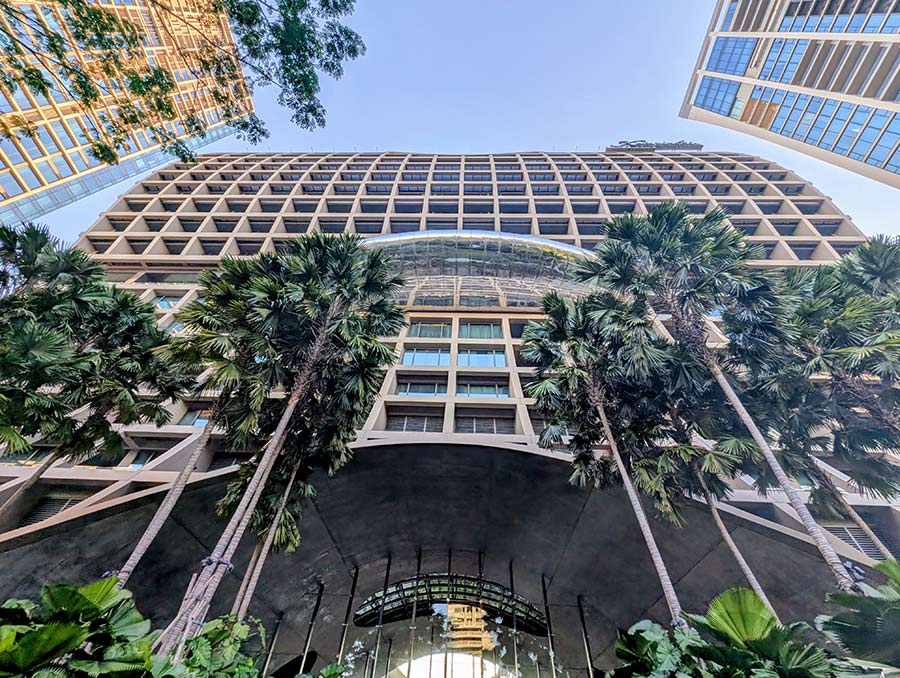
Garden as medicine, not decoration
Bangkok is dense, vertical and lacks green space. Parks exist but are limited. Hotels recognized this gap and addressed it.
The Sindhorn Kempinski’s private tropical garden, reserved exclusively for hotel guests, is more than just a decorative courtyard. It is an intentional retreat. There are shaded walkways, mature trees, fountains, and seating areas designed for slow movement and quiet.
This is part of a larger trend of green space as therapy across Bangkok’s luxury hotels.
Guests are no longer just travelers. Many include:
- Recovering from plastic surgery
- Receiving a hair transplant
- Complete tooth reconstruction
- Managing fatigue caused by burnout or stress
- Long-term stay for medical or wellness programs
These guests don’t want a rooftop pool with a DJ. They want silence, oxygen and shade.
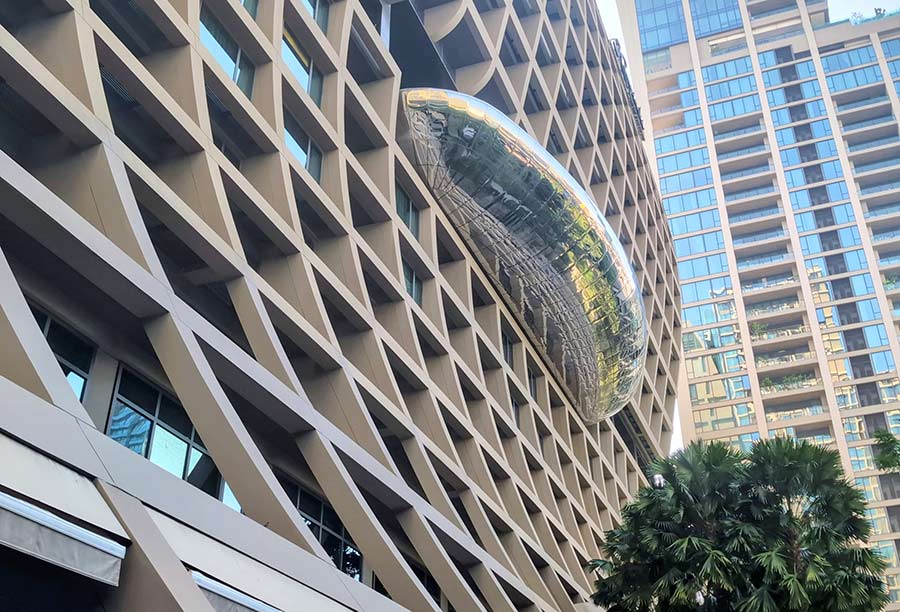
The Rise of Healthcare-Adjacent Luxury Hotels
Perhaps Bangkok’s most unique trend is the seamless integration of hotels and hospitals.
Some properties now provide the following features:
- Dedicated hallways or access routes in healthcare facilities
- Rooms designed for recovery after procedures
- Extended stay layout with residential comforts
- In-room wellness equipment and adjustable lighting
This reflects Bangkok’s position as a global hub for:
- plastic surgery
- hair transplant
- advanced dental operations
- Preventive Medical Checkups
- Hormone and Vitamin Therapy
Hotels no longer pretend that these guests don’t exist. Instead, they are actively housing them in secret and luxury.
The recovery has been in the premium hotel sector.
Hydrotherapy stimulates the senses
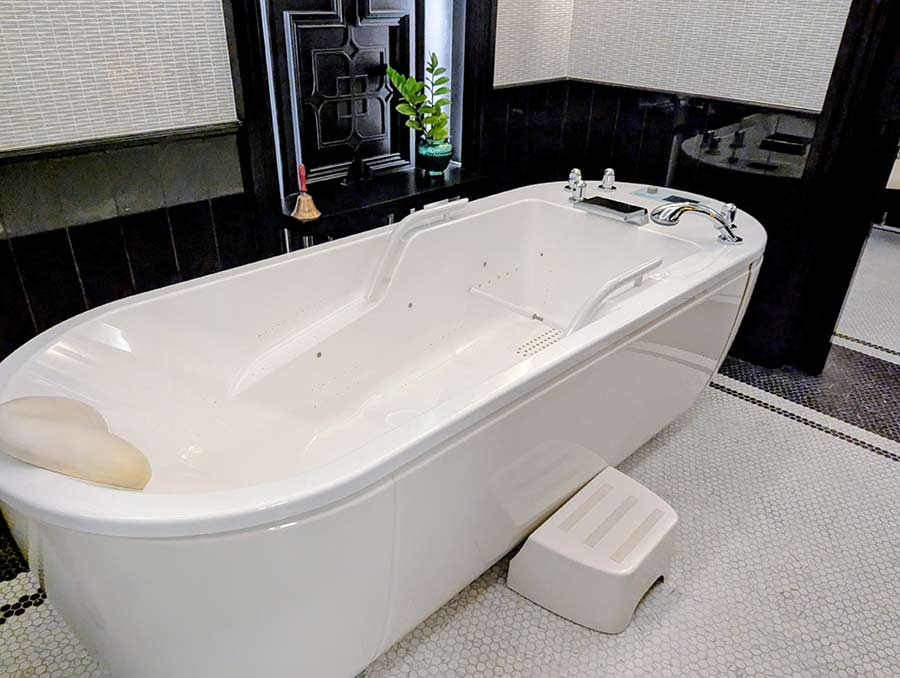
At Bangkok’s wellness-focused hotels, water is no longer just for swimming.
Here’s what our guests are experiencing:
- Salt bath designed for muscle recovery and skin health
- Hydrotherapy circuit using temperature contrast
- Mineral pool influenced by Japanese and Korean bathing cultures
- Steam and ice experiences integrated into your spa trip
The bathroom itself has evolved. Underfloor heating, sensor showers, chromotherapy lighting and Japanese-style intelligent toilets are becoming the standard for high-end products.
Once neglected, bathrooms are now part of the wellness story of warmth, hygiene, comfort and awareness.
In Bangkok, this doesn’t feel generous. It feels logical.
Sleep, light and biological clock design
Sleep is the new status symbol.
Hotels are now optimizing their rooms for circadian alignment by:
- Warm, adjustable mood lighting
- Power outage system that actually works
- Reduce electromagnetic interference
- quiet ventilation system
- Luxury bedding and pillow menu
While some properties are actively educating their guests about sleep optimization, others are quietly incorporating it into their experiences.
This reflects the broader trend of wellness without education. Your guests don’t need brochures. The environment takes care of it.
Immersive fitness
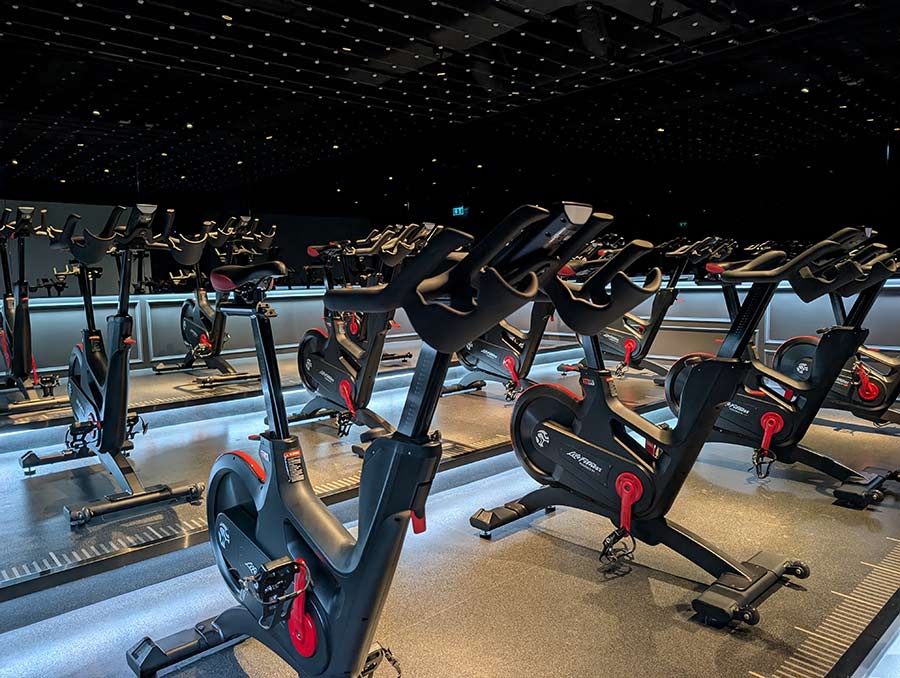
Hotel gyms in Bangkok are no longer an afterthought.
Features of luxury real estate include:
- 24-hour natural light available
- Immersive rotating studio with LED environment
- “Travel-based” classes inspired by clubs and performance spaces
- Personal training tailored to recovery and longevity, not beauty
The influence of luxury fitness clubs is clear. Some cycling studios feel closer to a cinematic experience like Tron than a traditional workout.
Exercise is reframed as participation rather than punishment.
IV drips, vitamin therapy and biooptimization
One of the clearest signs of Bangkok’s maturity in wellness is the normalization of medical wellness.
Now guests can:
- vitamin d injections
- IV nutritional drip
- Hormone optimization consultation
- Longevity check-up
These treatments, often discreetly arranged through concierge services or partner clinics, are no longer fringe products. This is part of your stay. This is especially true for long-term guests and frequent travelers managing fatigue, jet lag and immune health.
Clinics in Bangkok operate at a very high technological level and often surpass those in Europe in terms of accessibility and innovation.
The bigger picture: Wellness as an urban escape
What makes Bangkok unique is not just the treatment or technology, but the contrast.
Outside the hotel: traffic, heat, density, constant movement.
Inside: airflow, greenery, silence, water, consciousness.
The hotel has become a tranquil little town that offers what the surrounding urban environment cannot.
This is why Bangkok wins.
Not because it’s cheap, but that’s not the case anymore.
It’s not because it’s exotic. That story is tired.
However, it is because we understand modern fatigue and respond accurately.
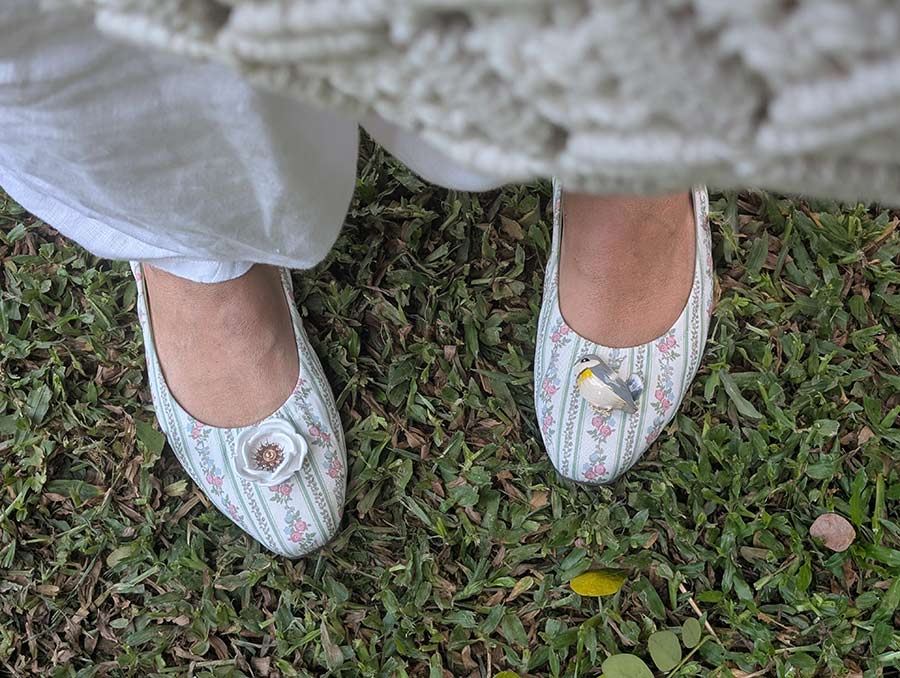
Ballerina pumps are also reminiscent of the Garden of Eden.
final thoughts
Bangkok’s wellness hotels aren’t about indulgence. They are about functioning better physically, mentally, and emotionally.
In a world where stress is constant and recovery difficult, Bangkok has established itself as a city where healing is efficient, luxurious, and deeply integrated into everyday life.
And what about the hotel?
It is no longer a place to sleep.
This is a place where you can reset.





