



This place is not yet unknown and is cherished by the locals.
Italy’s three famous cities – Rome, Florence and Venice – captivate millions of tourists every year, but the soul of the country lives in places where tourists rarely venture. Here’s where locals escape and where travelers miss.
forgotten north
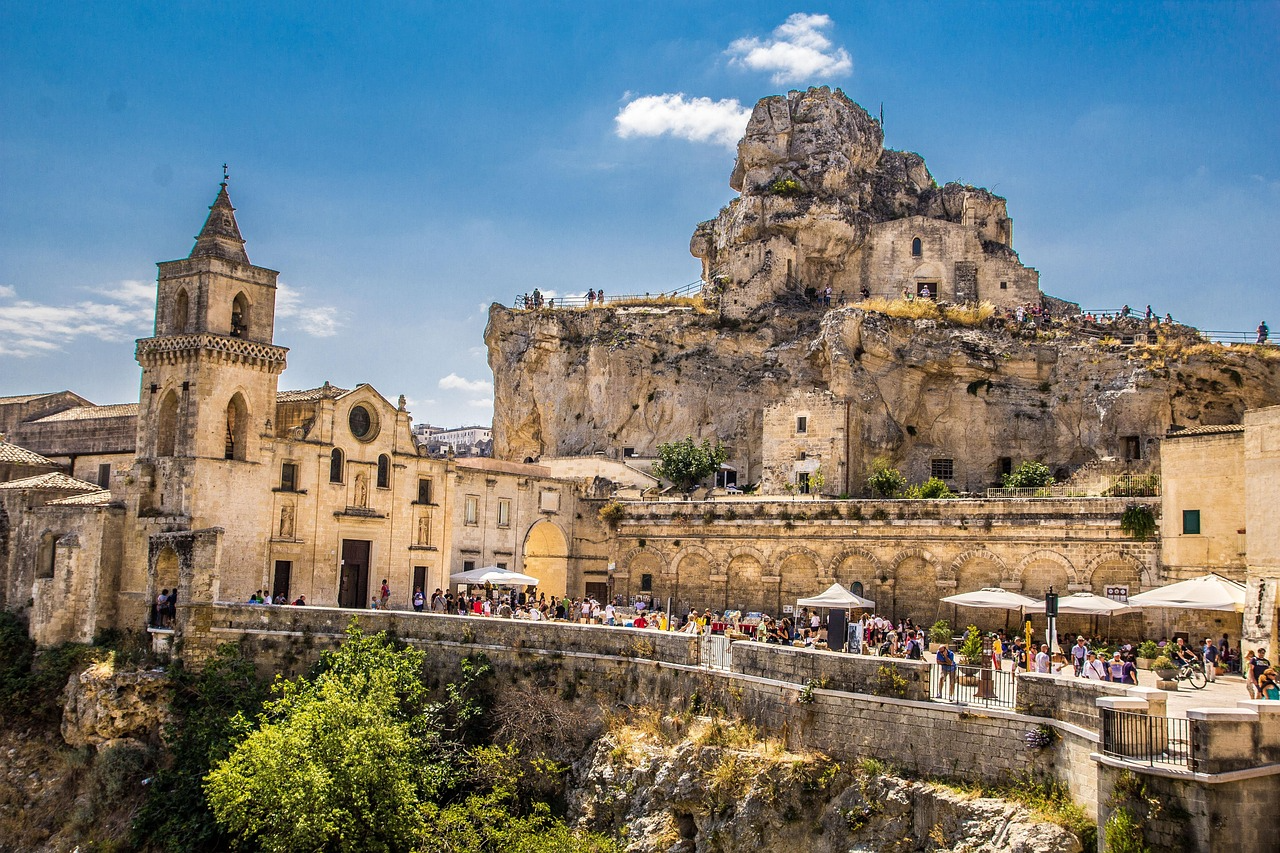
Matera, Basilicata – Before it was UNESCO-listed and featured James Bond, Matera was an embarrassment to Italy. It was an ancient cave dwelling where poverty persisted until the 1950s. Today, the Sassi area offers haunting beauty, including limestone caves converted into boutique hotels, rock-cut restaurants and churches with Byzantine frescoes hidden in caves. Arrive in the valley at dawn in a foggy morning and you’ll understand why this place feels prehistoric.
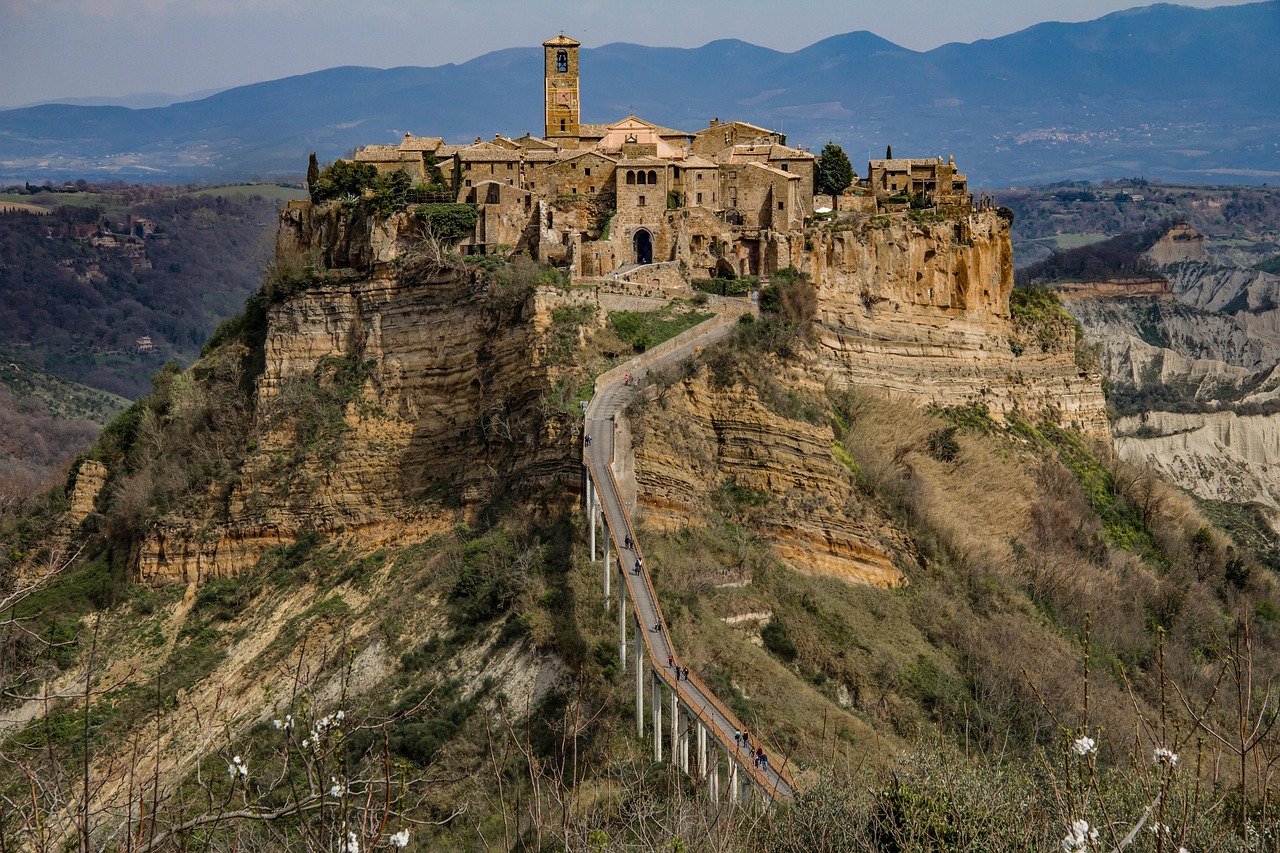
Civita di Bagnoregio, Lazio – The “dying city” sits atop eroding volcanic tuff and is only accessible by a narrow pedestrian bridge. With fewer than a dozen permanent residents, this medieval village feels as if time has stood still. The entrance fee makes it easy to manage even for day trippers. Watch the sunset as the cliffs glow amber and the valley below is filled with shadows.
Procida, Campania – While crowds dominate Capri and Positano, this fishing island near Naples remains chaotic. Pastel houses line the Marina Corricella, where fishermen still mend their nets and old women hang out their laundry in the alleyways. The lemons are bigger, the seafood is fresher, and you can actually find quiet beaches in August.
secret coast
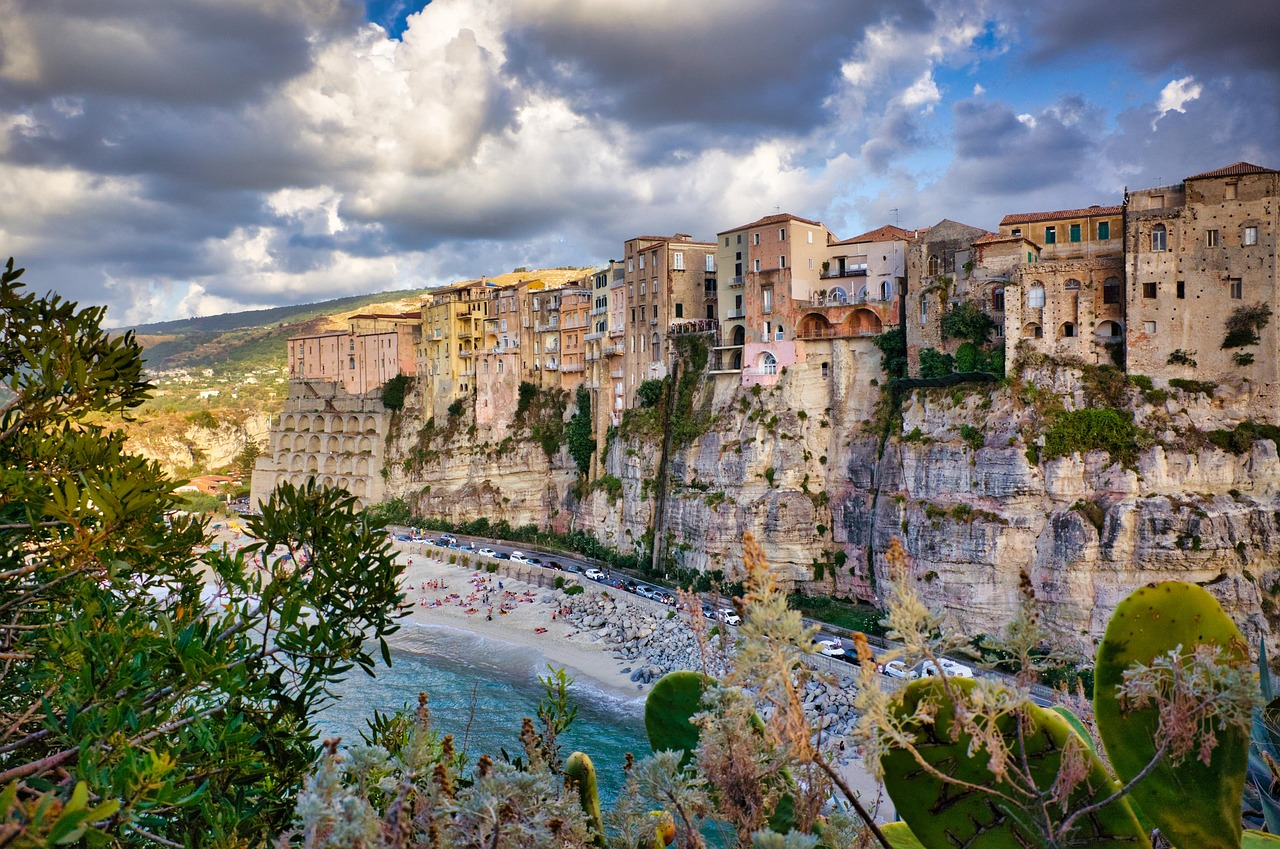
Tropea, Calabria – Perched on a cliff above the Tyrrhenian Sea, Tropea offers the drama of the Amalfi Coast without the tour buses. Follow the narrow alleyways of the medieval center to see turquoise waters and white sand beaches. The local red onions are so sweet you end up eating them like apples, and the ‘nduja (spicy spreadable salami) can ruin all your other pork dishes.
Polignano a Mare, Puglia – Caves carved by thousands of years of waves create natural dining spaces where restaurants serve sea urchin pasta as the waves crash beneath your feet. The town square is perched atop a cliff, and cliff diving competitions attract athletes from all over the world. Visit in September, when the summer crowds are smaller but the sea is still warm.
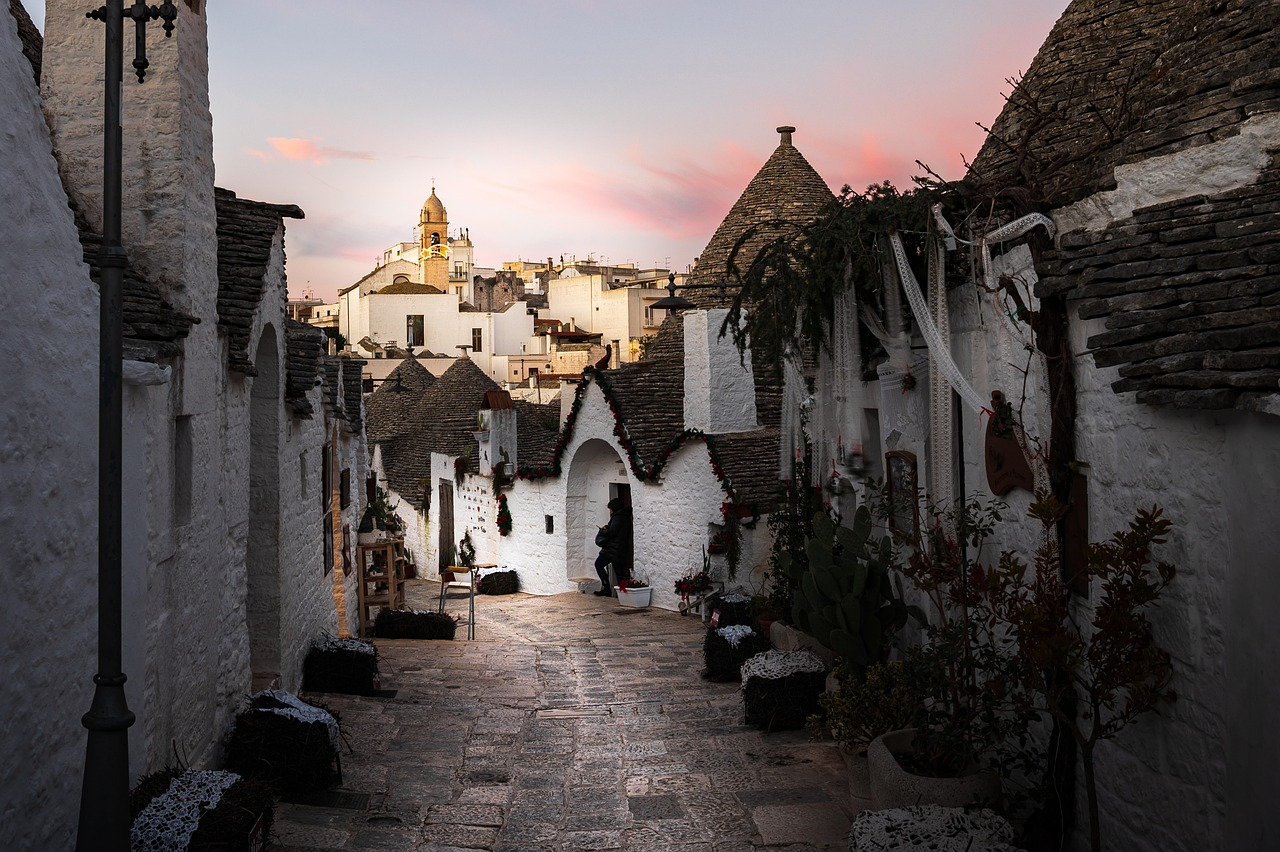
Alberobello, Puglia – You won’t find the village of Trulli anywhere else. It’s a white stone hut with a conical roof that looks like something out of a fairy tale. More than 1,500 of these structures are gathered in the historic district. Many now have shops and restaurants, but wander the back alleys and you may find families still living there. It looks like laundry being dried on a line stretched between cones.
mountain escape
Orvieto, Umbria – This fortress city sits on a volcanic plateau, and its cathedral façade is a Gothic masterpiece that locals claim surpasses even Siena. Underground is a labyrinth of Etruscan tunnels and medieval wells with honeycomb-shaped tuffs. You can explore 2,500 years of excavations with a guide. Orvieto Classico, the white wine here, has been famous since Etruscan times.
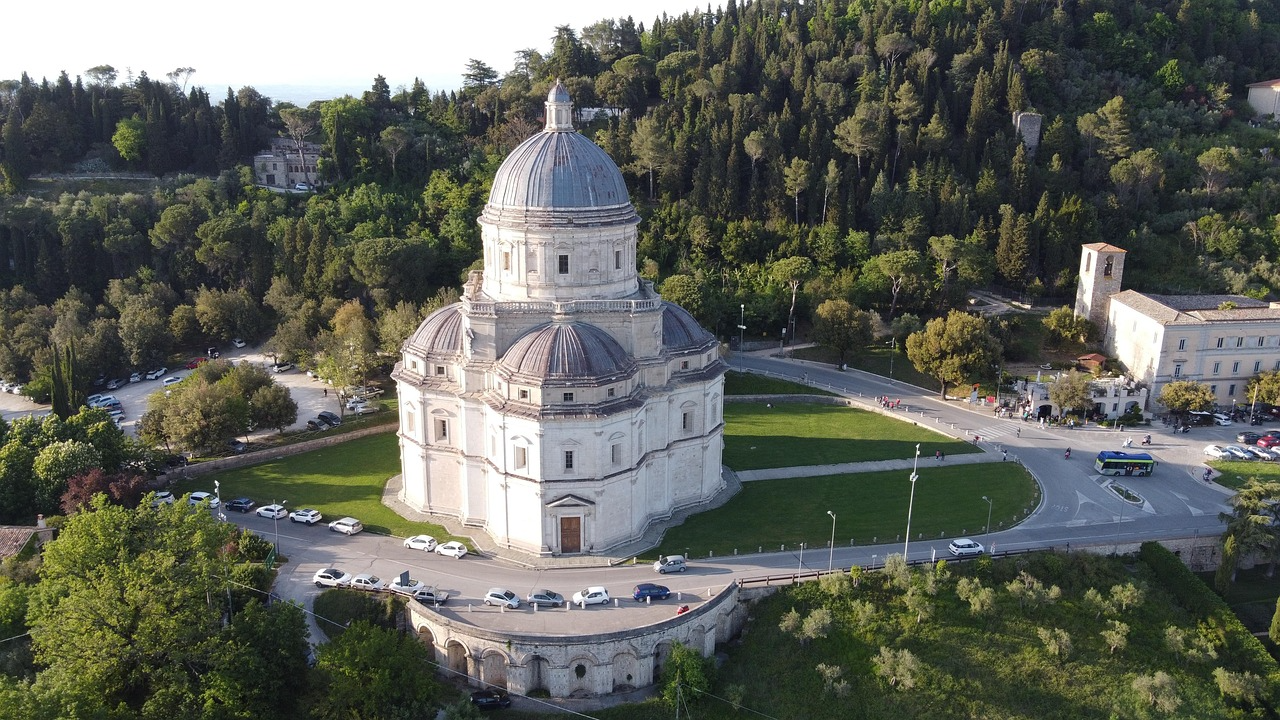
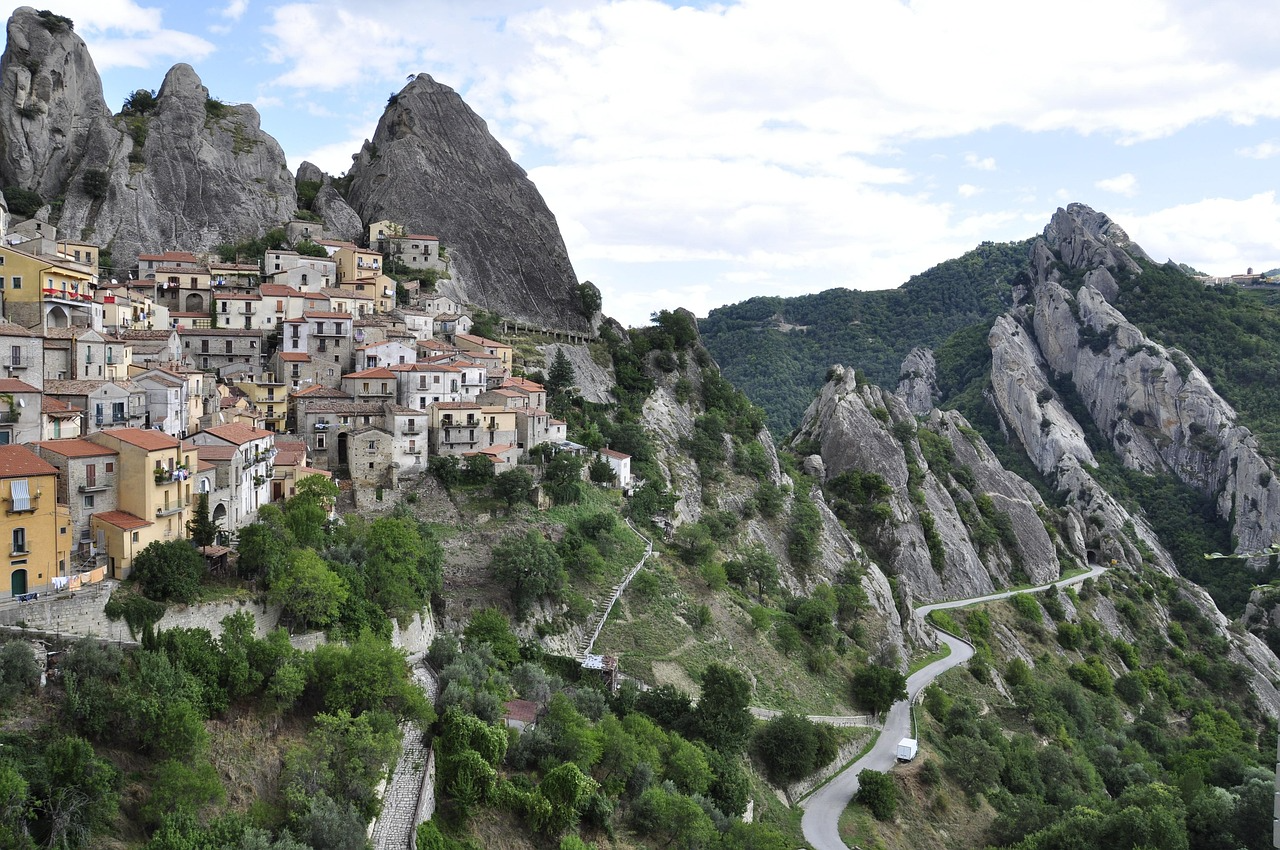
Castelmezzano and Pietrapertosa, Basilicata – Two villages cling to the Dolomiti Lucane, a jagged peak in southern Italy’s interior. Stone houses seem to grow out of the rock surface. Adventurous types can fly between villages on “Il Volo dell’Angelo”, a cable zipline that flies across the valley at speeds of 120 kilometers per hour. Less intrepid hiking trails traverse terrain rivaling the Alps.
Bergamo Alta, Lombardy – Just an hour from Milan, the upper city lies behind Venetian walls and is largely ignored by tourists rushing to Lake Como. The funicular rises to a medieval square where locals drink an aperitif in the Renaissance loggia. Accademia Carrara is an intimate gallery housing masterpieces by Botticelli and Bellini. You may be the only person visiting here.
insider tips
timing issue: Visit the hill village during peak season (April-May, September-October). Summer heat makes cobblestone climbing more difficult, and August brings Italian holiday crowds.
lodgment: Day trippers miss the magic. Once the tour buses depart, the village returns to its residents. Evening passeggiata (ritual walks) reveal local life not visible during daytime visits.
Learn local cuisine: Each region has dishes that tourists cannot access. Try it in Basilicata trash (A hearty legume stew). Order from Puglia bowler hat (meat roll) and Burrata. Everything is possible in Calabria. ‘Nduja.press
car rental: Public transportation exists, but trains don’t reach the most interesting places. Having wheels means you can chase down a briefly seen castle on the highway or stop on the side of the road. farmhouse Homemade cheese advertisement.
Talk to locals: Italians in small towns are genuinely curious about visitors. Even broken Italian and hand gestures unlock recommendations, including family vineyards, beaches without crowds, and restaurants where your grandmother still makes pasta.
Italy is a hidden gem that rewards leisurely travelers. These places are not yet undiscovered. Local people have treasured this place for centuries. But they have moved on from the industrial tourism that has transformed more famous destinations. Visit them before the secret spreads.






