



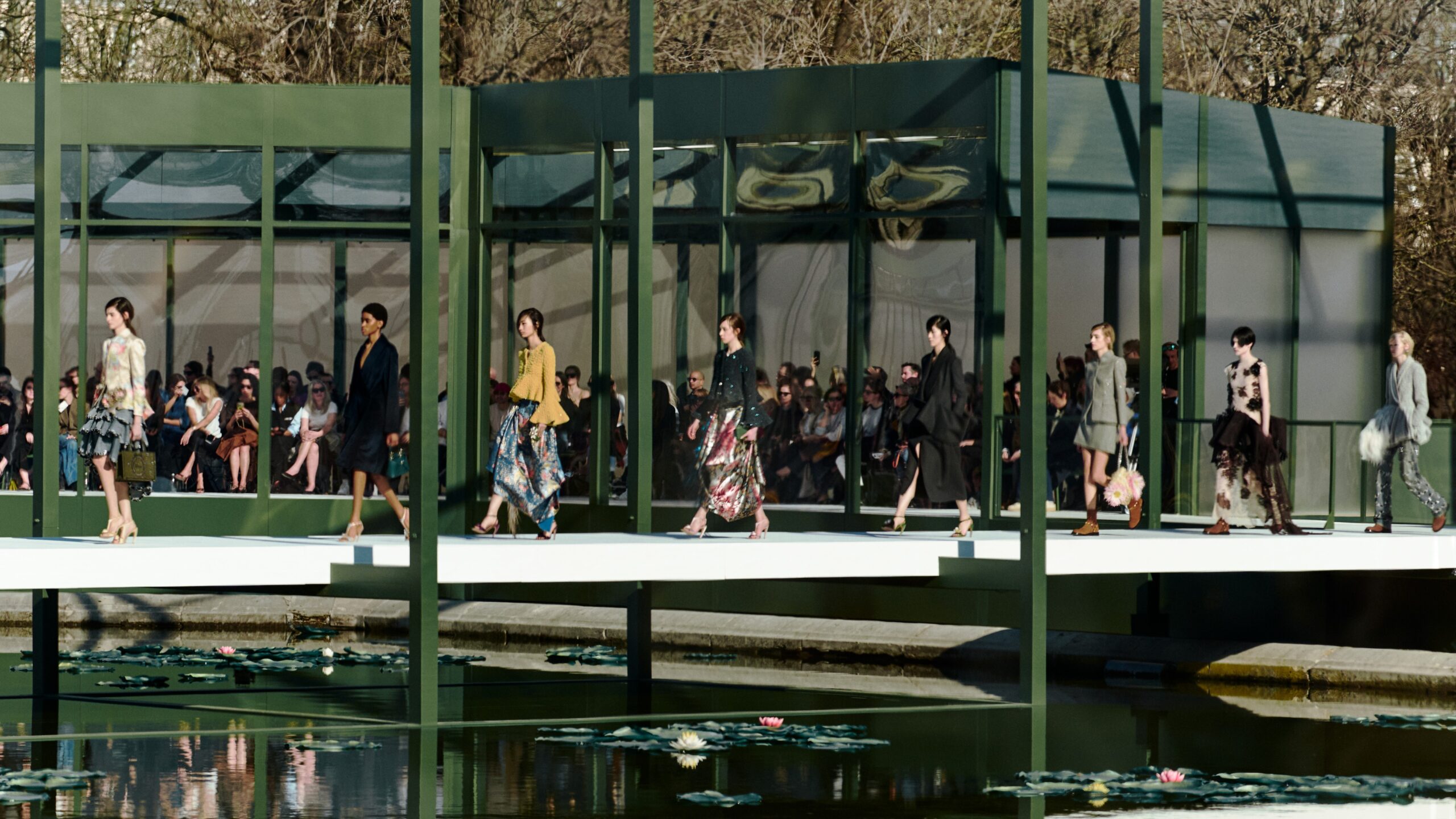
Amid creative revamps and a changing luxury economy, Paris Autumn/Winter 2026/27 Fashion Week reaffirmed the city’s role as a hub for fashion institutions where heritage houses, disciplined craft and continuity of house codes continue to shape the global industry. This week is a bit leaner than last season, with 67 ready-to-wear shows and 31 presentations scheduled between March 2-10. But the calendar remains one of the industry’s most influential, culminating in a series of collections that demonstrate why Paris continues to be the center of the fashion establishment. Farewell shows and pivotal transitions allow historic maisons to reaffirm the authority of their house codes, while also highlighting the cyclical nature of creativity within the city.
Paris, the center of fashion culture
More than any other fashion capital, Paris draws its strength from the continuity of its historic maisons. While other cities thrive on newness, the French capital’s influence lies in its brands’ ability to reinterpret long-established identities while maintaining aesthetic consistency.
dior
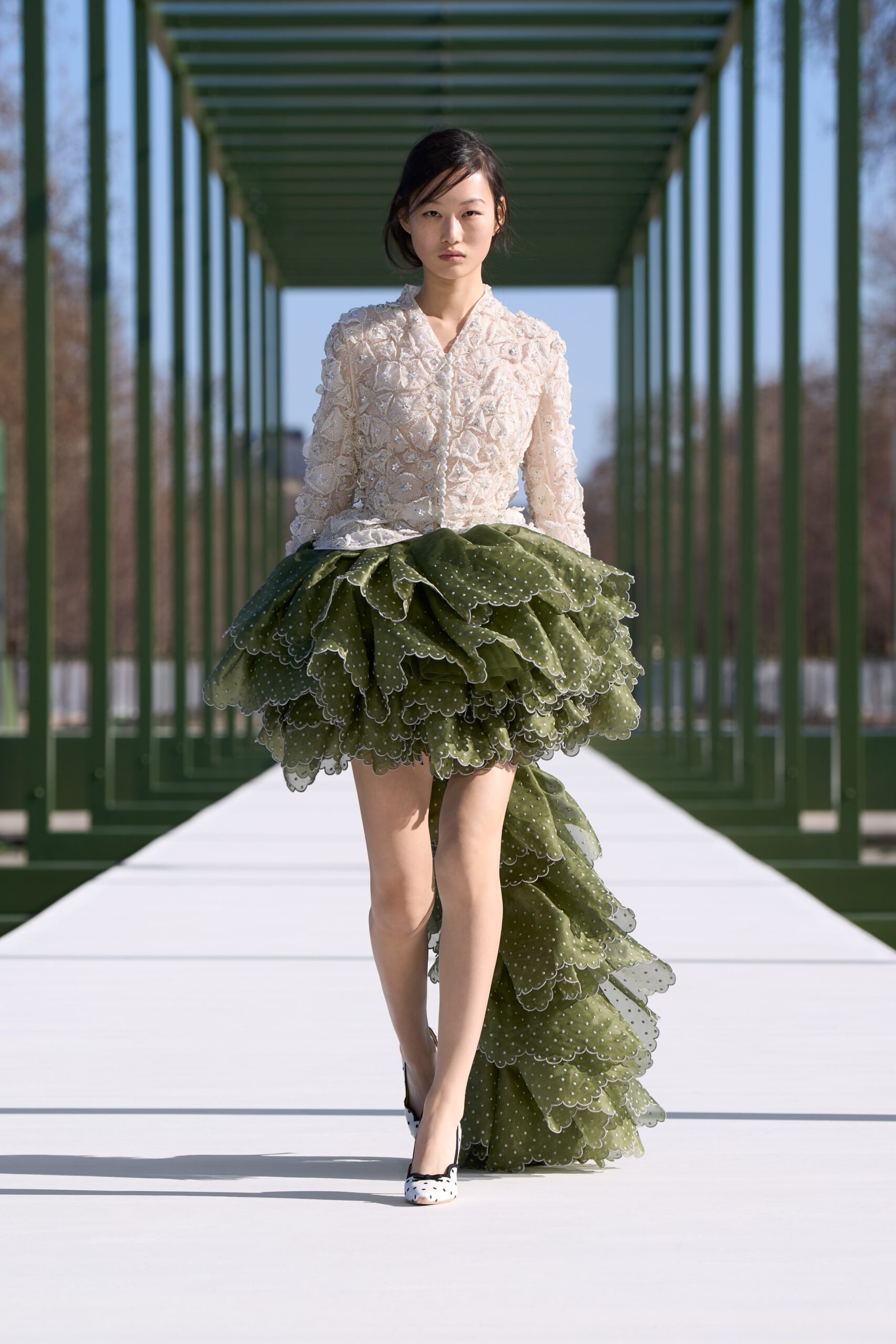
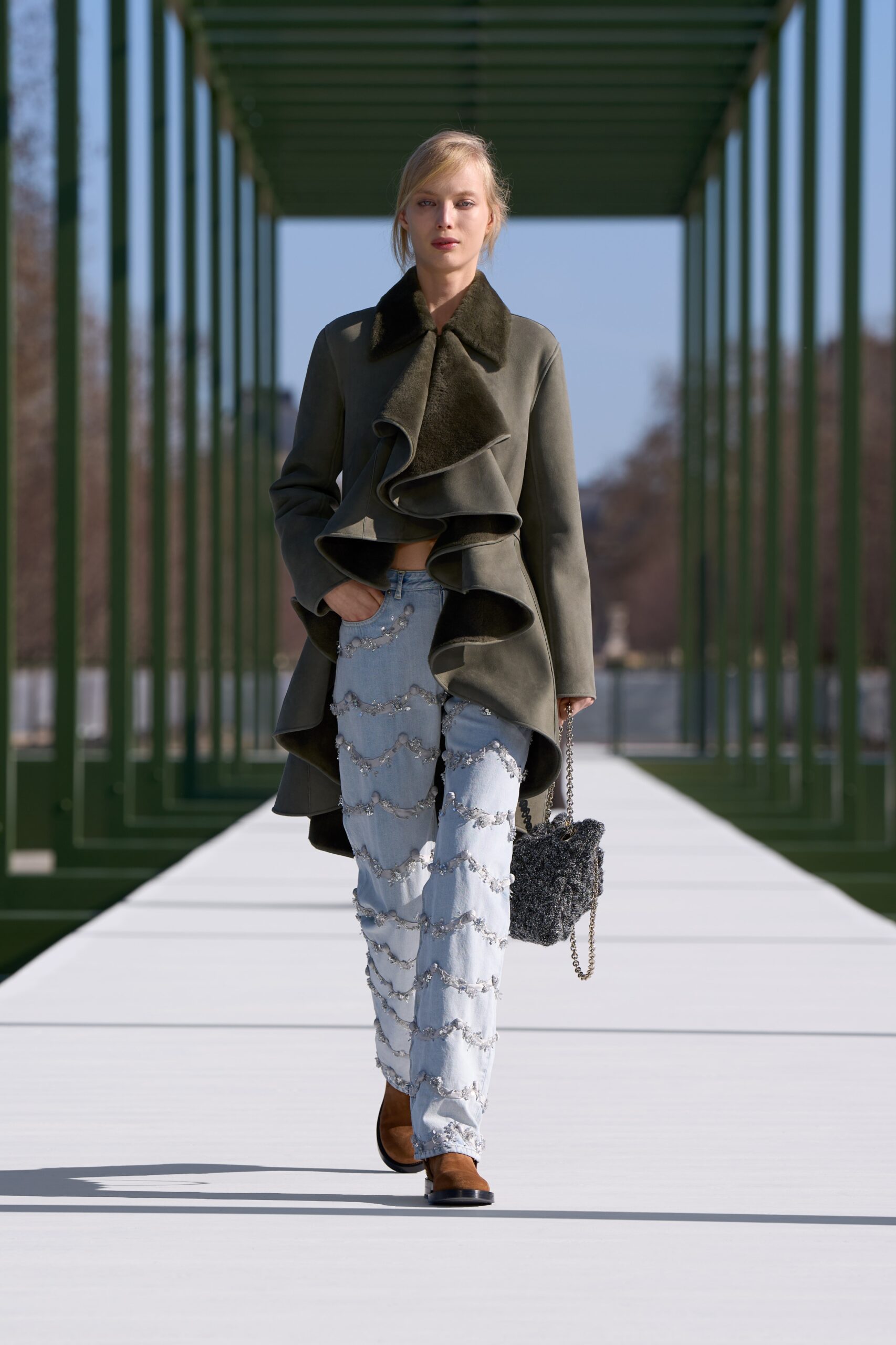
At Dior, Jonathan Anderson presented his second women’s ready-to-wear collection for the house within the Jardin des Tuileries, using Bassin Octogonal as the show’s architectural centerpiece. The formal gardens, redesigned during the reign of Louis XIV, provided an evocative setting for the collection, inspired by the theater of Parisian life. Anderson’s silhouette reflects the idea of a promenade, a social ritual rooted in the history of the Tuileries, while also recalling Christian Dior’s lifelong fascination with gardens. The result is a collection that connects fashion to the cultural geography of Paris itself.
Peter Copping, Lanvin’s Artistic Director, continued his reinterpretation of the Maison’s archives with a collection titled “Bonjour Minuit”. The show, held at the Galerie de la Géologie et de la Minéralogie in the Jardin des Plantes, revisited the ideas of Jeanne Lanvin. ultimate chic. Sculptural coats, flowing dresses and references to the house’s historical significance. style dress The silhouette demonstrated how Lanvin’s early 20th-century elegance could be readjusted to suit contemporary wardrobes without giving up its core identity.
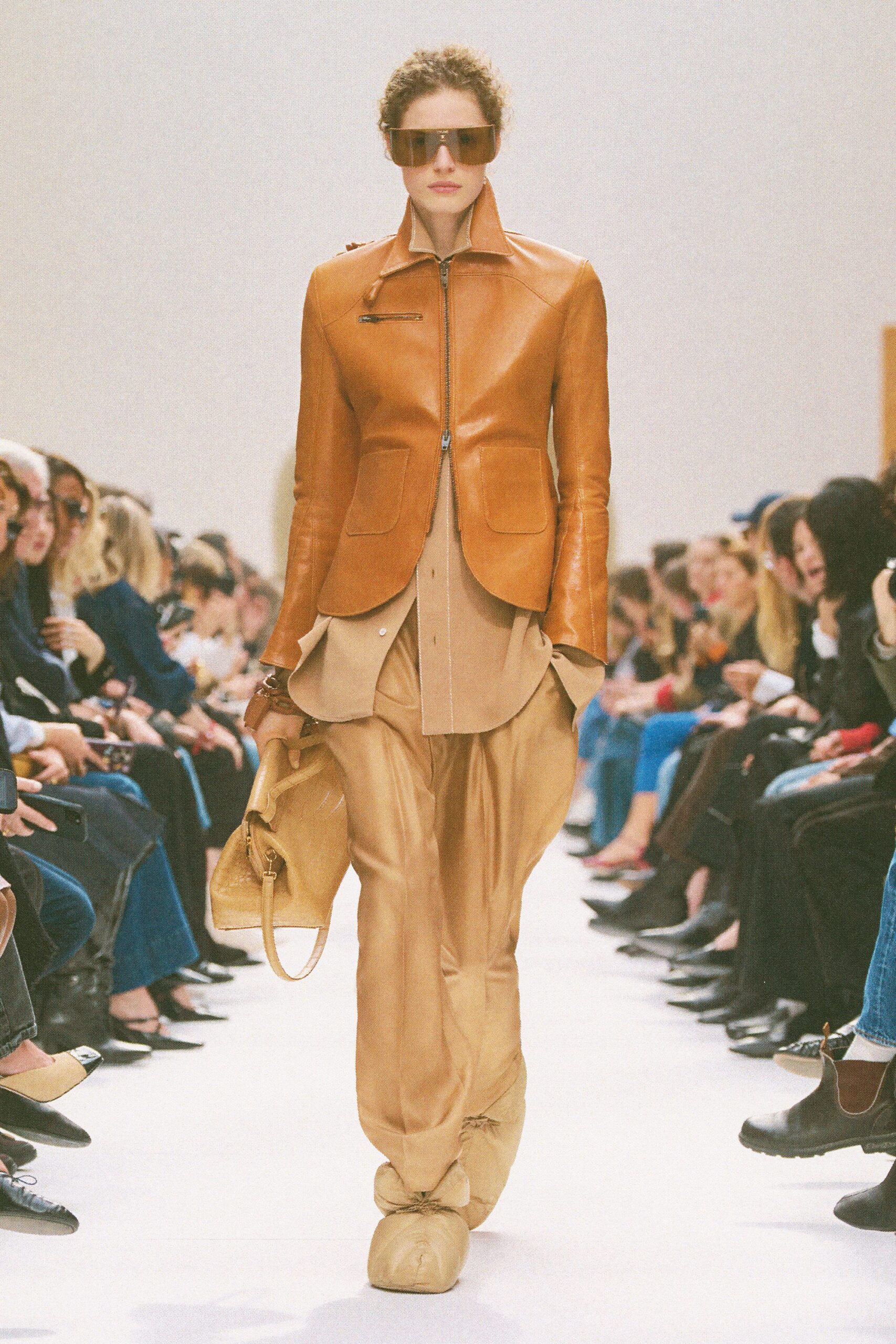
Celine
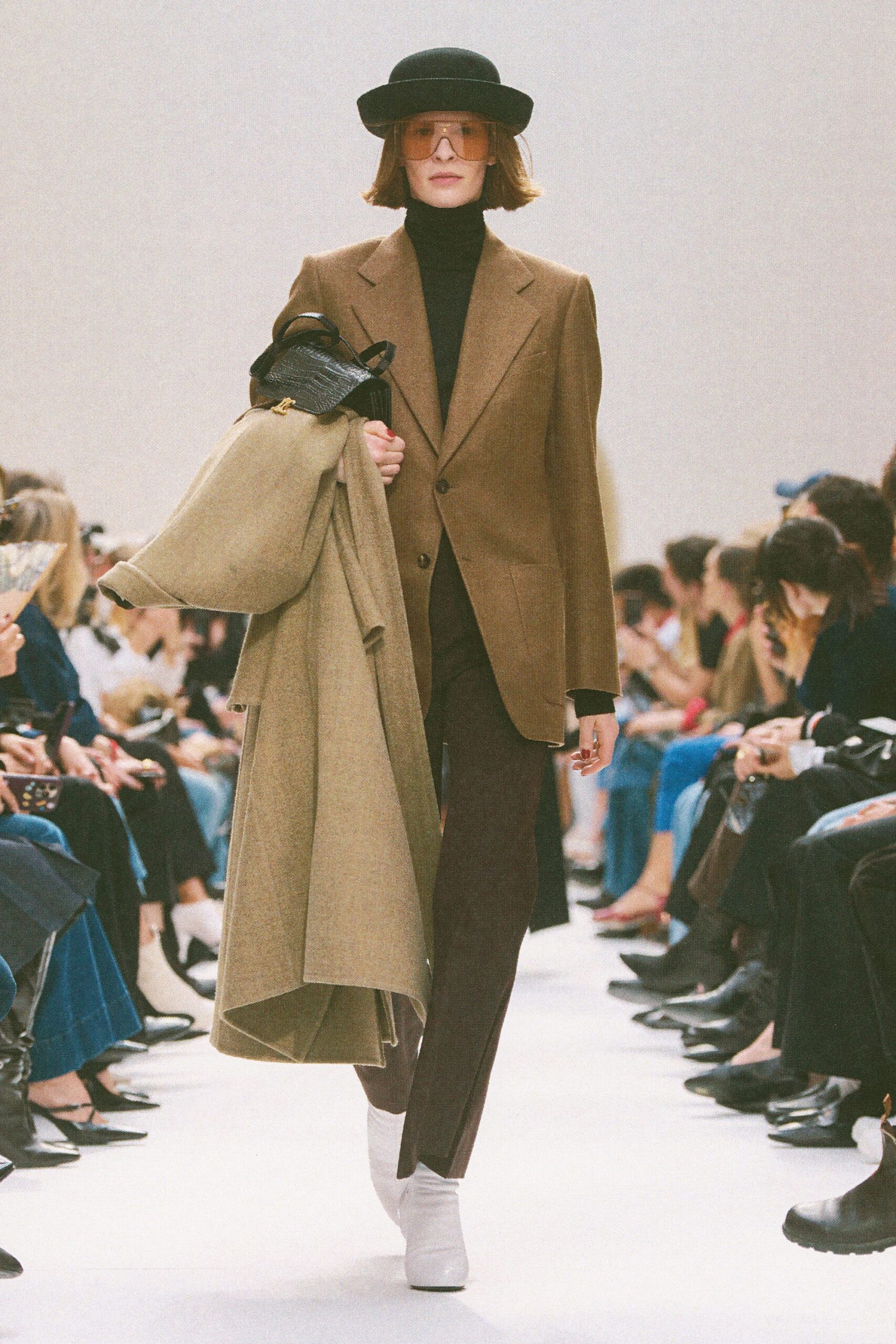
The concept of everyday life in Paris also influenced Celine, and this collection was inspired by the daily rhythm of commuting through the French capital. Rather than emphasizing extravagance, the collection focused on clothing designed for movement through urban spaces – tailoring and outerwear that embodied Parisian balance of understatement and sophistication. Inspired by everyday experiences, the house strengthens cultural ties with the city.
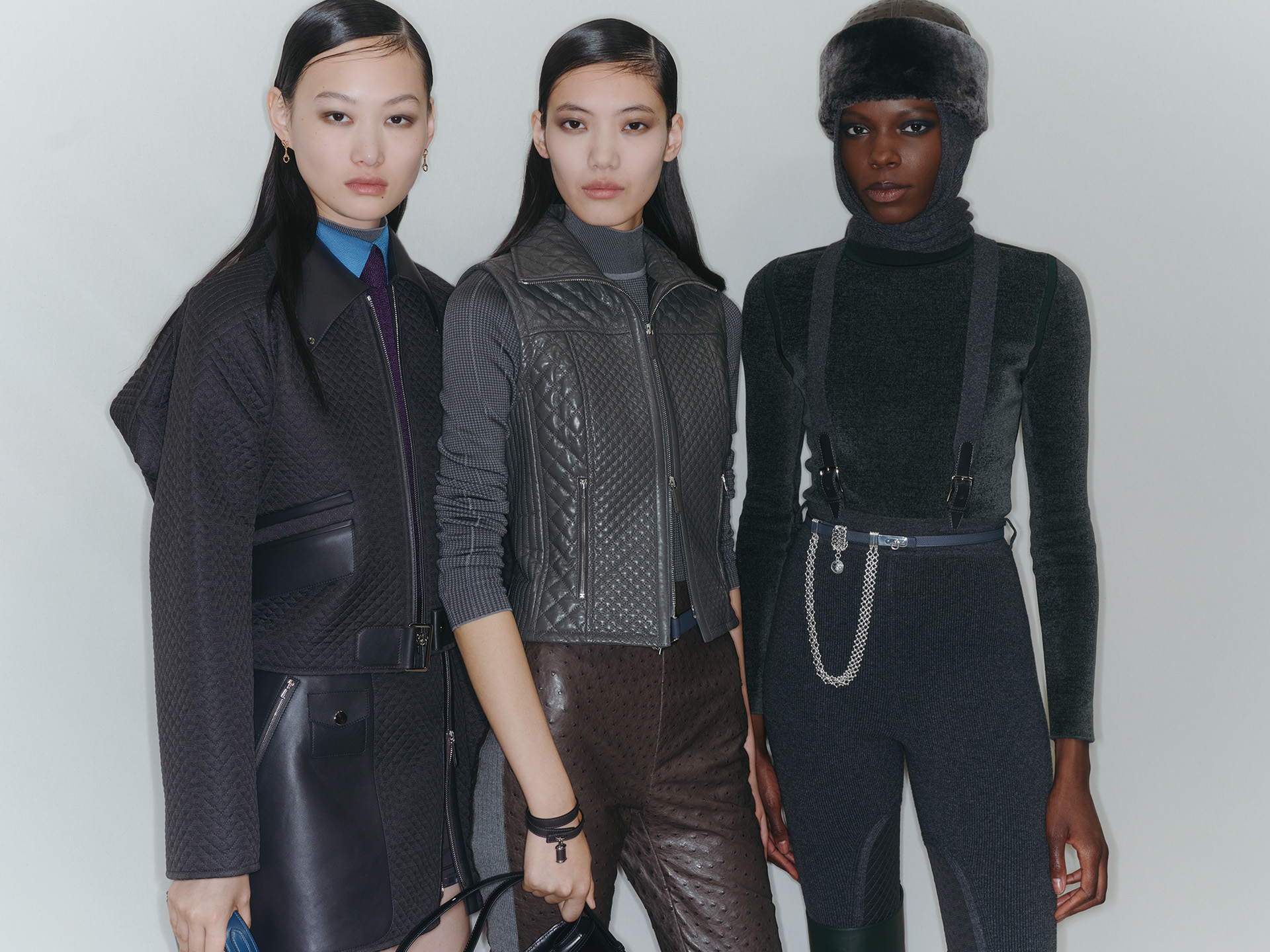
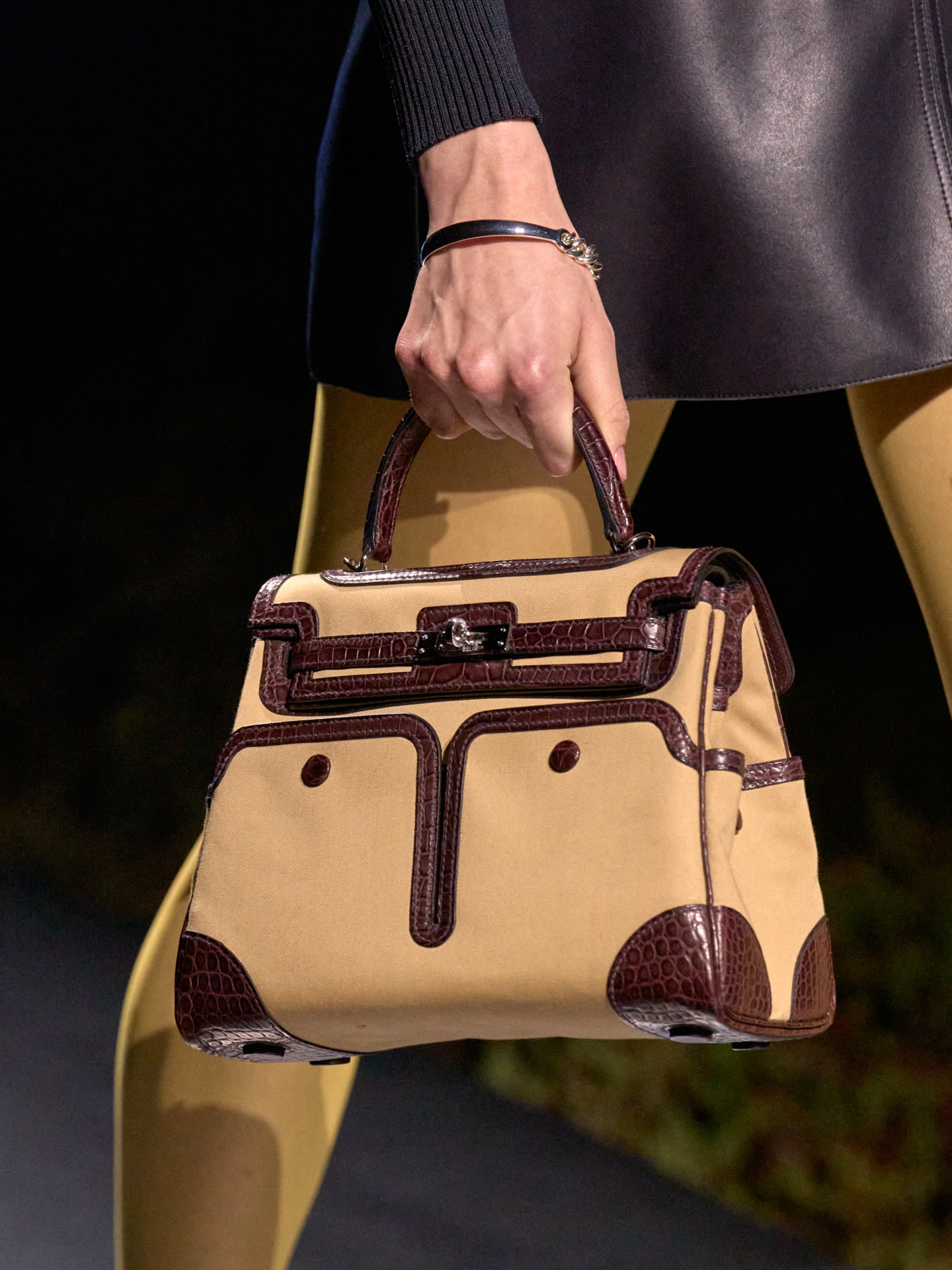
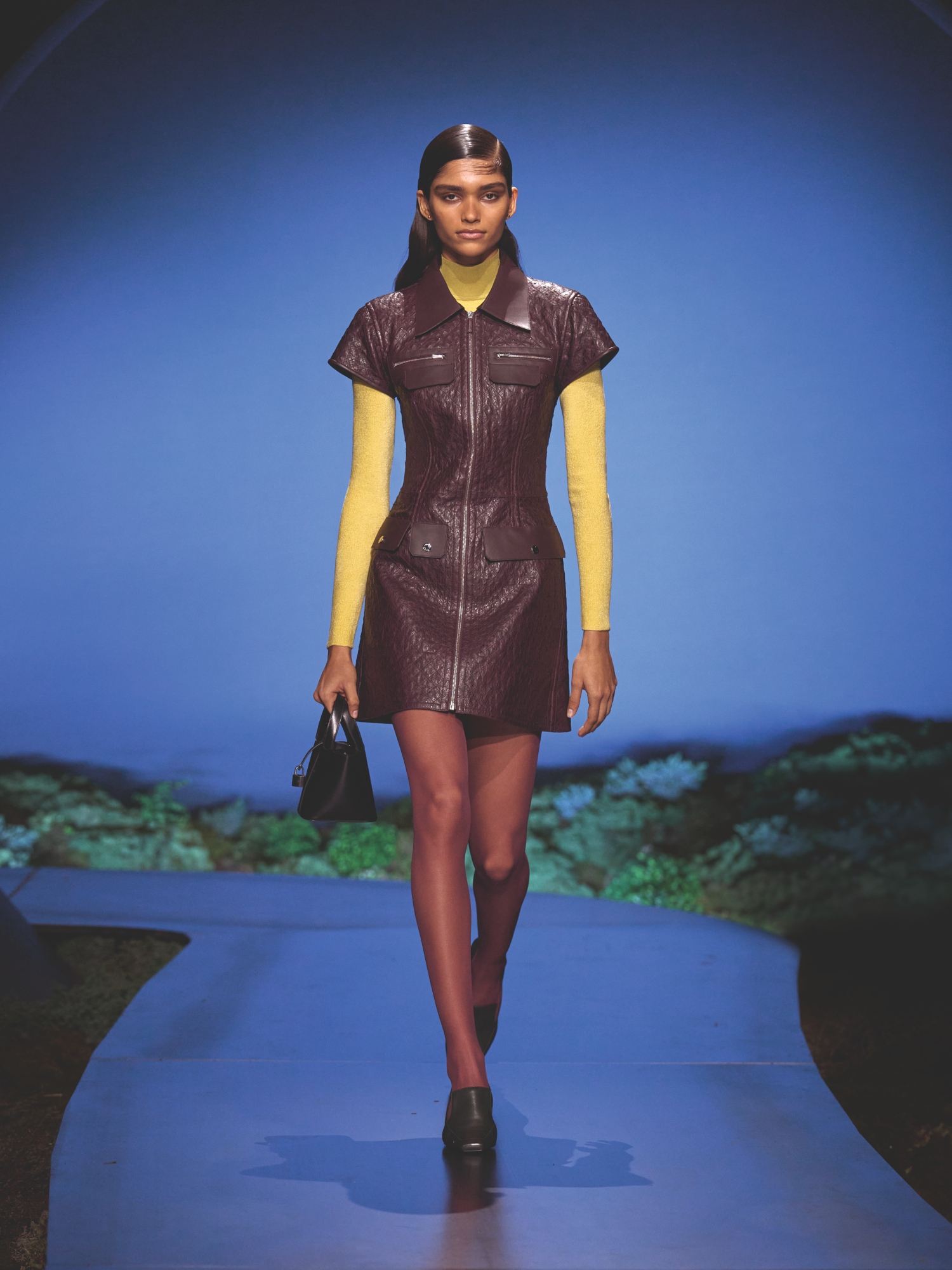
Hermès, meanwhile, has returned to the utilitarian roots that have defined the maison since its founding as a harness and saddlery workshop in 1837. The Fall/Winter 2026 collection emphasized sophisticated practicality, with supple leather coats, equestrian references and garments built around movement. In contrast to the theatricality often associated with fashion weeks, Hermès reaffirmed its philosophy that function is inseparable from luxury.
Finally, Chanel revisits the rebellious spirit of Gabrielle Chanel through inspired silhouettes. boy The 1920s era when the house fundamentally reshaped women’s fashion. Low-slung skirts, dropped-waisted dresses, boxy jackets and reworked tweeds referenced revolutionary codes that liberated the female silhouette, while contemporary embellishments and innovative tailoring transformed these historic forms into garments suited to the modern wearer.
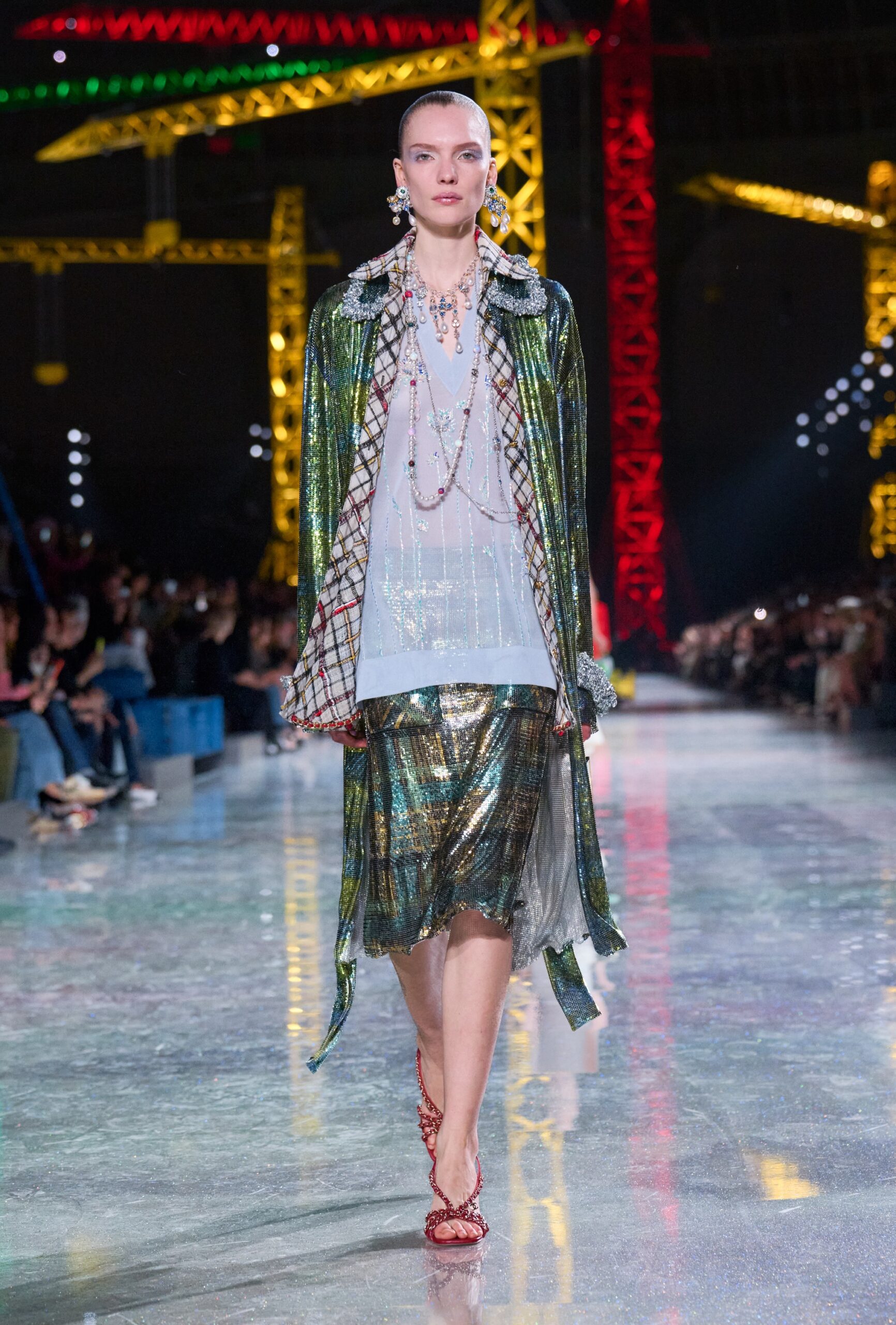
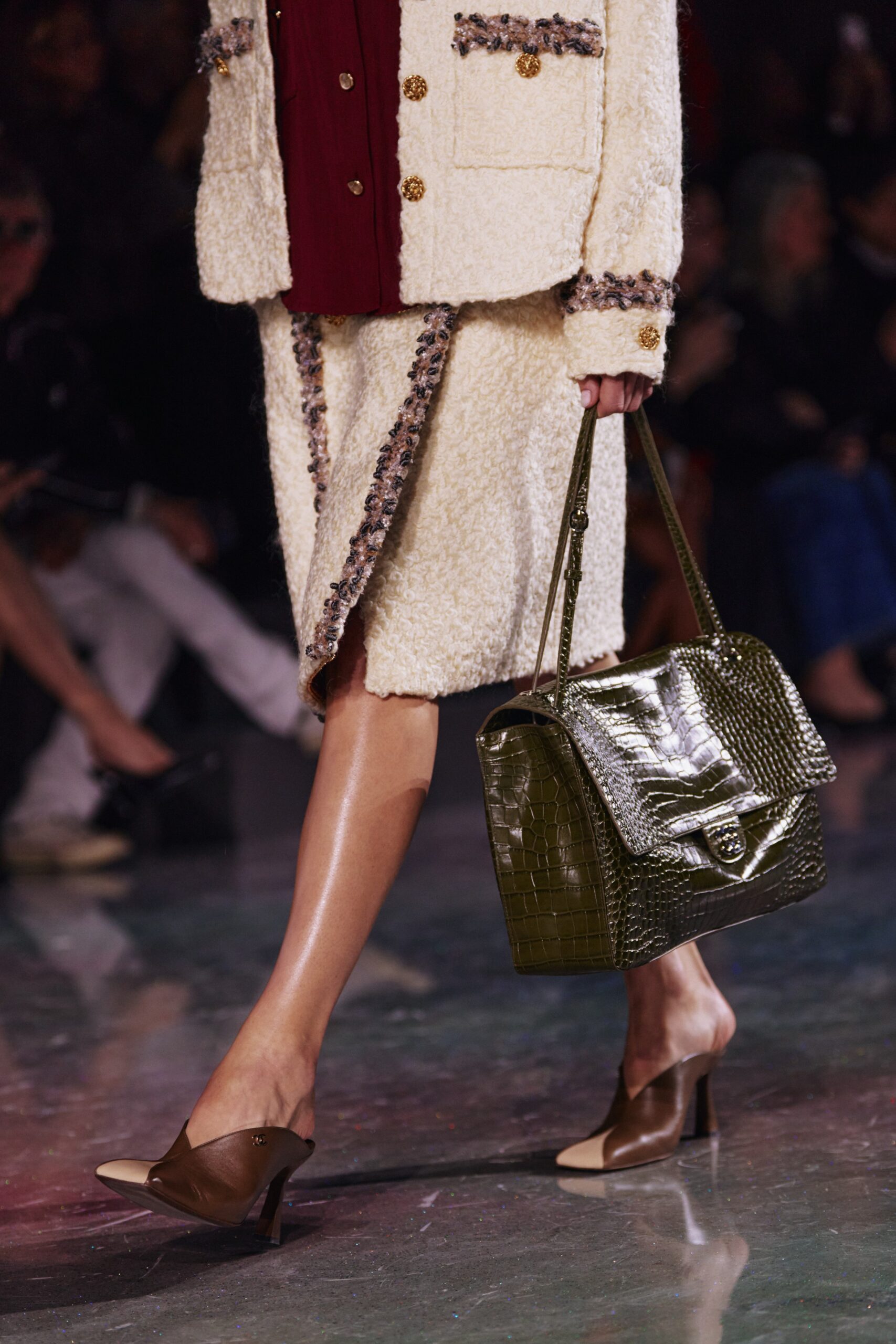
chanel
Creative director Matthieu Blazy layered the collection with a fluidity that felt distinctly 2026, while subtly incorporating oversized pearls, metallic trims and ribbon details from Chanel’s archives. The collection emphasized versatility. The separates can be worn in a variety of ways, and the skirts pair perfectly with boxy jackets or bomber-style outerwear, reflecting the post-pandemic desire for adaptable clothing. Pastel tweeds, metallic threads and iridescent accents were juxtaposed with matte wools and muted neutrals to create a dialogue between archival references and contemporary sensibilities. To close the show, the final model appeared in a minimalist black jersey dress that was a direct homage to Gabrielle Chanel’s Little Black Dress, but interpreted in 2026 for women in a variety of roles: professionals, cultural participants, and style influencers in the digital age. With this collection, Chanel reaffirms its continued relevance not only in its reverence for the archive, but also in its ability to reinterpret these codes for today’s lifestyle.
Couture techniques that strengthen the authority of Paris
Paris remains the only fashion center where the presence of haute couture continues to influence ready-to-wear collections at a structural level. Many designers used techniques such as dressmaking to elevate everyday wear and strengthen the city’s reputation for technical mastery.
Hermes
At Schiaparelli, Daniel Roseberry embraced the house’s Surrealist legacy through theatrical staging and trompe l’oeil illusions. Sculptural accessories, including hand-moulded cat-shaped heels, reflect the whimsical spirit of Elsa Schiaparelli’s original designs while also demonstrating the craftsmanship typically applied to couture. Throughout the collection, sharp tailored pieces, satin eveningwear and body-skimming silhouettes were constructed with such precision that they blurred the line between ready-to-wear and couture. The result further strengthened Paris’s reputation as a city where technical artistry remains at the heart of fashion’s creative identity.
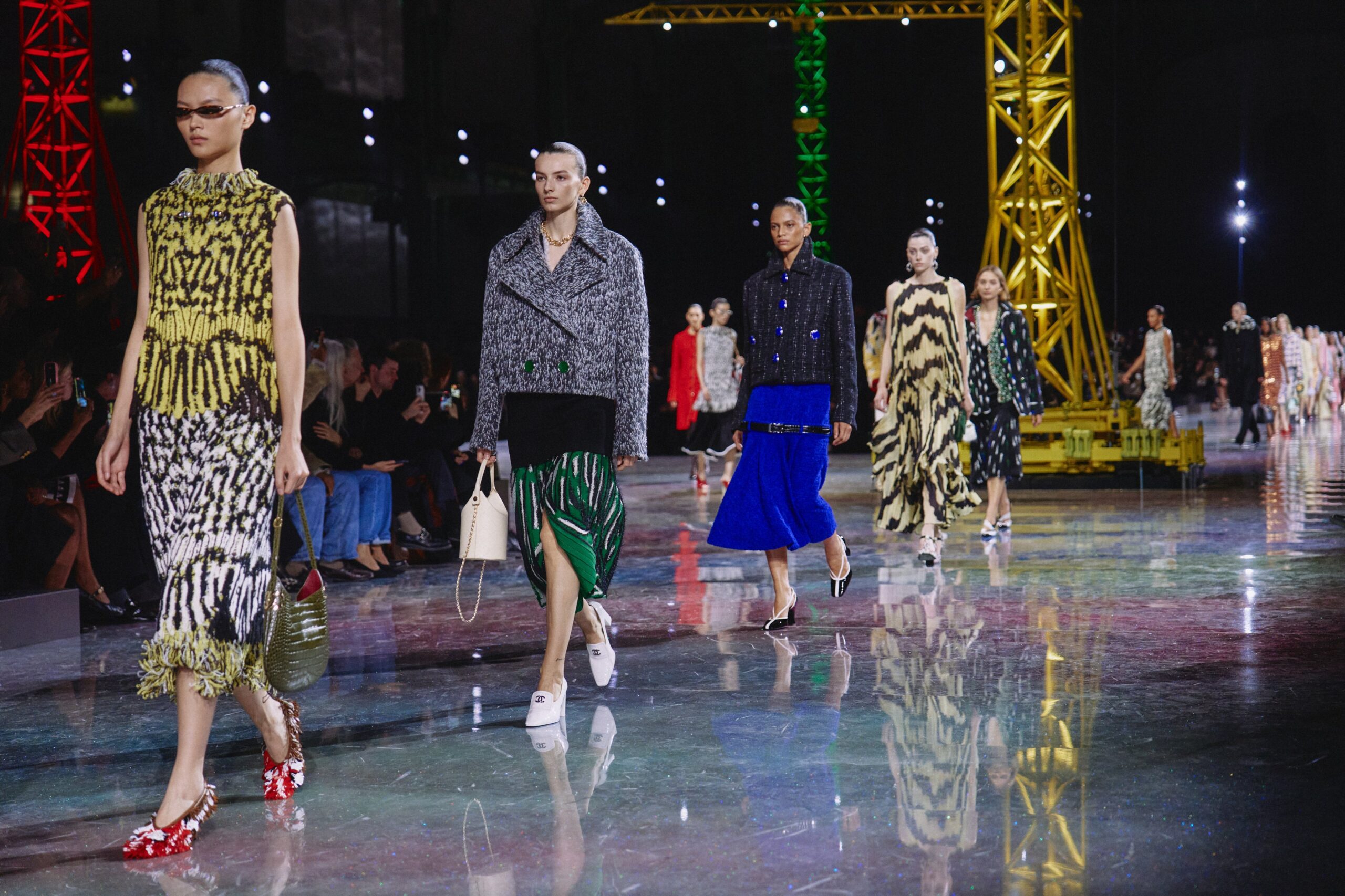
Another defining theme of this season was the transition between creative leadership. It’s a reminder that Parisian fashion houses operate within long institutional timelines that outlast individual designers. The most notable farewell was at Alaïa. Pieter Mulier presented his final collection after a five-year tenure that revitalized the maison following the death of founder Azzedine Alaïa. Mulier’s approach embodied a vision of “modern beauty,” balancing sculptural silhouette and commercial clarity. His departure marks the end of a chapter that successfully reintroduced Alaïa to a new generation of luxury consumers while maintaining the house’s architectural approach to silhouette.
For more information on the latest luxury fashion and style, Click here.






