



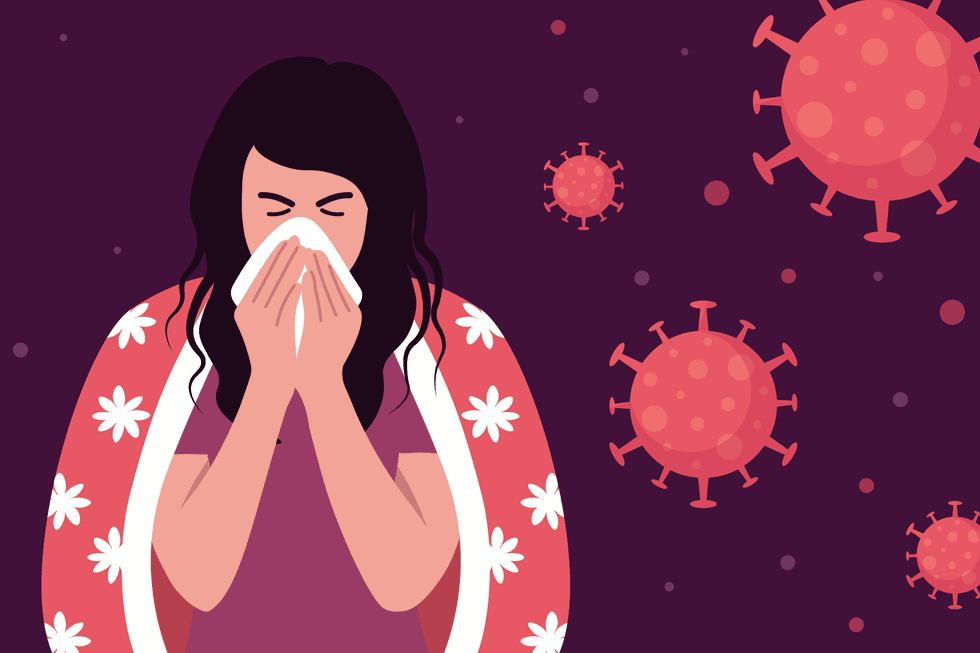
Respiratory diseases are caused by viruses that affect the respiratory tract.
Common respiratory diseases:
- Cold (rhinovirus or enterovirus)
- Flu (influenza A and B)
- COVID-19 (SARS-CoV-2)
- VRS (Viral Respiratory System)
- adenovirus
- PIVH (Parainfluenza Virus Humano)
- hMNV (human metapneumovirus)
Respiratory diseases cause symptoms such as:
- toss
- runny or clogged nose
- sneeze
- sore throat
- smithereens
- having fever
- headache
- body pain
- fatigue
- wheezing
Who is at risk for respiratory disease?
Anyone can get sick from respiratory viruses, but some people are more likely to get seriously ill.
- old man
- baby
- People with weakened immune systems
- maternity
- disabled person
- People with certain medical conditions, such as:
- lung disease
- diabetes
- heart disease
How can we protect ourselves and others from respiratory viruses?
Stay up to date on recommended vaccines, especially for flu, RSV, and COVID-19. Vaccines can help protect you against serious illness caused by respiratory viruses.
Other steps you can take to prevent illness caused by respiratory viruses
- Wash your hands often
- Avoid touching your face.
- Clean door handles and other frequently touched surfaces.
- Stay home when you are sick
- Prevent sick children from going to school.
- Use an air purifier
- Wear a mask in public places
Still not sure if you should get the vaccine? Do you need help finding out how to get vaccinated? Talk to your health care provider, call your local health department, or visit vaccinefinder.org!
This training material was prepared with support from Moderna.






