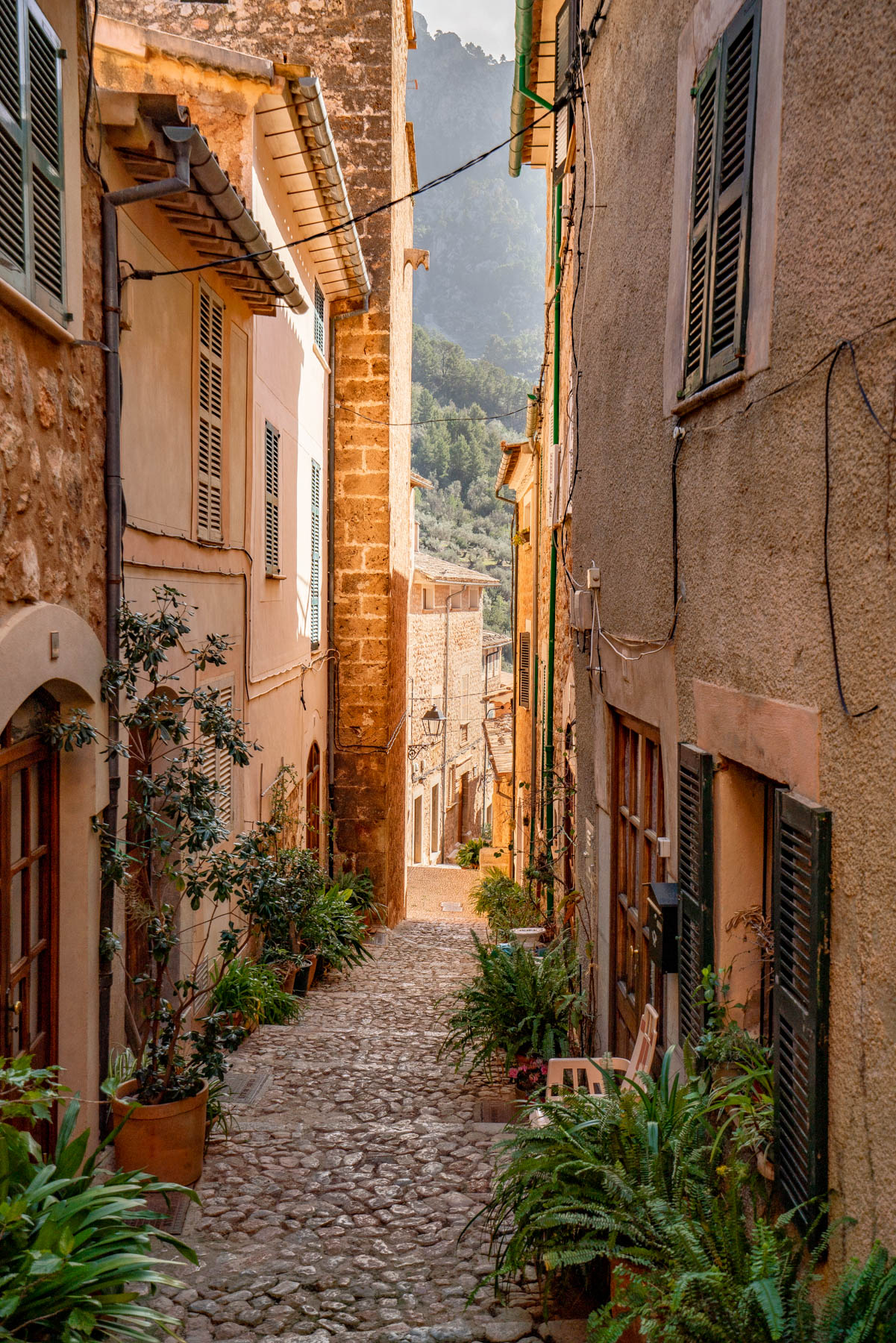
I figured we’d eat fine. Some decent paella by the water, maybe an overpriced salad at a beach club, and a lot of mediocre tapas served to sunburned tourists. That’s what islands do, right? They coast on location and charge you extra for the view.
But Mallorca completely blindsided me. This island has a food culture that runs deep, from a lamb shack on the side of a mountain where there’s basically no menu to Michelin-starred tasting rooms in Palma’s medieval old town. The produce is ridiculous. The wine scene is a genuine secret. And the traditional dishes, the ones grandmothers still argue about, are some of the most satisfying things I’ve eaten in Europe.
So here’s where to eat in Mallorca, from the places I’d fly back for to the ones that are simply very good. I have strong opinions. You’ve been warned. If you’re figuring out where to stay in Mallorca, that matters for dining too, since Palma has the best concentration of restaurants.
If you’re still planning your trip, check out our guide to the things to do in Mallorca for everything beyond the food.
The One Restaurant You Can’t Miss
If you eat at only one place in Mallorca, make it Es Verger.
It sits on the winding road up to Castell d’Alaró, near the town of Alaró, and it’s famous for exactly one thing. Slow-roasted lamb shoulder, espalda de cordero, cooked for hours until it falls apart if you look at it wrong. That’s it. That’s the restaurant.
There’s no real menu. You sit down. They bring you lamb, a simple salad, bread, and a jug of local wine. The whole meal runs about €20 per person. It’s the kind of place that shouldn’t work on paper but is somehow one of the most memorable meals you’ll have anywhere.
A lot of people hike up to the castle ruins first and then eat here on the way down, which is honestly the perfect Mallorca day. You earn that lamb. The views from the terrace look out over the whole valley and the Serra de Tramuntana mountains, and there’s something about eating food this simple in a setting this beautiful that just works.
I’ll say it plainly. This is the most authentic food experience on the island. Skip the tourist restaurants on Palma’s Passeig des Born and come here instead. You’ll thank me later.
Best Traditional Mallorcan Restaurants
Mallorcan food doesn’t get nearly enough attention. It’s hearty, pork-heavy, olive-oil-drenched, and built for people who actually work for a living. Here’s where to find the best of it.
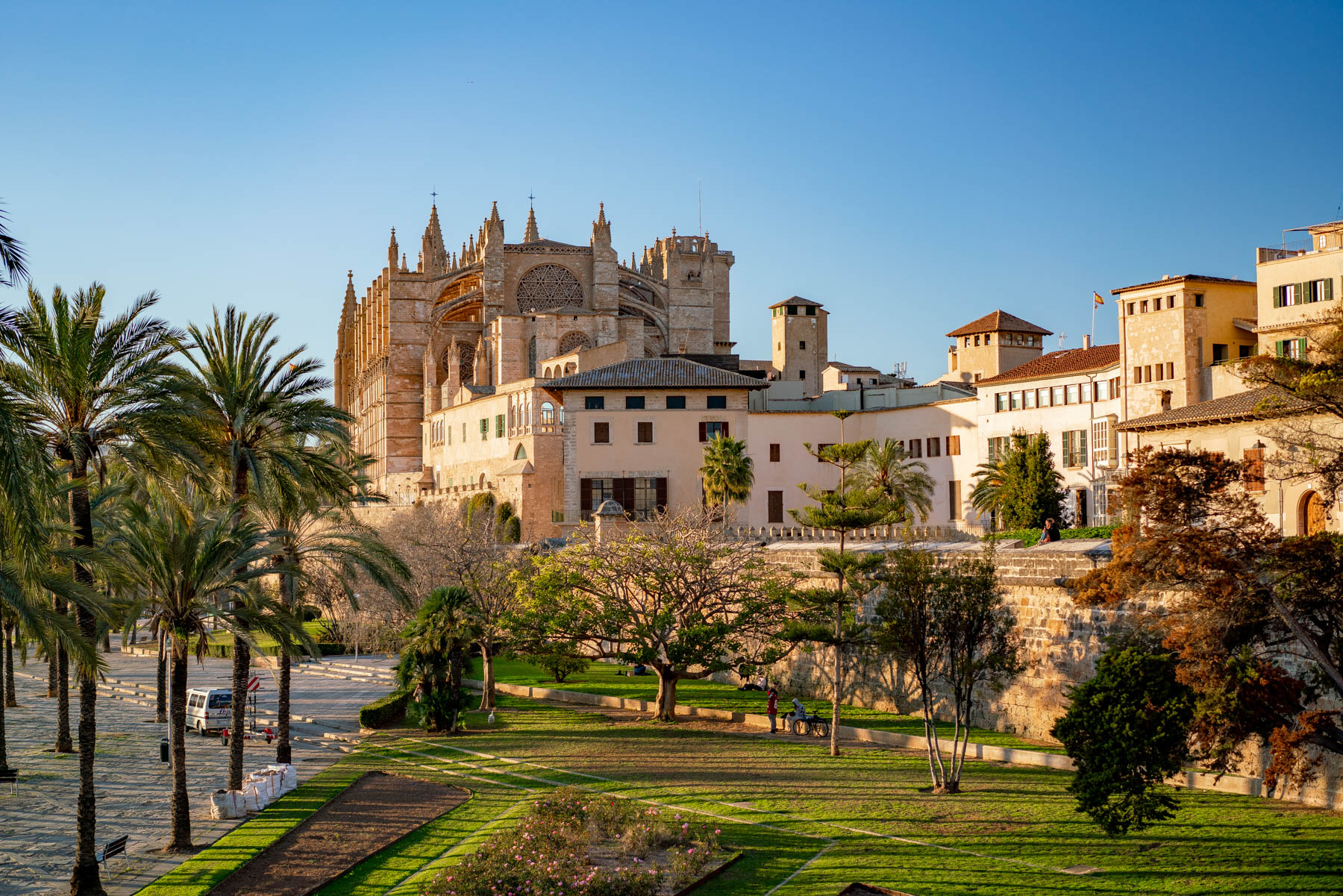
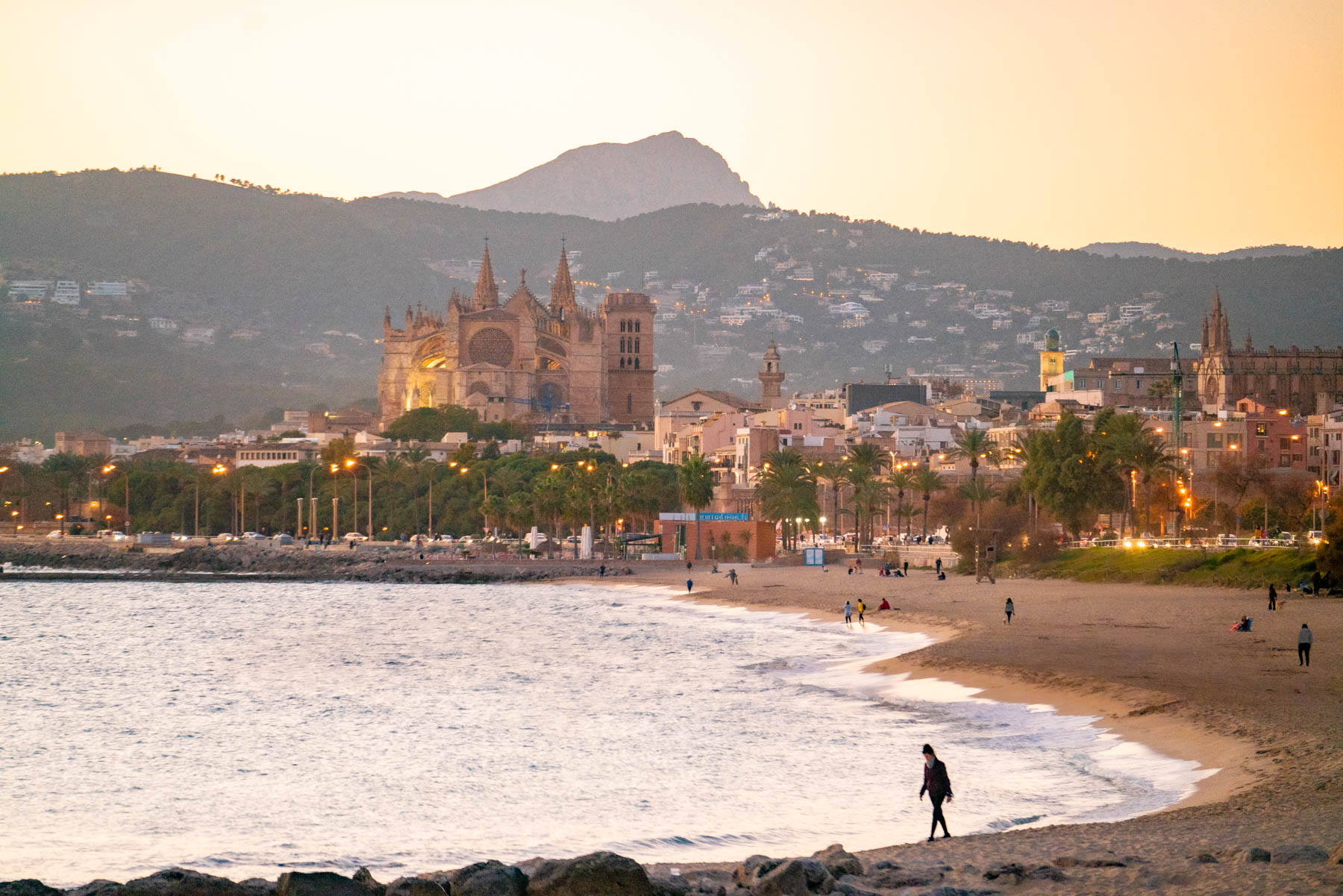
Celler Sa Premsa in Palma is the classic. It’s a cavernous dining room lined with enormous old wine barrels, and it’s been feeding locals since 1958. The menu reads like a greatest hits of Mallorcan grandma cooking. Get the frit mallorquí (fried offal with peppers and potatoes, trust me on this), the tumbet (layered vegetables with tomato sauce, essentially Mallorca’s answer to ratatouille), or the roast suckling pig if you’re going all in. Mains run €10-16. It’s loud, it’s packed, and it’s perfect.
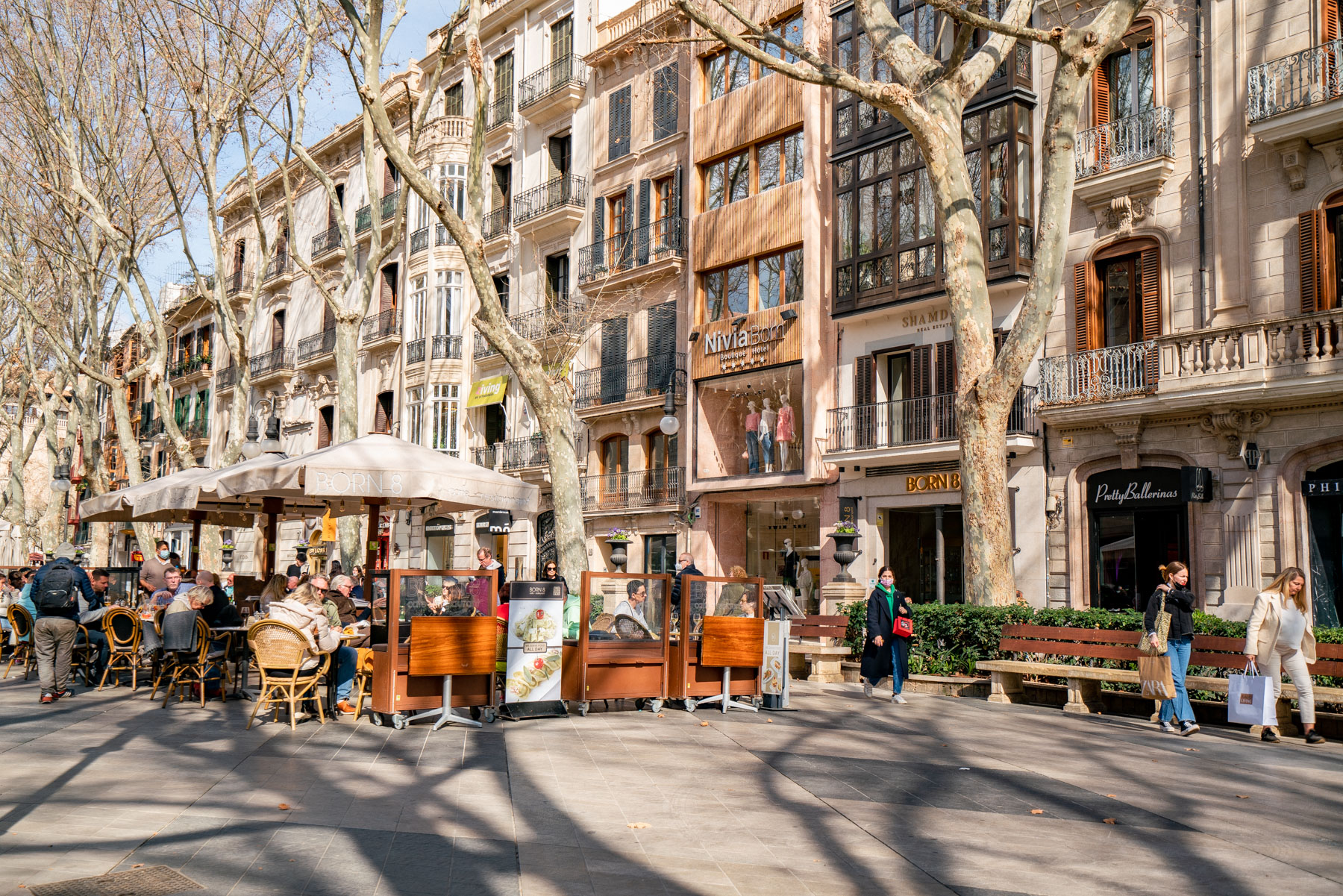
You also need to understand pa amb oli, because you’ll see it everywhere. It’s bread rubbed with ripe tomato and drizzled with olive oil, then topped with ham, cheese, or both. It costs €6-12, and it’s the thing Mallorcans eat when they don’t feel like cooking. Every restaurant does a version. Most are good. Some are transcendent.
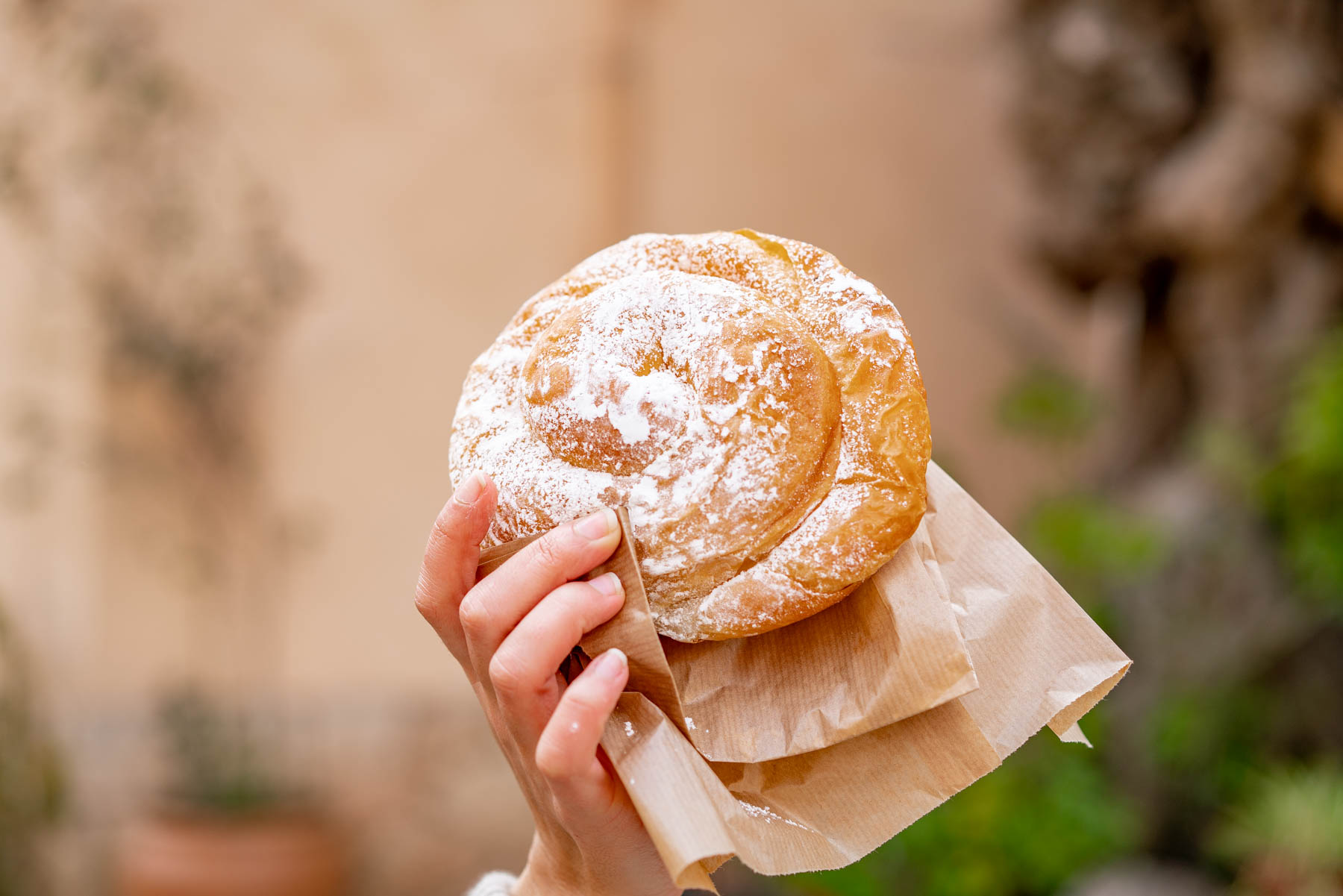
For pastry, Fornet de la Soca in Palma makes the best ensaïmada on the island, and I will die on that hill. These spiral pastries, light as air and dusted with powdered sugar, come plain or stuffed with everything from pumpkin jam to sobrassada. Budget €3-6 each, and good luck eating just one.
Speaking of sobrassada, this spreadable cured sausage with honey drizzled on top, served on toast, is the snack I dream about. It’s everywhere, and it’s always good.
If you visit in autumn or winter, hunt down arròs brut, which translates to “dirty rice.” It’s a thick, soupy rice loaded with pork, rabbit, wild mushrooms, and spices. It looks like a mess. It tastes like a hug.
Fine Dining Worth the Splurge
Mallorca’s fine dining scene has exploded in the last decade, and there are now more Michelin stars per square kilometer here than almost anywhere in Spain outside of San Sebastián. Here are the ones actually worth your money.
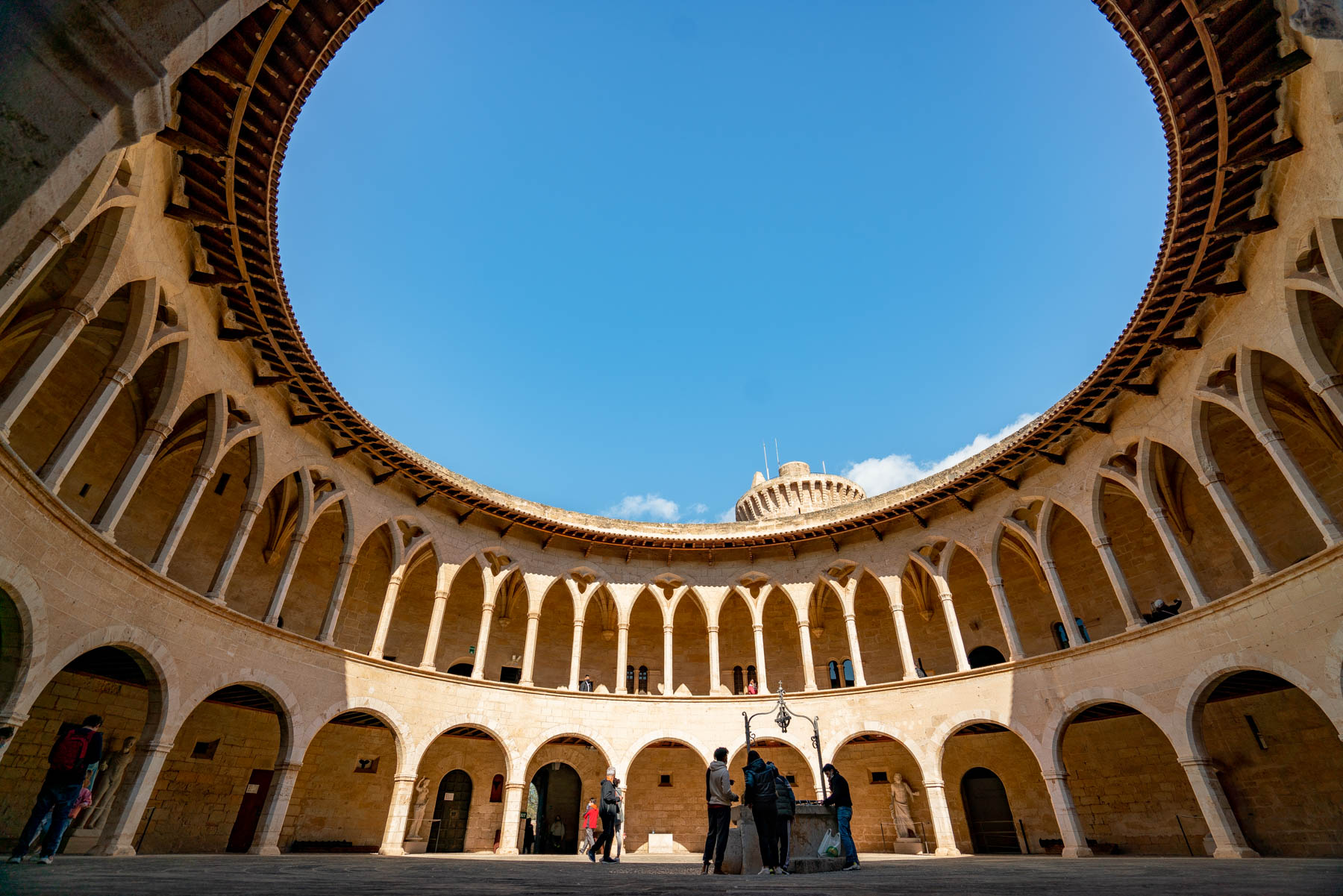
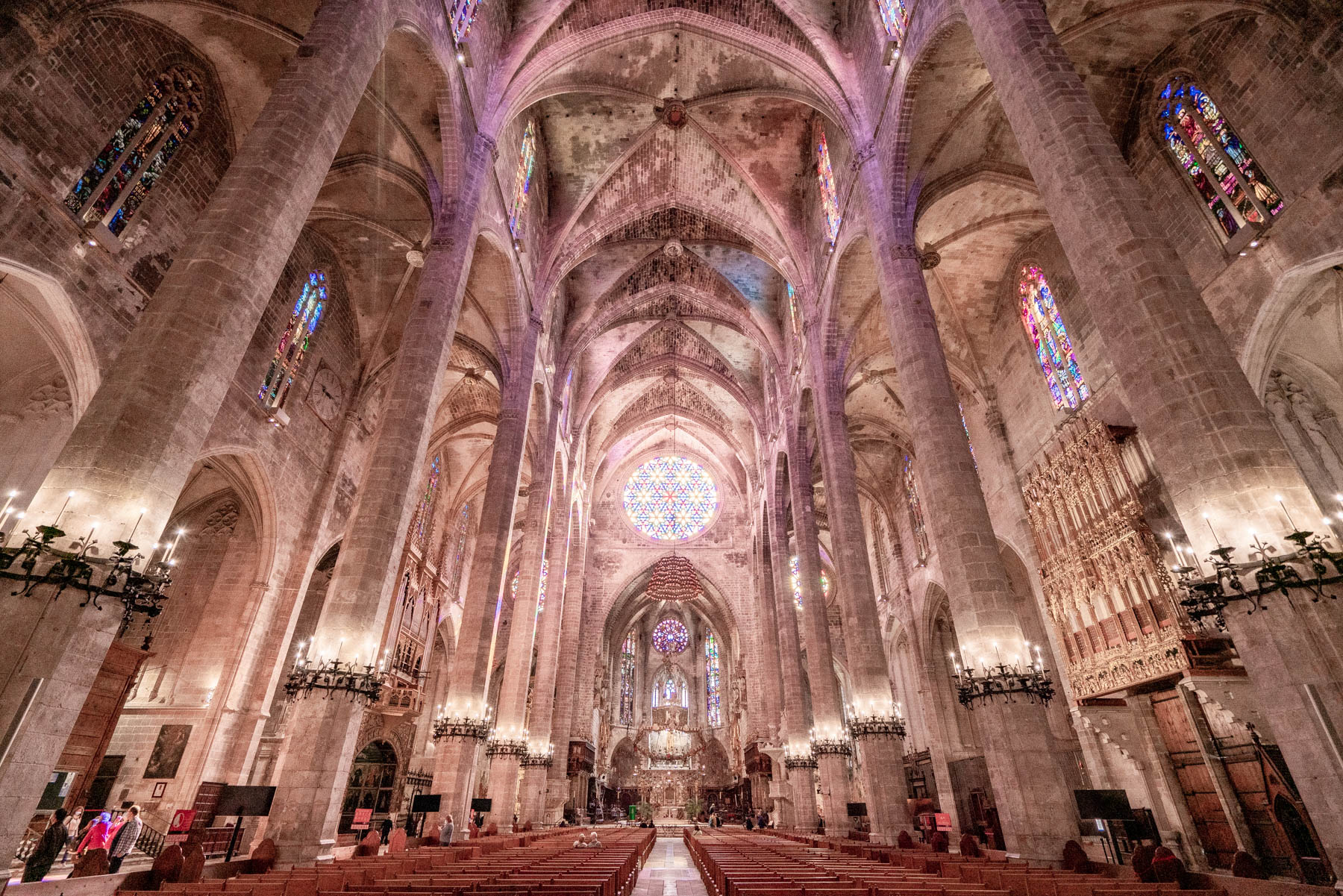
DINS Santi Taura is my favorite. Chef Santi Taura takes traditional Mallorcan recipes, some of them centuries old, and reworks them into a tasting menu that feels both deeply local and genuinely exciting. One Michelin star. The tasting menu runs €95-130 depending on the season. It’s in the old town of Palma, and it fills up fast. Book weeks ahead.
Adrián Quetglas also holds one star and is the more accessible option. The tasting menu is €75-95, and it leans international while still rooted in Mediterranean ingredients. The dining room is relaxed and unpretentious, which I appreciate when I’m spending this kind of money.
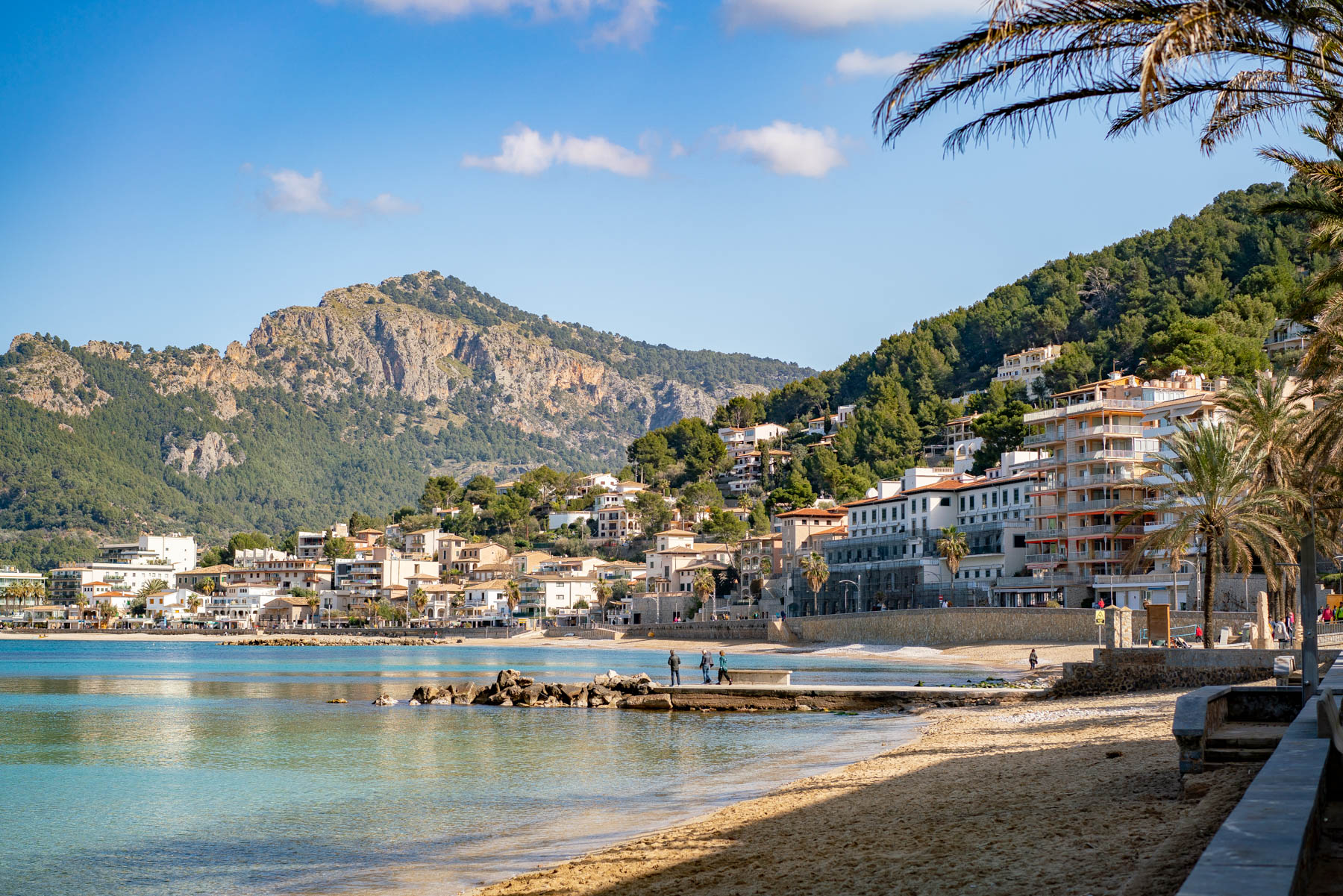
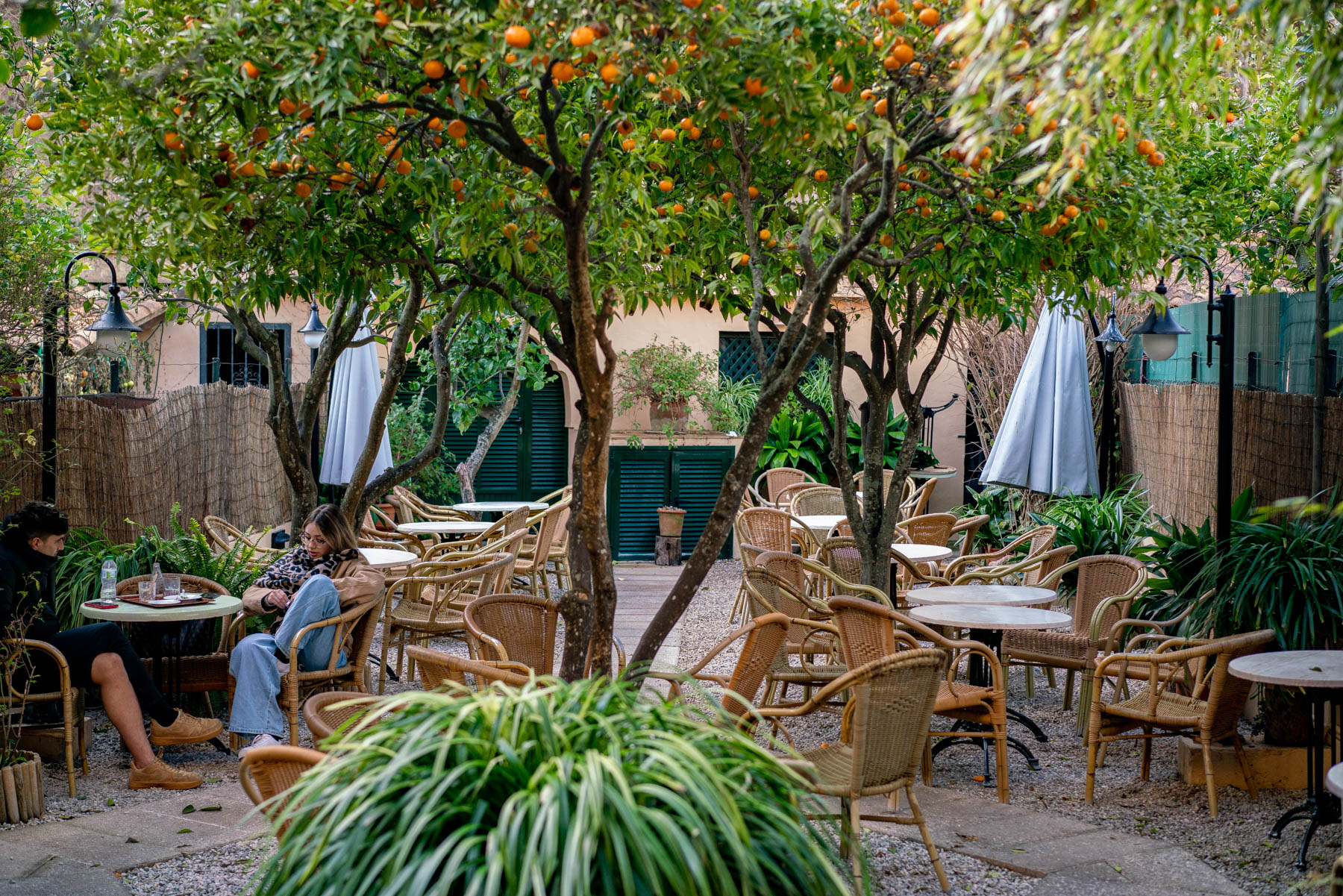
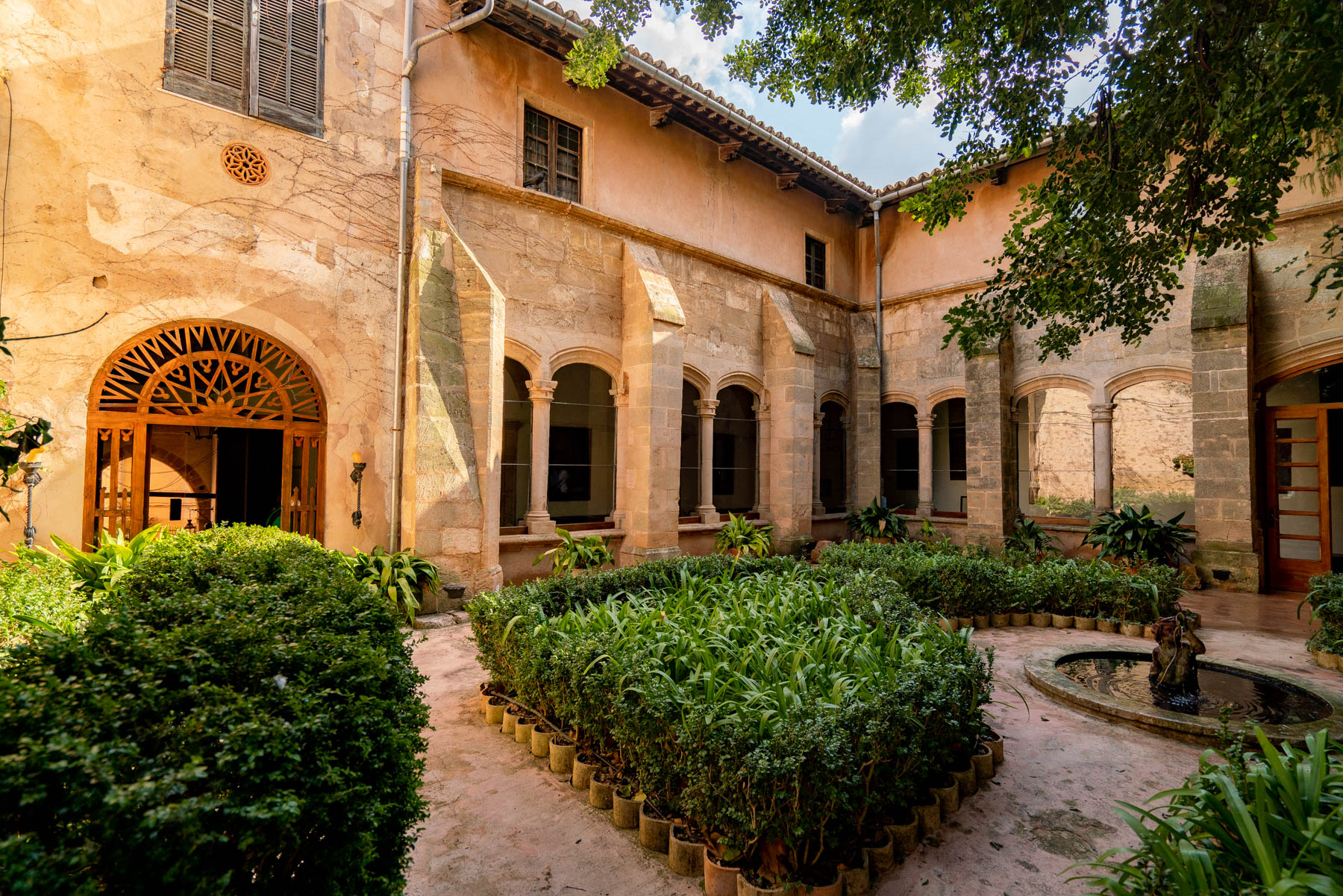
Marc Fosh occupies a beautiful courtyard in a converted convent, and the setting alone is worth the trip. Tasting menus are €75-95. The food is elegant without being fussy. If you only do one nice dinner in Palma, this is a safe and excellent choice.
For the real splurge, Zaranda at Castell Son Claret has held two Michelin stars and offers tasting menus at €150-200+. It’s in a converted castle outside Palma, which is either your thing or it isn’t. And Voro at Cap Vermell Grand Hotel holds two stars and runs €180-220 for the full experience. Both are exceptional, but I’d pick DINS over either of them for sheer soul.
Beach Restaurants That Are Actually Worth It
Most beach restaurants are traps. You pay double for a view and get reheated calamari. But Mallorca has a few genuinely great ones.
Ca’s Patró March in Cala Deià is the one everyone talks about, and for once the hype is justified. It’s tiny, perched right on the edge of a rocky cala, and the fish comes from the water literally in front of you. The grilled prawns are stupid good. Budget €25-40 per person, and go early or you won’t get a table. There’s no reservation system, just show up before the crowds.
Ponderosa Beach on Playa de Muro is the more polished option. It’s a beach club, yes, but the food is legitimately good. The seafood is fresh, the salads are actually interesting, and the rice dishes are well-made. Mains €18-30. It’s the place where you want to spend a whole afternoon.
Chiringuito Cala Torta is for people who like their beach restaurants with a side of adventure. The beach itself is wild and remote, the dirt road to get there will test your rental car’s suspension, and the chiringuito is basic. But sitting on a wild beach (check out our guide to the best beaches in Mallorca) eating simple grilled fish while the Mediterranean does its thing? That’s the good stuff.
Restaurante Playa in Camp de Mar sits on a tiny island connected to the beach by a wooden walkway, which is as photogenic as it sounds. The food is decent (not life-changing), but you’re going for the experience and the photo. Own it.
Where to Eat in Sóller and Deià
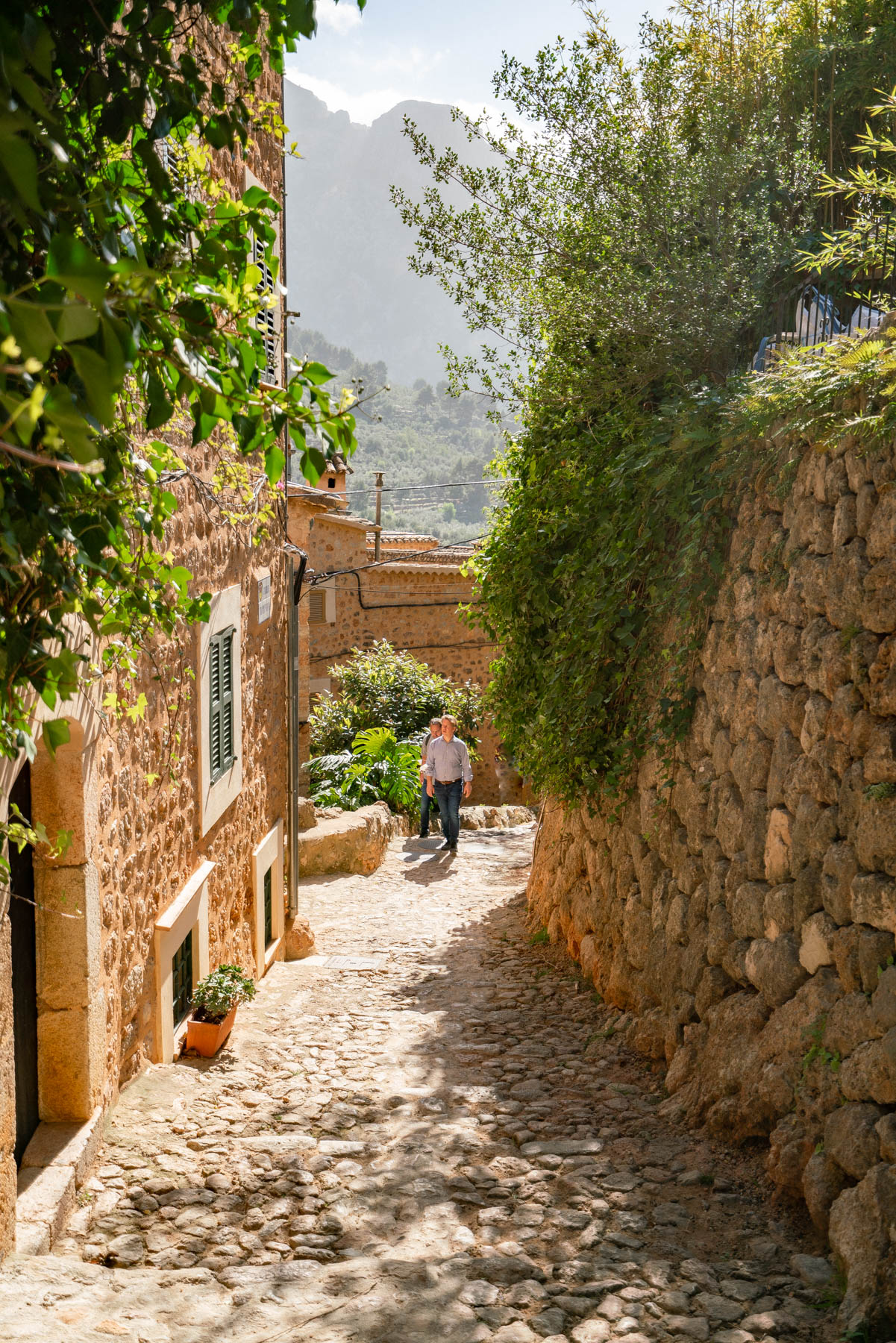
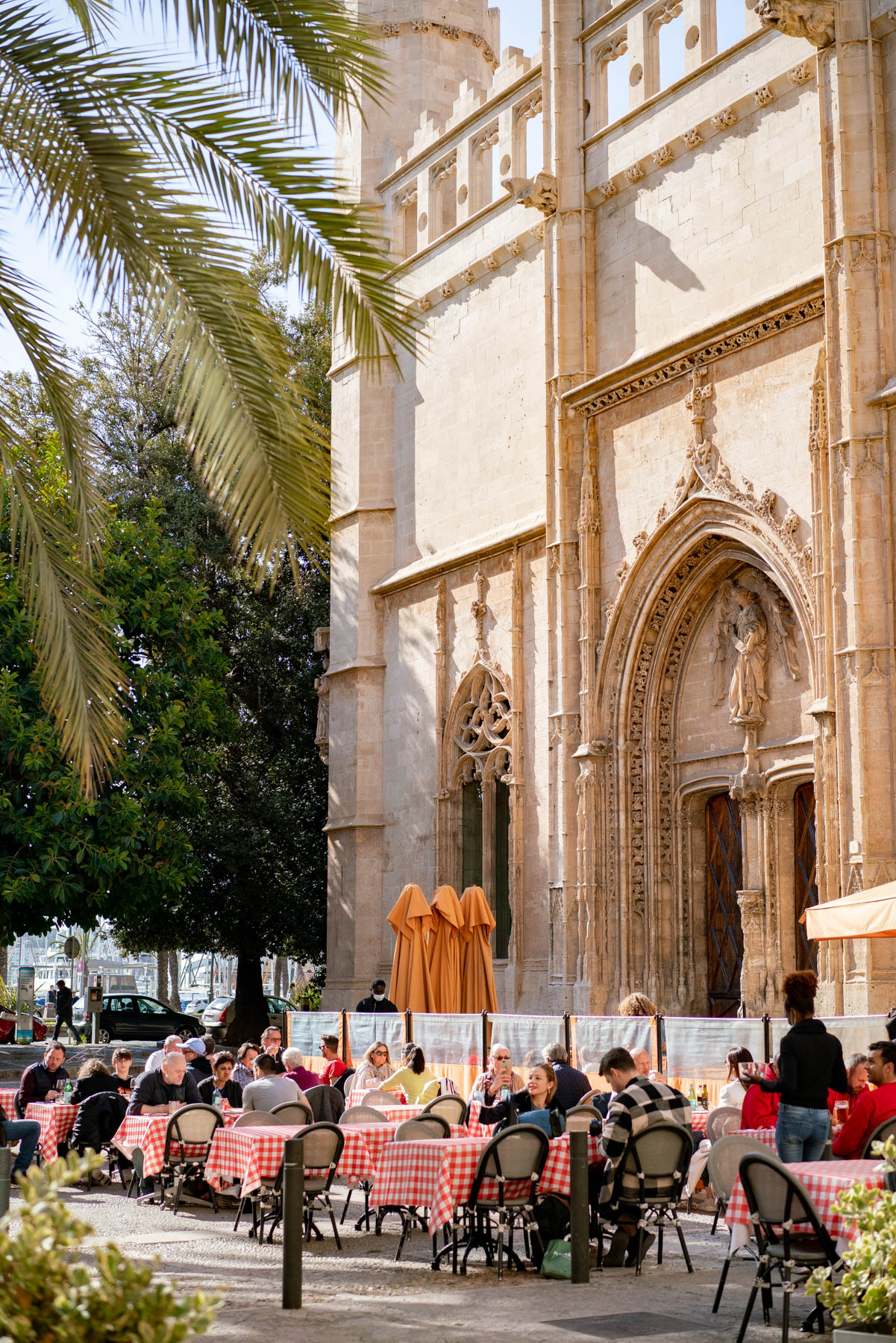
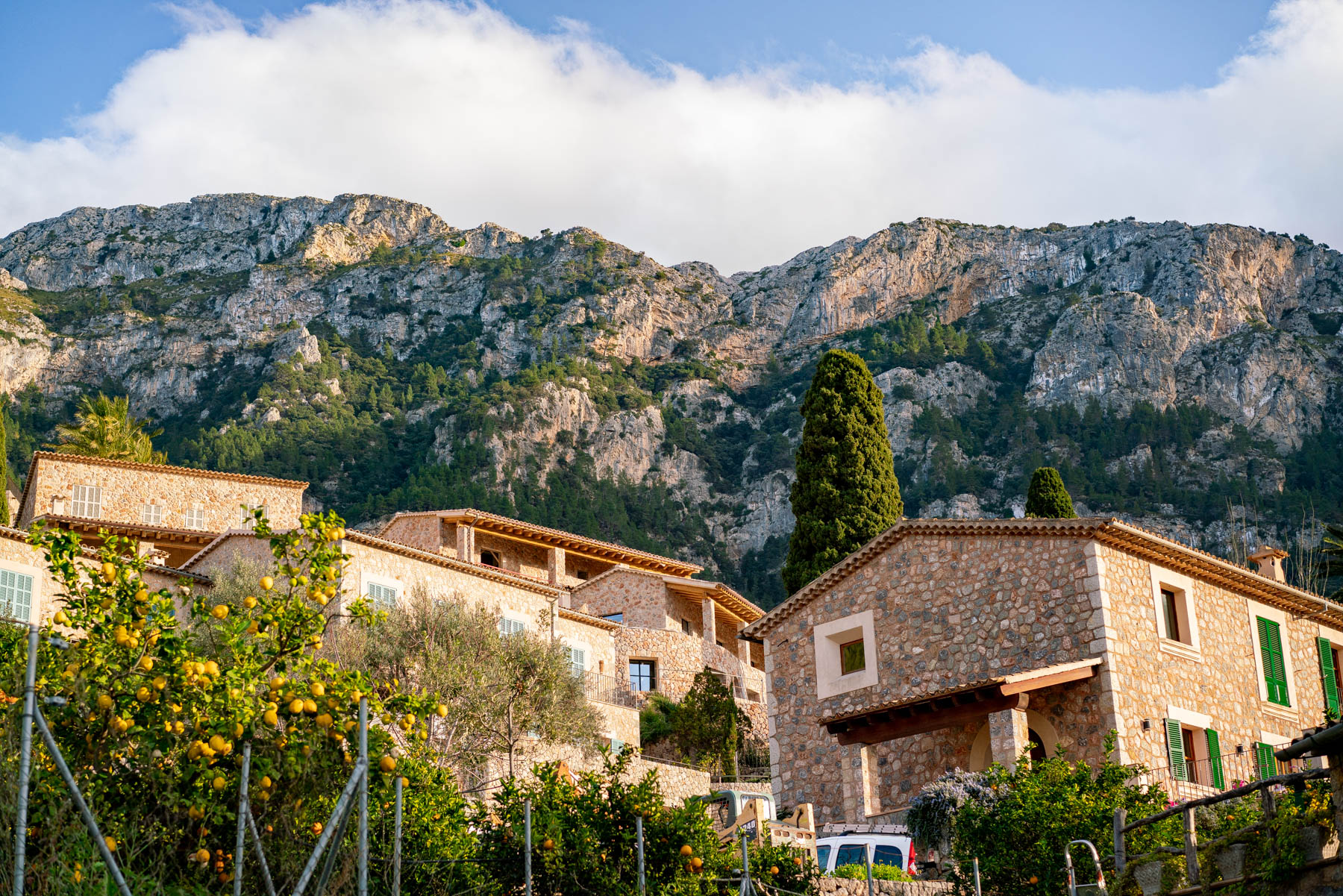
The Sóller Valley and the stretch down to Deià is my favorite part of Mallorca, and the food matches the scenery.
Ca’n Pintxo in Port de Sóller has harbor views and does a genuinely good paella, which is harder to find in Mallorca than you’d think. Most places phone it in. Ca’n Pintxo doesn’t. Sit outside, order the paella, watch the boats. That’s it.
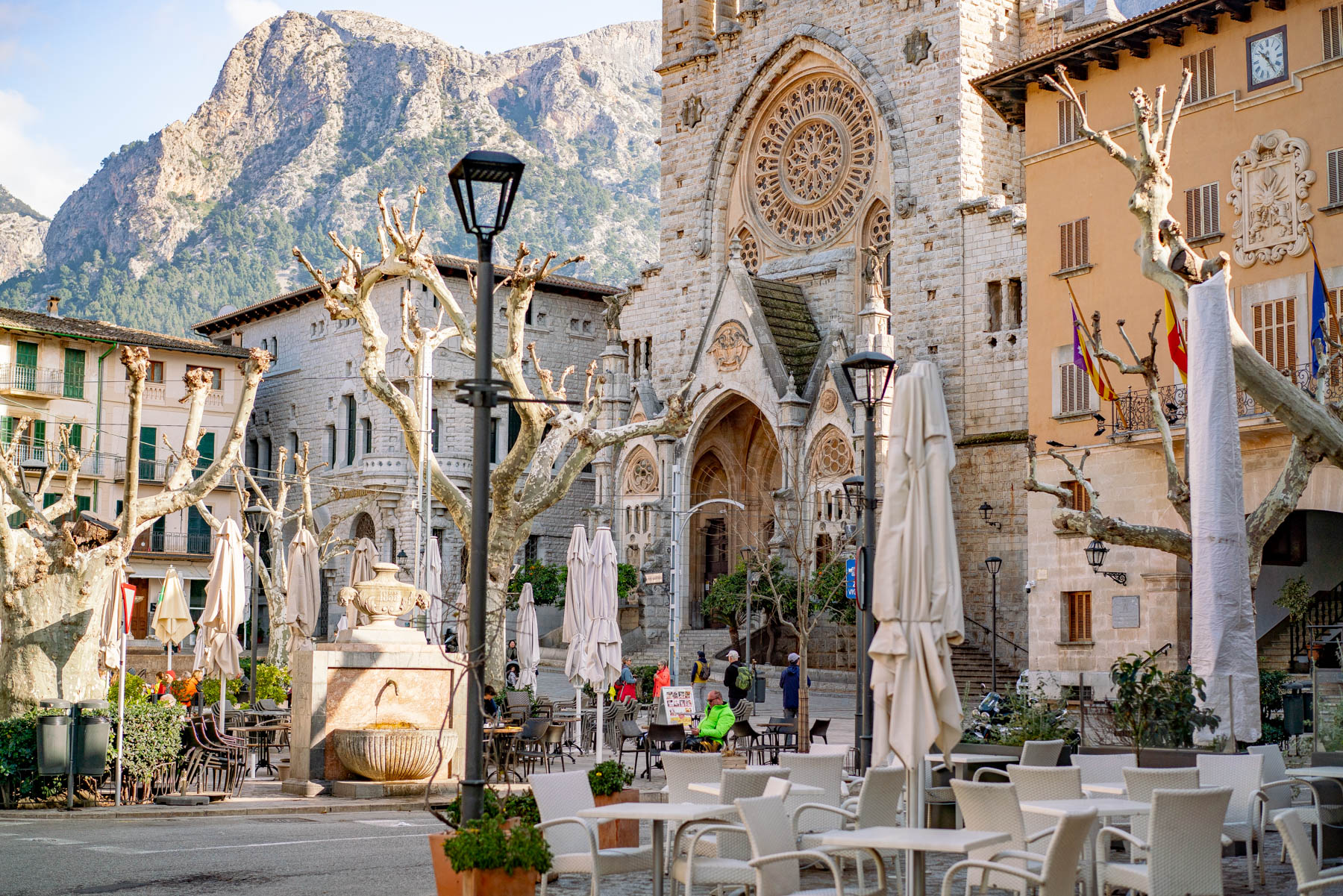
Béns d’Avall, perched on the cliffs between Sóller and Deià, has some of the most staggering coastal views of any restaurant I’ve been to. The tasting menu runs €70-90 and features hyper-local ingredients. Is it life-changing food? Honestly, it’s very good, not mind-blowing. But combined with that view, the whole experience is pretty memorable.
Sa Fàbrica de Gelats in Sóller makes ice cream from local citrus, and the orange sorbet is the best thing I put in my mouth on this trip. I’m not exaggerating. Sóller is famous for its oranges and lemons, and this place turns them into frozen magic. Go twice.
And if you’re passing through Valldemossa (you should be), grab a coca de patata. It’s a sweet potato pastry that’s unique to this one village. Every bakery sells them. They’re soft, pillowy, and slightly sweet. Have one with coffee and pretend you live here.
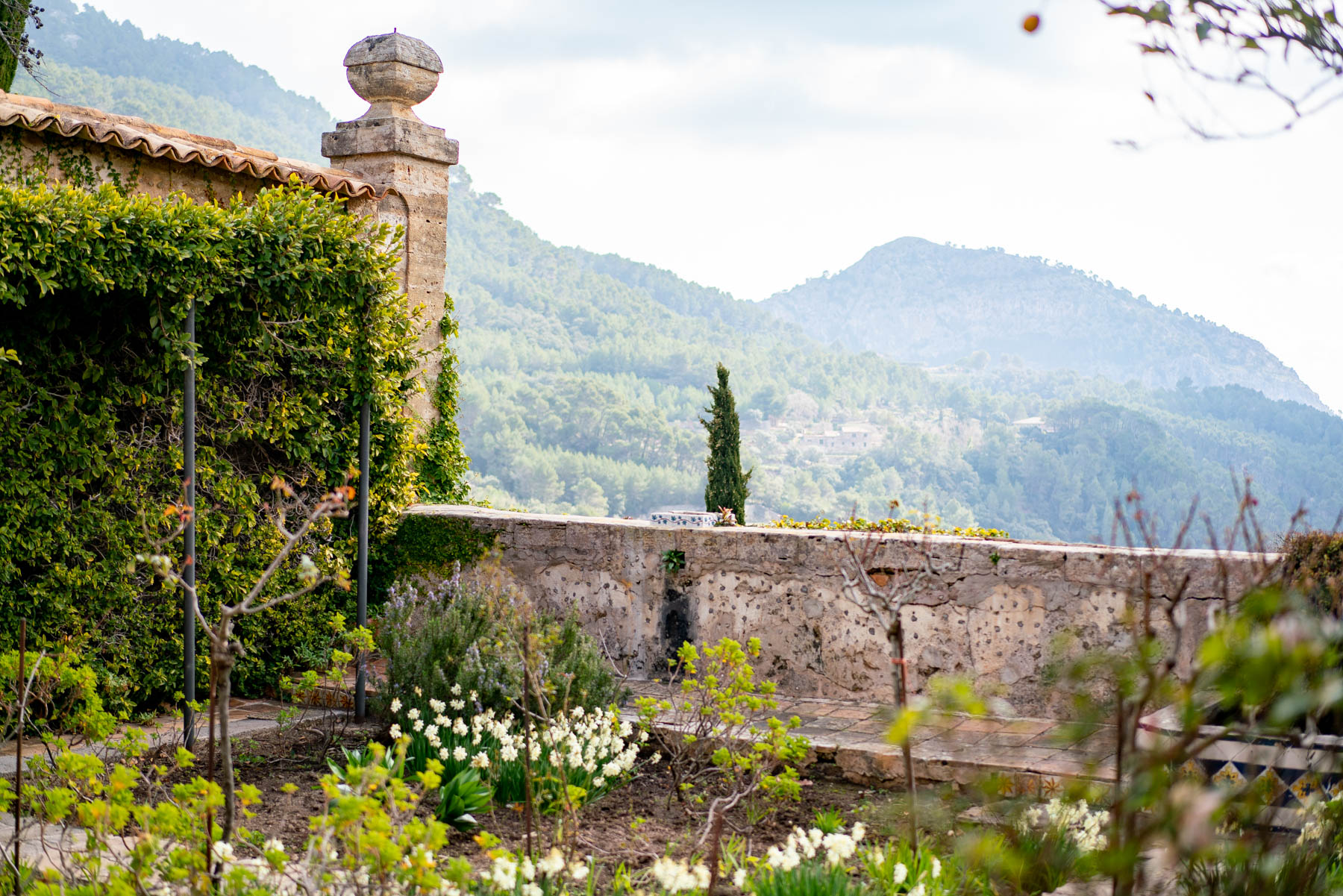
Market Eating in Palma
Markets are where Mallorca’s food culture makes the most sense. Everything is local, seasonal, and absurdly fresh.
Mercat de l’Olivar is the main food market and the one I’d prioritize. Head to the fish counter and order oysters and cava. Yes, at 10 in the morning. Nobody will judge you. Then wander past the jamón stalls where they’ll slice you paper-thin portions to order, load up on olives, and grab some cheese. It’s open mornings only and closed Sundays. Plan accordingly.
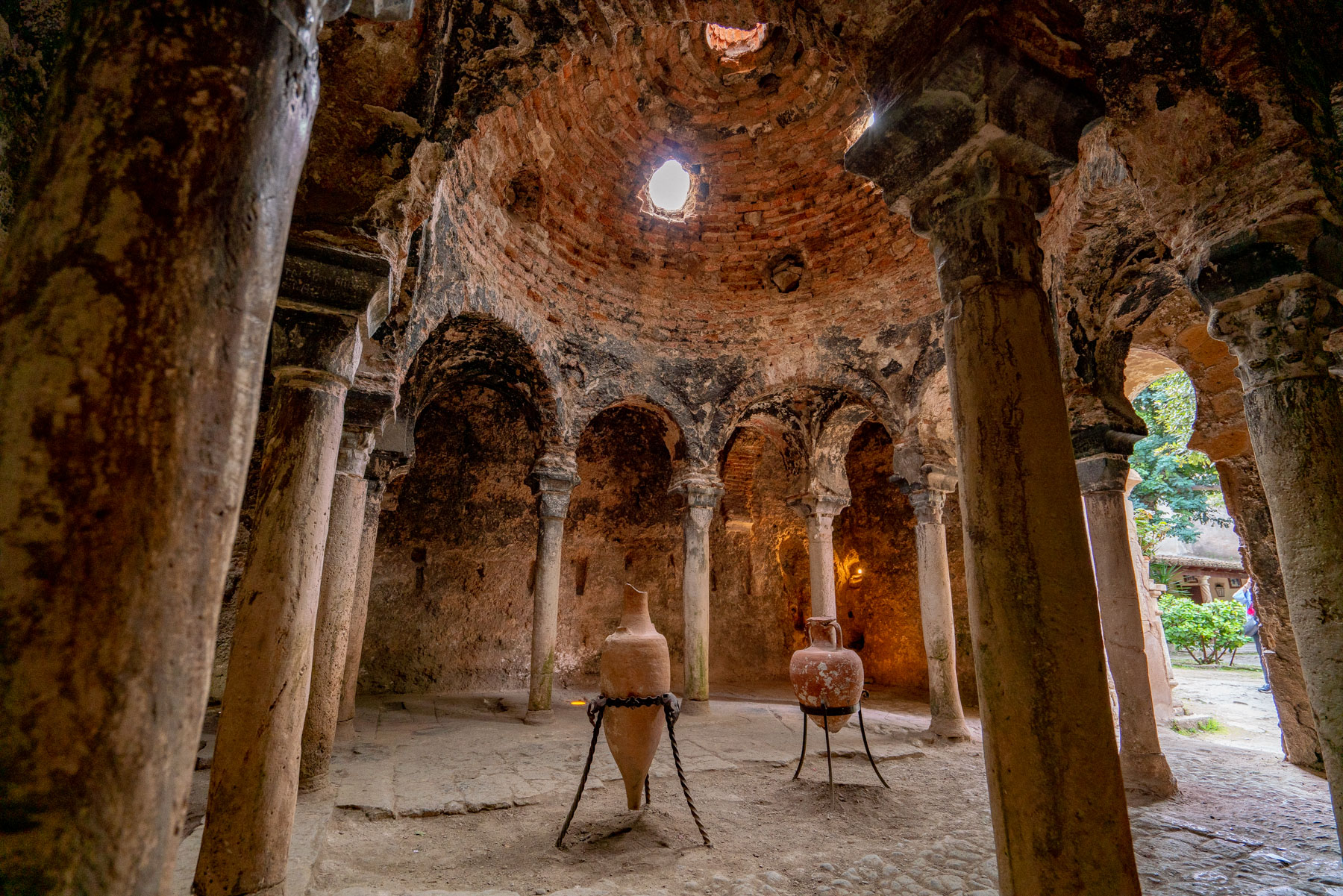
Mercat de Santa Catalina is smaller and trendier, in the Santa Catalina neighborhood, which is hands-down Palma’s best area for food. It has more tapas stalls and a hipper crowd. If I had to pick one neighborhood to eat in for a full day, it’d be Santa Catalina every time.
Mercado Gastronómico San Juan is a converted train station turned food hall with tapas stalls, wine bars, and seating in the middle. Tapas run €6-14. It’s a great option if you want variety without committing to a full restaurant meal, and the building itself is beautiful.
Don’t Sleep on Mallorcan Wine
Here’s something almost nobody outside of Spain knows. Mallorca makes really good wine.
The main wine region is Binissalem DO, in the center of the island, and it grows native grapes you’ve probably never heard of. Manto Negro and Callet are the local reds, and they produce wines that are medium-bodied, earthy, and seriously drinkable.
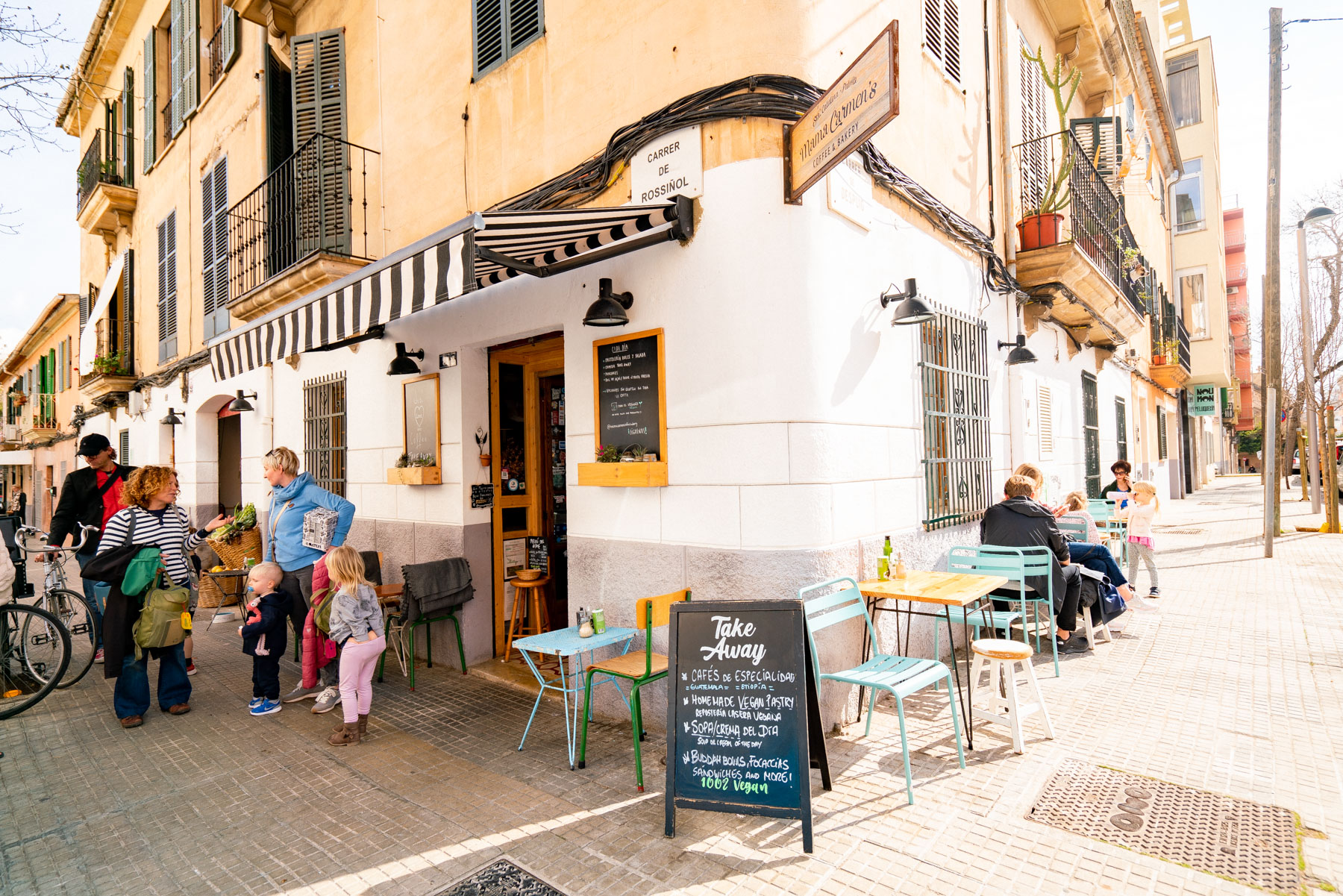
Bodega Ribas is the oldest winery on the island, founded in 1711, and their wines are excellent. Ànima Negra has a near cult following, and their AN/2 red is the most famous Mallorcan wine you can buy. If you see it on a restaurant wine list, order it.
Tastings at most wineries run €10-15 and usually include 4-5 wines. It’s a fraction of what you’d pay in Napa or Tuscany, the scenery is just as good, and you’ll have the tasting room practically to yourself.
Honestly, the fact that these wines are still relatively unknown is part of the appeal. Enjoy it before the Instagram crowd catches on.
How to Eat Like a Local
A few things that’ll save you from looking like a total tourist.
Meal times are later than you think. Lunch runs 13:30-15:30. Dinner starts at 20:30 at the earliest, and 21:00 is more normal. If you walk into a restaurant at 18:00 looking for dinner, every local in the room will know exactly what you are. Embrace the schedule. Take a nap. Adapt.
The menú del día is the best budget hack in Spain. Most restaurants offer a set lunch for €12-18 that includes a starter, main, dessert, bread, and a drink. It’s genuinely good food at a fraction of the à la carte price. Look for the handwritten sign outside. This is how locals eat out affordably, and you should too.
The pan y agua charge (€1-3 per person for bread and water) will show up on your bill. It’s not a scam. It’s standard across Spain and the Balearics. Don’t make a thing of it.
Tipping 5-10% is considered generous here. Most locals just leave the coins from their change or round up. Nobody will chase you out the door if you leave nothing. That said, if the service was great, a few euros goes a long way.
And finally, sobremesa. This is the art of lingering after a meal, talking, drinking coffee, maybe having one more glass of wine, and absolutely refusing to rush. It’s sacred in Spanish culture, and it’s maybe my favorite thing about eating here. If you’re planning a one week itinerary, build in time for long lunches. No server will bring you the check until you ask for it. They’re not being slow. They’re being civilized.