



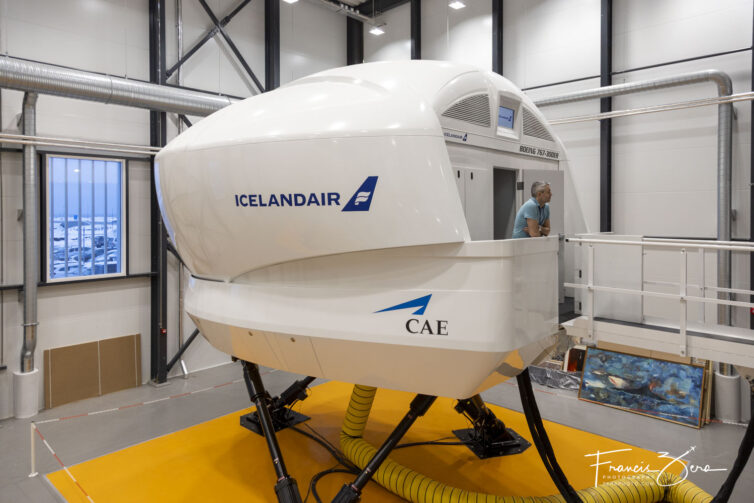
Every two years, Icelandair hosts the Mid-Atlantic Travel Expo in Reykjavik. This allows travel retailers in the regions served by the airline to come together to showcase and promote their products to travel buyers, travel journalists, and network with each other.
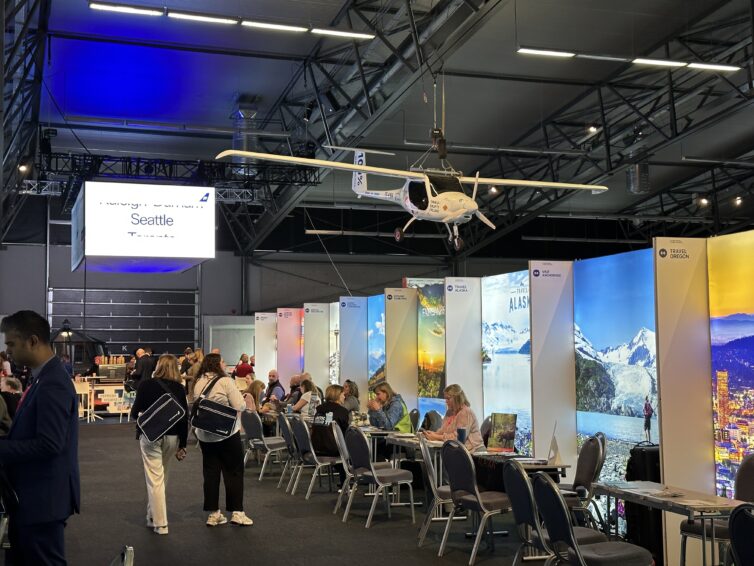
This is always a great event, and this avgeek travel journalist always finds lots of resources and story ideas there.
We also got a chance to see a very cool behind-the-scenes look at Icelandair. The airline recently completed an addition to its existing training facility in Hafnarfjörður. Hafnarfjörður is located between the country’s main airport, Keflavik, and the main city, Reykvavik.
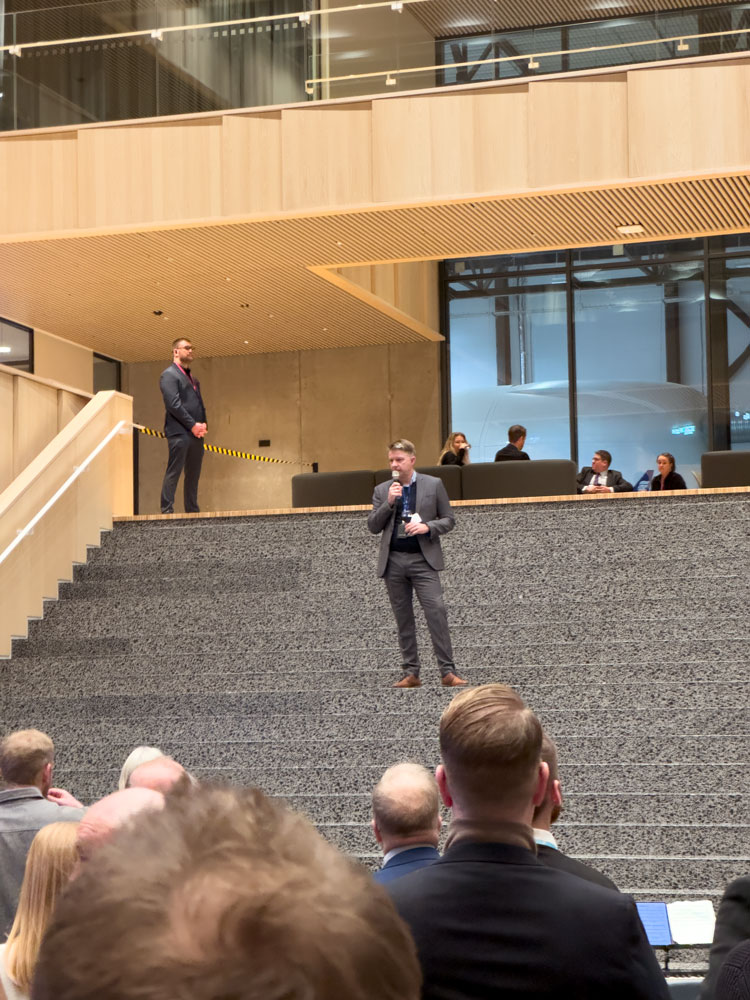
The new building is very modern and very European in its architecture. It’s a nice addition.
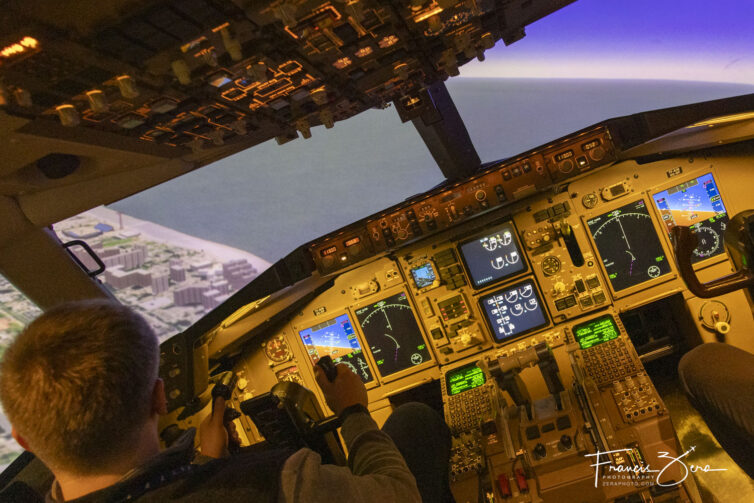
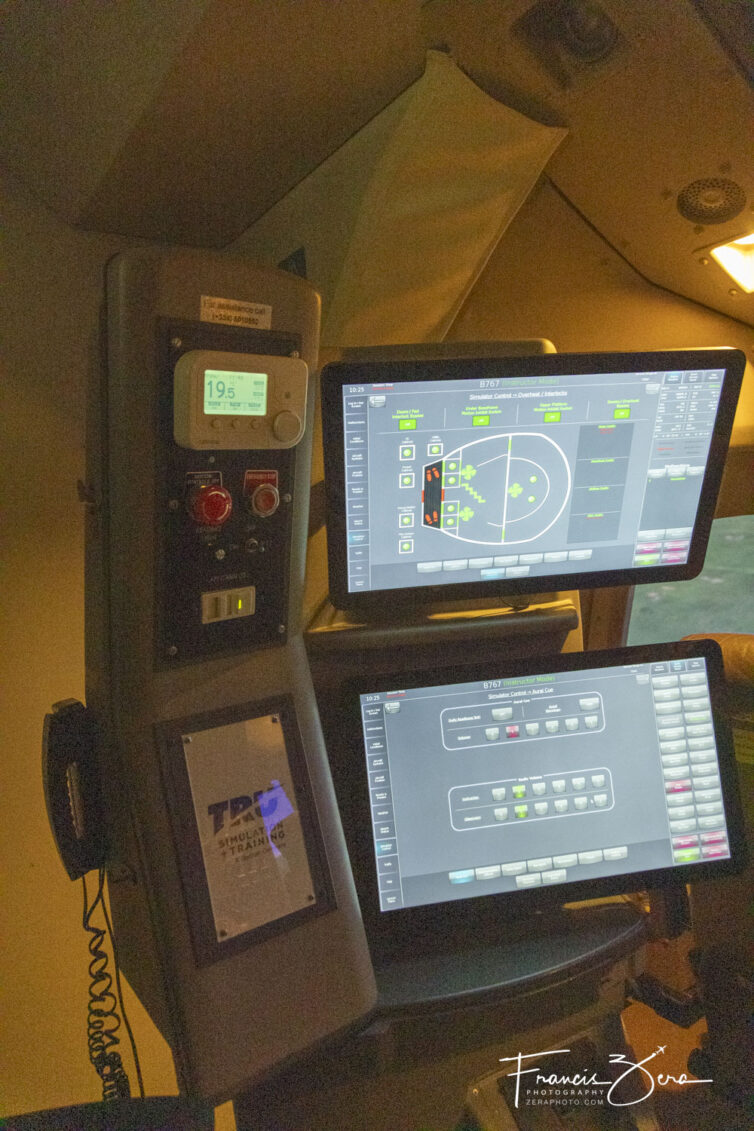
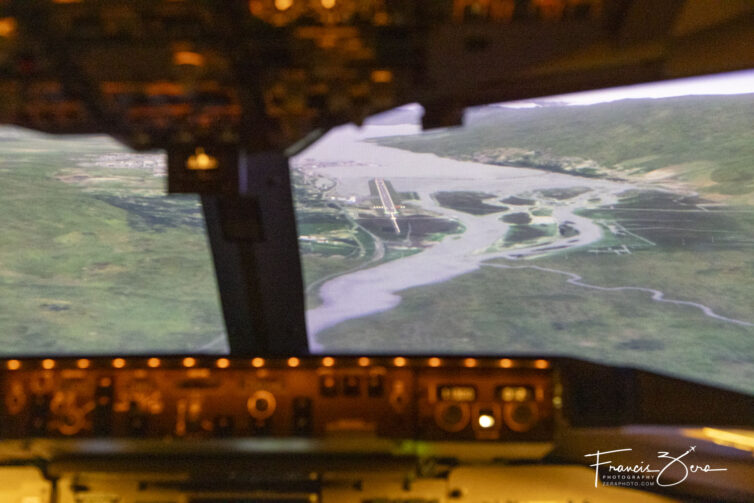
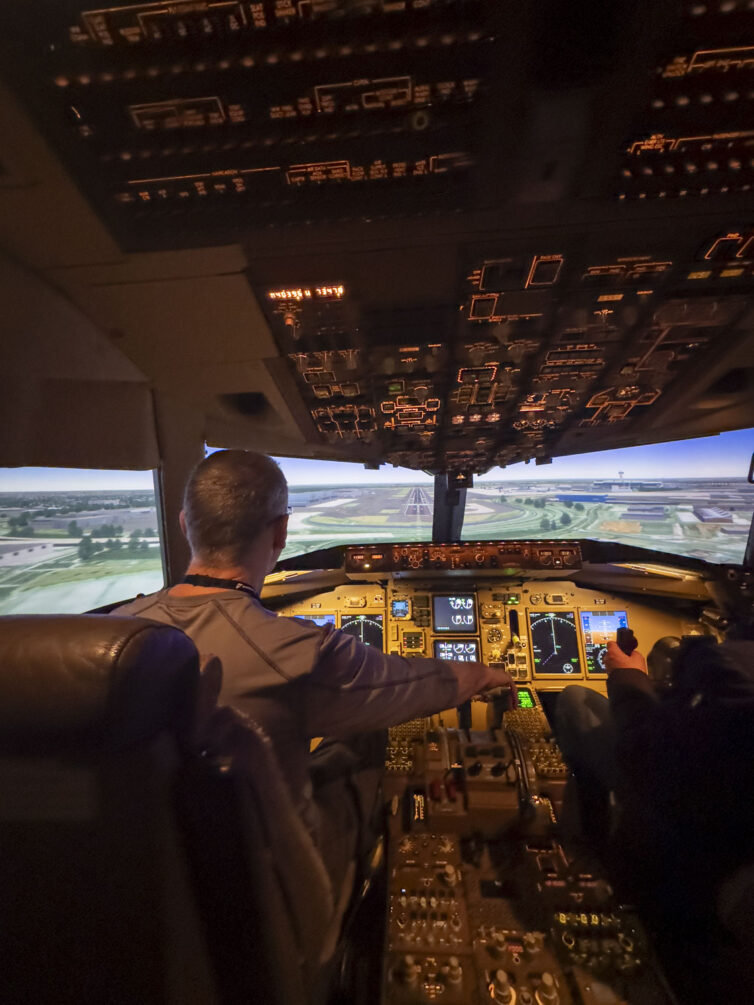
But we were there mainly to see the airplane stuff and we weren’t disappointed. I was able to fly a 767-300 full motion simulator and my instructor programmed several approaches to a challenging Icelandic airfield and New York’s JFK Airport. I didn’t behave too badly, all things considered. Especially considering that the 767 handles quite differently than the Cessna 172 you’re used to driving back home.
Update on Airbus transition
We also had lunch with the airline’s top executives and were able to ask them any questions they had about the airline.
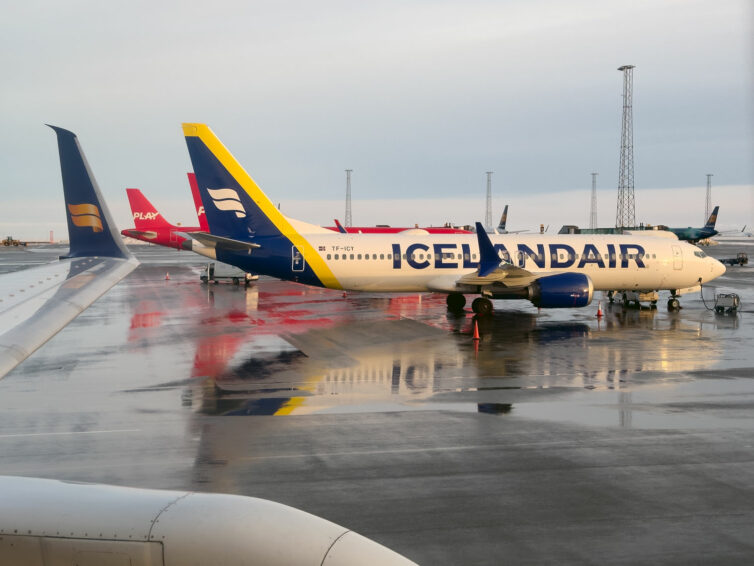
One of Icelandair’s most important developments was the addition of Airbus aircraft to its fleet. Traditionally an all-Boeing carrier for international operations (it has six Bombardier De Havilland Canada DHC-8s for domestic, Greenland and Faroe Islands services), Icelandair’s decision to add Airbus aircraft marks a significant change in strategy. Airline executives have been evaluating the Airbus’ fuel efficiency, range and passenger comfort, and so far seem satisfied with the new jet.
Speaking of which, you can read our review of the new A321LR here. It’s definitely a great aircraft.
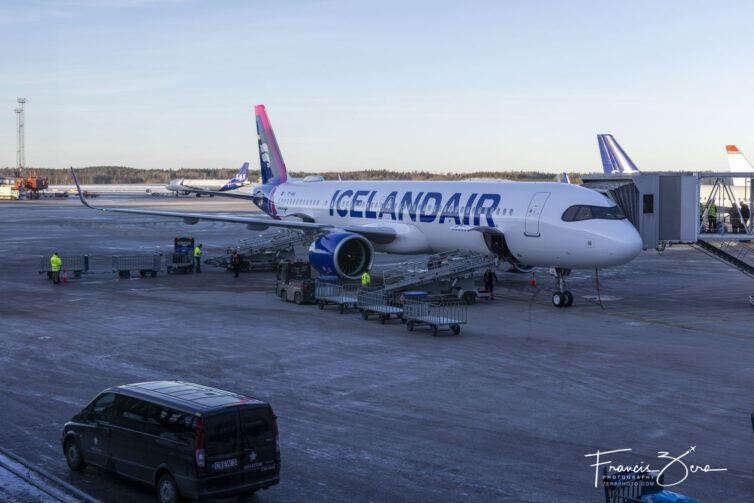
Icelandair remains heavily invested in Boeing and currently has 21 737 MAXs, 11 757s and 3 767s in its fleet. They currently have two A321LRs on order for five more and 13 A321XLRs, the jets that will eventually replace the 757.
The airline is weighing its long-term commitment to Boeing with the possibility of a complete switch to Airbus. Factors influencing this decision include cost-effectiveness, aircraft performance, and overall aircraft consistency. Boeing aircraft have long been the backbone of Icelandair’s operations, but the introduction of Airbus jets is raising questions about a possible gradual phase-out of the 737 MAX in favor of the more uniform Airbus fleet. But for now, the airline is satisfied with its MAX aircraft and is committed to maximizing the benefits of its current Boeing fleet while keeping future aircraft options open, Bogason said.
greenland tourism
When asked about the possibility of expanding service to Greenland, which is poised to become a popular tourist destination as the country opens a new airport better able to handle larger commercial aircraft and more passengers, Bogason took a wait-and-see approach.
Icelandair serves Greenland on the former Icelandair Connect route, which will be integrated into its own schedule in 2021 following the merger of the two routes. There are currently four destinations served by the three DHC-8-200 and three DHC-8-400 aircraft mentioned above.
The Arctic nation’s tourism industry is expected to increase dramatically as Greenland opens its expanded main airport in Nuuk in October 2024, including a new terminal building and a new 7,200-foot-long runway, and SAS and United announce seasonal services. Icelandair and Air Greenland are currently the only airlines offering year-round service.
“Greenland is unique. Iceland is unique, but Greenland is really, really unique. It’s a complex market now, and the reason it’s complicated is that it’s not enough to just build a runway. You have to build the hotels and the necessary infrastructure,” Bogason said.
He compared Greenland’s current infrastructure with Iceland’s from 20 years ago. At that time, there were many visitors, but there was not enough tourist infrastructure to support them.
“I mean, look at the companies that are here (Iceland) today. I mean, think of all the companies that need to be here to provide a good experience for a lot of passengers. So this is going to have to be a slow path. I think we may be getting a little bit ahead of ourselves this summer with larger aircraft coming into Nuuk from the U.S. and elsewhere,” he said, explaining his caution about expanding too quickly into markets that aren’t yet ready for the onslaught of travelers.
“We will see how it plays out, but I think it is a tricky market as it is a big shock to a very small market,” he added.
Being a Tourist in Iceland


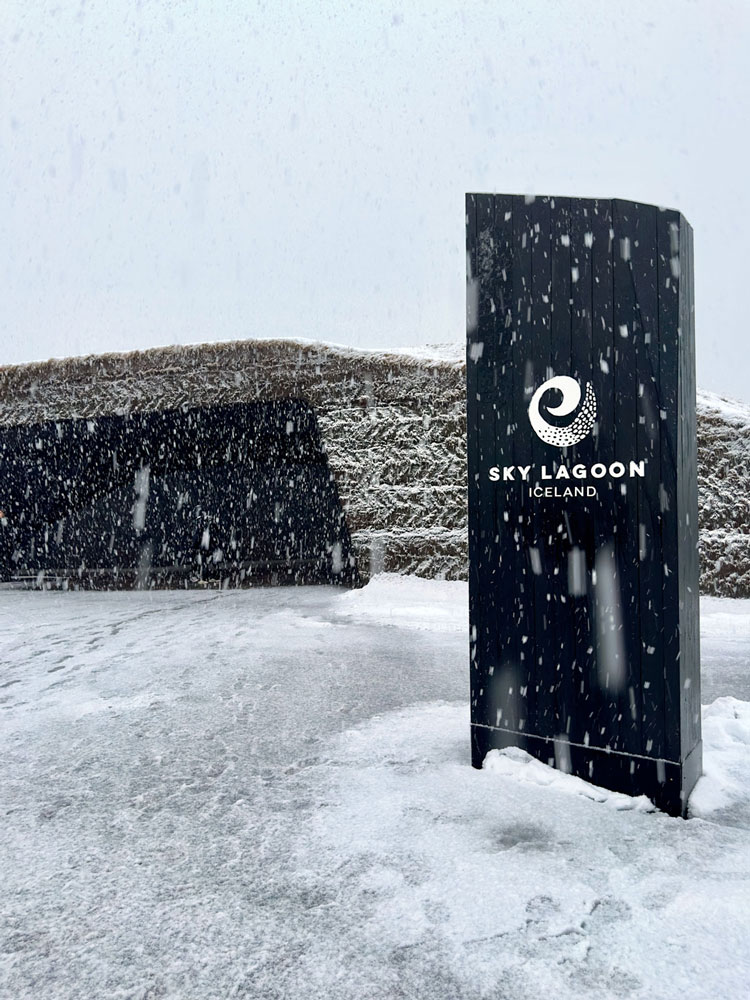

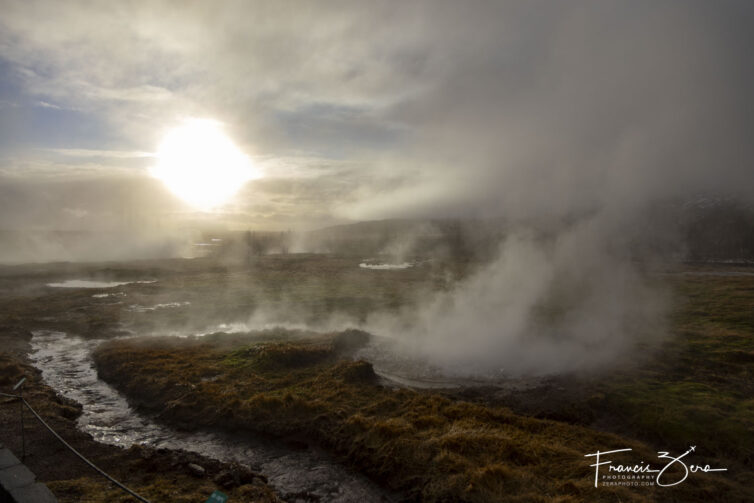
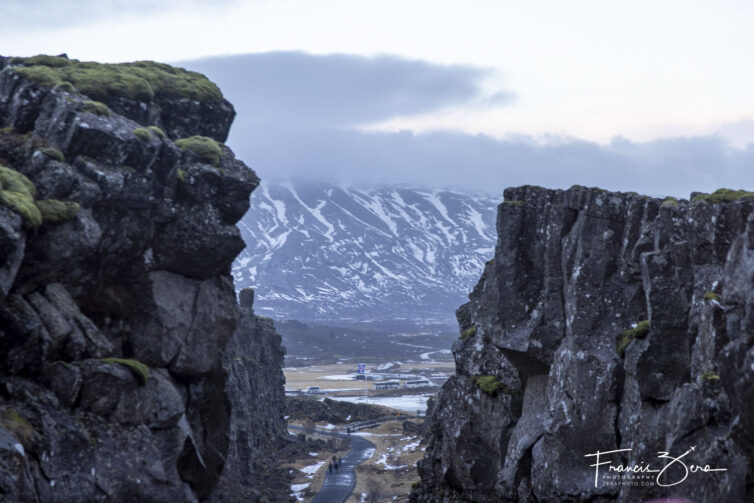
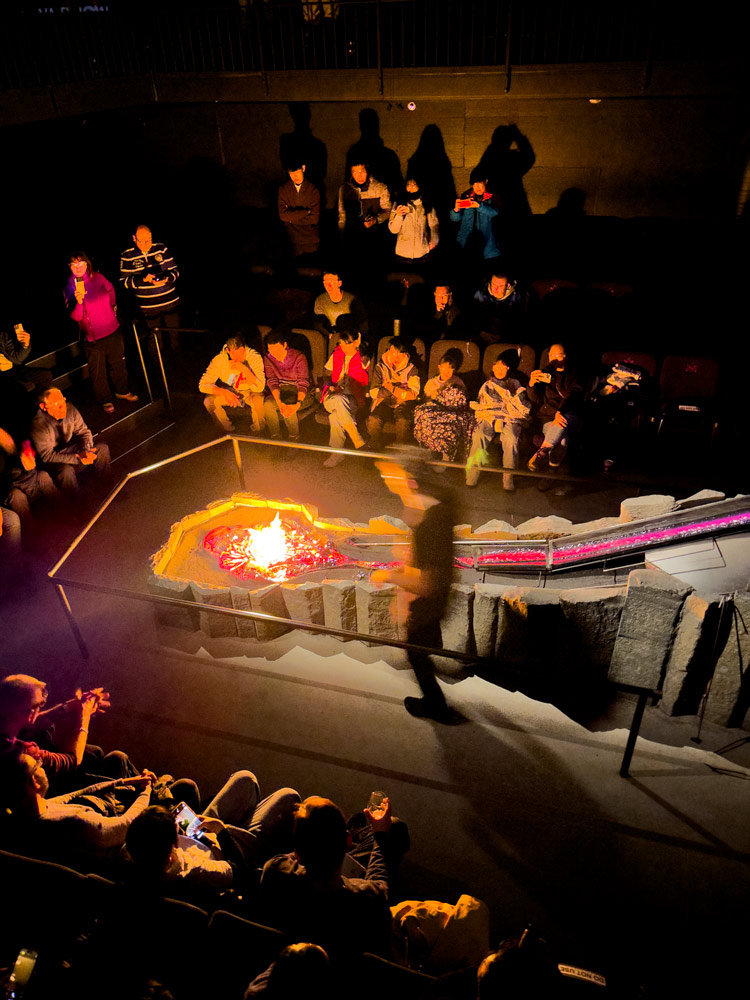
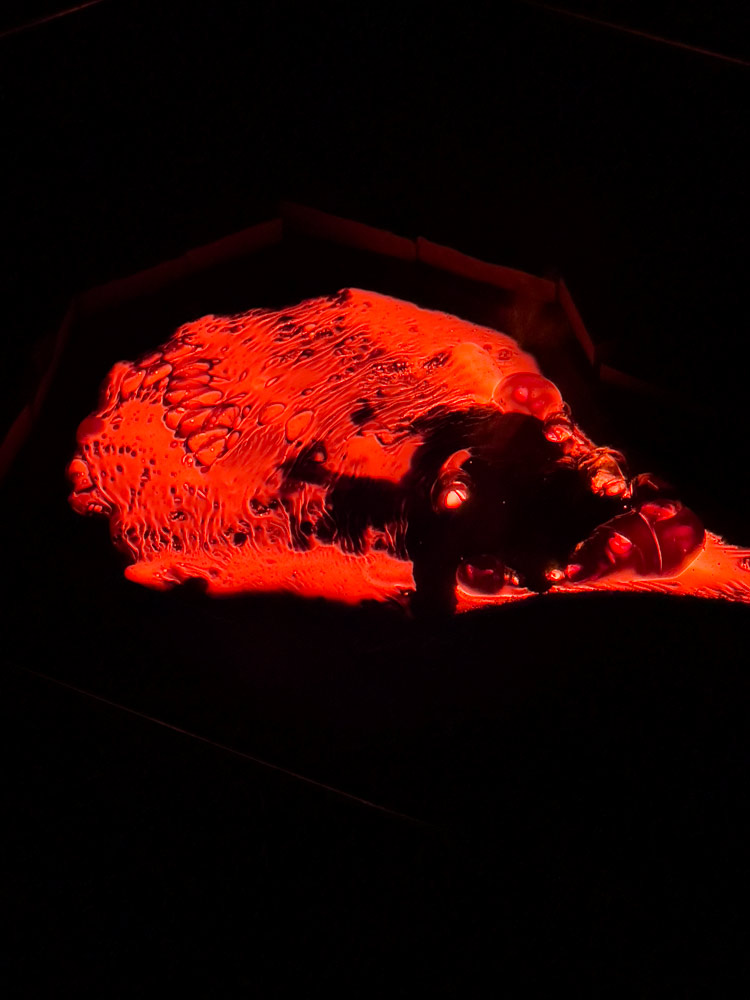
During our visit, we visited several traditional tourist attractions, including the Lava Show, the only place in the world where lava is created daily, for an educational experience. There’s a bus tour of the Reykjanes Peninsula that includes the relatively new Sky Lagoon thermal spa and Friðheimar tomato farms, as well as its namesake geyser and the only Icelandic word to be adopted into English, geysir. We also stopped at Þingvellir National Park, another geological wonder and UNESCO World Heritage Site. This is a rift valley where new land is gradually formed as the North American and European plates separate.
Lastly, we had a really nice meal at Sümac Grill + Drinks in downtown Reykjavik. I’m not usually one to comment on restaurants, but this place was something special. Especially how elegantly they handled my strange food allergies by actually customizing what I ordered, even the sauces, which are usually pre-made in a restaurant as busy as this one. If you’re in town, stop by and show us some AvGeek love.

Suite Dreams: Qatar Airways 777 Qsuite Photo + Video Report
Time flies on Singapore Airlines A350-900ULR Business Class: The World’s Longest Flight (JFK-SIN).







