



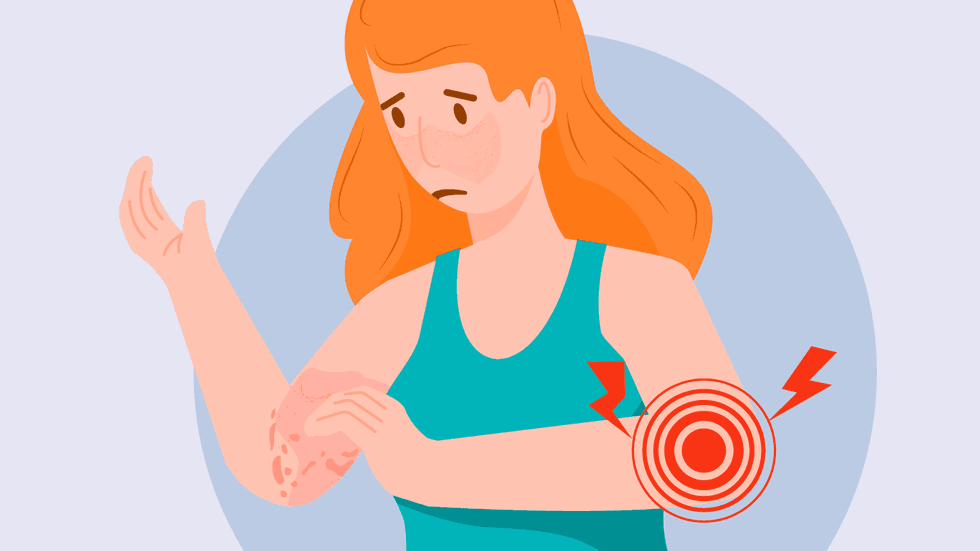
Lupus is a chronic (long-term) autoimmune disease.
Nine out of 10 people with lupus are women.
Lupus symptoms can change over time and vary from person to person.
Symptoms include:
lightly or seriously
intermittent
It lasts for a short time or a long time.
lupus flares
Relapses occur when lupus symptoms worsen or new symptoms appear.
Symptoms of an outbreak include:
Fever or flu-like symptoms that are not due to infection
joint inflammation or pain
fatigue
Skin rash, tingling, or numbness
Inflammation or ulcers in the mouth or nose
swelling of the legs
Lupus triggers
Some common triggers that trigger lupus symptoms for the first time or worsen existing symptoms include:
emotional stress
- take care of someone
- work stress
- financial problems
- sadness or loss
- Discrimination and Harassment
Childhood trauma and post-traumatic stress disorder (PTSD) are closely linked to lupus.
air pollution
- there
- smog
- Silica dust, ozone and other suspended particles
fatigue or lack of sleep
exposure to toxins and heavy metals
Monitoring your symptoms can help you identify and avoid triggers and prevent lupus flares.
This training material was prepared with support from Merck.






