



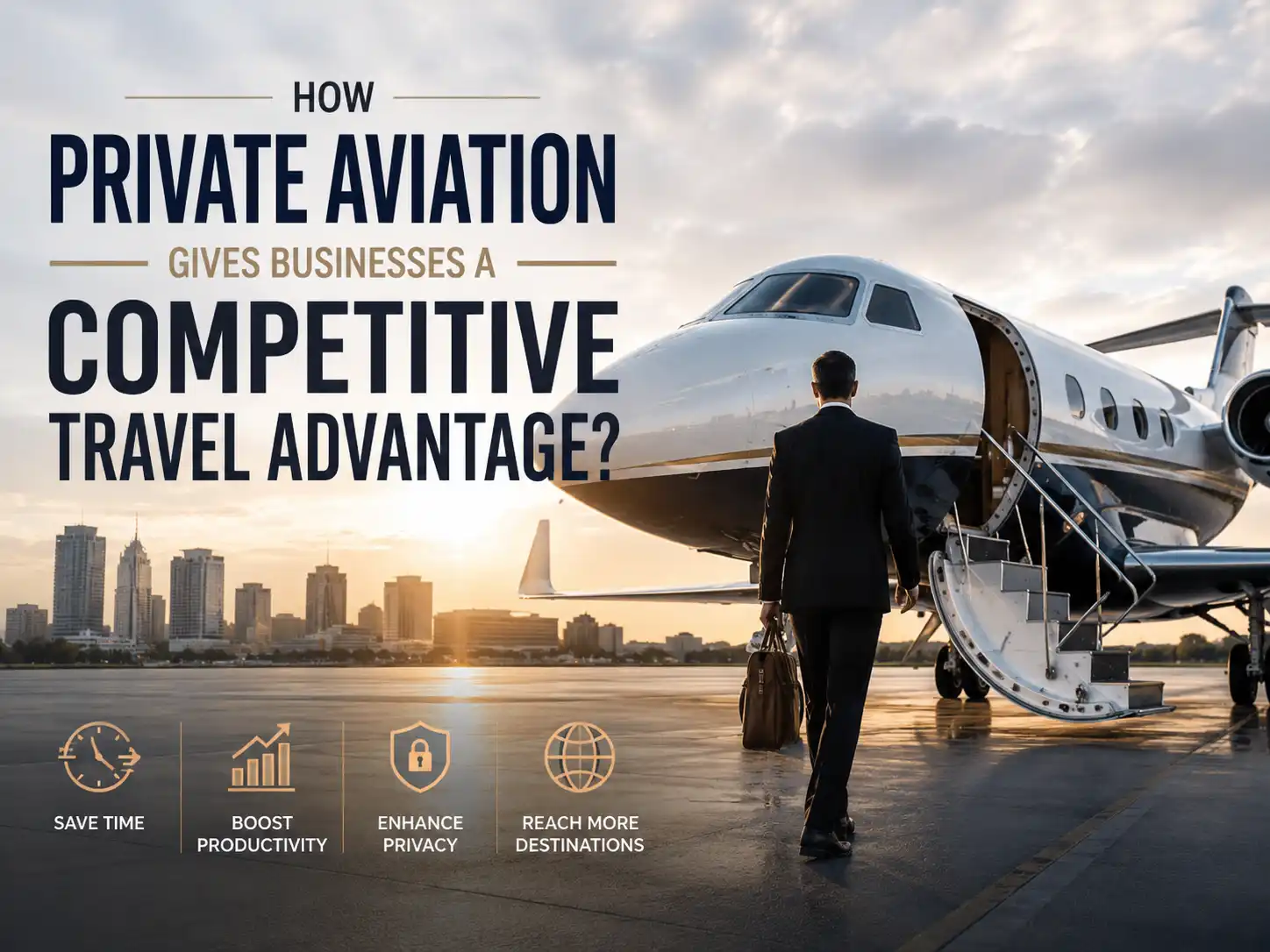
In highly competitive business environments, organizations continuously seek advantages that improve performance, accelerate growth, and enhance responsiveness. Technology investments, talent acquisition, operational efficiency programs, and strategic partnerships are commonly viewed as sources of competitive differentiation. Yet one critical factor often receives less attention despite its substantial impact on organizational effectiveness: mobility.
The ability to move decision-makers, teams, and resources quickly and efficiently has become increasingly important in a global economy characterized by rapid change, geographic complexity, and constant competitive pressure. As markets evolve faster and opportunities emerge unexpectedly, organizations that can respond quickly often gain advantages over those constrained by slower processes and limited flexibility.
Private aviation plays a significant role in this context. While it is frequently associated with luxury, convenience, or executive status, its most important business function is far more strategic. Private aviation serves as a mobility platform that enables organizations to improve productivity, accelerate decision-making, strengthen stakeholder relationships, and increase operational agility.
Viewed through this lens, private aviation is not merely a transportation solution. It is a competitive business tool capable of influencing organizational performance across multiple dimensions.
Private aviation is no longer reserved for luxury travel. Many companies use it to reduce travel time, improve executive productivity, visit multiple locations in one day, and respond faster to business opportunities. This article explains how business aviation creates measurable competitive advantages.
The Strategic Importance of Mobility
Business success increasingly depends on speed.
Organizations must react quickly to market developments, customer demands, regulatory changes, supply chain disruptions, and competitive threats. Leadership teams are expected to evaluate opportunities rapidly, make informed decisions, and implement strategic initiatives without unnecessary delay.
Mobility directly influences this capability.
Business mobility is no longer viewed solely as a logistical function. It has become part of corporate strategy. Faster access to customers, suppliers, production facilities, and investment opportunities allows organizations to shorten response times, strengthen relationships, and execute strategic initiatives with greater confidence.
When key personnel can reach important destinations quickly and efficiently, organizations become more responsive and adaptable. Conversely, inefficient travel can slow decision-making, reduce productivity, and create operational bottlenecks.
Historically, transportation was viewed primarily as a logistical requirement. Today, many organizations recognize that mobility itself can create strategic value.
Private aviation supports this value by removing many of the limitations associated with conventional travel.
Time as a Competitive Asset
Among all organizational resources, time is arguably the most difficult to replace.
Financial capital can be raised. Technology can be acquired. Processes can be redesigned. Time, however, remains finite.
Every hour lost to inefficient travel represents an hour unavailable for leadership, innovation, client engagement, or strategic planning.
Commercial air travel often introduces significant time-related inefficiencies, including:
- Airport congestion
- Security procedures
- Boarding delays
- Flight connections
- Schedule limitations
- Ground transportation requirements
These factors collectively reduce the amount of productive time available to executives and teams.
Beyond reducing delays, private aviation enables executives to consolidate multiple meetings into a single day, avoid overnight stays, and return to headquarters without waiting for commercial flight schedules. The cumulative time savings across a year can significantly increase the availability of senior leadership for revenue-generating activities.
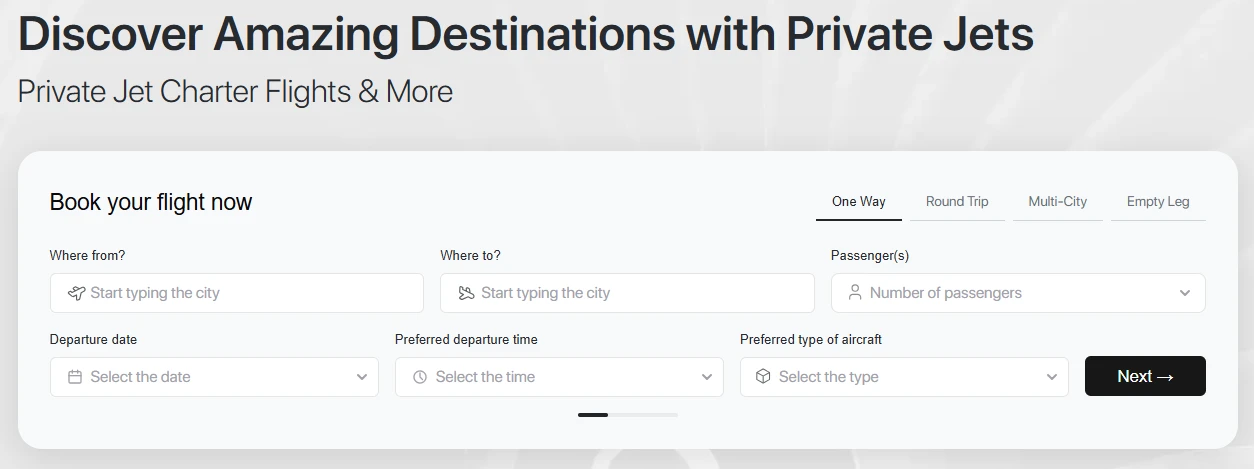
Private aviation addresses these challenges by streamlining the travel process and allowing schedules to be built around business priorities rather than airline timetables.
For organizations operating in fast-moving markets, preserving time can create meaningful competitive advantages.
Accelerating Decision-Making
The speed of decision-making frequently determines competitive outcomes.
Opportunities rarely remain available indefinitely. Strategic acquisitions, investment opportunities, customer engagements, and operational interventions often require immediate action.
Organizations that can evaluate situations quickly and deploy leadership efficiently are often better positioned to capitalize on emerging developments.
Private aviation contributes directly to this capability.
By reducing travel friction and improving mobility, executives can reach critical locations faster and engage with stakeholders more effectively.
This enhanced responsiveness supports:
- Faster approvals
- More timely interventions
- Improved crisis management
- Accelerated negotiations
- More effective strategic execution
In many industries, decision-making speed is not merely a matter of efficiency. It is a source of competitive differentiation. Rapid executive deployment can also reduce the cost of delayed decisions. Whether evaluating an acquisition, resolving operational issues at a manufacturing site, or meeting a strategic client, arriving hours earlier instead of days later may influence negotiations, customer retention, and business outcomes.
Expanding Geographic Reach
Commercial airline networks provide extensive global connectivity, but they are primarily designed around major transportation hubs.
Private aviation offers access to thousands of additional airports, including regional and executive facilities located closer to business destinations.

This expanded accessibility creates several advantages.
Organizations can:
- Reach underserved markets
- Visit remote facilities
- Conduct regional site visits
- Engage customers more frequently
- Access emerging opportunities efficiently
Geographic flexibility becomes particularly valuable for businesses operating across multiple regions or countries.
The ability to engage more markets within the same timeframe increases organizational reach and supports broader business development objectives.
In effect, private aviation expands the practical operating footprint of leadership teams.
Improving Executive Productivity
The productivity of senior leadership carries disproportionate organizational importance.
Executive decisions influence strategy, resource allocation, risk management, and growth initiatives. Consequently, even small improvements in executive effectiveness can generate substantial organizational benefits.
Private aviation enhances productivity by transforming travel from an interruption into a productive activity.
Aircraft cabins provide secure environments where executives can:
- Conduct meetings
- Review confidential information
- Collaborate with advisors
- Prepare presentations
- Analyze business performance
The journey itself becomes an extension of the workplace. Unlike commercial cabins, private aircraft provide an environment where confidential discussions, board meetings, financial reviews, and strategic planning sessions can continue without interruption. This continuity helps executives maintain productivity throughout the entire journey instead of treating travel as unproductive downtime.
This continuity helps organizations maintain momentum and ensures that travel supports productivity rather than diminishing it.
Supporting Multi-City Business Operations
Modern organizations rarely operate from a single location.
Corporate headquarters, regional offices, manufacturing facilities, clients, suppliers, and investment targets may be distributed across multiple cities or countries.
Managing these relationships often requires frequent travel.
Commercial airline schedules are not always optimized for complex multi-city itineraries.
Private aviation provides a more efficient alternative by enabling customized routing based on specific operational requirements.
Executives can visit multiple destinations within a single day, reducing travel time while increasing engagement opportunities.
This capability strengthens oversight, improves communication, and supports more effective leadership across geographically dispersed operations.
Enhancing Organizational Agility
Agility has become one of the defining characteristics of successful organizations.
Businesses that can adapt quickly to changing conditions often outperform those constrained by slower processes and rigid structures.
Private aviation enhances agility by improving access to people, locations, and opportunities.
Leaders can travel on short notice to:
- Address operational challenges
- Meet strategic partners
- Conduct due diligence
- Respond to customer needs
- Evaluate investments
This responsiveness supports more dynamic decision-making and improves organizational resilience.
In volatile environments, agility frequently becomes a decisive competitive factor.
Strengthening Stakeholder Relationships
Business performance is heavily influenced by relationships.
Customers, investors, partners, suppliers, regulators, and employees all contribute to organizational success.
Maintaining strong relationships requires engagement, accessibility, and trust.
Private aviation facilitates more effective stakeholder management by enabling leaders to meet key individuals more frequently and efficiently.
Face-to-face interactions remain particularly valuable for:
- Complex negotiations
- Strategic partnerships
- Investor communications
- High-value client relationships
Although virtual communication technologies continue to evolve, personal engagement often remains essential for building long-term trust and alignment.
Improved mobility makes this engagement more practical and sustainable.
Increasing Business Continuity
Operational disruptions can have significant consequences.
Flight cancellations, missed connections, weather-related delays, and schedule disruptions may affect critical business activities and create uncertainty.
Private aviation provides greater control over travel schedules and routing decisions, improving reliability and reducing vulnerability to disruptions.
This reliability contributes to business continuity by ensuring that leadership teams can remain mobile even during challenging circumstances.
Organizations that depend on timely executive presence often view this capability as an important operational advantage.
Facilitating Confidentiality and Security
Many business activities involve sensitive information.
Strategic plans, acquisition discussions, legal matters, financial data, and personnel decisions frequently require secure environments.
Commercial travel offers limited privacy and control.
Private aviation provides a confidential setting where executives can discuss sensitive matters, review proprietary information, and conduct strategic conversations without concern for external exposure.
For industries where confidentiality is essential, this advantage can be highly significant.
Information security is increasingly recognized as a strategic priority, and mobility solutions must support that objective. For organizations involved in mergers and acquisitions, intellectual property development, legal proceedings, or financial transactions, maintaining confidentiality throughout travel can reduce unnecessary exposure and support stronger corporate governance practices.
Evaluating Competitive Advantage Through Mobility
The competitive benefits of private aviation can be measured across several categories.
Time Efficiency
- Reduced travel delays
- Faster access to destinations
- Improved schedule control
Productivity Enhancement
- More productive travel time
- Improved collaboration
- Greater executive effectiveness
Market Access
- Expanded geographic reach
- Increased stakeholder engagement
- Enhanced customer access
Organizational Agility
- Faster response times
- Improved adaptability
- Accelerated decision-making
Risk Reduction
- Greater travel reliability
- Improved continuity
- Enhanced operational resilience
When evaluated collectively, these factors reveal that private aviation influences far more than transportation.
It contributes directly to competitive performance.
Common Misconceptions About Business Aviation

Several misconceptions continue to shape perceptions of private aviation.
The first is the belief that private aviation is primarily a luxury service.
While comfort and convenience are certainly benefits, they do not represent the primary business justification for many organizations.
A second misconception is that private aviation should be evaluated solely according to flight costs.
Such comparisons often overlook productivity gains, opportunity costs, and strategic outcomes.
A third misconception is that private aviation benefits only large multinational corporations.
In reality, entrepreneurs, investors, family offices, professional services firms, and growth-oriented businesses frequently leverage private aviation to enhance competitiveness.
Understanding these distinctions is essential for evaluating business aviation objectively.
Many organizations also evaluate private aviation through the lens of total business value rather than transportation costs alone. Factors such as executive productivity, reduced project delays, stronger customer relationships, and improved operational responsiveness often play a larger role in investment decisions than the price of a single flight.
Mobility as a Source of Competitive Differentiation
The modern business environment rewards organizations that can move quickly, respond effectively, and allocate resources efficiently.
Private aviation supports these objectives by transforming mobility into a strategic capability.
Its value lies not in aircraft ownership, cabin amenities, or prestige. Rather, it lies in the ability to improve organizational performance through greater speed, flexibility, productivity, and access.
Companies that view mobility strategically often discover that transportation decisions influence outcomes far beyond travel itself.
The ability to reach opportunities sooner, engage stakeholders more effectively, and deploy leadership more efficiently creates advantages that accumulate over time.
Turning Mobility Into Strategic Value
Private aviation is frequently discussed as a premium mode of transportation. However, for many organizations, its true significance extends far beyond convenience.
It serves as a competitive business tool that enhances executive productivity, accelerates decision-making, expands market access, strengthens stakeholder relationships, and improves organizational agility.
In an economy where speed, responsiveness, and adaptability increasingly determine success, mobility has become a strategic asset. Private aviation enables organizations to leverage that asset more effectively by removing the friction that often limits traditional travel.
The most successful companies understand that competitive advantage is rarely created by a single factor. Instead, it emerges through the accumulation of incremental improvements across multiple areas of performance.
Private aviation contributes to this process by helping organizations make better use of their most valuable resources—time, talent, and opportunity. When viewed through this perspective, it becomes clear that private aviation is not simply a means of transportation. It is an investment in organizational effectiveness and a powerful tool for achieving sustainable competitive advantage.
Final Words
Private aviation has evolved from a premium travel option into a strategic business asset for organizations that value speed, flexibility, and informed decision-making. By reducing travel friction, expanding access to regional destinations, and enabling productive, confidential travel, it helps leadership teams respond faster to opportunities and challenges.
While it may not be the right solution for every trip, its value becomes clear when time, executive productivity, and business outcomes outweigh transportation costs. Companies that evaluate mobility as part of their broader business strategy are often better positioned to strengthen stakeholder relationships, improve operational efficiency, and maintain a lasting competitive advantage.







