



Here’s something that might surprise you. Rome is actually one of the more affordable major cities in Western Europe. I know, I didn’t believe it at first either. But after multiple trips where I tracked every euro I spent, I can tell you that Rome on a budget isn’t just possible. It’s *easy*.
Compare it to Paris or London or Amsterdam and Rome starts looking like a bargain. A plate of pasta that would cost €18 in Paris costs €9 in Rome. A glass of house wine that’s €7 in London is €4 in Rome. Even accommodation is noticeably cheaper than most other European capitals.
So if you’ve been putting off Rome because you thought you couldn’t afford it, stop. You can. And this guide will show you exactly how.
Rome on a Budget
Why Rome Is Cheaper Than You Think
Rome gets lumped in with “expensive European cities” and it’s not entirely fair. Yes, the tourist areas around the Vatican and Trevi Fountain will happily charge you €15 for a mediocre plate of spaghetti. But step literally one or two blocks away from the tourist trails and prices drop dramatically.
Italy in general has a culture of affordable eating. Italians believe good food shouldn’t be a luxury, and that philosophy shows up in the pricing. A proper Roman meal at a neighborhood trattoria runs €12-18 per person including wine. Try getting that in Copenhagen.
The other big factor? So many of Rome’s best attractions are free. The Pantheon. Every single church (and there are hundreds of beautiful ones). The piazzas and fountains. The entire historic center is basically an open-air museum you don’t need a ticket for.
For a full list of what to see, here’s my guide to things to do in Rome.
How Much Does Rome Cost Per Day?
Let me give you actual numbers based on what I’ve spent on my trips.
Budget tier (€50-80/day per person): Hostel or budget hotel, street food and trattoria meals, free sights, walking everywhere. Very comfortable and never once felt like I was depriving myself.
Mid-range tier (€100-150/day per person): Nice 3-star hotel, sit-down restaurant meals, a few paid attractions like the Colosseum and Vatican Museums, occasional taxi.
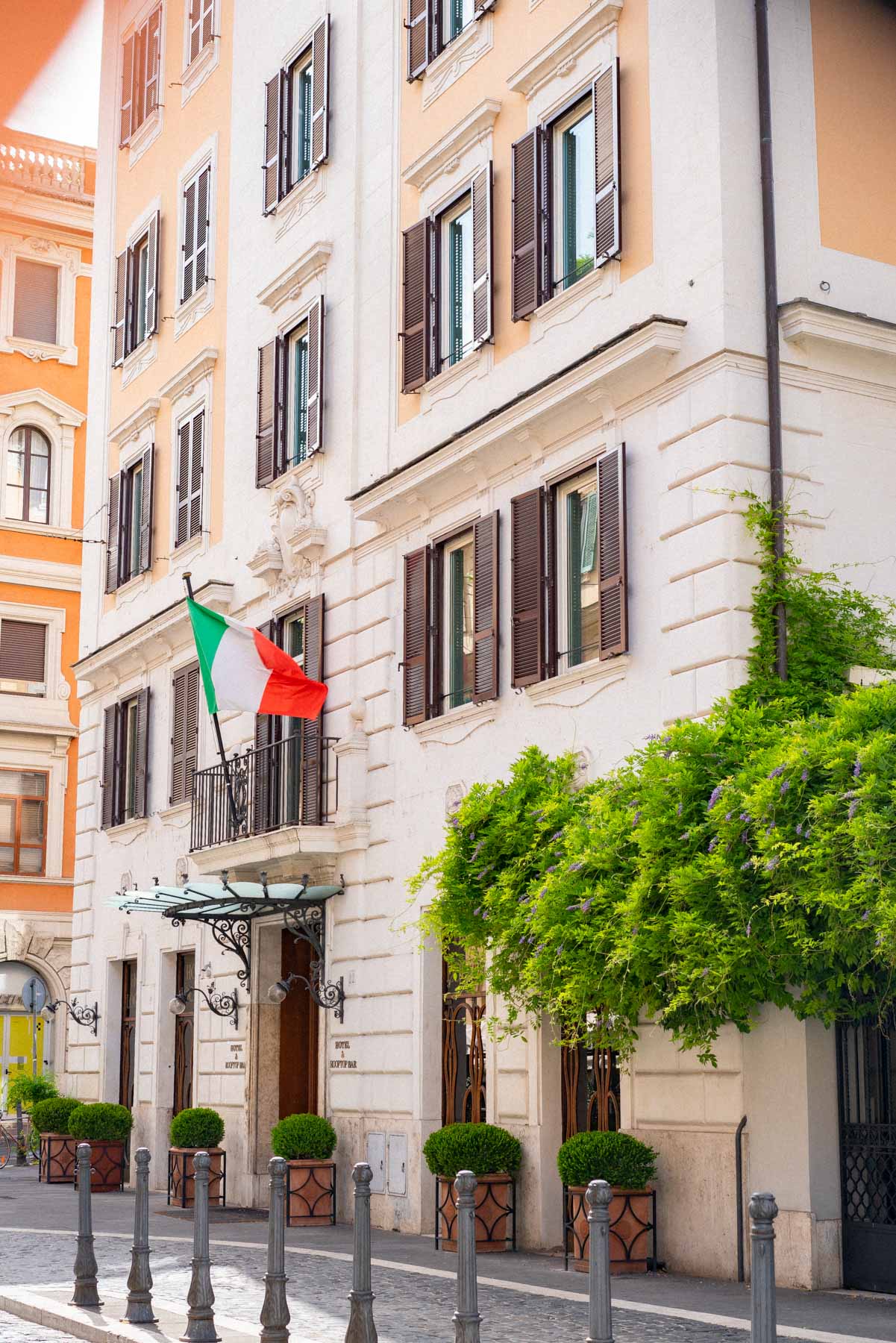
Splurge tier (€200+/day per person): Boutique hotel in Centro Storico, multi-course dinners with wine pairings, skip-the-line tours, rooftop cocktails. La dolce vita, basically.
That budget tier of €50-80? That’s a genuinely good day in Rome. Suppli for breakfast, pizza al taglio for lunch, a trattoria dinner with house wine. You’re not suffering. You’re eating like a Roman.

Where to Stay in Rome on a Budget
Your neighborhood choice matters enormously in Rome. Pick the right area and you save money on accommodation *and* food *and* transport because you can walk everywhere.
Trastevere
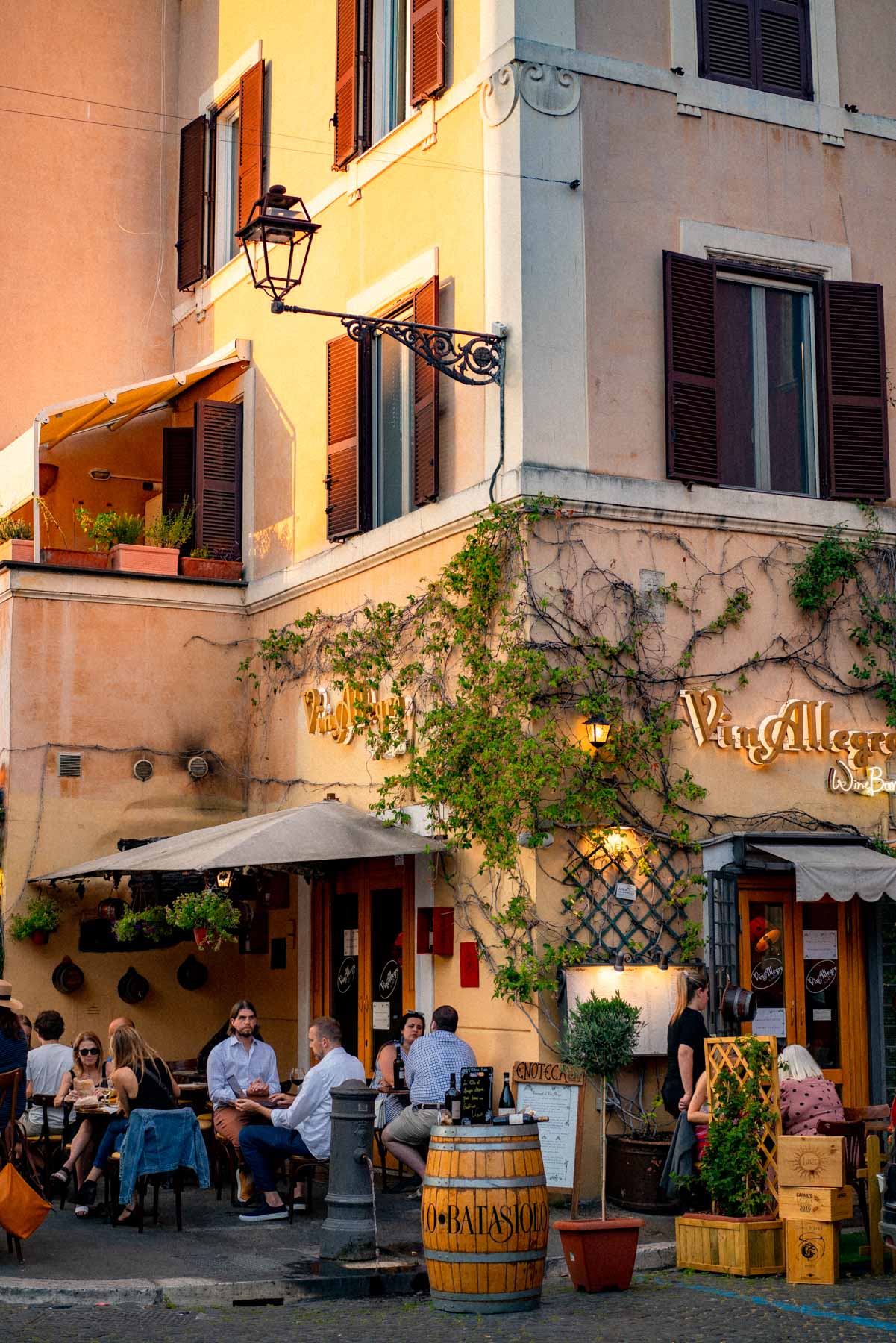
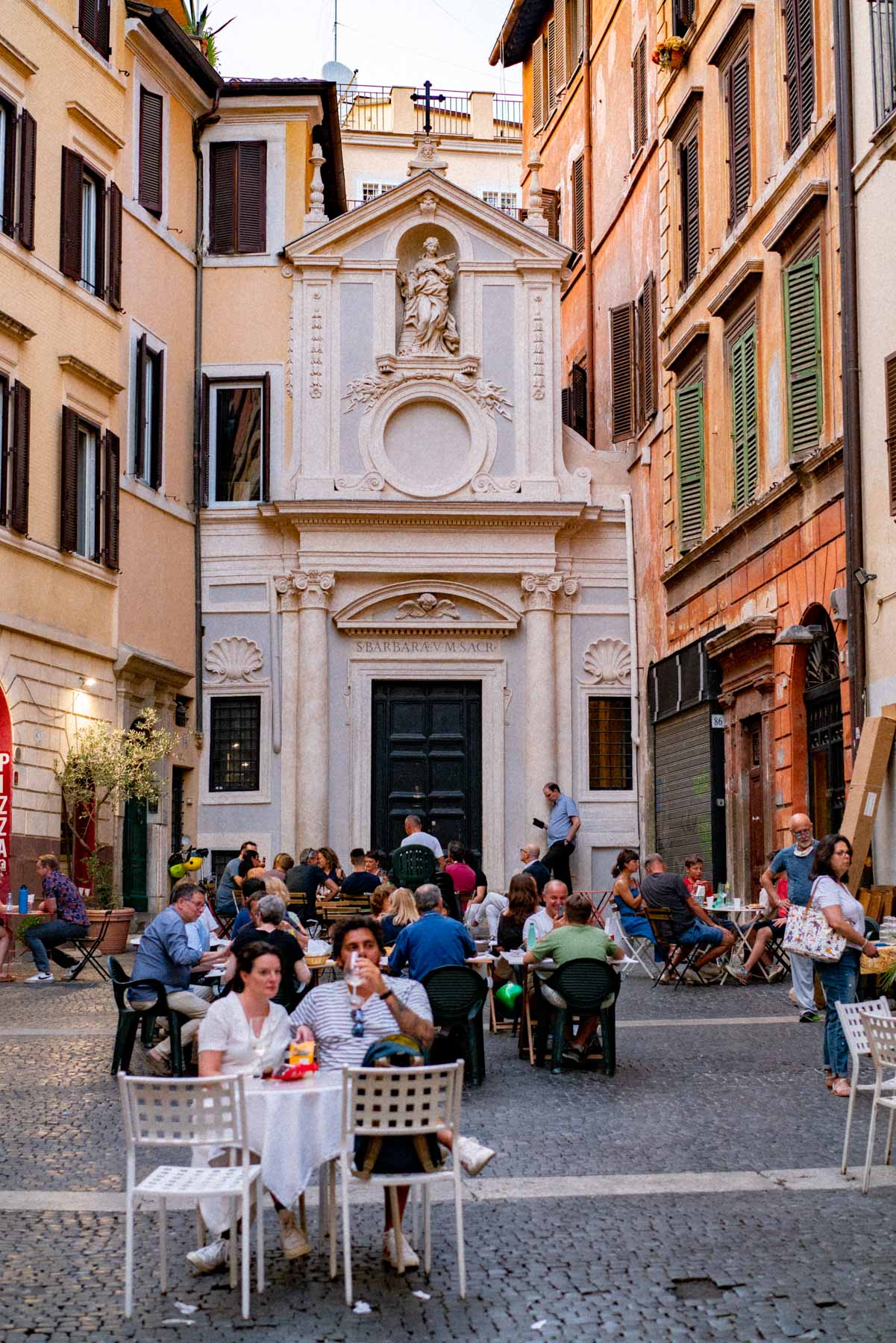
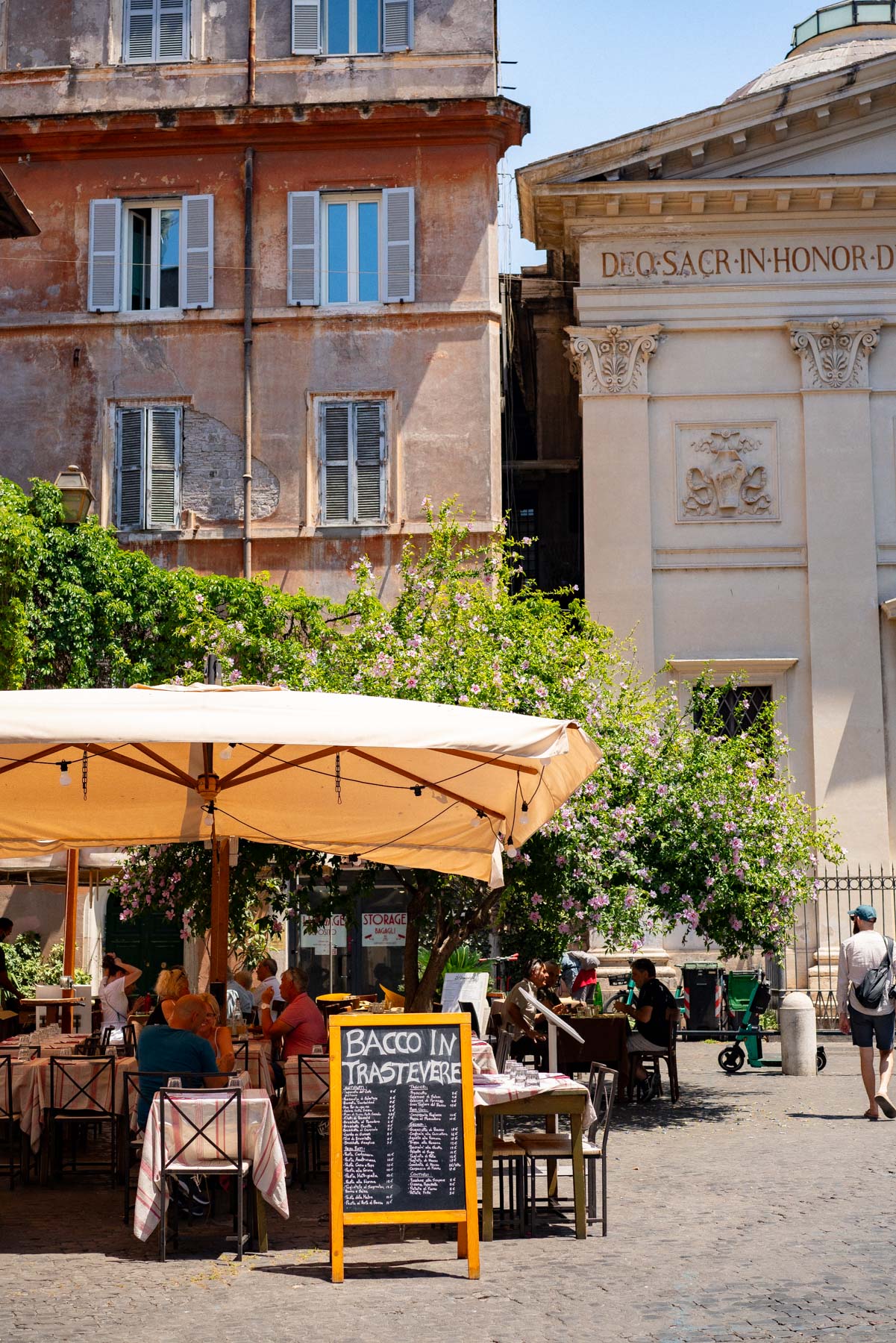
My top pick for budget travelers. Trastevere sits just across the Tiber from the historic center and it’s one of the most charming neighborhoods in Rome. Cobblestone streets, ivy-covered buildings, laundry hanging between windows. It looks like a movie set.
Budget hotels and B&Bs here run €60-100/night for a double room. Airbnbs start around €50-70. And the food scene is excellent. This is where Romans actually eat, so prices reflect local wallets, not tourist budgets. A full dinner with wine at a Trastevere trattoria costs €15-20 per person.
Monti
Monti is Rome’s oldest neighborhood and it has this bohemian, artsy vibe I love. It’s right near the Colosseum but feels like a small village. Vintage shops, wine bars, tiny restaurants tucked into alleyways.
Hotels here are slightly pricier than Trastevere (€80-120/night) but you’re walking distance to the Colosseum, Roman Forum, and the Trevi Fountain. No transport costs needed at all.
What to Avoid
Skip Via Veneto unless you enjoy overpaying for everything. It’s Rome’s “luxury” street from the 1960s and the prices never came back down. A coffee there costs 3x what it costs in Monti. The area around Termini Station can be budget-friendly for hotels but the neighborhood itself is underwhelming and the nearby restaurants are largely tourist traps.
For my complete breakdown of where to stay, read where to stay in Rome.
Hostels in Rome
Rome has great hostels. A dorm bed costs €20-35/night. The Yellow Hostel near Termini is legendary for its atmosphere and rooftop bar. Alessandro Palace is another solid option with a pool (yes, a pool at a hostel). Generator Rome is modern and well-located.
Private rooms at hostels run €50-80 and honestly rival budget hotels for comfort.
Eating in Rome on a Budget
This is where Rome truly shines as a budget destination. The food is world-class and shockingly affordable if you know what to order and where to go. For my detailed restaurant picks, check out the best restaurants in Rome.
Suppli (€2 of Pure Joy)
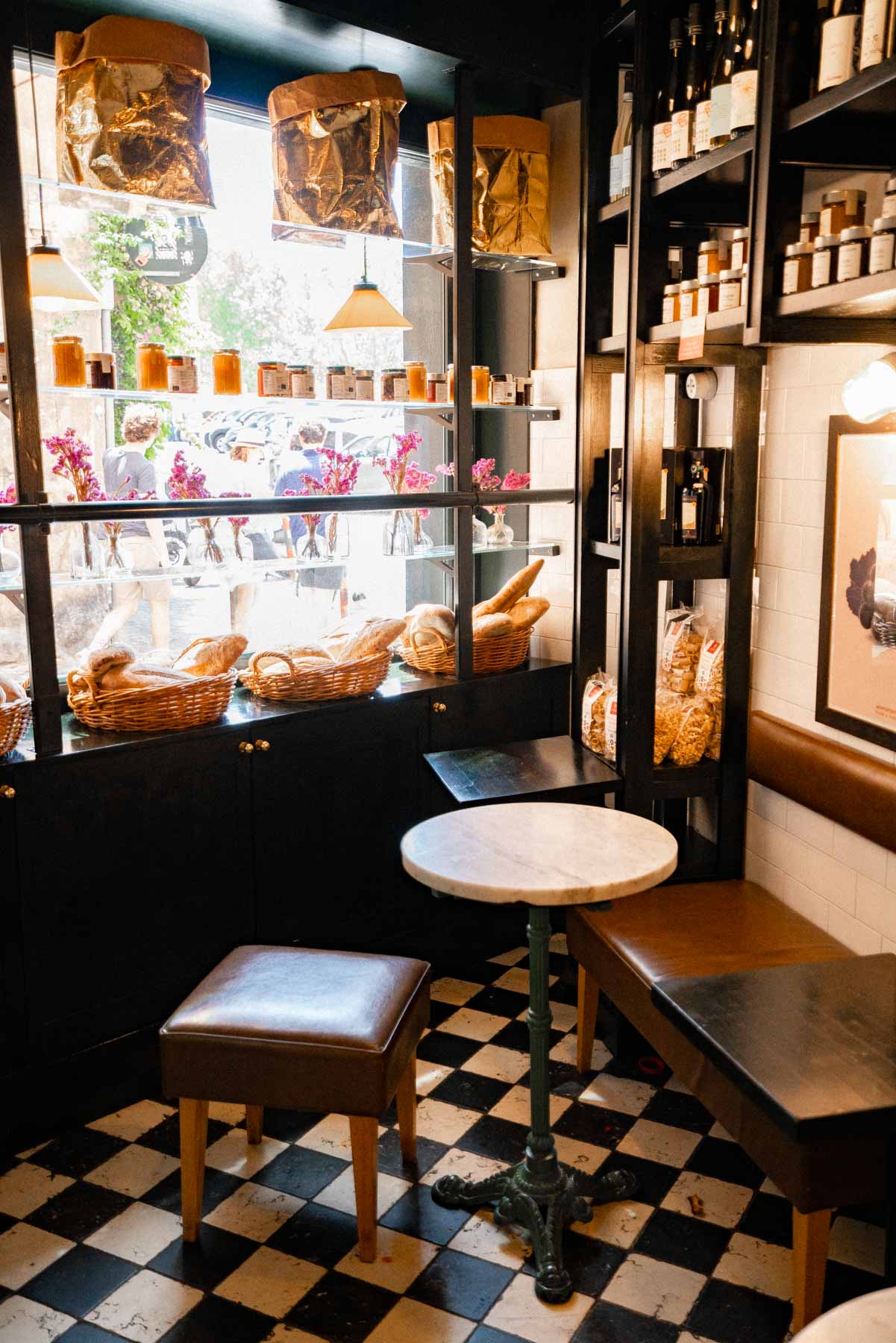
If you’re not eating suppli in Rome you’re doing it wrong. These are deep-fried rice balls stuffed with mozzarella and ragu. They cost €1.50-2.50 each. Two of them make a filling snack or a light meal for under €5. You’ll find them at pizza al taglio shops, dedicated friggitorie, and some bars.
Suppli Roma near the Vatican is legendary. I Supplizi in the Centro Storico does a gourmet version that’s still only €3. These are genuinely some of the best bites in the city and they cost less than a latte back home.
Pizza al Taglio
Pizza al taglio means pizza by the slice (literally “by the cut”). You point at what you want, they cut a piece, weigh it, and charge you accordingly. A generous slice of pizza rossa (tomato) costs €2-3. A more loaded slice with toppings runs €3-5. Two slices and a drink is a perfectly satisfying lunch for €7-8.
Bonci Pizzarium near the Vatican is considered the best in Rome (and possibly the world). There’s usually a line but it moves fast. Antico Forno Roscioli in the Centro Storico is another institution.

Trattorie vs. Ristoranti
This is important. In Rome, a “trattoria” is a casual, family-style restaurant with lower prices. A “ristorante” is fancier with a markup to match. Always look for trattorie when eating on a budget.
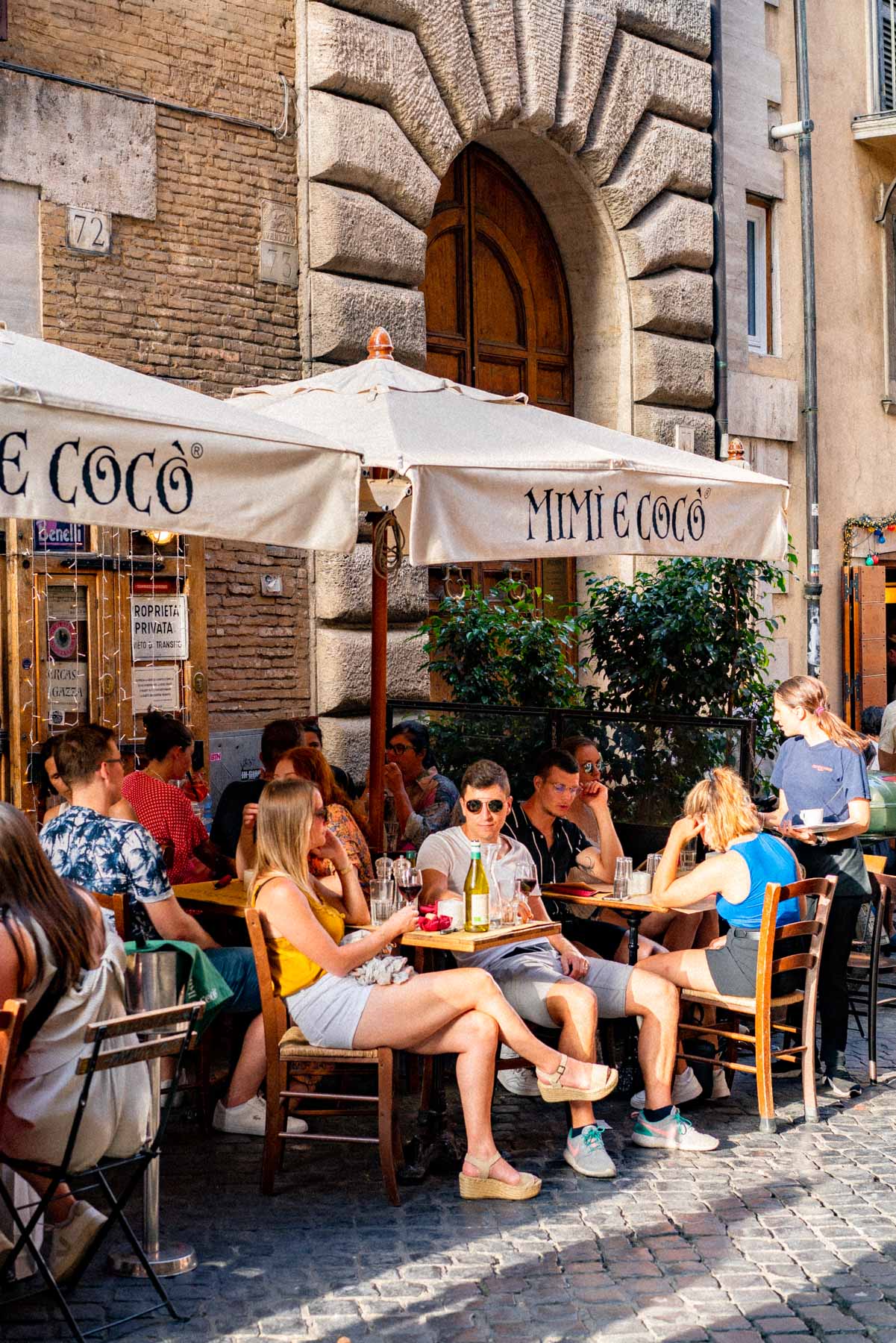
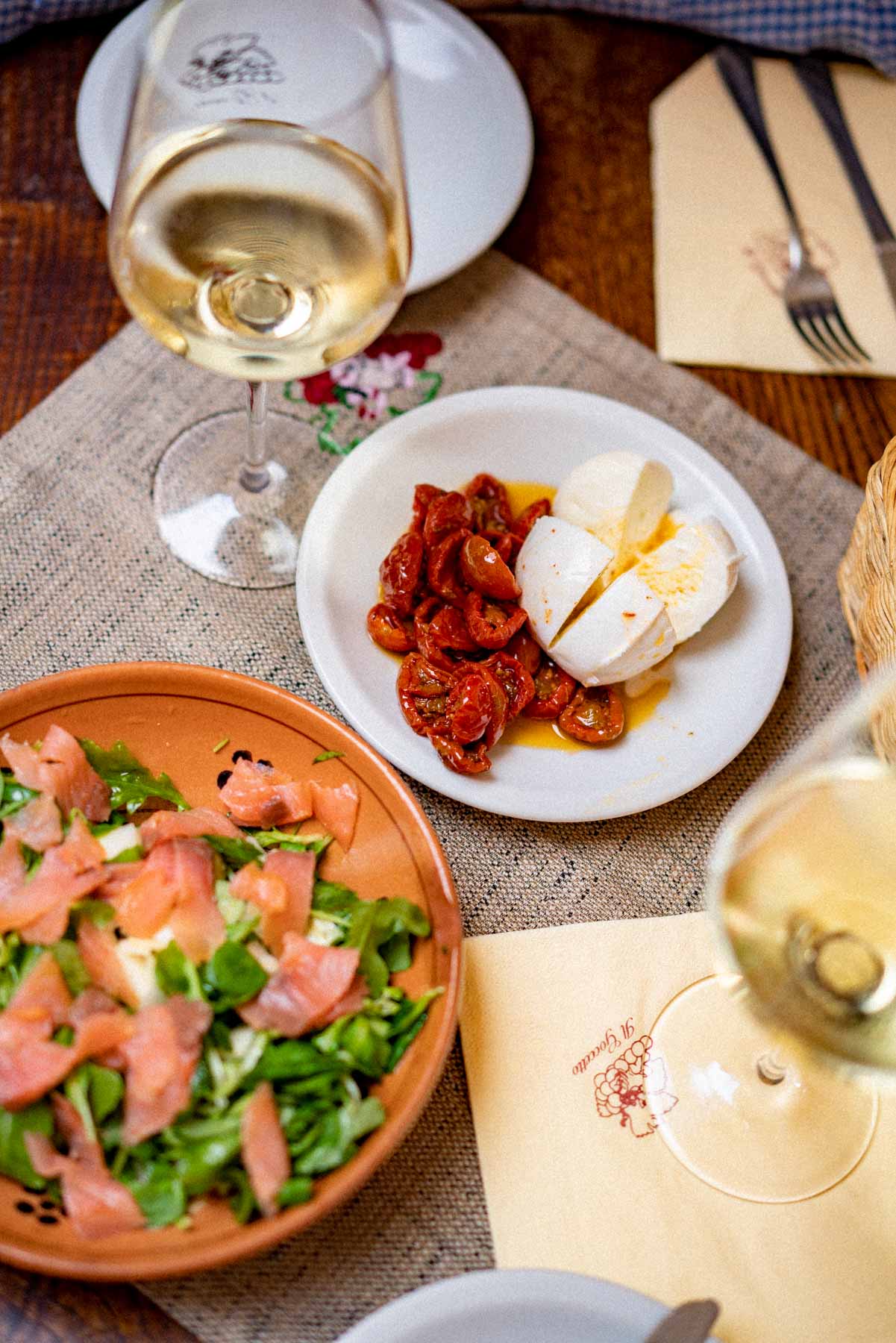
At a good trattoria, a primo (pasta dish) costs €8-12. A secondo (meat or fish) costs €10-15. House wine (vino della casa) is €4-6 per glass or €8-12 per carafe. A full meal with primo, secondo, wine, and coperto (the cover charge, usually €1.50-2.50) comes to about €25-30. That’s a *full* Italian meal with wine.
At a ristorante in a tourist area? That same meal costs €50-60. The food isn’t better. It might actually be worse.
Aperitivo Culture
Here’s a Roman tradition I think about constantly when I’m not in Rome. Aperitivo is the Italian version of happy hour, but better. You order a drink (usually a Spritz, Negroni, or glass of wine for €6-8) and it comes with free snacks. Sometimes chips and olives. Sometimes a full buffet of pasta, bruschetta, and salads.
At places with a generous aperitivo spread, this can genuinely replace dinner. The neighborhoods of Trastevere, Monti, and Testaccio have the best aperitivo scenes. I’ve walked into bars in Trastevere, ordered a €7 Spritz, and filled a plate with enough food to skip dinner entirely.
Markets
Campo de’ Fiori has a famous morning market but it’s become touristy and overpriced. For better value, try Mercato Testaccio. It’s where locals actually shop and the food stalls inside serve impressive meals for €5-8. Trapizzino (the original location) is right nearby and serves triangular pizza pockets stuffed with traditional Roman fillings for €3.50-5.
And don’t miss the best gelato in Rome. Even the good stuff rarely costs more than €3 for two scoops.
Free Things to Do in Rome
Rome might have more free attractions per square mile than any city in Europe. Here are the ones worth your time.
The Pantheon
The Pantheon is free to enter and it’s one of the most impressive buildings in the world. It’s nearly 2,000 years old, the dome is still the largest unreinforced concrete dome ever built, and the oculus (the hole in the ceiling) creates this ethereal light that makes everyone go quiet. I’ve been probably a dozen times and it still stops me in my tracks.
Update: as of 2023 there’s a €5 entry fee, but it’s still free on the first Sunday of the month and absolutely worth the five euros on any other day.
Churches (All of Them)
Rome has over 900 churches and nearly all of them are free. Some contain masterpieces that would be the star attraction of any museum. Santa Maria del Popolo has two Caravaggios (free). San Luigi dei Francesi has three more Caravaggios (free). Sant’Ignazio has a ceiling fresco that tricks your brain into seeing a dome that doesn’t exist (free and wild).
Bring coins for the light boxes. Many churches have coin-operated lights that illuminate the artwork. It’s usually €0.50-1 and absolutely worth it.
Piazzas and Fountains
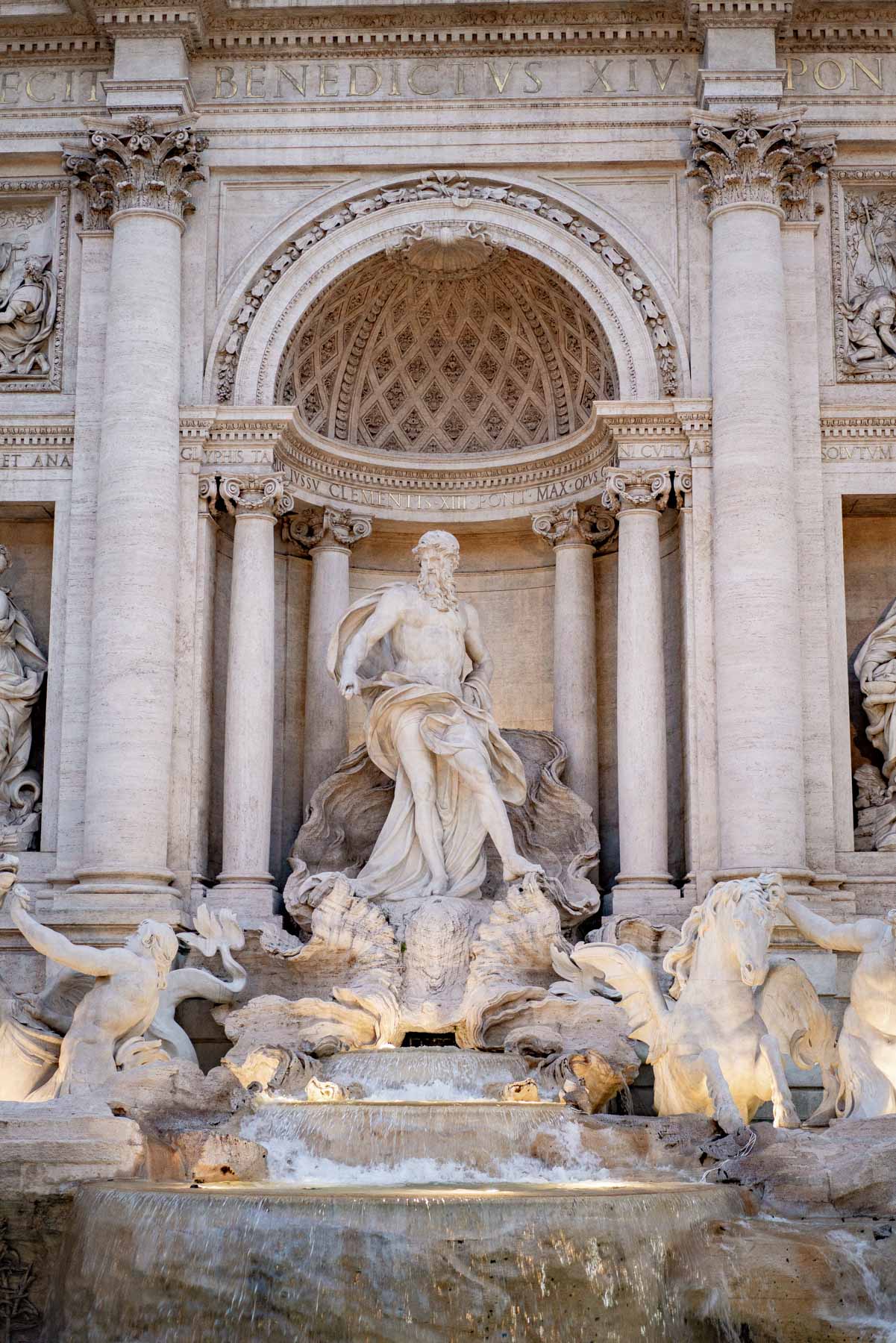
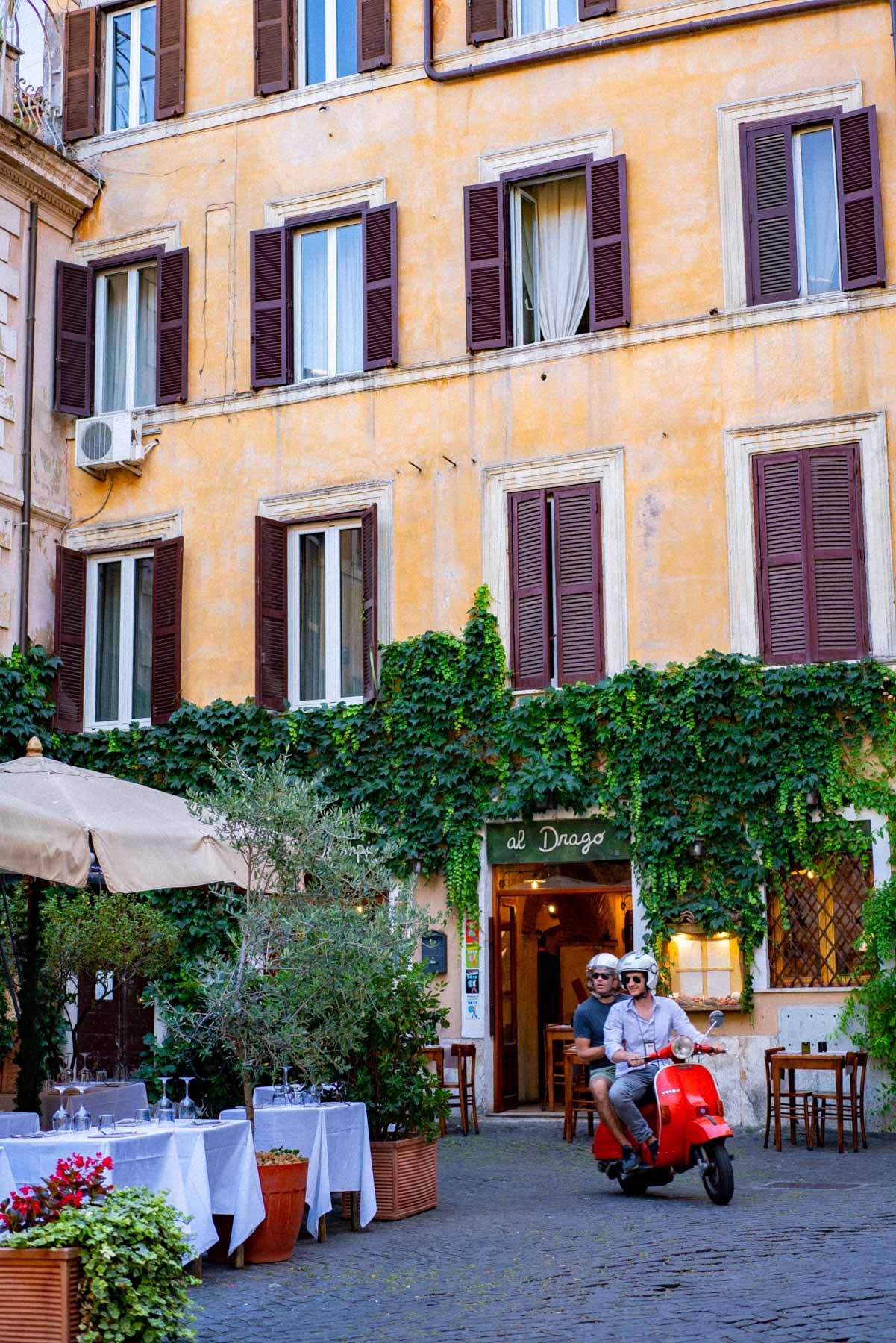
Piazza Navona with its Bernini fountains. The Trevi Fountain (toss a coin, make a wish, call it an investment). The Spanish Steps. Piazza del Popolo. Campo de’ Fiori at night. These are all free and they’re all genuinely spectacular. Rome’s piazzas are its living rooms and you’re invited.
My favorite thing to do is grab a gelato or a can of beer from a corner shop (€1-2) and just sit in a piazza and watch the world go by. It’s free entertainment and it never gets boring.
Views Without the Price Tag
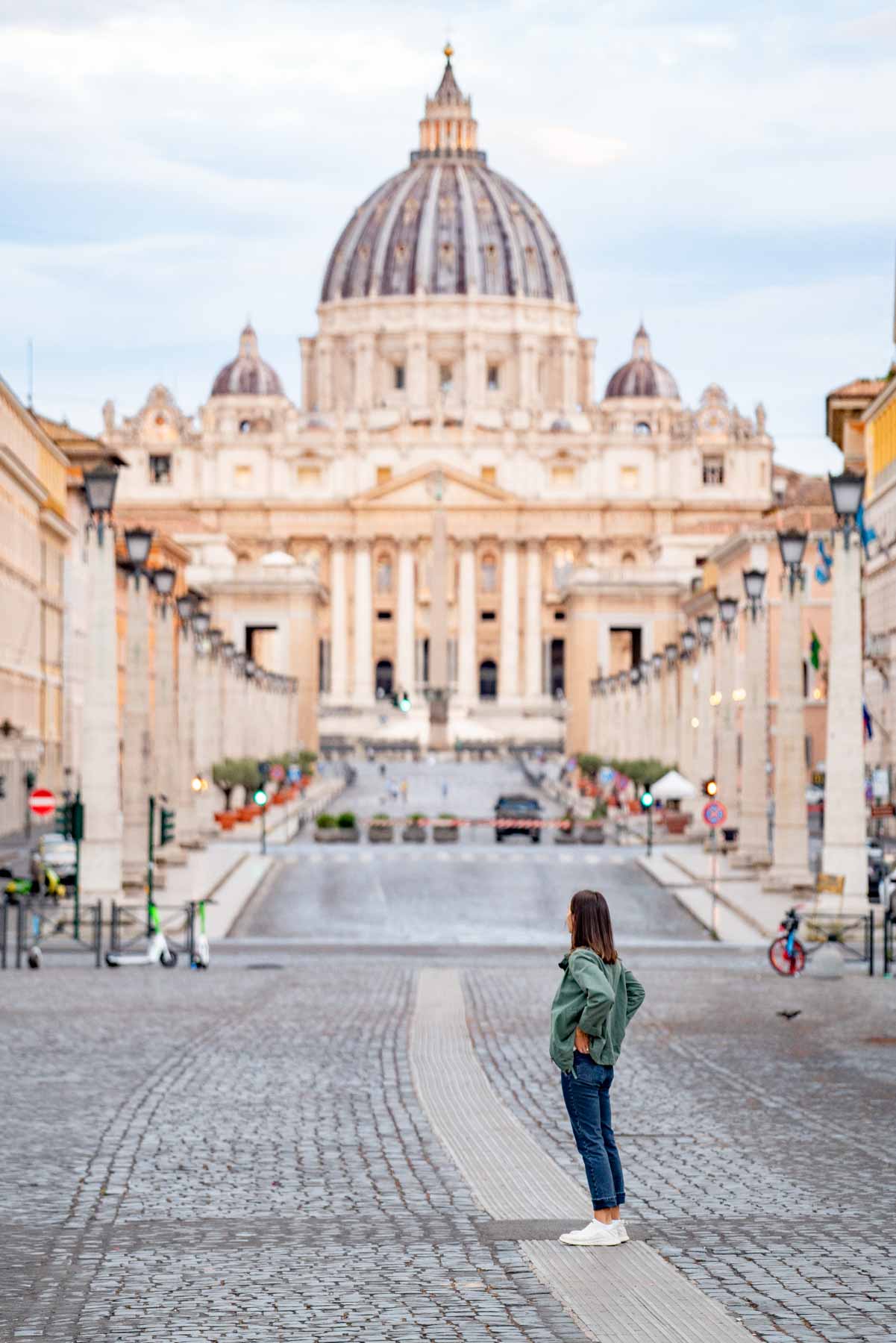
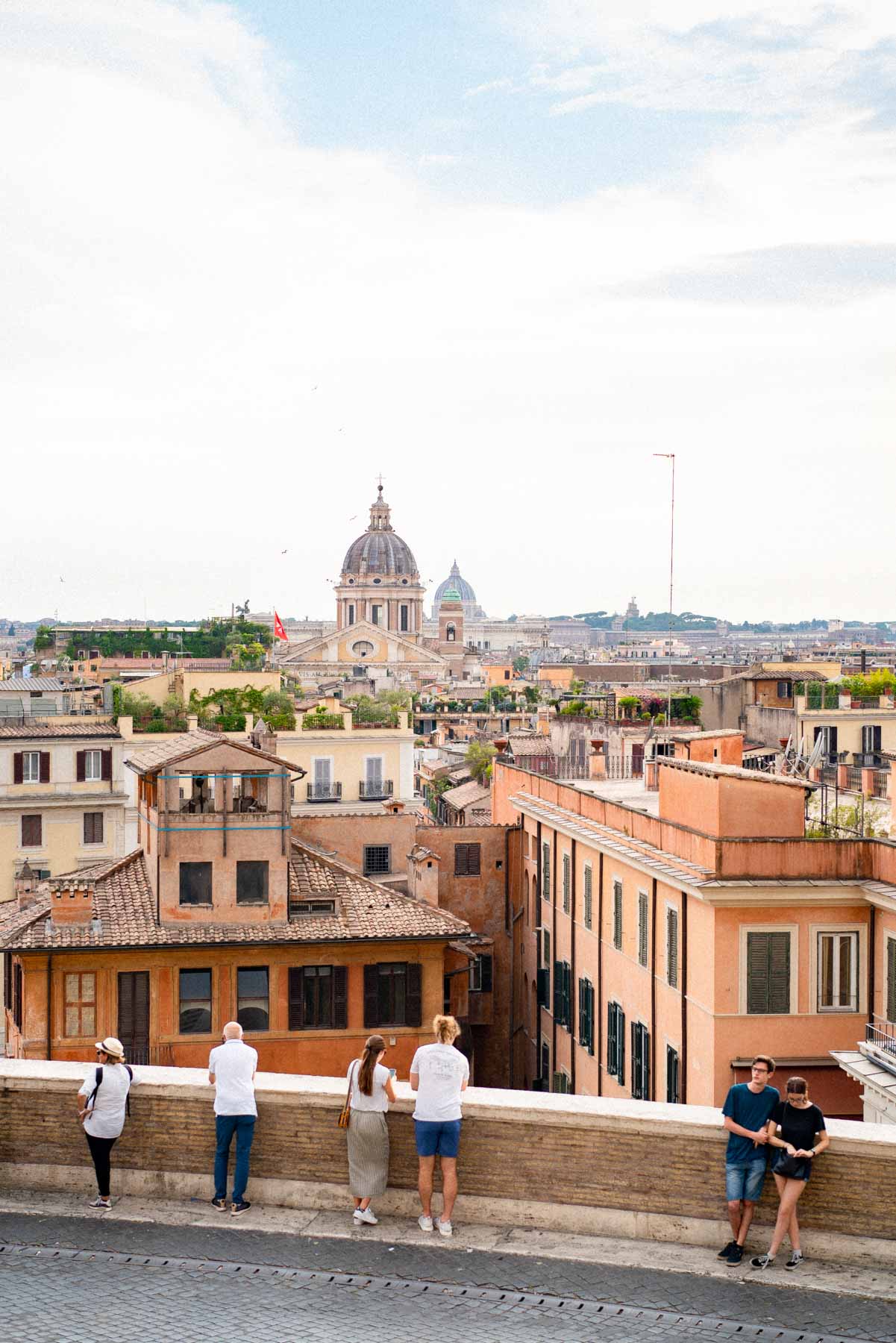
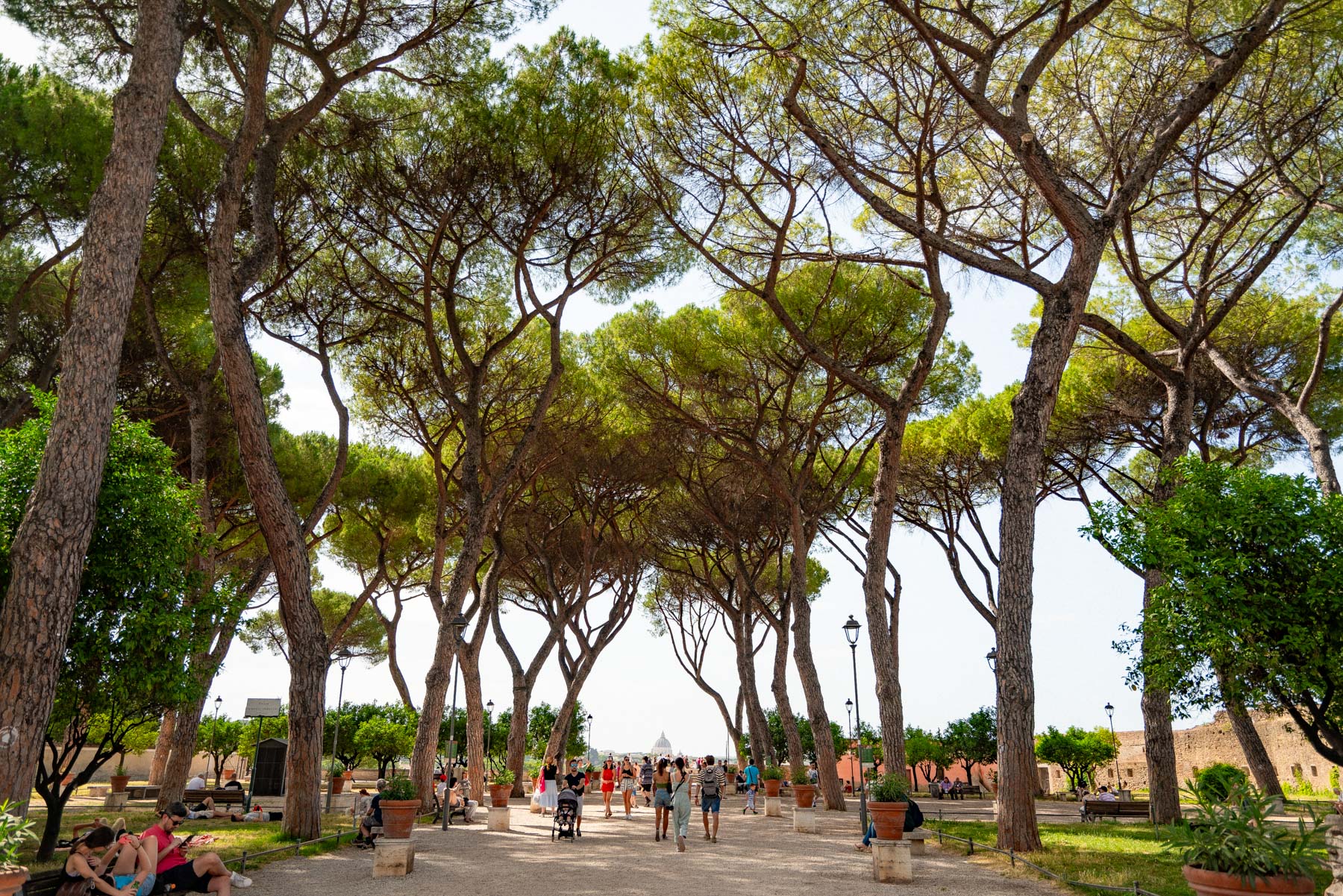
The best views of Rome are free. Giardino degli Aranci (Orange Garden) on Aventine Hill gives you a panoramic view over the Tiber to St. Peter’s dome. The Pincio terrace above Piazza del Popolo is beautiful at sunset. The Ponte Sant’Angelo offers a perfect frame of St. Peter’s Basilica.
Even the Roman Forum looks seriously good from the free viewpoint on Via dei Fori Imperiali or from behind the Capitoline Museums. You don’t *need* to pay the €16 entry to appreciate it, though I’d recommend doing it at least once.
Nasoni Fountains (Free Drinking Water)
This is one of my favorite things about Rome. The city has over 2,500 public drinking fountains called nasoni (little noses) because of their curved spout shape. The water is fresh, clean, and free. Bring a reusable water bottle and you never need to buy bottled water in Rome. Ever.
They’re everywhere. Near every major attraction, in every piazza, on random street corners. Cover the spout with your finger and water shoots up through the hole on top like a drinking fountain. One of those things that makes Rome feel like it was designed for walking around all day.
Getting Around Rome on a Budget
Walking the Historic Center
Rome’s historic center is compact and genuinely walkable. The Colosseum to the Trevi Fountain is a 20-minute walk. Trevi Fountain to the Pantheon is 5 minutes. The Pantheon to Piazza Navona is 3 minutes. You can cover every major sight in the Centro Storico on foot in a single day.
Walking is also just better in Rome. The streets are narrow and packed with things to discover. A random alleyway might lead to a hidden piazza with a 16th-century fountain. You miss all of that on a bus.
Is the Roma Pass Worth It?
The Roma Pass comes in two versions. The 48-hour pass (€33) includes one free attraction and discounted entry to others, plus unlimited public transport. The 72-hour pass (€53) includes two free attractions.
Here’s my honest take. If you’re planning to visit the Colosseum/Forum/Palatine combo (€18) and the Borghese Gallery (€15), the 72-hour pass saves you about €5 and gives you free transport. That’s marginal. If you’re mostly doing free stuff and only hitting one paid attraction, skip the pass.
The transport component is basically a bonus. Rome’s bus system costs €1.50 per ride and the Metro costs the same. If you’re staying in the historic center, you probably won’t use public transport more than 2-3 times during your entire trip anyway.
From the Airport
A taxi from Fiumicino airport to the city center has a fixed rate of €50. That’s not budget-friendly. The Leonardo Express train costs €14 and takes 32 minutes to Termini Station. Even cheaper is the regional FL1 train at €8. From Ciampino airport, the bus to Termini costs €6-7.

A Sample Budget Day in Rome
Here’s what a real budget day looks like in Rome.
8:30am Cornetto (Italian croissant) and cappuccino at a bar, standing at the counter. €2.50.
9:30am Walk through the Centro Storico. Pantheon (€5 or free on first Sunday), Piazza Navona, Trevi Fountain. All within minutes of each other.
12:00pm Two slices of pizza al taglio and a suppli at Antico Forno Roscioli. €7.

1:00pm Walk to Trastevere via the Tiber. Browse the streets, pop into Santa Maria in Trastevere (free, golden mosaics that glow).
3:00pm Gelato from Fatamorgana. Two scoops, €3.
4:00pm Walk up Aventine Hill to the Orange Garden for the best view in Rome. Free. Also peek through the Knights of Malta keyhole for the famous perfectly framed view of St. Peter’s dome. Free and memorable.
6:30pm Aperitivo at a bar in Monti. Spritz plus free snacks. €7.

8:30pm Dinner at a trattoria in Trastevere. Cacio e pepe, a carafe of house wine, coperto. €18.
10:00pm Evening walk past the Colosseum lit up at night. Free and genuinely gorgeous every single time.
Total: roughly €42-47. And that’s a perfect day in Rome. I’m not exaggerating.

Money-Saving Tips for Rome
I have made every budget mistake Rome has to offer. Here is what I learned so you do not have to.
Lunch is always cheaper than dinner. Many trattorias offer a “menu del giorno” (menu of the day) at lunch for €10-12 that includes a primo, bread, and water. The same meal at dinner costs €18-22. If you’re going to splurge on one nice restaurant meal, make it lunch.
Order the house wine. Vino della casa (house wine) at a trattoria costs €4-5 per glass or €8-12 per carafe (usually half a liter). It’s almost always a solid, drinkable local wine. The bottles on the wine list start at €15-20 and go up from there. Stick with the house pour.
Stand at the bar for coffee. This is an Italian rule that tourists miss all the time. A cappuccino costs €1.20-1.50 standing at the bar. Sit down at a table? That’s €3-5. In famous cafes like Caffe Greco near the Spanish Steps, sitting down can cost €7+ for the same espresso. Stand at the bar like a Roman.
Skip bottled water. Use the nasoni fountains. I said it before and I’ll say it again because it genuinely saves €3-5 per day. That’s €15-25 over a 5-day trip, which buys you a nice dinner.
The coperto is not a scam. Nearly every restaurant charges a “coperto” or cover charge of €1.50-3 per person. It covers bread and table service. It’s standard in Italy. Don’t stress about it. What *is* a scam is being charged a coperto *and* a servizio (service charge) at a tourist-trap restaurant. Check the menu prices before sitting down.
Book the Colosseum online in advance. Tickets cost €18 and include the Roman Forum and Palatine Hill (valid for 2 days). Book on the official site. Don’t buy from resellers charging €35-50 for the same ticket with a “skip the line” label. The official ticket already has a timed entry.
The Vatican Museums are free on the last Sunday of every month. The normal ticket is €17. On the last Sunday, entry is free from 9am-2pm. Arrive by 7:30am at the latest because the line gets insane. Bring patience and snacks. It’s worth the wait if you’re on a tight budget.
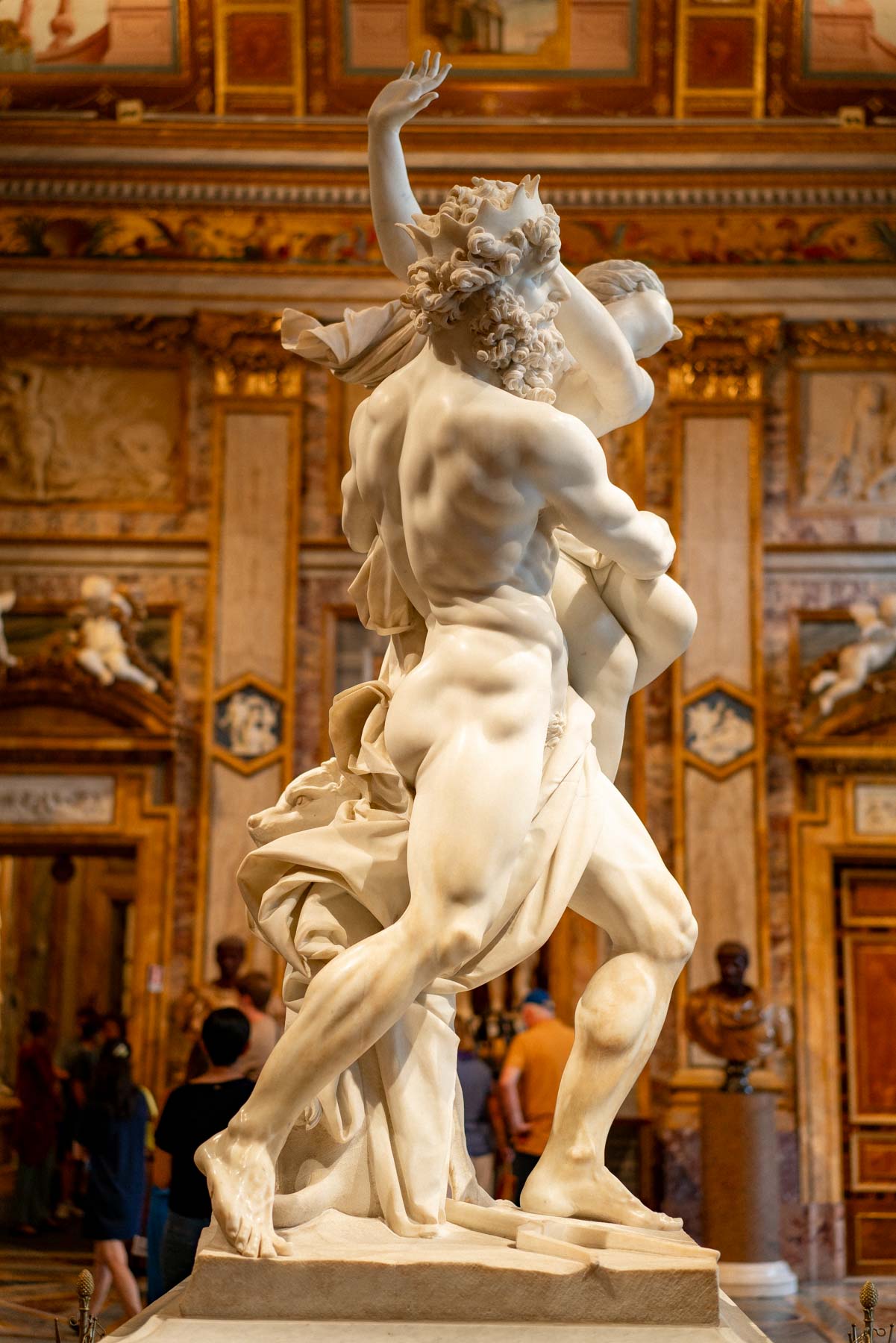
First Sundays at state museums are free. Just like Paris, Italy opens its state-run museums for free on the first Sunday of the month. This includes the Borghese Gallery (normally €15), the Castel Sant’Angelo (€15), and the Palazzo Barberini (€12). Plan your trip around this if you can.
Avoid restaurants with picture menus. If a restaurant has photos of food on the menu, a waiter standing outside trying to lure you in, or a “tourist menu” sign, walk away. The food will be mediocre and overpriced. Every time. No exceptions. Turn down a side street and find the trattoria with the handwritten menu on a chalkboard. That’s your spot.
For more things to dodge, read mistakes to avoid in Rome.
Final Budget Breakdown for Rome
Here’s what a 5-day budget trip to Rome actually costs.
Accommodation (5 nights): €250-400 (budget hotel or B&B) or €100-175 (hostel dorm)
Food (5 days): €120-175 (street food, trattorie, market meals, one aperitivo per day)
Transport: €15-25 (airport bus + maybe 2-3 Metro rides, otherwise walking)

Activities: €20-50 (Colosseum ticket, maybe Vatican Museums, everything else free)
Gelato budget (non-negotiable): €15-20
Total for 5 days: €420-670 on a genuine budget. That’s roughly €85-135 per day. In *Rome*. One of the greatest cities on earth.
Compared to Paris at €115-170/day or London at €150-200/day, Rome is a steal. The food is better, the weather is warmer, and the free attractions are probably more impressive. If that’s not a convincing argument for booking a flight, I don’t know what is.

Is Rome Worth It on a Budget?
It’s not just worth it. Rome might be the *best* city in Europe to visit on a budget.
The free stuff alone could fill a week. The food is absurdly good at every price point. The weather lets you spend all day outside. And the city has this energy that doesn’t cost a cent to experience. Sitting in a piazza at dusk with a €2 suppli in one hand and watching the light change on a building that’s older than most countries. That’s not a consolation prize for not being able to afford the fancy stuff. That IS the fancy stuff.
Rome doesn’t care how much money you have. It shows you the same sunsets, the same ancient ruins, the same perfect cacio e pepe whether you’re spending €50 or €500 a day. The only difference is where you sleep. And honestly? The budget neighborhoods have more character anyway.
For more Rome planning, these guides will help:
Now go book that flight before you talk yourself out of it.







