



Kenya has always been known for the incredible Masai Mara region, but several new destinations are gaining attention. One of them is the Laikipia region, a safari destination that offers a fascinating alternative to the well-trodden paths of the Masai Mara.
Recognizing the potential of this incredible region, luxury experiential travel company AndBeyond recently made a significant investment in Laikipia, securing exclusive tourism concessions for the Suyian Conservancy. A decades-long partnership with global conservation charity Space for Giants gives AndBeyond exclusive access to nearly 45,000 acres of pristine wilderness.
“Our expansion into Laikipia is the culmination of a long-standing desire to increase our presence and secure operational space in Kenya,” said Joss Kent, CEO and Chairman of AndBeyond. “Laikipia is a major wilderness area, home to more wildlife than anywhere else in Kenya except the Maasai Mara. It contains many globally threatened mammals, making it particularly important from a conservation perspective.”
fascinating preservation
Suyian Conservancy has been transformed from pure cattle grazing land to managed land to protect a limited number of cattle. It is a haven for a variety of species, from the rare black leopard and endangered African wild dog to northern Kenya's iconic wildlife such as Grevy's zebra and reticulated giraffe.
Suyian also boasts a variety of landscapes, including grasslands. prairie; rock outcrops or kopjes; dense Vecelia woodland; There are over 10 miles of riverfront, all offering unforgettable scenery and sights.
As the reserve's only luxury lodge and tent camp operator, AndBeyond can offer luxury lodge, tent camp, sky bed and mobile camping experiences. The first camp in the pipeline is AndBeyond Suyian Lodge, scheduled to open July 1, 2025.
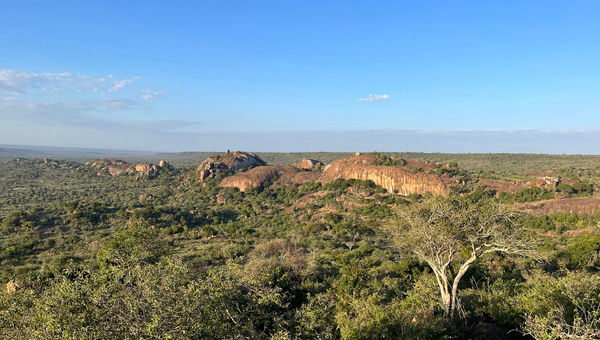
Scheduled to open July 1, 2025, AndBeyond Suyian Lodge overlooks the Suyian Conservancy's Rock Sanctuary. Photo courtesy of AndBeyond
Set on 44,000 acres of wilderness, the new lodge overlooks the Rock Sanctuary, a landscape of historic 'granite kopjes' (rock outcrops) containing ancient petroglyphs. With only 14 rooms, the lodge offers exceptional privacy amidst expansive plains and impressive rock formations. The lodge's sculptural architecture blends perfectly with its natural surroundings, and its design is inspired by the granite kopje and the resilient plants that grow between them.
But what is expected to set Suyian Lodge apart is the experience. Guests can participate in active ranch management and immerse themselves in the rhythm of the land. Travelers can spend the morning with local herders guiding their 2,500 to 3,000 cattle through the rolling paddocks.
Travelers can explore the diverse landscape on a guided camel safari or venture into the forest on foot to encounter wildlife. The region's rich cultural heritage can be absorbed through interaction with the Samburu and Pokot peoples, and conservation enthusiasts can contribute to research and conservation efforts.
Other places in Laikipia
Beyond the reserve, other operators in the wider Laikipia region are also exploring new experiences for travellers. The Governors' Mugie House, a luxury safari lodge located within the Mugie Conservancy in Laikipia, recently announced the addition of e-biking to its list of signature experiences. E-bikes offer the opportunity to embark on an eco-friendly adventure along the reserve's scenic trails, with plenty of wildlife encounters along the way.
• Related: Kenya Air launches additional flights from New York.
Mugie House is a property of eight villas that promise seclusion, comfort and breathtaking views of the surrounding wilderness, including the “Mugie Five” – five species of endangered animals found in the area. Striped hyena. Guests can enjoy game drives, lion tracking, canoeing, guided forest walks and even explore the landscape on sustainable mountain bikes.
Conservation is deeply ingrained in the safari experience in Laikipia. Many conservation groups, including Mugie and Suyian, operate as low-impact cattle ranches while actively protecting the ecosystem. Community engagement and empowerment initiatives are key to local conservation success.







