



Have you ever woken up one morning to find your eyes red, irritated, flaky and watery? This common scenario describes viral conjunctivitis, often called “pink eye.”
Although it may seem like a minor inconvenience, viral conjunctivitis can have a big impact on your daily life and eye health. Unlike bacterial or allergic conjunctivitis, viral conjunctivitis is caused by a virus, most commonly an adenovirus. These viruses often accompany other viral infections, such as colds or flu.
Viral conjunctivitis is highly contagious and can spread quickly, especially in communal settings such as schools or workplaces.
video link
Recognize the key differences between allergic conjunctivitis, bacterial conjunctivitis, and viral conjunctivitis.
For effective treatment and recovery, it is important to understand the differences between viral, bacterial, and allergic conjunctivitis.
• allergic conjunctivitis Allergens such as pollen or pet dander can make your eyes itchy and watery.
• bacterial conjunctivitis It is caused by bacteria such as Staphylococcus aureus, Streptococcus pneumoniae, and Haemophilus influenzae, and typically produces a thick, yellow-green discharge that can cause the eyelids to stick together, especially after sleep. These bacteria can get into the eyes through direct contact with contaminated hands, surfaces, or respiratory droplets.
Initially, redness may be more noticeable in one eye, but it can spread if not treated immediately. With bacteria, noticeably puffy or swollen eyelids are more common. Unlike viral conjunctivitis, bacterial conjunctivitis typically does not cause systemic symptoms such as a runny nose or sore throat, which may help distinguish it from viral conjunctivitis.
Bacterial conjunctivitis can cause serious symptoms that often start sooner, worsen quickly within a day or two, and become more serious if left untreated. Without proper treatment, bacterial conjunctivitis can spread to both eyes, resulting in more serious eye infections, highlighting the importance of timely medical intervention.
• viral conjunctivitis It is an infection of the conjunctiva, the thin, transparent tissue that lines the inside of the eyelid and covers the white part of the eye. Common symptoms include noticeable redness of the whites of the eyes or the inside of the eyelids, excessive watery discharge from the eyes, persistent itching or burning that makes blinking uncomfortable, fluids that may form crusts, especially when waking, or There are mucous-like secretions. .
Additionally, viral conjunctivitis may have symptoms such as a runny nose, sore throat, and fever, which may indicate a viral infection. Patients may also experience persistent itching or burning, but it is usually less intense than that observed with allergic conjunctivitis.
Viral conjunctivitis is spread through direct contact with infected secretions, contaminated surfaces, or respiratory droplets from an infected person’s cough or sneeze. Sharing personal items such as towels, cosmetics, and contact lenses can also promote virus transmission.
Several factors can increase your risk of developing viral conjunctivitis, including living close to an infected person, having a weakened immune system, and poor hygiene, such as not washing your hands often or touching your eyes with unwashed hands. increases the risk of getting
Viral conjunctivitis symptoms may last one to two weeks and gradually improve as the body fights the virus. In most cases, it resolves without antibiotics, relying on the body’s immune response for recovery.
traditional medical treatment
Conventional treatments for viral conjunctivitis primarily focus on symptom relief. Supportive treatments, such as artificial tears and lubricating eye drops, can help soothe irritation and reduce redness.
Placing a clean, cool cloth over your closed eye can help relieve discomfort and swelling. In severe cases, especially those caused by the herpes simplex virus, antiviral eye drops or ointments may be prescribed.
However, while existing treatments may relieve symptoms, they do not directly target the underlying viral infection. Additionally, misuse of antibiotics for viral conjunctivitis can lead to antibiotic resistance and unnecessary side effects. Accurate diagnosis is also essential to avoid inappropriate treatment.
Natural remedies are much more effective
Maintaining perfect hygiene is your first line of defense against viral conjunctivitis. It is important to wash your hands thoroughly with soap and water, especially before touching your face or eyes. In other words, excessive hand washing can be counterproductive and damage the skin on your hands, increasing your risk of infection.
To prevent further irritation and spread of the virus, avoid touching or rubbing your eyes. Additionally, avoid sharing personal items such as towels, pillows, or cosmetics to minimize the risk of transmission.
A nutritious diet supports overall eye health and immune function. Vitamins A, C, and E are antioxidants that protect eye tissue and support immune health. Including foods like carrots, citrus fruits, and leafy greens in your diet can provide these essential nutrients. Omega-3 fats, found in small cold-water fatty fish, reduce inflammation and promote eye health.
Staying hydrated by drinking plenty of water will keep your eyes optimally hydrated and strengthen your body’s natural defenses. Other lifestyle strategies that support immune function include:
• sleep – Aim to get 7 to 9 hours of quality sleep each night to allow your body to repair and strengthen its defenses.
• Stress relief — Chronic stress can weaken your immune system, so it’s a good idea to practice relaxation techniques such as meditation, deep breathing, and yoga.
• work out – Moderate physical activity promotes blood circulation and improves immune health.
Nebulized hydrogen peroxide can eliminate conjunctivitis in 30 minutes
video link
One of the most effective ways to quickly eradicate a viral infection is the use of nebulized peroxide, which is also effective against conjunctivitis. Recently, I underwent treatment like this, and I developed viral conjunctivitis in one eye. When I woke up, all symptoms disappeared within 30 minutes of treatment.
For respiratory infections, all you need is a nebulizer that emits a fine mist containing appropriately diluted food grade hydrogen peroxide. The only difference is that the face mask is placed over the affected eye instead of over the mouth and nose.
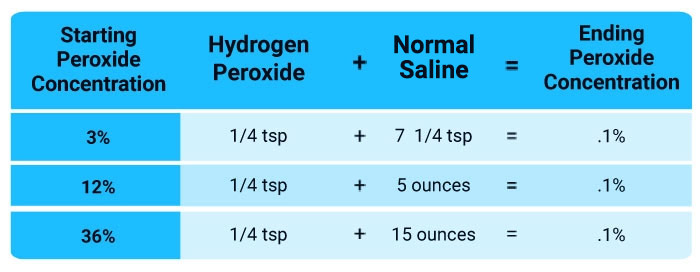
Typically, food grade peroxide is available in 3% or 12% concentrations and should be diluted to 0.1% as outlined in the chart below.
Hydrogen peroxide (H2o2) is a water molecule (H2O) It has additional oxygen atoms and it is these additional oxygen atoms that can inactivate viral pathogens.
Some immune cells actually produce hydrogen peroxide to destroy pathogens. Virus reproduction is stopped by killing infected cells. So hydrogen peroxide therapy is essentially about helping immune cells perform their natural functions more effectively.
When to Seek Medical Treatment
Viral conjunctivitis usually clears up on its own, but certain situations require professional medical evaluation. Persistent or intense eye pain may indicate a more serious condition that requires immediate attention.
Increased sensitivity to light may be a sign of corneal involvement or other complications that require immediate evaluation by an ophthalmologist. Changes in vision should also be taken seriously and evaluated to rule out more serious problems.
Viral conjunctivitis can cause complications such as keratitis. If left untreated, corneal inflammation can lead to scarring and vision loss. Bacterial superinfections may also occur and require antibiotic treatment.
Infants, the elderly, and people with weakened immune systems should be given special consideration as they are more susceptible to serious infections and complications.
Dispelling the Myths About Viral Conjunctivitis
For accurate understanding and effective management, it is important to clarify common misconceptions about conjunctivitis.
One common misconception is that all conjunctivitis is highly contagious. Viral conjunctivitis is indeed contagious, but bacterial and allergic conjunctivitis are not necessarily contagious. Understanding the specific types can help you effectively manage the risk of transmission.
Another myth is that antibiotics are effective against viral conjunctivitis. Antibiotics are only effective for bacterial infections and not for viral causes. Misuse of antibiotics can lead to antibiotic resistance and other side effects, highlighting the importance of accurate diagnosis.
Additionally, the belief that viral conjunctivitis always requires medical treatment is not entirely accurate. In most cases, it resolves spontaneously with supportive care. However, serious or complex cases may require medical intervention, so it is important to recognize when professional help is needed.
Supports overall eye health
Even if you have no symptoms, regular eye exams can help detect problems early and keep your eyes functioning at their best. It is recommended that you get a checkup every year, especially if you wear contact lenses or have a history of eye disease.
Protective measures are also important. Wearing protective glasses or goggles during activities that pose a risk to your eyes, such as sports or certain work environments, can help prevent injury and infection.
Maintaining a healthy lifestyle also helps with eye health. Avoiding smoking reduces your risk of eye diseases such as cataracts and macular degeneration. It is also important to manage chronic diseases such as diabetes and high blood pressure as they can have a negative impact on eye health.
In conclusion, viral conjunctivitis is common and often clears up on its own, but it can cause significant discomfort and discomfort. Understanding the causes, recognizing the symptoms, and using natural remedies, such as nebulized hydrogen peroxide, can help you effectively manage and prevent this condition.
Adopting a holistic approach that focuses on hygiene, nutrition, immune support, and natural remedies will improve your eye health and overall well-being over the long term.
Test your knowledge with today’s quiz!
Take today’s quiz to see how much you learned from yesterday’s Mercola.com article.
What are the main benefits of starting with a “maintenance phase” before attempting fat loss?


