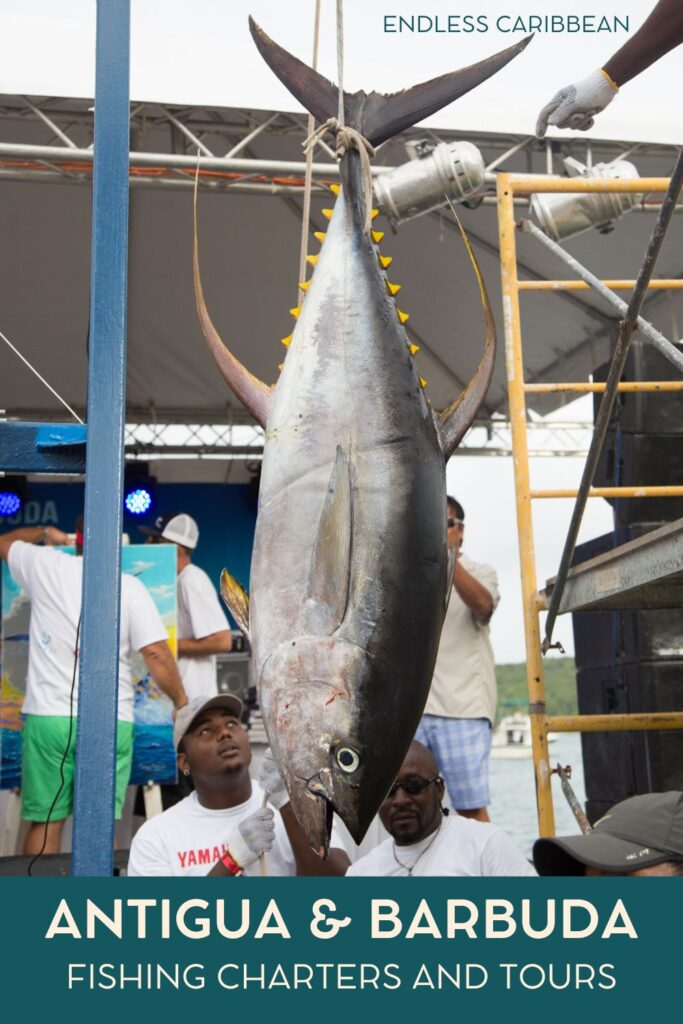
The range of Antigua and Barbuda fishing charters and tours will suit every skill level and interest. Guests can choose from inshore reef trips and family-friendly half-day outings to full-day deep-sea excursions targeting marlin, tuna, wahoo, and mahi-mahi. When making plans, choose a charter based on the species you want to target, the time you have, and whether you prefer a relaxed day of snorkel-and-lunch stops or an adrenaline-fueled big-game chase.
The top ranked fishing charters will guide you to the island’s best fishing grounds, customize itineraries, and often combine fishing with snorkeling and beach picnics for a fuller day on the water. You can expect clear descriptions of trip types, honest advice on what to pack and book, and practical tips for maximizing catch rates and comfort during the outing.
Types of Fishing Charters in Antigua and Barbuda
Antigua and Barbuda offers options that target large pelagics on the open ocean, productive reef and nearshore waters, and flexible tour formats that suit solo anglers, families, or groups. Choice depends on desired species, trip duration, and level of service.
Deep Sea Fishing Experiences
Deep sea trips head to offshore grounds several miles from shore, where marlin, tuna, wahoo, and mahi-mahi are most commonly targeted. Charters typically run 6–12 hours and use trolling, kite fishing, or heavy tackle setups to handle fast, powerful fish.
Experienced captains read currents and floating debris lines to find feeding fish and often provide tackle, licenses, and iced fish boxes. Anglers should bring sunscreen, non-slip shoes, and motion-sickness remedies. Most charters have trusted and skilled deck crews who usually assist with hookups and photos. Pricing may vary with boat size, duration, and included amenities, so anglers should confirm fuel, bait, and crew gratuity policies before booking.
Reef and Inshore Fishing Charters
Reef and inshore charters stay closer to Antigua’s fringing reefs, drop-offs, and estuaries to target snapper, grouper, kingfish, and barracuda. Trips are shorter—typically 3–6 hours—and focus on bottom fishing, light tackle casting, or fly fishing in calmer coastal waters.
These charters suit families and less-experienced anglers because sea conditions are milder and bite opportunities are frequent. Captains often combine this type of fishing charter with snorkeling or coastline sightseeing. Anglers should request what gear and bait are provided and mention any mobility or age considerations when booking.
Private vs Group Charter Tours
Private charters reserve the entire boat and crew for one party, offering flexible departure times, custom itineraries (e.g., combining fishing and snorkeling), and a higher level of personalized service. They work well for families, couples, or serious anglers seeking focused time on specific species.
Group charters split cost among several parties and follow fixed itineraries and schedules. They lower per-person price but offer less customization and may limit the number of lines or equipment per angler. Both options usually state maximum passenger counts, safety equipment, and cancellation policies up front. To choose a group charter, anglers should compare inclusions like drinks, meals, and fish cleaning.
Antigua and Barbuda Fishing Charters and Tours
Antigua and Barbuda fishing charters offers a range of options tailored to everything from light fly-fishing in shallows to blue-water game fishing. Because of the islands’ unique position in the island chain, fishing is very popular and there are many companies which offer fishing trips.
Antigua Fly Fishing Charters
Antigua Fly Fishing Charters specializes in sight-casting for bonefish, permit, and tarpon in shallow flats and mangrove lagoons. Guides use poling skiffs or small center consoles to stealthily approach feeding fish and often provide fly rigs, polarized sunglasses, and instruction for anglers new to tropical flats work.
Trips typically last half to full days, with morning departures favored for calm winds and clearer sight-lines. Anglers should expect detailed briefings on leader selection, fly choice, and local tide timing. Conservation-minded practices such as single-hook flies and catch-and-release are standard.
Mystic Amara III – Deep Sea & Bottom Fishing Charters
Mystic Amara III runs offshore trips focused on deep-sea and bottom fishing for tuna, mahi-mahi, wahoo, and bottom species like snapper and grouper. The vessel is equipped with conventional tackle, live-bait setups, and downriggers for targeting fish at varying depths.
Captain Leroy, noted for more than 20 years’ experience in Antigua waters, plots routes to known current lines and seamounts where pelagics aggregate. Trips accommodate families and serious anglers; options include half-day nearshore runs or full-day blue-water excursions. Safety gear, iced fish boxes, and basic tackle are included; anglers can request specific tackle or bait.
Obsession Charters
Obsession Charters operates private charters that blend sportfishing with snorkeling and beach stops for groups seeking a mixed-day experience. Their typical itinerary pairs morning trolling for pelagics with midday reef stops for snorkeling and shoreline visits.
The crew customizes trip length and activities based on group skill and interest, offering light tackle for casual anglers or heavy tackle for big-game pursuits. Pricing usually scales by vessel size and hours, and reviews highlight friendly captains who adapt plans to weather and group needs.
Pacific Marlin
Pacific Marlin focuses on big-game gamefishing with boats rigged for marlin, sailfish, and large tuna. The operation emphasizes high-speed trolling, spread management, and experienced crew work to hook and fight large billfish.
Boats carry tuna and marlin-specific tackle, fighting chairs or stand-up stations, and experienced deckhands who handle gaffing and tag-and-release procedures when requested. Anglers should bring tournament-style conditioning and be prepared for long runs offshore; charters commonly run full-day or multi-day trips for the best shot at marlin.
Hardcore Fishing
Hardcore Fishing offers more intense sportfishing trips targeting trophy pelagic species using heavy tackle, live-baiting, and deep chumming techniques. The outfit caters to experienced anglers looking for sustained action and high-hook-rate programs.
Crews emphasize equipment readiness, rig tuning, and proven fishing grounds, often moving quickly between productive spots. Trips are physically demanding; guests should be prepared for extended fights and cooperatively working with crew during boat-side handling and fish care.
Blackfin Sportfishing & Tours
Blackfin Sportfishing & Tours provides a mix of inshore and offshore options with a focus on customer service and turnkey experiences. Boats range from center consoles for flats work to larger sportfishing boats for blue-water trips.
They supply rods, reels, tackle, ice, and life jackets, and will recommend trip length based on target species—nearshore snapper and reef trips for families, or full-day tuna and mahi excursions for anglers. Reviewers note punctual pickups, clean boats, and knowledgeable captains who balance instruction with effective fishing strategies.
Overdraft Antigua
Overdraft Antigua specializes in private charters that emphasize flexibility—custom itineraries, multi-activity days, and catering to both first-time anglers and experienced fishermen. The operation commonly integrates snorkeling and beach visits with fishing for a balanced day on the water.
Vessels carry mixed tackle sets to accommodate light spinning, conventional offshore setups, and fly-fishing needs on request. Crew members focus on guest comfort, fish handling, and maximizing time on productive reefs and offshore grounds while adjusting for wind and sea state.
Top Fishing Spots and Tour Locations
There are several offer reliable big-game grounds and protected inshore flats in Antigua and Barbuda. Offshore, marlin, tuna, and mahi-mahi offshore are plentiful, while bonefish, tarpon, and snapper populate the shallows and reef edges.
Popular Deep Sea Destinations
The waters east and south of Antigua drop quickly to productive deep-water structure. Routes out of St. John’s, Falmouth Harbour, and Jolly Harbour head to seamounts and channels where blue and white marlin, yellowfin tuna, and wahoo are most often hooked.
Captains typically target the Atlantic-facing shelf and the Eastern Banks at dawn and late afternoon when pelagics feed. Trips last 4–8 hours for nearshore sport and 8–12+ hours for true deep-water game fishing.
On this type of trip, you can expect trolling with heavy tackle, live-bait patterns, and circle hooks for billfish. Seasonality peaks from March through July for marlin and tuna, though mahi-mahi appear in warmer months.
Renowned Inshore Fishing Areas
Shallow bays, mangrove creeks, and reef passes around the north and west coasts provide consistent inshore action. Areas near English Harbour, Nonsuch Bay, and the lagoon behind Great Bird Island are known for bonefish, snook, and snapper.
Guides use light tackle, sight-fishing wading, and drifting over reef heads to reach species that favor seagrass flats and rocky drop-offs. Half-day charters commonly include snorkeling stops at nearby cays after fishing.
Conservation-minded captains promote catch-and-release for bonefish and enforce size limits for reef species to sustain local populations.
What to Expect on Fishing Tours
On a traditional fishing tour in Antigua and Barbuda, you can expect sturdy, well-maintained boats, licensed captains, and a mix of reef, nearshore, and deep-water fishing suited to the group’s skill level. Trips commonly include basic safety briefings, bait and tackle, and local knowledge about current fish activity and best times to fish.
Equipment and Gear Provided
Charters usually supply rods, reels, terminal tackle, and a selection of live or cut bait. Anglers can expect conventional spinning or trolling outfits sized for the targeted species—light tackle for dorado and wahoo, heavier gear for marlin and tuna.
Safety on the water, whether on a boat or in the water is paramount. Boats are equipped with standard safety and convenience gear – life jackets for all passengers, radio or VHF communication, and basic first-aid kits. Many operators also provide coolers with ice, fish boxes, and cleaning stations for catches.
Guests should confirm if specialty items—fighting chairs, gaffs, or fly-fishing setups—are available or if they must bring personal equipment. If guests require polarized sunglasses, sunscreen, or sea-sickness remedies, they should pack those themselves.
Typical Itineraries
Half-day trips (4–5 hours) often fish reef edges and wrecks within a 10–20 nautical mile range. These runs suit families and casual anglers targeting snapper, kingfish, and mackerel.
Full-day charters (8–10 hours) combine nearshore trolling and deeper-water drift or live-bait tactics. These trips aim for mahi-mahi, wahoo, tuna, and occasionally billfish, depending on the season.
Custom multi-site itineraries are common: a morning of trolling for pelagics, a midday stop for snorkeling or lunch at a nearby island, and an afternoon reef session for bottom fish. Captains typically adjust the route based on weather, sea state, and real-time bite reports.
Seasonal Fish Species
Fishing changes with water temperature and migratory patterns. From winter into spring, tuna and wahoo increase near offshore banks as currents shift and bait moves.
Mahi-mahi and sailfish peak in late spring through fall when warmer surface temperatures attract bait schools. Reef species—snapper, grouper, and jacks—remain available year-round but fluctuate in size and abundance.
Captains monitor local reports and can advise which species are most likely on any given day. Anglers seeking a specific catch should book trips aligned with the known seasonal windows for that species.
Planning Your Antigua and Barbuda Fishing Adventure
Trip timing, booking strategy, and compliance with local rules determine the quality of a fishing day in Antigua and Barbuda. Choosing the right season, reserving the right type of charter early, and carrying required documents will keep the trip smooth and legal.
Best Times of Year to Visit
Peak sportfishing runs from late November through May, when trade winds are steady and visibility improves for deep-sea trolling. Marlin and tuna show most reliably in winter months; wahoo and smaller pelagics increase in late spring and early summer.
For calmer near-shore and reef trips, April to June often provides lighter winds and excellent snorkeling if the itinerary mixes fishing with beach stops. Hurricane season (June–November) raises the chance of cancellations and rough crossings, especially to Barbuda, so travelers should monitor forecasts and opt for flexible bookings.
Charter operators commonly schedule half-day near-shore trips in the morning and full-day offshore trips starting at dawn. If you want to target a specific species, you should tell the captain when booking so gear and bait can be prepared.
Booking and Reservations
Where possible, you should book as far ahead as possible for high season (December–April) and holiday weeks like Christmas and Carnival. Private charters and specialized sportfishing trips can sell out weeks or months in advance, while shared trips may fill closer to departure dates.
You should also confirm what’s included: fuel, tackle, bait, ice, fishing licenses, and port fees. Ask whether gratuity, snorkeling gear, lunches, or transfers are extra. Request the boat’s average range and safety equipment—life jackets, VHF radio, and emergency kit—before finalizing.
When researching Antigua and Barbuda fishing charters and tours, use reputable review sites and operator websites. Look for reviews, recent photos of the boat, captain credentials, and trip prices and details. For same-day plans, call marinas like Jolly Harbour or English Harbour directly to check real-time availability.
Local Regulations and Licensing
Anguilla requires no international fishing license for visiting recreational anglers in Antigua and Barbuda. However, operators often include local license fees in the charter price—confirm this to avoid surprises. Catch-and-release is common for billfish because some species have minimum sizes and seasonal protections.
Fishermen must follow local rules for protected areas and marine reserves. Fishing inside designated conservation zones can result in fines. Captains are typically knowledgeable about closures and size limits, but anglers should ask to see current regulations or a charter’s compliance policy.
If travelers intend to keep fish, verify cleaning, storage, and export rules. Customs and health rules may restrict carrying fresh fish on flights. The charter or marina can advise on proper documentation and refrigeration.
Travel Tips and Recommendations
You should always choose charters with experienced captains and clear price breakdowns. When preparing, select gear that suits the trip type (inshore, nearshore, or deep-sea). Remember to pack sun protection, motion-sickness remedies, and paperwork. See conditions can change quickly when in the open water, so plan accordingly.
Sustainable Fishing Practices
Anglers should always follow local regulations. There may be bag limits, seasonal closures, and protected species lists. Always respect size limits and release undersized or protected fish immediately using circle hooks when possible, to reduce gut-hooking.
Catch-and-release techniques matter. Wet hands before handling, minimize air exposure to under 30 seconds, and revive large pelagics by gently moving the fish through the water until it swims. Use dehooking tools and pliers to speed hook removal.
To reduce fight time and stress, choose tackle that matches the target species. If you want to avoid gaffs on releasable fish, use a rubberized net for safer landings. Support charters that participate in tagging programs or collect data for local conservation groups. The best charters will guide you on what is acceptable in Antigua and Barbuda.
What to Bring for Your Trip
Carry government-issued ID, printed or digital confirmation of the charter, and emergency contact details. Bring cash for tips and small purchases; many remote docks have limited card access.
Pack sun protection: reef-safe sunscreen (SPF 30+), polarized sunglasses with retainer, a wide-brim hat, and lightweight long-sleeve UV shirts. Layers help for early-morning chills or spray from the bow.
Include seasickness measures: non-drowsy patches or oral meclizine, ginger chews, and water. Footwear should be non-marking deck shoes or sandals with straps. Bring a small dry bag for phone, medications, and camera; label valuables and secure them in waterproof cases.
Image: Antigua and Barbuda Tourism Authority