Some are perfect turquoise postcards that look fake in photos. Others require a two-hour hike, a liter of sunscreen, and a small prayer to whatever saint watches over people who forgot water shoes. And honestly? A lot of them are not worth the effort.
Here are the ones that actually are, organized so you can plan your days without losing your mind trying to see everything. If you’re working with limited time, our one week in Mallorca itinerary maps out the best beaches by day.
The Famous One (Es Trenc)
Let’s get the big one out of the way first. Es Trenc is a 2km stretch of white sand with no buildings behind it, just low scrubby dunes and salt flats. The water is that almost-offensive shade of turquoise that makes people comment “is this really Spain??” on your Instagram.
Yes. It is. And yes, it lives up to the hype. At least the water does.

The catch? In July and August, this place is an absolute zoo. We’re talking towel-to-towel, fighting-for-parking, someone’s-speaker-playing-reggaeton level crowded. Parking runs €5-7 and sunbeds are €10-15, which feels steep until you realize you walked 20 minutes from the lot in flip-flops.
My advice is to go in May or September. The water is still beautiful, and you can actually find a spot that doesn’t involve spooning a stranger. Walk further from the main parking lot entrance and the crowds thin out fast.
One more thing. The salt flats behind the beach sometimes have flamingos. *Flamingos.* In Mallorca. Nobody talks about this enough.
The Southeast Cove Hop (Best Beach Day in Mallorca)
If I had to pick one single day of beaches in Mallorca, it would be this loop. The southeast coast between Santanyí and Cala Figuera has the highest concentration of jaw-dropping coves on the island, and they’re all within a 15-20 minute drive of each other.
Start at Cala Mondragó. It’s technically two beaches inside a natural park. S’Amarador is the prettier of the two, with softer sand and better snorkeling along the rocks on the left side. The water is shallow and calm, which makes it great for swimming without getting slapped by waves every 30 seconds.
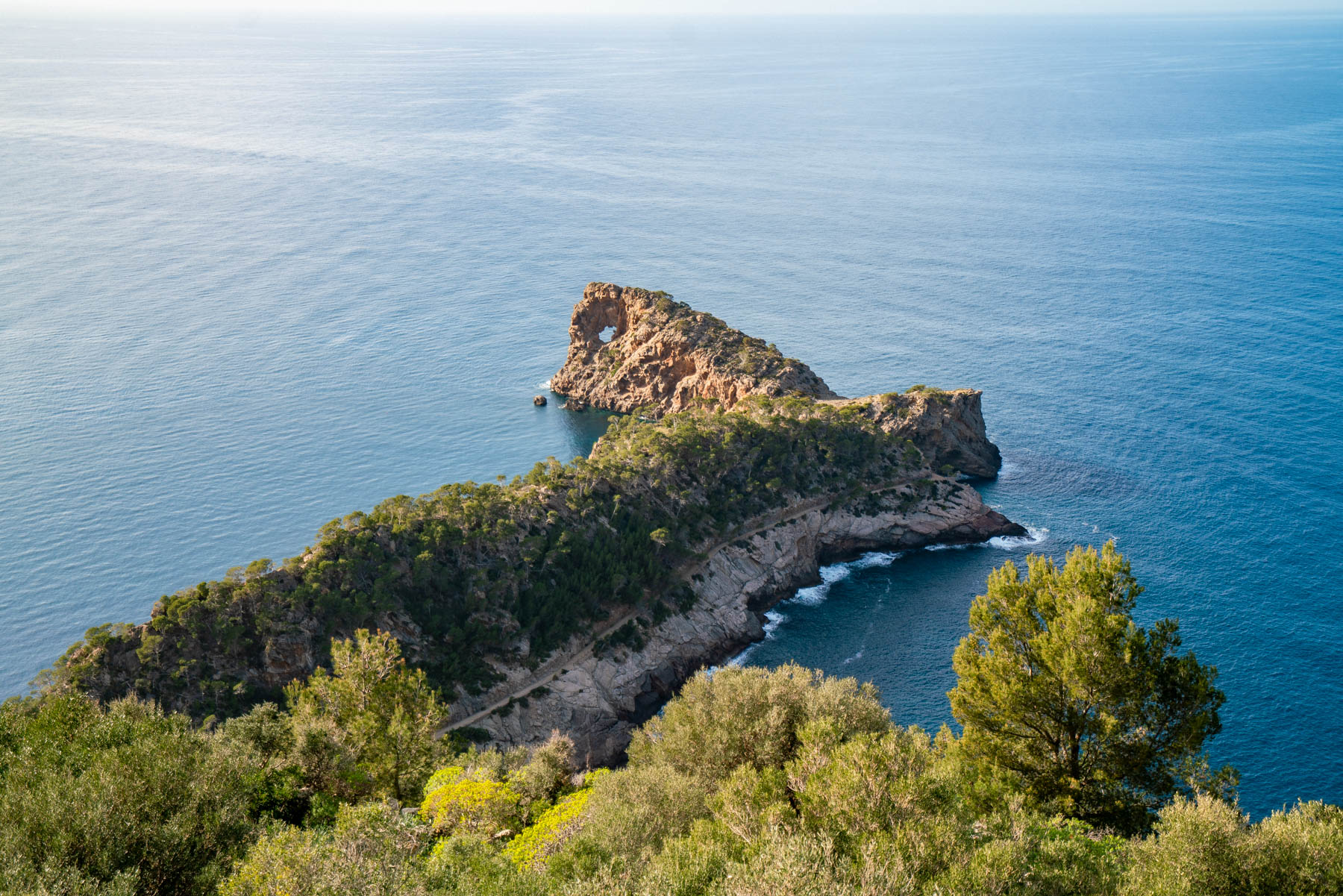
Then drive to Cala Llombards. It’s a tiny sheltered cove that feels like someone scooped it out of the cliffs with a spoon. The beach itself is small, so don’t come at noon expecting space. But walk the cliffs to the right and you’ll find the view of Pontàs, that massive natural rock arch over the sea. It’s one of those spots that makes you go “oh, okay, I get why people love this island.”
Next up is the Instagram darling, Caló des Moro. I’ll be honest. It *is* as pretty as the photos. The water in that tiny slot between the cliffs is almost neon turquoise. But here’s the thing everyone leaves out of their captions. It’s absolutely tiny. Like, maybe 30 people fit comfortably. So either show up before 9am or accept that you’ll be standing on a cliff looking down at it, which is still a great view but not exactly what you planned.
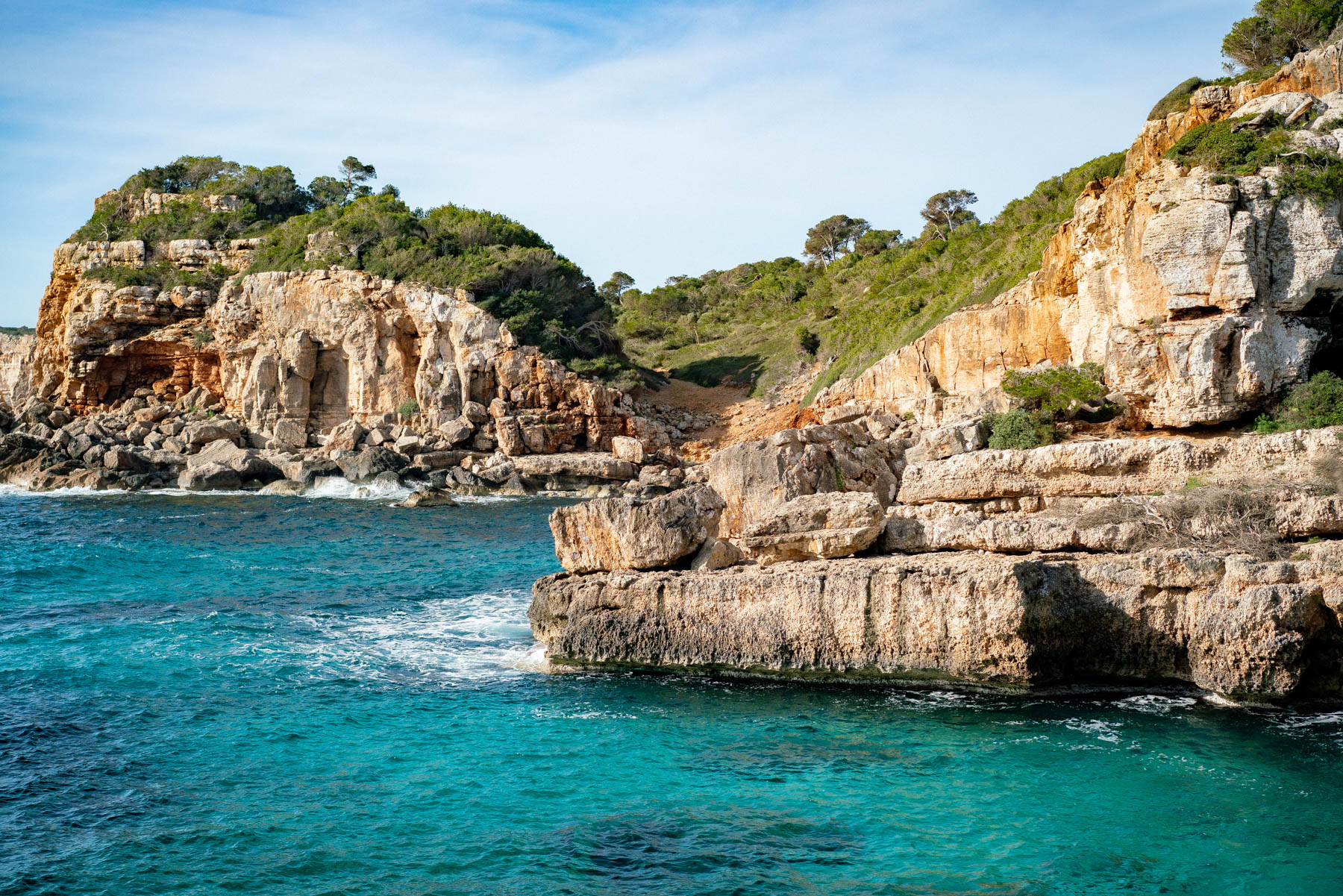
Right next door is Cala S’Almunia, which is slightly bigger and has these old fishing boathouses carved into the rock. Fewer people, same gorgeous water, and you don’t have to set an alarm at dawn to enjoy it. This is the underrated sibling that I actually prefer.
If you’re planning things to do in Mallorca, put this cove loop at the top of your list. Nothing else on the island comes close for a single day of beach hopping.
The Wild Ones (Bring Water and Good Shoes)
These are the beaches for people who think parking lots and sunbed rentals are too easy. You’ll earn every one of these.
Cala Varques is about a 20-25 minute walk from where you park your car on the side of a dirt road. There are zero facilities. No bathrooms, no snack bars, no lifeguards. What you get instead are sea caves you can actually swim into, water so clear you can see fish from the cliff above, and the smug satisfaction of having worked for it. One note: access to Cala Varques has been legally disputed on and off for years. Check with locals or your hotel before making the trek, because sometimes the path is closed.
Cala Marmols is the big one. This is a 5-6km hike each way from the lighthouse at Cap de ses Salines. That’s about 2 hours of walking. In the sun. With no shade. Bring at least 2 liters of water per person and wear real shoes, not the cute sandals you bought at the Palma airport.
But the marble cliffs (that’s literally what “marmols” means) and the completely empty beach at the end are worth every sweaty step. I’ve never felt more accomplished lying on a beach in my life.
Platja des Coll Baix near Alcúdia takes about 30-40 minutes of hiking down a rocky trail. The beach sits at the base of massive cliffs that make you feel tiny. It’s dramatic and wild and the kind of place where you eat your squished sandwich and feel like an adventurer.
Cala Bóquer near Pollença is a 30-minute hike through a valley, and you’ll almost definitely see mountain goats along the way. The beach itself is rocky, not sandy, so don’t expect to lie down comfortably. But the water is crystal clear, the setting is wild, and you’ll probably share it with about six other people and several goats. Fair trade.
The North Coast
The north of Mallorca is where you go if you want longer beaches, warmer shallow water, and the classic postcard shots with pine trees leaning over turquoise bays.
Cala Formentor is *the* classic Mallorca photo. Pine trees growing right to the edge of pale sand, water that shifts from emerald to deep blue. It’s beautiful in that way where you take 47 nearly identical photos and think every single one is a masterpiece. Fair warning though: from June through September, private cars are banned from the road and you’ll need to take a shuttle bus from Port de Pollença. It’s not a big deal, but plan for it.
Playa de Muro is 6km of sand along the Bay of Alcúdia with water so shallow you can walk out what feels like forever. It’s the best family beach on the island, hands down. The water stays warm because it’s shallow, little kids can splash around safely, and there’s enough space that even in August you won’t feel packed in. The secret is to walk to Sectors 3 and 4, away from the hotel zone. It thins out fast.
Cala Mesquida surprised me. It has actual sand dunes behind it, golden sand instead of white, and it gets real waves. If you’ve been to a dozen flat-calm turquoise coves and want something with a little more energy, this is your beach.
Cala Sant Vicenç is actually three separate coves tucked between rocky headlands. Cala Clara is the best of the three for snorkeling. The fish life right off the rocks is surprisingly good, and the water visibility is ridiculous.
The Tramuntana Coast (Dramatic but Rocky)
Let me be upfront. These are not sunbathing beaches. You’re not going to spread out a towel and nap comfortably on any of them. They’re dramatic scenery that happens to have water you can swim in, and that’s why they’re special.
Sa Calobra and the Torrent de Pareis are famous for good reason. The drive alone is wild. The road down to Sa Calobra has a 270-degree loop where the road literally crosses over itself. At the bottom, you walk through a short tunnel to reach a pebbly beach at the mouth of a massive gorge. The cliffs tower hundreds of meters on both sides. It’s one of those places that photos don’t do justice.
Go before 9:30am or after 5pm. Between those hours, tour buses line the parking lot and the beach is shoulder to shoulder. Early morning is genuinely magical though. You’ll have the gorge practically to yourself with morning light hitting the cliff walls.
Cala Tuent is Sa Calobra’s quiet neighbor. Same stunning road, same dramatic coastline, about a tenth of the people. Grab lunch at Es Vergeret, a little restaurant right on the beach that does grilled lamb over wood fire. It’s the kind of meal you think about for months after.
If you’re looking for the best restaurants in Mallorca, Es Vergeret deserves a spot on your list just for the setting alone.
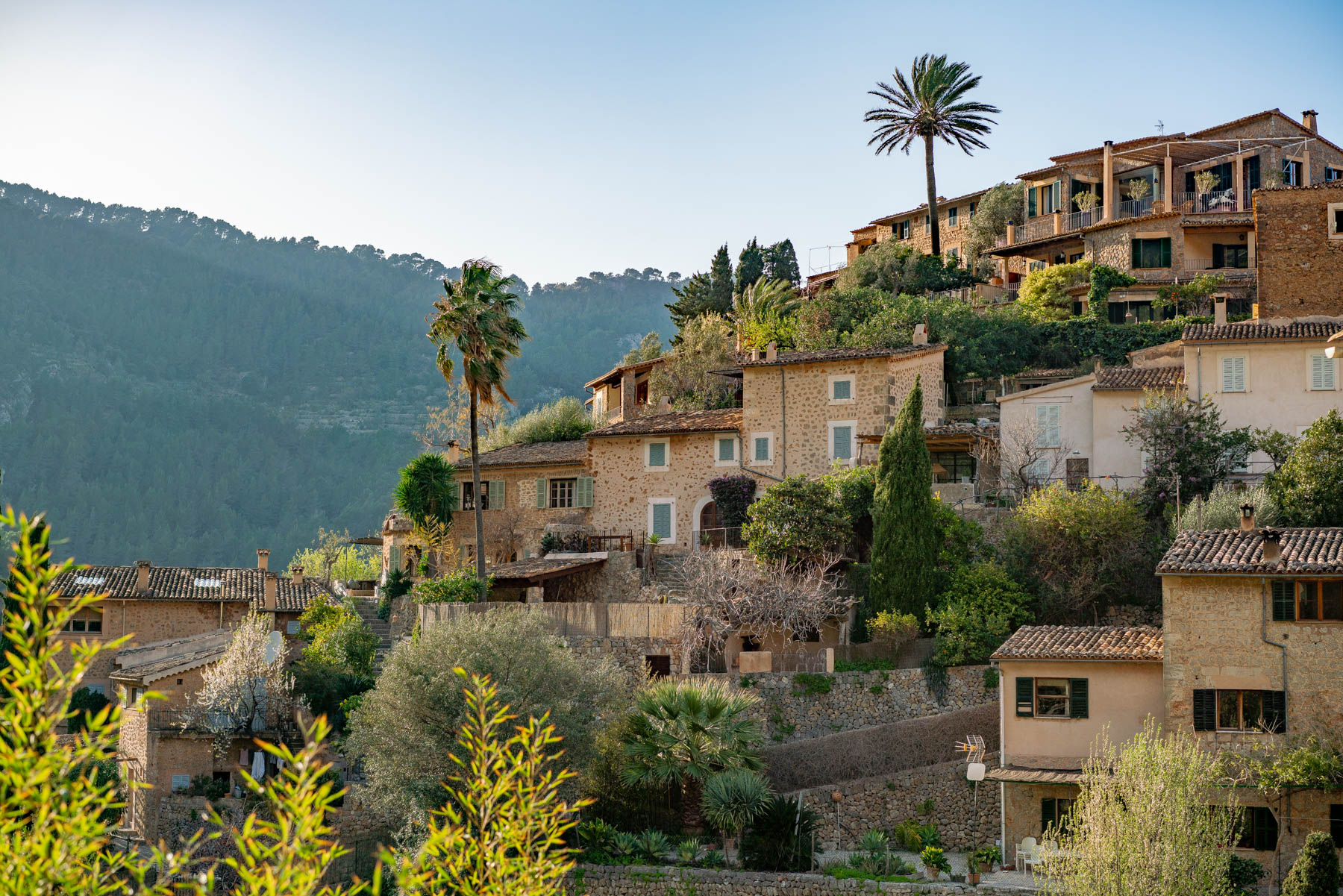
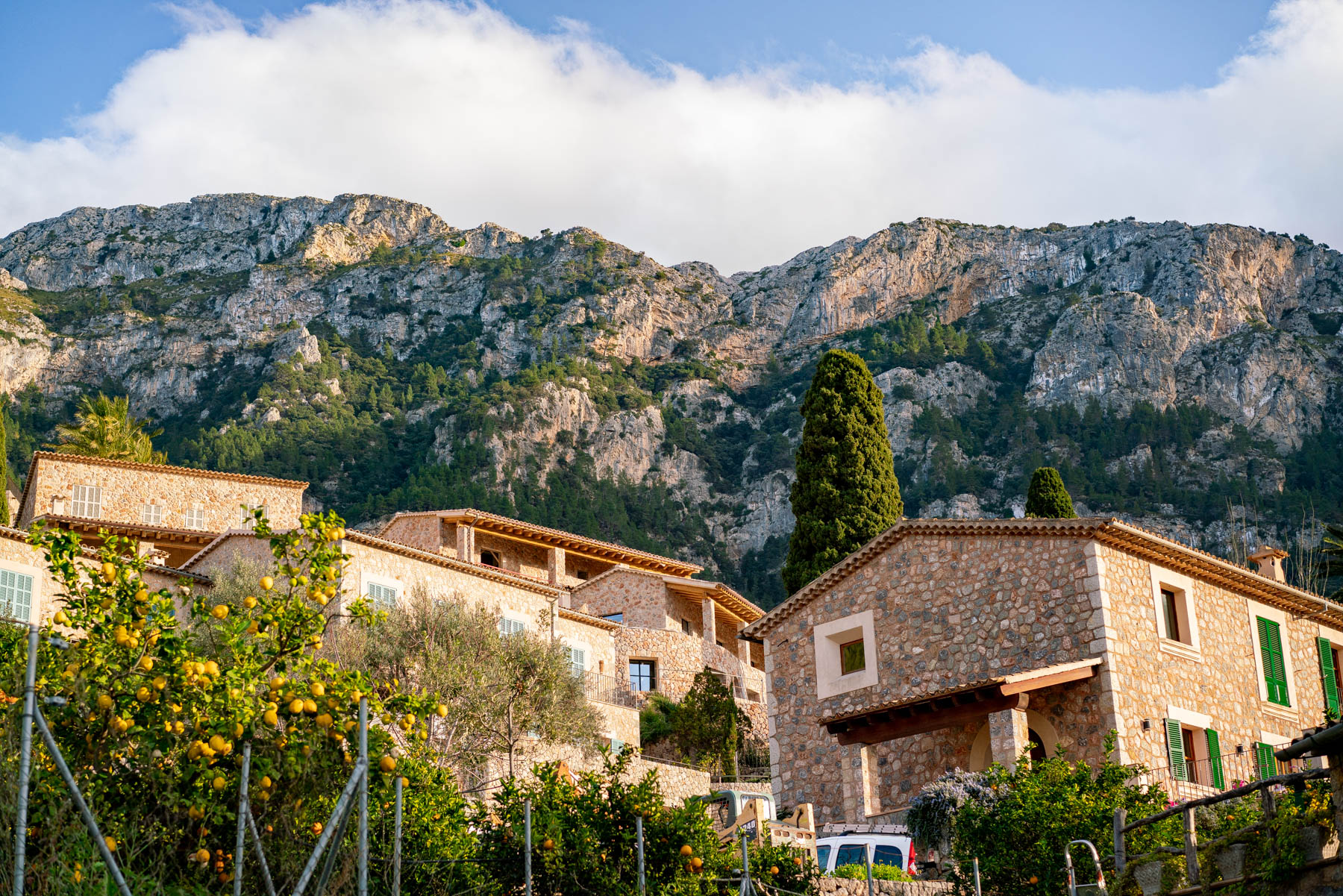
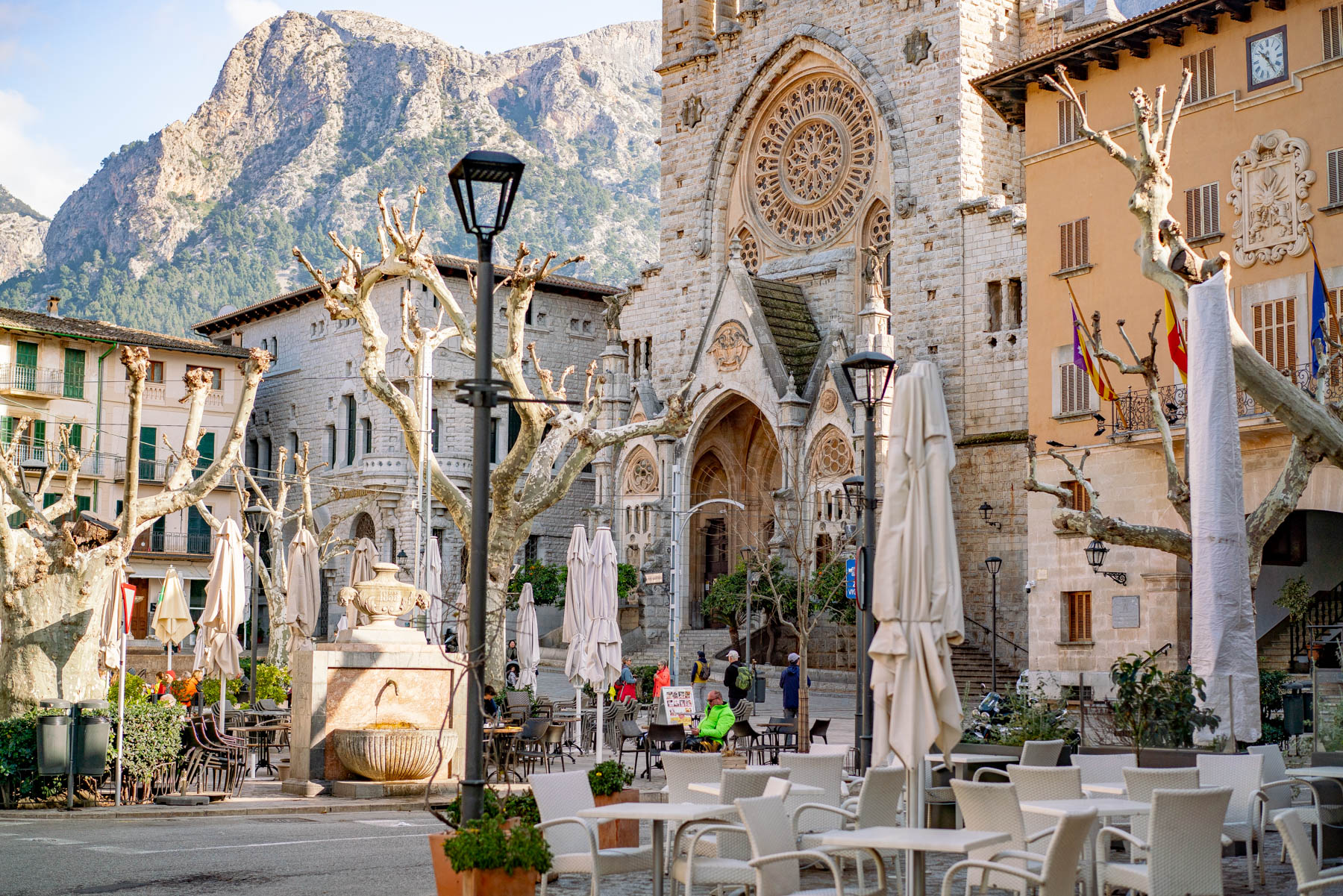
Cala Deià is a rocky cove below the beautiful village of Deià, and makes a perfect stop on a day trip to Sóller and Deià. It’s where they filmed scenes from the BBC’s The Night Manager, which you can use to justify the trip to anyone who questions why you drove 40 minutes to lie on rocks. Ca’s Patró March, the restaurant perched on the rocks above, does excellent fish and has one of the most photogenic restaurant settings in Mallorca. The portions are big and the prices are… also big. But the view is free.
Close to Palma (No Car Needed)
Not every beach day needs to involve a 90-minute drive and a parking lot prayer circle. These are all accessible from Palma by bus or a short taxi ride.
Illetas is the best beach close to Palma, full stop. The water is clear, the sand is decent, and there are a few beach clubs if you want someone to bring you a drink without getting up. It’s about 15 minutes from the center of Palma by bus. Not a local favorite by any stretch, but reliably good. If you’re deciding where to stay in Mallorca, the Illetas area puts you close to both the beach and the city.
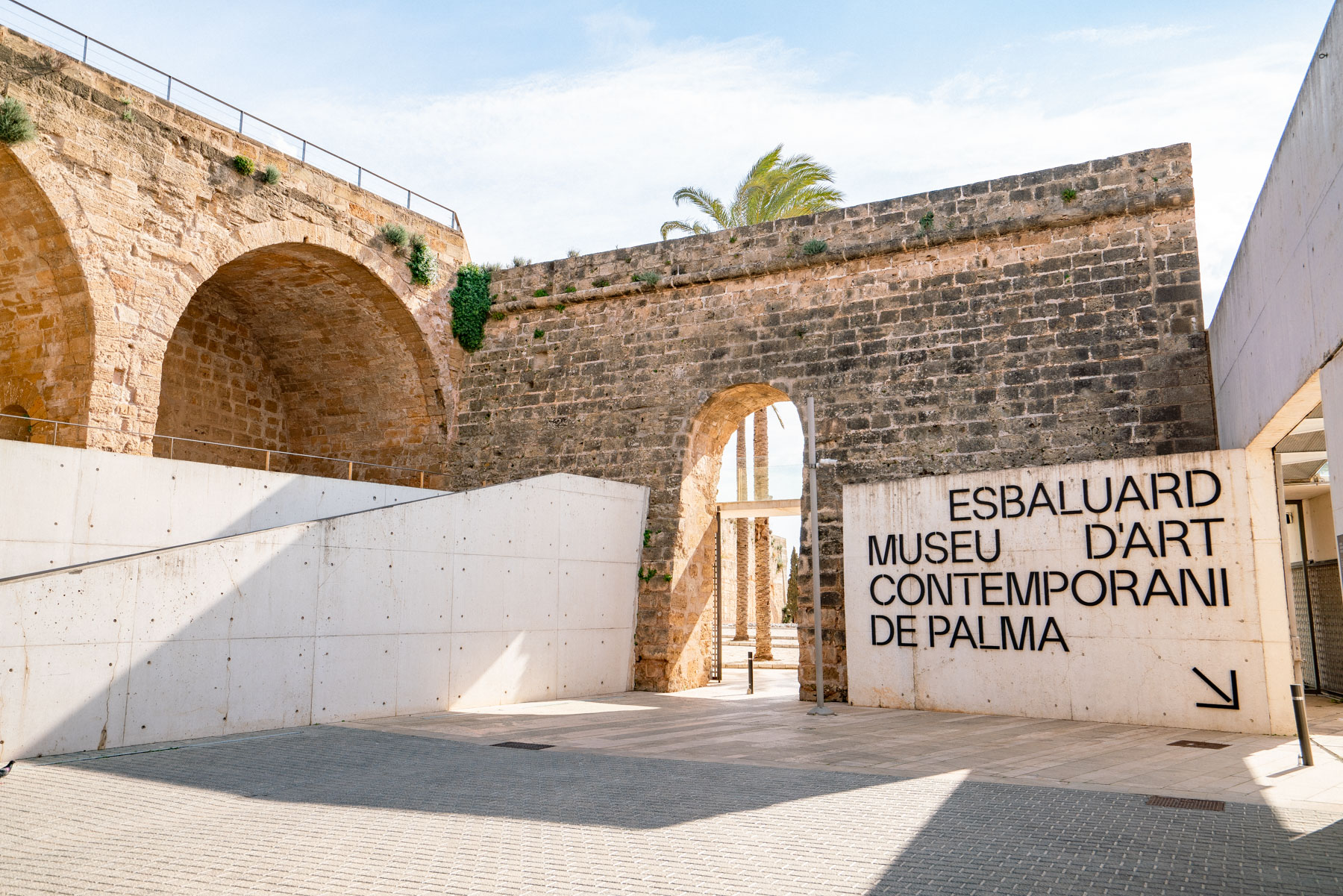
Cala Major is an urban beach, and it looks like one. But here’s why I’m including it. The Fundació Pilar i Joan Miró is right there. So you can spend a morning looking at Miró’s studio (it’s still set up like he just stepped out for coffee, it’s honestly moving), and then walk to the beach for a swim. Art plus swimming in the same morning is a pretty good deal.
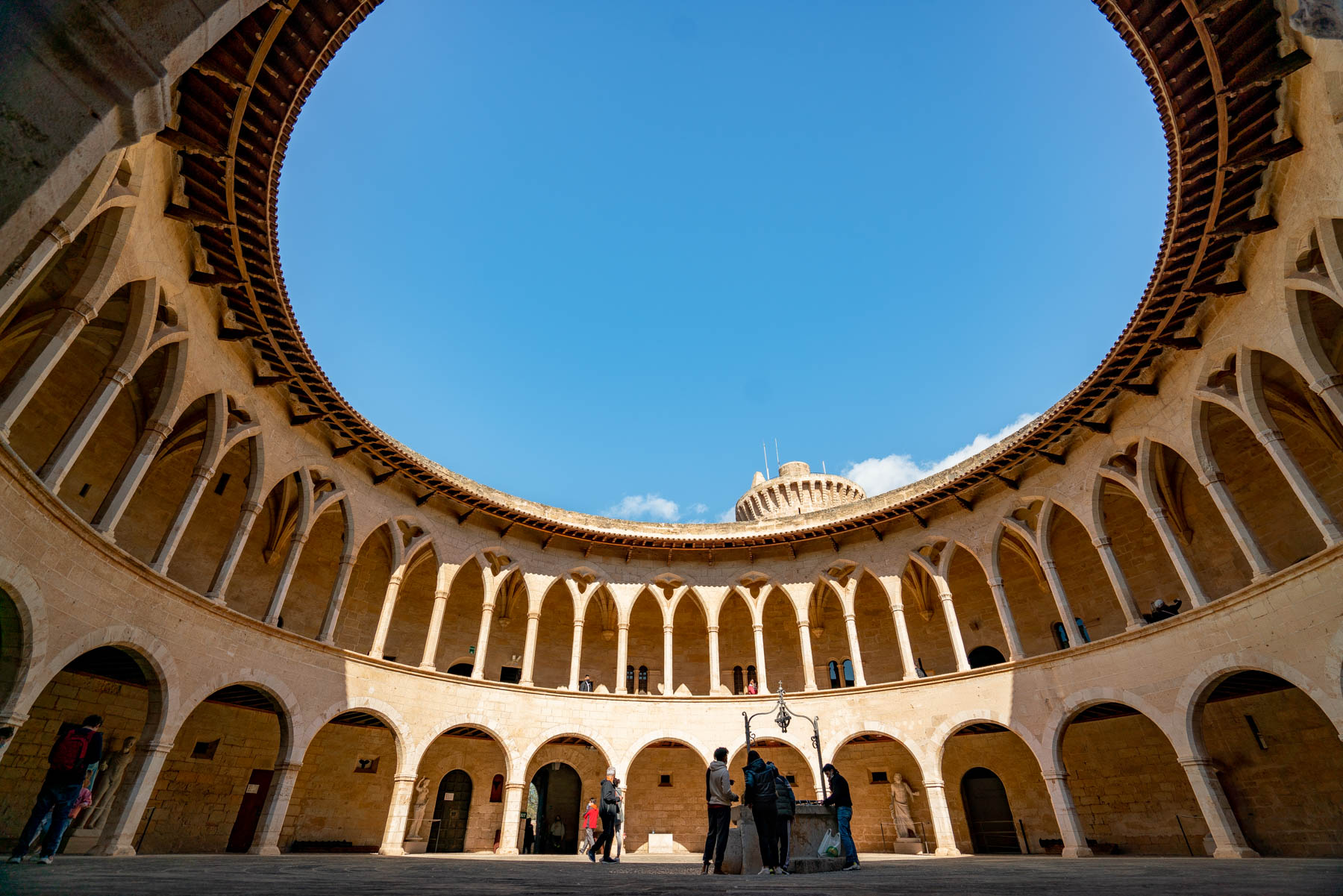
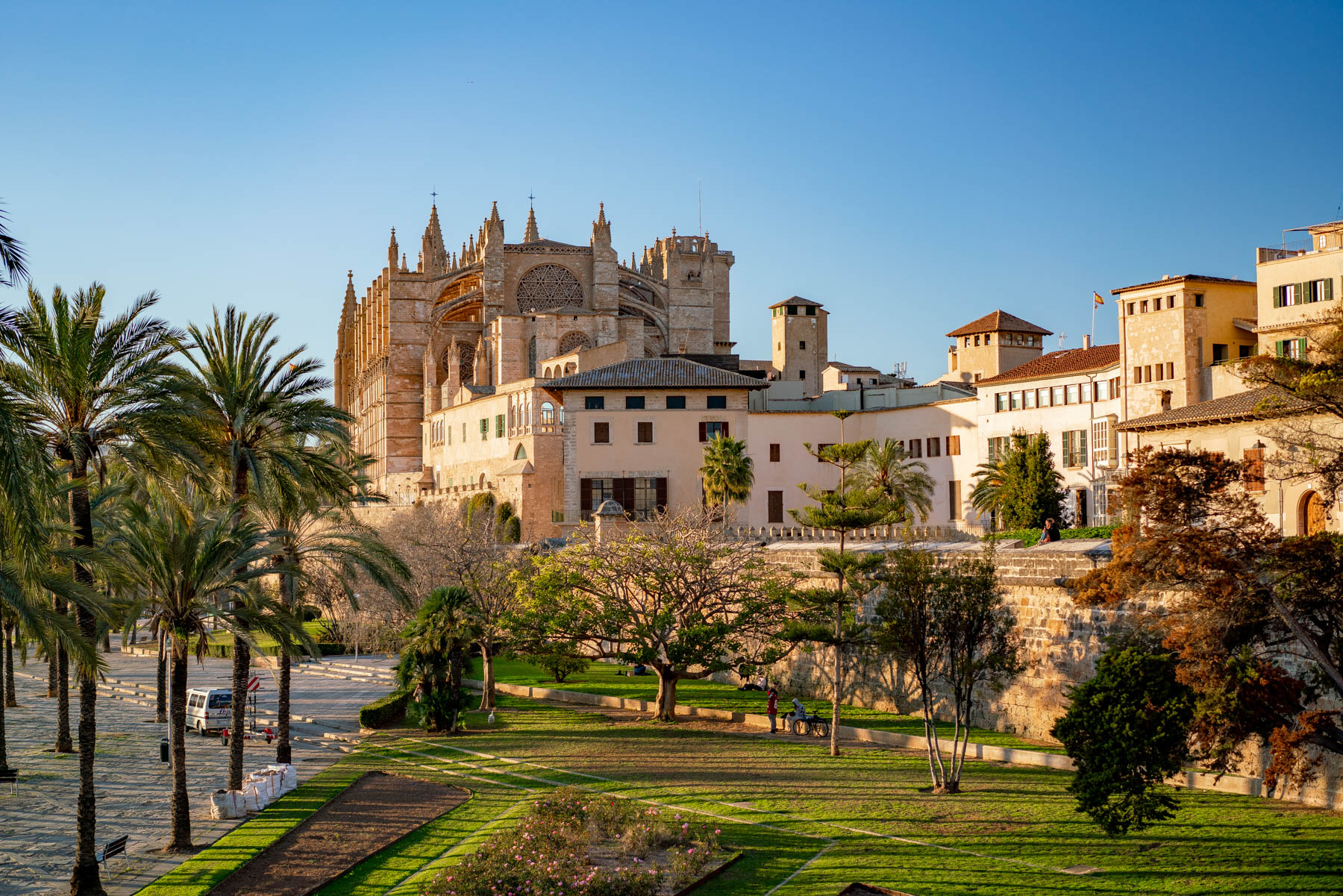
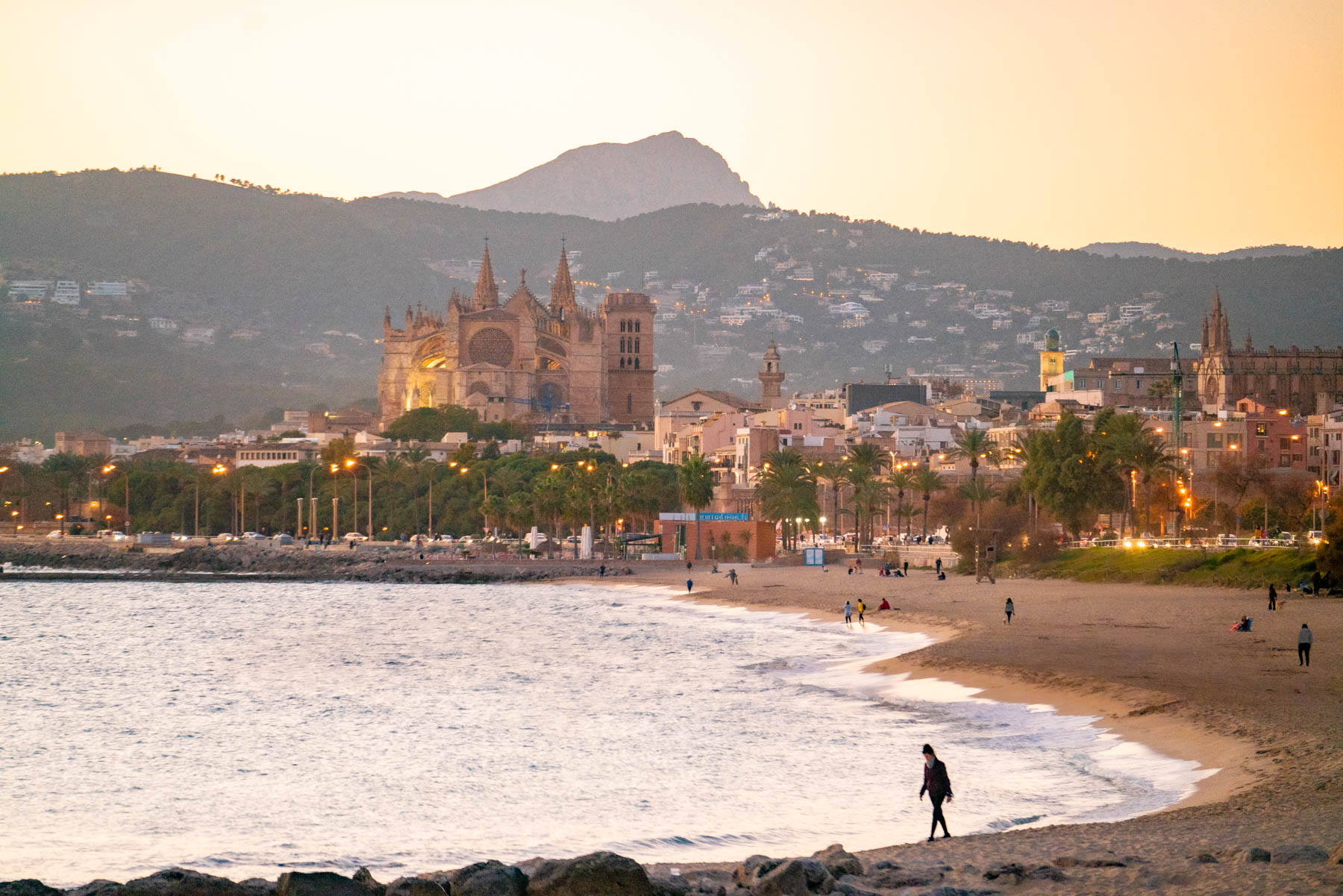
Can Pere Antoni is the city beach in Palma proper. It’s nothing special as a beach, but you can swim with a view of the Palma Cathedral rising above the old town, which is genuinely cool. Good for a quick dip, not for a beach day.
The Practical Stuff
A few things I wish someone had told me before my first Mallorca beach trip.
A rental car is mandatory if you want to see more than two beaches. The buses exist, but they don’t go to most of the good coves, and the schedules are… optimistic at best. Book your car early for summer, because prices double by June.
Arrive before 10am in summer or you will not park at the smaller calas. This is not an exaggeration. I watched a car circle the Caló des Moro parking area for 25 minutes before giving up. Don’t be that car.
Water shoes are worth packing for any Tramuntana coast beach and most of the rocky coves. Your feet will thank you.
Sunbed costs range from €6-15 depending on the beach. The fancier the beach club, the more you’ll pay. Some beaches have no services at all, so bring your own shade.
Water temperature is best from July through September, when it hovers around 25-27°C. June and October are comfortable at 21-23°C. May is swimmable but *refreshing* (that’s the polite word for cold).
Here’s a tip most guides skip. Check the wind. If there’s a north wind (tramuntana), head to the south coast. If there’s a south wind, go north. The sheltered side will have calmer, clearer water while the exposed side gets choppy and murky. This one trick will save you from showing up to a gorgeous cove that looks like a washing machine.