



Here’s something nobody tells you about Hawaii. There is no bad time to go. The weather hovers between 75 and 85 degrees pretty much all year, the water is always warm enough to swim in, and the sunsets are spectacular in every single month.
But (and this is a big but) your timing can make a real difference in what you experience, what you pay, and how crowded things feel. Whale watching season? Only a few months a year. North Shore surf? Same deal. Budget-friendly prices? Definitely seasonal.
I’ve been to Hawaii in different seasons, and I have strong opinions about when to go. Let me break it down island by island so you can plan the best trip possible.
Dry Season vs. Wet Season
Let’s start with the basics. Hawaii has two seasons, and neither of them involves snow (unless you’re on top of Mauna Kea, which is a whole different story and yes, it really does snow up there).
Dry season runs from April through October. This brings warmer temperatures, calmer ocean conditions, and less rainfall. This is peak travel season for a reason. The weather is consistently gorgeous, the water is crystal clear for snorkeling, and you can plan outdoor activities without worrying much about rain messing up your plans.
Wet season runs from November through March. It’s cooler (relatively speaking, we’re still talking mid-70s, so don’t panic), wetter, and has bigger surf on the north-facing shores. But here’s the thing that surprises most people who haven’t been.
The “rainy season” in Hawaii is nothing like the rainy season in Southeast Asia or Central America. We’re talking brief afternoon showers that last 15-30 minutes, not all-day downpours that trap you in your hotel room. You’ll see a cloud roll in, it’ll rain, a rainbow will appear (sometimes a double rainbow, because Hawaii loves to show off), and then the sun comes back out like nothing happened.
The rain also tends to hit the windward (northeast) side of each island more than the leeward (southwest) side. So if it’s raining where you are, you can literally drive 20 minutes to the other side of the island and find sunshine. Hawaii is cool like that.
Best Time to Visit Oahu
Best months: April, May, September, October
These shoulder months are the sweet spot for Oahu. You get dry season weather without peak season crowds or peak season prices. April and May are particularly beautiful, with warm temperatures and calm waters perfect for snorkeling at Hanauma Bay and swimming at Lanikai.
September and October are my personal favorites. The summer crowds have thinned out, hotels drop their rates by 20-30%, and the water is at its warmest after months of summer sun. We visited in late September once and had some beaches practically to ourselves. It felt like a cheat code.
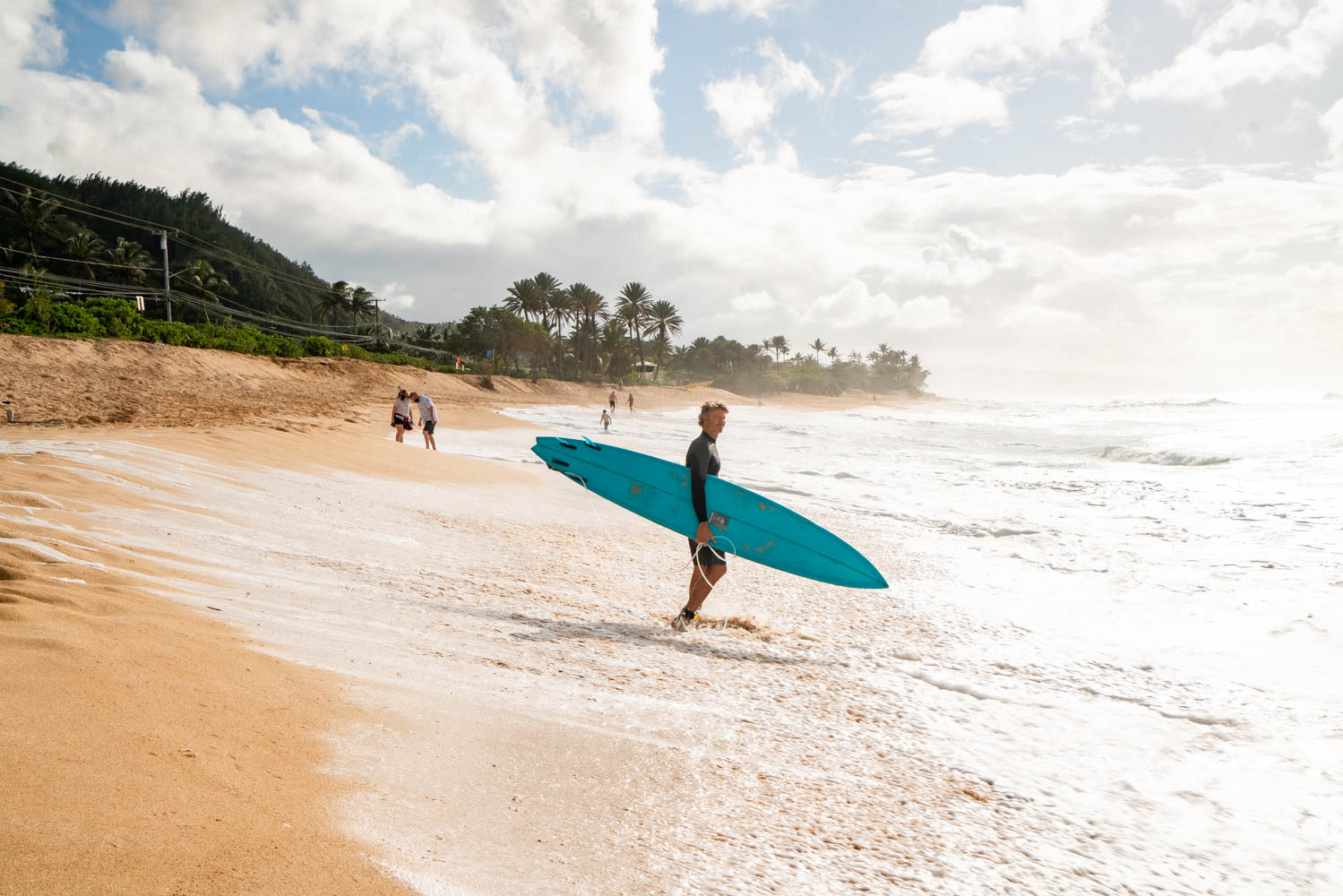
If you want to see the legendary North Shore surf, visit between November and February. The waves at Pipeline and Sunset Beach can reach 30-40 feet, and watching the world’s best surfers take them on is genuinely thrilling. The energy on the beach during a big swell is electric. Everyone’s watching, holding their breath, and then losing their minds when someone drops into a massive wave.
The things to do on Oahu are fantastic year-round, but those shoulder months give you the best combination of weather, value, and breathing room.
Avoid mid-December through early January if you can. That’s when prices peak and Waikiki gets packed. Like, struggle-to-find-a-spot-on-the-beach packed. Hotel rates can be double what you’d pay in September.
Best Time to Visit Maui

Best months: April, May, September, October
Same shoulder months, same logic. But Maui has some unique seasonal considerations that are worth knowing.
The Road to Hana is best driven in the dry season. The waterfalls still flow beautifully (they’re fed by mountain rain even when the coast is dry), but the road itself is less slippery and the conditions are more comfortable for the 600+ turns you’re about to white-knuckle through.
The Haleakala sunrise is spectacular year-round, but winter months (November through March) tend to have clearer skies at summit level. You’ll need to book your sunrise reservation at least two months in advance regardless of when you go. They sell out fast and there are no exceptions.
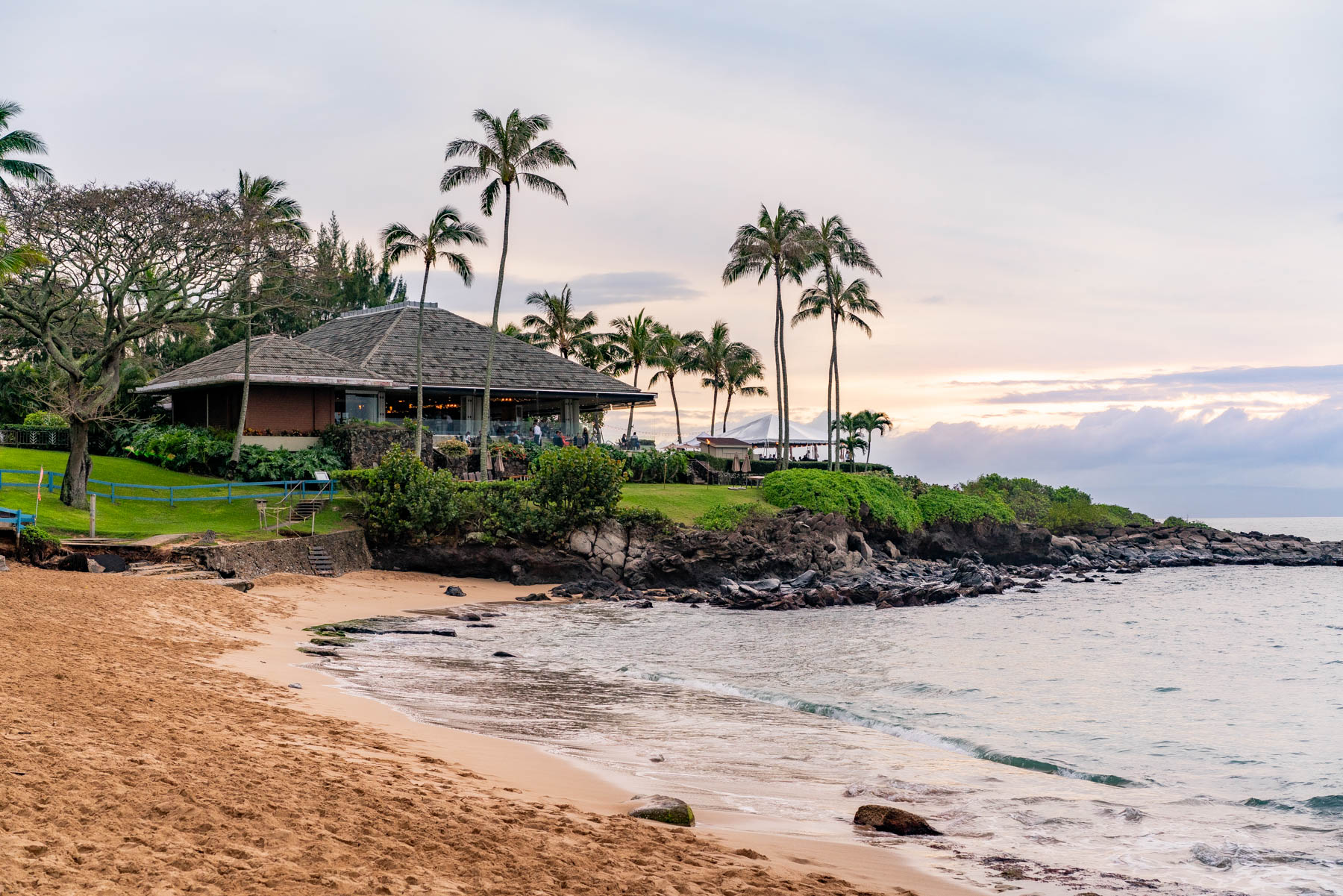
Maui’s best beaches are gorgeous in every season, but summer months offer the calmest water for snorkeling, especially at spots like Honolua Bay and Kapalua. In winter, the north-facing beaches get bigger swells that are fun to watch but not as great for swimming.
One thing to note is that Maui tends to be pricier than Oahu even in the off-season, so those shoulder months are even more valuable for budget-conscious travelers. A week in Maui during September can save you $500-800 compared to the same trip in July.
If you’re trying to decide between the two islands, check out my full Maui vs. Oahu comparison to figure out which one fits your trip.
Best Time to Visit the Big Island

Best months: April through June, September through November
The Big Island is the most climatically diverse island in the chain, and that’s not an exaggeration. You can go from tropical rainforest to volcanic desert to snow-capped mountain in a single day. That means weather varies wildly depending on where you are on the island.
The Kona (west) coast is dry and sunny almost year-round, making it a safe bet in any month. If your trip is Kona-based, you really can visit whenever you want. The Hilo (east) side gets significantly more rain, especially from November through March. We’re talking 130+ inches per year in some spots. That’s a lot of rain.
Hawaii Volcanoes National Park is best visited during the shoulder months when crowds are thinner and temperatures at elevation are comfortable for hiking. The park sits at about 4,000 feet, so it’s noticeably cooler than the coast. Bring a jacket and maybe a light rain layer.
For stargazing on Mauna Kea (one of the best stargazing spots on the entire planet), the clearest skies tend to be from April through September. Winter months bring more cloud cover at summit level, though the visitor center programs run year-round.
Best Time to Visit Kauai

Best months: May, June, September
Kauai is the wettest of the main Hawaiian islands. Mount Waialeale on Kauai is literally one of the wettest spots on Earth, averaging around 450 inches of rain per year. So timing matters a bit more here than on the other islands.
The dry season is your best friend on Kauai. The Na Pali Coast, which is probably the most beautiful coastline in all of Hawaii (and possibly all of the United States), is best experienced by boat between May and September when ocean conditions are calmest. Winter swells make Na Pali boat tours impossible most days from November through March, and you do not want to miss the Na Pali Coast.
The Kalalau Trail, the famous 11-mile hike along the Na Pali Coast, is also best tackled in the dry season when the trail is less muddy and the river crossings are safer. This is a serious hike that requires a permit, and conditions really matter.
September is my top pick for Kauai. Warm, dry, uncrowded, and the ocean is calm enough for just about any water activity you can think of.
Whale Watching Season

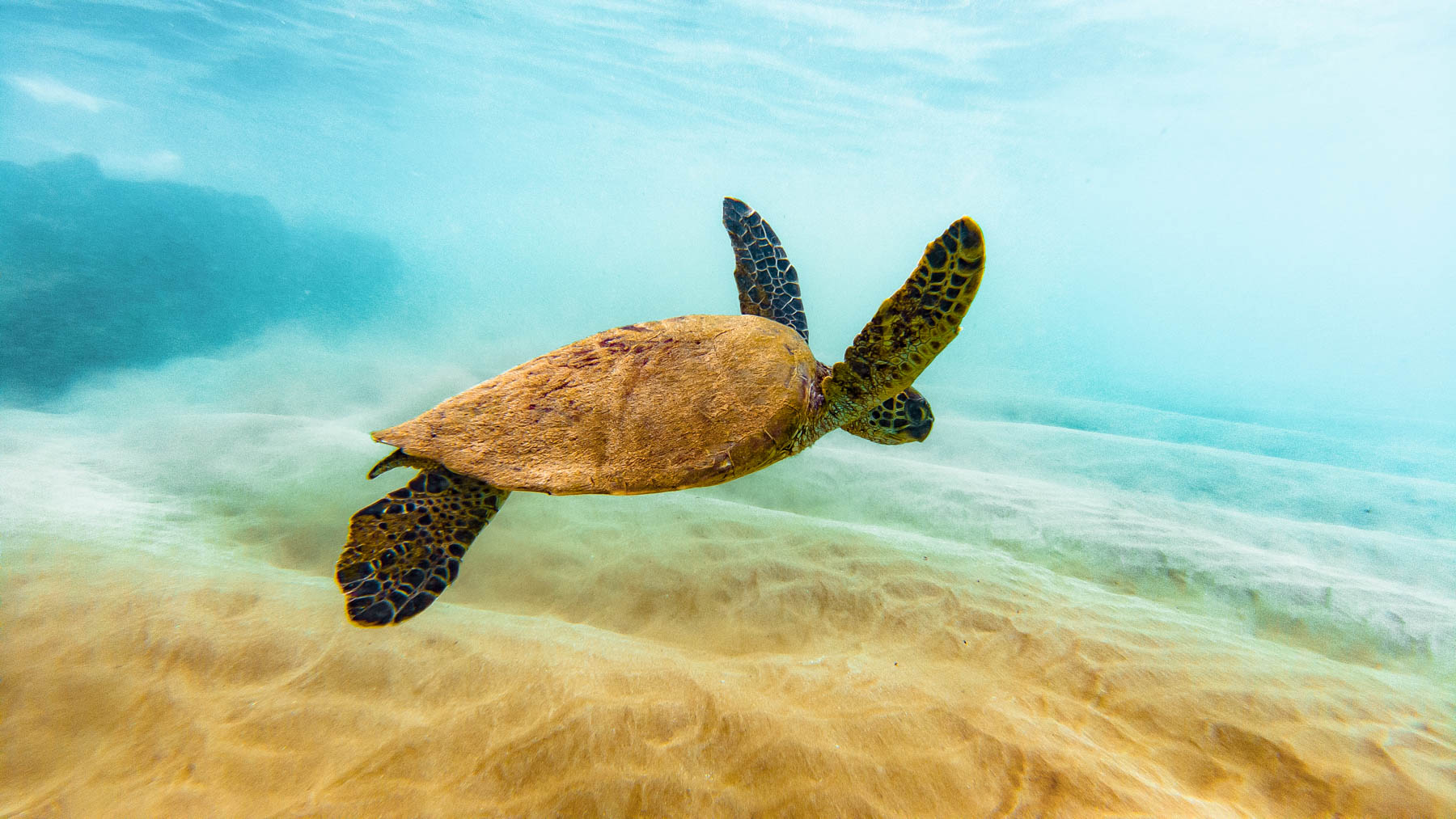
Every winter, around 10,000 humpback whales migrate from Alaska to the warm waters around Hawaii to breed and give birth. It’s one of the most impressive wildlife events in the world, and you can see it from shore on multiple islands without spending a penny.
Peak whale watching runs from January through March.
The whales start arriving in late November and the last ones leave around April, but the heart of the season is those three peak months. During January through March, you can literally sit on the beach in Maui with a cup of coffee and watch whales breaching offshore. No boat needed (although a whale watching tour is absolutely worth the $50-70 and will get you much closer to the action).
Maui is the best island for whale watching because the shallow channel between Maui, Molokai, and Lanai is a favorite nursing ground for mother whales and their calves. The waters off Lahaina and Ka’anapali are especially productive. I’ve watched whales breach from restaurant patios in Lahaina. Just sitting there eating lunch and boom, 40-ton whale doing a backflip a few hundred yards offshore. Casual.
If whale watching is a priority for your trip, plan for February. It’s the peak of the peak, and your chances of seeing multiple whales on any given day are excellent.
North Shore Surf Season
Big wave season runs from November through February.
If you’ve ever wanted to see massive waves up close (and I mean waves taller than buildings), Oahu’s North Shore in winter is where you need to be. North Pacific swells send waves reaching 30-50 feet crashing onto beaches that are calm and completely flat in summer. The transformation is honestly hard to believe unless you see it yourself.
The Triple Crown of Surfing happens between November and December at three legendary breaks along the North Shore. The Vans Pipeline Masters in December or January is one of the most exciting sporting events I’ve ever witnessed in person. The energy on the beach is electric, everyone’s packed along the sand watching these surfers drop into hollow, terrifying waves.
Important note for swimmers. During big wave season, the north-facing beaches are NOT safe for swimming. The currents are incredibly powerful and even experienced ocean swimmers can get into trouble. Stick to the south shore (Waikiki side) for swimming from November through February. The south shore stays calm and pleasant year-round.
Prices and Crowds by Month

Let me give you the honest breakdown so you can plan accordingly.
Most expensive months: Mid-December through early January (holiday season), and June through August (summer vacation). Expect to pay 40-60% more for hotels during these windows. Flights jump too, sometimes by $300-400 per person compared to shoulder season.
Best value months: April, May, September, October, early November. You can find hotel deals that are genuinely half of what you’d pay in peak season. Flights are cheaper too, sometimes by $200-300 per person round trip. The math adds up quickly when you’re booking for two or a family.
Most crowded: Christmas through New Year’s, spring break (mid-March through early April), and July. Waikiki Beach during Christmas week is shoulder-to-shoulder with barely room to lay a towel. The Road to Hana in July is a slow-moving parking lot of rental Jeeps.
Least crowded: September and October. This is my go-to window and it has never let me down. Warm weather, thin crowds, great prices, warm water. What’s not to love? These two months are the best-kept secret in Hawaii travel planning.
What “Rainy Season” Actually Means in Hawaii
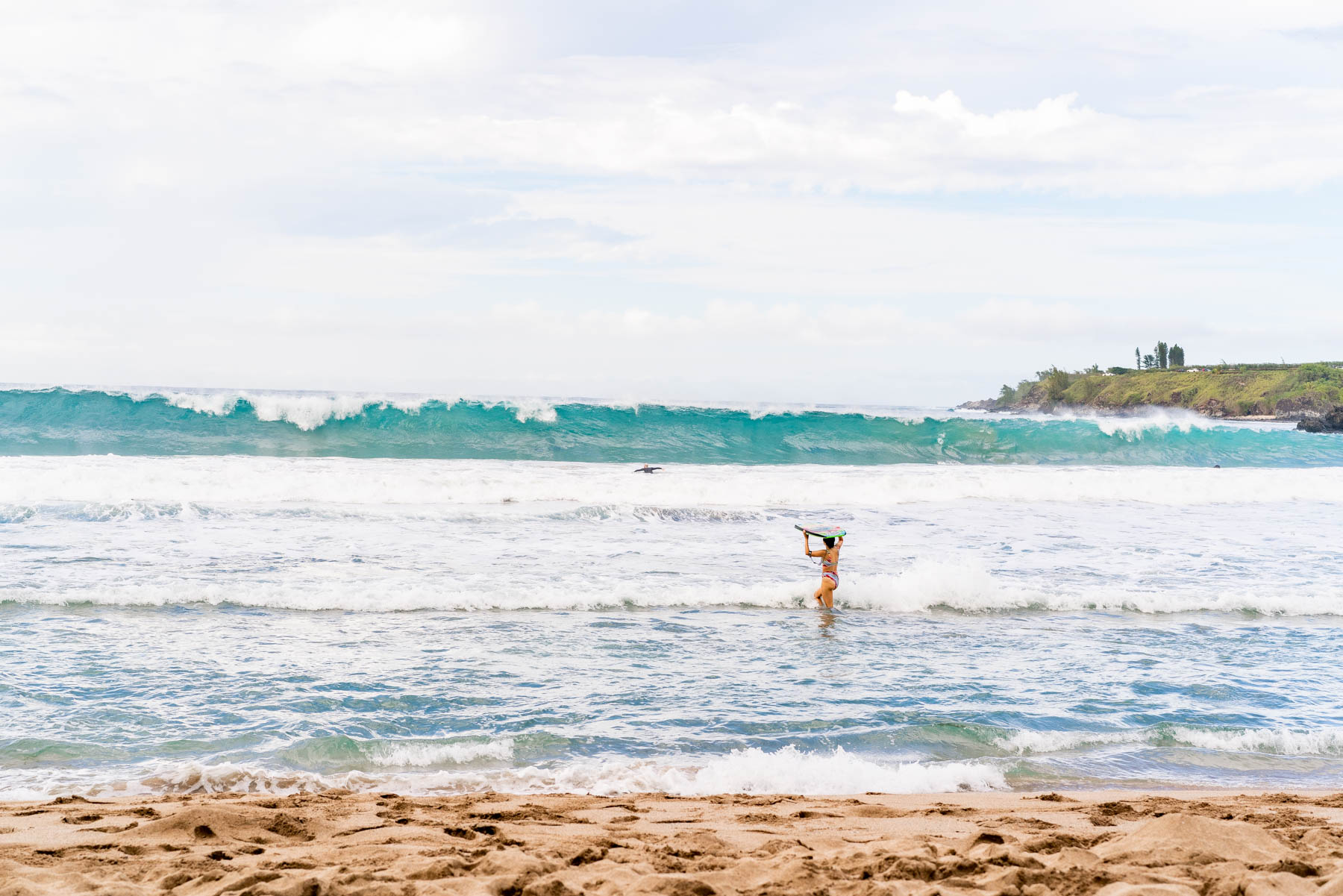
I want to address this directly because “rainy season” scares a lot of people away from visiting Hawaii between November and March. And that’s a mistake.
Hawaiian rain is not what you’re imagining. It’s not a gray, drizzly, depressing London kind of rain where you stare out the window and question your vacation choices. It’s warm tropical showers that pop up, dump a quick burst of rain while the sun is still shining on the other side of the sky, and disappear. Most of the time, you barely need to adjust your plans.
The vast majority of rain falls on the windward (northeast) sides of the islands and in the mountains. The resort areas and popular beaches on the leeward (southwest) sides stay dry most of the time, even in peak wet season. Waikiki, Ka’anapali, Kona, Poipu. All on the dry side.
In fact, some of the best deals and most pleasant experiences I’ve had in Hawaii were during the wet season. Fewer tourists means shorter wait times at restaurants, lower prices on hotels, gorgeous rainbows after every shower (you’ll see so many rainbows it becomes almost ridiculous), and enough sunny hours every day to get a solid tan.
The only real drawback of wet season is bigger surf on north-facing shores, which limits swimming options on those beaches. But south-facing beaches like Waikiki, Poipu, and the Kona coast stay calm and swimmable year-round. So you always have options.
My Recommendation
If I had to pick one window for a Hawaii trip, I’d say late September through mid-October. Every single time, no hesitation.
The water is warm from months of summer sun. The crowds have evaporated. Hotels are running shoulder-season rates that make you feel like you got away with something. The weather is still solidly in dry season territory with minimal rain. And the light in the late afternoon is absolutely golden, perfect for beach photos and sunset cocktails.
Second choice? Late April through May. Same perks, just slightly cooler water temperatures (though still perfectly swimmable at around 77-79 degrees).
But honestly? There is no wrong time to visit Hawaii. Even on a “bad” weather day, you’re still in Hawaii. You’re still eating outstanding food, watching extraordinary sunsets, and swimming in incredibly warm water. A bad day in Hawaii is better than a good day almost anywhere else.
Planning your trip? These guides will help you make the most of whichever island you choose.
Happy travels, friends!
Late January through mid-March (excluding Presidents Day week) and mid-April through mid-June tend to have the lowest airfares. Avoid holidays and school break periods.
Winter is the wetter season, but rain in Hawaii is usually brief and localized. One side of an island can be rainy while the other is sunny. It rarely ruins a full day.
Summer is busy, especially on Maui and Oahu. Book accommodations and rental cars well in advance. The upside is warmer water temperatures and calmer ocean conditions.
Humpback whales visit Hawaii from December through April, with peak sightings in January and February. Maui’s waters are especially popular for whale watching tours.


