



Lisbon has a reputation as a year-round destination, and honestly, that reputation is mostly deserved. Unlike a lot of European cities, Lisbon rarely gets genuinely cold, it almost never snows, and even in the dead of winter you are looking at temperatures in the 50s F. But “you can visit any time” does not mean every month is equally good.

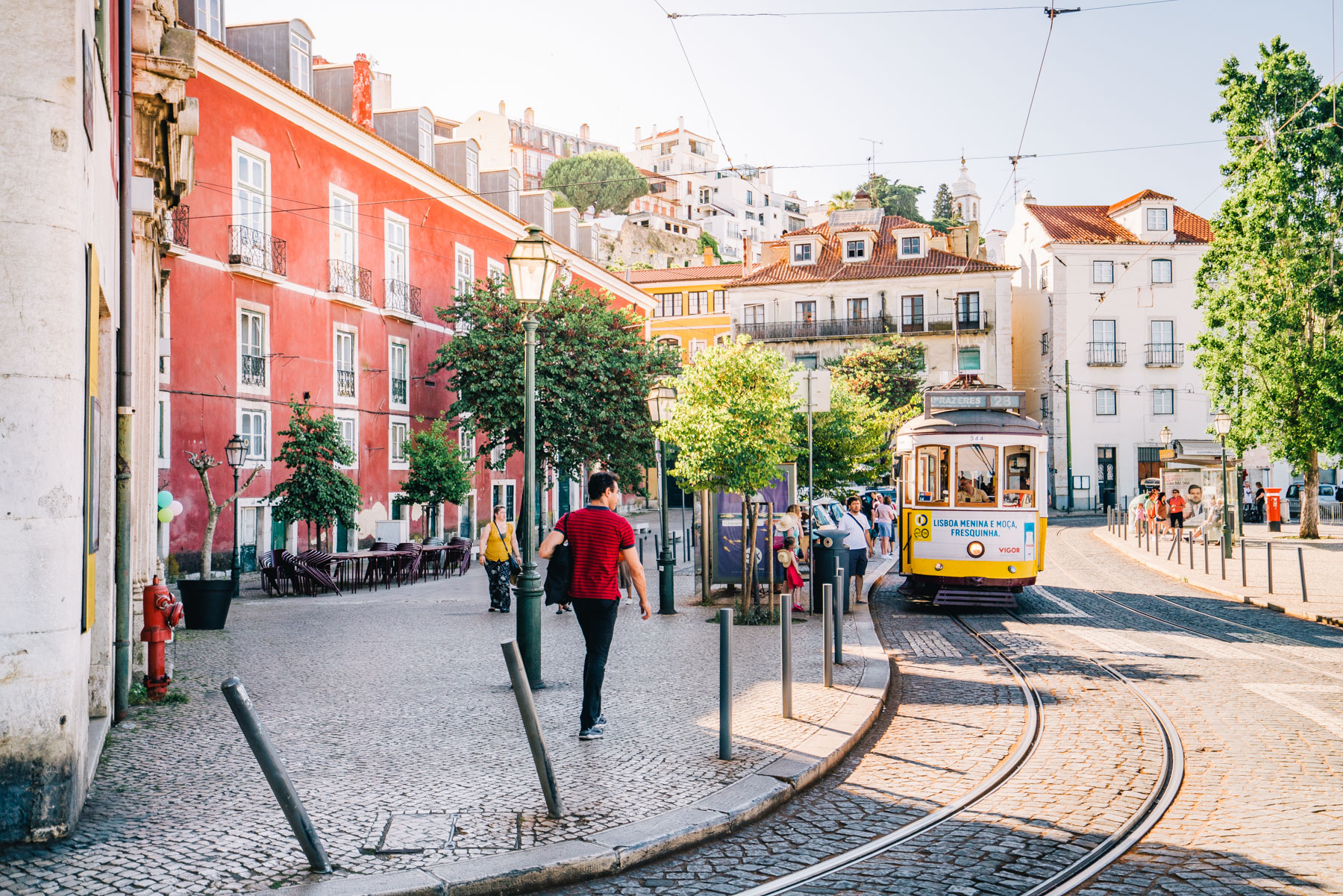
I have visited Lisbon twice, once in early October and once in late May, and the experiences were wildly different. One trip was sun-soaked perfection with room to breathe. The other was wonderful but noticeably more crowded and warmer than I expected. The month you choose matters, and this guide will help you get it right.
The Best Time to Visit Lisbon (Quick Answer)
My pick is late September through mid-October. The summer heat has mellowed to a perfect 70-75F, the massive August tourist wave has receded, hotel prices drop 25-35% from peak, and the Atlantic light pouring over the city’s white-and-pastel buildings is nothing short of extraordinary. The water is still warm enough for a beach day in Cascais, and you can get a table at a good restaurant without booking three weeks ahead.
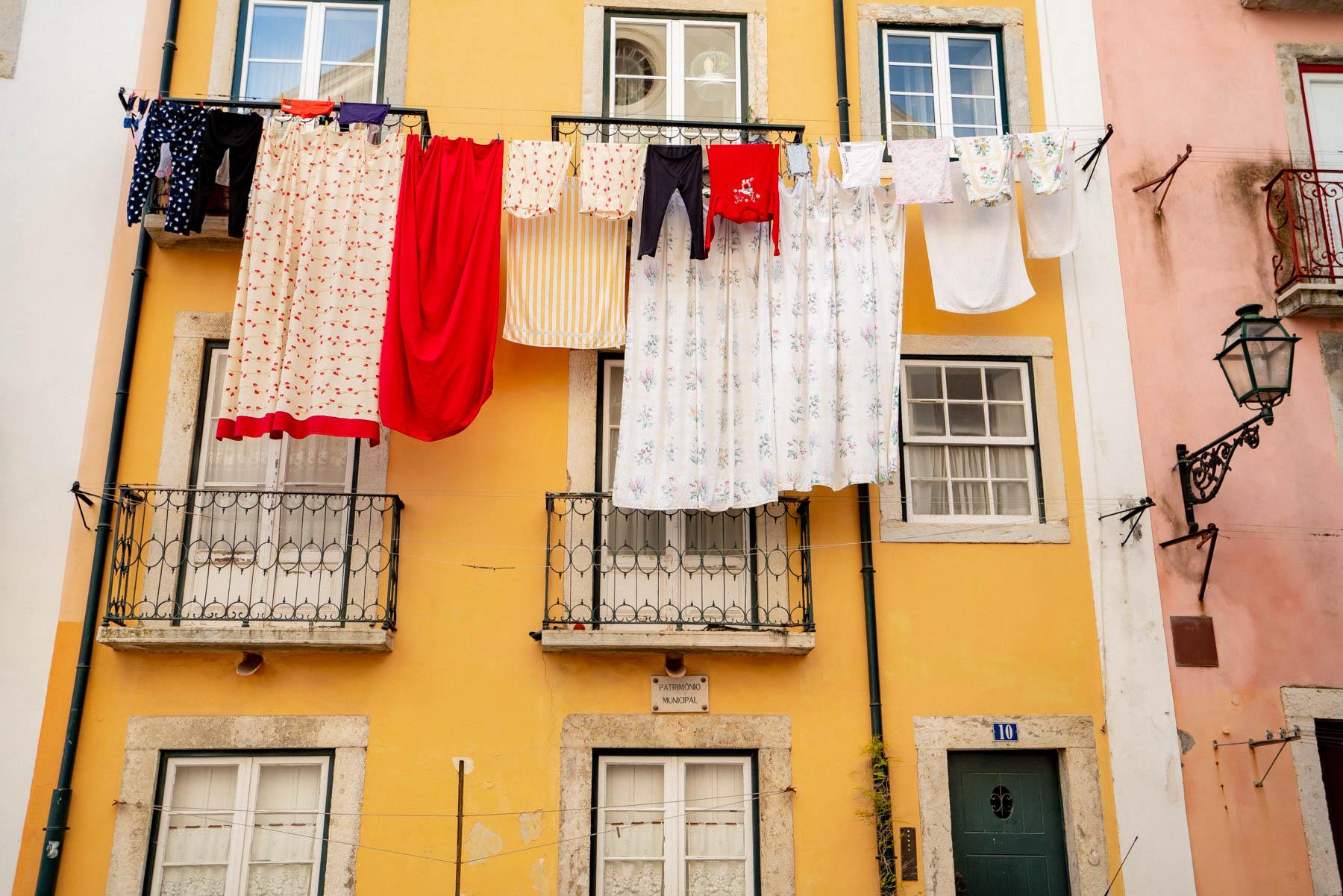
May and early June are strong runners-up. But let me take you through every month.
January in Lisbon
Average temps: 47-57F (8-14C). Hotel prices: $70-150/night.
January is Lisbon’s rainiest month, averaging about 11 rainy days. The city is noticeably quiet, many tourist shops in Alfama keep shorter hours, and the famous Tram 28 is actually rideable without a 45-minute wait. Imagine that.

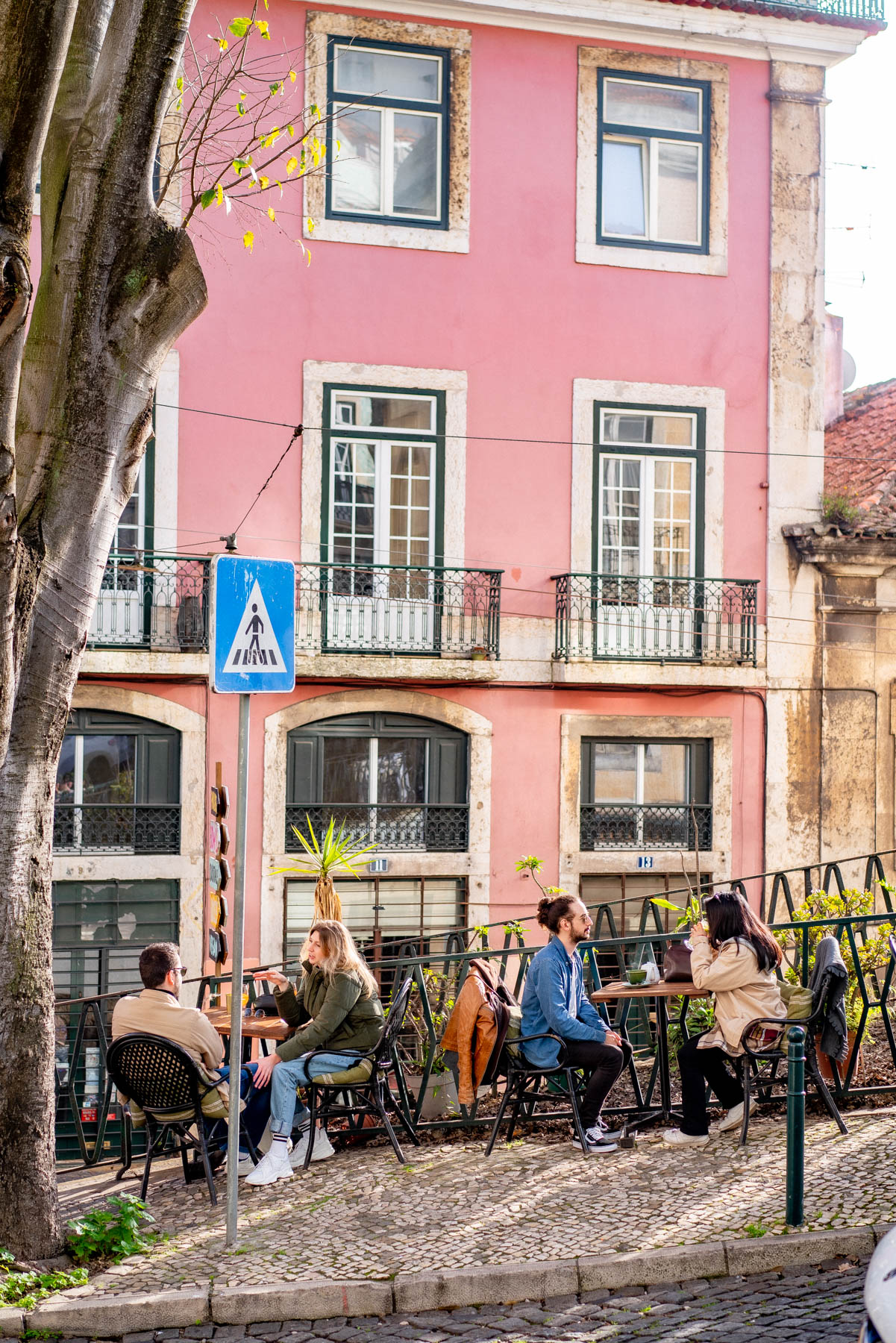
The temperatures are mild by European winter standards. You will need a good rain jacket and layers, but you will not need a heavy winter coat. The upside is that hotel prices are at their absolute lowest. A nice boutique hotel in Chiado or Baixa that costs $250/night in July can be had for $80-100 in January. Flights from the US are similarly cheap, often $350-450 round trip.
January works for people who want to explore museums, eat their way through the city, and do not mind gray skies. The best things to do in Lisbon work in any weather, from pasteis de nata tastings to fado houses.
February in Lisbon
Average temps: 48-59F (9-15C). Hotel prices: $75-160/night.
February is slightly drier than January and the days start getting longer. By late February, you will notice more sunshine, and the almond trees in some parts of Portugal start blooming. Carnival celebrations happen in February (the date moves), and while Lisbon’s Carnival is not Rio, the parades and street parties in the neighborhoods are genuinely fun.
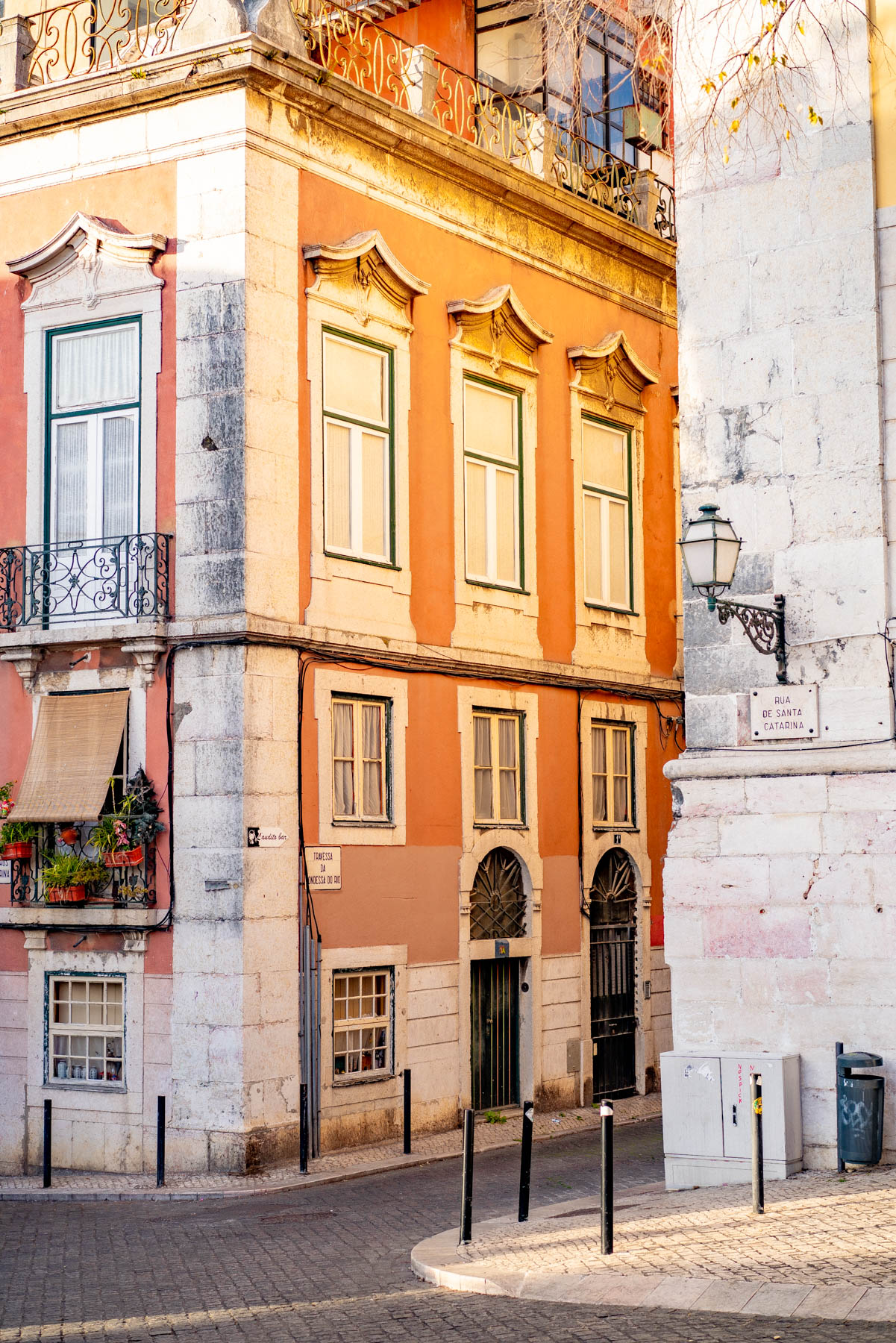
Still very much low season. You will have major attractions mostly to yourself. The Jeronimos Monastery, which can have 2-hour waits in summer, might have a 10-minute line in February.
March in Lisbon
Average temps: 51-63F (11-17C). Hotel prices: $90-180/night.
March is when Lisbon starts to wake up. The rain tapers off, flowers start appearing in window boxes across Alfama and Graca, and outdoor dining becomes viable again on warmer days. It is still shoulder season, so prices are reasonable and crowds are light.
The weather is unpredictable though. I have seen March forecasts in Lisbon swing from 70F and sunny to 50F and rainy within the same week. Pack layers and an umbrella, and you will be fine.
April in Lisbon

Average temps: 54-67F (12-19C). Hotel prices: $110-220/night.
April is excellent. The weather is warm and mostly sunny, the jacaranda trees are starting to bloom (they peak in May/June but early bloomers appear in April), and the city is busy but not overwhelmed. Easter can bring a spike in visitors, especially around the historic churches and in Belem.
Freedom Day on April 25th commemorates the 1974 Carnation Revolution, and it is a fascinating time to be in the city. Museums and historic sites often have special programming. This is also when choosing the right Lisbon neighborhood starts mattering more, because the popular areas fill up faster.
May in Lisbon
Average temps: 58-72F (14-22C). Hotel prices: $140-280/night.
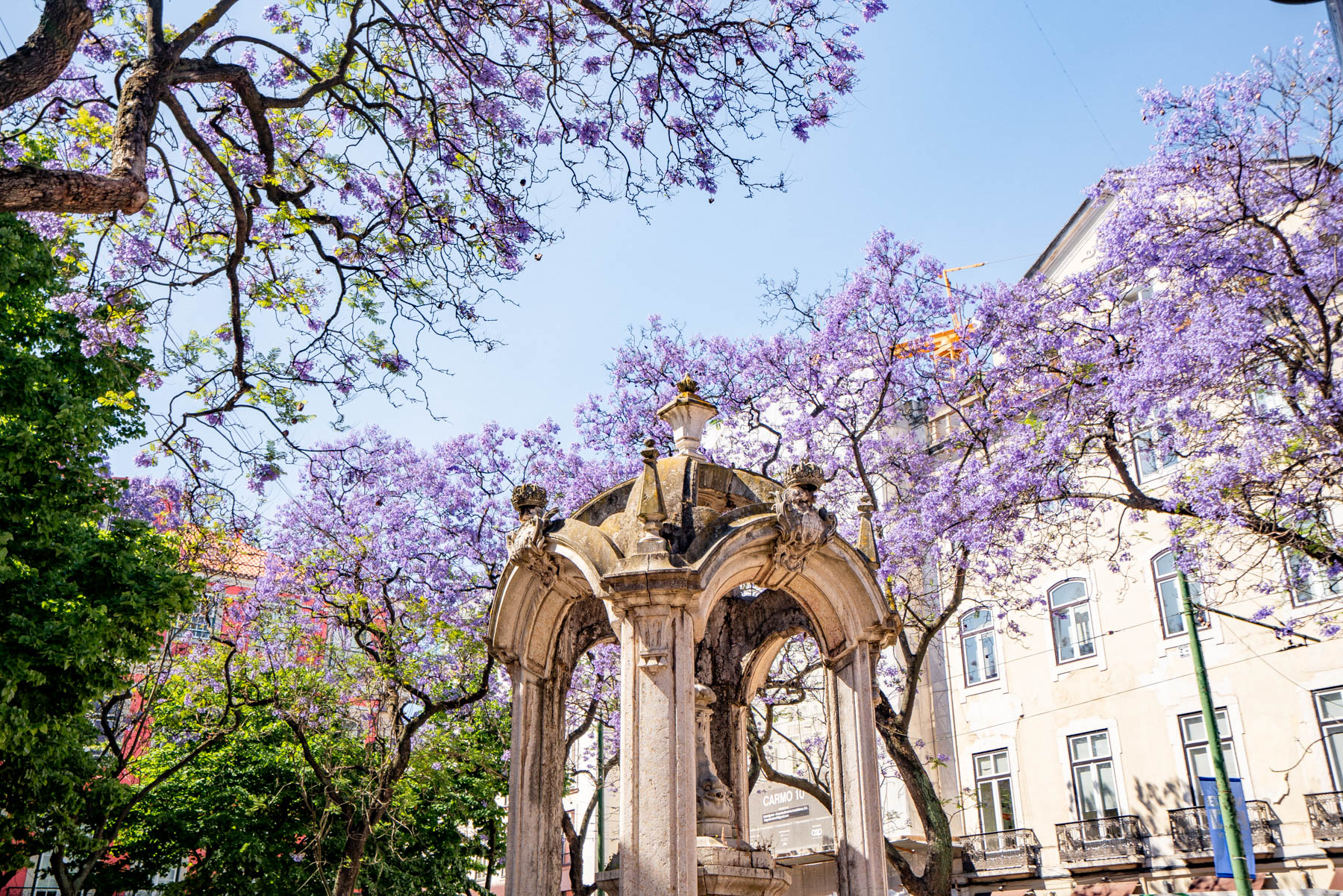
May is one of the best months to visit Lisbon, full stop. The weather is warm and sunny with very little rain, the jacaranda trees explode in purple blooms that drape over streets and plazas, and the city buzzes with energy. Outdoor terraces are packed in the evenings, and the light stays until almost 9pm.
Crowds are building but have not hit summer levels. Hotel prices are mid-range. The Sintra day trip is actually enjoyable in May because you can visit Pena Palace without feeling like you are in a mosh pit.
Late May starts getting warm, occasionally hitting 80F+, which is a preview of summer. If you are heat-sensitive, early-to-mid May is the sweet spot.
June in Lisbon
Average temps: 63-79F (17-26C). Hotel prices: $170-320/night.
June is when Lisbon truly comes alive, and the reason is one word – *Santos Populares*. The Festival of Saint Anthony (Santo Antonio) on June 12-13 is Lisbon’s biggest party. The entire Alfama neighborhood erupts in sardine grills, live music, drinking, and dancing in the streets. People buy small basil plants (*manjericos*) as gifts. It is loud, sweaty, and absolutely wonderful.
The party is not limited to June 12-13 either. The entire month of June is *Santos Populares*, with different saints celebrated across different weekends. Each neighborhood sets up its own *arraial* (street party) with grilled sardines, cold beer, and pimba music blasting from every corner. The smell of charcoal and sardines is honestly the defining scent of Lisbon in June. Locals eat the sardines whole on a slice of bread, standing up, using their hands. Do the same. Skip the fork.
Beyond the festivals, June offers long sunny days and warm (but not yet scorching) temperatures. The beaches at Cascais and Costa da Caparica are swimmable. This is high season, so expect higher prices and bigger crowds at attractions, but Lisbon handles crowds better than most cities because so much of the experience is neighborhood-based rather than concentrated at a few tourist sites.
July in Lisbon
Average temps: 66-84F (19-29C). Hotel prices: $200-380/night.
July is hot and busy. Temperatures regularly hit 85-90F, and Lisbon’s hilly terrain means you are walking uphill in the sun constantly. The city’s buildings are beautiful but they absorb and radiate heat. Air conditioning is not universal in budget and mid-range hotels, so check before booking.
The beaches become a major draw. Locals escape to the coast on weekends, and smart tourists do the same. An afternoon at Praia de Carcavelos followed by seafood and wine at a chiringuito is the proper way to handle a July day in Lisbon. Sightsee in the morning, beach in the afternoon.
August in Lisbon
Average temps: 66-85F (19-29C). Hotel prices: $200-400/night.
August is the hottest and most expensive month. It is also when many Portuguese leave Lisbon for the Algarve or the countryside, creating a similar dynamic to Paris and Rome in August. Some neighborhood restaurants close for vacation, though the tourist-facing establishments stay open.
Heat waves are becoming more common and more intense. Lisbon hit 104F in recent summers. When that happens, the city basically shuts down in the afternoon. Unless you are specifically combining Lisbon with beach time, August is not my recommendation. You are paying peak prices for a city that is too hot to comfortably walk around for half the day.
September in Lisbon
Average temps: 63-81F (17-27C). Hotel prices: $150-280/night.
September is where the magic happens. The summer crowds thin dramatically after the first week (when European school holidays end), the heat softens to a very comfortable 75-80F, and hotel prices start dropping. The ocean is at its warmest, making September the best month for combining city exploration with beach days.
Late September brings even cooler temps and fewer visitors. The light gets softer and more golden, and the city takes on this mellow, almost nostalgic quality that is hard to describe but impossible to forget.
October in Lisbon
Average temps: 57-73F (14-23C). Hotel prices: $110-230/night.

October is my top pick, and the early part of the month is the sweet spot. Temperatures are perfect for walking (and in Lisbon, you walk *a lot* because of those hills). Rain starts returning in the second half of the month, but early October is usually dry and sunny.
This is when you can truly explore at your own pace. The miradouros (viewpoints) that are packed with selfie sticks in July have maybe a handful of people. You can sit at a table at a rooftop bar in Bairro Alto and actually get a drink within 5 minutes. Read up on Lisbon mistakes to avoid and you will have an absolutely flawless trip.
November in Lisbon
Average temps: 51-63F (11-17C). Hotel prices: $80-170/night.
November is when Lisbon’s rainy season begins in earnest. Expect rain every 2-3 days. The upside is that the city is quiet, prices are low, and the food is outstanding. This is peak season for roasted chestnuts sold from street carts, and *sopa da pedra* (stone soup) and *cozido a portuguesa* (Portuguese stew) appear on menus everywhere.
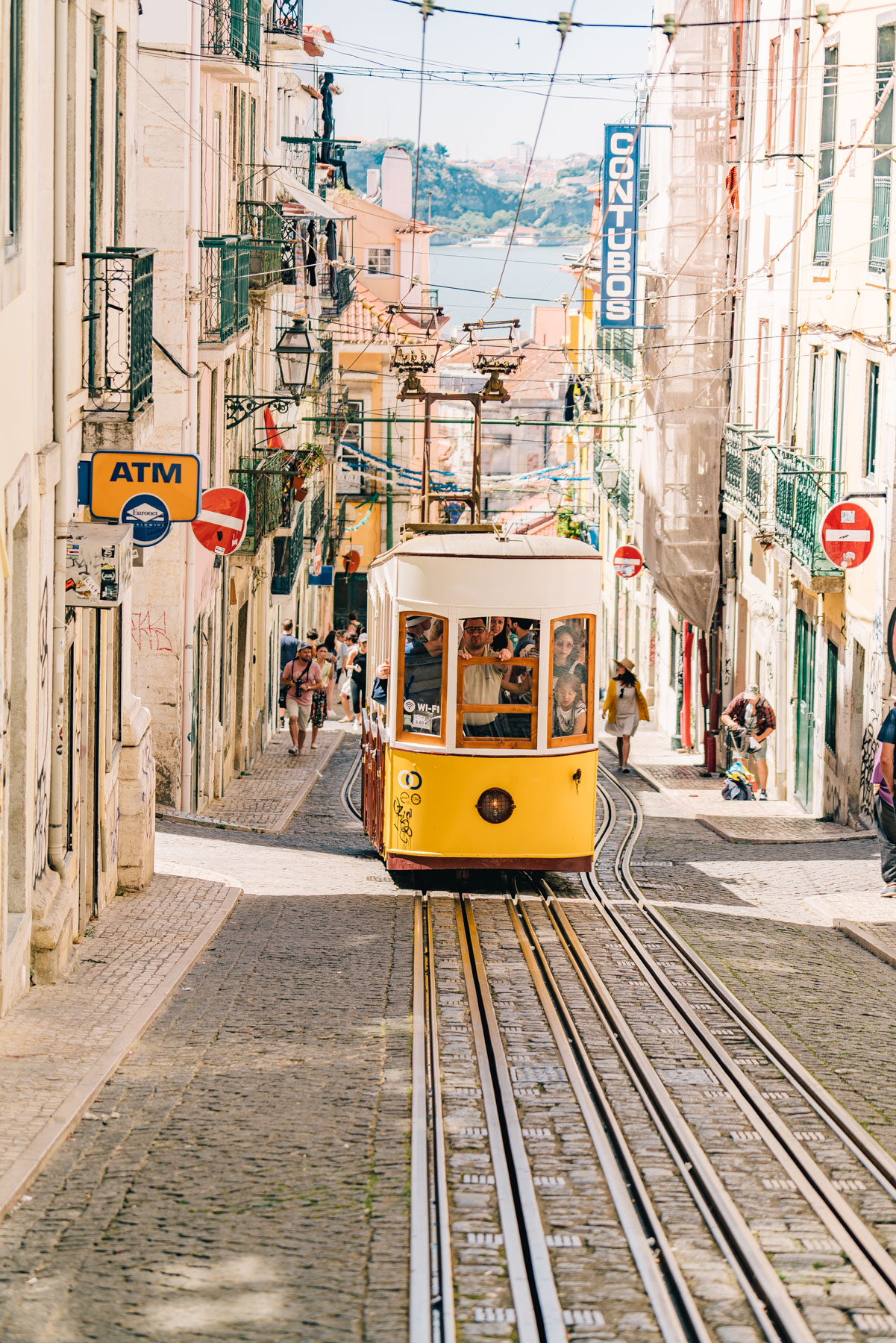
The famous Lisbon light is different in November. Softer, more dramatic, with breaks in the clouds that create shafts of golden light over the Tagus River. It is photographer heaven, if you do not mind getting rained on occasionally.
December in Lisbon
Average temps: 48-58F (9-14C). Hotel prices: $85-200/night (higher around Christmas/NYE).
December in Lisbon is mild, festive, and surprisingly charming. Christmas decorations go up across the city, with the Praca do Comercio tree and lights being the centerpiece. The holiday markets in Rossio and at Campo Pequeno are small but atmospheric.
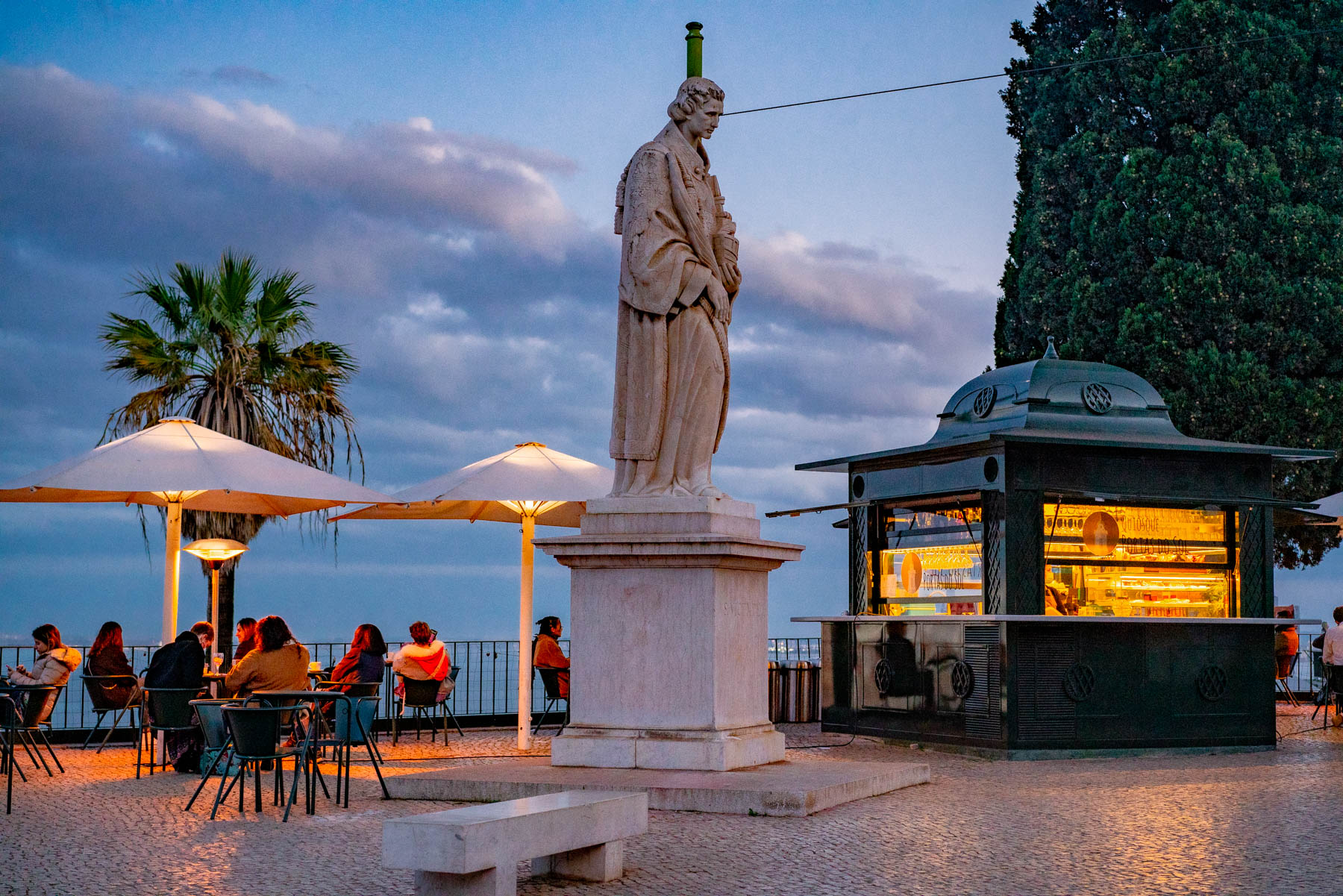
New Year’s Eve in Lisbon is a great alternative to the bigger (and more expensive) NYE celebrations in London or Paris. The Praca do Comercio fills with people for fireworks over the Tagus River, and the party runs until sunrise. Hotels spike for the NYE period but are still cheaper than comparable celebrations elsewhere.
Best Time to Visit Lisbon for Budget Travelers
January and February are the cheapest months. You can find boutique hotels in great neighborhoods for $70-100/night and flights from the US for $300-450 round trip. November and early December (before the holiday spike) are also excellent for budget travel.
Key Lisbon Events and Festivals
- February – Carnival celebrations
- April 25 – Freedom Day (Carnation Revolution anniversary)
- May/June – Jacaranda blooming season across the city
- June 12-13 – Festival of Santo Antonio (Lisbon’s biggest party)
- June – Santos Populares festivals throughout the month
- July/August – NOS Alive and Super Bock Super Rock music festivals
- September – Festa do Avante cultural festival
- November – Sao Martinho chestnut roasting tradition (Nov 11)
- December – Christmas markets, NYE at Praca do Comercio
My Pick
Gun to my head, I am booking October 5th through the 15th. Ten days of perfect weather, manageable crowds, and the best version of Lisbon you can get. But if I wanted to *experience* the city at its most alive, I would go for Santos Populares in mid-June and just accept the heat. Both trips would be fantastic. Lisbon makes it really hard to choose wrong.
Final Verdict
Early-to-mid October is the winner. Late September is a close second. May and early June are excellent if you want warmth and the jacaranda blooms. Avoid August unless you love heat and crowds. And do not sleep on winter Lisbon. It is one of the warmest cities in Europe from November through February, and the combination of low prices, empty attractions, and cozy food makes it a seriously underrated winter escape.
Lisbon is the kind of city that sneaks up on you. It does not announce itself the way Paris or Rome does. It wins you over slowly, one pastel de nata and one sunset miradouro at a time. Pick the right month, and you will be planning your return trip before you even leave.
August can be quite hot, with temperatures around 30-35C (86-95F). It is manageable if you plan outdoor activities for morning and evening, but June and September are more comfortable.
December in Lisbon is mild compared to most of Europe, averaging around 11-15C (52-59F). Expect some rain, but also plenty of sunny days. It is a great off-season pick.
The best surf conditions in the Lisbon area run from October through March, when the Atlantic swells pick up. Beginners can find mellow waves year-round at places like Costa da Caparica.


