



I have a confession. The first time I visited Rome was in August, and I almost did not go back. It was 98 degrees, the Colosseum line wrapped around the block twice, and I paid 18 euros for a mediocre plate of carbonara near the Spanish Steps. It took a second visit in October to make me fall in love with this city.

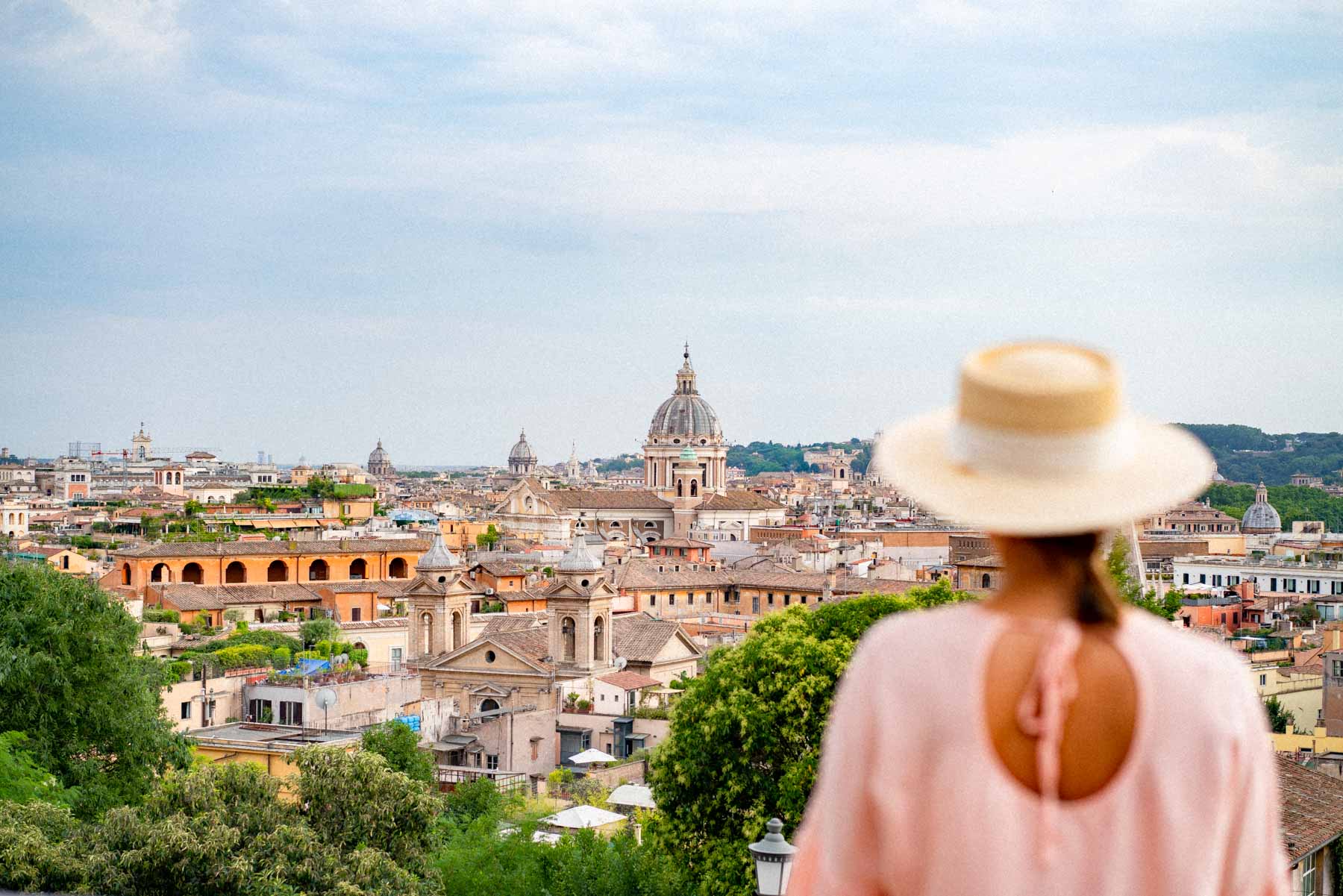
The timing of your Rome trip matters more than most cities. Get it right, and you will have mild weather, shorter lines, and some of the best food you have ever eaten. Get it wrong, and you will spend your vacation sweating, waiting, and overpaying. Here is exactly what each season looks like.
The Best Time to Visit Rome (Quick Answer)
My pick is mid-October. The brutal summer heat has broken, the tourist hordes have thinned, hotel prices have dropped 30-40% from peak, and the city settles into this beautiful rhythm. Temperatures hover around 65-72F, perfect for walking, and the golden autumn light on Roman ruins is something you have to see to believe.
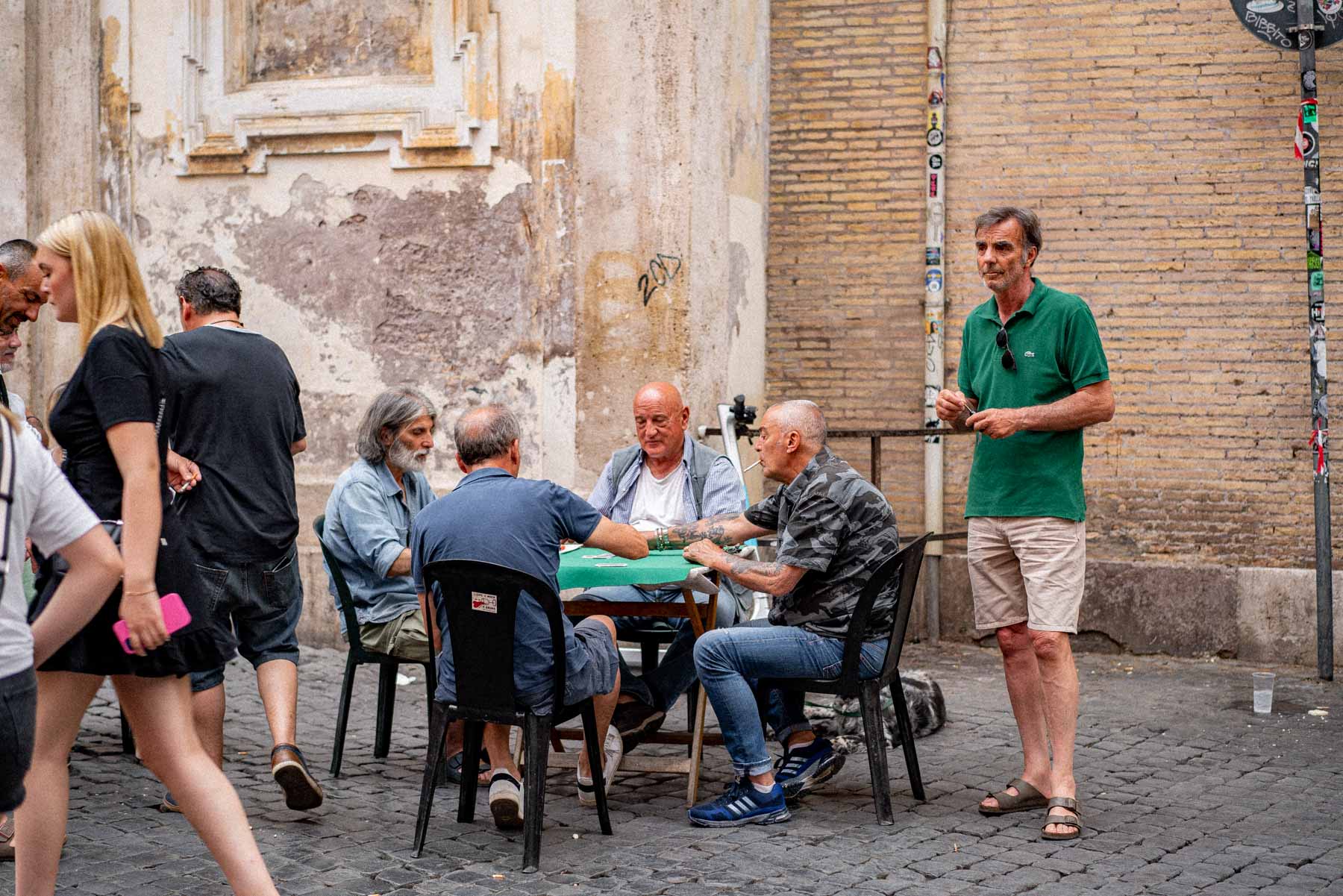
April and early May are close runners-up. But let me walk you through every season so you can make the best call for your trip.
Spring in Rome (March through May)
Average temps: 50-75F (10-24C). Hotel prices: $150-350/night.
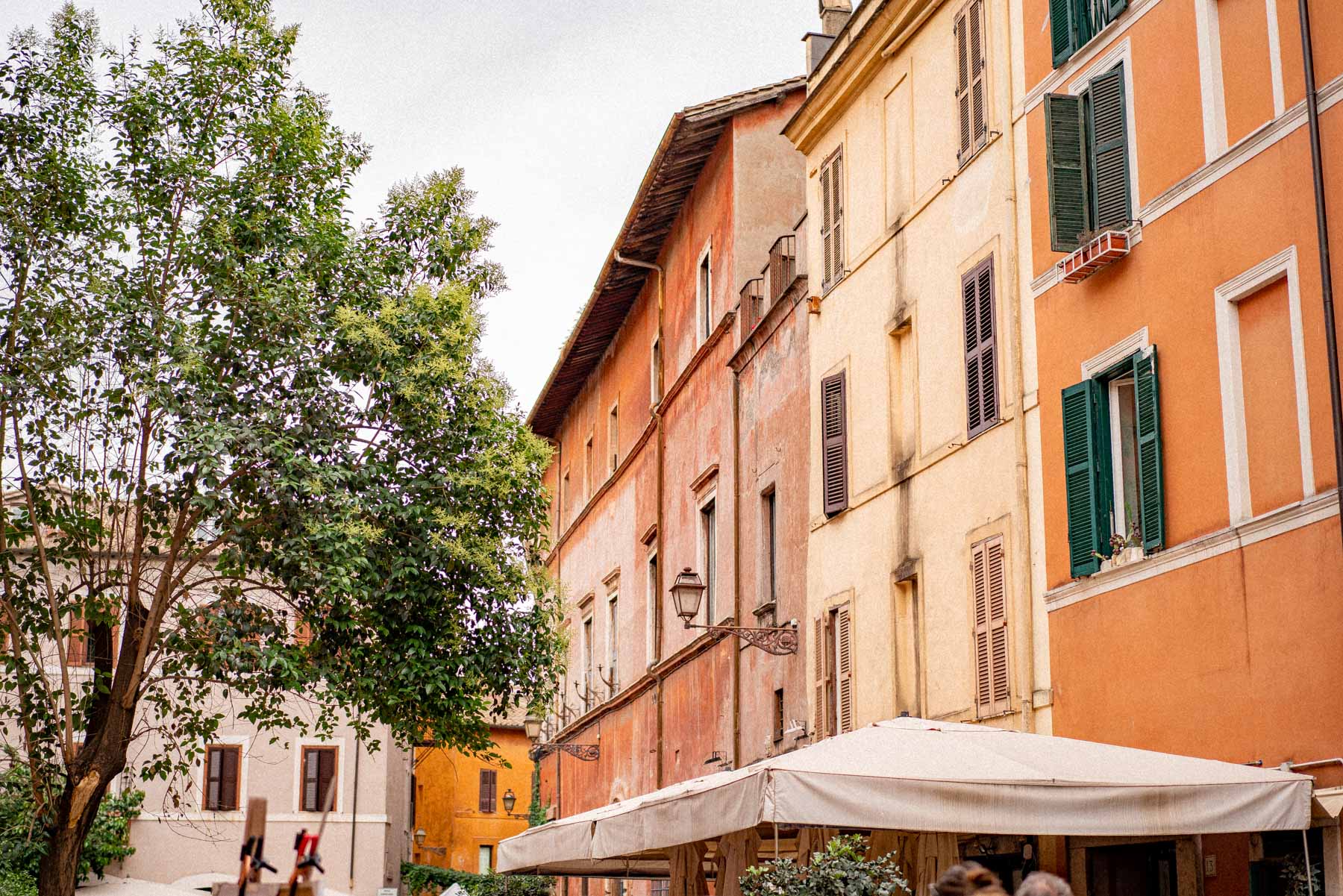
Spring is when Rome comes alive. The wisteria drapes over ancient walls, the orange trees are blooming, and you can finally eat outside without either freezing or melting. It is objectively beautiful.
March starts cool and can be rainy, but by mid-month the days are noticeably longer and warmer. Crowds are moderate. This is a good month for museum-heavy itineraries since you might get rained out of outdoor sightseeing occasionally.
April is gorgeous but comes with a major caveat. Easter. If Easter falls in April (which it usually does), expect massive crowds at the Vatican and throughout the city center. The Pope’s Easter Mass draws tens of thousands. Hotel prices spike that week. If you can avoid Easter week, April is one of the best months to visit.
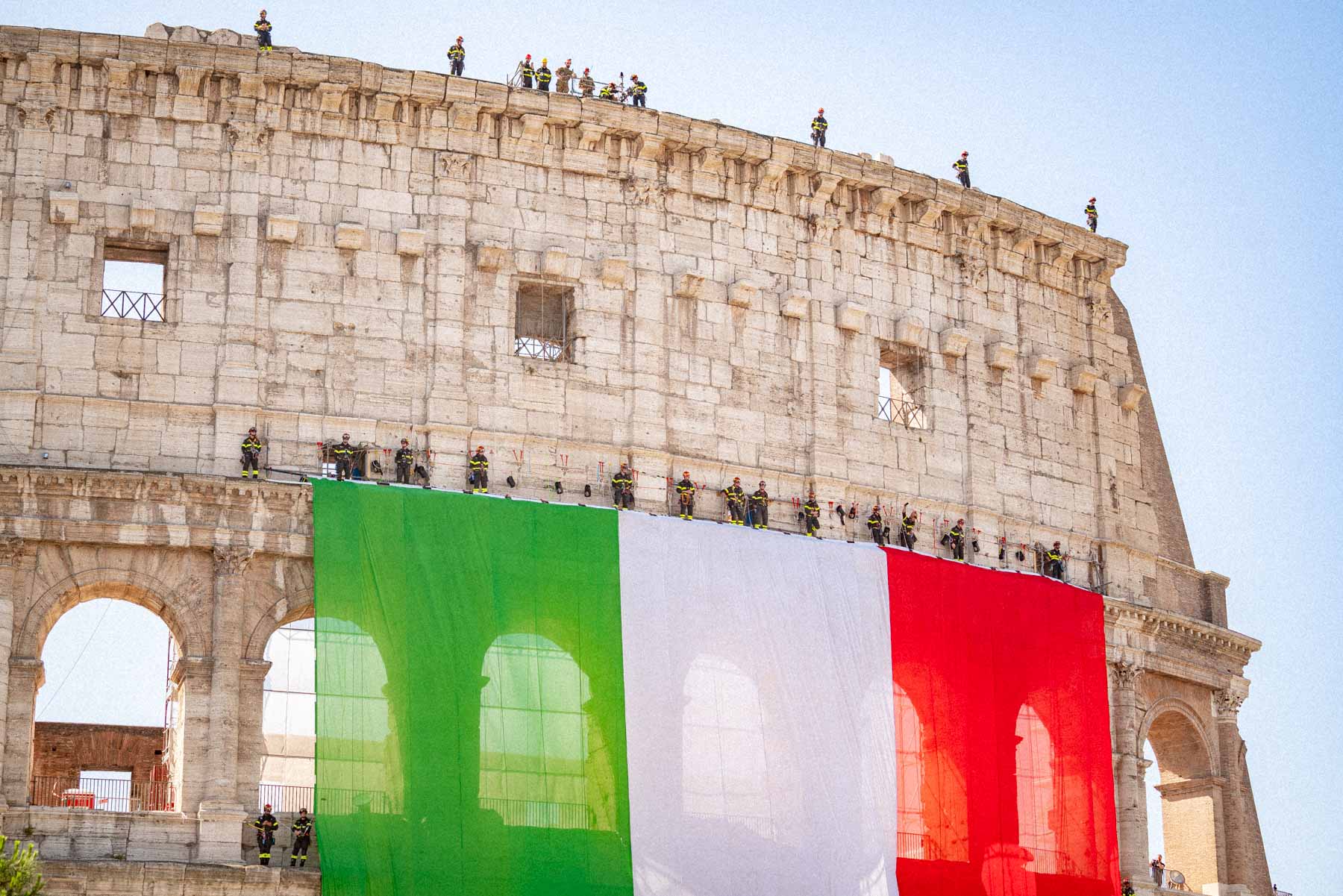
There is also Pasquetta (Easter Monday), when Romans pack picnic baskets and head to parks and countryside villas. If you are in the city, Villa Borghese fills with families eating frittata di pasta on blankets. And on April 21st, the city celebrates its own birthday, *Natale di Roma*. The civic museums open their doors for free, and costumed reenactors march through the streets near the Circus Maximus. It is wonderfully nerdy and wonderfully Roman.
May is warm, sunny, and increasingly busy. Early May is ideal. By late May, summer tourist season is ramping up and prices are climbing. The Rome Rose Garden (Roseto Comunale) opens in May and it is free and spectacular.
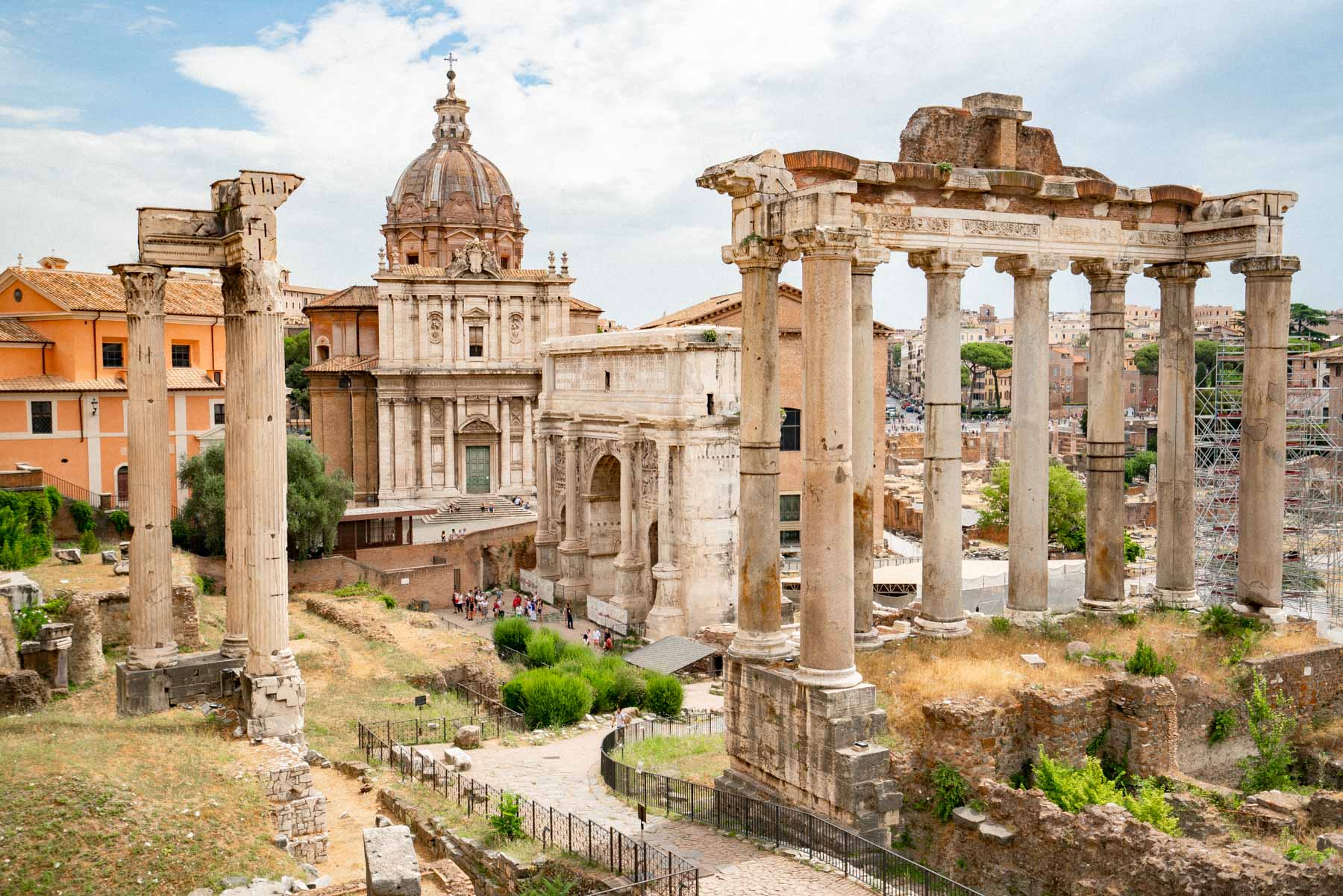
Spring is prime time to explore all the best things to do in Rome without the punishing summer heat. You can actually enjoy walking the Forum and Palatine Hill for hours, which is impossible in August.
Summer in Rome (June through August)
Average temps: 65-95F (18-35C). Hotel prices: $200-450/night (dropping slightly in August).
I will be blunt. Summer in Rome is *rough*. It is not the charming, sun-dappled experience you are imagining. It is oppressive, humid, and exhausting.
June is the most tolerable summer month. Temperatures are warm but usually not brutal (highs around 82-86F). The long days mean you can sightsee early and late, hiding indoors during the 1-4pm furnace hours. The Festa di San Giovanni on June 24th fills the streets around the Lateran basilica with food stalls and fireworks.
July is when things get serious. Temps regularly hit 90-95F, and the cobblestones radiate heat like a pizza oven. The Vatican Museums are packed and barely air-conditioned. Waiting in line outside the Colosseum for 45 minutes in direct sun is genuinely unsafe for some people. Stay hydrated, wear sunscreen, and plan indoor activities for midday.
Here is what saved me on my summer trip. Rome has over 2,500 public drinking fountains called *nasoni* (big noses) scattered across the city, and the water is clean and cold. Bring a refillable bottle and fill up constantly. Plan your day around the siesta rhythm. Sightsee from 8am to noon, then disappear into a long lunch and a gelato crawl from 1 to 4pm. The trick with gelato is to skip any place that has the stuff piled in colorful mountains. The good shops keep it in covered metal containers. Flat lids, not fluffy peaks. That one rule alone will upgrade your entire gelato experience.
August is a paradox. It is the hottest month, but many Romans leave the city for the coast. Entire neighborhoods shut down. You will find “Chiuso per Ferie” (closed for vacation) signs on restaurants, shops, and even some churches. The week of Ferragosto (August 15) empties the city. In some ways August is quieter than July, but you are sweating through it.
If you must visit in summer, know what mistakes to avoid in Rome so you do not make your trip harder than it needs to be.
Fall in Rome (September through November)
Average temps: 50-80F (10-27C). Hotel prices: $130-300/night.
Fall is Rome at its absolute best, and I will not apologize for being biased about this.
September is still warm (highs around 80F early in the month) but the worst of the heat has passed. Tourists are heading home. The light gets softer and more golden as the month goes on, and photographers, take note, this is when Rome looks its most photogenic.
October is my number one pick. Temperatures are genuinely pleasant (65-72F), rain is still relatively rare, and the city feels like it belongs to you again. I spent a whole afternoon at the Roman Forum in mid-October with maybe 30 other people. In July, there would have been 3,000. The best restaurants in Rome have seasonal menus featuring porcini mushrooms, truffles, and artichokes. It is food heaven.
October and early November also bring wine harvest season to the surrounding Lazio region. If you have a free afternoon, the Castelli Romani towns (Frascati is the easiest day trip) host grape harvest festivals with free tastings and street food. Back in the city, local markets like Testaccio and Campo de Fiori overflow with fresh porcini, Roman broccoli, and persimmons. The food scene in fall Rome is honestly reason enough to book the trip.
November brings more rain and cooler temps, and the days get noticeably shorter. It is not unpleasant, just moodier. Prices drop further, and you will find excellent hotel deals. The chestnut roasters appear on street corners, and there is something deeply cozy about ducking into a trattoria for cacio e pepe while it rains outside.
Winter in Rome (December through February)
Average temps: 37-57F (3-14C). Hotel prices: $100-250/night (spiking at Christmas/NYE).
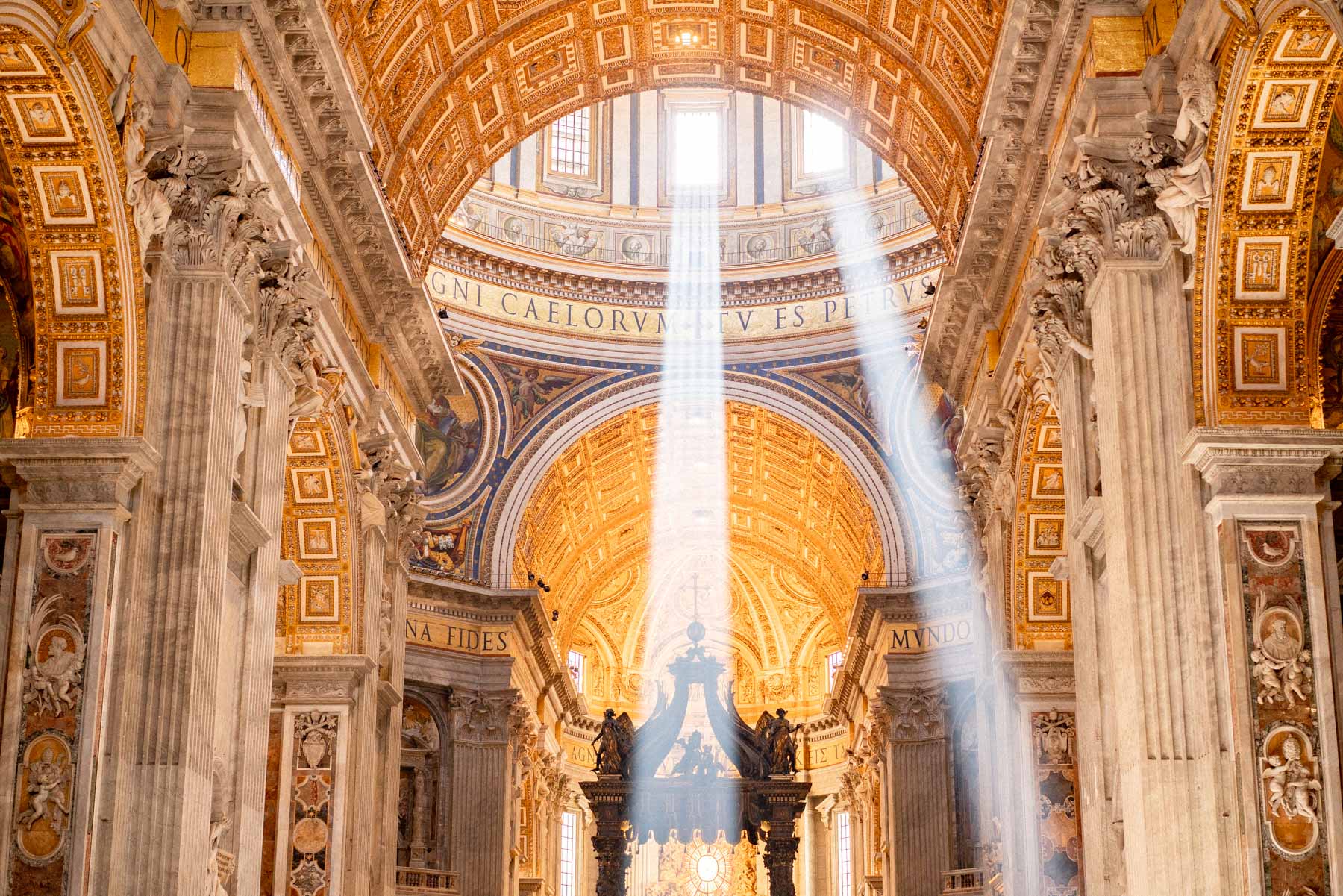
Winter in Rome is dramatically underrated. Yes, it is chilly. Yes, it rains. But Rome rarely gets truly cold the way northern European cities do. Snow is so rare that when it happens (maybe once every 5-7 years), the entire city stops to take photos.
December has a split personality. Early December is quiet and affordable, with Christmas markets and nativity scenes (*presepi*) popping up across the city. The Piazza Navona Christmas market is touristy but charming. The week between Christmas and New Year’s is packed and expensive, especially around the Vatican.
The 100 Presepi exhibition near Piazza del Popolo displays nativity scenes from around the world and is one of those local favorites that most tourists walk right past. If you visit in early December before the holiday rush, you can wander St. Peter’s Basilica with barely anyone else inside. The Vatican sets up its own enormous nativity scene and Christmas tree in the square, and watching the lights come on at dusk with a cup of hot chocolate from a nearby kiosk is one of those quietly perfect travel moments.
January and February are the quietest months. You can walk into the Sistine Chapel with minimal wait, which in summer feels like a small miracle. The winter sales (*saldi invernali*) start in early January and last about six weeks, turning Via del Corso and Via Condotti into a bargain hunter’s paradise. It rains roughly every third day, and temperatures hover in the 40s and 50s F. A good rain jacket and comfortable waterproof shoes are essential.
Winter is also the season of Roman comfort food at its finest. Think *supplì* (fried rice balls oozing with mozzarella), thick ribollita-style soups, and braised oxtail in tomato sauce that has been simmering since dawn. The neighborhood trattorias in Testaccio and Trastevere are at their coziest in February, with steamed-up windows and tables full of locals instead of tour groups. If you can handle gray skies, this is the most authentic version of Rome you will find.
If you are thinking about visiting Rome in December specifically, it can be magical with the right expectations.
Best Time to Visit Rome for Budget Travelers
January and February are the cheapest months across the board. Hotel prices drop 40-50% from summer peaks, and flights from the US can be found for $350-500 round trip. November is also excellent for budget travelers. You can stay in a well-located 3-star hotel in Trastevere for $100-130/night in January, compared to $250+ in July.
Best Time to Visit Rome for Foodies
October through December. Fall brings truffles, porcini, and the first artichokes. Winter brings hearty Roman dishes like *pajata* and *abbacchio*. Summer menus are lighter and less interesting. The outdoor food markets (like Testaccio) are best visited in spring and fall when the weather is comfortable.
Key Rome Events and Festivals

- March/April – Easter celebrations at the Vatican, Rome Marathon
- April 21 – Natale di Roma (birthday of Rome), free entry to civic museums
- May – Rose Garden opens, Italian Open tennis tournament
- June – Festa di San Giovanni, Estate Romana outdoor festivals begin
- July/August – Opera performances at the Baths of Caracalla
- September – Notte Bianca cultural events
- October – Romaeuropa performing arts festival
- November – Rome Film Fest
- December – Christmas markets, Piazza Navona presepi, midnight mass at St. Peter’s
Best Time to Avoid Crowds at Major Attractions
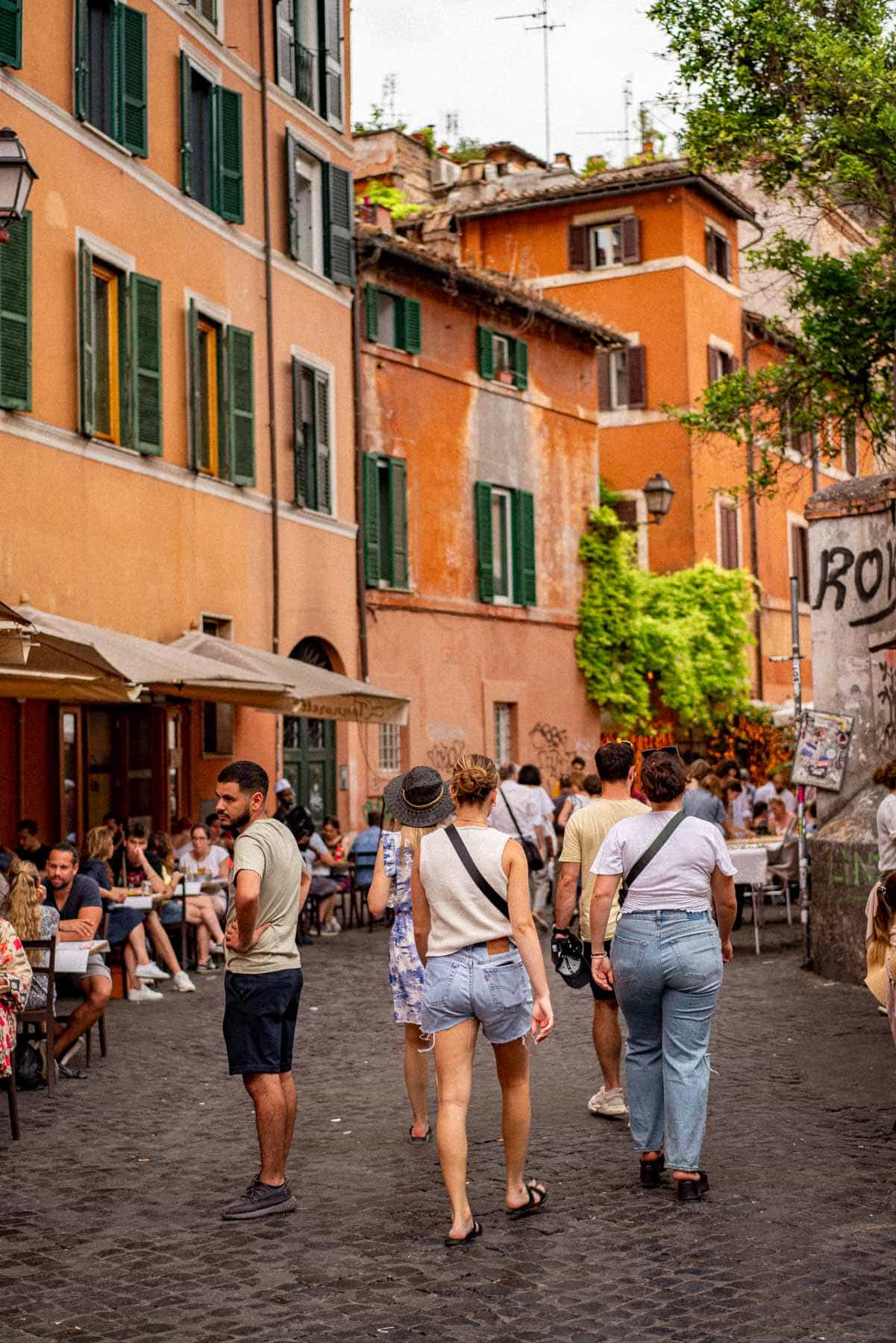
The Vatican Museums are least crowded from November through February, and on weekday mornings year-round. The Colosseum is most manageable in the first and last hours of the day, any time of year. Skip-the-line tickets are worth the extra cost from April through October.
One trick I learned. book your Colosseum entry for 4pm in any season. Most tour groups visit in the morning, and the afternoon light hitting the amphitheater is far better for photos anyway.
My Pick
If I could only visit Rome one more time and had to pick the exact dates, I would fly in on October 10th and stay for 10 days. The first week would be all city exploration. Forum and Palatine Hill in the morning golden light. Long lunches in Trastevere with cacio e pepe and a carafe of house white. Afternoon walks through neighborhoods most tourists never see, like Garbatella and Ostiense. Then I would spend the final three days doing day trips to Frascati for wine and Tivoli for Villa d’Este’s gardens.
Mid-October gives you everything. The weather is perfect for walking 15,000 steps a day without wilting. The light makes every ruin, every fountain, every crumbling ochre wall look like a painting. The food is at its seasonal peak. And the city feels like it *wants* you there, instead of merely tolerating you the way it does in August.
Final Verdict
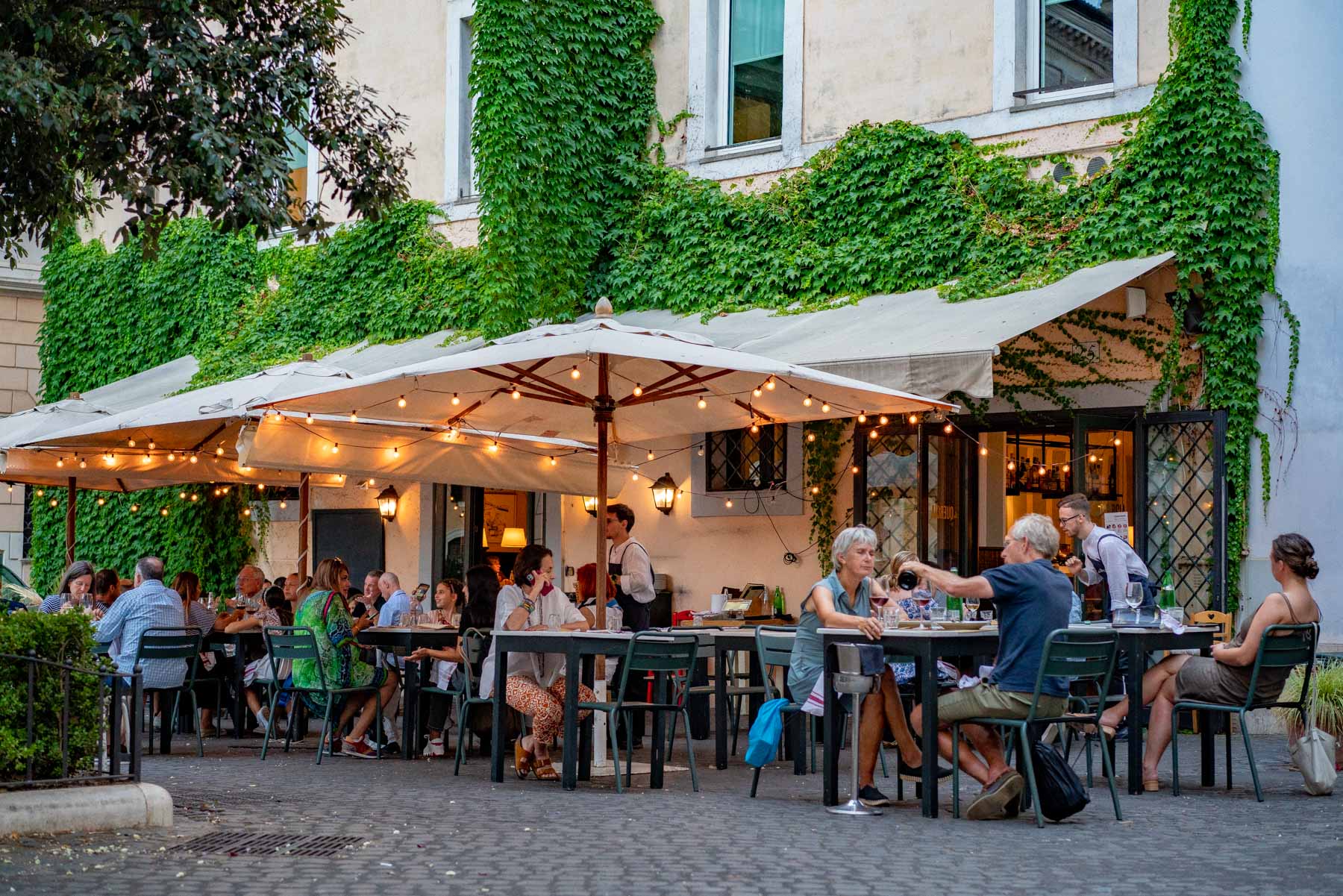
October is the sweet spot. The heat is gone, the crowds have thinned, the food is seasonal and outstanding, and the city glows in that particular Roman autumn light. April and May are your backup options, but watch out for Easter crowds. Summer is survivable but not ideal, and winter is an underrated gem if you do not mind some rain.
Rome has been drawing visitors for literally thousands of years. It rewards every visit. But it rewards an October visit just a little bit more.
August in Rome is genuinely brutal, with temperatures regularly above 35C (95F). Many local restaurants also close for vacation. April, May, or October are much better choices.
November through February (excluding Christmas and New Year) is the cheapest window. Hotels drop significantly and flights are a fraction of summer prices.
November is one of the rainier months in Rome, but showers are usually short. Pack a light rain jacket and you will still have plenty of sunshine between the downpours.


