



Tokyo is one of those cities that completely reinvents itself with each season. Cherry blossoms in spring, suffocating humidity in summer, fiery maple leaves in fall, crisp blue skies in winter. I have visited in three of the four seasons, and each time felt like visiting a different city entirely.
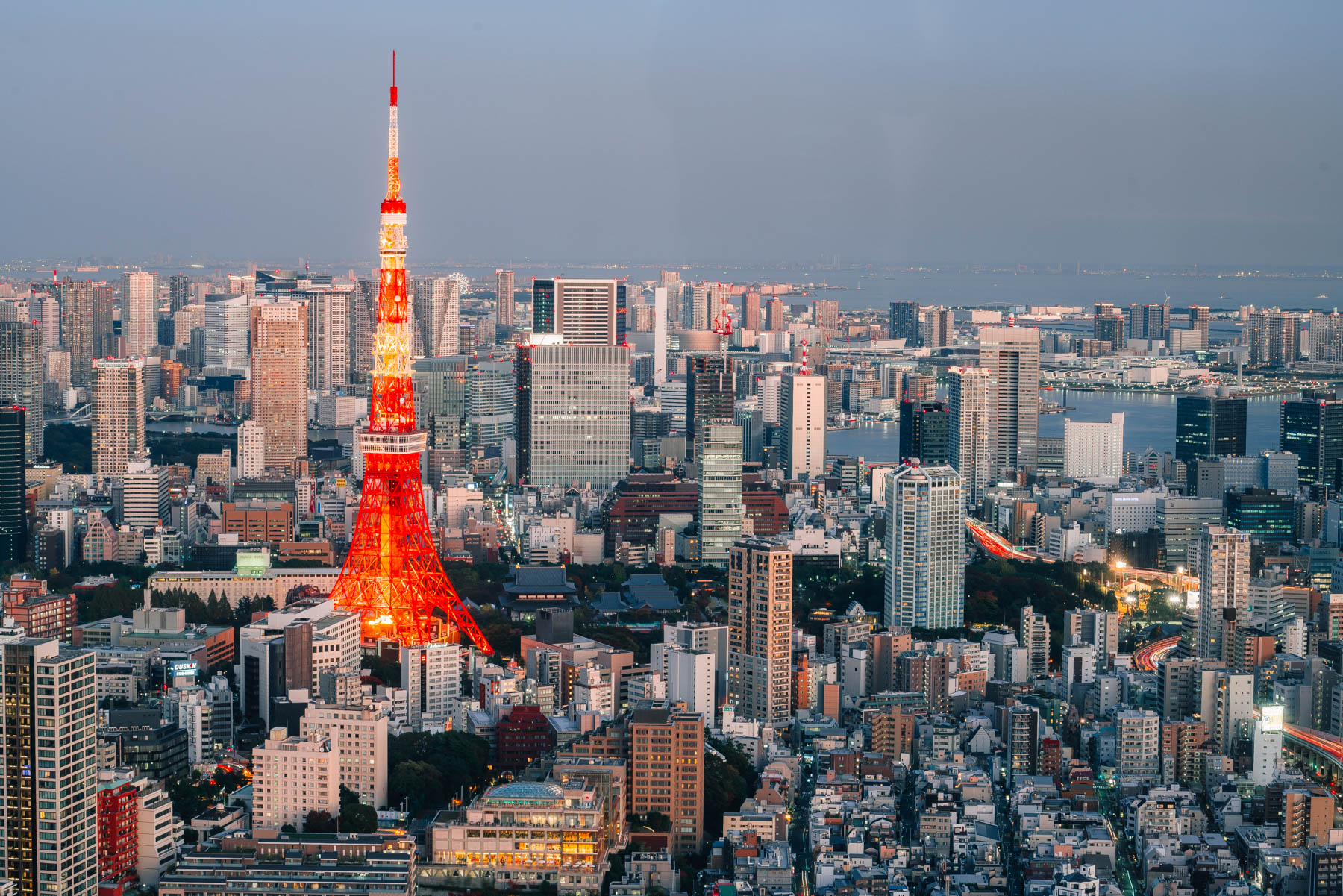
The season you choose will fundamentally shape your experience. Get this wrong and you could spend your entire trip drenched in sweat (or rain), or you could get it perfectly right and have the trip of a lifetime. Here is everything you need to know.
The Best Time to Visit Tokyo (Quick Answer)
My pick is late March through mid-April, timed around cherry blossom season. Yes, it is the most popular time. Yes, hotels book up months in advance. But cherry blossom season in Tokyo is one of those rare travel experiences that genuinely lives up to the hype. The entire city transforms, and the energy is electric.
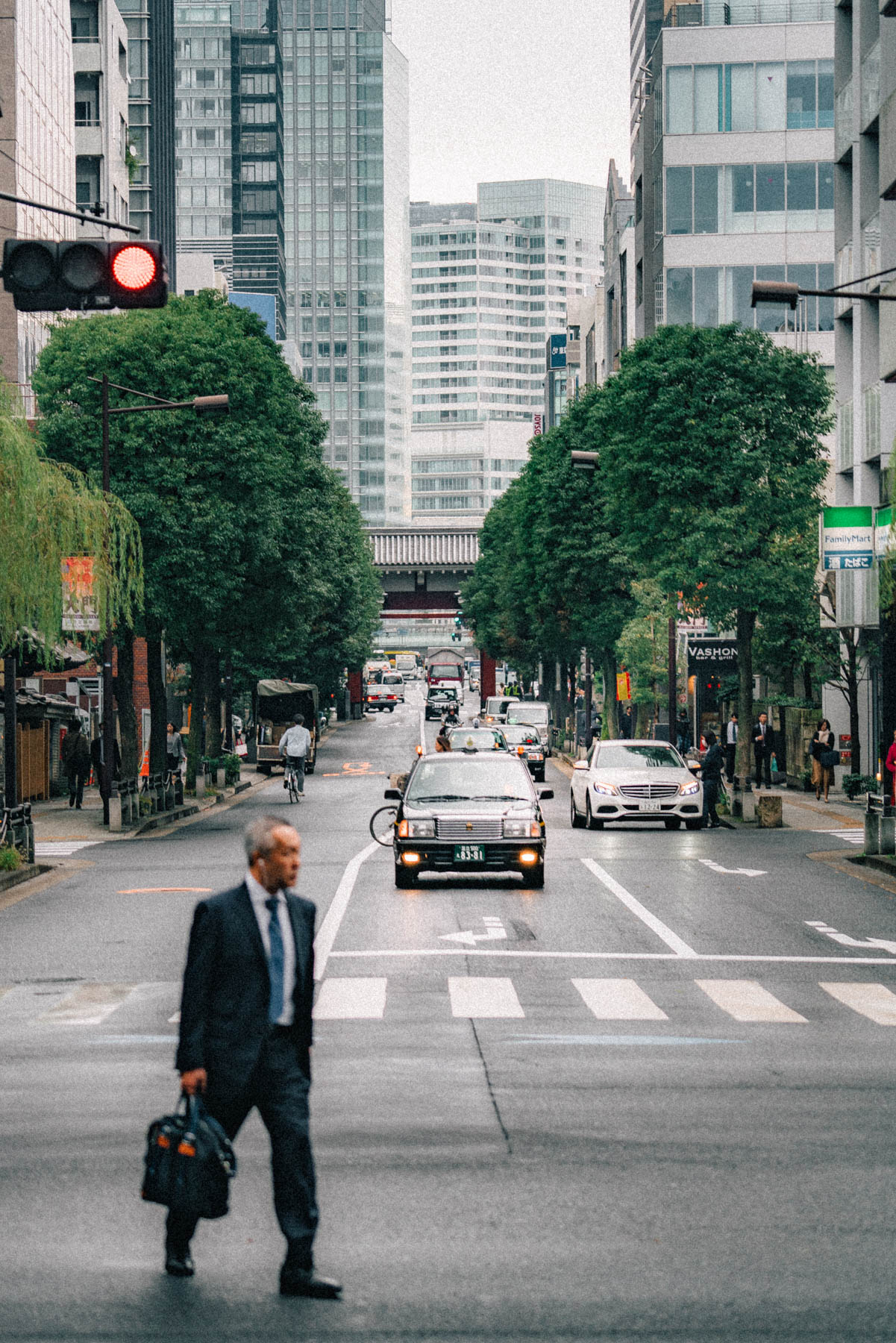
If cherry blossoms are not your thing (or if you hate crowds), November is my second choice. Beautiful fall colors, comfortable temperatures, and far fewer tourists.
Spring in Tokyo (March through May)
Average temps: 45-72F (7-22C). Hotel prices: $150-400/night (spiking during cherry blossom peak).

Spring is peak season in Tokyo, and it revolves around one thing – *sakura* (cherry blossoms). The blooming window is heartbreakingly short, usually about 10-14 days of full bloom, typically hitting Tokyo in late March to early April. The exact dates shift every year, and the Japanese Meteorological Agency releases forecasts starting in January that the entire country follows obsessively.
When the blossoms hit, Tokyo transforms. Every park fills with *hanami* (flower viewing) picnics. Ueno Park, Shinjuku Gyoen, and Meguro River become carpeted in pink and white petals. Office workers spread blue tarps under trees at 7am to reserve spots for their company’s after-work party. Convenience stores stock special sakura-flavored everything. It is joyful and communal and unlike anything else in the world.
Each park has its own personality during bloom. Shinjuku Gyoen is the most spacious and serene, with 1,000+ cherry trees and a 200-yen entry fee that keeps the rowdier crowds out (no alcohol allowed). Ueno Park is the classic *hanami* party scene, where the atmosphere is more festival than garden. And Meguro River might be the most photogenic spot in the entire city. The canal is lined with 800 cherry trees whose branches arch over the water, creating a pink tunnel that is absurd in person. Go at night when the trees are lit up and the petals drift downstream like confetti.
The catch? Everyone knows this. Hotels during peak bloom can cost 2-3x their normal rate, and you need to book 3-4 months ahead for anything decent. Flights from the US are $900-1,200+ round trip. But honestly? It is worth it. I have traveled to 40+ countries and cherry blossom season in Japan remains one of my top five travel experiences.
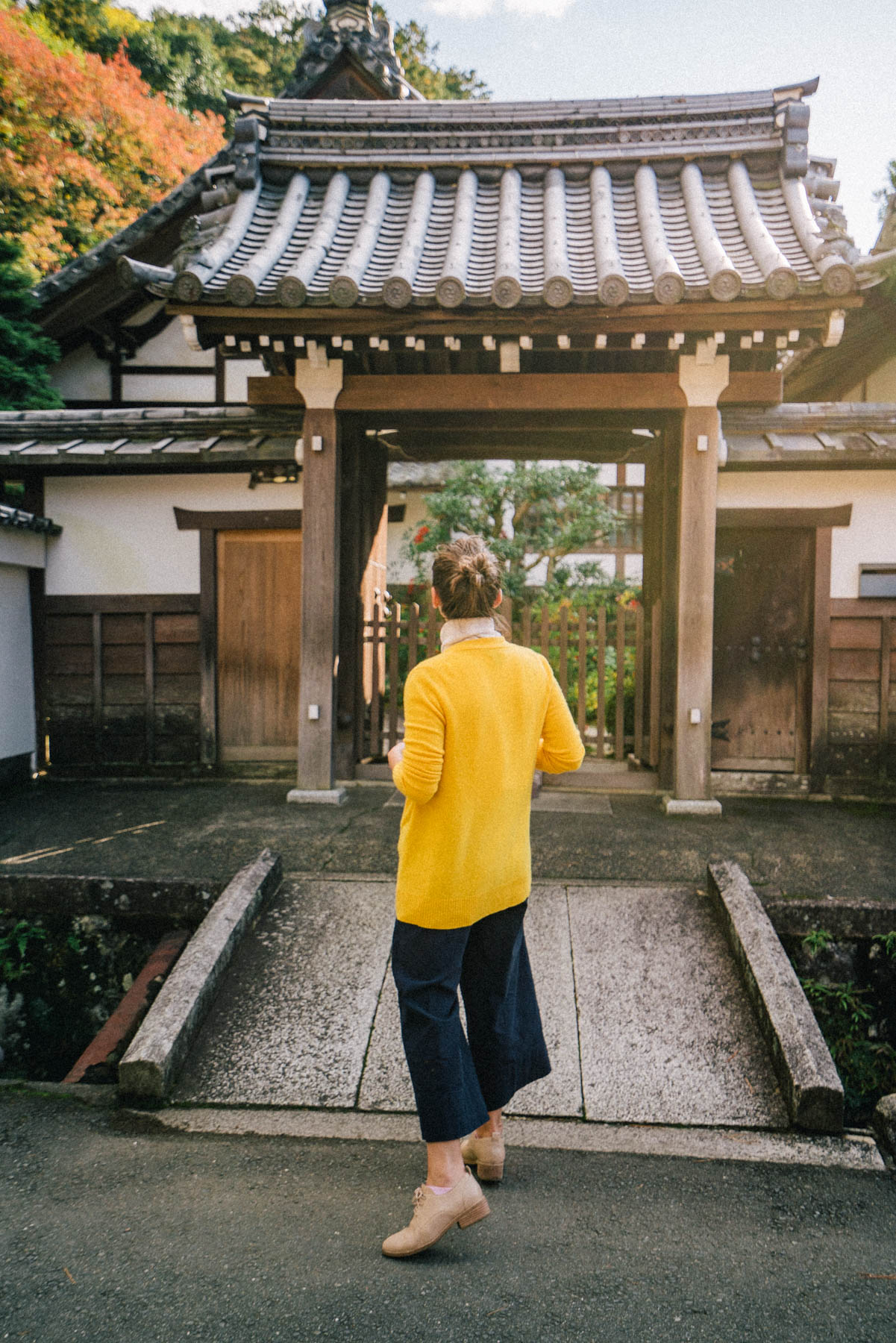
May is lovely too. The blossoms are gone, but the weather is warm and pleasant (low-to-mid 70s F), the crowds thin out after Golden Week (late April/early May), and everything is lush and green. Late May does start to get humid, which is a preview of what is coming in summer.
Check out our full guide on things to do in Tokyo to start planning your itinerary.
Summer in Tokyo (June through August)
Average temps: 70-90F (21-33C). Hotel prices: $120-280/night.
I need to be honest with you about summer in Tokyo. It is *brutal*. Not “oh it’s a little warm” brutal. I am talking about stepping outside and feeling like you walked into a sauna with your clothes on.
June brings *tsuyu* (rainy season), which typically runs from early June through mid-July. It rains constantly. Not dramatic thunderstorms, but a persistent, muggy drizzle that soaks through everything. Humidity hovers around 80%. If you have curly hair, good luck. On the plus side, hydrangeas bloom all over the city during rainy season, and they are genuinely beautiful.
July and August are hot and humid with temperatures regularly hitting 90-95F and humidity that makes it feel like 105+. The Japanese have a concept called *natsubate* (summer fatigue) and it is extremely real. You will need to duck into air-conditioned spaces every 30-45 minutes to recover.
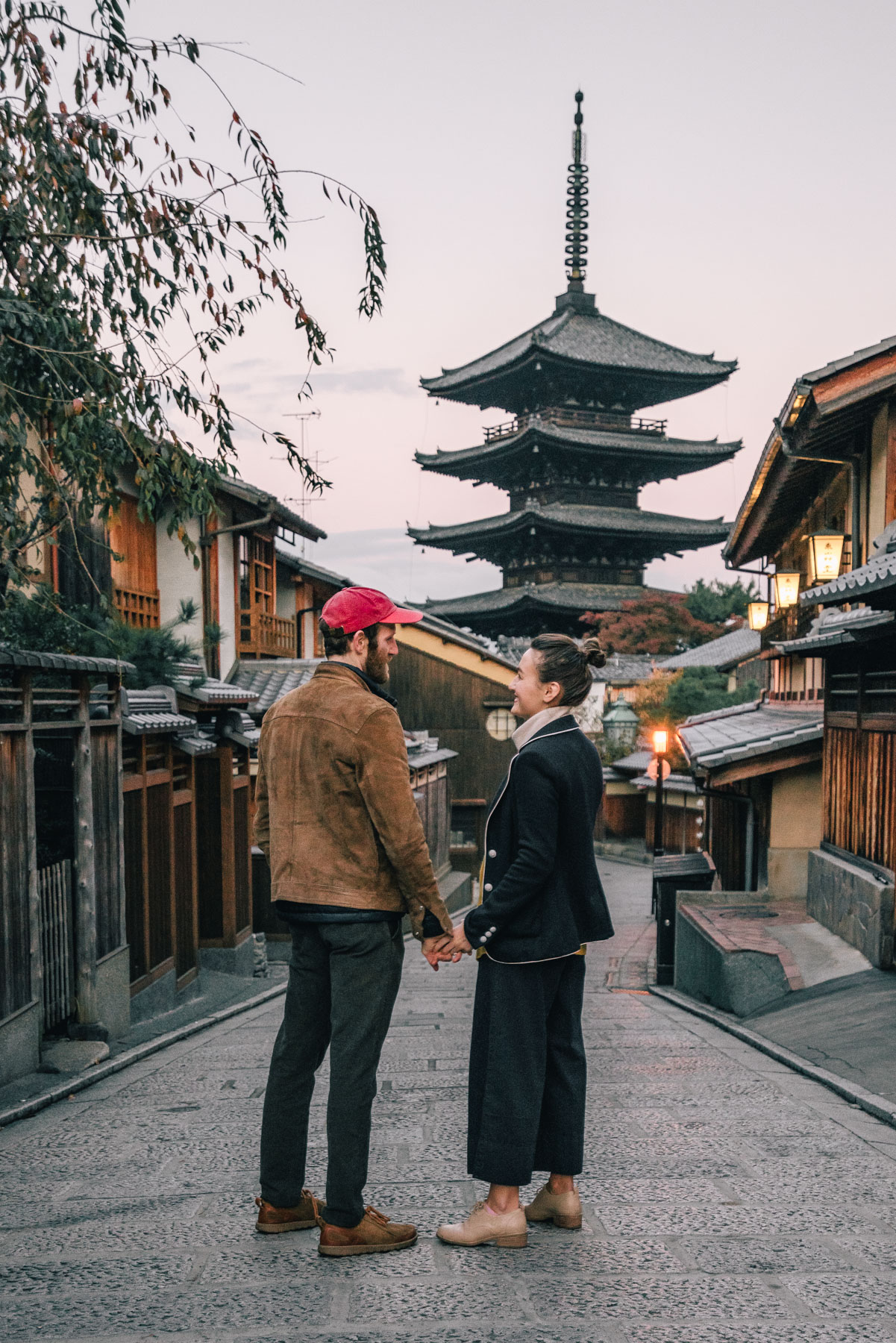
That said, summer has its perks. The Sumida River fireworks festival in late July is one of the largest in the world, with nearly a million spectators. Summer festivals (*matsuri*) happen every weekend, with food stalls, traditional dancing, and portable shrine processions. Hotel prices are lower than spring and fall. And the long days mean more sightseeing time.
The Tanabata festival (July 7th) fills shopping streets with colorful paper streamers and wishes written on *tanzaku* strips. The Koenji Awa Odori in late August is a massive street dance festival with 10,000+ dancers in traditional costumes. And the Sumida fireworks deserve their own paragraph honestly. Nearly 20,000 fireworks over the river, viewed by roughly a million people. Get there *early*. I am talking 2-3pm for a 7pm show. Or book a spot at a riverside restaurant and watch from air conditioning like a civilized human.
If you visit in summer, adjust your schedule. Sightsee early (before 10am) and late (after 4pm). Spend midday in museums, department stores, or air-conditioned cafes. Carry a hand towel (every Japanese person does) and drink water constantly.
Fall in Tokyo (September through November)
Average temps: 50-80F (10-27C). Hotel prices: $130-300/night.
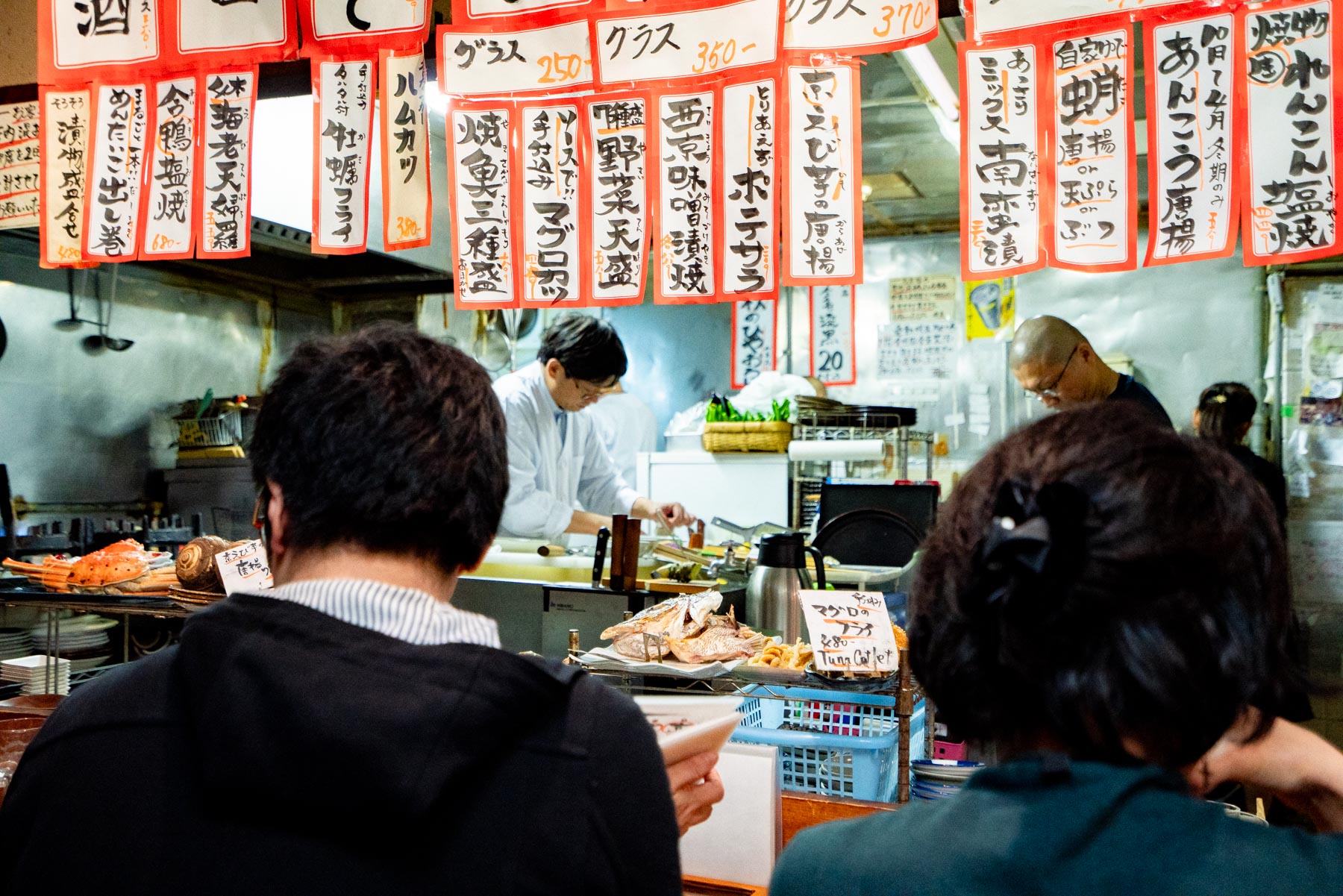
Fall is Tokyo’s other magical season, and it is criminally underrated compared to cherry blossom season.
September is still warm and can be humid, especially early in the month. Typhoon season runs from August through October, and while direct hits on Tokyo are uncommon, they do happen. Check weather forecasts and have a flexible itinerary.
October is when things start getting good. The humidity breaks, temperatures drop to the comfortable 60-70F range, and the skies turn that distinctive Japanese autumn blue. On clear days, you can see Mount Fuji from Tokyo, which is nearly impossible in humid summer months.
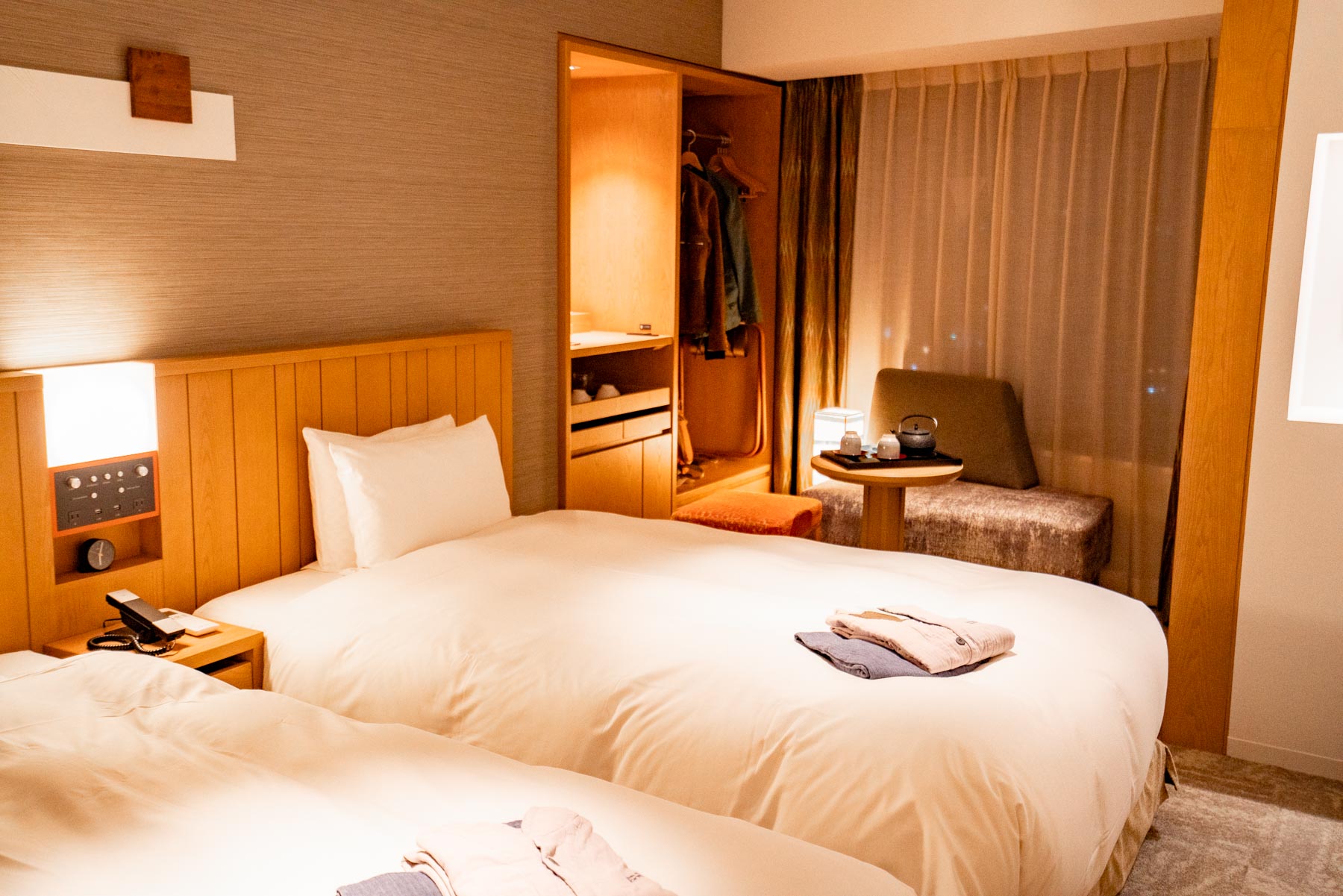
November is peak fall color season, and it is *spectacular*. While the fall colors in Kyoto get more attention, Tokyo’s autumn foliage is gorgeous in its own right. The ginkgo trees along Meiji Jingu Gaien avenue turn electric yellow in late November, creating one of the most photographed tree tunnels in the world. Rikugien Garden hosts nighttime illuminations of its maple trees that are worth every yen of the 300-yen entry fee.
Beyond the famous Meiji Jingu Gaien ginkgo avenue, seek out Koishikawa Korakuen Garden for an intimate fall color experience without the crowds of Rikugien. Todoroki Valley, a hidden ravine in suburban Setagaya, feels like stepping into rural Japan while technically still inside Tokyo. The maple trees there peak in early December, which extends your fall color window. And for something truly special, the evening illuminations at Rikugien Garden turn the place into a glowing wonderland of red and gold reflected in still water. The line to get in can be 30+ minutes on weekends, so go on a Tuesday or Wednesday.
Fall is also when Japan travel tips about layering really pay off. Mornings can be cool (low 50s) while afternoons warm up to the mid-60s. A light jacket you can stuff in a daypack is essential.
Winter in Tokyo (December through February)
Average temps: 35-52F (2-11C). Hotel prices: $100-250/night (spiking at New Year’s).
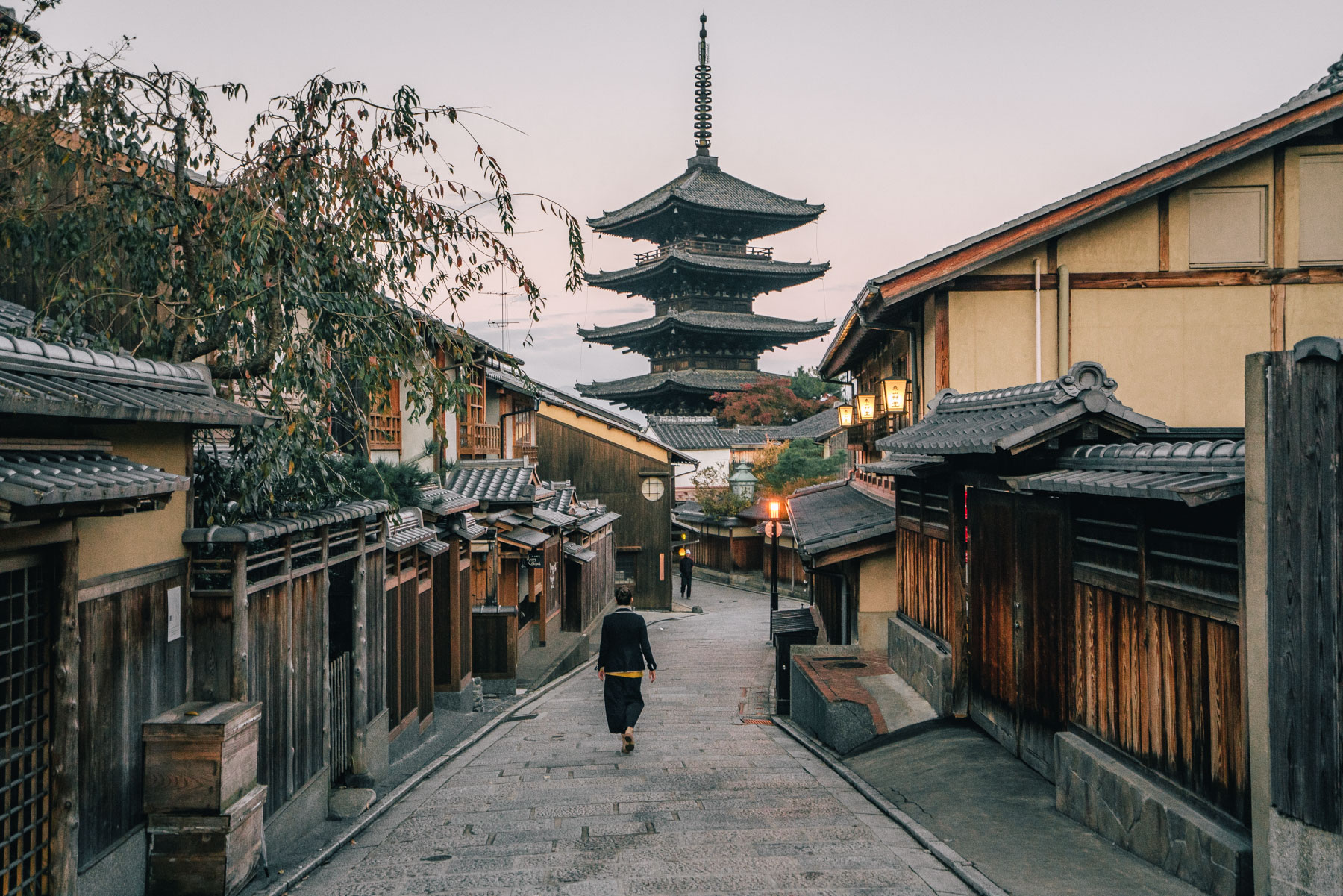
Winter in Tokyo is cold but clear. Unlike many cities, Tokyo gets remarkably little rain or snow in winter. The skies are often brilliant blue, and the air is crisp and dry. Mount Fuji is visible from the city on most clear days, framed perfectly between skyscrapers.
December is festive. The Japanese go all-in on Christmas illuminations despite Christmas not being a national holiday. Roppongi, Shibuya, Marunouchi, and Tokyo Midtown put up light displays that are genuinely world-class. Christmas Eve is treated as a date night, and couples line up at fancy restaurants weeks in advance.
New Year’s (*Oshogatsu*) is the most important holiday in Japan. The period from December 29 through January 3 sees many businesses close. Shrines and temples are packed with people making their first visit of the year (*hatsumode*). Meiji Shrine in Harajuku draws over 3 million visitors in the first three days of January. It is cultural immersion at its most intense.
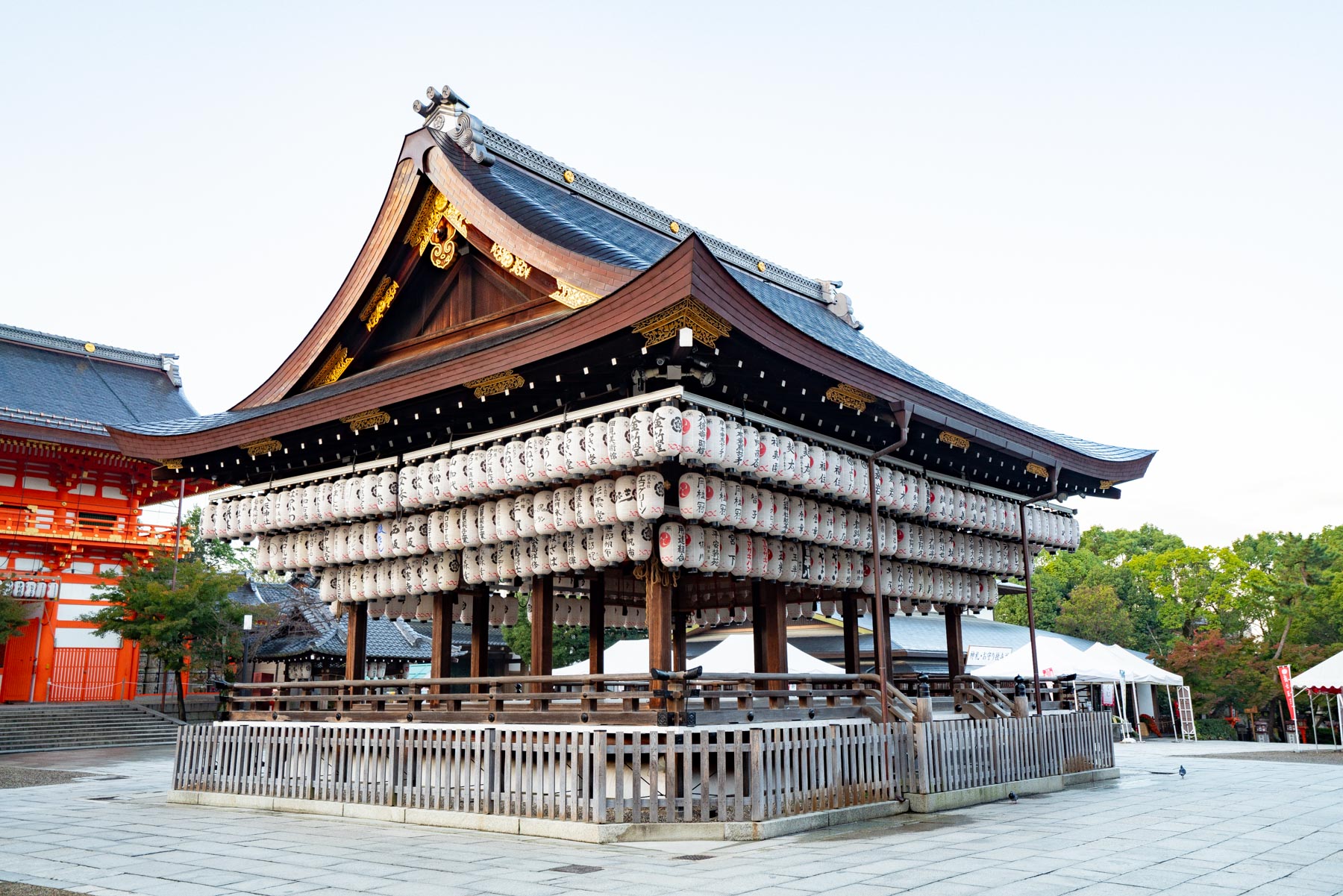
January and February are the coldest months, but temperatures rarely drop below freezing. Think 35-50F, which is chilly but very manageable with layers. These are also the cheapest months for flights and hotels. You can find round-trip flights from the US for $500-700 and decent hotels for $100-150/night.
Winter is an excellent time for food-focused trips. Hot ramen, steaming gyoza, and warming bowls of *oden* from convenience stores hit differently when it is 40 degrees outside. If you are considering side trips to Kyoto, winter crowds at temples are a fraction of what you will encounter in spring or fall.
Best Time to Visit Tokyo for Budget Travelers
January through mid-March (before cherry blossom season) and June through August (humidity discount). Winter is my pick for budget travel because you get clear skies and comfortable sightseeing despite the cold. Summer savings come at the cost of your comfort.
Best Time to Visit Tokyo for Photographers
Cherry blossom season (late March/early April) and fall colors (mid-to-late November) are the two peak windows. Winter offers the clearest skies for cityscapes and Mount Fuji shots. Summer’s haze and humidity kill visibility.
Key Tokyo Events and Festivals
- January 1-3 – Hatsumode (first shrine visit of the year), Emperor’s New Year greeting at Imperial Palace (Jan 2)
- February – Plum blossom season, Setsubun bean-throwing festival
- Late March/Early April – Cherry blossom season, hanami parties
- Late April/Early May – Golden Week holidays (extremely crowded domestically)
- June – Rainy season, Sanno Matsuri festival (even-numbered years)
- Late July – Sumida River fireworks festival
- August – Obon season, Koenji Awa Odori dance festival
- September/October – Typhoon season, autumn equinox celebrations
- November – Shichi-Go-San children’s festival (Nov 15), peak autumn colors
- December – Christmas illuminations, year-end markets
What About Typhoon Season?
Typhoon season technically runs from June through October, with the highest risk in August and September. Most typhoons track south of Tokyo or veer east before reaching the city. When they do hit, they are usually downgraded to tropical storms by the time they reach Tokyo. That said, they can still dump massive amounts of rain and cancel trains for a day. If you are visiting during typhoon season, build one or two flexible days into your itinerary.
My Pick
If you have never been to Japan before, go during cherry blossom season. Book your flights the moment the Japan Meteorological Agency releases its first bloom forecast (usually mid-January). Aim for the last week of March through the first week of April. Yes, it will be expensive. Yes, it will be crowded. But sitting under a canopy of blossoms in Shinjuku Gyoen with a bento box and a can of Asahi is one of those travel memories that stays sharp for decades.
If you have already done cherry blossom season, or if crowds genuinely stress you out, go in mid-November. The fall colors are just as beautiful, the weather is perfect for walking, and you will pay half the price for hotels. Either way, you really cannot lose with Tokyo. It is a city that delivers no matter the season.
Final Verdict
Cherry blossom season (late March to mid-April) for the once-in-a-lifetime experience. November for the best balance of weather, colors, crowds, and prices. January/February for budget travelers who do not mind the cold. And please, unless you genuinely love extreme humidity, think carefully before booking July or August.
Tokyo is a city that rewards depth over breadth. No matter when you visit, slow down, explore one neighborhood at a time, and eat everything you can find. The season is just the backdrop. The food, the people, and the attention to detail in every single thing are what make Tokyo memorable.
Cherry blossoms in Tokyo typically bloom from late March to early April. The exact timing shifts each year, so check the forecast a few weeks before your trip.
Winter Tokyo is fantastic. The skies are clear, the crowds thin out, and you can see Mount Fuji from the city on crisp days. Plus, winter illuminations are beautiful.
Typhoon season runs from August through October, with September being the peak. Trips during this period may see flight delays or rainy days, but major disruptions are not common.







