



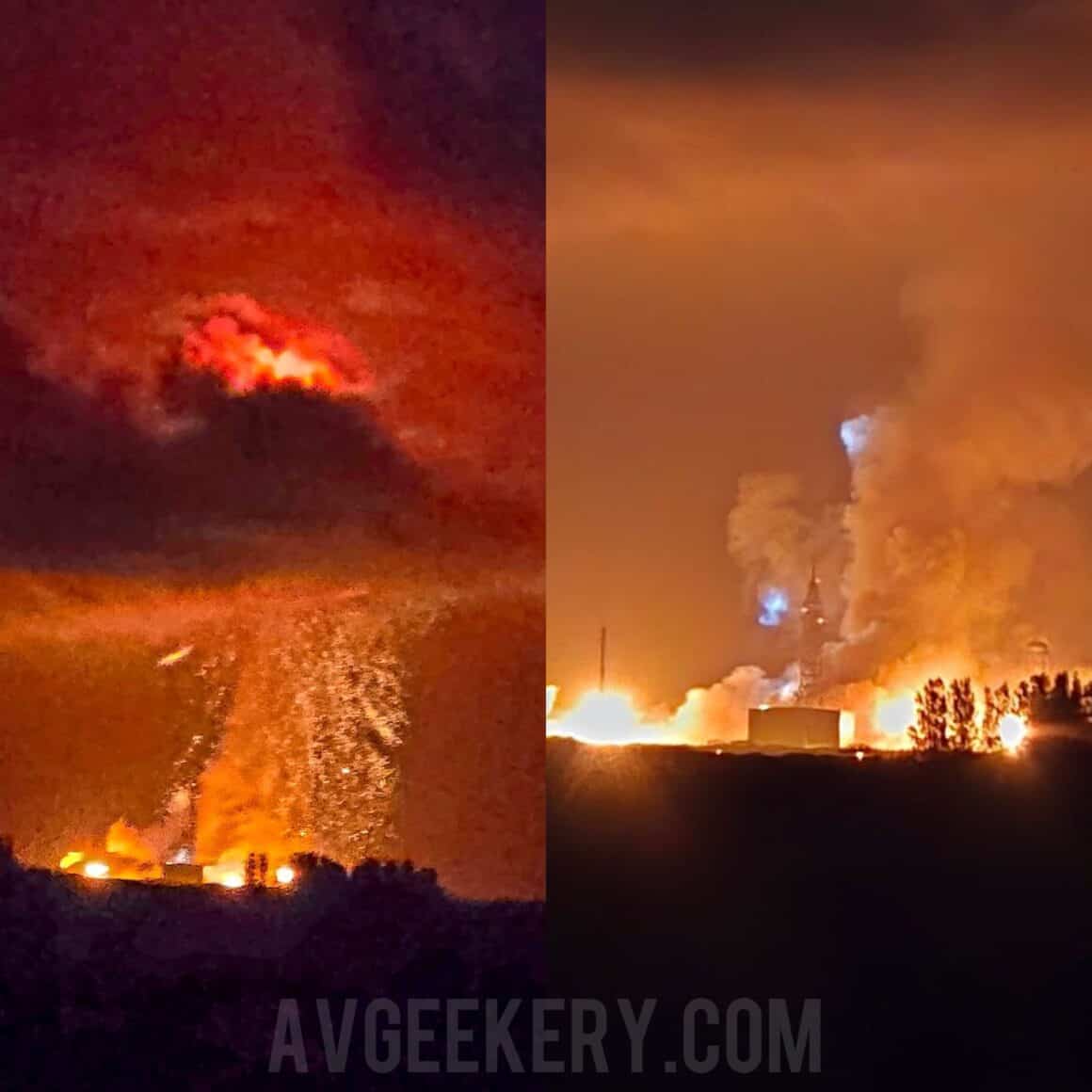
Next year, NASA hopes to launch Artemis-3 with two commercial contractors, Blue Origin, owned by billionaire Jeff Bezos, and SpaceX, owned by billionaire Elon Musk. But neither company is nearly ready, and after Blue Origin’s New Glenn rocket exploded last night, both rockets set to launch landers next year are now grounded by the FAA.
The impact of last night’s explosion, combined with other spacecraft accidents, could be significant for NASA’s short-lived Artemis plans to land back on the moon before China.

Now, more pressure is being placed on SpaceX Starship to keep Artemis-3 operational.
Starship recently conducted its 12th round of testing with a new, enhanced version of the previous design. The Mammoth booster was scheduled to return to Earth via a controlled, powered descent, but its engines failed on Flight 12, causing the booster to crash into the ocean instead of making a soft landing on the waves. So we are currently grounded until we find the cause and solution.
The Starship itself did well, making its own soft landing before exploding as expected.

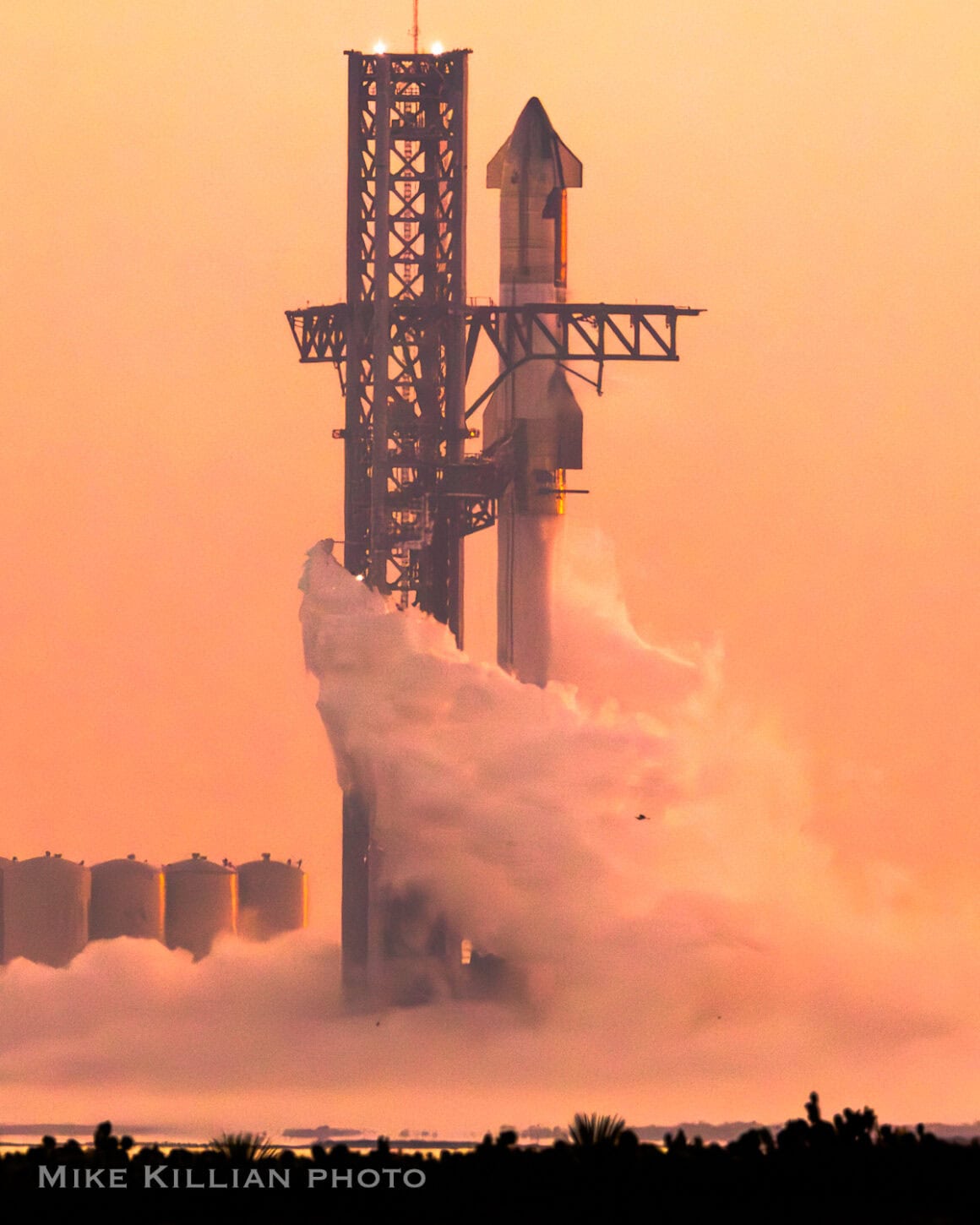
With the loss of Blue Origin’s New Glenn rocket, SpaceX is now under more pressure to get Starship operational. NASA also signed a contract with Blue Origin to develop a lunar lander for the Artemis mission. It’s called Blue Moon and is scheduled to launch from New Glenn.
Since last night’s explosion destroyed half the launch complex, it is safe to assume that repair work on LC-36 will take six to 12 months before the pad is operational again.
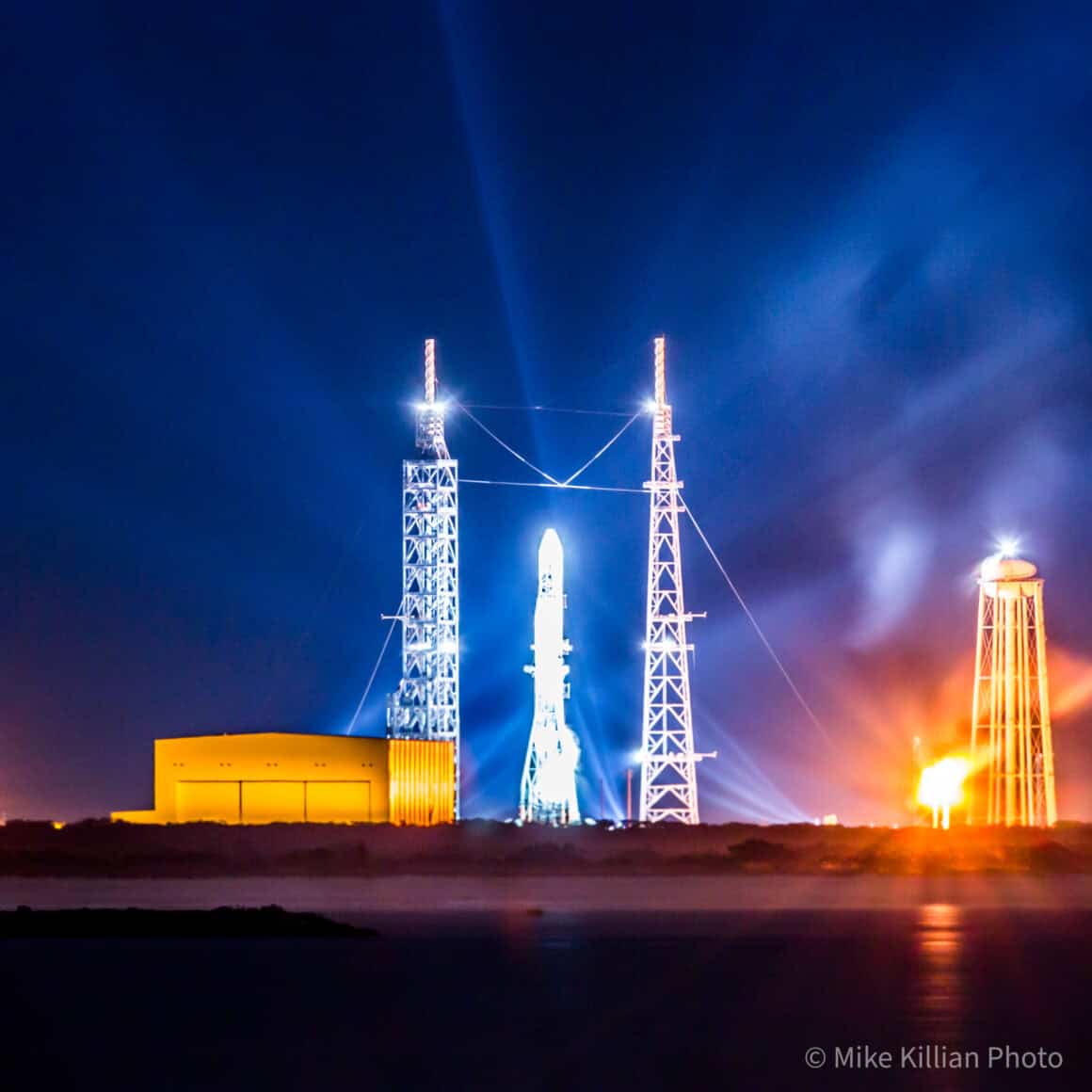
Moreover, New Glenn has only flown three times, and on the third launch it actually failed to deliver its payload into a proper orbit. So even if the pad is repaired, there is still no safe and consistent flight speed NASA can realistically rely on. So will Artemis-3 still be realistic in 2027?
A cargo version of Blue Moon is currently being tested in Houston, but there is currently no rocket to launch to the moon. It was scheduled to launch on an unmanned lunar landing this year to deliver NASA the first payload to make it operational and support future crews.
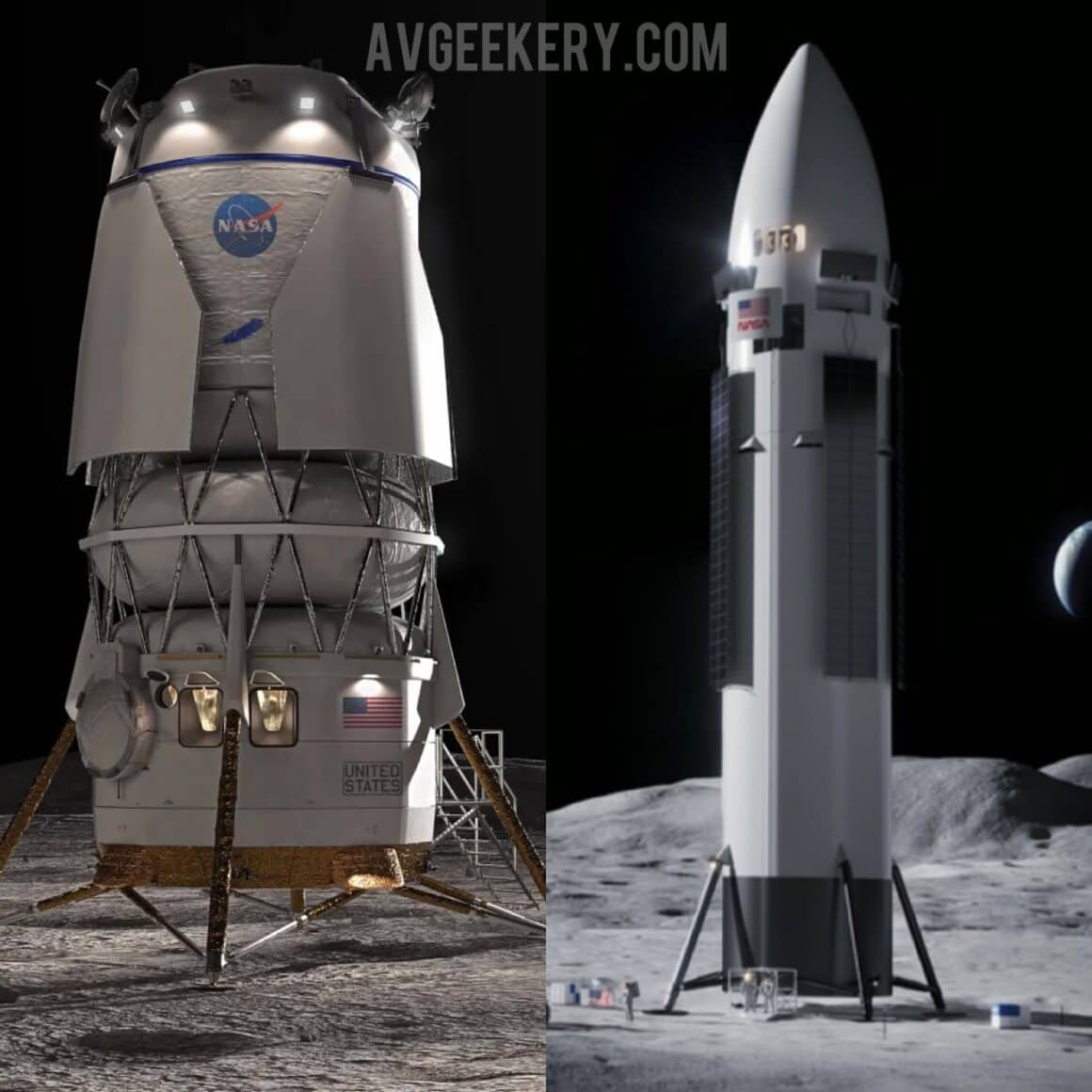
But Blue’s lander could be mounted on NASA’s Artemis SLS rocket, which was used to launch the crew on Orion.
Blue Origin began rolling out Artemis infrastructure and payloads to the moon this year, but that won’t happen anymore.
NASA also signed a contract with Blue Origin to deliver payloads and lunar terrain vehicles to the Moon for the Artemis program using New Glenn starting later this year. With last night’s explosion, those plans are now gone.
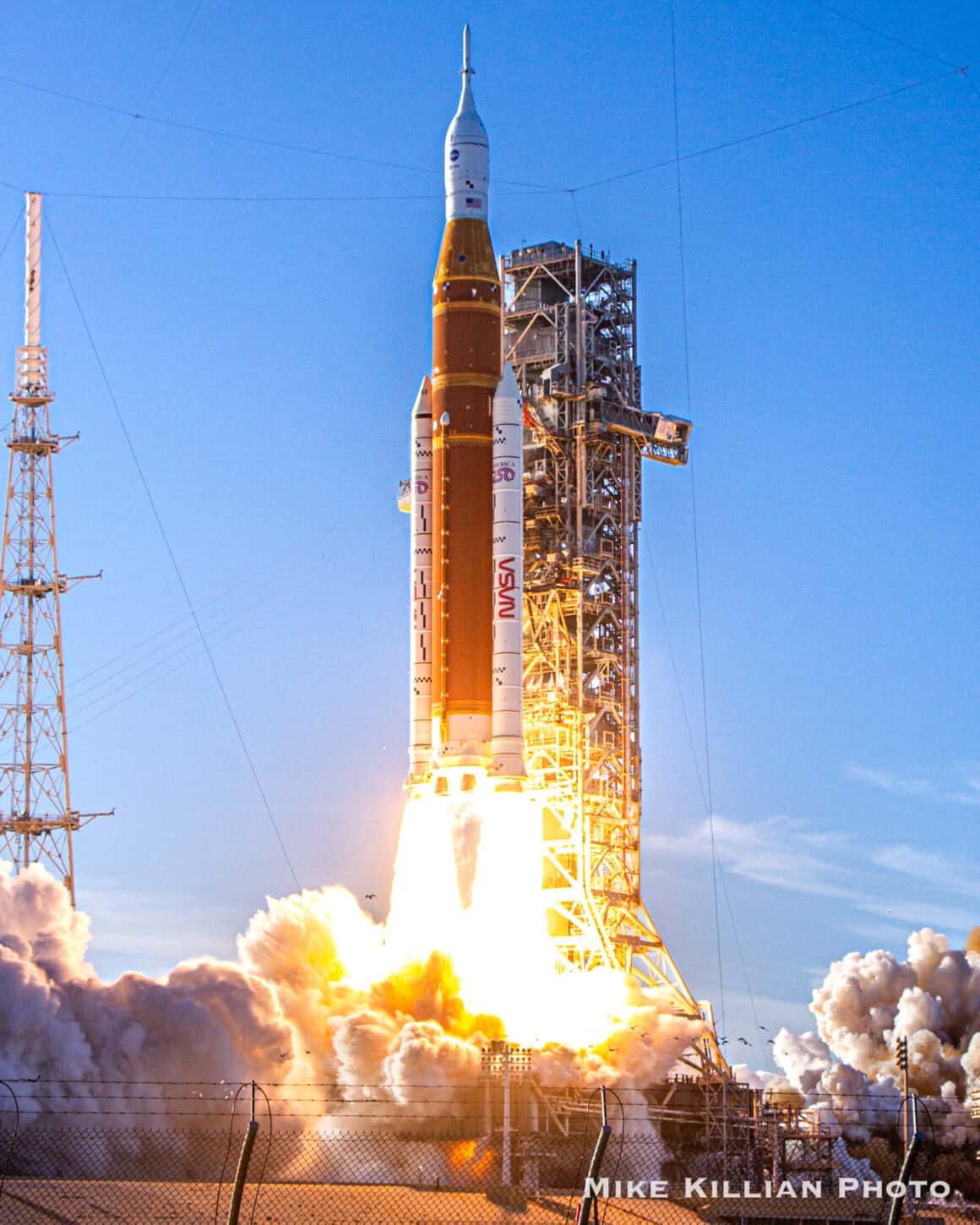
NASA has twice proven its SLS rocket and Orion spacecraft for Artemis operations. Now Blue Origin and SpaceX are delivering on their promise.
Artemis 3 is scheduled to launch next year for testing in Earth orbit with the NASA crew of the Orion spacecraft performing docking and rendezvous tests with the lander. But if the lander and rocket aren’t ready, there’s no mission. This means there will be no moon landing in 2028 either. Everything will continue to be delayed.

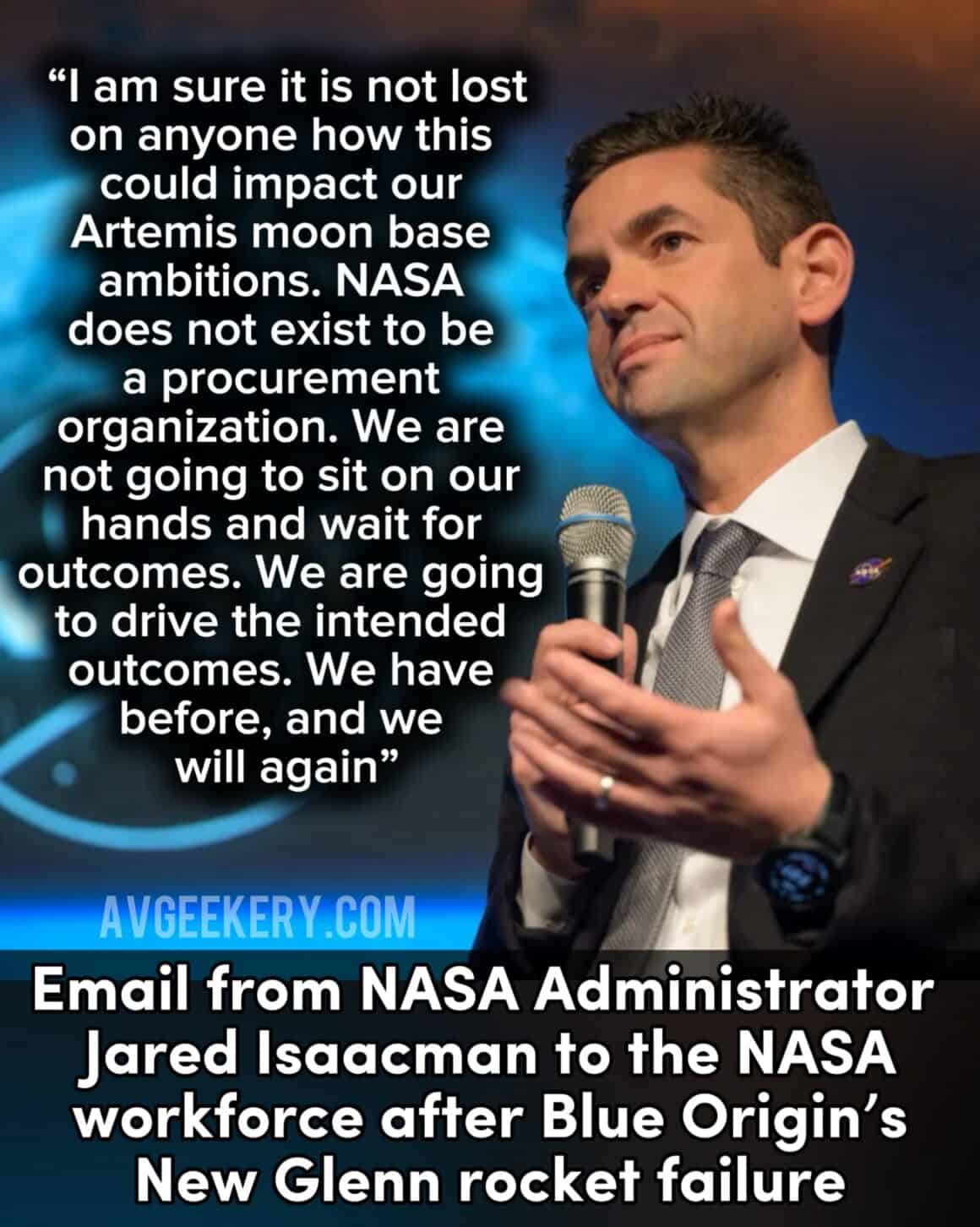
Now, Blue Origin and SpaceX have placed greater priority on lander development to meet President and NASA Administrator Jared Isaacman’s schedule expectations. Both companies will undoubtedly solve the problem. But will they do it before China?


