



On May 24, Colombian President Gustavo Petro posted a message on
The so-called “Hondurasgate” is a response to a series of audio leaks in late April suggesting a conspiracy between the United States, Israel and Argentina to destabilize leftist governments in Latin America, including Colombia.
The leaked recordings, first published by Diario Red, reportedly link former Honduran President Juan Orlando Hernández to conservative actors in Mexico, Colombia and Brazil who are trying to spread disinformation about the left-wing governments in those countries.
Such international coordination is not new. Since at least last August, there have been reports that the Colombian far-right has increasingly sophisticated links with extremist groups in Latin America, Spain and the United States.
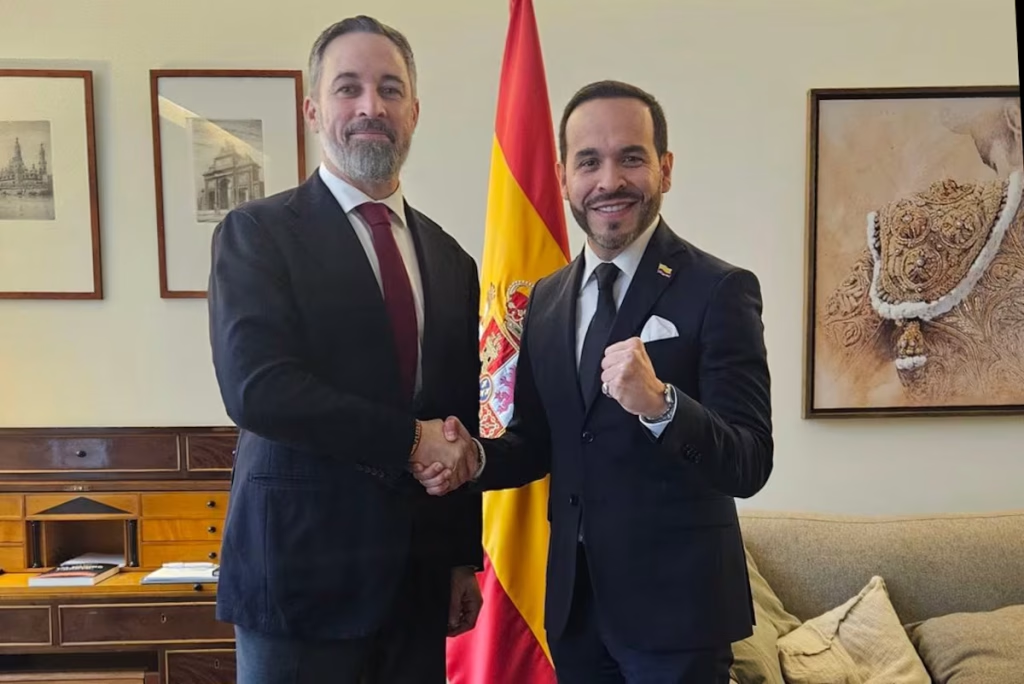
These cross-border networks include important figures in Colombian politics. In January, presidential candidate Abelardo de la Espriella He went to Madrid, met Santiago Abascal, leader of Spain’s far-right Vox party, and joined Foro de Madrid, a coalition of right-wing leaders and groups from across Europe and the Americas.
A recent investigation by Bellingcat and Cerosetenta linked Jorge Rodríguez, a former parliamentary candidate for Centro Democrático, to an alleged member of the global neo-Nazi group Active Club in Bogota. Rodríguez has been an enthusiastic supporter of another presidential candidate, Paloma Valencia of Centro Demcrático.
As Petro’s post shows, stronger influences are also at play. On May 20, Republican Senator Bernie Moreno told the Atlantic Council that the United States may not recognize the results of Sunday’s election if there is evidence of voter intimidation.
Moreno, a Colombian who was invited to oversee the election as an international observer, also criticized Petro’s government and said it would be a “miserable disaster” if the country voted for another left-wing government.

The global extreme right and the history of Colombia
As a historian of 20th-century Colombia, with a particular focus on political and social developments in the mid-1900s, I know that Colombia’s growing entanglement with the global far-right also has historical precedent.
In the late 1930s and early 1940s, various right-wing groups across the country forged cross-border links with fascist-inspired groups in Europe and Latin America.
In the face of liberal social reformism, weakening conservatism, and growing fears of communism, several movements emerged across the country (mainly in Bogota and Medellín) seeking inspiration from Nazism, Italian fascism, and most importantly, Spanish Catholic nationalism.
With the onset of the Spanish Civil War (1936–1939), these groups were able to establish substantial ties with their European counterparts in the form of fundraising campaigns for Spain’s nationalist army, propaganda visits by representatives of General Francisco Franco, and the establishment of local branches of the fascist party Falange Espanola.
These connections have strengthened the Colombian far right both financially and politically, making it a less significant force in the country.
Colombian mid 20sDay The century was clearly a very different political and social scene. First of all, it had a non-partisan political system, and the Catholic Church played a very influential role in politics.
But it is worth noting the results of previous international mobilizations, especially since the far right plays a much more significant role today.
First, the growing boldness of right-wing movements has halted the reformist agenda, albeit imperfect, aimed at improving the lives of many Colombians.
It also increased the country’s political polarization and injected a specific religion-based nationalism into popular and official conservative discourse that would have disastrous consequences in the late 1940s, when Colombia suffered an unofficial civil war that lasted more than a decade.

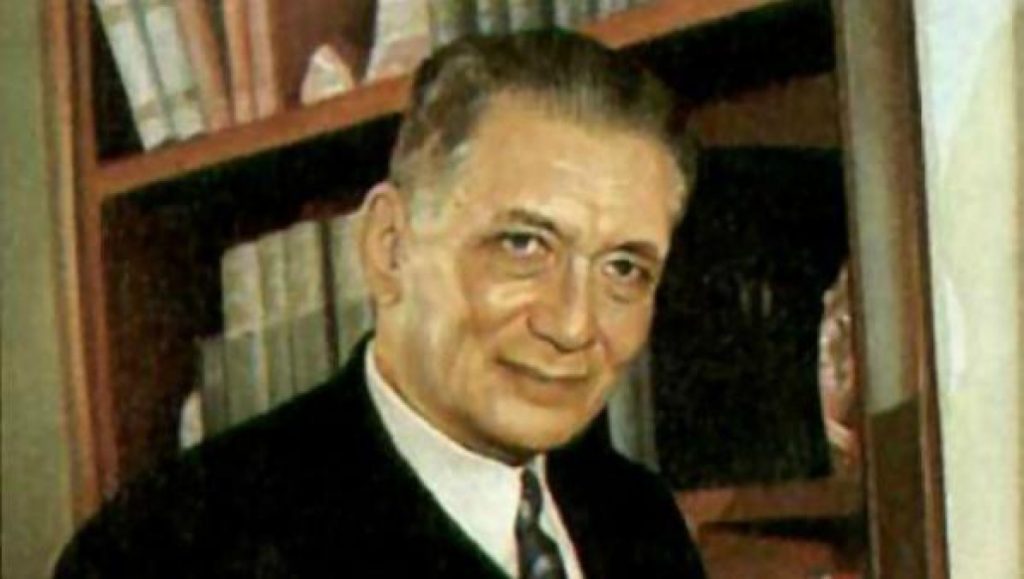
Finally, the recognition that the country’s interests were better served as part of broader conservative ideals contributed to the 1953 constitutional reform bill that sought to turn Colombia into a confessionally corporatist state like Franco’s Spain.
The bill failed but triggered a coup that launched the country’s only 20-member parliament.Day– A dictatorship of the century that led to a 16-year power-sharing agreement that set the stage for the emergence of guerrilla movements in the 1960s.
Of course, no one can predict what the long-term impact of the upcoming election results will be. But the events of the 1930s and 1940s should give us pause to consider what a particular presidential candidate’s involvement with the global far right could mean for Colombia’s future.
The opinions and analyzes expressed in this column are solely those of the author and do not necessarily reflect the views of Latin America Report.


