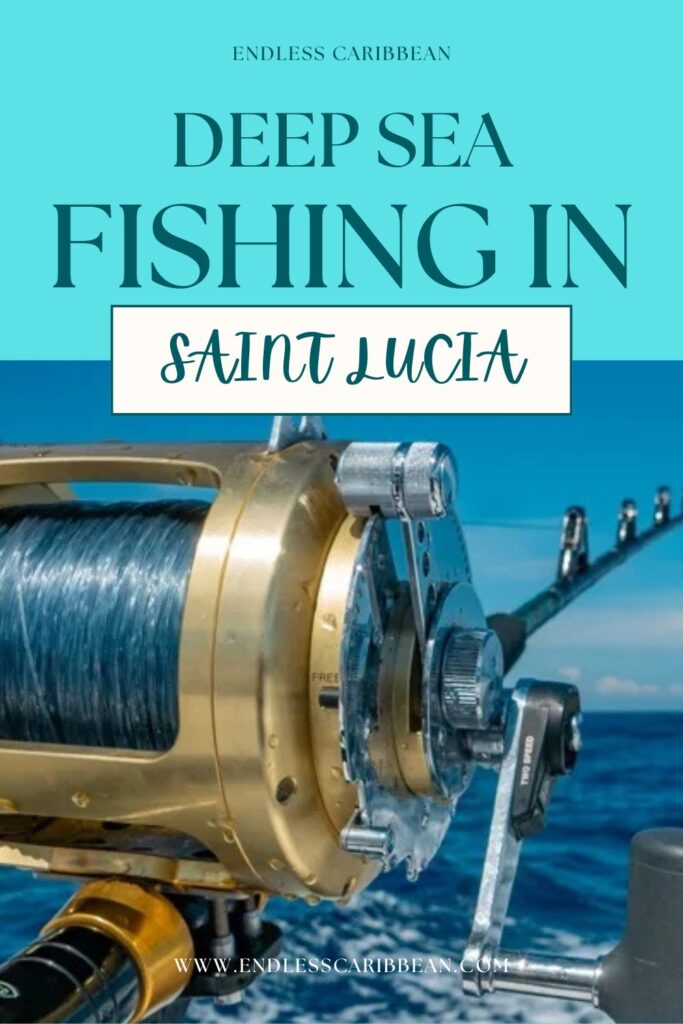
When deep sea fishing in Saint Lucia, you will find some of the Caribbean’s richest offshore waters just off the island. There are deep drop-offs close to shore, where big-game species like marlin, tuna, and wahoo are routinely hooked. If you want high-percentage sport fishing with professional charters and short runs to prime fishing grounds, Saint Lucia delivers both excitement and accessibility.
In this guide, you will learn where to go fishing, which species to target, what gear and techniques work best, and how to choose a charter that prioritizes safety and sustainable practices. You can expect practical tips on the island’s top fishing spots, seasonal patterns, and how regulations shape responsible angling so you can plan a successful trip.
Best Locations for Deep Sea Fishing
Soufrière offers quick access to deep water because the sea floor drops steeply near shore. Anglers launching from here often reach productive grounds with minimal transit time, which maximizes fishing hours and reduces fuel costs.
Castries and Rodney Bay provide well-equipped marinas and frequent charter departures. These harbors serve as convenient bases for targeting billfish, tuna, mahi-mahi, and other pelagic species found off Saint Lucia.
The eastern and southern offshore trenches attract large game fish like blue and white marlin. These areas sit along current lines where bait aggregates, increasing the chances of encountering trophy fish during peak season.
Charter operators also run trips from smaller ports around the island to reach specific grounds for bottom fishing and trolling. Reef edges and pinnacles closer to shore produce snapper, grouper, and wahoo on mixed-species trips.
Typical seasons matter and can impact how your fishing trip goes. January through April often brings calmer weather and more consistent sightings of migratory billfish. Local captains combine seasonal knowledge with sonar and GPS to locate fish, so choosing a reputable charter improves outcomes.
- Popular target species: Blue marlin, white marlin, sailfish, tuna, mahi-mahi, wahoo
- Recommended launch points: Soufrière, Castries, Rodney Bay, southern ports
- Trip types available: Trolling, bottom fishing, live-bait, catch-and-release
Anglers should confirm equipment, trip length, and passenger capacity when booking. Experienced crews and modern vessels increase safety and the chance of a productive day on the water.
Types of Fish in Saint Lucia
Saint Lucia’s waters host both pelagic and reef species prized by anglers, and many of the most sought-after fish concentrate near deep drop-offs and offshore structure. Local charters commonly target billfish, tuna, wahoo, mahi-mahi, and a range of reef and bottom species around seamounts and coastal reefs.
Game Fish Species
Pelagic game fish dominate offshore trips. Sailfish and blue and white marlin appear seasonally and draw experienced anglers seeking long runs and fast action. Mahi-mahi (dorado) and wahoo provide high-speed strikes and are common around weed lines and floating debris.
Tuna species, especially yellowfin and occasionally blackfin, turn up on deeper sets and near underwater structure. Nearshore and reef trips target grouper, snapper, and jacks; large goliath grouper can be encountered on deep reefs. Barracuda and kingfish (king mackerel) offer fast, aggressive fights closer to shore.
Charter descriptions often list targeted catch by trip type: deep-sea charters emphasize billfish, tuna, wahoo and mahi-mahi; reef or bottom charters focus on grouper, snapper and jacks.
Seasonal Fish Availability
Billfish (sailfish and marlin) show peak presence from late winter through summer, with variable arrivals tied to bait migrations and warm currents. Mahi-mahi populations surge in warmer months when floating debris and sargassum concentrate forage species.
Tuna and wahoo have less predictable windows but are more likely during transitional seasons when ocean temperatures and currents shift. Reef species such as snapper, grouper, and jacks remain available year-round, though spawning seasons can change catch rates and size distributions.
Anglers planning trips should check recent local reports. Captains adjust routes day-to-day based on bird activity, weed lines, and sonar readings to match current seasonal patterns.
Conservation Status
Several target species face management concerns that affect catch-and-release and size-limit practices. Billfish and large tuna are subject to international stock considerations; many captains practice catch-and-release for marlin and sailfish to support populations.
Reef fish like groupers and some snappers experience pressure from overfishing and slow growth rates. Regulations and voluntary measures — size limits, seasonal protection, and restricted harvest of spawning aggregations — help reduce impacts. Anglers should follow local regulations, use circle hooks for billfish, minimize handling time, and avoid harvesting undersized individuals to support long-term fishery health.
Charters and Guided Fishing Tours
Charter options in Saint Lucia range from small private sport-fishing boats to larger, fully crewed deep‑sea vessels. Most operators run trips from Rodney Bay, Castries, and Soufrière and target species like wahoo, dorado, yellowfin tuna, sailfish, and blue marlin.
Top-Rated Charter Operators
Local companies with strong reputations include family-run outfits and tour operators that maintain modern fleets and licensed captains. Mystic Man Tours, Salty Boat Charters, and Deep Sea Anglers (Rodney Bay) are frequently mentioned for reliable service and experienced crews.
Operators differ by boat size and specialization. Some focus on light-tackle and nearshore bottom fishing, while others field diesel-powered sportfishing boats equipped for big-game trolling and long runs to offshore grounds.
Reviewers often praise vessels that carry Shimano and Penn reels, provide fresh bait, and follow safety standards like annual inspections and insurance. Guests should check recent trip reports and ask about crew certifications before booking.
Private vs. Group Charters
Private charters offer exclusive use of the boat, flexible departure times, and tailored itineraries for families or small groups. They usually accommodate 2–6 anglers on sportfishing boats and prioritize individualized instruction, which benefits novice anglers seeking hands‑on coaching.
Group charters lower the per-person cost and work well for solo travelers or budget-conscious anglers. These trips may fill multiple rods and follow a fixed route to productive grounds, but they can limit one‑on‑one attention during a strike.
Anglers should consider trip length (half-day vs. full-day or longer), maximum passenger counts, and whether the price includes fuel, bait, and terminal tackle. Booking seasons and tournament schedules also affect availability and fish density.
What’s Included in a Charter
Most reputable charters supply rods, reels, terminal tackle, and live or frozen bait, plus life jackets and safety gear. High-end trips often include Shimano/Penn reels, fighting chairs, outriggers for trolling, and baiting services handled by the crew.
Food and drink policies vary: some charters provide light snacks, bottled water, and beer, while others ask guests to bring provisions. Anglers should confirm whether licenses, harbor fees, and gratuities are included in the quoted price.
Operators typically offer handling and cleaning of the catch and can arrange ice and packaging for transport. For targeted species like marlin or tuna, ask about tackle strength, leader material, and whether the crew practices catch‑and‑release or supports taking fish home.
Deep Sea Fishing Techniques and Equipment
There are specific methods, tackle, and safety steps tailored to Saint Lucia’s offshore species and rapid drop-offs. The best advice emphasizes trolling, deep-dropping, live-baiting, equipment choice by target species, and essential safety practices for open-ocean trips.
Popular Fishing Methods
Trolling remains the primary method for targeting pelagics such as marlin, sailfish, and tuna. Anglers deploy multiple lines with lures or skirted baits at varied speeds (6–10 knots) to cover water columns and trigger strikes from fast-swimming game fish.
Bottom fishing and deep-dropping work well for species near structure or along steep drop-offs. Electric or heavy conventional reels with braided lines and 8–30 ounce sinkers are used to reach 200–1,000+ feet depending on the spot and species.
Live-baiting excels for marlin and wahoo when bait like goggle-eye or blue runners is available. Drivers must keep the boat at a steady pace while crews throw live bait behind teasers to entice surface or near-surface strikes.
Recommended Gear
The gear for deep sea fishing in Saint Lucia includes rods and reels, lines and terminal tackles, lures, baits and electronics.
When choosing rods and reels, you should have an idea about your desired catches. For billfish and tuna, you will need 30 to 80 pound conventional or trolling setups. For wahoo and dorado, 20-to-50-pound spinning or conventional combos are recommended. Always remember – match your rod pod power to line class and expected fight time.
For lines and tackles, you want equipment that will resist abrasion and provide shock absorption. Braided mainline (50–130 pounds) paired with 60-to-200-pound fluorocarbon or mono leaders are your best option. Additionally, you should use quality swivels, heavy-duty snaps, and corrosion-resistant terminal gear.
Lures, baits, and electronics should be selected based on the species. Skirted trolling lures, hard baits, and wire traces are ideal for toothy species. Stock live-bait rigs, squid strips, and slow-pitch jigs for deep targets. Professional deep sea fishing charters will maintain a working fish-finder, GPS, VHF radio, and at least one downrigger or electric reel for deep-dropping.
Safety and redundancy should not be overlooked. Bring spare reels, extra line, and basic tackle to handle mid-trip failures. Store gear in dry, organized compartments to prevent salt damage and speed rig changes.
Safety Guidelines
Anyone going on a fishing trip, whether it be solo or with a fishing charter company, should be equipped with life jackets, and emergency and communication equipment. Additionally boat handling, crew readiness and weather and trip planning should not be overlooked.
For each fishing trip, there should be a properly fitted life jacket for every person and keep PFDs accessible, not stowed below. For offshore work, use inflatable or Type I/II jackets rated for open-water use.
To maintain connectivity in the event of an emergency, boats should carry a VHF radio, handheld VHF backup, EPIRB or PLB. Angler should carry their charged mobile devices in waterproof cases. You should also verify that the boat’s flares, fire extinguisher, bilge pump, and first-aid kit meet inspection standards before departure.
Having a crew that is savvy in boat handling and is ready for any circumstance is valuable. Fishing charters should rotate watches for seasickness and fatigue and secure all gear during transit. Before embarking on the water, anglers should be briefed on hook-handling, gimbal and belt use, leader knots, and fish-release procedures to reduce injuries and gear loss.
Because the weather can alter the best made plans, keeping abreast of weather conditions before and during the trip is necessary. The crew should check local forecasts, ocean currents, and sea swell patterns. If wind exceeds safe limits for the vessel, all offshore travel should be cancelled. Additionally, for every trip, a float plan with shore contacts and confirm fuel reserves for the expected run plus contingency should be filed.
Regulations and Sustainable Practices
Saint Lucia requires vessel and crew documentation, enforces species-specific protections, and applies seasonal or area closures to protect spawning stocks and sensitive habitats. Fishers must follow license conditions, gear rules, and reporting obligations to operate legally and reduce ecosystem impacts.
Licensing Requirements
The Minister issues local and foreign fishing licences specifying vessel identity, authorized fishing methods, and permitted areas. Licences often carry conditions such as mandatory logbooks, observer access, and use of approved gear types.
Commercial operators must display their licence on board and renew annually; failure to comply can result in suspension or cancellation. Recreational charters typically require a local licence and proof of vessel safety equipment, including lifejackets and communication devices. Foreign vessels must obtain a foreign fishing licence before entering fishery waters and adhere to any access agreements.
Fees, royalties, and inspection rights are set under national regulations and may vary by license class and targeted fishery.
Licensing supports monitoring and enables enforcement of other measures such as catch limits and closed areas.
Catch Limits and Protection Measures
Saint Lucia applies species-specific catch limits, size minimums, and closed seasons for vulnerable stocks like queen conch and certain reef fish. Managers use quotas and effort controls for commercial fisheries to prevent overharvest and protect spawning aggregations.
Closures: Areas may be closed temporarily or permanently to protect nursery habitats, coral gardens, and spawning sites; fishers must observe these spatial restrictions.
Gear restrictions: Bans on certain nets, explosives, or spearfishing in protected zones, aim to reduce bycatch and habitat damage.
Limits: Bycatch reduction measures and mandatory reporting improve stock assessments and inform adaptive limits.
Enforcement combines patrols, licence checks, and penalties; compliance with these measures supports long-term fishery productivity and community livelihoods.
Image: The Landings Resort & Spa