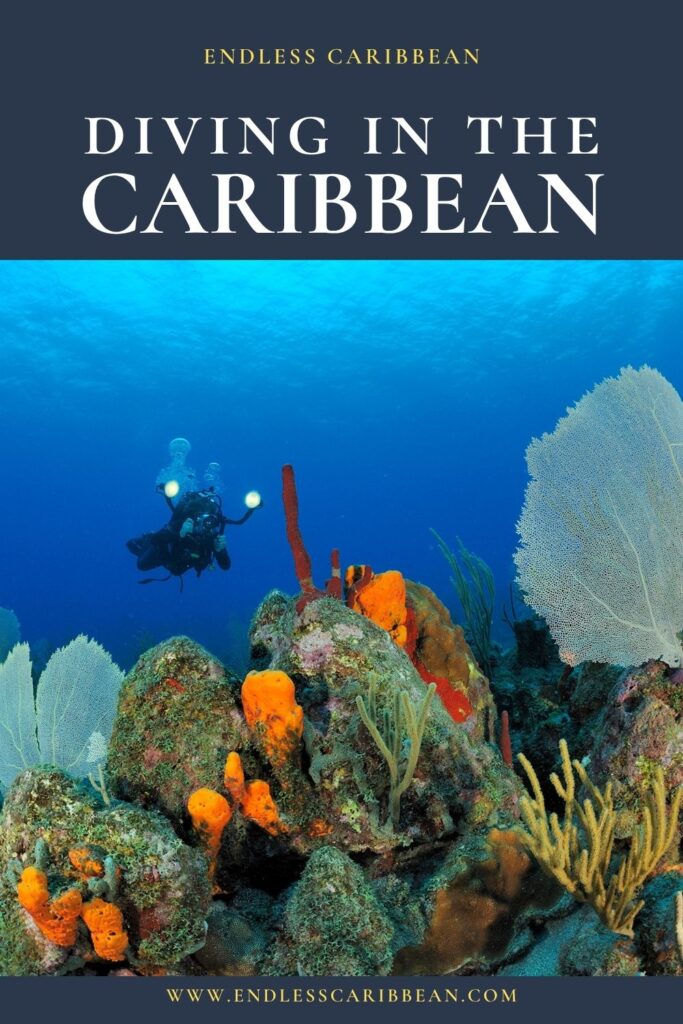
Diving in the Caribbean is an experience that builds on warm, clear water that reveals walls, wrecks, blue holes, and reefs teeming with life. The Caribbean delivers varied diving within a few hours of North American, South American and European gateways. There is accessible diving which ranges from gentle coral gardens and shore-entry sites to dramatic walls, wrecks, and shark encounters.
Across islands like the Bahamas, Belize, Bonaire, and the Cayman Islands, you will find world-class visibility, protected marine parks, and dive options for every skill level. Keep reading to find out the signature sites, the best destinations for different types of diving, what marine life you can expect, and how to choose sustainable, safe experiences and the right training for your trip.
Why Choose the Caribbean for Diving
The Caribbean offers consistently warm, clear water, abundant marine life, and dive options that suit every skill level. Divers will find easy shore access, dramatic wall dives, and protected reef systems across well-known destinations.
Warm Water and Visibility
Water temperatures typically range from 25–29°C (77–84°F), so divers often use shorties or 1–3 mm wetsuits rather than heavy thermal gear. This reduces equipment bulk and makes multi-dive days more comfortable.
Visibility frequently exceeds 20–30 meters in many areas such as Bonaire, and the Cayman Islands. This is beneficial because clear sightlines improve safety, allow better navigation of features like walls and pinnacles, and enhance underwater photography results.
Seasonal changes matter and should be noted. The dry season (December–April) usually brings the best visibility and calmest seas. Conversely, during the wet season (May – November) there may be lower visibility, but fewer crowds and lower prices. Currents can be strong on some reef passes, so divers should check local conditions and choose drift or guided dives when appropriate.
Biodiversity and Marine Life
The Caribbean hosts a wide range of marine life, from reef-building corals to large pelagics. Coral reefs such as the Mesoamerican Barrier Reef provide habitat for parrotfish, angelfish, groupers, and hawksbill and green sea turtles.
Macro life is abundant too: nudibranchs, shrimps, and pipefish populate seagrass beds and reef crevices, making the region popular for underwater exploration and macro photography. Larger encounters—sharks, eagle rays, and seasonal whale migrations—appear at specific sites and times.
Protecting coral reefs remains critical; many operators follow reef-safe practices and brief divers on contact avoidance to preserve biodiversity for future dives.
Diving for All Skill Levels
The Caribbean accommodates beginners and technical divers alike. Shore-entry, shallow reef dives—common in Bonaire and many resort sites—offer easy, low-current conditions ideal for Open Water students. These sites emphasize safe, repeatable skills and frequent marine encounters.
Advanced divers can pursue wall dives, blue holes, wrecks, and strong-current drift routes in places like Grand Cayman and the Bahamas. Many islands provide specialty courses (e.g., drift, wreck, deep) and guided excursions that match diver certification and experience.
Dive operators across Caribbean dive destinations usually provide well-maintained gear, local briefings, and tailored itineraries, so divers can select sites that match ability while maximizing marine life sightings and underwater exploration.
Signature Dive Sites in the Caribbean
The signature dive sites are distinct Caribbean dive experiences that can rival dives sites in other places around the world. There is vertical sinkhole with geological features, a towering wall with abundant corals and pelagics, a photogenic grotto favored by snorkelers and divers, and a shallow stingray encounter that’s accessible to many. Each offers clear reasons to schedule travel, gear, and certification accordingly.
Great Blue Hole, Belize
The Great Blue Hole sits 60 to 125 miles off Belize’s coast within the Lighthouse Reef Atoll and punctuates any advanced diver’s checklist. Divers typically descend along a near-vertical rim into deep blue water, encountering calcified stalactites at depth that reveal the site’s karst-cave origins.
Most dives run from 30 – 30 feet; many operators recommend Advanced Open Water certification and a dive boat capable of the 2 – 3 hour transit from mainland Belize. Visibility often exceeds 100 feet, but currents and depth require conservative gas planning and attention to no-decompression limits.
Belize dive resorts in Ambergris Caye and Caye Caulker arrange day trips and liveaboards that combine the Blue Hole with nearby coral atolls and wall dives. Divers should carry a redundant depth/pressure gauge and book operators with experienced local captains.
Bloody Bay Wall, Little Cayman
Bloody Bay Wall begins in shallow reef flats and plunges vertically beyond recreational limits, offering a dramatic backdrop for wall drift dives. Divers enter at 60 to 75 feet to hover over sheer drop-offs covered in large sea fans, gorgonians, and dense coral cover.
The site provides frequent sightings of reef sharks, large-group schooling fish, and macro life tucked into the reef face. Currents are generally mild, but divers use reef hooks or staging to film and photograph the wall without drifting.
Little Cayman’s small-scale dive operations emphasize low diver-to-guide ratios, making the wall accessible for photographers and experienced recreational divers seeking pristine reef structure and consistent visibility.
Thunderball Grotto, Bahamas
Thunderball Grotto, near Staniel Cay in the Exumas, consists of submerged caverns and limestone arches that light up with shafts of sun. It suits both snorkelers and scuba divers; shallow swim-throughs reveal tight passageways, air pockets, and abundant reef fish.
Timing with tidal flow matters: mid to high tide produces the most dramatic light shafts while minimizing surge inside the caverns. Guides often brief visitors on fragile corals and narrow passages to reduce fin contact and preserve the site.
Operators in the Exumas combine grotto visits with nearby wrecks and shark encounters, and photographers prize the grotto’s contrasting light for surface-and-under images.
Stingray City, Grand Cayman
Stingray City sits in a shallow sandbar ecosystem north of Grand Cayman and offers direct interaction with southern stingrays in 3 – 12 feet of water. Tour operators anchor in waist- to chest-deep water where rays approach divers and snorkelers to be fed and examined by trained guides.
Safety briefings cover proper feeding, gentle handling, and distancing—rules that protect both visitors and rays. The site is heavily managed; visitors should choose operators that follow conservation-minded practices and avoid hand-feeding outside guided interactions.
Grand Cayman dive shops and dive resorts include Stingray City as a routine half-day trip, often paired with nearby wrecks and reef dives for a full-day itinerary.
Best Caribbean Diving Destinations
These sites offer clear water, strong conservation programs, and a mix of reef, wall, wreck, and big-life encounters. Divers will find established dive infrastructure, protected marine areas, and routes suited to both guided liveaboard trips and short daily boat dives.
Belize and the Mesoamerican Barrier Reef
Belize hosts the northern stretch of the Mesoamerican Barrier Reef, the second-largest barrier reef system in the world. The reef runs past cayes and keys, with famous sites like the Great Blue Hole and the Half Moon Caye Wall accessible from Belize City and San Pedro.
Dive operators and Belize dive resorts concentrate around Ambergris Caye and Caye Caulker, offering day trips and multi-day excursions. Currents along the barrier can be moderate; drift dives on the reef edge bring frequent pelagics such as jacks, reef sharks, and spotted eagle rays. Shallow patch reefs closer to shore have abundant corals and macro life, while the deeper wall dives show dramatic vertical drop-offs and large coral pillars.
Conservation measures and marine reserves mean many sites are well-managed and suited for intermediate divers seeking wall and blue-hole experiences.
Bonaire and Bonaire National Marine Park
Bonaire centers its dive culture on shore-based access and strict park management inside the Bonaire National Marine Park. Almost all shore entries have mooring buoys and clear signage, so divers can plan multiple short dives from coastal dive resorts without relying on a boat.
Underwater visibility is typically excellent, often exceeding 30 meters. The fringing reefs hold high coral cover, healthy sponges, and prolific reef fish, making Bonaire a top destination for reef photographers and reef ecology enthusiasts. Night dives reveal conger eels, seahorses, and octopus. The park enforces regulations—no taking, limited anchoring, and fees that fund monitoring—so divers should register and follow local rules. Beginner to advanced divers benefit from the predictable conditions and dense site catalog.
Cuba and Jardines de la Reina
Cuba’s Jardines de la Reina (Gardens of the Queen) lies off the southern coast and ranks among the Caribbean’s best for large-animal encounters. The area is a large marine reserve where liveaboard operations run scheduled itineraries focused on shark interaction, reef walls, and healthy coral gardens.
Cuba diving inside the reserve emphasizes remote, low-traffic sites where reef sharks, nurse sharks, and schools of jacks are common. Visibility varies by season but can be very good, and the protection status keeps fish biomass comparatively high. Logistics often require liveaboards or coordinated charters from mainland ports; operators usually include park permits and guides with local knowledge. Divers should expect guided group dives with specific protocols for approaching sharks and protecting delicate reef structures.
Saba National Marine Park
Diving in Saba offers some of the Caribbean’s most pristine underwater environments. Protected by the Saba National Marine Park, the island features dramatic volcanic seamounts, coral pinnacles, and clear waters with visibility often exceeding 30 meters.
Popular dive sites like Pinnacles and Third Encounter are known for vibrant coral, reef sharks, sea turtles, and large schools of tropical fish. Most dives are boat dives due to the island’s steep coastline, and conditions suit both intermediate and advanced divers. The best season runs roughly November to May, when seas are calmer. Local dive operators provide guided dives, equipment rental, and courses, making it easy to explore Saba’s rich marine life responsibly.
Types of Diving Experiences
Divers will find a range of experiences in the Caribbean that match different skill levels, objectives, and equipment needs. Each style emphasizes specific techniques, local hazards, and typical wildlife encounters.
Shore Diving
Shore diving lets divers enter directly from beach, jetty, or reef flats, making it ideal for casual repeat dives and extended bottom time. It requires minimal boat logistics and allows divers to make multiple short dives in a day.
Key advantages include easy gear staging and frequent access to shallow reefs that host abundant reef fish, juvenile species, and macro life. Divers should check entry and exit points, tidal ranges, and wave exposure; some Caribbean shores have steep drop-offs while others slope gently. Wear reef-safe sun protection and fins suited to rocky or sandy entries. Navigation often relies on visual references like landmarks or reef contours, so carrying a small SMB and compass helps.
Suitable for: certified Open Water divers and snorkelers transitioning to scuba. Local knowledge from dive shops improves safety and site selection.
Drift Diving
Drift diving uses the current to move along reefs or walls, offering longer, less effortful swims and encounters with larger pelagics. It suits divers who want to cover distance and see big fish without fighting currents.
Divers must plan entry and exit points with the boat crew and deploy surface markers to signal the pickup position. Maintain neutral buoyancy and streamline gear to avoid snagging coral. Briefing should include expected current strength, depth ranges, and emergency separation procedures. Common sights on Caribbean drift dives include turtles, grouper aggregations, tarpon, and occasional reef sharks. A reef hook may be used by experienced divers to hold position near vertical walls, but only with proper technique to avoid reef damage.
Suitable for: Advanced Open Water or divers with current experience; recommended to use a dive computer and a surface signaling device.
Wreck Diving
Wreck diving in the Caribbean ranges from shallow wrecks used as artificial reefs to deep, penetration-capable shipwrecks. Sites like shallower wrecks provide habitat for sponges, corals, and schooling fish; deeper wrecks may require advanced training.
Safety priorities include assessing penetration risks, checking structural stability, and using guideline reels for any interior penetration. Non-penetration wreck dives focus on external survey, photo ops, and observing species that shelter in wreck structures. Gear recommendations: redundant light for night or interior work, reel, cutting tool, and a primary dive light. Depth, entanglement hazards, and silt conditions determine whether a wreck suits recreational or technical profiles. Many wrecks also host significant historical artifacts—respect local regulations about removal.
Suitable for: Advanced divers for deep or penetration dives; recreational divers can enjoy many accessible shallow wrecks with a qualified guide.
Night Diving
Night diving shifts the focus from visual color to behavior and bioluminescence, revealing species and patterns unseen during daytime. It requires disciplined light management and a tight buddy routine.
Divers should use a reliable primary light and at least one backup. A soft beam for scanning and a strobe or tank-mounted light for signaling work well. Expect to see lobsters, sleeping groupers, hunting moray eels, and nocturnal shrimp; look for bioluminescent plankton in some shallow bays. Briefings must cover navigation under low visibility, emergency ascent protocols, and maintaining close buddy contact. Training in night techniques and communication enhances safety and enjoyment. Night dives often start from shore or small boats that provide shaded entry points to preserve night-adapted life.
Suitable for: divers with night or Advanced Open Water training and good buoyancy control.
Caribbean Marine Life Highlights
The Caribbean hosts a wide range of species from apex predators to tiny macro critters. Divers can expect encounters with reef sharks, large rays, colorful nudibranchs, and many reef-associated fish that shape local ecosystems.
Caribbean Reef Sharks
Caribbean reef sharks (Carcharhinus perezi) frequent shallow coral slopes, drop-offs, and reef passes from 2 to 30 meters. They often patrol along current lines where prey concentrates, so divers see them regularly at sites like the Cayman Islands and Roatán.
These sharks reach about 2–3 meters and display a stocky profile with a rounded snout. They are generally curious but not aggressive toward divers; standard advice applies—maintain calm, avoid sudden movements, and do not feed them.
Operators sometimes run controlled shark dives in places such as Tiger Beach for species-specific viewing, but reef-shark encounters typically occur during normal reef or wall dives. Photographers should use neutral buoyancy and steady lighting to avoid startling them.
Southern Stingray
Southern stingrays (Hypanus americanus) commonly rest on sandy flats near seagrass beds and lagoon edges. Divers often encounter them partially buried in sand at depths from 1 to 20 meters, especially around shallow coastal reefs and channel mouths.
They grow up to about 1.5 meters across and use camouflaged behavior to ambush prey such as crustaceans and small fish. Divers should approach from the side, avoid stepping on sand where rays rest, and give them space to swim away.
Stingrays possess a venomous barb; incidents are rare when divers and snorkelers respect distance and local guidance. Many operators teach safe interaction techniques during briefings for sites known for ray sightings.
Nudibranchs and Macro Life
Nudibranchs appear across Caribbean reefs and wrecks in dozens of species and vivid colors. These shell-less gastropods range from a few millimeters to several centimeters and often hide on sponges, hydroids, or under ledges.
Macro photographers target nudibranchs, shrimps, tiny gobies, and blennies on muck-style sites or within reef crevices. Using a macro lens, close-focus wide-angle, or diopters helps capture fine detail like gill structures and feeding behavior.
Finding macro life requires slow, low-profile searching and good buoyancy control. Divers should avoid touching substrates; many of these organisms are delicate or chemically defended.
Other Iconic Species
The Caribbean also hosts green and hawksbill sea turtles, eagle rays, groupers, and abundant reef fish such as parrotfish and sergeant majors. Turtles commonly feed on seagrass and sponges and appear at cleaning stations and shallow coral heads.
Large groupers and snapper species shelter in wrecks and caves, attracting predatory visitors. Seasonal events like coral spawning and migrations of pelagics can add brief, spectacular concentrations of life.
Divers should note local protected species lists and follow rules for interaction, since many iconic animals face pressures from habitat loss and fishing. Observing at a respectful distance supports both diver safety and conservation.
Dive Resorts, Liveaboards, and Accommodation
This section explains where to book guided dives, how liveaboards differ from shore-based resorts, and practical lodging choices for reaching top Caribbean sites.
Dive Resorts Across the Caribbean
Dive resorts concentrate services that divers value: on-site dive shops, gear rental and storage, guided boat or shore trips, and PADI/NAUI instruction. They range from small, family-run properties with beachfront cabins to large all-inclusive hotels that operate multiple dive boats and night diving schedules.
Guests should check whether a resort offers Nitrox, camera rinse stations, and dedicated dive boats with rinse tanks and ladder access. Proximity to specific sites matters: Cozumel resorts target wall dives and currents, Bonaire properties focus on shore diving and mooring balls, and Cayman resorts support frequent shore and boat micro-trips.
Reviews and operator accreditation help assess safety and service. Booking a resort that lists on-site dive centers and clear daily itineraries reduces coordination hassle and often includes multi-dive discounts.
Belize Liveaboard Experiences
Belize liveaboards center on the Great Blue Hole, Turneffe Atoll, and Lighthouse Reef, offering concentrated access to remote walls, pelagic encounters, and extended reef coverage. Trips typically run 4–7 nights and include multiple daily dives, night dives, and surface intervals at isolated atolls unreachable by standard day boats.
Liveaboards provide camera rinse stations, dedicated dive deck attendants, and onboard air fills; advanced setups may offer mixed-gas fills or Nitrox. Travelers should verify itinerary specifics—number of dives per day, included permits for marine reserves, and operator safety records.
Liveaboards suit divers who want maximum bottom time and to link varied sites without repeated hotel transfers. They also serve as lodging, so passengers should evaluate cabin size, shared vs. private heads, and meal options before booking.
Planning Your Stay
Choose accommodation by prioritizing the diving style and convenience needed: shore-access resorts for frequent shore dives, larger resorts for varied boat schedules, and liveaboards for remote-site concentration. Confirm what’s included—boat transfers, gear storage, weight and tank fees, and airport transfers—to avoid surprise costs.
Verify seasonal conditions: hurricane season runs June–November and can reduce service availability; peak visibility and calmer seas often occur December–May in many areas. Ensure dive insurance covers evacuation and trip interruption, and check COVID-19 or entry requirements that may affect lodging or liveaboard boarding.
Use a short checklist when booking: operator accreditation, equipment condition, itinerary details, transfer logistics, and written cancellation policy. This checklist helps align lodging choice with dive objectives and budget.
Diving in the Caribbean
Several well-known scuba diving companies operate across the Caribbean, offering guided dives, training, and dive vacations.
Sustainable Practices and Dive Safety
Divers should prioritize protecting coral structures, using reef-safe sun protection, and following proven dive-safety behaviors to reduce impact and avoid injury. Practical choices—operator selection, sunscreen, buoyancy control, and surface procedures—make the biggest difference for reefs and diver welfare.
Coral Reef Conservation
They should choose operators that use mooring buoys instead of anchors to prevent reef breakage. Verify the operator’s policies: reef monitoring, participation in local coral restoration projects, and limits on daily diver numbers help reduce cumulative stress on reefs.
During dives, they must maintain proper horizontal trim and controlled buoyancy to avoid fin kicks that stir sediment or contact coral. If they encounter bleached or damaged coral, they should report location and depth to staff rather than attempting to touch or move fragments.
On surface intervals, divers can support conservation by using refillable water bottles and disposing of trash at proper facilities. When booking, they should prefer operators with certifications or memberships in programs that enforce reef-friendly practices.
Reef-Safe Sunscreen
They should select sunscreens labeled “reef-safe” that avoid oxybenzone and octinoxate, which studies link to coral stress. Mineral-based sunscreens containing non-nano zinc oxide or titanium dioxide provide UV protection without the same chemical risk when used as directed.
Apply sunscreen on land at least 20 minutes before entering the water to allow absorption and reduce wash-off. Alternatively, wear a UPF-rated rashguard or wetsuit to minimize sunscreen use and provide continuous sun protection during long surface swims or boat transfers.
Check local regulations and dive-operator rules: some Caribbean sites require reef-safe products or ban sunscreen entirely in sensitive areas. Travelers should pack a small tube of mineral sunscreen and a sun shirt to comply with local protections.
Tips for Responsible Diving
They must complete a local briefing and follow dive-master instructions on depth limits, no-touch rules, and emergency procedures. Pre-dive checks—BCD, weights, regulator, and air—cut risk; perform them methodically before every entry.
Maintain appropriate buddy contact and watch air consumption to avoid rapid ascents. If a diver becomes separated, follow the operator’s standard lost-buddy protocol rather than searching alone; surface with a signal and wait at the boat’s pickup zone.
Respect wildlife by observing from a distance and avoiding chase or feed behaviors that alter natural responses. Keep gear streamlined and secure cameras to prevent accidental contact with coral during underwater exploration.
Certifications and Courses for Caribbean Diving
Most Caribbean dive operators expect new divers to hold an entry-level certification and recommend a few advanced courses to safely enjoy deeper reefs, drift dives, and wrecks. Certifications provide both practical skills and local-site briefings that reduce risk and increase access to popular dive sites.
Open Water Certification
Open water certification (e.g., PADI Open Water Diver) is the standard entry ticket for most Caribbean dives. It teaches basic dive theory, buoyancy control, equipment use, and confined- and open-water skills. Students complete e-learning or classroom sessions, pool/confined-water practice, and four open-water dives to 18 m / 60 ft.
Many resorts and island dive shops run 2–4 day programs tailored to beginners, often combining theory and water sessions across mornings. Certification grants independent buddy diving to the course depth and is required by insurers and liveaboard operators. Divers should confirm whether their chosen course includes rental gear, night-dive training, or additional local site briefings.
Advanced Open Water and Specialty Courses
Advanced Open Water Diver (AOWD) expands limits and confidence through five adventure dives. It includes deep and navigation dives as core requirements. The course commonly raises the recommended depth limit to 30 m / 100 feet for qualified divers and improves underwater navigation, ascent control, and air-management skills.
Specialty courses—such as wreck, drift, nitrox, night, and rescue—address common Caribbean conditions and popular sites. Nitrox extends bottom time on repetitive dives at busy reefs. Rescue Diver and Divemaster pathways develop emergency response and leadership for those who dive frequently or want professional roles. Divers should check course prerequisites, required logged dives, and whether local operators offer guided internships or college-credit options.
Image: Statia Tourism Office