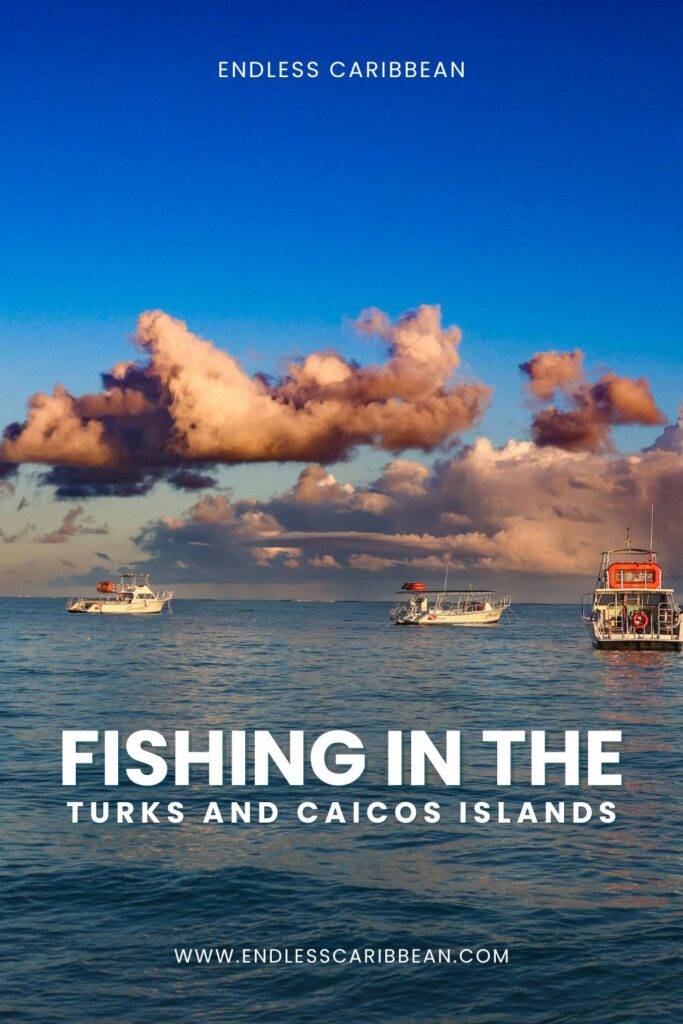
When you step onto a boat to go fishing in the Turks and Caicos Islands, the salt air alone will satisfy you. Turks and Caicos promises clear waters, diverse fisheries, and accessible deep drop-offs that bring big-game species within reach of most anglers. Whether you want bone fishing flats, reef and wreck action, or the thrill of a billfish chase, the islands deliver reliable opportunities year-round with peak activity from January through June.
Before you travel, you should iron out the practical details you need to plan a successful trip. This includes:
- What types of fishing to try
- Where to go around Providenciales and the outer cays
- How seasons and weather affect catches
- What licenses and conservation rules to follow.
If you decide to go book local charters, experienced captains will make the islands approachable for every skill level and respect ongoing conservation efforts which help protect the fisheries that make this destination special.
Types of Fishing in the Turks and Caicos Islands
The islands offer clear, warm water and nearby deep drop-offs, productive flats, and vibrant reefs that suit a wide range of techniques and target species. Anglers can expect fast offshore runs, sight fishing on shallow flats, structure-oriented reef trips, and tournament-style sport fishing.
Deep Sea Fishing
Deep sea trips typically launch from Providenciales or Grand Turk and run 20–40+ miles to blue water. Captains target marlin (blue and white), tuna, wahoo, and mahi-mahi using trolling spreads of lures and ballyhoo.
Charters generally last half to full days; full-day trips increase chances for billfish releases. Boats range from 24-foot center consoles to 40-foot sport fishermen with fighting chairs and outriggers.
Anglers should bring sunscreen, sea-sickness remedies, and photo ID for licenses when required. Seasonal peaks occur in spring and late summer for marlin and mahi-mahi, while tuna and wahoo appear throughout warmer months.
Bone Fishing
Bone fishing focuses on the shallows and flats where permit and bonefish feed. Guides use poling skiffs and light tackle— 9 to 10 foot fly rods or 7 to 10 weight spinning setups, to present small flies or shrimp-pattern lures.
Sight casting is the norm and anglers stalk winds and tides to approach visible boils and tailing fish. Success bone fishing depends on stealth, accurate short casts, and quick hook sets.
Catch-and-release is common to protect the flats’ ecosystem and long-term fishery. The best months are typically late winter through summer when flats are calm and bonefish move inshore.
Reef Fishing
Reef fishing targets snapper, grouper, amberjack, and smaller pelagics near coral heads and wrecks. The most effective fishing methods include bottom fishing with cut bait or jigs, light tackle vertical jigging, and slow-trolling near structure.
Trips often depart from Providenciales and last 3–6 hours. Charters offer opportunities to combine snorkelling or spearfishing on the same trip. Anglers should respect closed seasons and size limits for reef species to follow local regulations.
Using circle hooks and proper descending devices helps reduce post-release mortality for deep-hooked reef fish. Local captains know the productive ledges and seasonal movement of snapper and grouper.
Sport Fishing
Sport fishing here emphasizes competitive-style angling: billfish tournaments, group blue-water outings, and customized challenge trips. Boats equipped with fighting chairs, outriggers, and electronic fish-finding gear support multi-angler teams.
Common targets include sailfish and marlin for tag-and-release events, plus wahoo and tuna for line-class records. Charter operators provide tackle packages, crew to handle gaffing and photos, and guidance on rules for species-specific events.
Anglers planning tournament entries should verify local regulations, weigh-in procedures, and required permits in advance. The islands’ proximity to deep water makes short steam times an advantage for sport fishing calendars.
Top Fishing Spots and Destinations
When fishing in the Turks and Caicos Islands, you should be aware of the top fishing spots. Anglers will find a mix of shallow flats, reef drops, and blue-water canyons within short boat rides. Species range from bonefish and snapper nearshore to tuna and sailfish offshore, with charters and local guides available across the islands.
Providenciales
Providenciales serves as the main gateway for varied fishing styles: bone fishing on the flats, reef fishing along the barrier reef, and quick runs to deep-water grounds. Bonefish flats near Grace Bay and Leeward provide sight-fishing opportunities; guides often use skiffs or poling platforms to sight-cast to schooling bones at low tide.
Reef and nearshore drift trips target snapper, grouper, and barracuda along the third-largest barrier reef, which lies minutes from shore. For big-game anglers, sportfishing charters leave from Turtle Cove or Provo Marina for sailfish, mahi-mahi, and wahoo, with typical half- to full-day options. Local outfits usually supply tackle, ice, and fish-cleaning services.
Grand Turk
Grand Turk offers immediate access to steep drop-offs and blue-water channels, making it a go-to for pelagic species. The island sits close to the Turks Passage and deep-water walls where tuna, marlin, and sailfish congregate; trips to these grounds often run shorter because of proximity.
Inshore options include reef fishing for snapper and reef fish around Columbus Landfall National Park. Anglers seeking a quick charter can find half-day departures from Cockburn Town; experienced captains know seasonal windows for specific species and will adjust trolling and bait presentation accordingly.
South Caicos
South Caicos combines prime bone fishing flats with exceptional bottom and deep-water fishing. The extensive flats and mangrove-lined tidal creeks produce consistent bonefish action; local guides often offer wade or poling trips that focus on sight-casting and stealth approaches.
Offshore, South Caicos provides access to productive wrecks and deeper reefs hosting amberjack, snapper, and large grouper. Blue-water excursions run to canyons that hold tuna, billfish, and other pelagics. Charter operators here emphasize small-group trips and often include snorkeling or beach stops on longer excursions.
North Caicos and Middle Caicos
North Caicos and Middle Caicos deliver quiet flats, expansive tidal channels, and sheltered reef edges ideal for flats anglers. The Caicos Bank around these islands shelters broad, shallow flats where bonefish and permit appear regularly; guides use lightweight tackle and fly rigs for sight presentations.
Reef fishing along the banks targets snapper, hogfish, and small grouper, while boat-accessible channels lead to deeper holes for occasional kingfish and barracuda. Travelers often combine fishing with birding or cave visits, and local captains adapt trip length to tide windows and targeted species.
Fishing Seasons and Conditions
Fishing in the Turks and Caicos shows clear seasonal patterns that affect species availability, water temperature, and sea state. Anglers can expect peak offshore activity in late spring and steady flats fishing year-round, with weather-driven changes most notable during the hurricane season.
Best Times of Year for Fishing
Peak offshore fishing runs from April through June when water temperatures rise into the high 70s–low 80s°F (25–28°C), concentrating pelagics like mahi-mahi and marlin near the drop-offs. March–June also produces excellent tuna and wahoo action on the deep reefs.
Bone fishing and flats fishing stay productive almost year-round, with the clearest, calmest conditions from November through May ideal for sight-casting on the Providenciales and Caicos flats. Autumn (September–November) can produce larger bonefish but brings more variable weather and higher winds.
Charter availability and local tournaments often peak in spring, so anglers should book early for prime dates and experienced guides.
Weather Patterns
The islands have a tropical maritime climate with warm water year-round and trade winds from the east-northeast most months. Trade winds moderate sea state during winter and spring, producing steady 5–15 knot breezes ideal for both flats and nearshore trips.
Hurricane season runs June 1–November 30, with the highest storm risk and unsettled seas from August to October. Summer heat and occasional squalls can make offshore trips choppy; operators often adjust routes to calmer drop-offs or postpone when winds exceed safe limits.
Visibility for flats fishing peaks in the dry season (November–May) when rains are infrequent and water clarity improves.
Migratory Fish Species
The Turks and Caicos Islands sit along migration routes for several pelagics. Billfish, especially blue and white marlin, move through in spring and early summer as water temperatures rise, creating top-tier big-game opportunities.
Mahi-mahi (dorado) and wahoo show strong seasonal runs from spring into early summer, often found around floating debris and current edges near the shelf. Tuna species, including yellowfin and blackfin, concentrate near the deep drop-offs in similar months.
Bonefish, snapper, and permit remain resident on the flats and reefs; their availability depends more on tides and water clarity than long-range migration patterns.
Regulations and Licensing
Fishing in the Turks and Caicos requires a valid recreational license, adherence to daily catch limits, and avoidance of several legally protected zones around wetlands and flats. Authorities enforce rules to protect breeding stocks and habitats, and penalties apply for violations.
Fishing Permits
Anglers aged 16 and older must carry a recreational fishing license issued by the Turks and Caicos government. Licenses are available online and at designated offices; visitors can obtain short-term permits for tourist trips. Operators running charters must hold commercial permits and register vessels used for hire.
License holders must present the permit when requested by Fisheries officers. Licenses specify allowed gear types and may require separate endorsements for spearfishing or net use. Failure to hold the correct permit can lead to fines, confiscation of catch, or vessel detention.
Catch Limits and Conservation
Daily personal limits commonly include up to 10 pounds of cleaned fish plus one trophy fish per person, but limits vary by species. Size and seasonal restrictions protect spawning runs for groupers, snappers, and certain reef fish. Commercial take has stricter quotas and reporting requirements.
Anglers should use circle hooks, avoid live-baiting protected species, and practice proper handling and release of undersized or protected fish. Targeting lionfish is encouraged in some areas, but specialized training is recommended because of venomous spines and disposal protocols.
Protected Areas
Several wetlands, flats, and marine conservation zones prohibit or restrict fishing to protect nursery habitats and birdlife. Notable protected areas include sections around North, Middle, and East Caicos where access and gear types are limited. Boundaries and rules are defined by the Department of Environment and Fisheries.
Maps and up-to-date lists of no-take zones must be checked before each trip. Violating protected-area rules results in significant penalties and supports enforcement actions like patrols and inspections. Chartered operators typically brief clients on local closure lines and anchoring restrictions.
Charters, Guides, and Local Services
Experienced crews run half-day and full-day trips, sport-fishing yachts, and small skiff charters. Local operators also offer reef and bone fishing, photo packages, and custom island-hopping itineraries. Here is a list of some of the top fishing charters in the Turks and Caicos Islands:
- Catchin’ Caicos Sport Fishing Charters & Luxury Tours
- Grand Slam Charters Ltd.
- Deep Blue Charters
- Catch the Wave Charters
- Grace Bay Adventures
- Panoply Sport Fishing & Luxury Charters
- Caicos Water Fun Ltd
- Talbot’s Adventures
- Caicos Dream Tours
- Great Bone fishing
- Bonefish Middle Caicos
- Screaming Reels Fishing Charters
Charter Options
Charters range from budget skiffs for inshore bone fishing to luxury sportfishing yachts for deep-sea tuna and marlin. Half-day trips (4–5 hours) suit reef fishing and light tackle; full-day trips (8–12 hours) target tuna, mahi-mahi, and wahoo offshore.
Prices typically start around US$140 per person for shared half-day trips and increase for private or luxury vessels. Confirm what’s included—fuel, bait, tackle, food, and island docking fees—before booking.
Most companies run guided options for families and anglers of all skill levels. Multi-tournament crews offer advanced rigging and tournament-style techniques for serious anglers. Operators often post verified reviews and availability online, which helps compare boats and crew expertise quickly.
Hiring a Local Guide
Local guides bring knowledge of currents, seasonal hotspots, and species behaviour around Providenciales, South Caicos, and the cays. Hiring a guide increases catch chances and reduces time spent searching productive grounds.
Guides can tailor trips for fly-fishing flats, bone fishing in shallow water, or deep water trolling. Ask about certifications, vessel insurance, and crew experience.
You can expect to pay a guide fee separate from boat charter rates on some bookings. Verify licenses and conservation practices—especially for catch-and-release protocols—and request references or recent trip logs if unsure. Booking through established operators or platforms with reviews reduces risk.
Equipment Rentals
Most charters supply rods, reels, terminal tackle, and live or chum bait for the targeted fishery. Anglers preferring personal gear can rent higher-end rods, fly setups, and spinning reels from island shops.
Rental shops also provide polarized sunglasses, tackle boxes, and fish-fighting belts for big-game trips. Rates vary by item and duration; expect daily fees for premium rods and reels.
Ensure rented equipment matches the intended trip: light tackle for flats, medium-heavy for reefs, and heavy trolling gear for offshore. Check drag systems, line ratings, and reel condition before departing to avoid mid-trip failures.
Wildlife and Marine Conservation Efforts
The Turks and Caicos Islands focus on sustaining fish stocks, protecting critical habitats, and supporting community-led conservation. Efforts include regulated fishing measures, designated marine protected areas, and local organizations partnering with government agencies.
Sustainable Fishing Practices
The government enforces size limits, seasonal closures, and gear restrictions to reduce overfishing of key species such as queen conch, lobster, and certain reef fish. Fishers must follow minimum size regulations for queen conch and lobster; inspectors and patrols conduct compliance checks around key fishing grounds.
CITES-related measures and projects aim to improve conch stock assessment and export controls to meet international trade requirements. Scientific monitoring programs collect catch data, diver surveys, and landings reports to adjust quotas or close fisheries when indicators show stock decline.
Enforcement combines patrols by the Department of Environment and Coastal Resources (DECR) with community reporting. Training for fishers on selective gear and handling helps reduce bycatch and improves post-capture survival of released animals.
Marine Parks
Several marine parks and no-take zones protect coral reefs, seagrass beds, and nursery habitats critical to commercial species. Park regulations typically prohibit extractive activities inside core zones and restrict anchoring to protect coral structure. Examples include Admiral Cockburn Land and Sea National Park, Columbus Landfall Marine National Park, North West Point Marine National Park, and West Caicos Marine National Park.
Management plans emphasize habitat mapping, regular reef health surveys, and coral restoration where needed. Park staff coordinate mooring buoys and signage to direct boaters away from sensitive areas and reduce anchor damage.
Scientific partnerships with regional bodies and NGOs expand monitoring capacity. Data from these partnerships inform adaptive management, such as shifting boundaries or increasing enforcement where biodiversity surveys show degradation.
Community Initiatives
Local NGOs and community groups run outreach, monitoring, and restoration projects that augment government efforts. The Turks and Caicos Reef Fund and turtle-focused programs collaborate with fishers to reduce turtle bycatch and rehabilitate nesting beaches.
Community initiatives include fisher training workshops, citizen-science reef monitoring, and beach clean-ups that remove derelict gear and marine debris. These activities improve habitat quality and foster stewardship among tourism operators and subsistence fishers.
Funding often comes from conservation grants, tourism contributions, and international partnerships, enabling long-term projects like conch sustainability efforts and sea turtle management. Community buy-in reduces illegal take and supports sustainable livelihoods tied to healthy marine ecosystems.
Image: Meg von Haartman via Unsplash