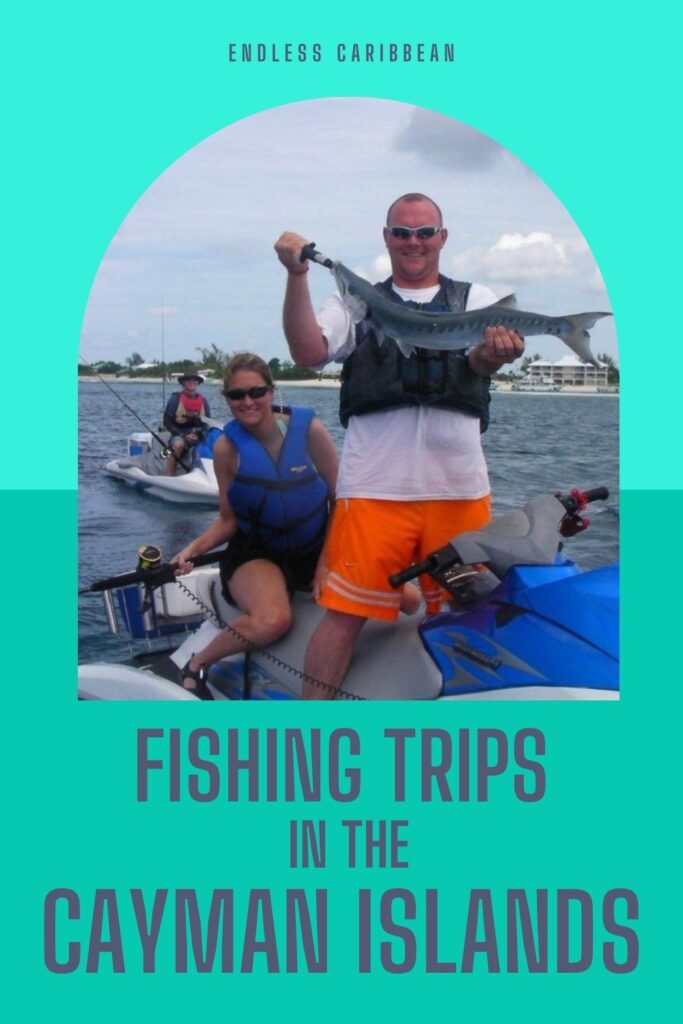
On fishing trips in the Cayman Islands, you take to clear turquoise water with purpose. The Cayman Islands deliver world-class fishing whether you want reef, inshore, or deep‑sea action. Anglers can expect a wide range of trips—from bone fishing flats and reef outings to offshore charters targeting marlin, tuna, wahoo, and dorado. All that’s required is for you to pick the experience that matches your skill and goals.
They will find practical guidance on choosing the right trip, the best fishing locations around Grand Cayman, which species bite by season, and how to book reputable guided charters. Practical tips for gear, regulations, and timing will help turn a plan into a successful day on the water.
Types of Fishing Trips in the Cayman Islands
Anglers can expect targeted trips for pelagics, reef species, or sight-casting on flats. Charters vary by boat size, gear provided, and whether they focus on trophies or light-tackle sport fishing.
Deep Sea Fishing Experiences
Deep sea trips head beyond the outer banks, typically 10–30+ miles from shore, where anglers chase marlin, tuna, mahi-mahi, and wahoo. Boats range from 30–60 foot sportfishing yachts with outriggers, fighting chairs, and livewell systems to smaller center consoles for faster runs.
Captains usually offer half-day, full-day, and multi-day options. Half-day trips target fast-action species like mahi-mahi and wahoo; full-day charters pursue tuna and billfish and include trolling, kite fishing, and live-baiting.
You can expect heavier tackle (30–130 pounds) and an experienced mate to handle baiting and boat maneuvers. Bring sun protection, motion-sickness remedies, and a valid fishing license if required by the operator.
Reef and Bottom Fishing
Reef trips operate inside the bank and along the fringing reefs, targeting snapper, grouper, jacks, and amberjack using bottom rigs, jigs, and light tackle. These trips often run from a few miles offshore to reef edges visible from shore, making them accessible for families and less experienced anglers.
Captains commonly provide rods, reels, terminal tackle, and chum; anglers should ask about bag limits and seasonal closures. Trips emphasize steady action and fish suitable for the table, plus opportunities to snorkel or reef-hop between stops.
Typical gear for reef and bottom fishing in the Cayman Islands is 10–30 pound class line or heavier for large grouper. Pierces, circle hooks, and fish-care practices can improve survival for releases.
Fly Fishing Adventures
Fly fishing in the Caymans focuses on flats and tidal creeks for bonefish, tarpon, and permit in shallow, clear water. Guides use skiffs or poling platforms and spot fish visually; anglers should expect long periods of sight-casting and stalking.
Recommended gear includes 8–10 weight rods for tarpon, 6–8 weight for bonefish, and flats-appropriate leaders with strong tippets. Timing matters: low light and incoming tides increase chances, and guide knowledge of local flats and migratory patterns greatly improves success.
Trips emphasize stealth, quick strip-set technique, and catch-and-release ethics to protect local stocks and maintain healthy fisheries.
Top Locations for Fishing in the Cayman Islands
The islands offer a mix of shallow flats, coral reefs, and deep-water drop-offs that suit light-tackle anglers and big-game fishers alike. Expect clear water, strong currents near the barrier reef, and reliable charter options at each island.
Grand Cayman Hotspots
Grand Cayman centers on the North Sound, South Sound, and the offshore barrier reef. The North Sound’s shallow flats produce bonefish, permit, and tarpon; guides often use sight-fishing techniques and light tackle there. The reef line around 3–5 miles offshore presents hard-fighting species such as mahi-mahi, wahoo, and tuna, with drop-offs and wrecks holding amberjack and grouper.
Anglers typically launch from George Town or Rum Point for half- and full-day charters. Local charters supply rods, tackle, and licenses and recommend late spring through fall for pelagics and winter months for reef species.
Little Cayman Fishing Sites
Little Cayman emphasizes flats and reef structure with low commercial traffic and excellent sight-fishing conditions. The North and South Flats near Bloody Bay offer bonefish, permit, and small tarpon in shallow seagrass and sand channels; guides often wade or poling skiffs for stealth.
The surrounding reef and wall, especially near Bloody Bay Marine Park, provide reef fish, snapper, and occasional billfish on deeper drifts. Limited charter availability means booking in advance and packing spares; anglers should respect marine park regulations and prioritize catch-and-release for vulnerable species.
Cayman Brac Opportunities
Cayman Brac features rugged cliffs, deep drop-offs close to shore, and productive nearshore reefs. The island’s steep shelf produces quick access to deep-water species like marlin, sailfish, and large amberjack without long runs.
Shore and reef fishing from the eastern and southern points can yield snapper, grouper, and kingfish. Local captains recommend late spring to autumn for pelagics and suggest trolling along the outer reef and targeting pinnacles and ledges with live bait or heavy lures.
Popular Fish Species to Catch
Anglers can expect a mix of hard-fighting pelagics, reliable inshore targets, and a few species found mainly around Cayman reefs and wrecks. Depth, bait choice, and season can shape what shows up on the line.
Game Fish Varieties
Blue marlin, white marlin, and sailfish dominate offshore trolling for sport anglers. These billfish run fast and test tackle; blue marlin are the largest and often targeted in summer months. Anglers use trolling lures, live bait, and heavy tackle for hookups.
Wahoo and tuna (yellowfin and blackfin) provide high-speed strikes and are common on offshore grounds. Wahoo favor fast-moving lures near structure, while yellowfin gather around floating debris and thermoclines.
Inshore game species include tarpon and jacks. Tarpon appear around mangrove-lined flats and estuaries. For some excitement, fly- and light-tackle anglers pursue them for acrobatic fights. Jacks and amberjack frequent reefs and wrecks, where bottom rigs and jigs work well.
Seasonal Fish Migration
Billfish season peaks from late spring through summer, with blue marlin and sailfish most active as water temperatures and bait migrations increase. Trolling in deeper blue water yields the best odds during this period.
Wahoo and tuna movements align with migrating bait and weed lines; anglers find them year-round but with concentrated schools in the warmer months. Hurricane season and offshore currents shift surface weed and bait, altering bite locations.
Tarpon show up on flats and passes during spring and summer migrations. Their presence often correlates with baitfish runs and tidal flows, making timing of tides critical for inshore trips.
Unique Local Species
Yellowtail snapper, mutton snapper, and mahi-mahi support both food-focused anglers and light-tackle fishermen around reefs. Yellowtail snapper appear in schools near reef edges; they respond well to small live baits and chum.
The Cayman Islands also host hogfish and various triggerfish on the reef. Hogfish are targeted with bottom rigs and spearfishing; they prize rocky ledges and sand channels. Triggerfish are smaller but abundant and offer steady action for families.
Lionfish, an invasive but edible species, appear on wrecks and reefs. Many charters promote lionfish removal and will fillet them for consumption, combining conservation with a unique catch.
Fishing Trips in the Cayman Islands
Experienced captains, licensed crew, and operators with local knowledge form the backbone of fishing trips in Grand Cayman. Anglers should expect transparent pricing, vessel options from center consoles to larger sportfishing boats, and clear safety and equipment policies.
Choosing the Right Fishing Charter
They should match the boat and trip type to the target species and group size. For blue marlin, wahoo, or tuna, anglers often choose offshore sportfishing boats with outriggers and fighting chairs. For reef fishing or family outings, a smaller center-console or walkaround with inshore gear is more practical.
Check credentials: confirm commercial fishing licenses, USCG-equivalent safety certifications, and valid insurance. Review recent customer feedback for consistency in catch reports, punctuality, and vessel condition. Ask about crew experience with specific techniques—trolling, deep-dropping, or bottom fishing—and whether the charter supplies tackle, bait, and fishing licenses.
Clarify costs and policies up front. Confirm what the quoted rate includes (fuel, ice, rods, terminal tackle) and what incurs extra fees (filleting, fish cleaning, port pickup). Verify cancellation, weather, and minimum-guest policies to avoid surprises.
What to Expect from Local Guides
Local captains typically provide detailed trip planning based on tide, wind, and seasonal species patterns. They will recommend the best departure times—early morning for calmer seas and higher chances of pelagics—and adjust the plan if conditions change.
Guides usually set up all gear and demonstrate techniques tailored to the angler’s experience level. They handle baiting, hookups, and fighting assistance when needed, while also enforcing safety procedures such as life-jacket use and sea-sickness prevention.
Expect practical onboard services: cold storage for the catch, basic first aid, and fish cleaning or packaging for transport. Many operators offer add-ons like snorkeling or Stingray City drop-ins, so confirm timing if anglers want combined activities.
Charters and Tour Operators
Here is a list of companies that provide top notch fishing charters in the Cayman Islands:
Essential Tips for Planning a Fishing Trip
Plan timing around seasonal migrations, secure the correct permits, and match gear to target species and fishing style. Book charters early for high season and pack for heat, sun, and sudden rain squalls.
Best Times of Year for Fishing
Peak big-game action runs from December through May when blue marlin, yellowfin tuna, and wahoo are most abundant offshore. Water temperatures cool slightly in winter, concentrating bait and gamefish along the edge of the continental shelf a short run from Grand Cayman.
Bonefish, tarpon, and permit on the flats present their best window from March through June when calm seas and clearer water improve sight-fishing. Mahi-mahi show up more consistently in late spring and summer near floating debris. Shoulder months (November and June) can offer lower charter rates with still-productive fishing.
Weather-wise, avoid the core of hurricane season (August–October) for safety and higher cancellation risk. For a balance of availability and catch potential, aim to book between February and May and confirm cancellation and weather policies with the charter.
Permits and Regulations
All recreational anglers must follow local Cayman Islands regulations; catch-and-release is common for marlin and other billfish. Non-residents typically do not need a special recreational license for short tourist trips, but charters should provide or confirm any required permits—ask the operator to document compliance.
Size and bag limits apply to species such as snapper, grouper, and lobster; these change seasonally, so verify limits with the Cayman Department of Environment before traveling. Protected areas, marine parks, and spawning closures restrict fishing in specific zones and times—charts or maps from local authorities show no-take zones.
Reportable catches and tag-and-release programs may apply to billfish and tarpon. Charter captains usually handle reporting and tagging; anglers should follow crew instructions to ensure legal handling and accurate reporting.
Recommended Gear and Equipment
Match rod, reel, and line to the target: 30–50 pound conventional outfits for blue marlin; 20–30 pound spinning or conventional gear for wahoo and tuna; 8–12 pound light spin setups for bonefish and permit on the flats. Bring both trolling and light tackle if planning mixed offshore and inshore days.
Tackle checklist:
- Assorted hooks, swivels, and leaders
- Fresh and frozen baits or a supply of lures for trolling
- Spare reels, lines, and a basic repair kit
Personal and safety items matter: reef-safe sunscreen, a wide-brim hat, polarized sunglasses, non-slip shoes, motion-sickness remedies, and a waterproof bag for valuables. Confirm that the charter provides life jackets, VHF radio, and first-aid kit; if night fishing is planned, ensure working navigation lights and emergency signaling gear.
Image: Cayman Islands Tourism Association