



Here’s something that might surprise you. Florence is actually a pretty small city. Like, *really* small. The entire historic center is about 1.5 miles across, which means you can walk from one end to the other in about 30 minutes.
This is excellent news if you’re short on time, because it means 2 days in Florence is genuinely enough to see the major highlights, eat incredibly well, and still have time to wander aimlessly through cobblestone streets (which is honestly the best part).
I’ve put together this day-by-day guide based on my own visits, including exactly where to eat, what to see, and what you can skip without feeling guilty about it.

You May Enjoy Reading: Rome vs Florence (If You Can Only Pick One)
Why 2 Days in Florence Is Actually Enough
I know, I know. Two days in one of the most important cultural cities in the world sounds ridiculous. But hear me out.
Florence’s main attractions are concentrated in a very tight area. The Duomo, Ponte Vecchio, and Uffizi Gallery are all within a 10-minute walk of each other. Unlike Rome, where you’re constantly hopping on buses or walking 20 minutes between sights, Florence lets you cover a *lot* of ground on foot without exhausting yourself.
Two days gives you time for the big museums, the best viewpoints, serious eating, and enough wandering to stumble into those little moments that make Italy so addictive. A leather shop where the owner has been working since 1962. A tiny chapel you weren’t planning to enter. A perfect espresso at a bar where no one speaks English.
That said, if you can swing a third day, I’d highly recommend it for a day trip to the Tuscan countryside. But we’ll get to that later.
Day 1 in Florence (The Big Hitters)
Morning at the Duomo
Start your first morning at the Duomo, because you want to see it before the crowds arrive and ruin the magic. The Cathedral of Santa Maria del Fiore is Florence’s most famous building, and standing in front of it for the first time is one of those travel moments that genuinely takes your breath away.
The exterior is covered in pink, white, and green marble that looks almost *too* ornate to be real. It took 140 years to build, and honestly, looking at the level of detail, I believe it.
Climbing the dome is a must-do if you’re up for 463 steps. The views from the top are spectacular, and you’ll pass right by Vasari’s massive fresco of the Last Judgment on the way up. Book your dome climb tickets online at least a few days in advance. They sell out.
The cathedral itself is free to enter, and it’s worth ducking inside to see just how *enormous* the interior is. The contrast between the wildly decorated exterior and the relatively austere interior is striking.
Late Morning at the Uffizi Gallery
The Uffizi is one of the most important art museums in the world, and I’m not going to pretend I understood every painting in there. But even if you know absolutely nothing about art, seeing Botticelli’s Birth of Venus in person is a genuinely moving experience.
My strategy for the Uffizi is to *not* try to see everything. The museum has 101 rooms spread across two floors, and attempting to do it all will leave you with glazed eyes and sore feet. Instead, pick 8-10 works you actually want to see and let yourself wander between them.
My personal highlights include Botticelli’s Primavera, Caravaggio’s Medusa, and the Tribuna room (which is basically a Renaissance greatest hits collection in one ornate octagonal room).
Budget about 2-3 hours here. And please, for the love of all things Italian, book skip-the-line tickets. The queue without them can stretch to 3+ hours in summer.
Afternoon Walk to Ponte Vecchio
After the Uffizi, walk south toward the Arno River and you’ll hit the Ponte Vecchio, Florence’s most famous bridge. It’s been standing since 1345 and is lined with jewelry shops that shimmer in the afternoon sunlight.
The bridge itself gets *absurdly* crowded during the day, so I’d suggest walking across it, taking your photos, and then heading to the Ponte Santa Trinita one bridge over for a much better *view* of the Ponte Vecchio. This is where the money shot is.
While you’re in the area, grab a lampredotto sandwich from a street cart. I know “cow stomach sandwich” doesn’t sound appealing, but this is one of Florence’s most famous street foods and it’s absolutely delicious. The meat is slow-simmered until tender, loaded into a crusty roll, and topped with salsa verde. Trust me on this one.
Sunset at Piazzale Michelangelo
End your first day with the best view in all of Florence.
Piazzale Michelangelo is a large terrace perched on a hill south of the Arno, and the panoramic view of Florence from here is the kind that makes you understand why people fall in love with this city. You can see the entire skyline. The Duomo, Palazzo Vecchio, the bridges stretching across the Arno, the Tuscan hills rolling into the distance.
Get there about 45 minutes before sunset to grab a good spot. Bring a bottle of wine from a nearby shop (there’s a small convenience store at the top), sit on the steps, and watch the city turn golden. This is peak Florence.
The walk up from the river takes about 15 minutes and is a bit steep, but you can also take bus 12 or 13 from the city center if your feet are done for the day.
Day 2 in Florence (The Local Side)
Morning at San Lorenzo Market
Your second day is all about the Florence that exists beyond the museum crowds. Start at the Mercato Centrale di San Lorenzo, which has two levels of food heaven.
The ground floor is the traditional market. Butchers, fishmongers, cheese vendors, and produce stalls that have been operating here for over a century. This is where real Florentines shop, and the energy is wonderful. Even if you don’t buy anything, the colors and smells alone are worth the visit.
The upper floor is a more modern food hall with individual stalls serving everything from truffle pasta to Florentine steak sandwiches. It’s touristy, sure, but the quality is genuinely good. I’d recommend the fresh pasta counter and the lampredotto stand.
Outside the market building, you’ll find rows of leather goods vendors. The quality varies wildly, so if you’re shopping for leather, head inside one of the established shops on nearby streets instead. The market stalls are mostly mass-produced goods despite what the sellers will tell you.
Late Morning in the Boboli Gardens
Cross the Arno and head to the Boboli Gardens, the sprawling Renaissance garden behind the Pitti Palace. These gardens were created for the Medici family in the 16th century, and they’re the perfect antidote to museum fatigue.
The gardens cover about 111 acres and are filled with fountains, grottos, sculptures, and perfectly manicured hedges. My favorite spot is the Amphitheatre, which overlooks the Pitti Palace and offers a unique perspective of the city beyond.
Don’t try to see the entire garden. Pick a direction, wander uphill, and let yourself get a little lost. The higher you climb, the fewer people you’ll encounter, and the views from the top of the gardens are surprisingly lovely.
Tickets are around 10 euros and include access to a few small museums within the garden. Skip those unless you’re really into porcelain or costume history.
Afternoon in the Oltrarno
The Oltrarno is the neighborhood on the south side of the Arno, and it’s where Florence starts to feel less like a museum and more like an actual city where actual people live.
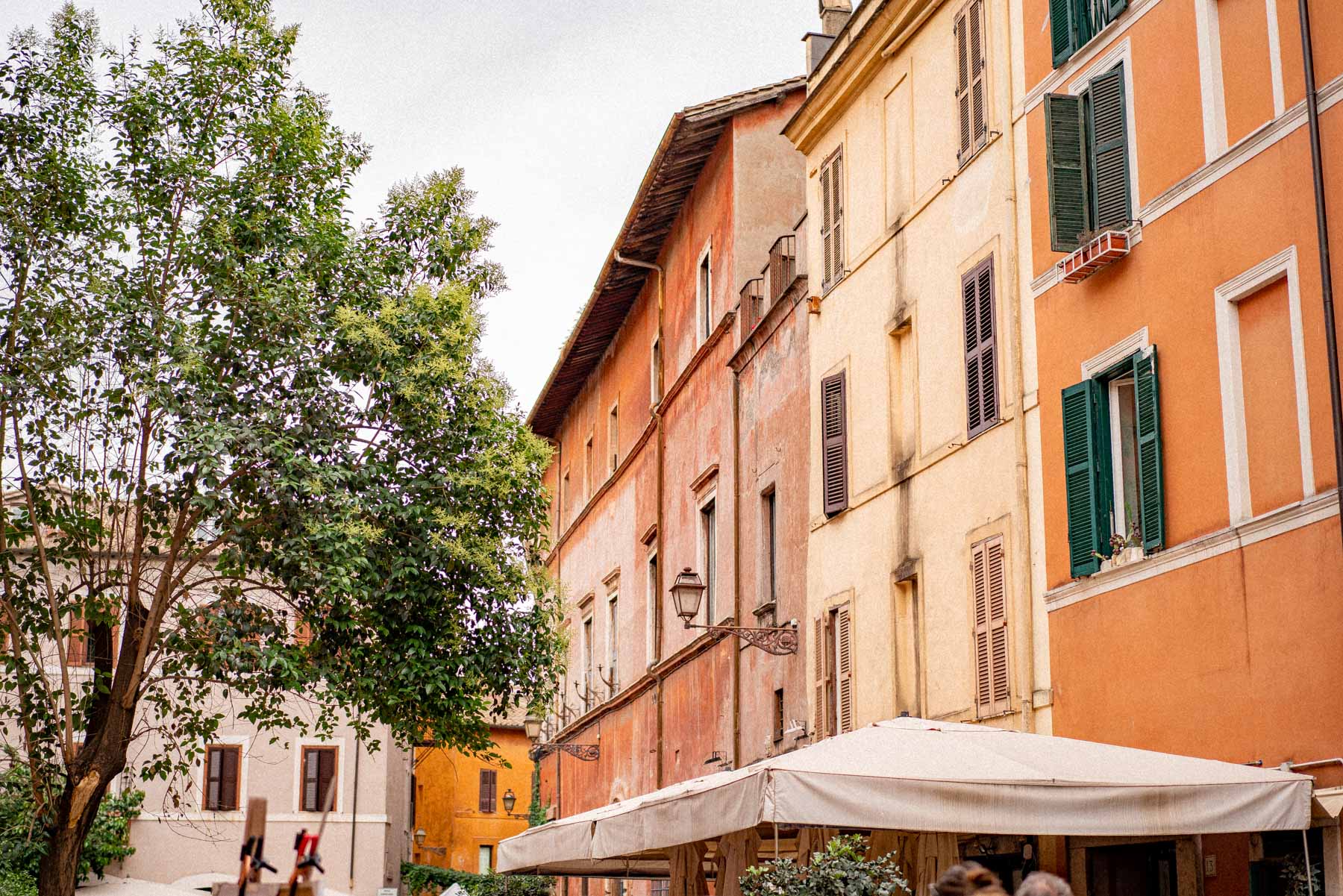
The streets are narrower, the facades are more faded, and instead of souvenir shops, you’ll find artisan workshops where craftspeople still make everything by hand. Leather workers, bookbinders, frame makers, mosaic artists. This is old Florence, and it’s *wonderful*.
Walk along Via Maggio and Via Santo Spirito, pop into any workshop with an open door, and grab a coffee at one of the neighborhood bars. The Piazza Santo Spirito is the heart of the Oltrarno and has a great local vibe, especially in the late afternoon when residents gather for aperitivo.
If you’re into art, the Brancacci Chapel in the Church of Santa Maria del Carmine has frescoes by Masaccio that are considered some of the most important in Renaissance art. And unlike the Uffizi, there’s rarely a line.
The Gelato Situation
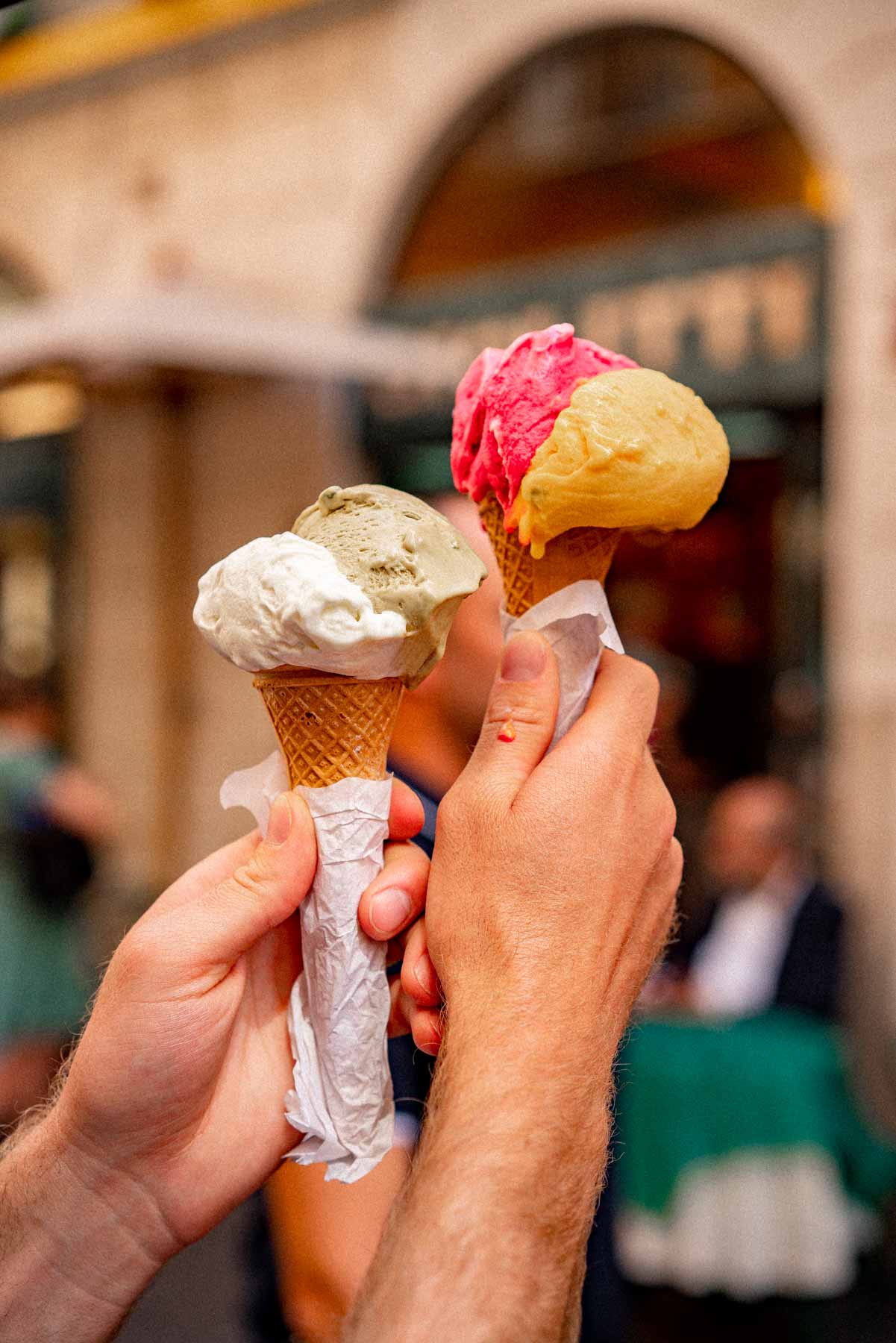
You cannot spend two days in Florence without eating gelato at least twice a day. This is not negotiable.
My top picks include Vivoli (the oldest gelateria in Florence, operating since 1930), La Sorbettiera (small, no-frills, *excellent* flavors), and Gelateria dei Neri (always a line, always worth it).
How to spot good gelato vs tourist trap gelato: look at the colors. If the pistachio is bright green, run. Real pistachio gelato is a muted brownish-green. Same goes for banana. If it’s yellow, it’s made with artificial flavoring. Good gelato colors are subtle and natural.
Also, the bins with massive mountains of gelato piled high above the containers? That’s a red flag. The best gelaterias store their gelato in flat, covered metal containers (called pozzetti). Less Instagram-worthy, infinitely more delicious.
If you love gelato as much as I do, check out my guide to the best gelato in Rome too. The rivalry between Roman and Florentine gelato is *fierce*.
Where to Eat in Florence
Florentine food is hearty, simple, and intensely flavorful. This is not delicate cuisine. This is food that was designed to keep farmers and workers fueled, and it’s all the better for it.
The Dishes You Have to Try
Bistecca alla fiorentina is Florence’s most famous dish. It’s a massive T-bone steak (we’re talking 1-1.5 kg) from Chianina cattle, grilled over hot coals and served rare. Not medium-rare. *Rare*. If you order it well-done, the chef might actually cry. It’s priced by weight, usually around 45-55 euros per kilo, so expect to pay 50-80 euros for one. Split it between two people.
Ribollita is a thick, hearty bread soup made with cannellini beans, cavolo nero (Tuscan kale), and stale bread. It sounds basic but it’s one of the most comforting things I’ve ever eaten. It’s a winter dish traditionally, but you’ll find it on menus year-round.
Lampredotto is the street food I mentioned earlier. Cow stomach braised until tender, served on a crusty roll with salsa verde and spicy sauce. The best carts are at the Mercato Nuovo (the one with the bronze boar statue) and near Sant’Ambrogio market.
All’Antico Vinaio is the most famous sandwich shop in Florence, and possibly in all of Italy. The line wraps around the block, but it moves fast. Order the Favolosa (cream of truffle, pecorino, artichoke cream, and porchetta) and try not to make embarrassing noises while eating it in the street. It costs about 5-8 euros. An absolute steal.
My Restaurant Recommendations
Trattoria Mario is a no-frills lunch spot near San Lorenzo Market where you’ll share a communal table with strangers and eat some of the best Tuscan comfort food in the city. Cash only, no reservations, and they close when the food runs out. Get there by noon.
Il Latini serves enormous portions of Florentine classics in a boisterous, wine-cellar atmosphere. The bistecca here is excellent. It’s touristy, yes, but the food quality hasn’t suffered for it.
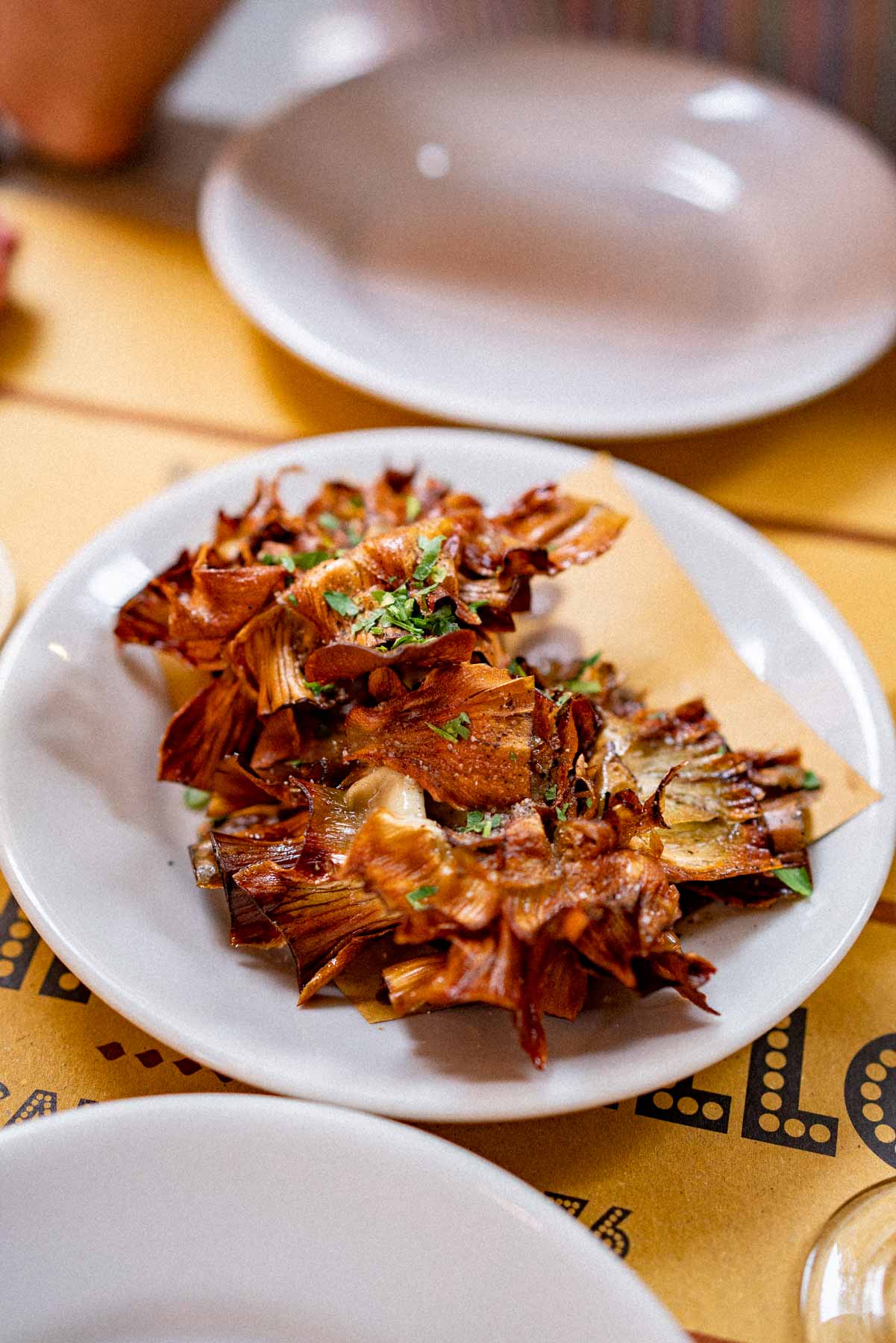
Trattoria Sostanza (also called “Il Troia”) is a tiny, old-school trattoria famous for its butter chicken and artichoke omelette. Reservations are essential and the decor hasn’t changed since approximately 1869. That’s the charm.
For a deeper dive into Italian dining, check out my best restaurants in Rome guide for comparison.
Where to Stay in Florence
Location matters a lot in Florence, and getting it right will save you from wasting time on buses or long walks back to your hotel at the end of a tiring day.
Near Santa Croce is my top recommendation. This neighborhood is central enough to walk everywhere but far enough from the Duomo madness that you’ll actually be able to sleep at night. The streets around the Basilica di Santa Croce are filled with great restaurants and local bars, and the piazza itself is one of the most beautiful squares in the city.
The Oltrarno is my second pick, especially if you want a more local, less touristy experience. You’re across the river from the main sights but everything is still within a 15-20 minute walk. The neighborhood has the best aperitivo bars, the most interesting shops, and a genuine neighborhood feel that the centro storico lost years ago.
Avoid staying near Santa Maria Novella train station. I know it seems convenient for arrivals, but the area is noisy, not particularly charming, and the restaurants nearby are mostly tourist traps. You can walk from the station to Santa Croce in about 15 minutes anyway, so there’s no real benefit to staying right next to it.
Day Trip to the Tuscan Hill Towns (If You Have a Third Day)
If you can squeeze in a third day, renting a car and driving into the Tuscan countryside is *so worth it*.
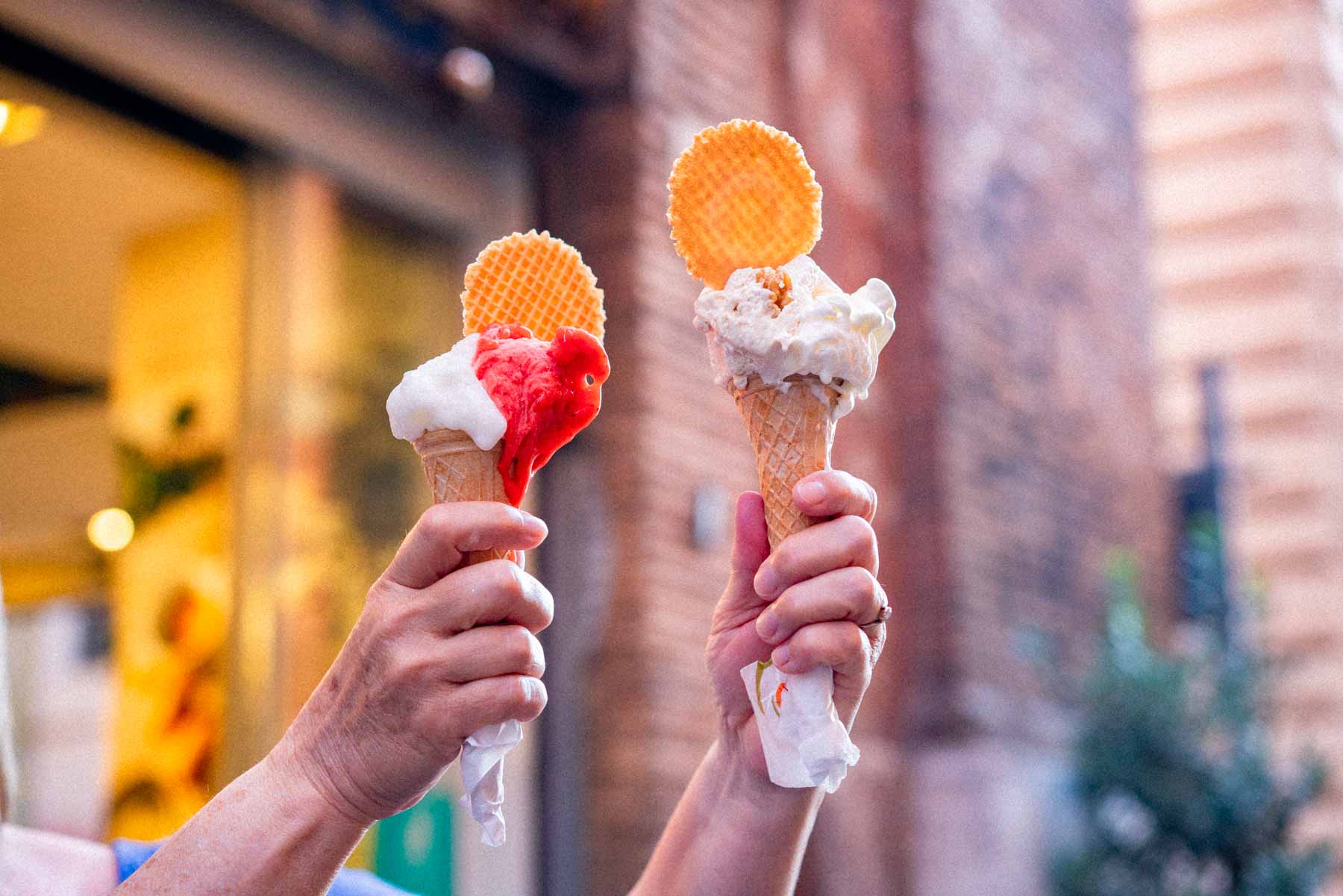
San Gimignano is the classic choice. It’s a tiny medieval hill town about 1.5 hours from Florence, famous for its 14 surviving medieval towers that give it a skyline that looks almost Manhattan-esque. The gelato at Gelateria Dondoli (world champion gelato maker, not kidding) is worth the drive alone.
Siena is larger and more substantial than San Gimignano, with one of the most beautiful main squares in all of Italy (the shell-shaped Piazza del Campo). If you can only pick one day trip, make it Siena.
The Val d’Orcia is the landscape you’ve seen in every Tuscany calendar ever printed. Rolling golden hills, lone cypress trees, medieval villages perched on hilltops. It’s about 2 hours from Florence and is best experienced by car with no fixed plan. Just drive the back roads and stop wherever looks beautiful.
You can also join organized day tours from Florence if you don’t want to drive. They typically combine 2-3 towns with a wine tasting and cost around 60-80 euros per person.
Florence vs Rome (Quick Take)
This is the question I get asked most often, and I’ve written a full Florence vs Rome comparison if you want the deep dive. But here’s the short version.
Rome is a sprawling, chaotic, ancient metropolis where you’ll need at least 4 days to scratch the surface. Florence is a compact, walkable Renaissance jewel where 2 days gives you a complete experience.
Rome is better for ancient history, people-watching, and late-night adventures. Florence is better for art, food, and day trips into the Tuscan countryside.
My honest opinion? Do both. They’re only 1.5 hours apart by high-speed train. Start with Florence, then take the train to Rome and spend 3-4 days there. Read my Rome mistakes to avoid before you go so you don’t make the same blunders I did on my first trip.
Practical Tips for Florence
Book the Uffizi and Accademia (Michelangelo’s David) tickets online. I’m not being dramatic when I say the lines can reach 3-4 hours in summer. Skip-the-line tickets cost a few euros more and save you literal hours of your life.
Wear comfortable shoes. Florence’s streets are made of uneven stone, and you’ll be walking 15,000-20,000 steps a day. Leave the cute shoes at home and bring something with real support.
Eat lunch as your big meal. Many trattorias have a lunch menu that’s cheaper than dinner, and the portions are just as generous. This is especially true for bistecca alla fiorentina, which some restaurants only serve at lunch.
Learn two Italian phrases. “Un tavolo per due, per favore” (a table for two, please) and “Il conto, per favore” (the check, please). Italians appreciate the effort, even if your pronunciation is terrible.
The Firenze Card costs 85 euros and gives you skip-the-line access to 72 museums for 72 hours. If you’re planning to visit the Uffizi, Accademia, Pitti Palace, and Boboli Gardens, it pays for itself and saves you a lot of time in queues.
Avoid restaurants with photos on the menu or anyone standing outside trying to lure you in. These are tourist traps without exception. The best restaurants in Florence don’t need to advertise. They just need a doorway.
Is Florence Worth Visiting?
Florence is one of those cities that could easily feel like a museum that happens to serve food. But if you get past the crowds at the Duomo and actually explore the neighborhoods, you’ll find a city that’s still very much alive.
The food alone is worth the trip. Florentine cooking is simple, bold, and rooted in centuries of tradition. The art is world-class. The architecture makes you want to learn about the Medicis. And the sunsets over the Arno are the kind that make you put your phone down and just *be there*.
Two days is enough to see the highlights and eat yourself into a food coma. Three days is ideal if you want to add a Tuscan day trip. Either way, Florence will leave an impression that lasts a lot longer than the trip itself.
If you’re planning a bigger Italy trip, don’t miss my guides to the best things to do in Rome and where to stay in Rome.
Read Next: Rome vs Florence (If You Can Only Pick One) | 30 Things to Do in Rome


