



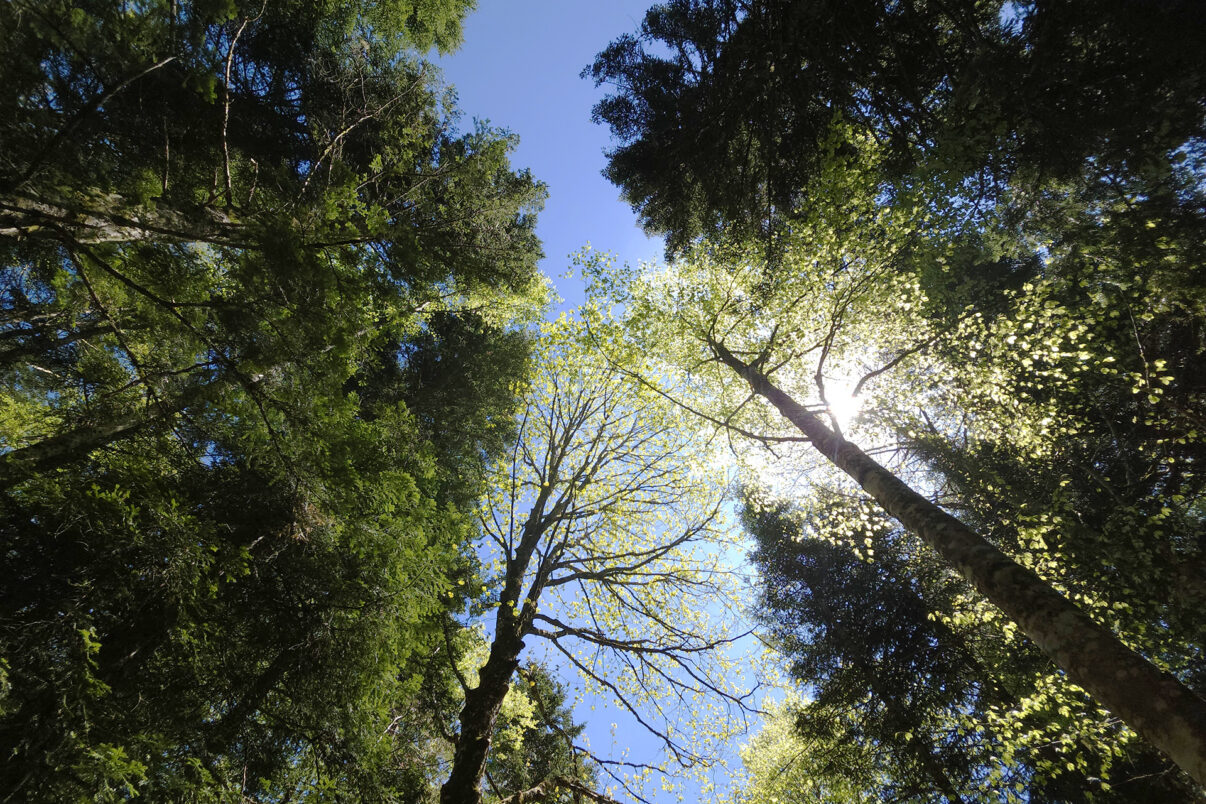
Rewilding France in the Vercors Plateau and the Municipality of Die have signed a groundbreaking agreement that will allow nature to drive its own recovery in Die Forest for at least 60 years, bringing about significant changes to the way they collectively manage the forest.

Aurelien Giraud
time for change

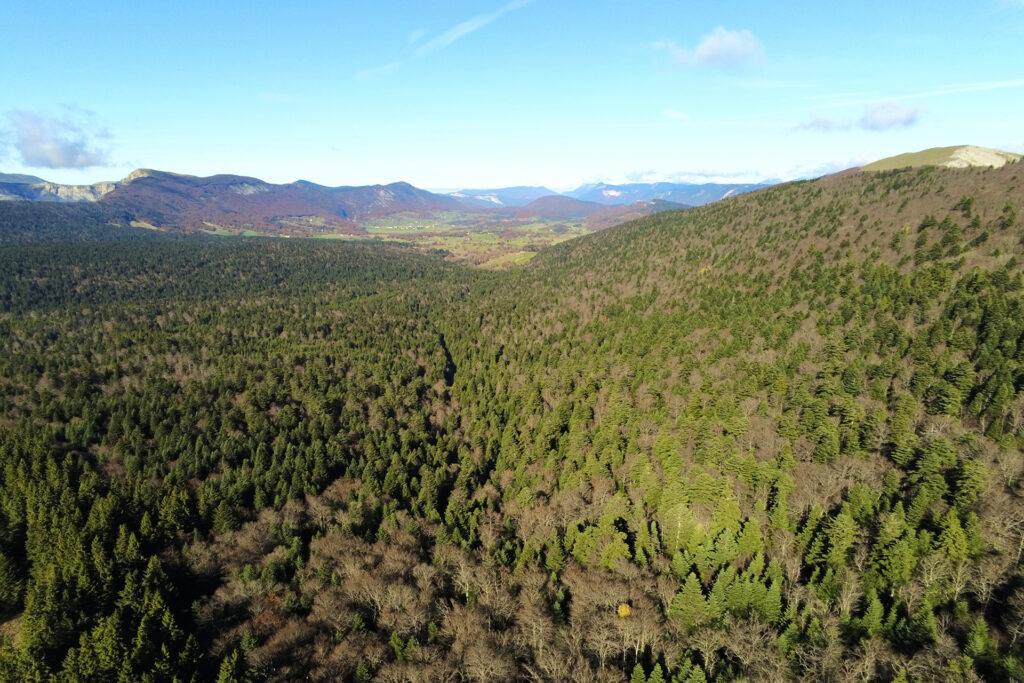
Die, a municipality located at the foot of the Vercors, owns 432 hectares of highly productive communal forest on the Vercors plateau, which is managed exclusively by the French forest administrator ONF through timber harvesting, plantation and forest path maintenance. While ONF generates revenue by charging for its services, municipalities see little revenue from wood extraction after expenses. Rewilding France and other regional associations have raised concerns that traditional harvesting methods are unsustainable and increase vulnerability to forest exploitation and climate change impacts, highlighting the need to explore alternative management models.
Provide natural space
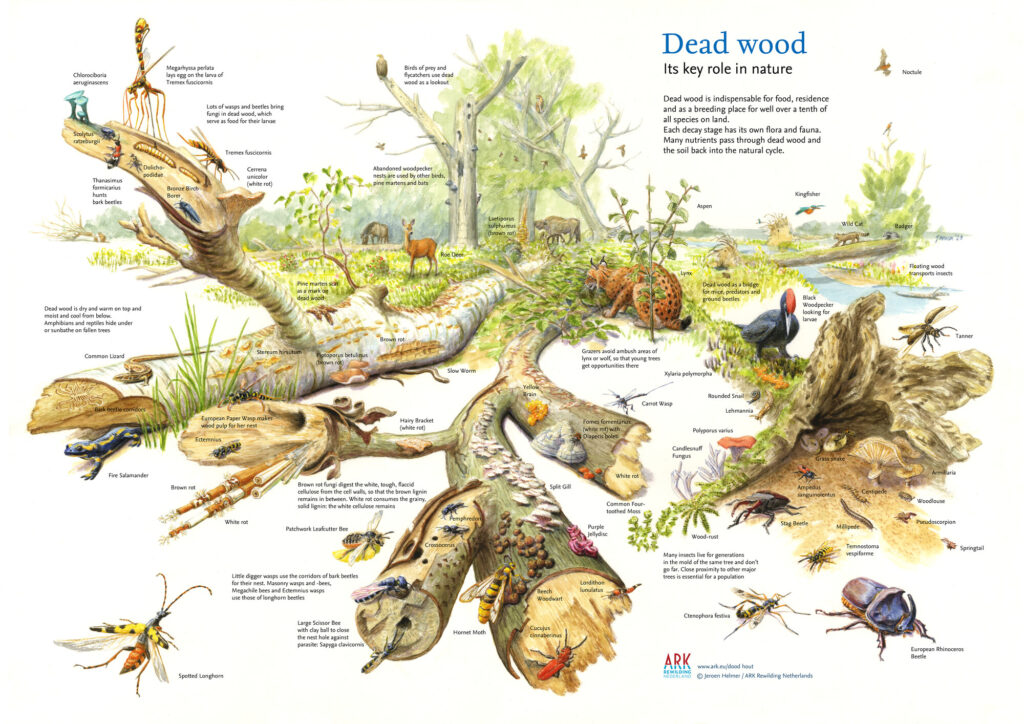
A management model that promotes natural regeneration from 2022, i.e. free evolution (“Free Evolution”), a practical step toward more nature-centered forest management. These principles include allowing ecosystems to recover and adapt to a changing climate with minimal human intervention. In addition to protecting trees from timber harvest and creating an “old wood network”, Rewilding France plans to create old-growth islands and increase the amount of standing and fallen dead trees. Nature will be given the space and freedom to heal itself, strengthening both biodiversity and climate resilience.
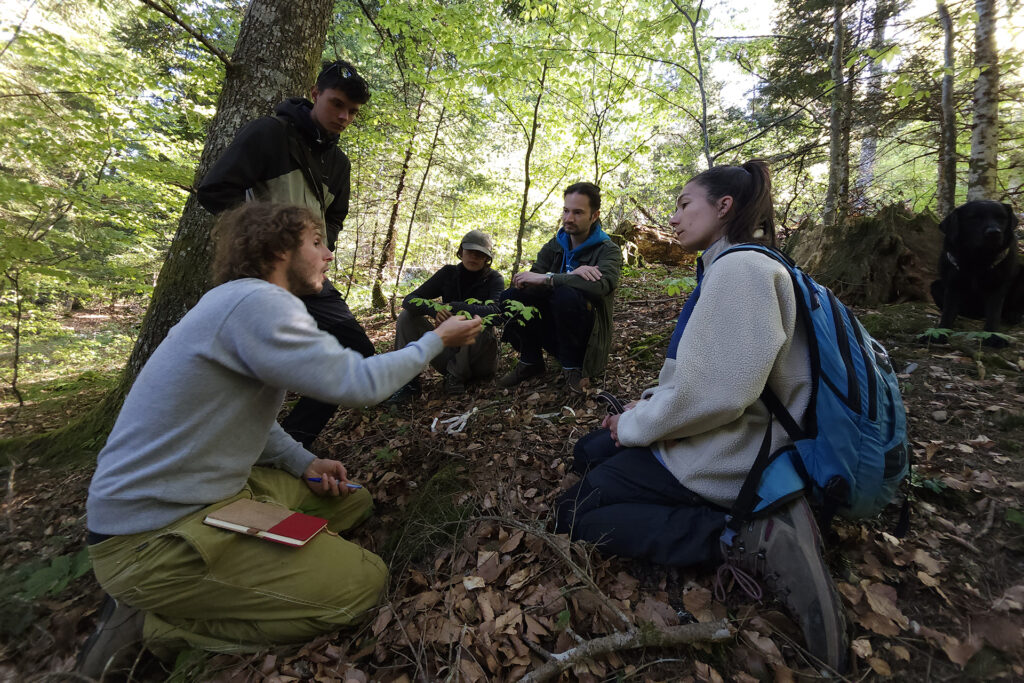
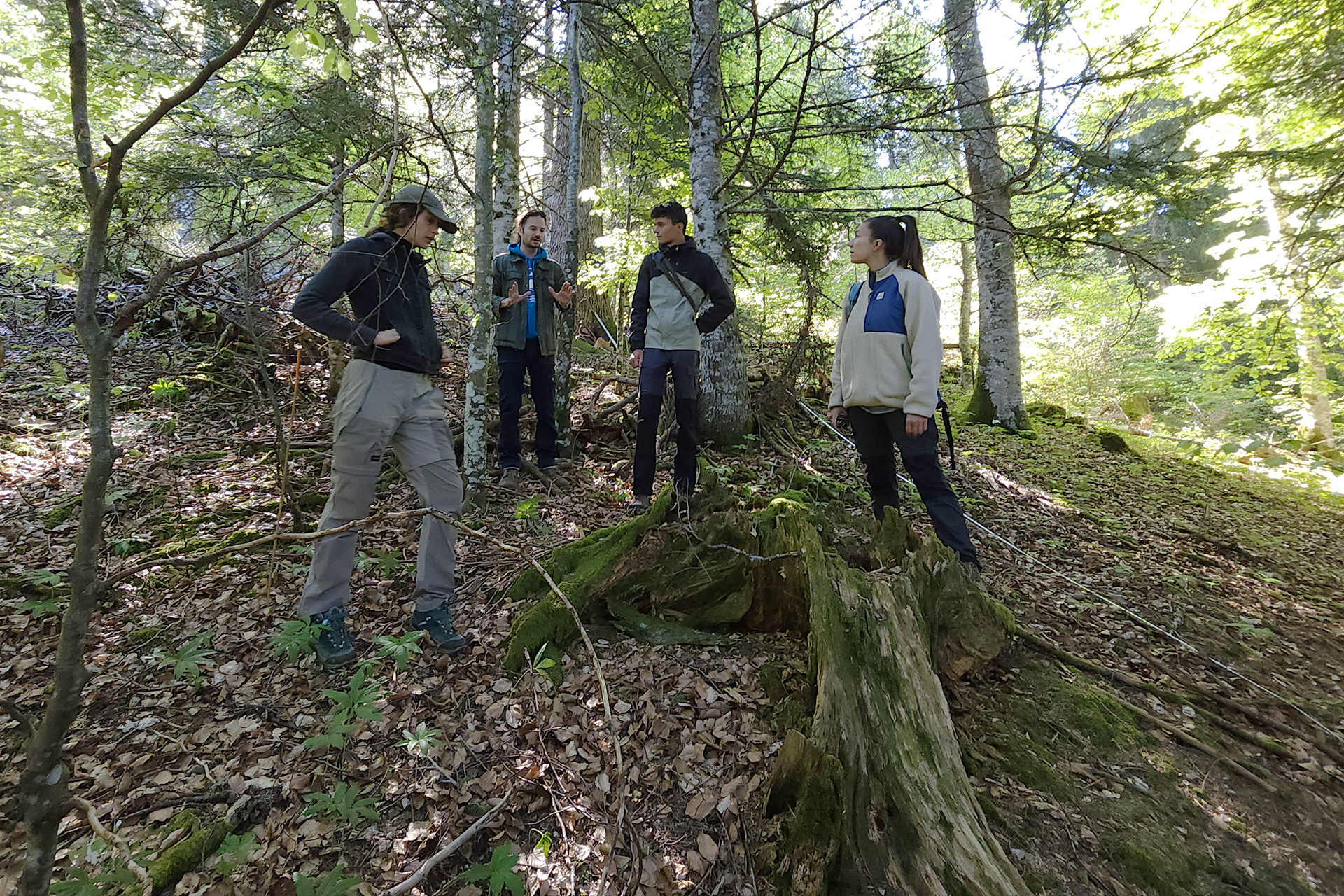
During the feasibility study phase for the Dauphiné Alps, Rewilding France met with elected officials in Die, led by the Municipal Forestry Working Group. Those in attendance included Eric Belvaux, then deputy mayor and a key player in achieving the agreement.
“As elected representatives, we support the vision that forests are not just a short-term resource, but a living legacy to be passed on to future generations,” says Belvaux. “We are convinced that the resilience of our forests in the face of climate change depends on strengthening their naturalness and allowing natural processes to unfold freely. Our goal is not to ‘protect for conservation’s sake’, but to take a balanced approach that benefits both ecosystems and municipalities.”

Aurelien Giraud
a groundbreaking agreement
After years of effort to bring together key stakeholders, Rewilding France was able to find a solution acceptable to all parties. In March of this year, the Réelle Environnementale (ORE) obligation, known as the easement agreement, was signed between the municipality of Die and Rewilding France. The legally binding agreement covers the entire 432 hectares and covers the next 60 years.
ORE has secured a quarter of the public forests. free evolutionOf these, logging and afforestation have completely stopped in about 80 hectares, and another 10 hectares of ‘aging islands’ are scattered throughout the managed forest with the same regulations. The island is a safe haven for wildlife and established habitat, where nature is left to take the lead within an actively managed forest.
The partners also agreed with the hunting community not to hunt within 90 hectares. ORE also directs ONF to promote biodiversity through soft silviculture practices, including leaving naturally dead trees, standing tree stumps, and higher densities of living habitat trees at harvest sites across the remaining 342 hectares. This approach demonstrates how space can be created for natural processes within productive city-owned forests outside routine forest management.

benefits for people
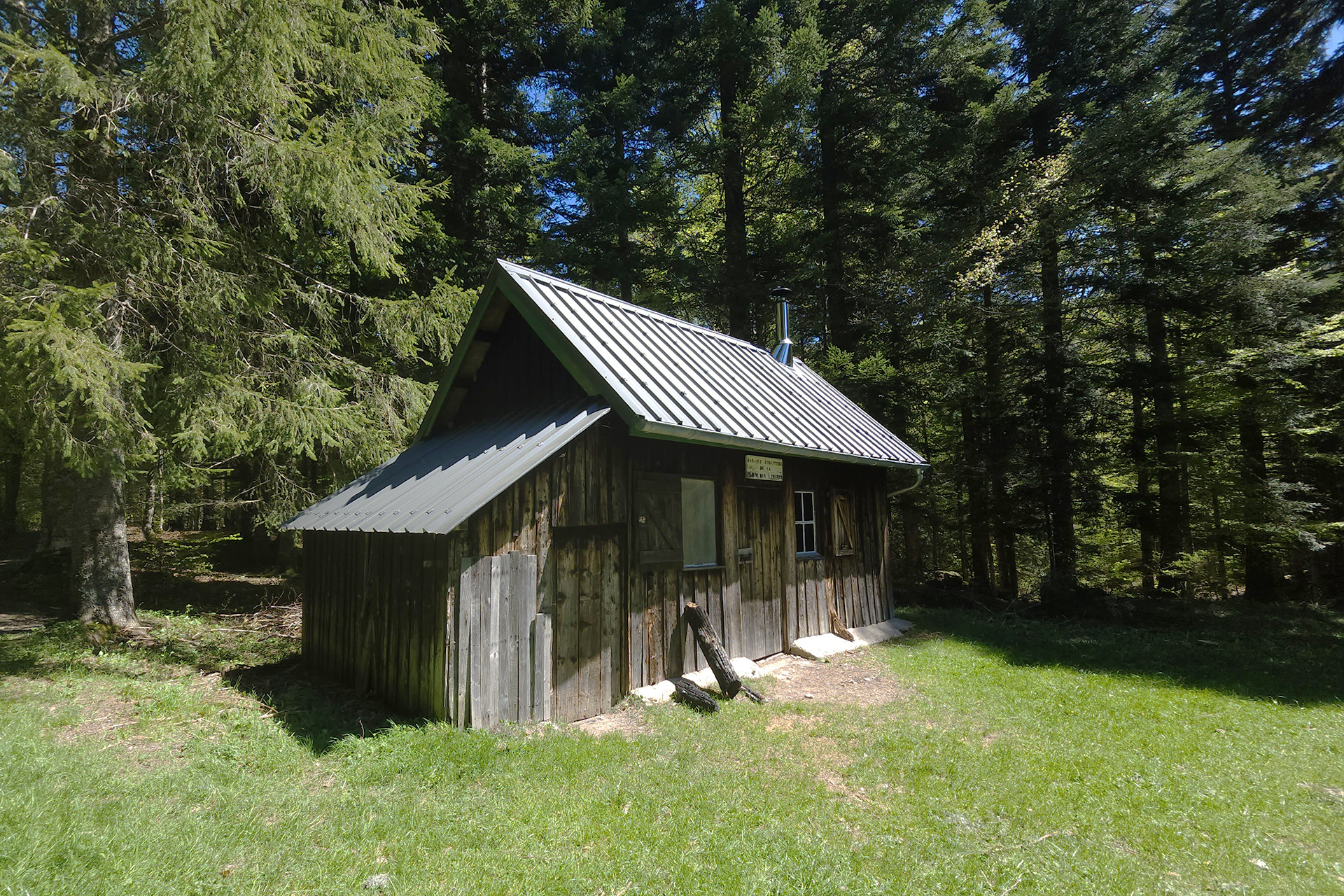
Another element of the plan focuses on renovating municipality-owned cabins in the heart of the forest. With funding from the Vercors Regional Natural Park, the cabin will be transformed into a space that can host events for tourists, hikers, school groups and more. There will be informative signage and nature trails winding around the two aging islands, providing insight into France’s “closer to nature” approach to forest management.
Rewilding France has committed to conducting an ecological assessment of the forest, conducting long-term impact monitoring, and paying annual compensation to municipalities for lost revenue from wood extraction.

Aurelien Giraud
Aurelien Giraud
The future of French forests
This major easement between the municipality of Die and Rewilding France suggests that attitudes towards forest management in France are changing and that alternative, more nature-centric approaches could actually be implemented. Recently, ONF took over ownership. free evolution This is a positive sign that the management model may be accepted beyond the contract period and at additional sites across the country. Newly elected officials from other municipalities are already inquiring about ORE, and Rewilding France plans to host them at Die Forest later this year.
Rewilding in France is gaining momentum as conservation efforts shift to more natural and healthy landscapes, restoring natural processes and strengthening coexistence with wildlife to ensure that people and nature can thrive together.
“We see Die Forest as a pilot site to demonstrate that allowing nature to heal itself is feasible, efficient and economically beneficial – something that has already been proven elsewhere. Over time, the goal is to also show that there are important ecological benefits, including: free evolution “We hope that by achieving this easement in Die, other municipalities will be inspired to take the same approach,” says Olivier Raynaud, team leader for the Dauphiné Alps.
Antoine Charny-Brunet / Reviving France


