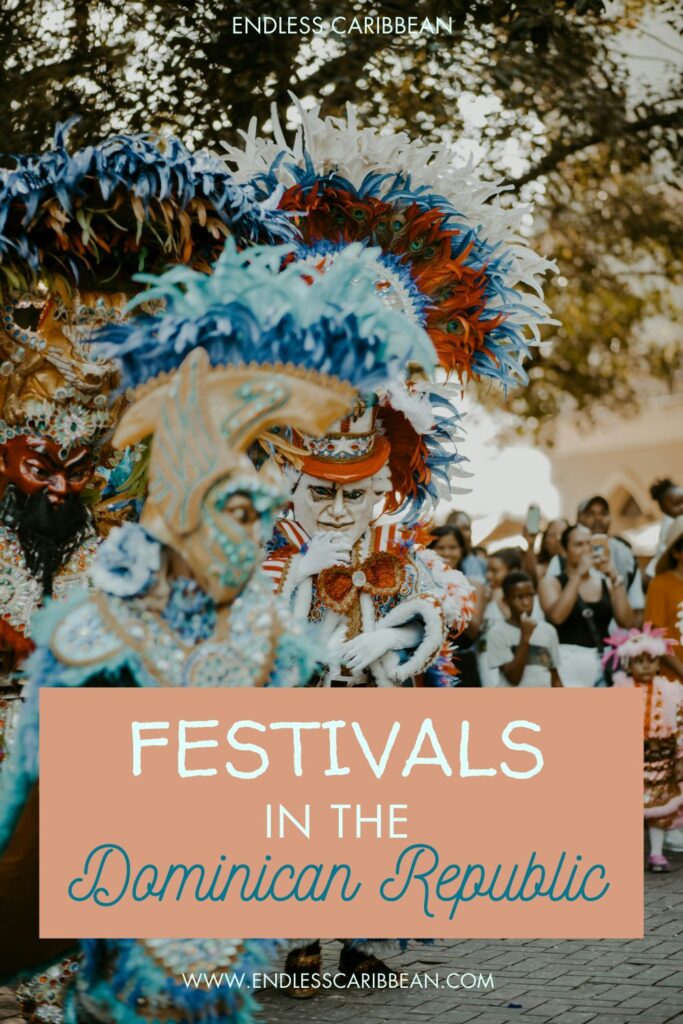
The festivals in the Dominican Republic combine music, history, religion, and food into vivid, local experiences. The country hosts explosive carnival parades in Santo Domingo, merengue and jazz concerts, smaller patron-saint celebrations with deep cultural roots, all of which celebrate the country’s traditions and modern music scenes.
Visitors to any of the Dominican Republic’s festivals should expect a mix of high-energy street parades, Afro‑Dominican rituals like Guloya, world-class jazz nights, and tasty regional food stalls. Each festival is a passionate celebration, with enough reasons and excitement to plan your trip around it.
Keep reading to discover which festival matches your mood and when to go so you can time your visit for the exact flavor of Dominican celebration you want to experience.
The Dominican Republic Carnival: The Heart of Dominican Festivity
During the month of February, carnival pulses with parades, music, and characters that trace the island’s history. There are weekly street processions, city-specific figures, and costumes that mix Taíno, African, and European influences.
Carnaval Dominicano Traditions
Dominican carnival is deeply rooted in local history and community life. Events occur every Sunday in February and build toward the flagship key parade on February 27, which is Independence Day. Each town stages its own comparsas—organized troupes that rehearse dances, music, and skits months in advance.
Music drives the atmosphere and merengue, bachata, and local drum rhythms keep crowds moving. Food stalls, artisan booths, and municipal galas accompany the street events, so you can sample typical snacks while watching the processions.
There will also be stinging satire and social commentary. Performers often lampoon politicians and current events, turning the carnaval into a public forum as well as a spectacle. This blend of celebration and critique is a core feature of the carnavales dominicanos.
La Vega Carnival and Its Masks
La Vega’s carnival stands out because of its elaborate masks and moving-jaw designs. The Carnaval Vegano dates back centuries and showcases giant papier-mâché and wooden masks with articulated mouths and expressive features.
Mask-makers work year-round and prepare for competitions where neighborhoods compete for the most inventive designs. The carnival includes floats, comparsas, and night parades where the masks take center stage under floodlights.
Security and crowd flow receive special attention given La Vega’s scale. If you attend, position yourself along the main parade routes early; that lets you photograph the masks and watch the choreographed interactions between masked characters and the public without getting squeezed.
The Role of Diablo Cojuelo
The Diablo Cojuelo is the carnival’s emblematic trickster, and he will be present in nearly every major city. He is easily recognizable because of his oversized devil mask, jingling bells, and a whip-like vejiga. Throughout his act, the devil animates parades with mock menace and comic antics.
Historically the figure satirized colonial authority and later adapted local folklore. Today, Diablos Cojuelos lead processions, perform staged “chases,” and interact with spectators—playful scaring rather than real danger.
For the best photos of this spectacle, you should keep a respectful distance and watch for quick movements. Many troupes pair the devil with musicians and dancers, so his appearances often mark the most dynamic moments of the parade.
Dominican Carnival Costumes
Dominican carnival costumes range from body paint and minimal garments to baroque, bead-studded ensembles. Each costume, from the simple to the elaborate carries cultural meaning.
Los Indios and Pintaos recall Taíno and maroon histories through feathers, paint, and simple textiles. Groups like Los Lechones wear pig-shaped masks tied to regional identities. In Santiago, the pig motif connects to local culinary traditions. Los Ali Babas, Califé, and Robalagallina add theatrical and satirical elements with sequins, tall hats, and exaggerated props.
There is a lot of thought that goes into the choice of materials for costumes. Artisans use rice sacks, coconut leaves, papier-mâché, and cured cow bladders. If you are interested in learning about construction techniques and the symbolic choices behind each outfit, you can meet makers at workshops or markets before the parades.
For practical attendance, wear comfortable shoes, bring small bills for performers, and follow local guidance about photographing minors and painted performers.
Merengue and Music Festivals
These events center on high-energy merengue bands, large public stages on the Malecón and beachfront venues, and opportunities to join dance workshops or grab front-row free performances. There will be long concert nights, food stalls, and parades that put Dominican musical traditions front and center.
Merengue Festival in Santo Domingo
The Merengue Festival in Santo Domingo runs for roughly two weeks each summer, usually from late July into early August. Parades take place along the Malecón, where national and international merengue bands perform free concerts that attract large local crowds. There will also be vendors selling typical street food and cold drinks near performance zones.
To fully enjoy the event, wear comfortable shoes. There will be heavy crowds near headline acts and people will be dancing in the streets. If you want to get involved, there are daytime workshops and evening shows at the Ruinas de San Francisco and other Colonial City spots. if you want structured lessons.
If you plan to photograph or record, stay aware of crowd flow and pick a fixed meeting spot with your group. Check municipal event pages before you travel for exact dates and program lineups.
Puerto Plata Festival Highlights
Puerto Plata’s music events focus on beachfront concerts and a more relaxed, seaside atmosphere compared with the capital’s frenetic street parties. These events feature fusion lineups which combine merengue, bachata, and Caribbean rhythms at open-air stages along the Malecon and Playa Dorada areas.
Visitors can expect family-friendly daytime activities and ticketed headline shows after sunset. Local cultural groups often stage folkloric dances and craft markets during festival weekends. To get the best rooms with a view of the ocean and within walking distance of main performances, book early – well in advance of the event.
For logistics, local taxis or arranged shuttles are recommended when moving between venues. If you choose to drive, be mindful that parking fills quickly during peak nights. For updates, you should check municipal or tourism pages for exact dates and artist announcements.
Festival Presidente de Música Latina
Festival Presidente de Música Latina is a major ticketed music festival that brings international Latin stars to large arena stages in Santo Domingo. It is a multi-day program with multiple stages, high-production lighting, and stacked lineups that include merengue, salsa, reggaetón, and pop.
The festival is known for its long days and staggered set times. Food courts, merchandise areas, and VIP sections are standard, and security checkpoints are strict. You will be required to show identification, may be subject to search and certain items will be prohibited.
Because it is one of the most popular festivals in the Dominican Republic, tickets are sold out quickly. To avoid this, you should buy tickets in advance and review stage maps, so you don’t miss your favorite artists. You should also consider early-entry passes or VIP packages that include seating or dedicated viewing areas.
Patron Saint and Religious Festivals
These celebrations blend deep Catholic devotion with local traditions, featuring processions, music, and community rituals that vary by region. There are large pilgrimages, town-level parish events, and energetic street festivities tied to specific patron saints.
Señora de Altagracia Day
Señora de Altagracia Day on January 21 honors the Virgin of Altagracia, the Dominican Republic’s patroness. Thousands of pilgrims travel to the Basilica in Higuey for morning Mass, candlelight vigils, and public prayers that often last all day.
The day consists of a mix of solemn worship and festive activity. Outside the basilica, vendors sell religious medals, rosaries, and local food. Participants are outfitted in traditional dress at processions and organized pilgrim routes leading into Higuey.
If you plan to attend, book lodging in advance and arrive early for main ceremonies. Security ramps up around the basilica, and local authorities manage crowds and traffic for a smoother experience.
Patron Saint Festivals Across the Country
Fiestas Patronales occur year-round in towns and villages; each parish honors its patron saint with a weekend of events. Highlights include religious processions, live merengue or bachata bands, street food stalls, and carnival rides centered on the church plaza.
These festivals follow a common pattern: a novena or special Mass, a daytime procession with statues of the saint, and evening cultural programming. Local committees coordinate schedules, so check municipal announcements for exact dates and times.
To experience authentic community life, you should attend a Fiestas Patronales. Vendors serve regional dishes like mangú and sancocho, and artisans sell handcrafts unique to the municipality.
San Juan Bautista Festival
The San Juan Bautista Festival, typically held around June 24, celebrates Saint John the Baptist with water-related rituals and lively public events. In coastal and riverside towns there are processions that end at a river or the sea, where participants bless the water and perform symbolic immersions.
Music and dance such as live percussion and local songs tied to Saint John traditions, accompany religious rites. Municipal parades often include folkloric characters, fireworks, and food fairs that run late into the evening.
For the closest view of the statue and rituals, you should join the morning Mass and the procession. Respect local customs during water blessings and ask permission before photographing private devotions.
Guloya Festival: Afro-Dominican Heritage
The Guyola Festival is a vivid street parade, with brightly colored costumes and music rooted in African rhythms. The festival centers on community memory, performance, and the specific traditions of San Pedro de Macorís.
Cultural Roots of Guloya
Guloya originated in San Pedro de Macorís from communities of English-speaking Caribbean migrants who arrived in the 19th century. Those migrants—often called Cocolos—brought dance forms, instruments, and songs that merged with local Dominican culture. Drums, kettle drums, triangles and flutes drive the rhythms and keep the African-derived beats alive.
Costumes use bold colors, mirrors, ribbons, capes and feathered hats. Performers enact choreographed dances and dramatized scenes that combine African movement vocabulary with narratives influenced by British and biblical themes. If you attend, you’ll see groups parade on January 1 and around carnival dates, preserving a living link to the island migrations and labor history that shaped the Eastern region.
UNESCO Recognition and Its Impact
UNESCO declared the Guloyas a Masterpiece of the Oral and Intangible Heritage of Humanity in 2005, which raised national and international attention. That recognition helped secure local pride and encouraged municipal and cultural groups to document practices, protect costumes and support community workshops you can visit or contact.
Funding and visibility increased after the designation, which led to organized parades, cultural programming and tourism interest focused on San Pedro de Macorís. You should expect better signage, scheduled performances during major holidays, and collaborative events with schools and cultural centers that aim to pass the tradition to younger generations.
Dominican Republic Jazz Festivals
These jazz events bring international artists, free concerts, and community music education to coastal venues and the capital. There are evening performances, daytime workshops, and a mix of Latin, Afro-Caribbean, and straight-ahead jazz styles in outdoor settings.
Santo Domingo Jazz Festival
This festival features multi-day shows in Santo Domingo that mix international headliners with top regional players. Workshops and masterclasses often run alongside performances, aimed at students and local musicians. These clinics are in high demand and seating often fills quickly.
Plan travel and lodging near the historic center to avoid long transfers after late shows. Local restaurants and bars stay open late, so you can extend an evening after the concert without searching far for food.
Dominican Republic Jazz Festival Overview
The Dominican Republic Jazz Festival is usually held in the north coast towns—Cabarete, Sosúa, Puerto Plata—as well as in Punta Cana. There are many free concerts on beaches and public plazas, daytime family activities and nighttime headline sets. The festival runs multiple editions per year and consistently books Grammy-winning and internationally recognized jazz artists.
The festival’s nonprofit arm provides music education for underserved children and organizes artist-led workshops. To support this cause, you can donate to FEDUJAZZ.
Unique Experiences: Surf, Cigars, and Modern Gatherings
The list of festivals in the Dominican Republic also includes unique experiences. There are active beachfront competitions, premium cigar showcases, and week-long electronic beach parties that blend international talent with local culture. When planning to attend events, check out dates, locations, ticket tips, and make a list of what you should pack or book in advance.
Larimar Surfing Championship
The Larimar Surfing Championship takes place along the northern coast, often near Cabarete, where consistent trade winds and reef breaks create reliable surf conditions.
Competitions consist of morning and afternoon sessions and run over several days with heats for shortboard, longboard, and SUP. Judges score on maneuvers, wave selection, and power. To watch remote lineups, you should book beachfront lodging early and reserve boat transfers. Also, remember to bring reef-safe sunscreen, a lightweight wetsuit for wind chill, and travel insurance that covers water sports.
Procigar Festival
Procigar Festival in Santiago de los Caballeros gathers Dominican and international cigar makers for tastings, factory tours, and seminars. The festival features master-roller demonstrations, opportunities to buy limited-edition blends, and guided visits to nearby tobacco farms that teach about the seed-to-leaf process.
Tickets typically include access tiers: single-session tastings, full-weekend packages, and VIP meet-and-greet options with blenders. If you plan to transport purchases home, check customs regulations and bring a sturdy humidor or travel case. The festival also schedules pairing talks—rum, coffee, and chocolate.
Barceló Desalia Festival Highlights
Barceló Desalia Festival in Punta Cana centers on daytime beach parties and nighttime poolside DJ sets, often hosted at Playa Cabeza de Toro or resort venues. The event has an international house and EDM DJs, themed days (all-white parties are common), and on-site production that includes stages, lighting, and VIP cabanas.
All-inclusive resort packages can simplify logistics by providing early-bird passes and transfers to festival sites. Attendees should book wellness sessions like sunrise yoga, and pop-up beach activations well in advance. Pack lightweight, breathable clothing, ear protection for close-stage viewing, and a charged power bank.
Food, Culture, and Local Flavors at Festivals
Dominican Republic festivals feature bold, comforting flavors, hands-on cooking demonstrations, and streets lined with vendors selling regional specialties. There are options to experience plated dishes from chefs and quick street snacks meant to eat while you walk.
Traditional Dominican Cuisine at Celebrations
At festivals in the Dominican Republic you’ll see Dominican cuisine presented in both elevated and home-style forms. Chefs at events like Taste Santo Domingo plate refined versions of bandera Dominicana—white rice, stewed beans, and braised meat—while community booths serve the same components in generous, familiar portions.
Additionally, national dishes such as sancocho, a slow-cooked stew, is prepared in large cauldrons for crowds. Communal cooking highlights local techniques which include sofrito bases, slow simmering, and the use of native produce like plantains and cassava. There are also live demos that teach how to make sofrito and how to season stews properly.
Festival cooking classes and chef talks provide hands-on learning experiences and share useful tips for cooking traditional meals. They often focus on regional differences, showing you how dishes vary in different parts of the country.
Popular Dishes: Mangu and Sancocho
Mangu appears at many morning festival stalls and breakfast stands. The dish is mashed green plantains topped with sautéed red onions and often served with fried cheese, salami, or eggs; it’s quick, filling, and a favorite after late-night events.
Sancocho is the hearty centerpiece at larger gatherings. Made with several meats (commonly chicken, pork, and beef or goat) and root vegetables, it’s cooked for hours and ladled into bowls for attendees. Vendors often offer single-meat or mixed versions—ask which meats are used.
Foodies recommend trying mangu and sancocho with a side of fresh avocado and a squeeze of lime. That combination brings balance between the richness of the dishes and the brightness of citrus and fresh produce.
Street Food and Festival Markets
Festival markets concentrate quick eats and local snacks in one space. Food stalls prepare local favourites such as yaniqueques (crispy fried dough), chicharrones (fried pork), pastelitos (savory turnovers), and skewered grilled meats.
Markets also showcase regional products: casabe (cassava flatbread) at the Festival del Casabe, artisanal hot sauces, and tropical fruit stalls selling mango, papaya, and pineapple. Use cash for small purchases; many vendors accept only pesos.
When you wander these stalls, try sampling multiple small plates rather than a single large meal. That lets you taste more varieties and keeps you fueled while you explore cultural performances, dance, and art installations.
Image: Carlos Cruz via Unsplash