



Greece continues to be one of the most popular holiday destinations for UK travellers, and for good reason. Whether you’re planning your first Greek island vacation or returning after several years, 2026 will be a great time to visit. Traveling in Greece has become noticeably easier thanks to direct flights from the UK being widely available, inter-island ferry links being better organized than ever, improved transport infrastructure and widespread card payments.
This Greece travel guide for UK tourists explains everything you need to know before visiting Greece in 2026. From choosing the right island to understanding entry requirements and setting a realistic budget, here’s everything UK tourists need to know before booking.
When is the best time to visit Greece?
Most visitors come to Greece in July and August, when temperatures are at their hottest and the seas are warmest. These months offer long sunny days, a lively nightlife, and all ferry routes, beach bars and tavernas are fully open for the season. But the trade-off is higher prices and much larger crowds, especially on islands like Santorini and Mykonos.
For many UK travellers, June and September are actually better options. June offers good weather without the summer peak, and hotel prices are often significantly lower than in August. The seas around the Cyclades are already warm enough for swimming, and the beaches and restaurants are noticeably quiet.
September is equally fascinating. The sea retains its summer warmth, but the busiest tourists are starting to disappear. Islands become calmer, ferry trips feel less hectic, and popular destinations are much more enjoyable to explore.
If you prefer sightseeing, walking holidays or quiet coastal towns, April and October are ideal for mainland Greece, Crete and Rhodes. Keep in mind that some small island businesses begin to close in late October as the tourist season draws to a close.
Greece entry requirements for UK travelers in 2026
British passport holders can currently travel to Greece without a visa for up to 90 days in any 180-day period. However, with the European Union’s new travel authorization system coming soon, travelers will need to pay close attention to the 2026 ETIAS update. Before traveling, we recommend that visitors to the UK check the latest official guidance to determine whether they are required to complete online approval before departure.
Your passport must have at least 3 months of validity remaining from your scheduled departure date and must have been issued within the last 10 years.
Travel insurance is highly recommended. The GHIC card provides basic provincial health benefits but does not cover costs such as repatriation, cancellation or private medical treatment. All of this can get expensive overseas very quickly.
Which Greek Islands are Best for British Tourists?
Choosing the right island can make a big difference to your vacation. Greece has hundreds of inhabited islands, but most travelers narrow their plans to a few popular destinations.
Crete remains one of the best all-round choices, especially for first-time visitors. The island is large enough to have beaches, mountain villages, hiking trails, historical sites, and great food all within easy reach. Chania in particular is one of Greece’s most charming cities and worth more than a quick overnight stay.
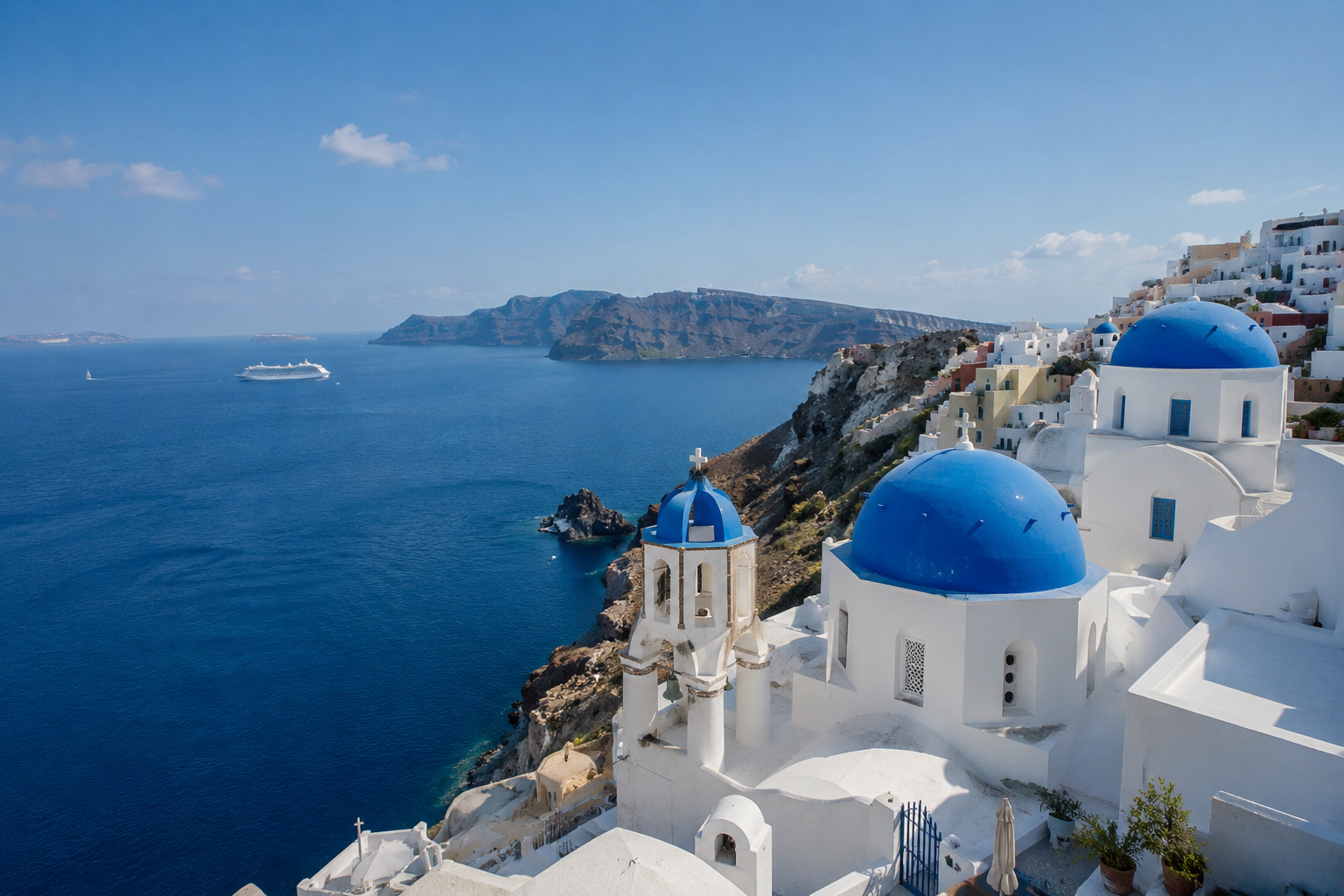
Santorini is still beautiful, as you can see from the photos, but it can feel overwhelmingly crowded during the peak summer months. If you decide to visit, staying in Imerovigli instead of Oia often offers a much more comfortable experience while still offering views of the famous caldera.
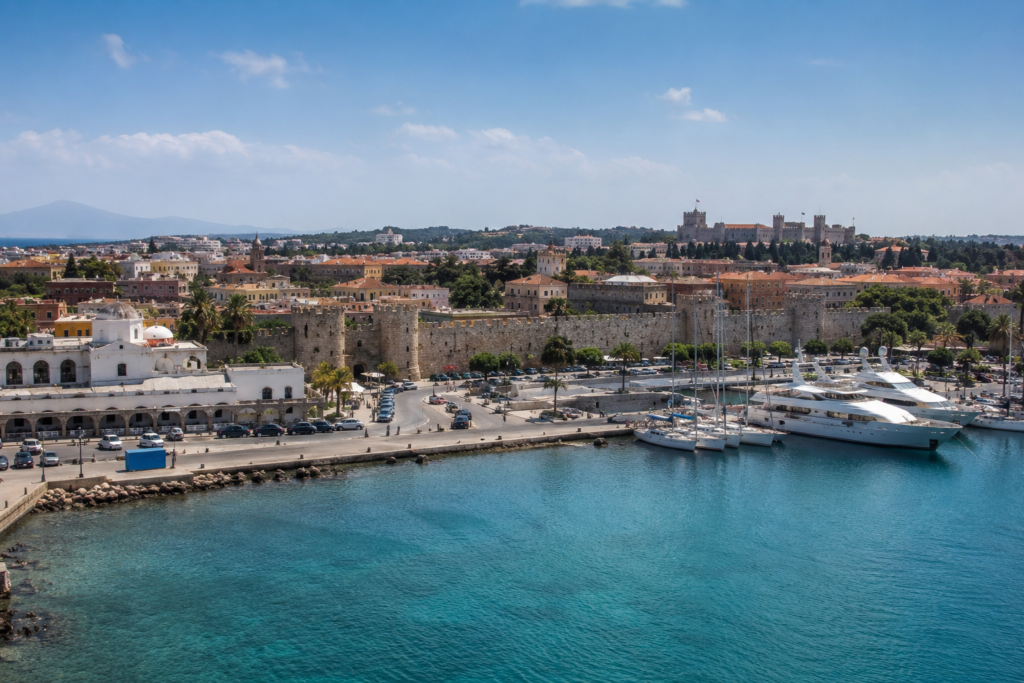
Rhodes combines beaches and history very well. Its medieval old town is one of the most impressive in Europe, and the island generally offers better value for money than the Cyclades. Direct flights from the UK are also a convenient option for short breaks.
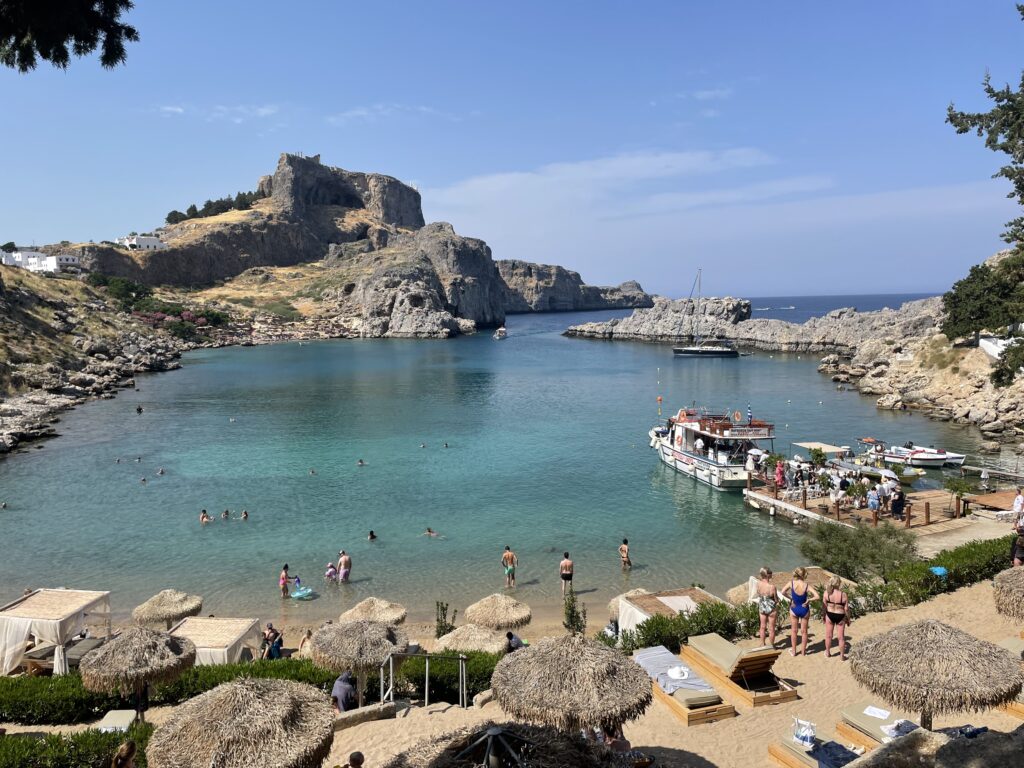
Corfu is often underestimated because it has long been popular with British tourists, but much of the island, especially the northern part, is greener, quieter and much more scenic than many people expect.
For travelers who like the traditional white-washed Cycladic look but want to avoid the waters of Mykonos, Naxos and Paros are great alternatives. Both islands offer beautiful beaches, comfortable villages, and a more authentic atmosphere without the constant crowds.
Explore Greece
Traveling in Greece is relatively simple once you understand how the transportation system works. Ferries remain the mainstay of island travel, with most routes running through the port of Piraeus near Athens. Ferries run frequently between the islands in summer, but popular services and fast catamarans often sell out well in advance, especially during school holidays.
For longer trips, it may be worth considering domestic flights. The flight from Athens to Crete or Rhodes takes about an hour, and if you book early it may be cheaper than a fast ferry.
For many islands, renting a car is the best way to explore them properly. There are public buses to most tourist destinations, but they tend to focus on major beaches and resorts rather than smaller towns or quiet coastal areas. Car rental prices are generally reasonable outside of peak season and UK driving licenses are accepted.
What to eat in Greece
Greek food is one of the highlights of a trip to Greece, but the best meals are rarely found in restaurants catering exclusively to tourists. In most places, quality improves dramatically just a few distances away from the busiest waterfront areas.
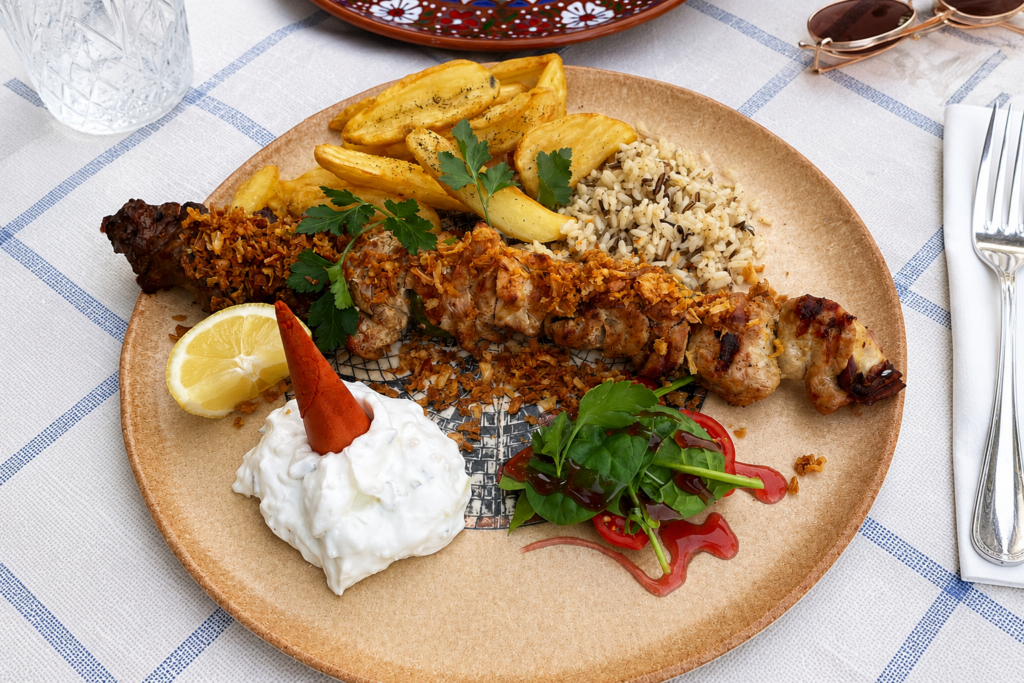
Fresh grilled octopus, slow-cooked lamb, Saganaki cheese and local seafood are all worth trying, and Crete is especially famous for its cheeses and traditional mountain cuisine. Loukoumades, small fried donuts coated in honey, are another essential Greek dessert that most visitors will order more than once.
Greek dining culture is also different from the UK. The restaurant gets busiest well after dinner time, with many locals eating after 9pm. Once you get used to the local rhythm, the atmosphere is much better than eating early with other tourists.
How expensive will Greece be in 2026?
Greece is no longer the ultra-budget destination it was 15 years ago, but it still offers good value compared to many parts of Western Europe.
For couples traveling in 2026, a realistic daily budget including accommodation, food, drinks, local transport and some ferry trips is typically between €120 and €200, depending on season and destination. Popular islands such as Santorini and Mykonos are located at the highest end of the range, especially in July and August.
Card payments are accepted almost everywhere, including small taverns and beach bars, but it is still useful to carry some cash with you in towns and local markets.
Book a trip to Greece
Package holidays remain popular with families traveling to large resorts and all-inclusive accommodation, especially from the UK. However, travelers planning to combine several islands or spend time exploring mainland Greece find that booking flights and accommodation separately gives them greater flexibility, and sometimes better overall value.
For more complex itineraries, working with a professional travel agent can save you significant time. Woking Travel Center is a good option for UK travelers looking to plan an island hopping holiday or a bespoke Greece itinerary without spending weeks comparing ferry routes and hotel combinations.
Final tips before your trip
Before leaving the UK, it’s a good idea to get your GHIC card in order, download offline maps of the islands you’ll be visiting and check the latest ETIAS travel updates. Learning a few simple Greek phrases can also be very helpful. Even basic greetings are generally appreciated and often lead to warmer interactions throughout the trip.
The reality is that Greece remains one of the easiest countries in Europe to enjoy without having to over-plan every detail. Once you arrive, most things tend to fall into place naturally. This is why so many British tourists return year after year.







