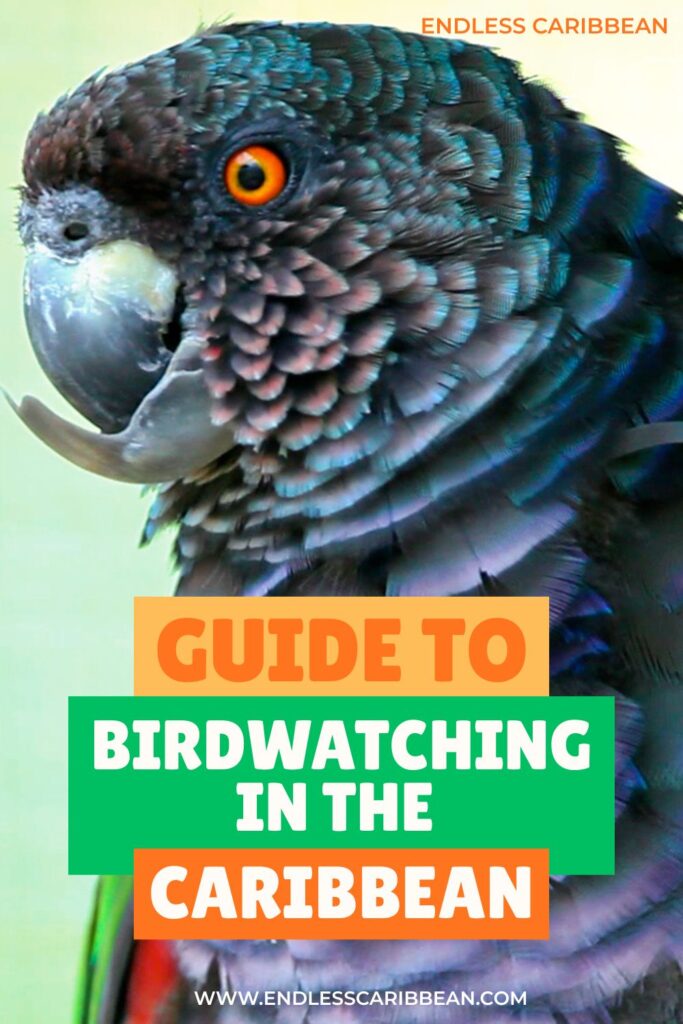
When you decide to go bird watching in the Caribbean, you can watch bright parrots, hummingbirds, flamingos, and many island‑only species across the Caribbean all year. The Caribbean offers over 500 bird species, including many endemics you will not find anywhere else in the world. Warm weather and short travel distances between habitats make it easy to see a wide range of birds in one trip.
You might scan wetlands in Aruba, explore forests in Puerto Rico, or visit mountain parks in Jamaica and the Dominican Republic. Each island has its own mix of habitats, which range from mangroves and beaches to rainforests and dry scrub. This diverse variety of habitats gives you more chances to spot unique species in a small area.
You will also find simple ways to get started, from self‑guided walks to small group tours led by local experts. With the right tips, locations, and tools, you can plan a trip that fits your skill level and helps protect the birds and places you visit.
Bird Watching in the Caribbean
Birding in the Caribbean is a unique experience for reasons. One reason is because of strong island endemism, where species thrive in isolation. Another reason is that year-round migrants from North America add seasonal variety. A third reason is because birds live largely tropical lifestyles, their behaviors (for example, hummingbirds hovering and shorebird feeding) make it easy to observe them up close.
Unique Caribbean Bird Species
Beginner birders and seasoned birders will be impressed by the bird species, island-specific specialties, rich habitats, and strong conservation work. The Caribbean holds hundreds of bird species, including 148 endemic species. Many live on islands year-round, while others migrate from North America each winter.
Some of the most well-known Caribbean birds include:
- Caribbean Flamingo – Often seen in shallow salt ponds in places like the Bahamas.
- Bananaquit – A small, active bird that feeds on nectar and fruit.
- Scarlet Ibis – Bright red and often found in coastal wetlands.
- Jamaican Tody – A tiny, colorful bird that stays low in forest areas.
Hummingbirds are common on many islands and you may spot species that exist only on one island.
Parrots, such as the St. Lucia Parrot and the Cuban Amazon, also draw bird watchers. Their bright feathers and loud calls make them easier to find in forested areas.
Diverse Habitats and Ecosystems
You can explore many types of habitats in a short distance. Each one supports different Caribbean birds.
Common habitats include:
- Rainforests – Home to parrots, todies, and pigeons.
- Dry forests and scrublands – Good places to see doves and warblers.
- Mangroves and wetlands – Important for herons, egrets, and flamingos.
- Coastal cliffs and beaches – Nesting areas for seabirds like frigatebirds and terns.
These ecosystems support both resident and migratory birds. Shorebirds from North America depend on Caribbean wetlands during winter.
Groups like BirdsCaribbean promote low-impact tourism through projects such as the Caribbean Birding Trail. These efforts help you visit key sites while protecting natural areas and supporting local guides.
Endemic Birds and Conservation
The Caribbean has about 185 endemic bird species, which means you cannot find them anywhere else in the world. Many live on just one island.
Examples of endemic bird species include:
- Puerto Rican Woodpecker
- Barbados Bullfinch
- Hispaniolan Trogon
- Grenada Dove
Island birds face serious risks. Habitat loss, hurricanes, and invasive species like rats and cats threaten their survival.
Conservation groups, including Birds Caribbean, work with local partners to protect forests and wetlands. They also train guides and support sustainable Caribbean birding programs.
When you choose responsible tours and follow local rules, you help protect these rare Caribbean birds for the future.
A Beginner’s Guide to Watching Birds in the Caribbean
You can enjoy Caribbean birding with simple tools and clear goals. Focus on careful notetaking, good guides, and learning a few key species, especially endemic bird species found only on certain islands.
Field Journal
Start with a small notebook that fits in your daypack. Write down the date, island, location, weather, and time for each sighting.
Keep your notes simple and clear. Record the bird’s size, main colors, bill shape, and behavior. For example, note if it feeds in mangroves, stays high in dry forest, or walks along a beach.
Many Caribbean birds look similar at first glance. Your notes help you sort out species later, especially small hummingbirds or flycatchers.
You can also track endemic bird species this way. If you visit Jamaica, list birds such as the Jamaican Spindalis. In Cuba, note species like the Cuban Tody or the Bee Hummingbird.
Use bullet lists to stay organized:
- Habitat (mangrove, rainforest, scrub)
- Height (ground, mid-level, canopy)
- Sound (short whistle, rapid trill)
- Group size (alone, pair, flock)
Over time, your journal becomes a personal record of your Caribbean birding trips. It also helps you report sightings to groups like BirdsCaribbean, which supports bird research and conservation across the region.
Field Guides
A good field guide makes bird identification much easier. Choose one that focuses specifically on the Caribbean or a specific island group, such as the Lesser Antilles.
Look for guides that include:
- Clear color photos or drawings
- Range maps by island
- Notes on calls and habitat
- Labels for endemic bird species
Some guides cover the entire Caribbean region. Others focus on one island, which can be helpful if you stay in one place.
You can also use trusted online resources. The Caribbean Birding Trail highlights top birding sites and often lists key species for each island. This helps you know what to expect before you go.
Study a few common Caribbean birds before your trip. Learn to spot species like the Brown Pelican, Magnificent Frigatebird, or West Indian Whistling-Duck. When you know common birds well, rare species stand out more clearly.
Keep your guide in a waterproof bag. Sudden rain showers are common in tropical climates.
Binoculars
Binoculars are your most important tool. Choose a pair labeled 8×42 or 10×42 for Caribbean birding.
The first number shows magnification. The second shows lens size. An 8×42 model offers a steady image and a wide field of view, which helps you track fast-moving birds in forest canopy.
Pick binoculars that feel comfortable in your hands. Lightweight models reduce arm strain during long walks on trails or in wetlands.
Look for these features:
- Waterproof and fog-proof design
- Adjustable eye cups
- Smooth focus wheel
In bright coastal areas, glare can make viewing hard. Quality lenses reduce glare and show true colors, which helps you separate similar species.
Practice focusing quickly. Caribbean birds often move fast, especially warblers and hummingbirds. Quick focus helps you catch details before the bird disappears into thick leaves.
National Birds
Learning national birds gives you clear targets during your trip. Many Caribbean nations choose species that reflect local culture and nature.
For example:
- Cuba: Cuban Trogon
- Jamaica: Red-billed Streamertail (Doctor Bird)
- The Bahamas: West Indian Flamingo
- Dominican Republic: Palmchat
These birds often appear on stamps, signs, and souvenirs. Spotting one connects you to the island’s identity.
Many national birds are endemic bird species. That means you cannot see them anywhere else in the world. This makes Caribbean birding special.
Before you travel, check which national bird lives on your island. Then read about its habitat and habits. If it prefers mountain forest or coastal lagoons, plan your visit around those areas.
When you see a national bird in the wild, you gain more than a checklist mark. You understand a small but real part of Caribbean heritage and wildlife.
Where to Bird in the Caribbean
You can watch hundreds of species across rainforests, wetlands, and coastal lagoons in the southern Caribbean. These islands and mainland forests give you access to rare endemics, strong local guides, and well-known reserves that support easy, focused birding.
One useful tip is to start with sites that protect habitats and offer clear trails. Many top areas sit inside forest reserves or national parks. Birds thrive in these environments and allow birders to see many endemics in a short visit.
You will find strong birding networks like the Caribbean Birding Trail, which highlights proven sites on many islands. Local guides often know exact trees where target species feed or nest.
Look for:
- Protected rainforests for parrots and hummingbirds
- Wetlands for herons, ducks, and shorebirds
- Mountain forests for island endemics
It’s best to plan early morning walks. Birds stay most active at first light, especially in hot, humid weather.
Trinidad and Tobago Highlights
You can see more than 400 species in Trinidad and Tobago. This twin-island nation blends mainland South American birds with Caribbean endemics.
Visit the Asa Wright Nature Centre in Trinidad’s Northern Range. You can watch hummingbirds, tanagers, and honeycreepers from a veranda that overlooks forest canopy. Trails here lead to oilbird caves and mixed feeding flocks.
Head west to the Caroni Swamp to see the bright red Scarlet Ibis at dusk. Boats take you through mangroves as flocks return to roost.
On Tobago, explore the Main Ridge Forest Reserve, the oldest protected forest reserve in the Western Hemisphere. You can look for the White-tailed Sabrewing and Tobago endemics along shaded trails.
Dominica’s Avian Wonders
Dominica protects large tracts of forest, which gives you strong odds of seeing rare parrots. The island holds two key endemics: the Imperial Parrot (Sisserou) and the Red-necked Parrot.
Focus your time in Morne Diablotin National Park. This park covers high mountain forest where both parrots live. Early morning hikes improve your chances of hearing loud calls echo through the canopy.
Nearby, the Syndicate Forest offers easier access with shorter trails. You can also watch for Lesser Antillean Bullfinch, hummingbirds, and forest thrushes.
Bring sturdy shoes. Trails can be steep and muddy, especially after rain.
Saint Lucia Birding Hotspots
Saint Lucia gives you five endemics, led by the Saint Lucia Parrot, also called the Jacquot. This large, colorful parrot lives in protected rainforest.
Visit the Millet Bird Sanctuary for guided walks on clear trails. Local guides help you find the parrot, Saint Lucia Warbler, and Saint Lucia Black Finch. The forest here feels quiet but holds steady bird activity.
Explore the Quilesse Reserve for deeper forest habitat. If you prefer wetlands, check the Vieux Fort Wetlands in the south. You can spot herons, sandpipers, and migratory shorebirds during the right season.
Mix forest and wetland visits to expand your species list.
Jamaica’s Unique Birdlife
Jamaica supports more than 25 endemic species. You can see many of them in the Blue and John Crow Mountains.
Look for the bright Jamaican Tody, Jamaican Spindalis, and Red-billed Streamertail, the island’s national bird. Forest edges and flowering trees often attract hummingbirds.
Cockpit Country also offers strong birding. Its limestone hills shelter the Black-billed Parrot and Yellow-billed Parrot.
You can hire local guides who know nesting areas and feeding trees. This helps you move quickly between sites and avoid long searches in dense forest.
Guyana’s Bird Paradise
Guyana sits on the South American mainland but links well with Caribbean birding trips. You can record very high species counts in intact rainforest.
Travel to interior lodges near the Iwokrama Forest or the Rupununi region. You may see Guianan Cock-of-the-rock, Harpy Eagle, and large macaws.
River trips reveal kingfishers, herons, and river-edge specialists. Forest trails often produce antbirds, manakins, and mixed flocks.
Expect basic travel conditions in remote areas. In return, you gain access to vast forest with limited disturbance and strong chances for rare sightings.
Top Bird Sanctuaries and Protected Areas
You can find rare parrots, forest thrushes, and wetland birds inside well‑managed reserves across the Caribbean. These protected areas give you marked trails, guided walks, and safe habitats where birds thrive year after year.
Millet Bird Sanctuary and Saint Lucia Reserves
When you visit the Millet Bird Sanctuary in central Saint Lucia, you step into a protected forest built for bird watching. Local guides lead you along easy trails and help you spot all five of the island’s endemic species.
You may see the Saint Lucia Parrot (Amazona versicolor), the island’s national bird. Listen for its loud calls as it moves through the canopy. Keep watch for the Saint Lucia Black Finch, Saint Lucia Oriole, and Saint Lucia Pewee as well.
Nearby, the Quilesse Reserve adds more forest habitat. It supports the same endemic birds and other forest species. Guided tours improve your chances of clear sightings and help you learn basic ID tips.
Why visit:
- High chance of seeing endemic species
- Guided walks with trained local experts
- Clearly marked forest trails
Try to arrive early in the morning when birds stay active and light is best for photos.
Sierra de Bahoruco National Park in the Dominican Republic
Sierra de Bahoruco National Park sits in the southwest of the Dominican Republic. It forms part of the Jaragua-Bahoruco-Enriquillo Biosphere Reserve, a UNESCO site.
You can explore mountain trails that pass through pine forest and cloud forest. The park holds more than 100 bird species. Many are hard to find elsewhere.
Look for the Hispaniolan Parrot, Antillean Piculet, and White-winged Crossbill. The La Selle Thrush and Eastern Chat-Tanager also draw serious birders.
Trails vary in difficulty. Bring water, sun protection, and sturdy shoes. A local guide helps you reach key birding spots and improves your chances of seeing target species.
Los Haitises National Park Adventures
In the northeast Dominican Republic, Los Haitises National Park protects mangroves, limestone hills, and coastal forest. Boats take you through calm channels lined with thick vegetation.
You can spot wading birds along the mangroves. Watch for herons, egrets, and pelicans resting on exposed roots and small cays.
Forest trails lead you to more species inland. Parrots and other native birds move between feeding and nesting areas.
Plan a half‑day or full‑day tour by boat and on foot. Bring binoculars and move slowly. Quiet observation often rewards you with close views in this rich coastal bird sanctuary.
Guided Bird Watching Tours and Expert Experiences
Guided bird watching in the Caribbean gives you access to local knowledge, better species identification, and smoother travel logistics. You can choose from small group tours, private birding trips, or programs led by trained local interpretive guides.
Small Group Birding Tours
Small group tours are common across the Caribbean. Most birding tour companies limit groups to 6–8 participants, which helps guides spot and identify birds more easily.
With fewer people, you move faster between habitats like mangroves, dry forests, and mountain reserves. You also get more time on the scope and clearer views through binoculars. This setup works well in places such as Jamaica, Puerto Rico, Cuba, and the Dominican Republic, where many species are endemic.
Many tours focus heavily on birding from early morning to late afternoon. Others mix bird watching with light cultural stops or photography time. Always check the itinerary so you know the pace, walking distance, and daily schedule.
Look for tours that include:
- Experienced birding guides
- Clear species target lists
- Transportation between sites
- Lodging near key habitats
A strong guide can help you identify calls, field marks, and behavior, which often leads to more species seen.
Private and Customizable Experiences
Private guided bird watching in the Caribbean gives you full control over your schedule. You choose the pace, start times, and target species.
This option works well if you have specific goals, such as seeing island endemics or focusing on bird photography. Some companies in the region offer custom birding tours where you help design the route and lodging.
You might plan a short 3–4 day trip on one island or combine several islands in a longer itinerary. Private tours also suit families or mixed-interest groups, since you can balance birding with beaches or historical sites.
When booking a private experience, confirm:
- Guide credentials and local knowledge
- Transportation type and travel times
- Park fees and permits
- Equipment provided, such as spotting scopes
Clear planning can help you avoid wasted travel time and reach the best habitats during peak activity hours.
Local Interpretive Guide Training
Many Caribbean destinations invest in interpretive guide training to improve nature tourism. These programs teach local guides bird identification, conservation basics, and visitor communication skills.
A trained interpretive guide does more than name species. They explain habitat types, migration patterns, and threats to native birds. This context helps you understand why islands hold so many unique species.
In protected areas and forest reserves, trained guides often lead official guided bird watching walks. They know where key species feed, roost, or nest during different seasons.
By choosing tours led by certified or locally trained guides, you:
- Support community-based tourism
- Encourage conservation funding
- Gain accurate, up-to-date information
By choosing well-trained local guides, you can improve your birding tour and strengthen conservation efforts at the same time.
Tips for Birding in the Caribbean
You can improve your success in bird watching in the Caribbean by choosing the right season, packing smart gear, and respecting local habitats. Plan ahead, move slowly in the field, and connect with local guides to get the most from your trip.
When to Visit for Bird Watching
You can watch birds in the Caribbean all year, but timing changes what you see.
The dry season, which usually runs from December to April, offers clear skies and easier trail access. Many North American migrants spend winter on islands like Jamaica, Puerto Rico, and the Dominican Republic during this time. You may spot warblers, shorebirds, and raptors along with local species.
Spring and fall bring migration peaks. Coastal wetlands in places like Trinidad and Cuba fill with shorebirds and terns.
The wet season (roughly May to November) can limit access due to rain, but it is breeding season for many resident birds. Early mornings are best year-round. Birds feed most at dawn, and heat and wind stay low.
Must-Have Gear and Preparation
Good gear makes bird watching in the Caribbean easier and more comfortable.
Pack lightweight binoculars (8×42 works well) and a field guide or bird ID app that covers Caribbean species. Many islands have endemic birds, so a regional guide helps more than a general one.
Wear light, breathable clothing in neutral colors. Add a hat, sunscreen, and insect repellent. Trails in rainforests, such as those in Dominica or St. Lucia, can be humid and muddy. Bring sturdy walking shoes with grip.
Keep this basic checklist:
- Binoculars
- Field guide or app
- Refillable water bottle
- Small backpack
- Rain jacket
- Notebook for sightings
Please try to book local guides when possible. The Caribbean Birding Trail and other regional programs train guides who know exact locations for key species.
Responsible Bird Watching and Ecotourism
You play a direct role in protecting bird habitats.
Stay on marked trails and avoid playback calls unless a local guide says it is allowed. Loud sounds can stress birds, especially during nesting season.
Support low-impact tourism. The Caribbean Birding Trail promotes small-group visits and works with local communities. This model helps protect biodiversity and keeps income within the island.
Choose eco-lodges and local tour operators instead of large cruise excursions when possible. Small groups reduce habitat pressure.
Never feed wild birds. Feeding changes their behavior and can spread disease.
Combining Birding with Local Culture and Safaris
You can pair birding with culture, food, and nature tours for a richer trip.
Many islands offer guided walks that mix bird watching with visits to farms, historic sites, and local villages. In Grenada, you might bird in the morning and visit a spice farm in the afternoon. In Jamaica, you can combine mountain birding with local food experiences.
Some islands also offer wildlife safaris by boat or jeep. In Trinidad, boat tours through mangroves give you close views of scarlet ibis and herons. Coastal safaris in Aruba and Bonaire often include seabird stops.
Plan your schedule with balance. Bird early in the day, then explore culture or nature sites later. This approach helps you see more species while enjoying the full experience of the Caribbean.
How to Identify Birds in the Caribbean
You can identify birds in the Caribbean by watching how they look, move, and sound. Focus on clear details like size, color, habitat, and behavior to narrow down your options fast.
Bird Observation
Start with size and shape. Compare the bird to something you know, like a sparrow, pigeon, or crow.
Notice the bill, legs, and tail. A long, dagger-like bill often points to a heron or egret, while a hooked bill may mean a raptor like an American Kestrel.
Watch where the bird spends time:
- Coastal beaches and salt marshes: Laughing Gulls, Brown Pelicans
- Mangroves and wetlands: Green Herons, Great Egrets
- Open yards and towns: Bananaquits, Northern Mockingbirds
Also pay attention to behavior. Brown Pelicans dive headfirst into water. Ruddy Turnstones flip over stones on the shore. Magnificent Frigatebirds soar high and rarely land on water.
Listen closely. Many species have distinct calls. Mockingbirds sing often, even at night. Herons give harsh squawks when startled.
Take quick notes or photos. Even simple details help later.
Ways to Identify Birds
The best way to identify birds when bird watching in the Caribbean, is to use a field guide or birding app made for the Caribbean or West Indies. Choose one with clear photos and range maps.
Look at these key features:
- Color pattern: Head, wings, chest, tail markings
- Habitat: Beach, forest, lagoon, town
- Behavior: Diving, soaring, wading, hovering
- Sound: Song, call, repeated notes
Focus on common species first. Hundreds of species appear in the region, but you will see smaller groups of common species most often.
Visit known birding sites, such as wetlands, lagoons, and marked trails on the Caribbean Birding Trail. These areas increase your chances of correct identification.
Practice often. The more birds you watch, the faster you recognize them.
Safe Birding – Ethics and Conservation
You protect birds and their habitats when you bird with care. Clear ethics, a simple code of conduct, and steady support for conservation help keep Caribbean birding strong for the future.
Ethical Birding Principles
Ethical birding means you put the bird’s safety first. You avoid actions that cause stress, harm, or habitat damage.
Keep a safe distance, especially near active nests, roosts, display sites, and feeding areas. If a bird changes its behavior because of you, step back. Limit the use of playback calls, and never use them for rare or threatened species in small island habitats.
Stay on marked trails to protect fragile coastal dunes, mangroves, and forest floors. Do not break branches or move plants for a better view or photo. In small Caribbean ecosystems, even light trampling can cause long-term damage.
Control pets and support bird-friendly practices. Keep cats indoors, reduce window strikes at your lodging, and use native plants in gardens. These simple actions support real conservation and long-term protection.
Birding Code of Conduct
When bird watching in the Caribbean, follow local laws and respect private property. Many top birding spots in the Caribbean sit on private land or protected reserves.
Always get permission before entering private areas. Obey posted signs about restricted zones, especially in nesting colonies and wildlife sanctuaries. Rangers and local guides work to protect sensitive species, so follow their direction.
Respect other people in the field. Share space with fishers, hikers, and local residents. Keep noise low and avoid blocking trails or roads when chasing a rare sighting.
Report sightings honestly. Accurate data helps researchers track migration, breeding, and population changes. If you lead a group, make sure everyone understands and follows ethical birding standards.
How to Support Conservation
You can turn your Caribbean birding trip into active advocacy and protection. Here a few tips that can help you to support bird conservation groups that manage reserves and restore habitat.
- Hire certified local guides. Your fees support jobs tied to habitat protection and encourage communities to value birds as living resources. Choose eco-lodges that reduce waste, manage water use, and protect native vegetation.
- Spend money on responsible tourism. Buy from businesses that avoid selling products made from feathers, shells taken from protected areas, or wildlife parts.
- At home, support policies that protect migratory birds. Many Caribbean species travel between islands and North America. Your advocacy for habitat protection in both regions strengthens conservation across the full migration route.
Birding Networks
You can connect with strong local networks, organisations and trusted tour leaders across the Caribbean. These groups support conservation, training, festivals, and guided trips that help you see more birds and protect their habitats.
Regional & Island Groups
BirdsCaribbean is the largest regional bird conservation group in the Caribbean. It began in 1988 and works across the islands, including The Bahamas and Bermuda. The group focuses on research, education, and hands-on conservation.
One of their most popular initiatives is the Caribbean Birding Trail, a network of birding sites across many islands. You can explore featured hotspots, connect with trained local guides, and learn about the region’s 185 endemic species. The site also lists eco‑lodges and conservation projects, which helps you support local communities.
You can join their projects, read the Journal of Caribbean Ornithology, or take part in the annual Caribbean Endemic Bird Festival. This month‑long event runs from April 22 to May 22 and highlights 171 bird species found only in the region. It draws large public support and offers talks, walks, and school programs.
Many islands also have local clubs and societies. These regional groups lead field trips, host talks, and organize citizen science efforts like bird counts and wetland surveys. When you travel, contact a local club to learn about access rules, current sightings, and community events.
Additionally, many islands host their own birding groups. For example:
- Trinidad & Tobago Field Naturalists’ Club
- BirdLife Jamaica
- Sociedad Ornitológica Puertorriqueña
These groups share trip reports, checklists, and event calendars. You often find seasonal updates on migrants, nesting seabirds, and access rules for reserves.
Tour companies also post detailed itineraries. Operators like Birding Ecotours and FIELD GUIDES outline target species, group size, and lodging. Use these pages as practical sources of information when you compare guided Caribbean birding trips.
Global & Neotropical Support
International groups also support birding and conservation in the Caribbean. They fund habitat projects, train local guides, and promote bird tourism that benefits communities. You can also join global citizen science platforms like eBird to record your sightings. Your data helps track migration, map endemic species, and guide conservation work. By sharing your records, you support both local island groups and wider Neotropical research efforts.
Several companies run small‑group guided tours across islands such as Jamaica, Puerto Rico, Cuba, the Dominican Republic, and the Lesser Antilles. Some tours are led by field guide authors and regional experts. Group sizes often stay between 6–8 people, which helps you move quickly and focus on target species.
Global platforms give you real‑time data and planning tools. eBird offers island checklists, hotspot maps, and recent sightings. You can filter by month to see when species like the Cuban Trogon or Puerto Rican Tody are most active.
The Neotropical Birds portal (hosted by the Cornell Lab) provides species accounts, range maps, and audio recordings. This helps you learn calls before you arrive.
You should also check BirdLife International for conservation status and Important Bird Areas in the Caribbean. These pages explain which habitats face pressure and why certain reserves matter.
Birding Websites
Good websites help you find reliable trip details, local birding groups, and up‑to‑date sightings. Use them to plan routes, hire guides, and learn which islands hold the species you want to see.
Online forums and social media birding groups add local insight. Members often share road conditions, guide contacts, and safety tips. Use these sources of information to confirm details before you travel.
Image: Dominica Tourism Authority