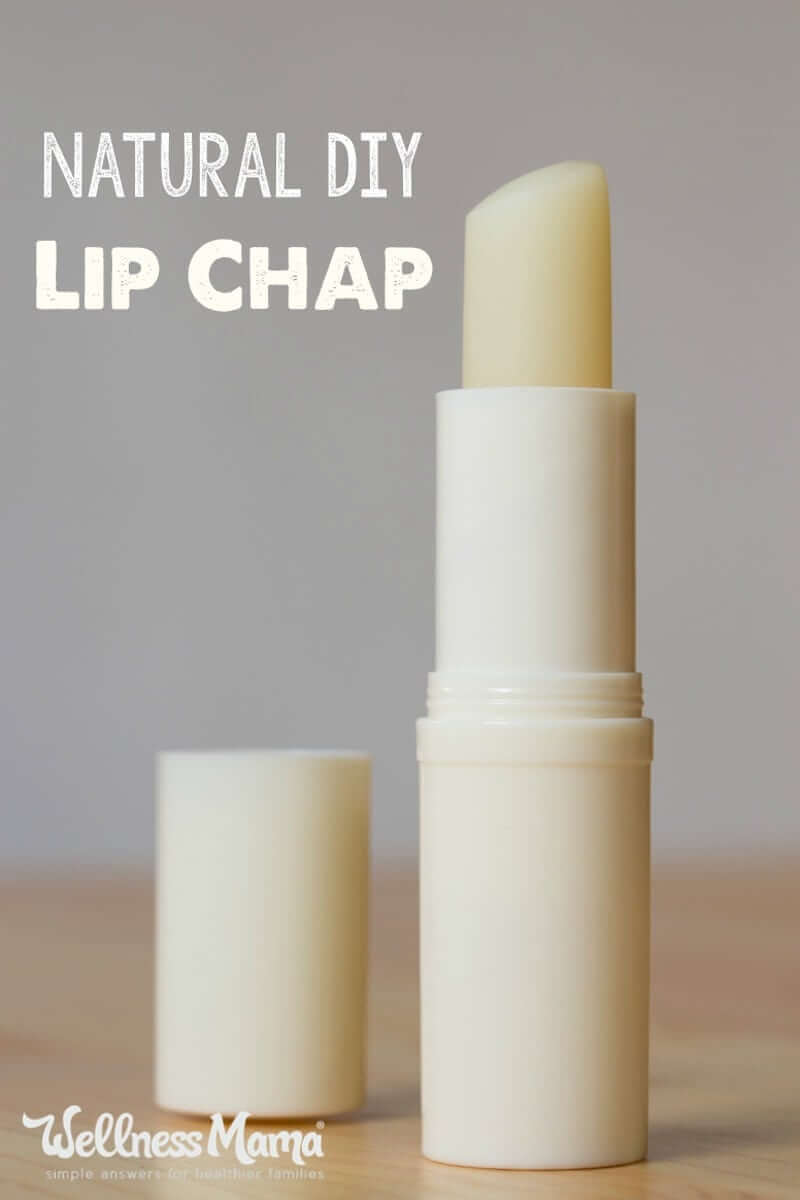

I started making DIY lip balms a few years ago after my favorite healthy lip balm brand added soy and canola oil. It’s disgusting! This natural lip balm recipe is easy to make with just a few ingredients. Plus, it moisturizes and hydrates to help fight dry lips all year long.
DIY Lip Balm Recipe
Making your own lip balm at home is simple and much cheaper than buying organic brands at the store. A tube of lip balm makes a great gift item, stocking stuffer, or safe play makeup for kids. Also keep this on hand for your doula to give to the expectant mother. The hospital air can be really drying to your skin and lips.
Lip balm uses natural ingredients that can be used to make dozens of other natural skin and body care recipes. You’ll find coconut oil, beeswax, and cocoa butter in other DIY projects, like lotions and body butters.
Buy organic lip balm
Are you short on time or don’t want to make your own? Here’s where to buy healthy, natural lip balms!
How to make lip balm
Since lip products are applied right next to the mouth and nose, it is important that they are safe and natural, especially for children! I used coconut oil, but there are many carrier oil options. Coconut oil is solid at cool temperatures, so it makes the lip balm more solid. It also has some SPF properties.
If you want something a little softer, you can use less beeswax or replace half the coconut oil with another liquid oil. Using only the liquid oil will make the lip balm softer. Here are some lip nourishment options:
Castor oil gives your lips a nice sheen and is a popular ingredient in homemade lip gloss recipes. In this recipe, you can’t substitute coconut oil 1:1. However, you can substitute about a teaspoon of coconut oil for a more glossy look and soft feel.
Essential Oils for Lip Balm
Aromatherapy is all the rage these days, but not every product on the store shelf uses real essential oils. Kids (and some adults) may love the smell, but strawberry bubble gum-scented lip balm isn’t exactly natural. But not all essential oils are safe for your lips.
Certain oils, such as cinnamon bark and lemongrass, can be really irritating, especially on more sensitive areas like the lips. Many essential oils are safe for lips up to a 5% dilution, which is about 60 drops of essential oil. However, I prefer to use much less than that.
Here are some options to protect your lips:
There are a few really delicious smelling ones that aren't on the list. Lime, bergamot, and a few other oils can cause photosensitivity if used too much before sun exposure. Translation: Think swelling, redness, and lip damage.
Things like lemon are safe to use at up to a 1% dilution, but if you exceed the safe level, you can cause sun damage. Still, it may not be a good idea to use lemon lip balm and then sunbathe for an hour.
But in most cases, you can just mix it with your favorite essential oil that is friendly to your lips.
Select container
I usually use this lip balm tube for ease of use. Small recycled bottles or tins also work well. I keep a few small sample size jam jars in my hotel room, and these are perfect too.
Lip balm recipe without wax
I usually use beeswax pastille when making lip balms. It helps to set the lip balm and provides a protective coating to the lips. For various reasons, some people prefer to make vegan lip balms and candelilla wax works as a sub. However, it is harder than beeswax so you need less of it.
If you’ve never made your own beauty products before, I highly recommend giving it a try! The basic recipe is below, but experiment with oils and flavors to get the scent and taste you want. My favorite is mint, especially in the winter!
Homemade Lip Balm Recipe
Make your own homemade lip balm with natural ingredients and add your own personal touch.
Produce: 18 lip balm tube
Fill the bottom of a small pan with water to a few inches high and heat over medium heat.
Place a small heat-resistant bottle (pint size or smaller) in the water, being careful not to get any water inside the bottle. You can also use a double boiler or a glass bowl placed over a small pot of water.
Place a tablespoon of cocoa butter, coconut oil, and beeswax in a jar and slowly melt, stirring occasionally. Be careful not to let any water get into the jar.
Once all the ingredients are melted, stir well and turn off the heat. Place the jar in water to keep it warm.
Add essential oils and stir.
To quickly fill lip balm containers, such as tubes or tins, use a glass dropper.
The mixture will settle slightly as it cools, so fill the container once it has started to harden after about 2 minutes.
Leave it untouched for several hours or until it is completely hardened.
- Expiration date and storage: Store in a cool, dry place for up to 2 years. Optional vitamin E oil can help extend shelf life even further.
- This will give you a medium-firm lip balm. If you want a firmer version, you can add up to twice the recommended amount of beeswax. If you want a smoother, oilier lip balm, reduce the amount of beeswax.
More DIY Lip Recipes
Want to try more DIY skincare recipes? Here are a few tutorials I've created over the years.
Do you make your own lip balm? What flavors or scents would you like to try? Share them below!