



english
Urothelial bladder cancer (UBC), the most common type of bladder cancer, is the sixth most common cancer in the United States. About 85,000 people are diagnosed each year in the United States, but the good news is that treatments for urothelial bladder cancer are becoming more advanced and effective.
Immunotherapy is a treatment that uses the body’s immune system to attack cancer cells. The Food and Drug Administration (FDA) approved the first immunotherapy treatment for urothelial bladder cancer in 1990. Several more have been approved since then.
Here you will find everything you need to know about how immunotherapy works with the body to fight cancer and the types of immunotherapy that can be used for urothelial bladder cancer.
How does the immune system fight disease?
The immune system is made up of organs, cells, and proteins that recognize and protect the body from antigens – substances on bacteria, viruses, tumors, and even normal cells that alert us to the presence of foreign substances in the body.
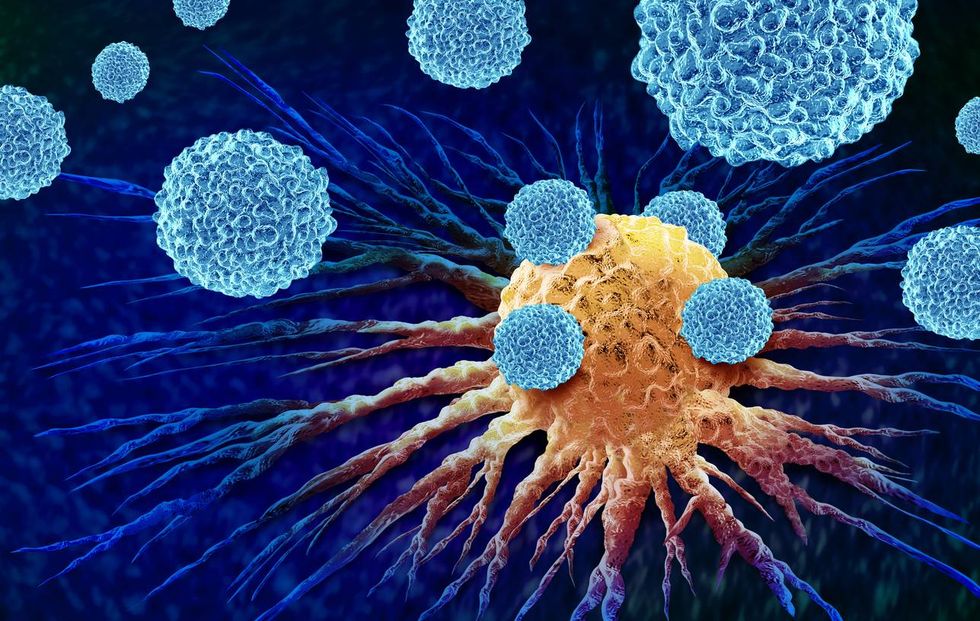
Your immune system is like a team of soldiers protecting your body.
Cancer cells are your enemy. These enemies have “flags” called antigens.
The immune system uses these “signals” to recognize things in the body that shouldn’t be there. When the immune system detects something dangerous, it activates a response and produces antibodies to destroy the danger. Your immune system can also learn to recognize these threats so it can respond more quickly in the future.
Imagine this working like this: When the body detects an enemy:
- Dispatch of soldiers (immune cells)
- Weapon (antibody) production
- Remember your enemy so you can fight him faster next time
What are the different cells of the immune system?
The immune system is made up of several cells that work together to fight infection and disease.
- B lymphocytes: Antibodies are designed and secreted to defend the body from specific antigens.
- CD4+ T helper lymphocytes: It sends signals to other immune cells, telling them where to go and which harmful cells to attack.
- CD8+ cytotoxic T lymphocytes: Destroys infected cells in the body.
- dendritic cells: Eats and decomposes harmful cells so that other immune cells can recognize and destroy them.
- macrophage: Similar to dendritic cells, macrophages eat and decompose harmful cells, allowing other immune cells to recognize and destroy them.
- regulatory T lymphocytes: Monitors and balances the immune system to ensure it does not overreact or attack healthy cells, known as autoimmune diseases.
How does immunotherapy work?
Immunotherapy is a type of treatment that uses the body’s immune system to fight diseases such as cancer. Immunotherapy primarily works in two ways.
- Strengthens and promotes the immune system to detect and fight cancer cells.
- It uses laboratory-created parts of the immune system to improve the body’s ability to find and fight cancer cells.
What types of immunotherapy are available for bladder cancer?
There are several types of immunotherapy used to treat bladder cancer.
Immune checkpoint inhibitors: Immune cell checkpoints can signal the immune system to start or stop an immune response. Cancer cells can affect checkpoints and tell the immune system to shut down, allowing the cancer cells to spread. Immune checkpoint inhibitors turn off the brakes, allowing the immune system to remain active and attack cancer cells.
To treat urothelial bladder cancer, immune checkpoint inhibitors may target PD-L1, a cellular protein that prevents the immune system from attacking those cells, or PD-1, a protein that prevents the immune system from attacking other cells. PD-L1 and PD-1 inhibitors block these proteins, shrinking tumors or slowing their spread.
intravesical therapy: This is a treatment that is inserted directly into the bladder. This medication is in liquid form and is usually used for early-stage, less invasive types of bladder cancer, including:
- Vasillo Calmette y Guérin (BCG)
- Nadofaragén firadenovec (astiladrin)
- Nogapendekin Alfa Invacicept (Anktiva)
Although each treatment contains different substances, they all work by activating the immune system to attack cancer cells.
Antibody-drug conjugates (CAFs), also known as targeting antibodies: These artificial antibodies are related to chemotherapy drugs. They direct chemotherapy drugs directly to cancer cells, making them fight them more efficiently.
Can I use more than one immunotherapy?
yes. Depending on the type of tumor and the degree of cancer progression, more effective treatment is possible by combining various immunotherapy agents. Immunotherapy may also be used in conjunction with more traditional treatments such as radiation therapy, surgery, or chemotherapy.
This educational material was produced with the support of . Merck.
From your site article
Related articles on the web






