



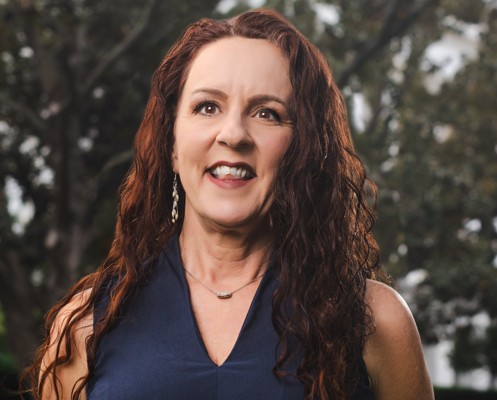
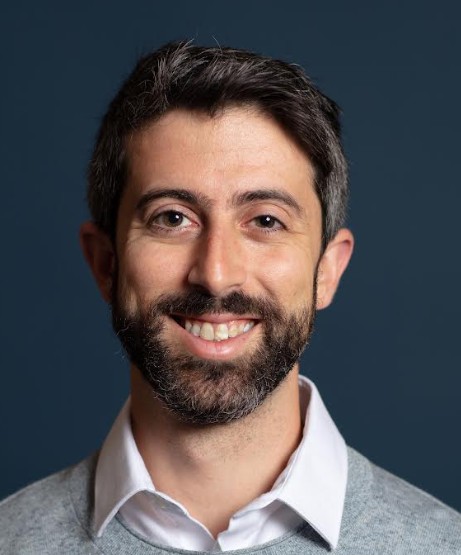
JAKE SEGAL and KAREN LARSEN
If you call 988 in California, someone will answer the phone. In some states, a mobile crisis team may arrive at your home instead of police. Through Proposition 1, the state is investing billions of dollars in treatment beds, supportive housing, and youth services. On paper, California is pursuing the most ambitious behavioral health expansion in the country.
Despite this, approximately two-thirds of adults and adolescents who need treatment do not receive it. An unstaffed behavioral health system is a blueprint, not a strategy.
Despite the rapidly growing demand for mental health and substance abuse treatment, the supply of trained professionals is not keeping up. California needs 375,000 behavioral workers by 2030, doubling the number statewide. State officials estimate there is a 38% shortage of psychiatrists and a gap of about one-third of the 100,000 licensed therapists needed. Rural and underserved communities have been particularly hard hit. In many cases, there are no child and adolescent psychiatrists at all. And the shortage extends beyond doctors and therapists. There is also a shortage of clinical social workers, addiction counselors, peer support specialists, and community health workers.
Building national leadership
California doesn’t start from scratch. The Office of Health Care Access and Information (HCAI) already administers several scholarship and loan repayment programs to encourage clinicians to practice in high-need settings, including loan repayment for nurses, licensed mental health providers, substance use disorder counselors, and psychiatric nurse practitioners. Through the BH-CONNECT federal waiver, HCAI will launch five workforce programs in 2025-2030, including the Medi-Cal Behavioral Health Student Loan Repayment Program.
This is an important effort, but it does not scale to the scale of the crisis. Loan repayment awards are often a fraction of a graduate’s overall debt and have limited availability. Even the largest programs serve only a few hundred providers. California needs thousands more.
Repayment alone will not solve the immediate affordability problem. If people can’t pay their rent while they’re training, they won’t be able to attend.
$1 Billion Workforce Fund Across California
California should establish a statewide behavioral health workforce “Pay It Forward” fund. That is, a billion-dollar pool that lends money to trainees interest-free, takes the money back when they get good jobs, and then lends the same dollars again.
Unlike one-time grant programs that disappear at the end of a budget cycle, revolving funds are designed to recycle repayments to support future cohorts. Not compensating trainees frees up public and philanthropic funding without increasing the debt burden.
This fund provides interest-free loans to cover tuition as well as important living expenses while training and/or licensure. Repayments will be recycled to support future cohorts. And graduates working in high-demand public systems may qualify for retention-based loan forgiveness.
The need is heightened by federal changes that severely limit access to affordable loans for graduate degrees through HR1’s Grad PLUS cap.
In addition to financing tuition, these models help close the affordability gap for associates, substance use counselors, and navigators who do not carry large student loans but may face meaningful financial barriers during the training itself. You can also tailor your efforts to support current workers seeking additional certifications to further enhance retention.
This model is not theoretical. It’s being piloted in San Diego, where a county-led program (supported by one of our organizations, Social Finance) has been launched in 2025 to address the region’s 8,000 worker shortage. Similar revolving workforce funds operate in states such as New Jersey, Indiana, and Massachusetts, demonstrating that finite public investment can support long-term workforce pipelines and worker retention while building accountability into the system.
the risk is high
Behavioral health policy changes are ineffective without the workforce. Pay It Forward funds alone cannot close the gap. But without something like this, the rest of your investments won’t perform as intended.
Karen Larsen, LMFT, is CEO of the Steinberg Institute and previously served as director of Yolo County’s Department of Health and Human Services. Jake Segal is Executive Director, Public Sector Social Finance.






