




english
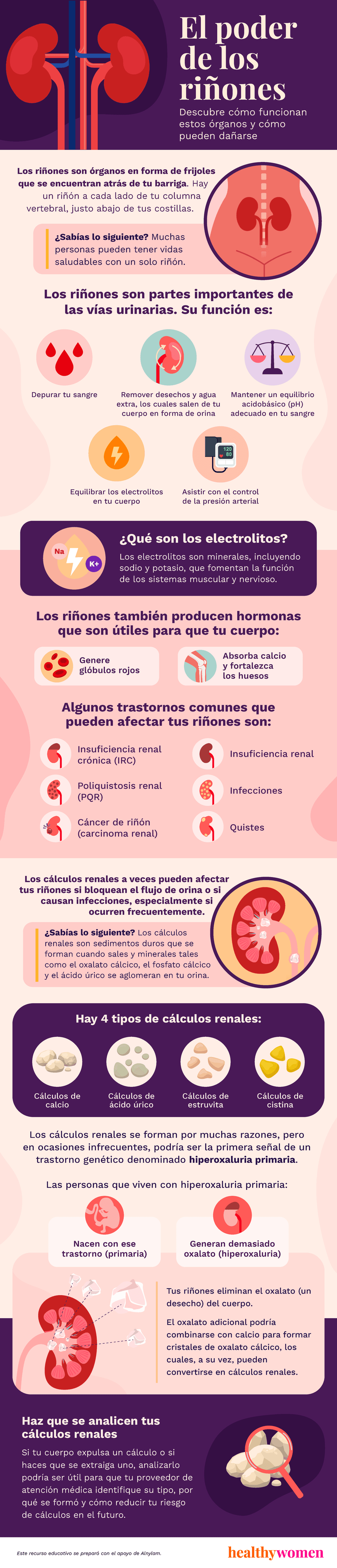

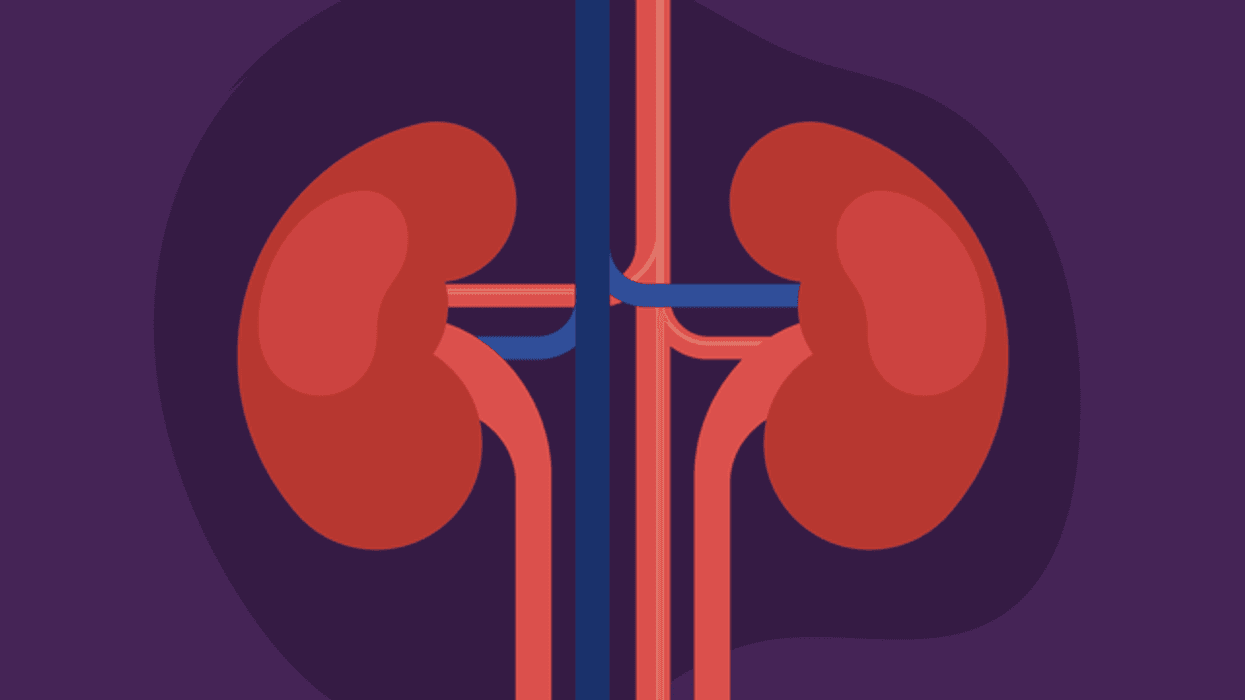
The kidneys are bean-shaped organs located at the back of the abdomen. The kidneys are located on either side of the spine, just below the ribs.
Did you know the following? Many people can live healthy lives with only one kidney.
The kidneys are an important part of the urinary tract. Its features include:
-
purify your blood
-
Remove waste and excess water that leaves your body in the form of urine.
-
Maintain proper acid-base (pH) balance in your blood
-
electrolyte balance in the body
-
Helps regulate blood pressure
What are electrolytes?
Electrolytes are minerals, including sodium and potassium, that support the function of your muscles and nervous system.
The kidneys also produce hormones that help the body:
-
red blood cell production
-
Absorbs calcium and strengthens bones
Some common conditions that can affect the kidneys include:
-
Chronic kidney failure (CKD)
-
Polycystic kidney disease (PKD)
-
Kidney cancer (kidney carcinoma)
-
kidney failure
-
infection
-
cyst
Kidney stones can affect the kidneys if they block the flow of urine or cause infections, especially if they occur frequently.
Did you know the following? Kidney stones are hard deposits that form when salts and minerals such as calcium oxalate, calcium phosphate, and uric acid clump together in the urine.
There are four types of kidney stones:
-
calcium stones
-
uric acid stone
-
Struvite calculation
-
Cystine calculation
Kidney stones form for a variety of reasons, but in rare cases they may be the first sign of an inherited disorder called primary hyperoxaluria.
People with primary hyperoxaluria:
-
You are born with the disorder (primary).
-
Producing too much oxalate (hyperoxaluria).
The kidneys remove oxalates (wastes) from the body. The extra oxalate can combine with calcium to form calcium oxalate crystals, which can eventually become kidney stones.
Getting tested for kidney stones
If you have stones in your body or have had them removed, testing can help your healthcare provider determine what type of stone you have, why it forms, and how to reduce your risk of future stones.
This training material was prepared with the support of Alnylam.


