



Here’s the thing. Tokyo and Kyoto feel like two completely different countries that happen to share a language and a train system. Tokyo is neon-soaked, impossibly fast, and running on some kind of energy that doesn’t exist anywhere else on earth. Kyoto is all quiet stone paths, moss-covered temples, and the kind of stillness that makes you wonder if you’ve been living your whole life wrong.
You need both eventually. But if you can only pick one to start with, we have an actual answer. (And yes, we’re going to pick a favorite. We’re not hedgers.)
The Vibe Check
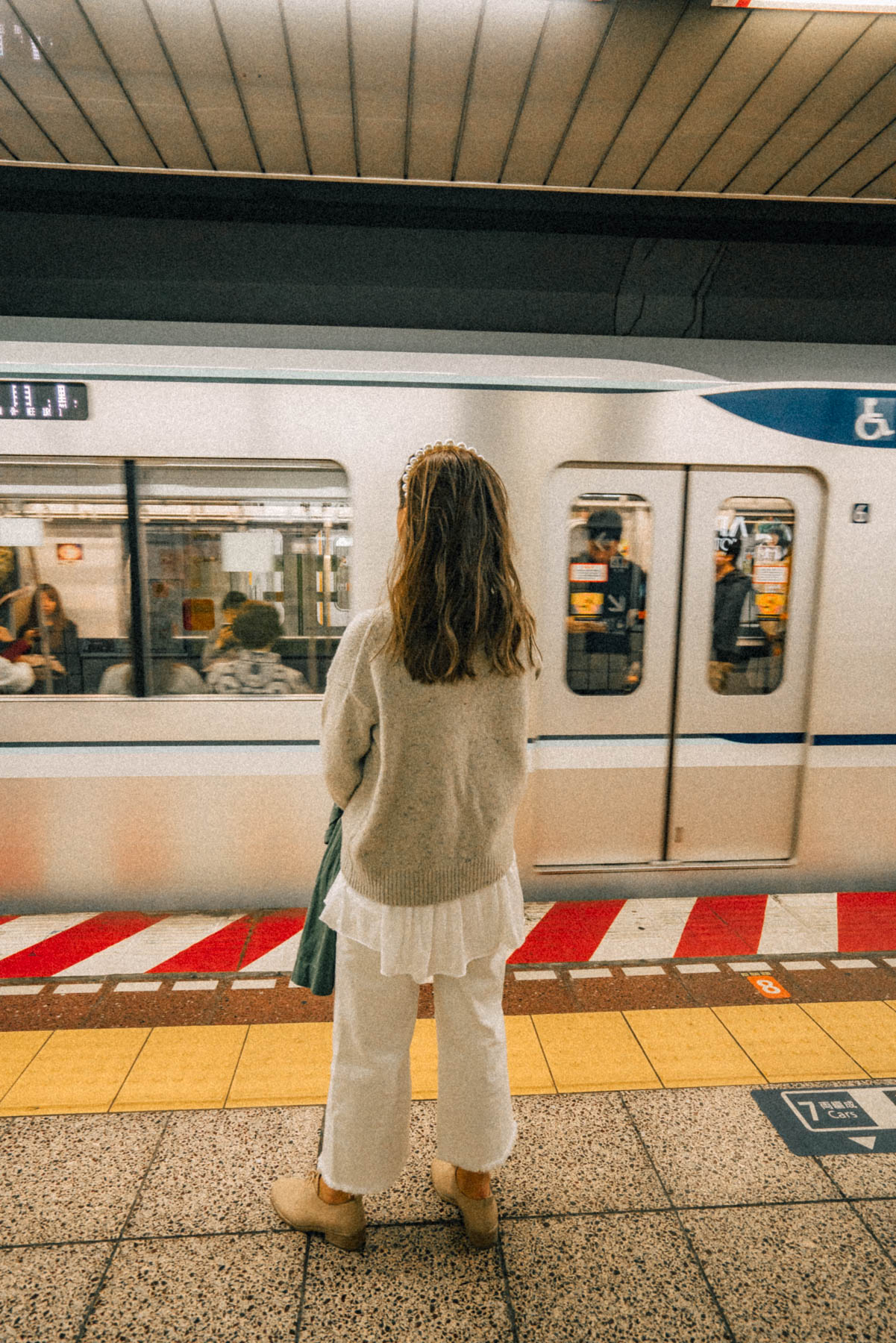
Tokyo is sensory overload in the best possible way. Vending machines on every corner selling everything from hot coffee to mystery sodas. Entire buildings dedicated to arcades. Train stations that function as small cities. The crossing at Shibuya where 3,000 people move through an intersection at once and somehow nobody bumps into anyone.
It’s loud and bright and the best things to do in Tokyo could fill a month without repeating yourself.

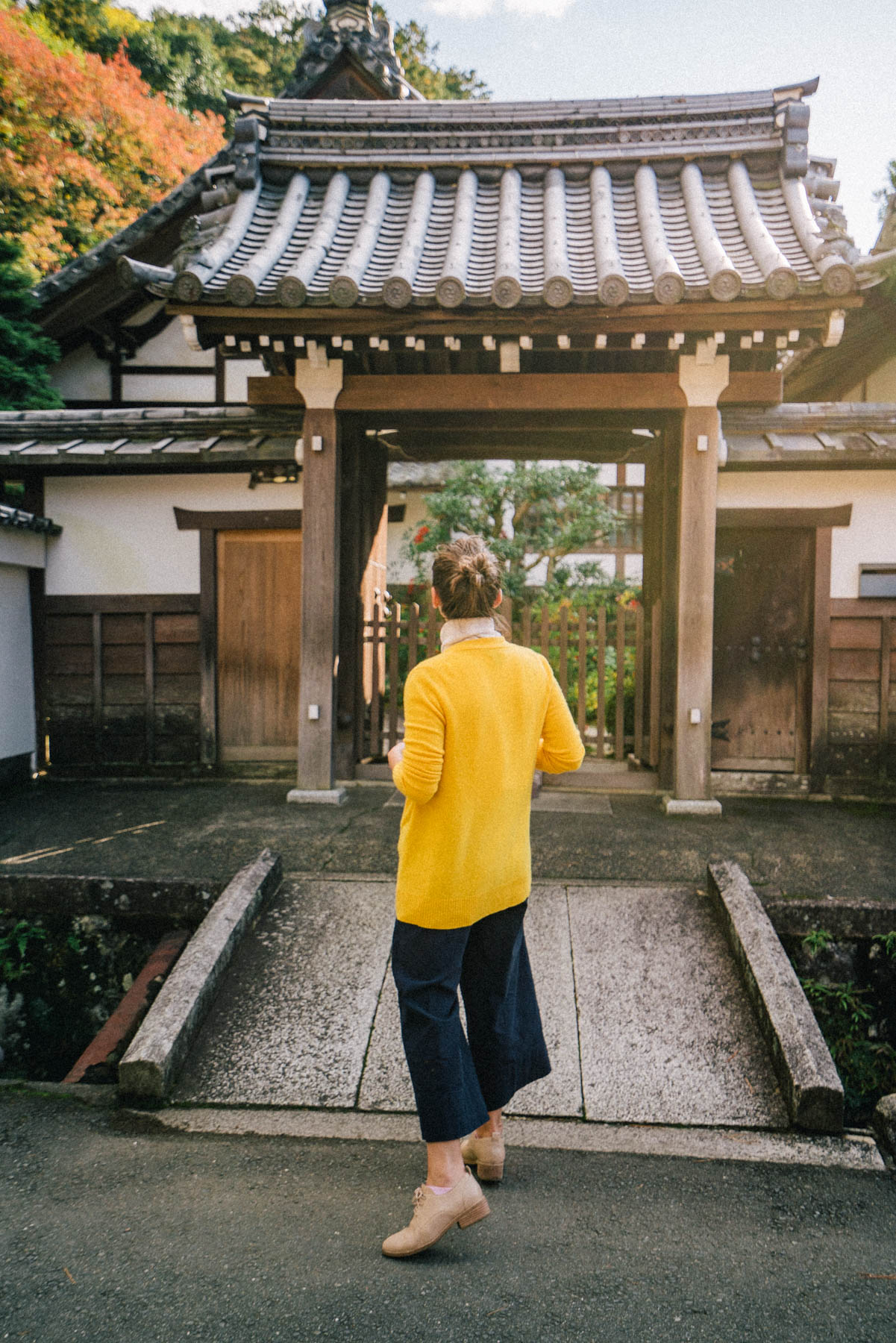
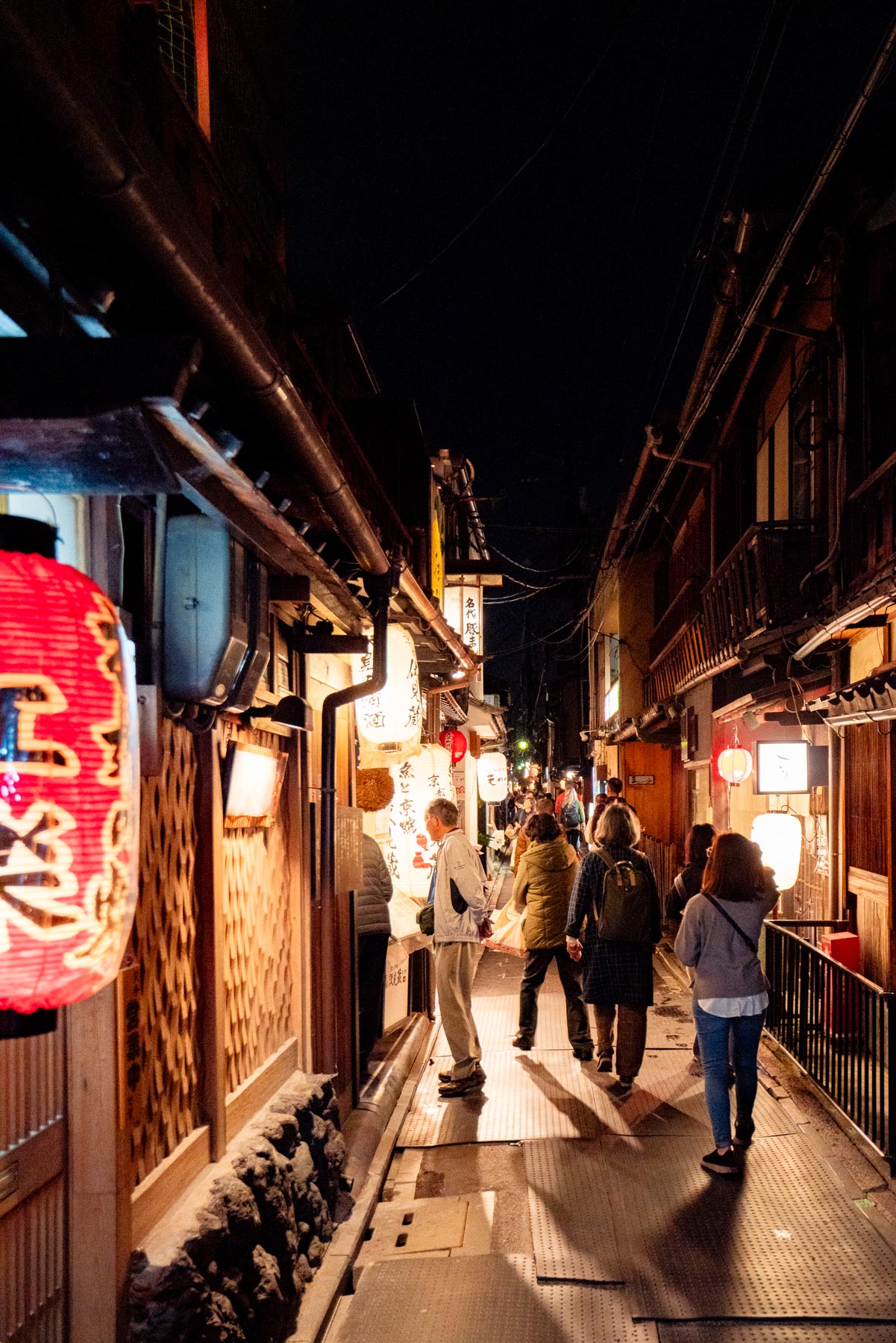
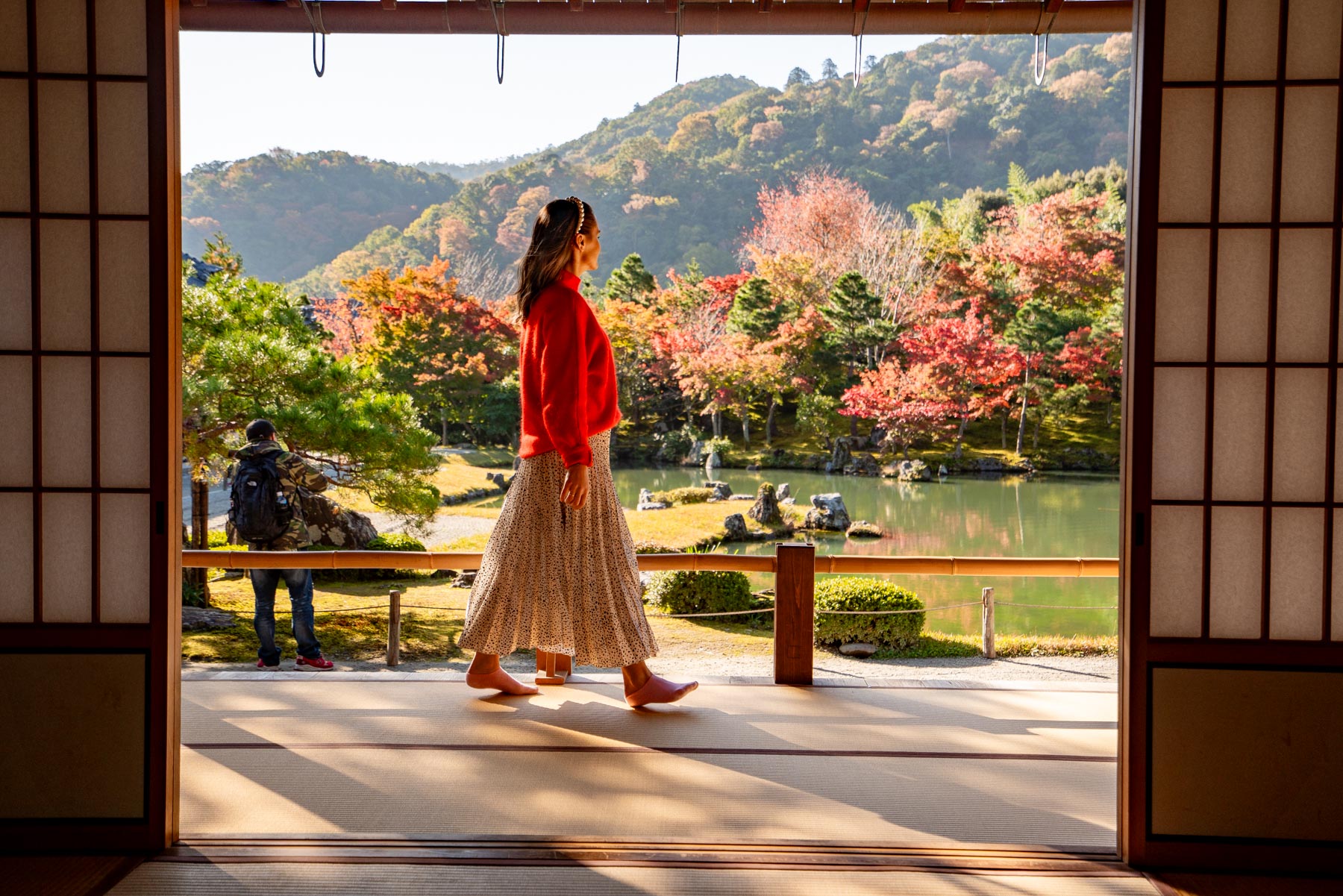
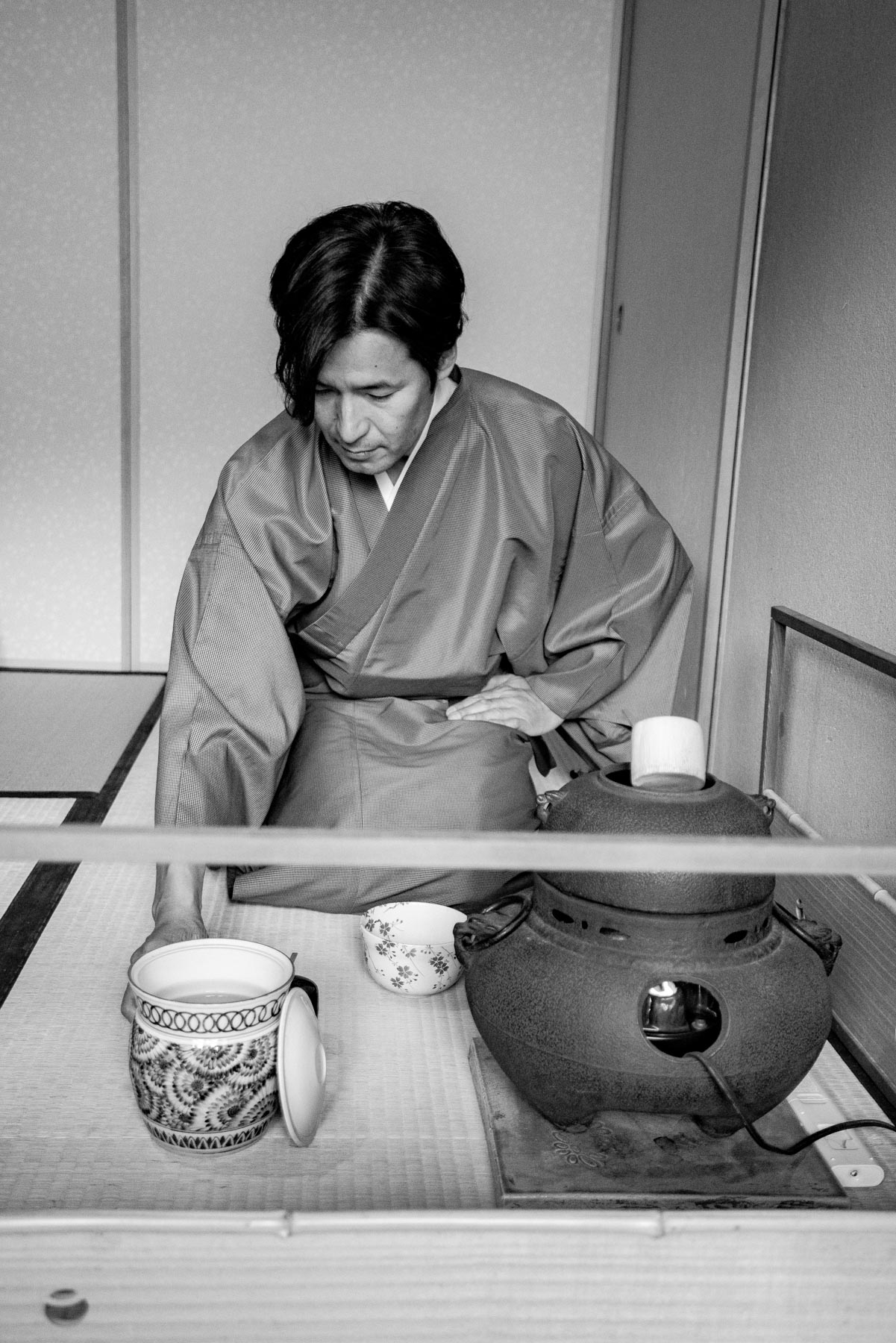
Kyoto is the opposite pill. Two thousand temples and shrines tucked into hillsides. Bamboo groves that block out the sky. Old women in kimono walking to tea ceremonies like it’s a Tuesday (because it is). The whole city smells like incense and cedar.
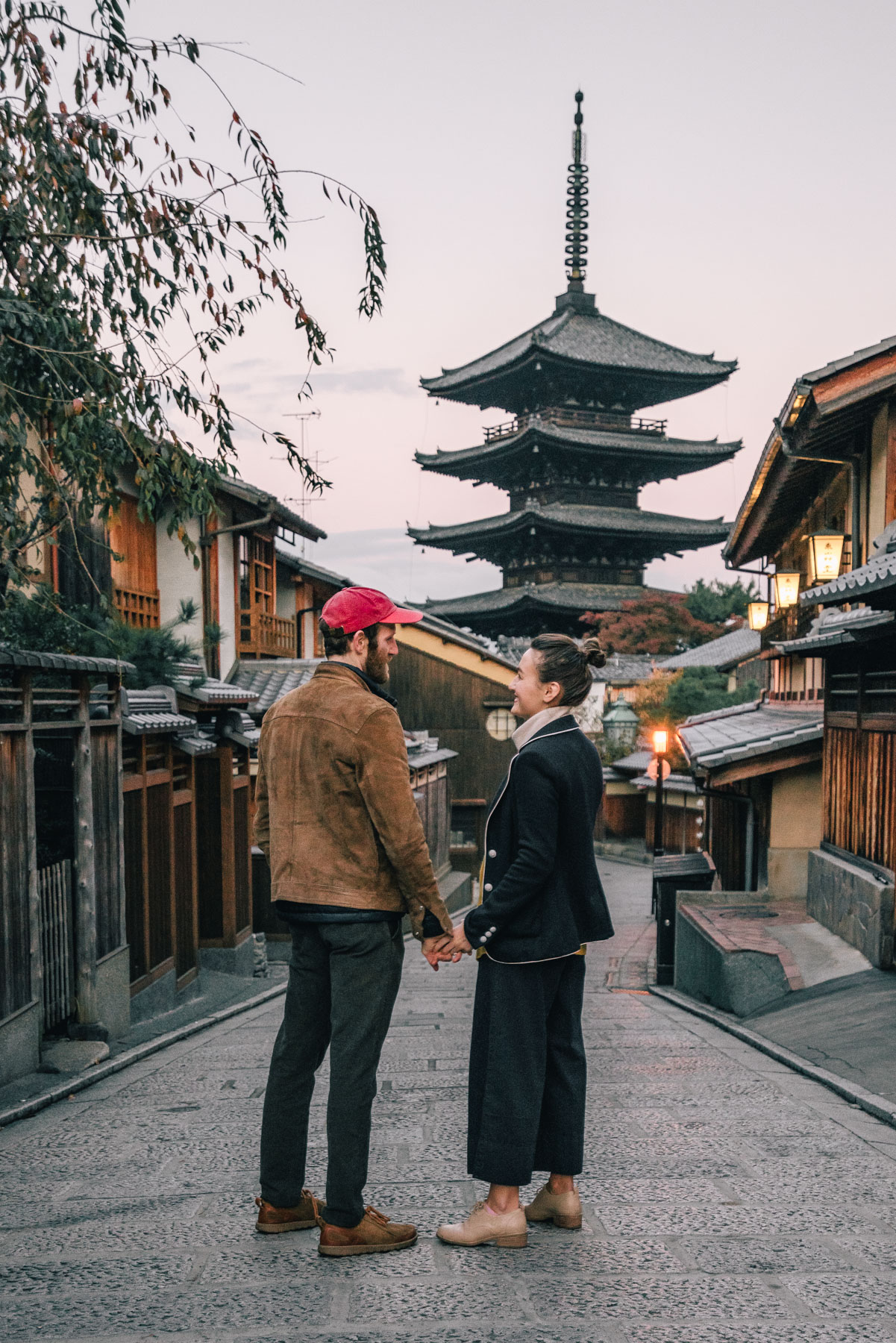
Tokyo energizes you. Kyoto grounds you. Neither is *better*, they’re just completely different experiences. Think Red Bull vs chamomile tea, and you actually need both in your life.
Which One Is Cheaper?
Hotels run about the same for most of the year. You’ll find solid mid-range spots in both cities for $100-200 a night. Nothing fancy, but clean and well-located.
*However.* Try booking Kyoto during cherry blossom season (late March through mid-April) or peak fall foliage (mid-November) and watch those prices spike 50-100%. A hotel that costs $120 in January suddenly wants $250 in April. Tokyo stays more consistent year-round because the city is so massive that capacity isn’t really a problem.
Food is comparable at the budget level. You can eat incredibly well in both cities for $8-15 per meal. Where it gets interesting is the temple fees in Kyoto. Each one runs about ¥400-600 ($3-4), which sounds like nothing until you realize you’re hitting 5-8 temples a day and suddenly you’ve spent $25 on entrance fees alone.
Meanwhile, some of Tokyo’s best spots are completely free. Meiji Shrine, Senso-ji, the Metropolitan Government Building observation deck with its panoramic views of the city. You can have an amazing day in Tokyo without spending a yen on admission.


Tokyo’s transit costs more (trains everywhere, and you’ll ride them constantly), but the system is so efficient it’s actually worth it. Kyoto’s bus system is… fine. We’ll get to that later.
**Tokyo wins this one, slightly.** More free attractions and more predictable hotel pricing.
The Food
Okay, this is where it gets fun.
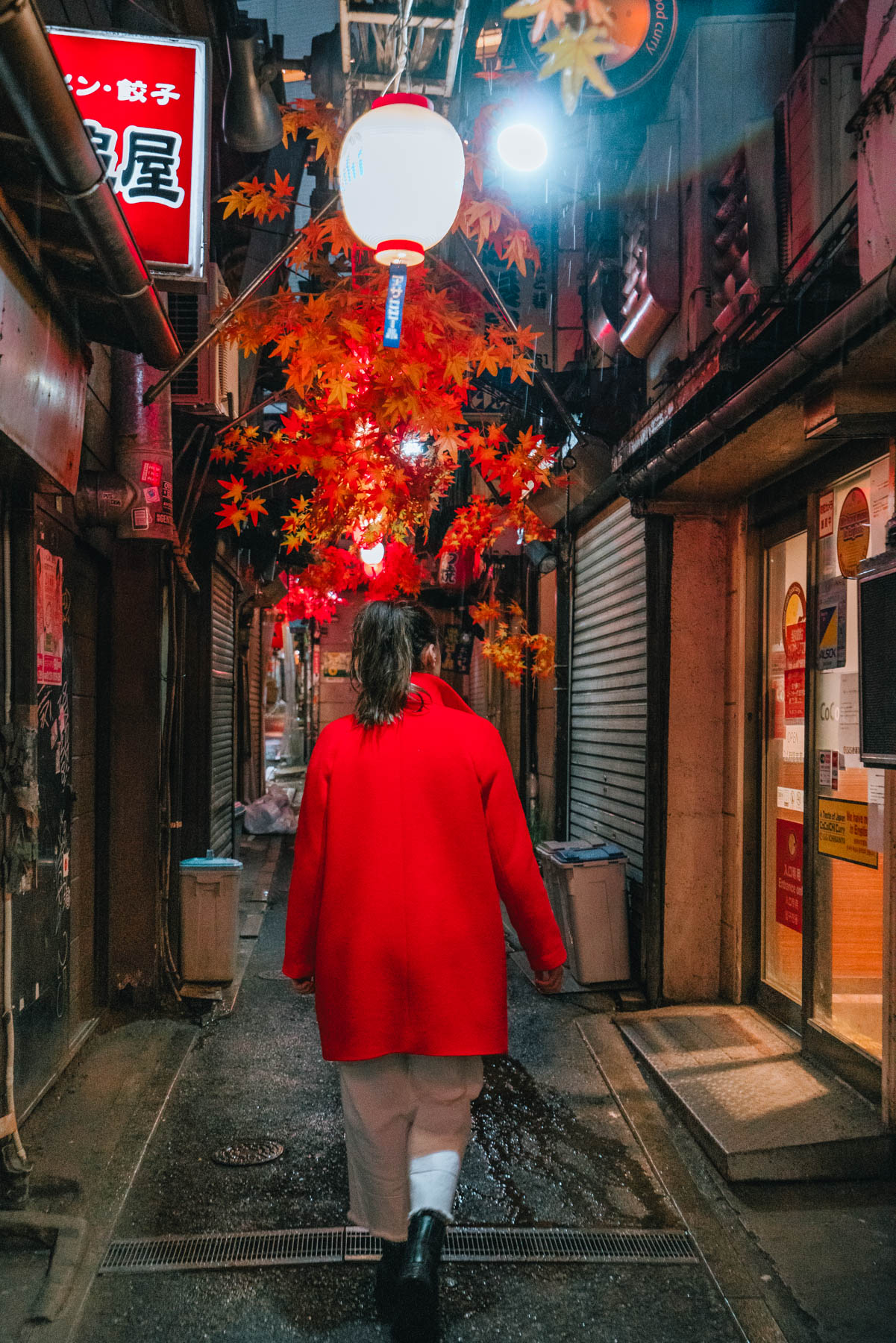
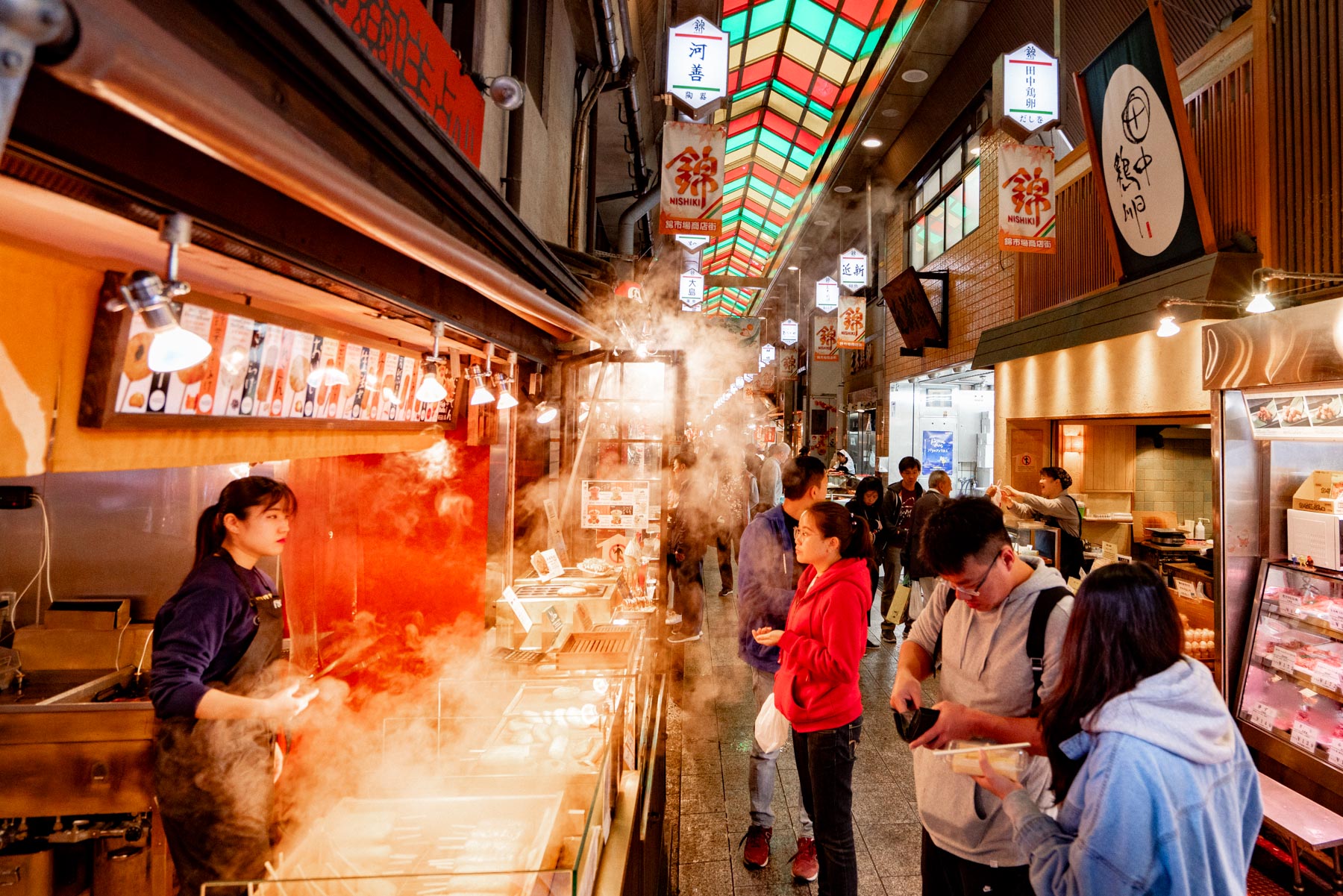
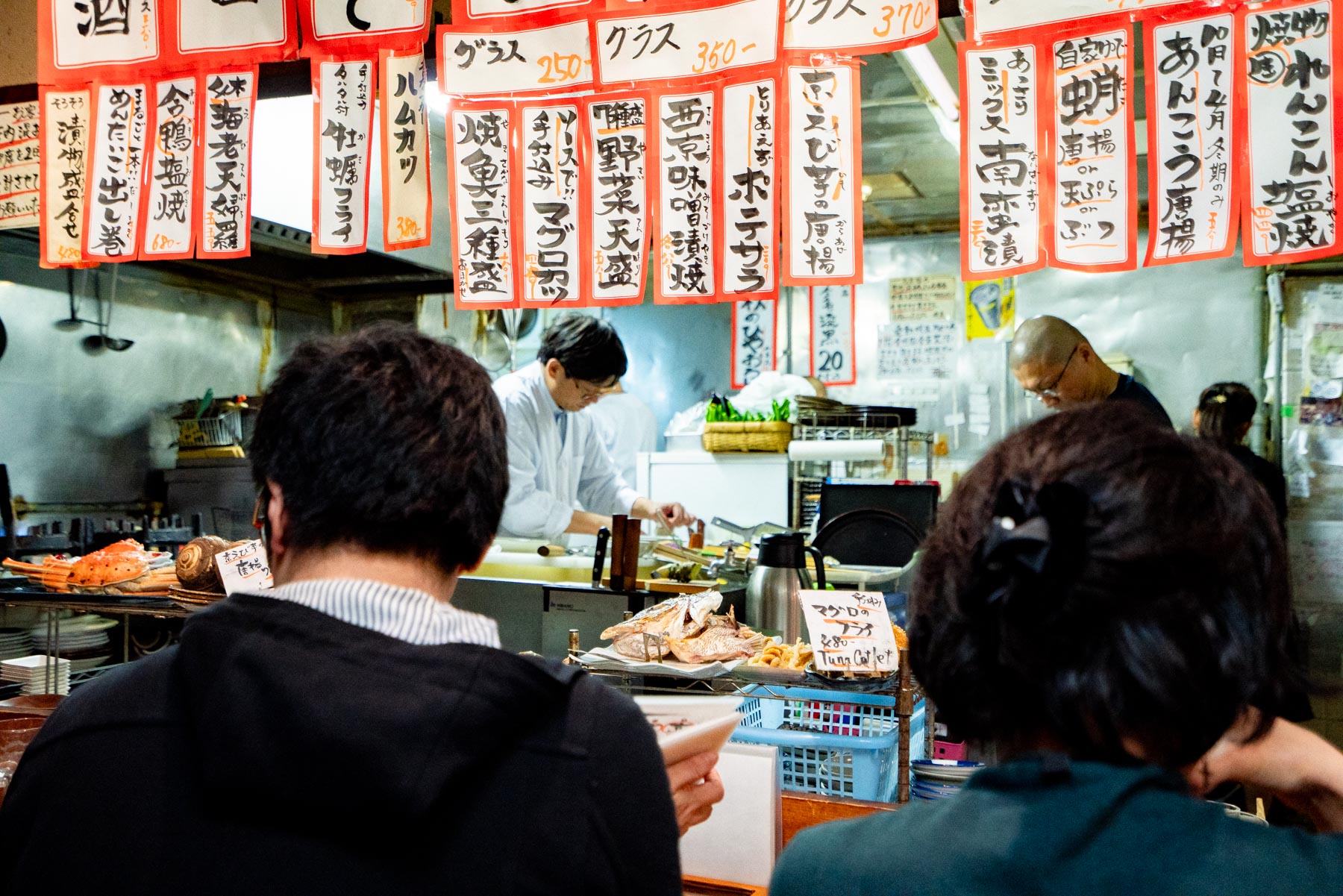
Tokyo has more Michelin stars than any city on the planet. More than Paris. More than New York. Let that sink in. The ramen alone would justify the flight. Tsukiji Outer Market at 7am with fresh sushi. Standing bars in Shinjuku where a beer and three yakitori skewers cost $6. Don’t make the mistake of only eating at tourist spots because the random basement izakaya with the plastic curtain door will change your life.
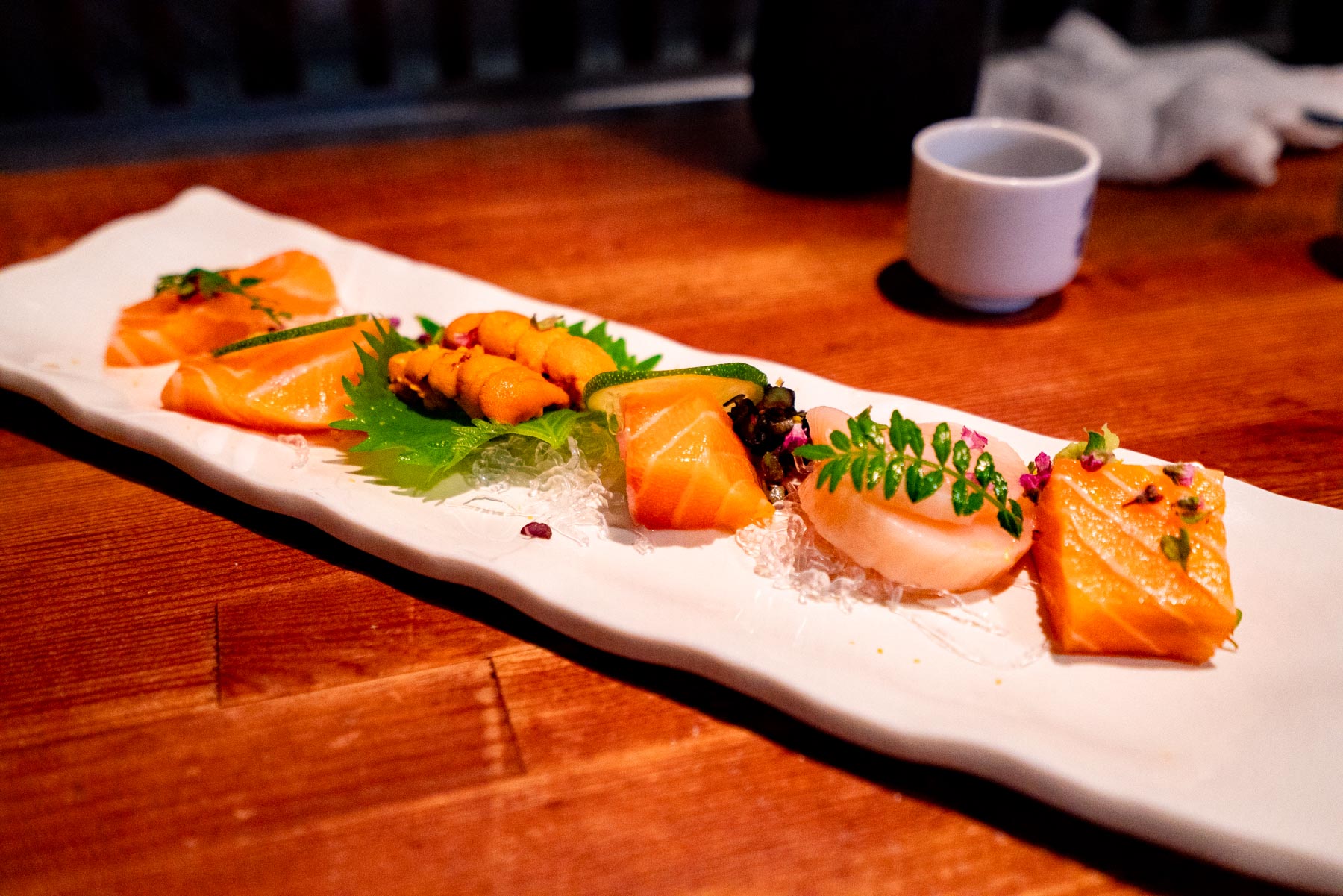
Kyoto’s food scene is more focused. Kaiseki is the star here, and it’s essentially edible art. Multi-course seasonal meals that look almost too pretty to eat. Expect to pay $80-200+ for a proper kaiseki dinner, and honestly, it’s worth every yen for the experience. Kyoto also has the best tofu in Japan (something about the soft water from the surrounding mountains), and the matcha from nearby Uji is the real deal.
One thing we didn’t expect on our first trip was that convenience store food in both cities is *legitimately good*. We’re talking onigiri, egg sandwiches, and fried chicken from 7-Eleven that would embarrass most American restaurants. Not even joking.
**Tokyo wins for variety and value. Kyoto wins for the single most refined meal of your life.**
Temples and Shrines
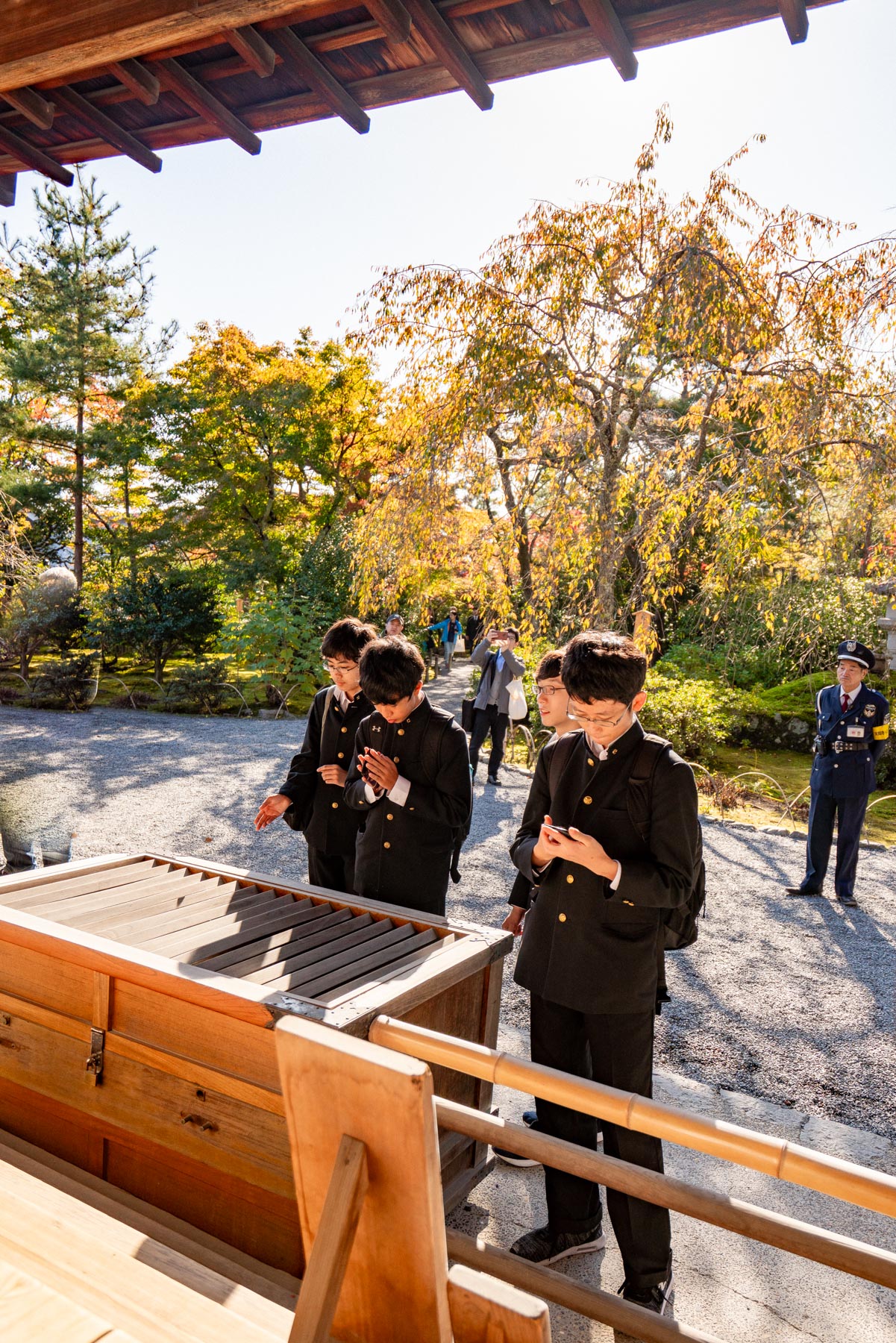
Kyoto has over 2,000 temples and shrines, 17 of which are UNESCO World Heritage Sites. That’s not a typo. *Seventeen.*
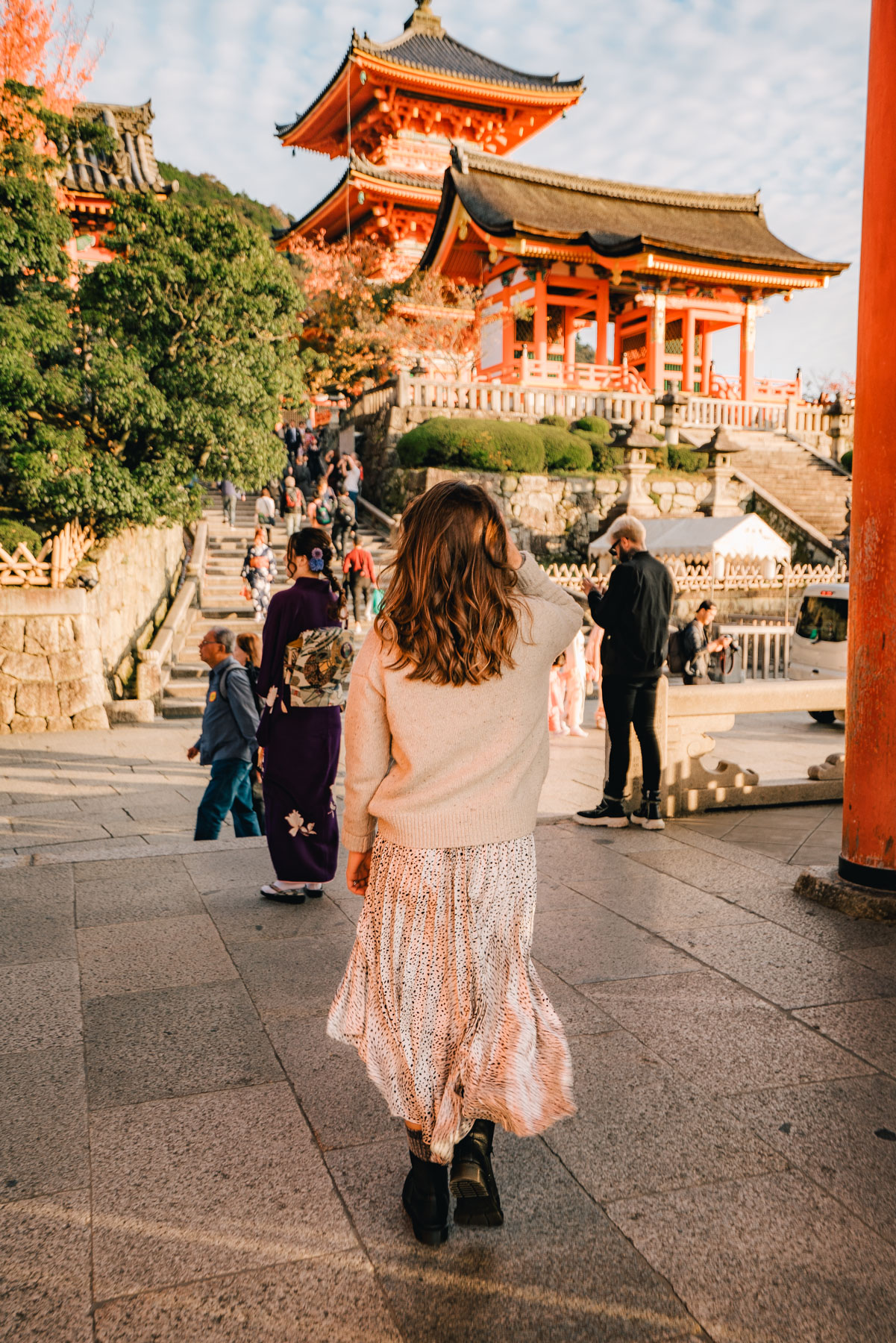
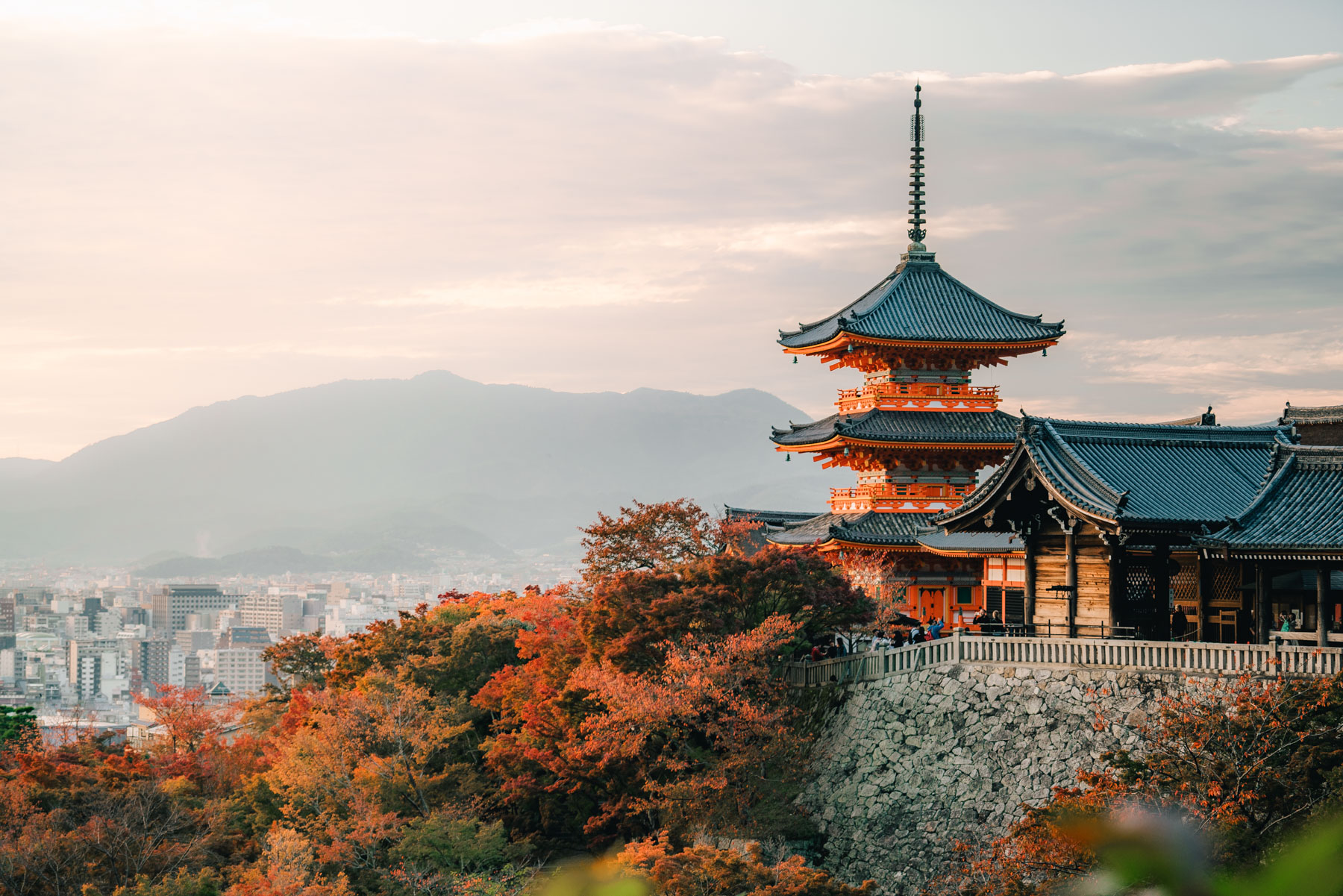
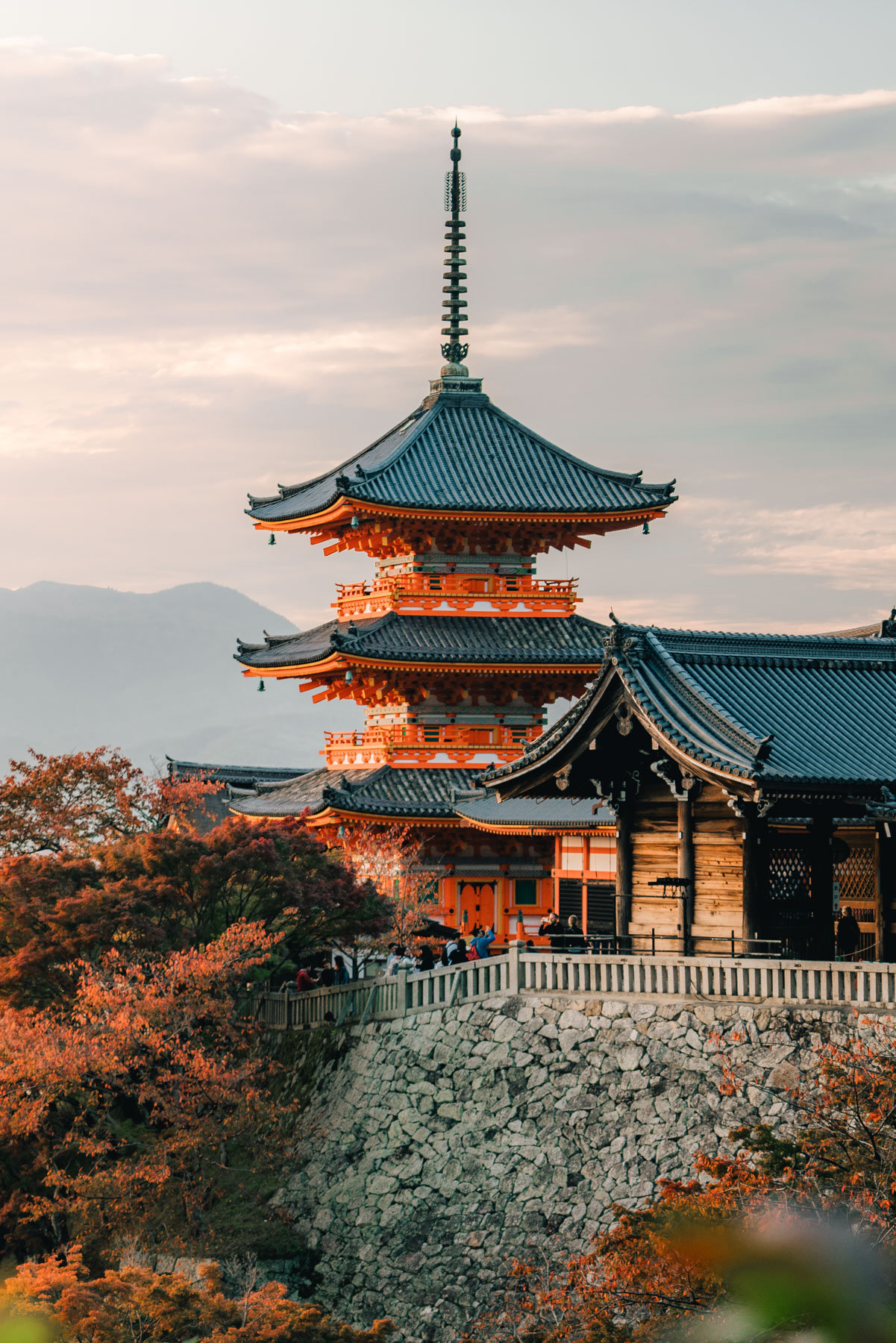
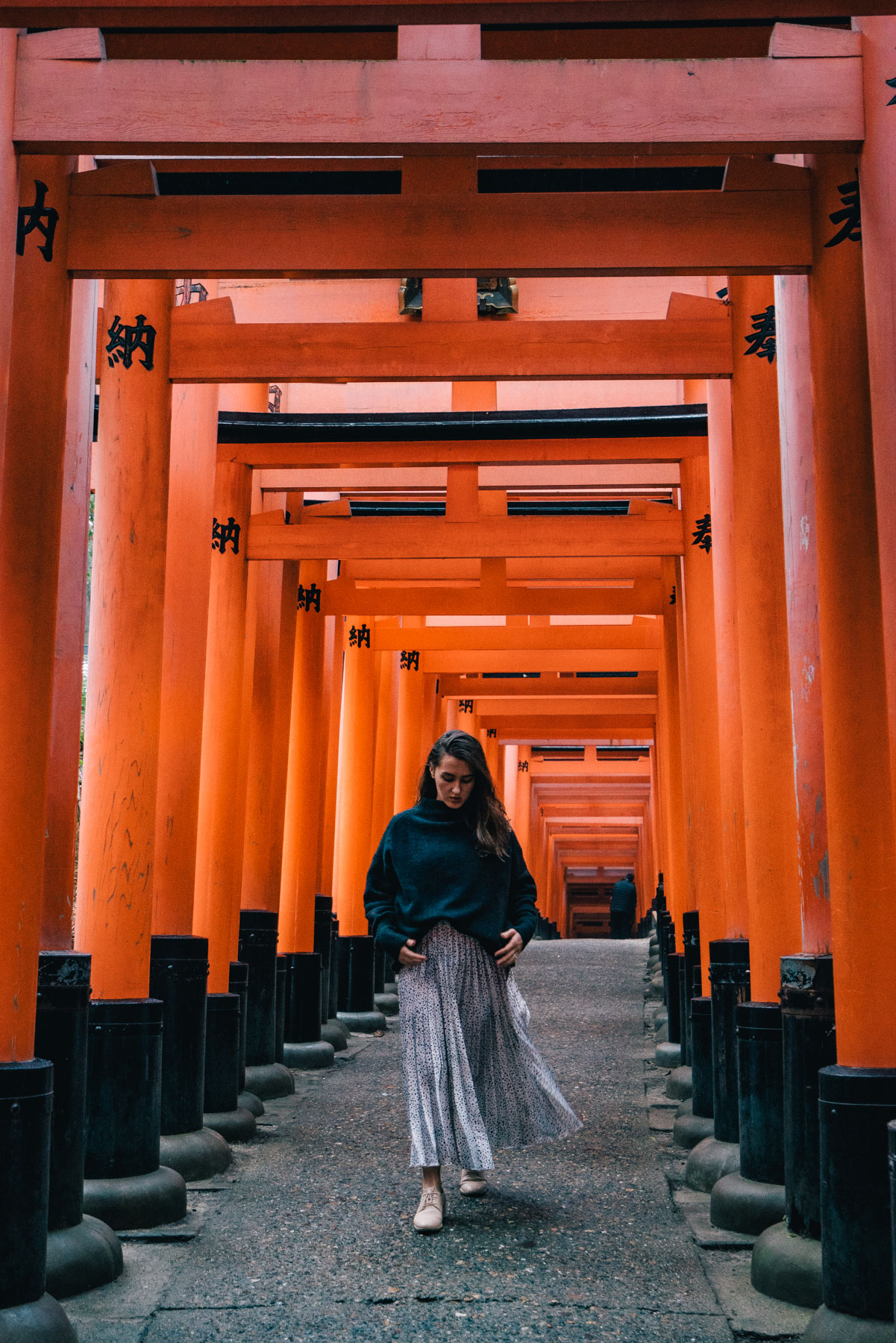
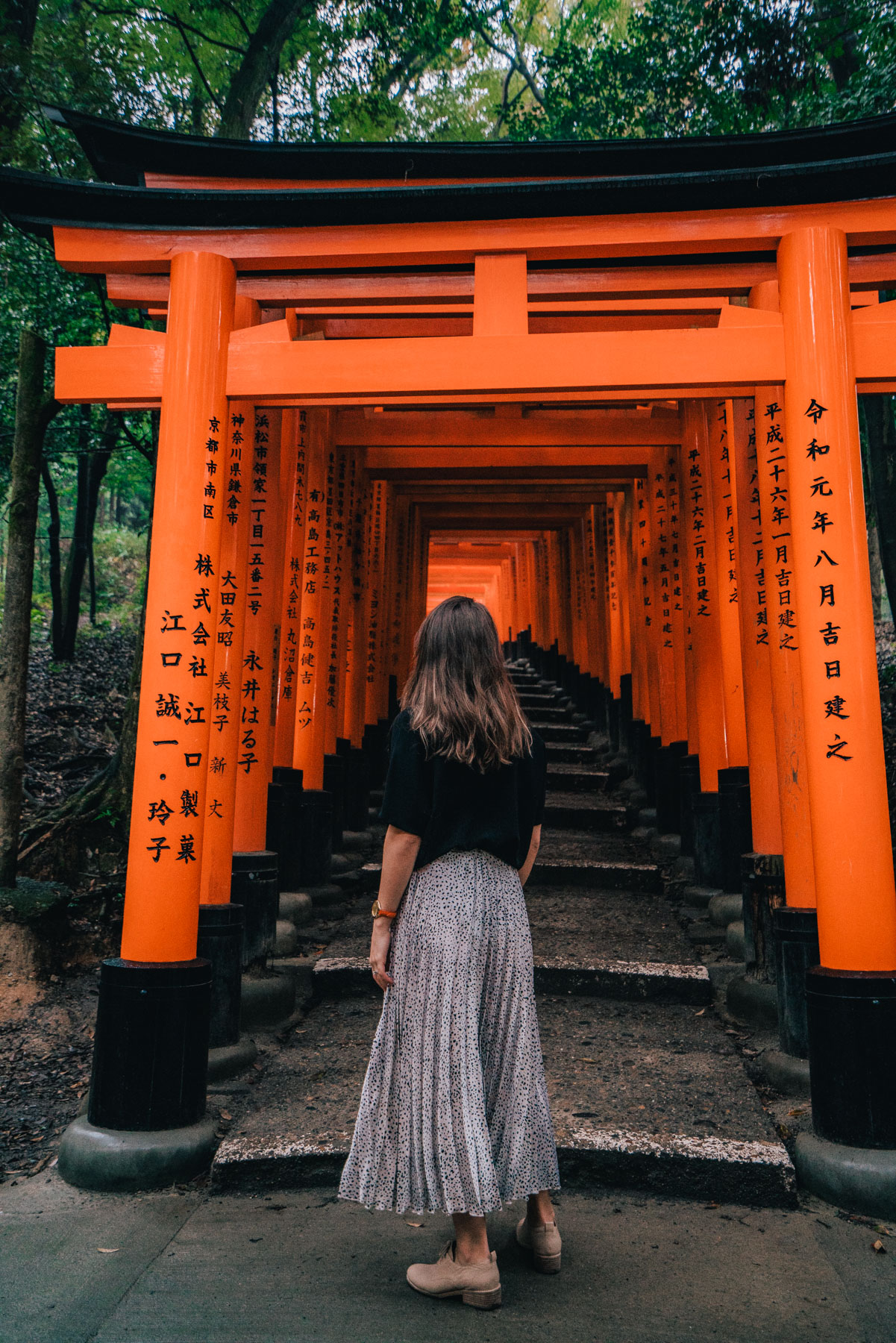
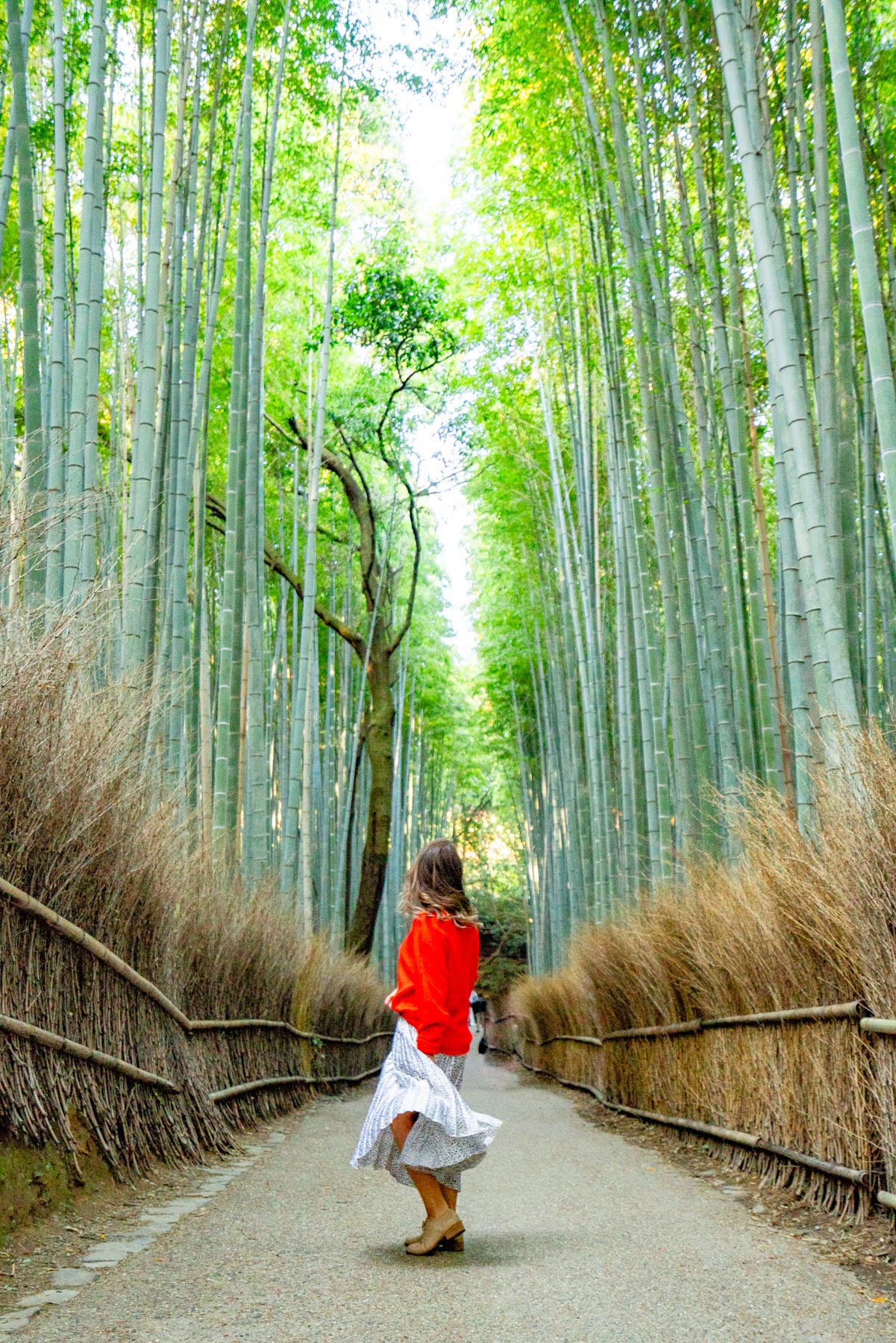
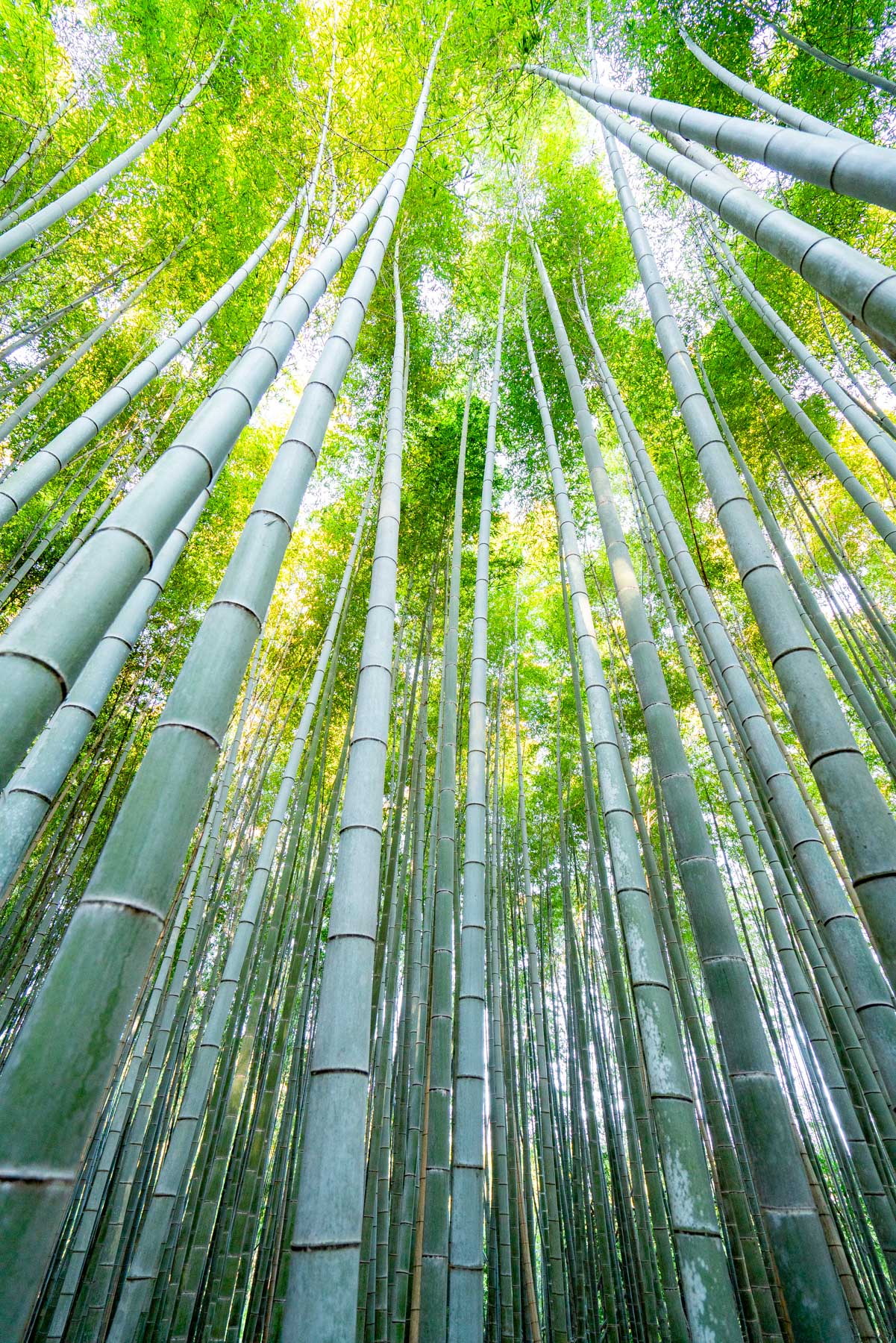
The heavy hitters are all here. Fushimi Inari with its thousands of vermillion torii gates snaking up the mountainside (free, and the best thing to do in Kyoto). Kinkaku-ji, the Golden Pavilion, literally covered in gold leaf and reflected in a mirror pond (¥500). Kiyomizu-dera with its massive wooden terrace jutting out over the hillside (¥400). The Arashiyama bamboo grove, which is free and looks like something out of a Studio Ghibli film.
Tokyo has temples too, and some of them are genuinely wonderful. Senso-ji in Asakusa is free and wildly photogenic with that giant red lantern. Meiji Jingu sits inside a forest in the middle of Shibuya, which is just absurd and beautiful. Nezu Shrine has rows of mini torii gates (like a smaller version of Fushimi Inari). And Gotoku-ji is covered in thousands of lucky cat figurines, which is exactly as charming as it sounds.
But let’s be real.
**Kyoto wins this one, and it’s not even close.** This is what Kyoto was *built* for.
How Much Time Do You Need?
Tokyo needs a minimum of 3-4 days, and honestly you could spend two weeks without running out of things to do. The city is so spread out that you’ll want to tackle 1-2 neighborhoods per day. Shibuya and Shinjuku one day. Asakusa and Akihabara the next. Tsukiji and Ginza. Harajuku and Omotesando. Each neighborhood feels like its own little world.
Kyoto is more compact. You can see the major highlights in 2-3 full days if you plan your routes well (group temples by area, not by popularity). Three days gives you a solid Kyoto experience without feeling rushed.
If you’re planning to do both cities (and you should), budget 7-10 days total. That gives you enough breathing room to actually enjoy the trip instead of sprinting through a checklist. Our Japan 10-day itinerary breaks it all down if you want a day-by-day plan.
Getting Between Them
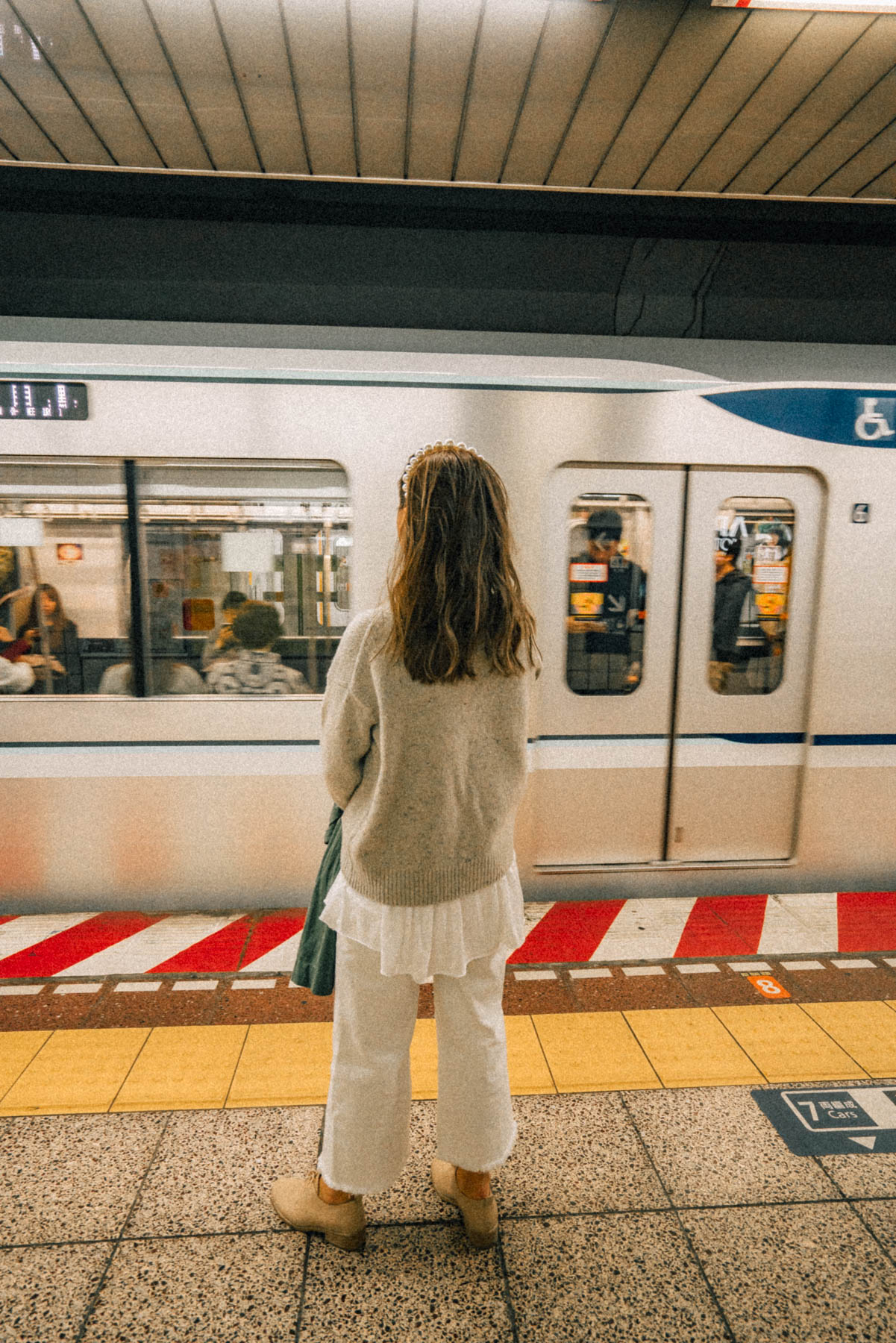
The Shinkansen (bullet train) is one of the coolest travel experiences in the world, and it connects Tokyo and Kyoto in about 2 hours and 15 minutes on the Nozomi or 2 hours 40 minutes on the Hikari.
Here’s the thing about the JR Pass that nobody talks about enough. The 7-day JR Pass jumped to ¥50,000 ($335) in October 2023. A round-trip Nozomi ticket between Tokyo and Kyoto costs about ¥26,640 ($180). So if Tokyo-Kyoto is your only long-distance route, just buying individual tickets is cheaper. The JR Pass only makes sense if you’re also doing day trips to places like Hiroshima or Hakone.
The Nozomi isn’t covered by the JR Pass anyway (you’d need to take the Hikari, which adds 25 minutes). Check out our Japan travel tips for more on getting around the train system.
Budget option? Overnight highway buses run between the two cities in 7-8 hours for about $30-50. We did it once. We don’t recommend it unless you’re 22 and indestructible.
The Overtourism Problem
We need to talk about this because it genuinely affects your trip planning.
Kyoto is struggling with overtourism, especially in certain hot spots. The Gion district (the geisha quarter) now has photography restrictions and actual fines if you wander into private alleys. City buses are so packed with tourists that the popular tourist day pass was discontinued entirely. Locals can barely use their own transit system.
Fushimi Inari and the bamboo grove are basically unusable between 10am and 4pm. Dawn visits are the move. Get there at 6am and you’ll have the torii gates practically to yourself. By 9am, it’s a conga line.
Tokyo absorbs crowds because it’s simply enormous. The metro area holds 37 million people. You can always find a quiet neighborhood, a hidden bar, a park with nobody in it. That’s the advantage of a city that sprawls for miles in every direction.
Best Day Trips
Both cities are excellent home bases for day trips, and this is honestly where the comparison gets really tight.
**From Tokyo:** Hakone for hot springs and Mt. Fuji views (1.5 hours). Kamakura for the Giant Buddha and coastal temples (1 hour). Nikko for the most ornate shrine you’ve ever seen plus waterfalls (2 hours). All three are fantastic and easy to reach.
**From Kyoto:** Nara for free-roaming deer that will literally bow to you for crackers and a giant Buddha inside the world’s largest wooden building (45 minutes). Osaka for the best street food in Japan, period (15 minutes by train, basically next door). Uji for matcha straight from the source and a temple that appears on the 10-yen coin (20 minutes).
**This one is a tie.** Both are excellent. Kyoto’s day trips are closer (Nara and Osaka are absurdly quick), but Tokyo’s are more diverse.
If you’re doing a longer trip, make sure you have pocket wifi sorted before you go. You’ll need it for train schedules, Google Maps, and the roughly 400 photos per day you’re about to take.
Can You Do Both?
If you have at least 10 days in Japan, you can absolutely do both cities. The bullet train (shinkansen) between Tokyo and Kyoto takes about 2 hours and 15 minutes, and the ride itself is part of the experience. Watching the countryside blur past at 300 km/h with Mount Fuji popping up out of nowhere on a clear day is one of those moments you remember.
Most people spend 4-5 days in Tokyo and 3-4 in Kyoto, which gives you enough time to go beyond the surface in both. If you only have a week, you could still split it, but you will feel rushed in at least one of them.
So Which One First?
Alright, we’re picking.
**If you’re a first-time Japan visitor** who wants the “holy wow this country is unreal” experience, who wants to eat their face off, and who wants to feel the energy of the most electric city on the planet? **Go to Tokyo first.**
**If you’ve been dreaming about temple gardens**, traditional tea ceremonies, geisha spotted on quiet evening streets, and that spiritual, ancient side of Japan that you’ve seen in every photo? **Go to Kyoto first.**
But here’s our *actual* recommendation. They’re two hours apart by bullet train. Do both. Start with Tokyo because the jet lag adjustment is way easier in a city that literally never sleeps (3am ramen is a real and beautiful thing). Spend 4-5 days there. Then take the Shinkansen to Kyoto and let the pace slow down for 3-4 days.
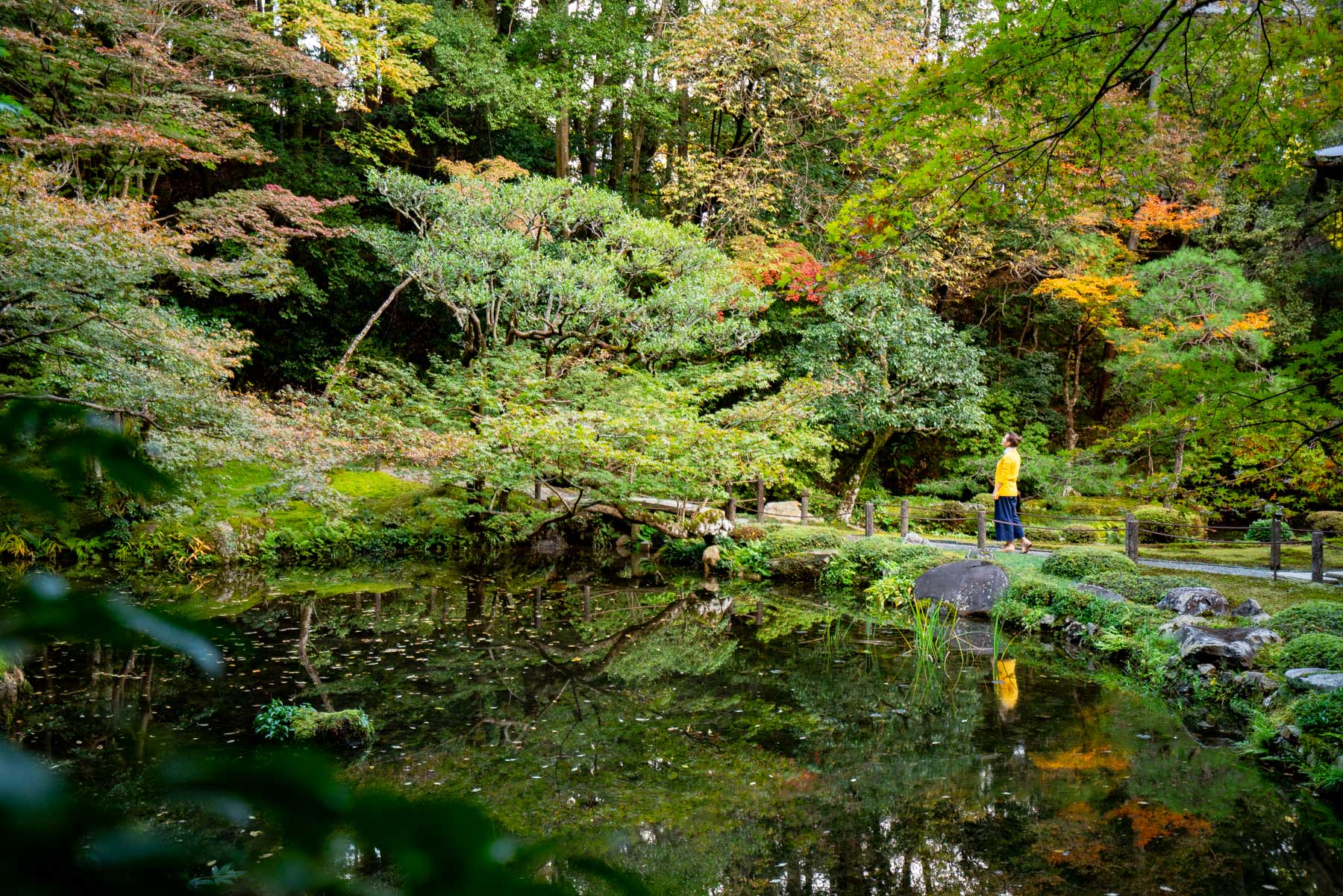
You’ll end the trip in Kyoto feeling calm and centered, which is a much better emotional state for a 12-hour flight home than the wired, sleep-deprived chaos that Tokyo leaves you in. (We learned this the hard way. Twice.)
We’ve got full guides for both cities, including everything to do in Tokyo and the best of Kyoto. And if you’re ready to plan the whole trip, our 10-day Japan itinerary covers both cities plus day trips.
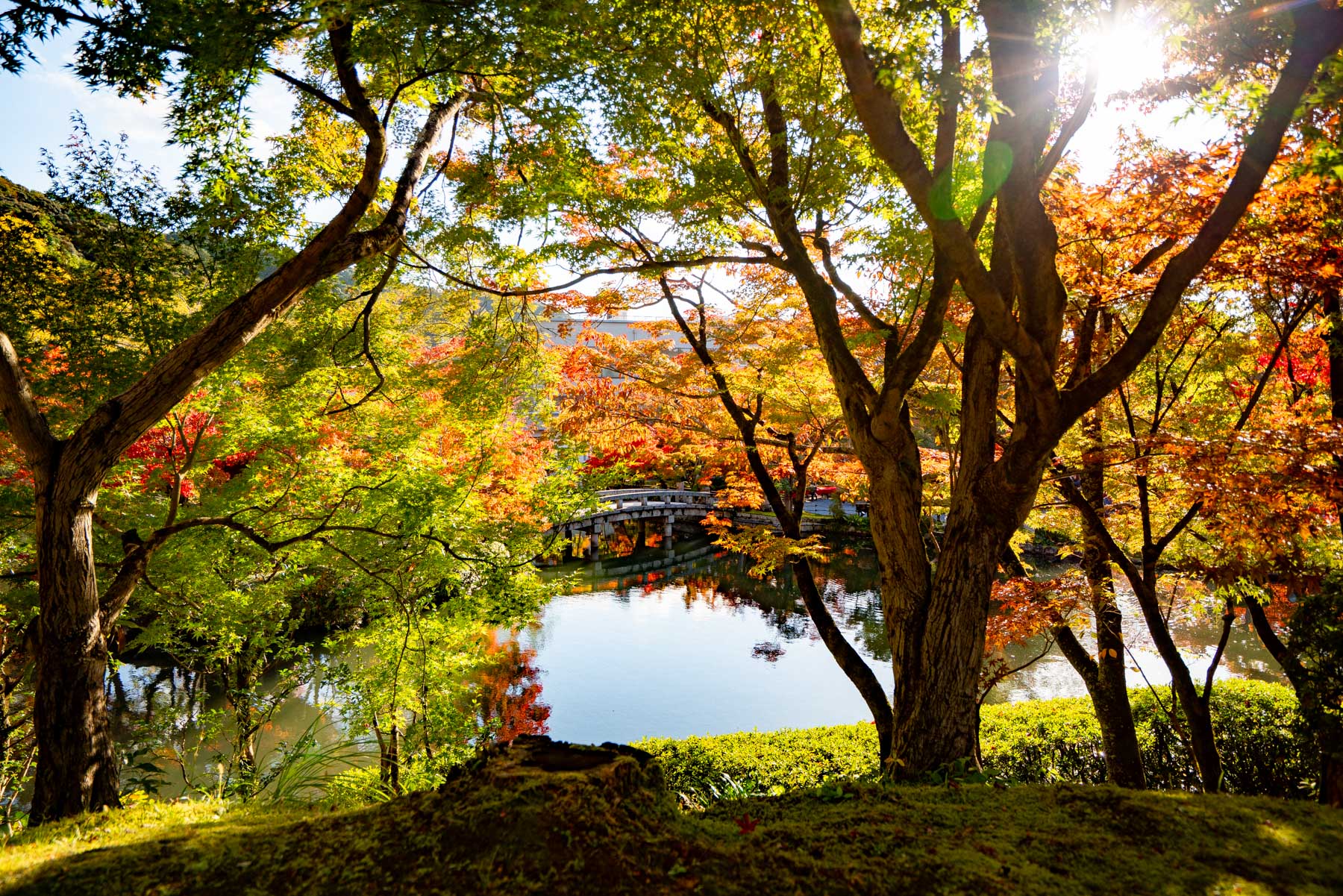
Don’t overthink this one. Just book the flight. Japan is the kind of place that makes you a better traveler, and fall in Kyoto might be the prettiest thing we’ve ever photographed. And we’ve photographed a lot of things.
Tokyo first makes more logistical sense since you will likely fly into Narita or Haneda. Start in Tokyo to adjust to Japan, then take the bullet train to Kyoto for the temples and slower pace.
About 2 hours and 15 minutes by bullet train. The shinkansen runs constantly and the ride itself is an experience. This is where the Japan Rail Pass really earns its money.
Visit both. But if you could only pick one, Tokyo gives you a fuller picture of modern Japan. Kyoto is essential for temples, gardens, and traditional culture, but Tokyo has more range and energy.
Four days in Tokyo and three in Kyoto is the minimum to do both justice. That fits perfectly into a 10-day Japan trip with a day trip or two mixed in.


