



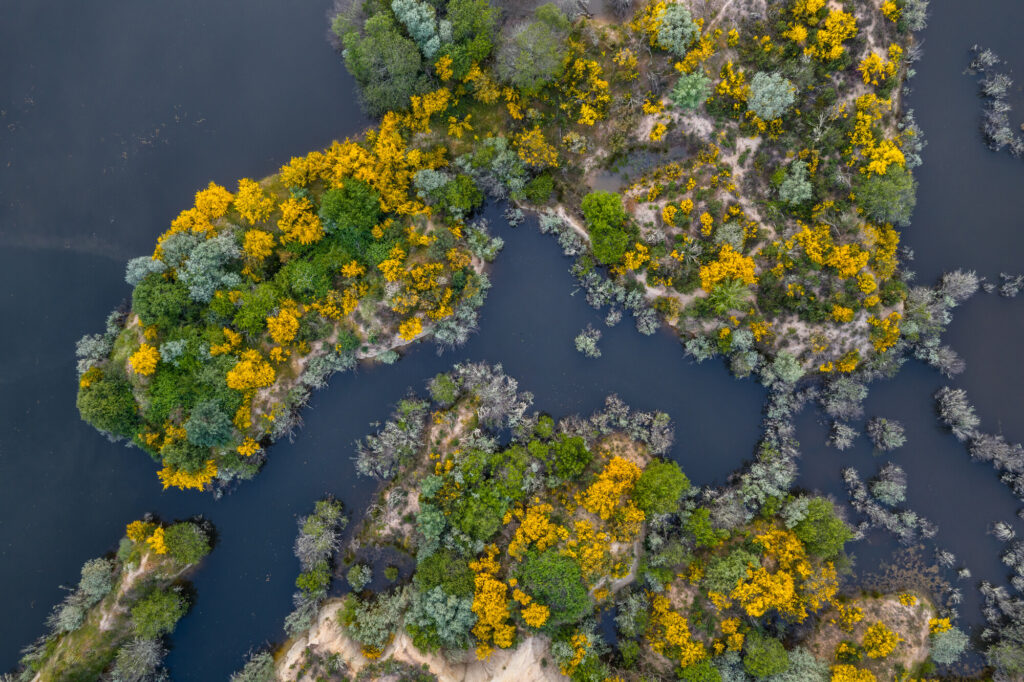
Located in the heart of Portugal’s Greater Côa Valley, Paul de Toirões was once a heavily scarred mine. Today, through natural regeneration and targeted interventions, the lakes, ponds and surrounding areas of the rewilding area are developing into oases rich in wildlife.

Marcus Westberg
From wasteland to wetland

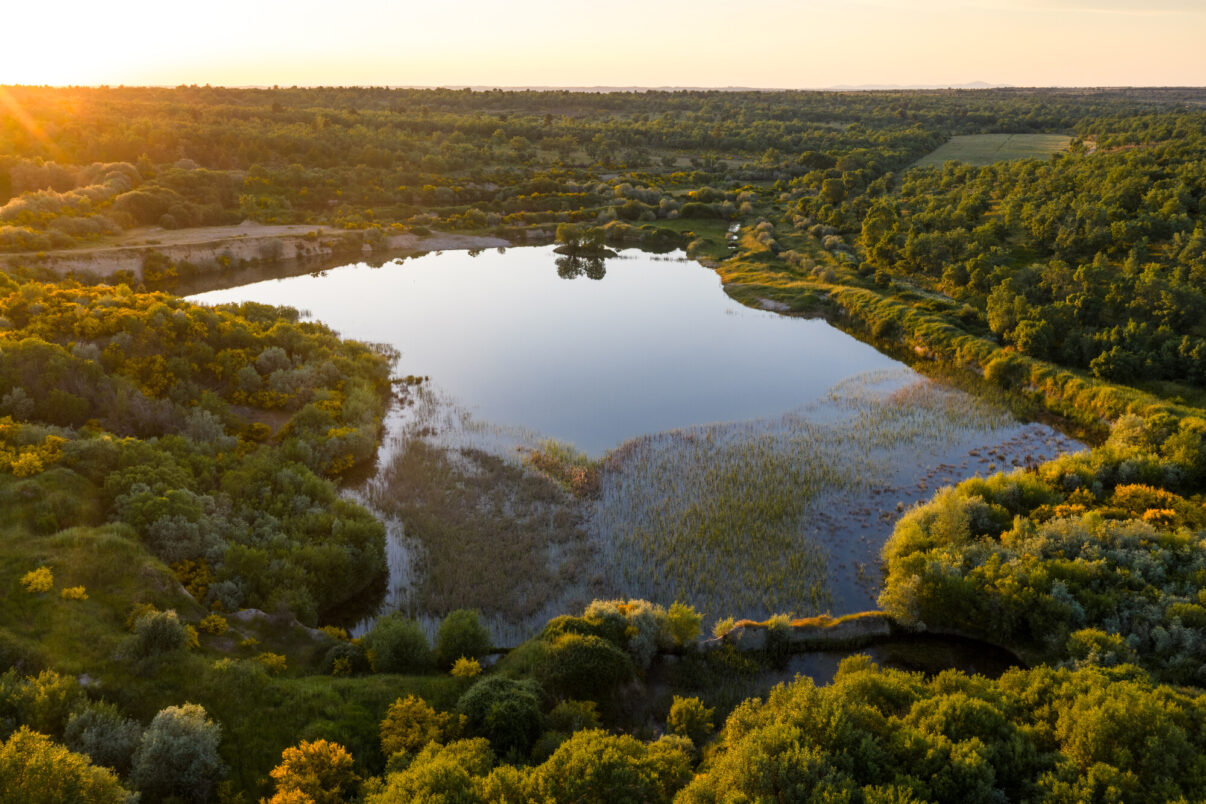
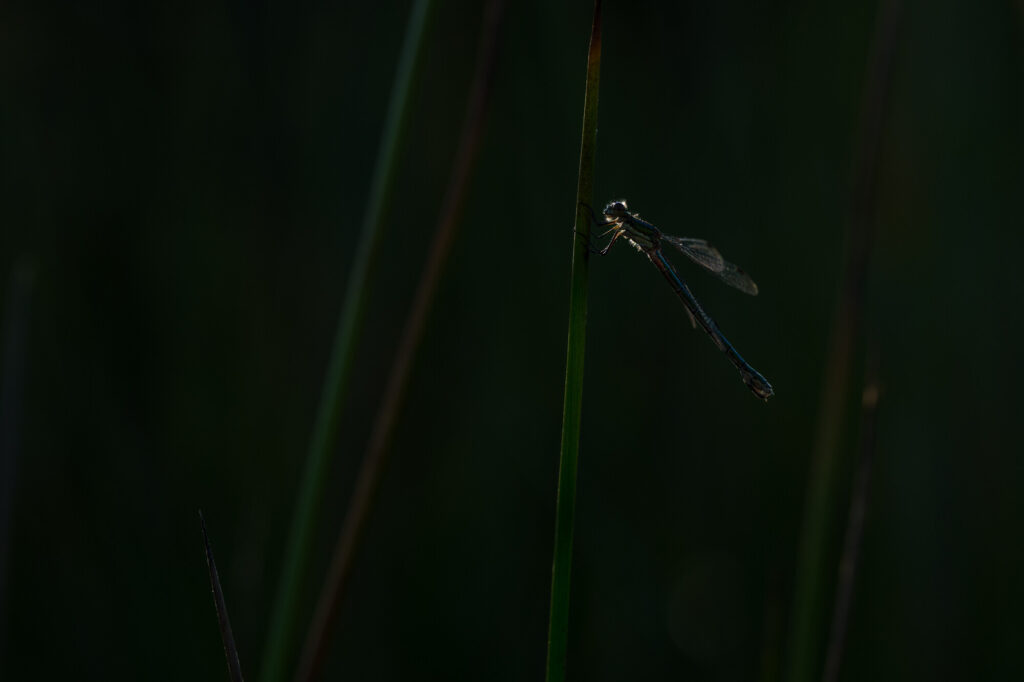
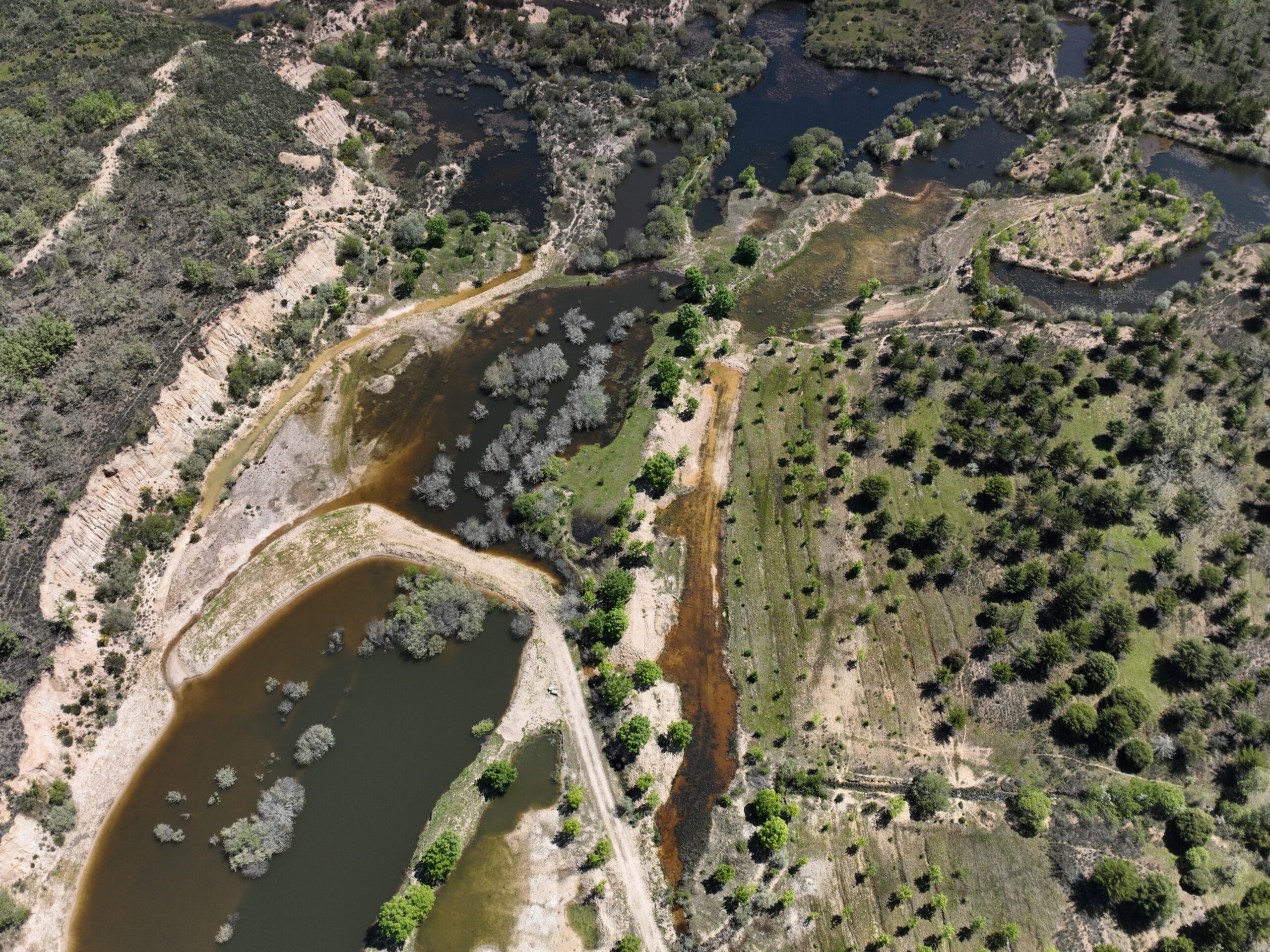
To fully understand Paul de Toirões’ rapid transformation, you need a bird’s eye view. Ten years ago, this quarry in Portugal’s Greater Côa Valley was an industrial wasteland. It was a landscape devastated by shafts, pits and scars carved by men and machines. Today, the 300-hectare rewilding area reveals a vibrant mosaic of lakes, ponds, ditches and wetlands from the air as birds, dragonflies, turtles, otters and countless other species return to recolonize newly formed habitats. Native forests around water bodies are regenerating, strengthening resilience and further increasing biodiversity.
A mix of natural regeneration and targeted interventions by the Rewilding Portugal team, which began managing Paul de Toirões in late 2022, has driven transformation in the area.
“The rebirth of Paul de Toirões demonstrates the amazing power of nature to heal itself if given the chance,” says André Couto, Rewilding Portugal field director. “With a little help from the team, the ongoing restoration of the site has created a large, thriving wetland of unique value in the landscape – there is nothing like it in the surrounding area, which is generally much drier.”


Legacy of Extraction
For several decades, Paul de Toirões has been shaped by intensive mining activities. Formerly known as Quinta de Santa Margarida, the area was used to mine tin, tungsten, and sand, and extraction continued until it was abandoned in the early 2010s. Located within a natural riverbed, the area has been extensively reworked over time, with excavations dramatically altering the landscape of deep pits, steep embankments and artificial drainage systems designed to move water quickly off-site.
Paul de Toirões was deeply corrupted, but he also had the seeds of restoration. When mining ceased, water began to collect in the excavated voids, forming an extensive and diverse network of interconnected aquatic habitats that later proved essential for biodiversity. However, serious barriers to natural recovery remain. Steep slopes limit access for wildlife, drainage impedes natural moisture retention, and large areas are still dominated by non-native tree plantations.

Marcus Westberg
working with nature
Rewilding Portugal’s practical rewilding effort was launched by Paul de Toirões in November 2022, with funding from Mossy Earth. The goal was simple yet ambitious. The idea was to set the site on the path to becoming a thriving, self-sustaining ecosystem.
Using heavy machinery where necessary, the team reshaped the terrain of the area where the mine was previously located, including smoothing the edges of water bodies, removing artificial drainage systems and erecting small barriers to retain water long-term. This has expanded wetland areas, attracting more wildlife and creating a wider range of aquatic habitats, from deep lakes to seasonally flooded shallow areas. Rows of exotic cypress trees were removed to allow for the regeneration of native trees such as Pyrenean oak and Holm oak, further improving habitat diversity and connectivity.
Today, otters are clearing waterways, amphibians are populating ponds, and more and more species of birds are looking for places to feed, nest, and raise their young.
“With relatively small interventions, such as moving some soil, plugging a few ditches and giving space back to native plants, we were able to create a diverse range of habitats,” explains André Couto. “By working with nature, we helped Paul de Toirões on his journey back to life.”
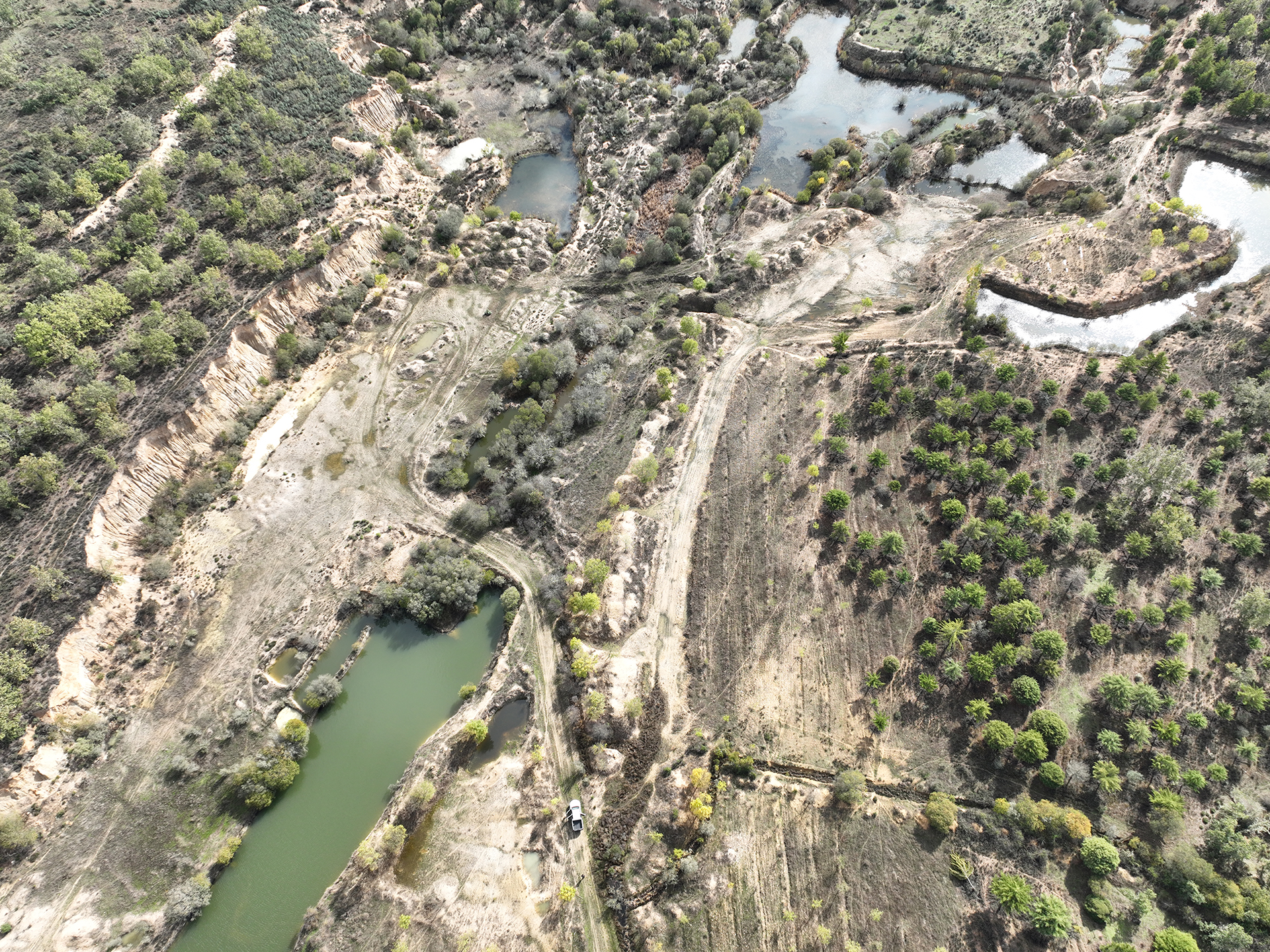
Photo: Wildflowers of Portugal
Paul de Toirões, before that…
…and after restoration work

Impact Measurement
Several surveys were carried out across the site to measure the natural recovery of Paul de Toirões. This includes bird monitoring, amphibian surveys, a comprehensive aquatic vegetation assessment funded by Mossy Earth, and surveys of forested areas.
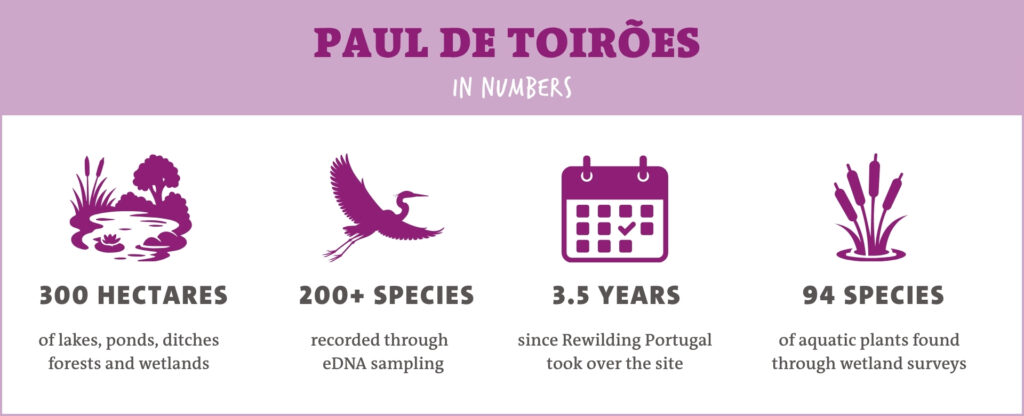
The results are already amazing. Surveys conducted in 2023 and 2024 recorded 94 aquatic plant species representing a wide range of wetland habitats, from sandy beaches to flooded willow forests. Rare and endangered species have also been identified, including the Southern Commonweed, a carnivorous plant that is highly sensitive to water quality with little documentation in the Portuguese interior.
Environmental DNA (eDNA) analysis further revealed the presence of more than 200 species across the site, while amphibian and bird surveys highlighted the growing importance of temporary ponds and wetlands as breeding and feeding grounds. Species including Black Stork, Marsh Harrier, Spoonbill and Hobby have been recorded.

“This is essentially basic research,” explains André Couto. “They give us a snapshot of where we are now. When we repeat this in a few years, we expect to see the positive impact of rewilding further reflected as the diversity and abundance of wildlife continues to increase.”
Paul de Toirões’ revival strengthens ecological connectivity across the Greater Côa Valley, creating new ecological stepping stones for species migrating through the landscape. The expanded wetlands and regenerating forests complement other wildlife restoration areas in the valley, advancing Portugal’s restoration efforts to establish large-scale wildlife corridors.
A new destination for nature lovers
Paul de Toirões’ natural resurgence is also helping to transform the region into a center for sustainable tourism in the Greater Côa Valley, fostering the growth of a broader nature-based economy.
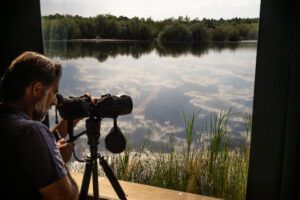
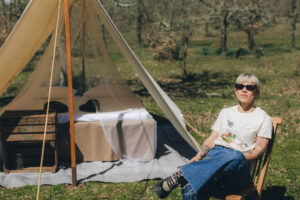
Visitors can now experience Paul de Toirões through guided tours, wildlife viewing opportunities and immersive accommodations. Dedicated wildlife viewing refuges offer up-close encounters with birds and other species, while WilderCamp, a mobile camp run by Rewilding Portugal, offers a unique lodging experience that connects guests to the surrounding landscape.
These initiatives not only showcase the ecological restoration of the region, but also create new economic opportunities for local communities, demonstrating how rewilding can help people and nature thrive together.

Marcus Westberg
Claudio Neu Photos
a harsher future
Paul de Toirões’ transformation has been rapid, but the journey is not yet over. Rewilding Portugal will continue to monitor ecological changes, support the continued return of wildlife and allow natural processes to reshape the landscape. Over the next few years, repeated surveys will track changes in biodiversity, water quality and habitat development. As vegetation matures and food webs become stronger, the region is expected to evolve into a more vibrant and dynamic ecosystem.
“Nature already does most of the work,” says André Couto. “Our role is to take a step back and let these processes unfold while also watching how things develop.”
What was once a damaged industrial site is now a living testament to rewilding efforts and a testament to the healing power of nature. In the Greater Côa Valley, Paul de Toirões stands as a compelling example of how severely degraded landscapes can be transformed into thriving havens for wildlife when natural processes are given the space and freedom to recover. It offers hope, inspiration, and a window into a wilder future.
Marcus Westberg


