



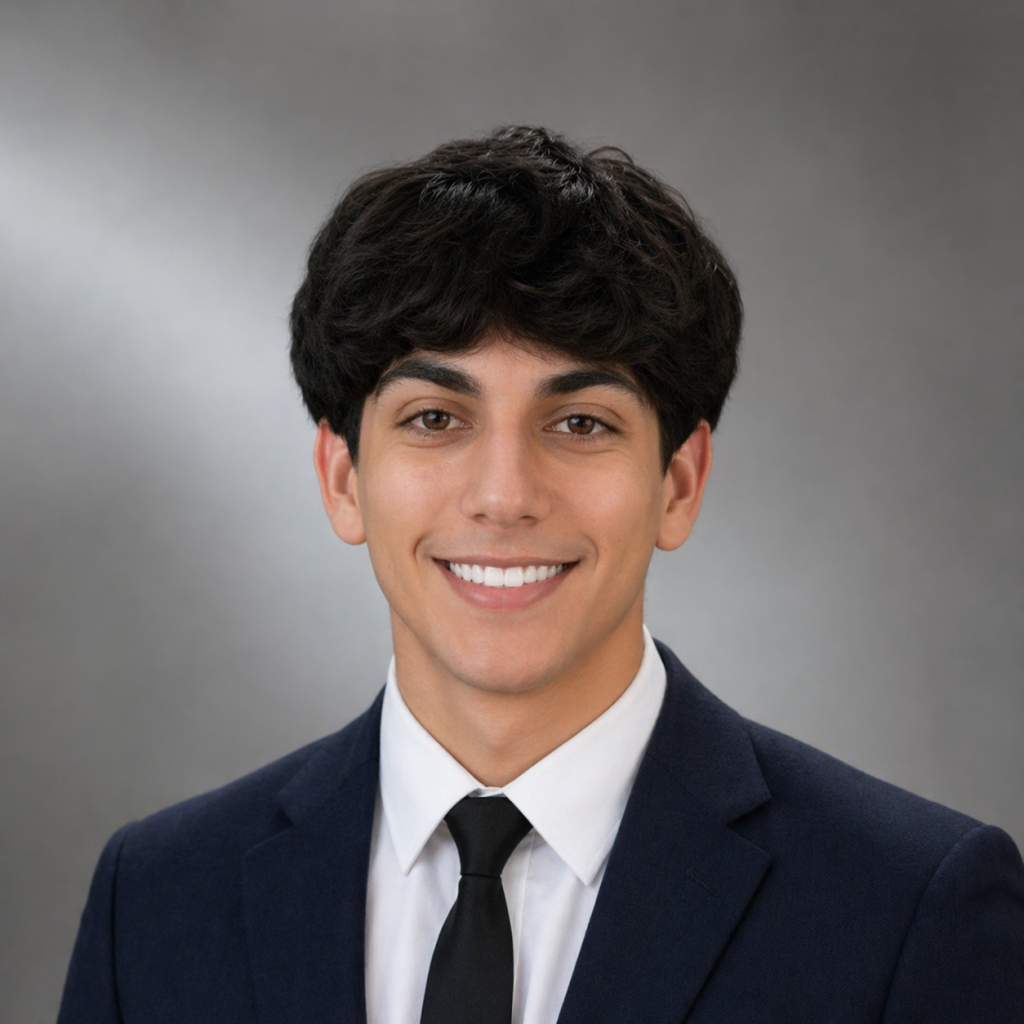
Emmanuel Sarkis
Arizona consistently ranks as one of the states with the highest uninsured rates in the country. More than 800,000 residents lack access to health care, not a failure but a result of a consistent array of structural, geographic, financial and linguistic barriers that have gone unresolved for decades. What makes Arizona’s situation so dire is that population composition, geography, policy history, and high uninsured rates do not exist as separate problems, but rather as a chain of problems, each of which increases the next.
In the United States, health insurance is not just a financial component, it is the primary mechanism by which people receive health care. Without insurance, annual checkups become an expensive luxury, chronic illnesses go untreated, and even minor medical emergencies can devastate someone’s living finances. This is highest in Arizona, which ranks 43rd in the nation in uninsured rates at 10.3% and consequently has higher rates of disease mortality and terminal illness.
Who really is uninsured in Arizona?
One of the most common misconceptions about the uninsured community is that they are mostly unemployed. In Arizona, this is not accurate. A significant portion of the state’s uninsured population works full-time in agriculture, construction and food services, where they lack health benefits. Although you technically can get coverage through your employer, the cost of maintaining these benefits is often too high compared to your income. This leaves many people in unfortunate situations. They make too much money to qualify for AHCCCS, Arizona’s Medicaid program, but too little to afford an insurance plan. They fall into a coverage gap that current policies built to address fall short of.
The data is also clear that outcomes are not evenly distributed. While Hispanic and Latino residents are uninsured at higher rates than white Arizonans, Native Americans and Native Americans endure similar conditions, a surge fueled by a history of federal underfunding of underfunded health care and the fact that these communities often live in remote areas lacking health care infrastructure. Geographically, uninsured rates are highest in rural and border communities like Yuma, Santa Cruz, Apache, and Navajo, communities that are already significantly lacking in economic opportunity and health care infrastructure compared to urban areas like Phoenix and Tucson.
What happens when people can’t get treatment
All of these barriers have real consequences. A disease that can be treated very easily and simply becomes a serious problem when it is finally discovered. Social factors, such as insurance status, are one of the biggest predictors of whether someone will get cancer and whether they will survive. Diagnosing terminal cancer is not just a matter of bad luck, but in some cases depends on whether the patient had access to routine tests that could have easily detected it earlier.
Chronic conditions such as diabetes and high blood pressure are another area where being uninsured can cause serious and life-changing harm. This condition must be continuously managed through regular checkups and medication. People without insurance often cannot afford visits or medications, leaving their condition unmanaged and worsening over time. A striking example: GLP-1 drug prices increased 442% between 2021 and 2023, creating a market three times larger than cancer spending and reaching a list price of $1,400. The fundamental problem is not just price, but a system where everyone is focused on maximizing profits rather than patient outcomes.
When uninsured patients continue to visit emergency rooms because they have no choice, those costs do not go away.
They are transferred to other hospitals and, through higher prices, to insured patients and taxpayers. Emergency room over-reliance, late diagnosis, and unmanaged chronic conditions are not the result of poor patient selection, but rather the result of financial burdens, physical distance, and cultural barriers allowed to compound over decades.
How policies caused this problem
Arizona’s uninsured crisis didn’t just happen by chance. This was driven by certain political decisions that left certain groups without enough coverage that no one was willing to fix.
Arizona was the last state in the country to accept Medicaid, adopting it in 1982 after years of hesitation. In 2011, the state froze Medicaid enrollment for childless adults, leaving low-income people without coverage for years. Arizona eventually accepted the ACA Medicaid expansion in 2014, which lowered uninsured rates. However, AHCCCS still has eligibility restrictions, combined with a complex enrollment process that leaves many low-income Arizonans without coverage. As of June 2024, AHCCCS enrollment decreased by 153,173 in one year even after expansion.
Federal immigration laws make the situation even more difficult. Undocumented immigrants cannot enroll in Medicaid or purchase plans through the ACA marketplace. In Arizona, where a significant portion of the agricultural and construction workforce is undocumented, this means there is no path to coverage for the entire workforce. Not only do these policies fail to help these communities, they almost guarantee that they will remain uninsured. Making the situation even worse, the current federal Medicaid cuts, enacted into law in July 2025, are expected to push Arizona’s uninsured rate to 18 to 20 percent, undoing years of single-payer policy progress.
what should happen
Health inequalities like these are not natural or random, but are directly caused by structural conditions that require structural responses to address. This is important because it moves the question from individual decisions to systems that are failing patients.
AHCCCS eligibility should be expanded and registration should be simpler. More federally qualified health centers should be built in rural and underserved areas. Outreach must be done verbally and through cultural channels that actually reach marginalized populations. Excluding immigrants from Medicaid needs to be seriously reexamined.
Arizona is already paying for the health of its uninsured population. It’s about paying for it in the most expensive and most effective way possible. The next steps Arizona takes will speak not only about the state, but about what this country is willing to take when it comes to who deserves quality health care.
Emanuel Sarkees is a high school student with a keen interest in medicine, healthcare, and innovations that improve patient care and access to care.






