



You can get a glass of wine for 3 euros in Lisbon. I need you to sit with that for a second.
Not boxed wine. Not bad wine. A proper glass of vinho verde or Douro red, served at a terrace overlooking terracotta rooftops and the Tagus River, for three euros. In a European capital. While the sun sets.
That’s the whole pitch for Lisbon on a budget. But let me walk you through an actual day so you can see how it plays out, hour by hour, euro by euro.
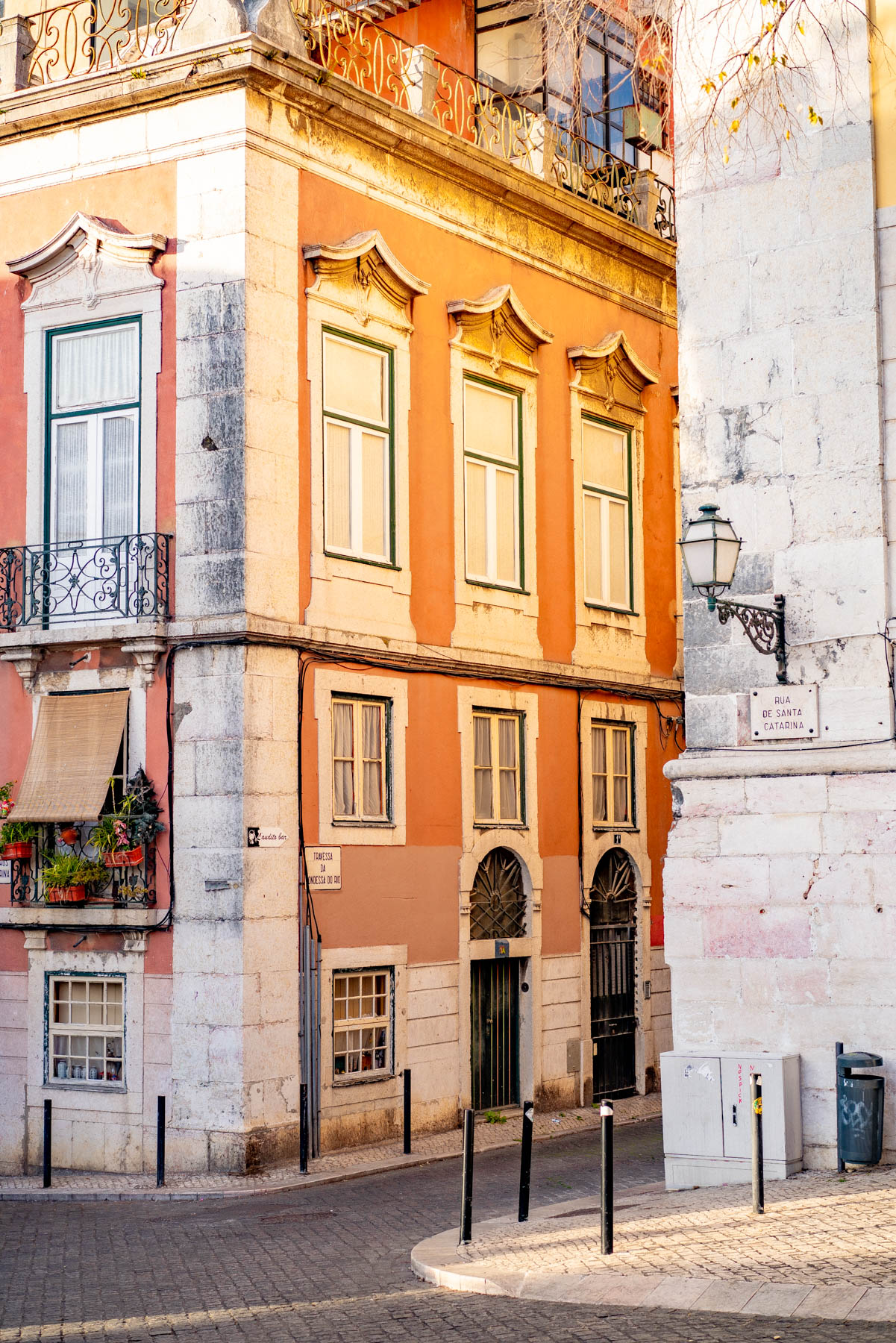
We spent weeks exploring Lisbon and never once felt like we were “doing it on a budget.” We were just doing it the way locals do. Eating at tascas, drinking wine at viewpoints, buying pasteis from the bakery next door instead of standing in the Belem line. This guide has real prices, real restaurant names, and a real day that you can copy or remix however you want.
A Real Budget Day in Lisbon, Hour by Hour
8:30 AM. Coffee and a Pastel de Nata
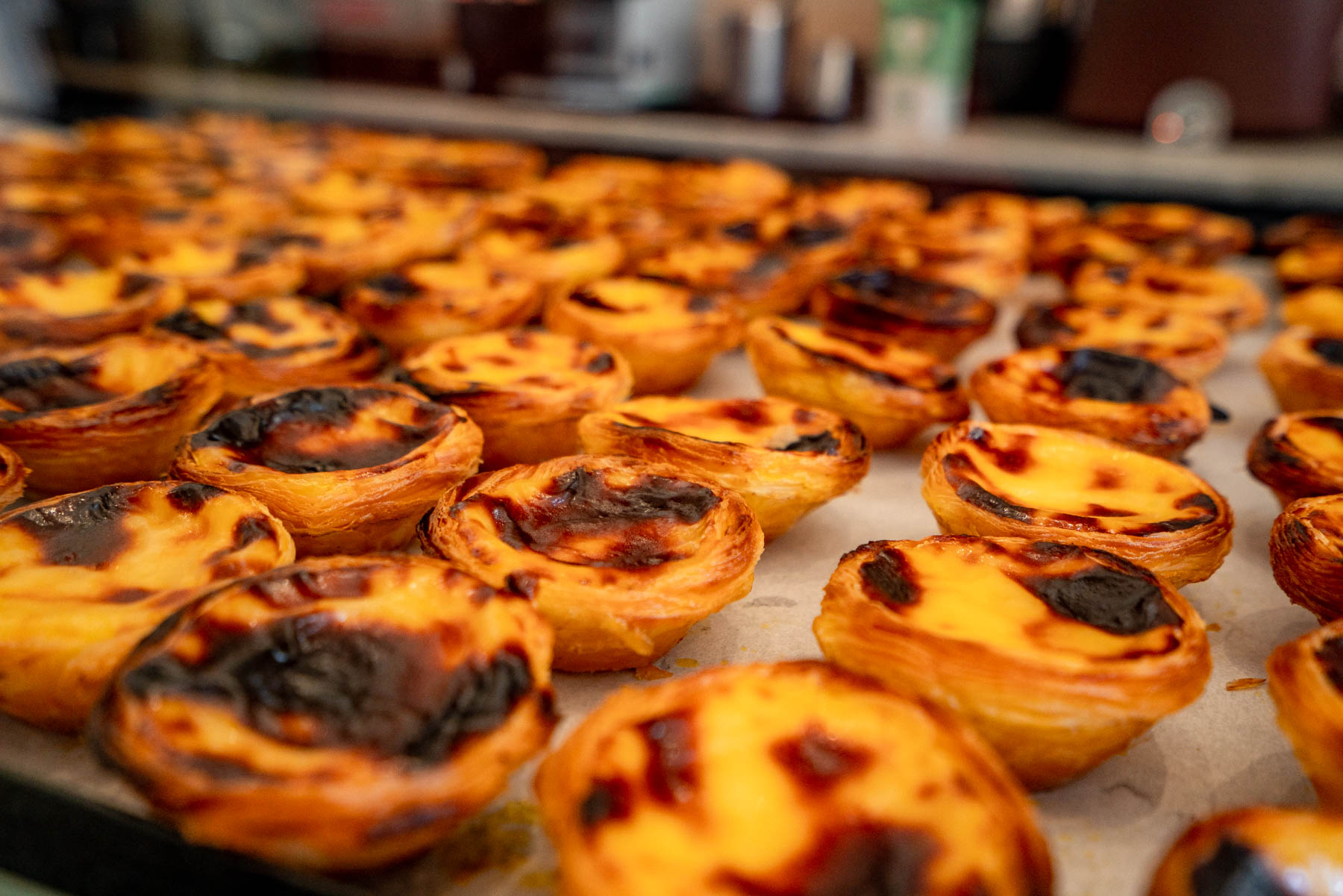
You start at a bakery. Not Pasteis de Belem (that’s a 30-minute line for tourists). Your local bakery in Alfama or Graca, where a pastel de nata costs exactly one euro and the espresso is another euro fifty. The pastry is warm. The custard collapses when you bite in. You sprinkle cinnamon on it and watch the neighborhood wake up.
If you want the famous-but-still-worth-it version, Manteigaria in Chiado bakes them in an open kitchen right in front of you. They’re 1.15 euros each, served warm. Go at off-peak hours and you’ll have the counter to yourself.
Running total: 2.50 euros.

10:00 AM. Walk the Miradouros
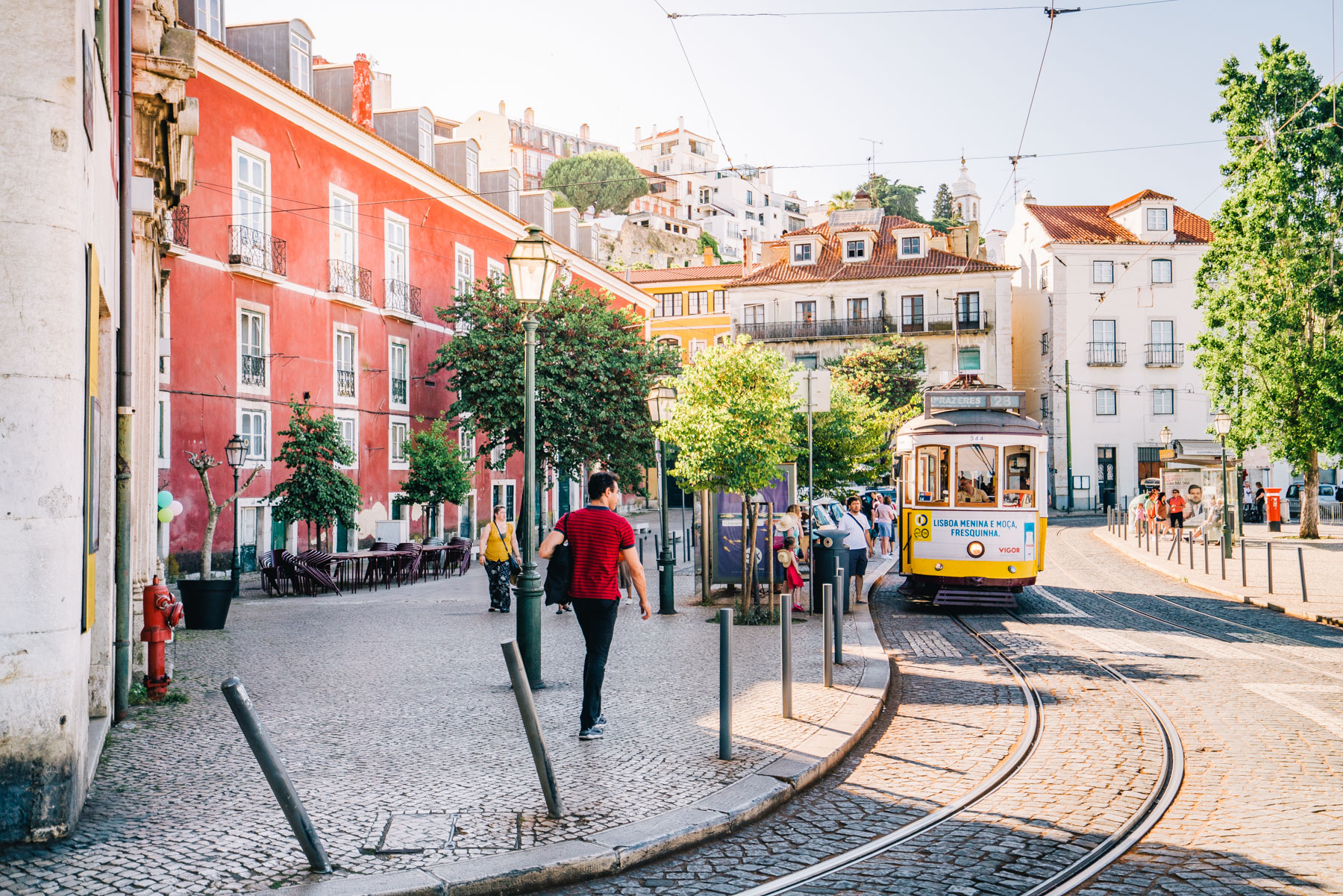
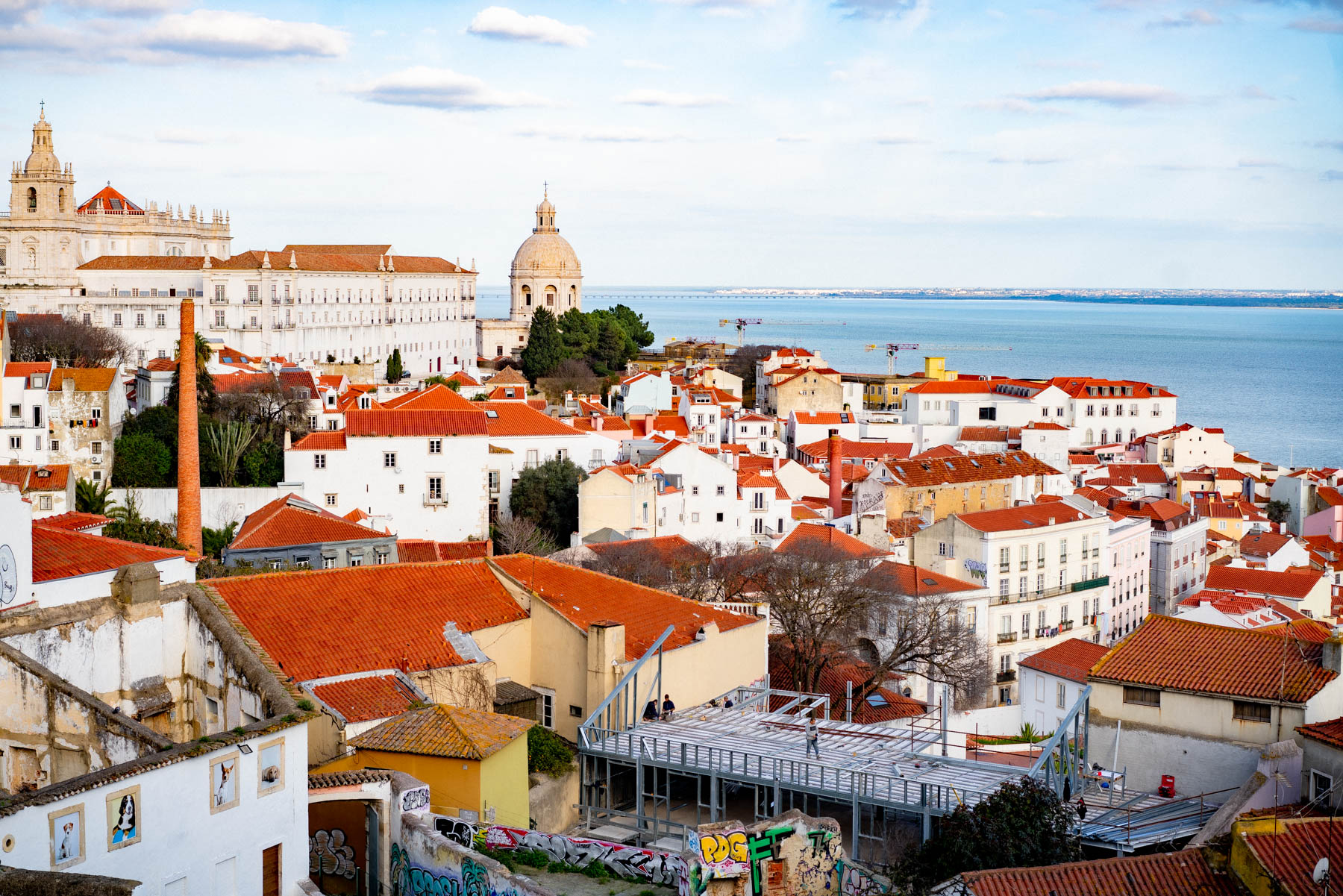
Lisbon is built on seven hills, and every hill has a viewpoint (miradouro) at the top. Every single viewpoint is free. This is Lisbon’s gift to budget travelers, and it’s a generous one.
Start at Miradouro das Portas do Sol, which overlooks all of Alfama. Walk to Miradouro de Santa Luzia, right next door, with blue-and-white azulejo tiles framing the view. Then climb to Miradouro da Graca, which has a terrace with a kiosk selling 1.50 euro beers if you want one this early (no judgment). For the widest panorama, keep going to Miradouro da Senhora do Monte.
You just did two hours of sightseeing. Cost: zero euros, plus whatever leg muscles you’re willing to sacrifice to Lisbon’s hills.
Running total: 2.50 euros.
12:30 PM. Lunch at a Tasca
This is where Lisbon destroys other European capitals on price. Tascas are small, family-run restaurants that serve massive portions of traditional Portuguese food at prices that seem frozen in 2005.
Most tascas offer a menu do dia (daily lunch special) for 7 to 12 euros. That includes a main course, a drink, and sometimes dessert. The same meal at dinner costs 15 to 20 euros a la carte, so eat your big meal at lunch. This is not optional advice. This is the single most important budget tip for Lisbon.
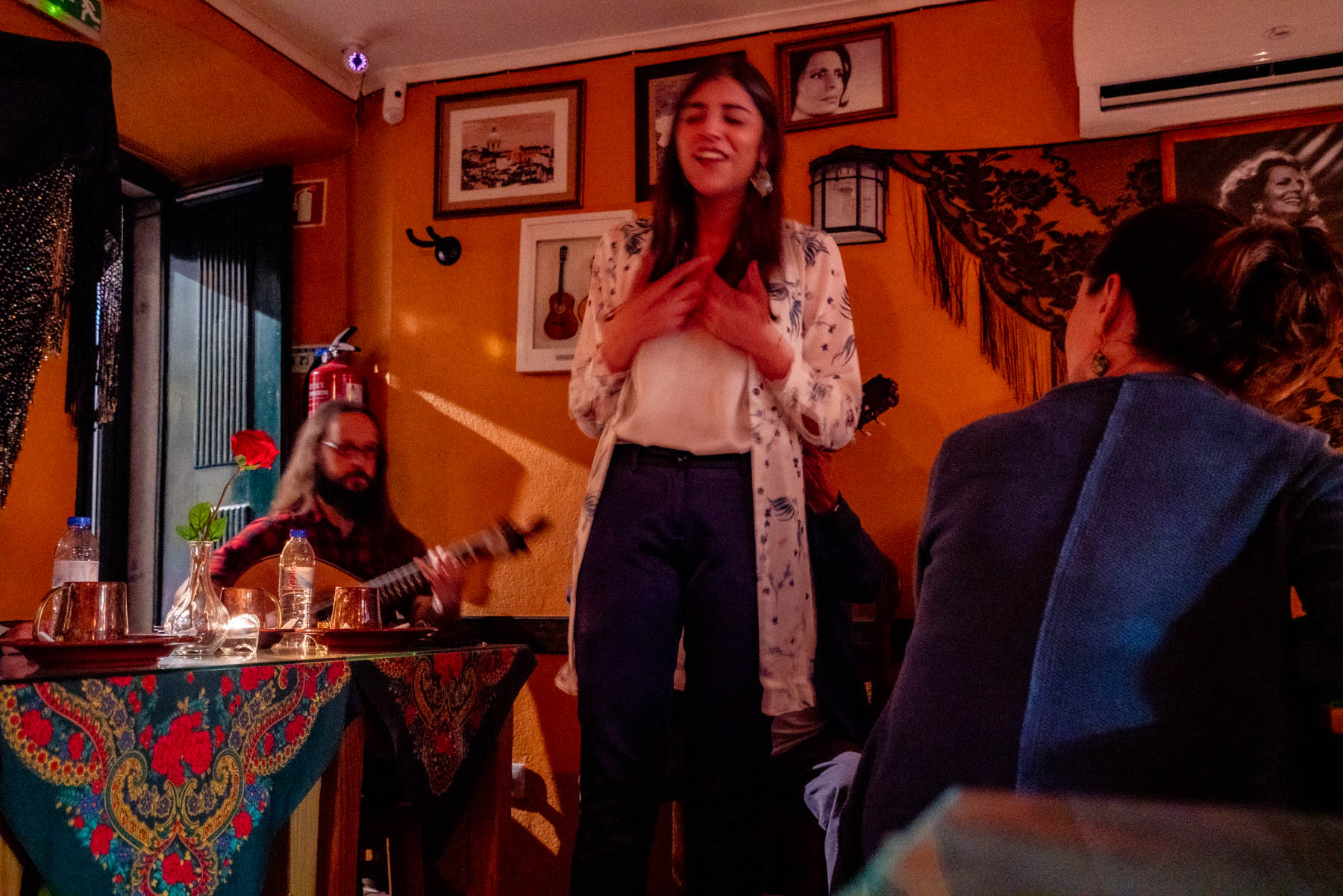
Order the bacalhau a bras (shredded cod with eggs and potatoes) for 8 to 12 euros, or grilled sardines with potatoes and salad for 7 to 10 euros. A half-liter of house wine is 3 to 5 euros. Some favorites: Tasca do Chico in Alfama (also has live fado in the evenings), O Velho Eurico in Alfama for portions that border on aggressive, and Taberna da Rua das Flores in Bairro Alto for a more modern take on traditional dishes.
Running total: 12.50 euros (with the menu do dia at 10 euros).
2:30 PM. Street Art and LX Factory
Walk through Mouraria, which is basically an open-air gallery. The neighborhood has one of the best street art scenes in Europe, with murals, paste-ups, and stencil work on almost every side street. It also has a gritty, multicultural energy that feels like the real Lisbon rather than the postcard version.
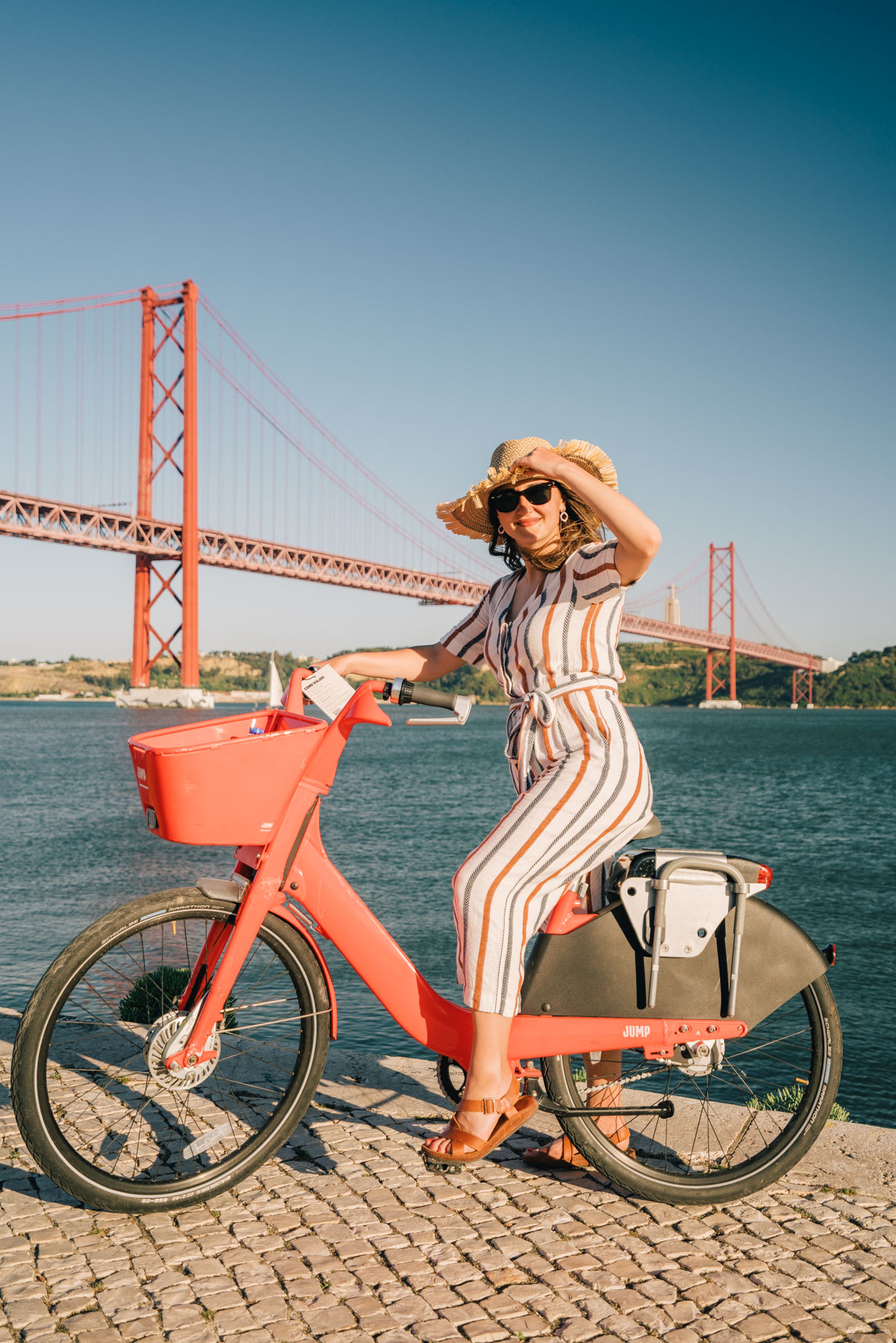
Then take the tram or walk to LX Factory, a converted industrial complex under the 25 de Abril Bridge. Browsing is free. You’ll find street art, independent shops, and a bookshop inside an old printing press called Ler Devagar, which is one of the most beautiful bookshops in the world. Sundays have a flea market worth timing your visit around.
Running total: still 12.50 euros.
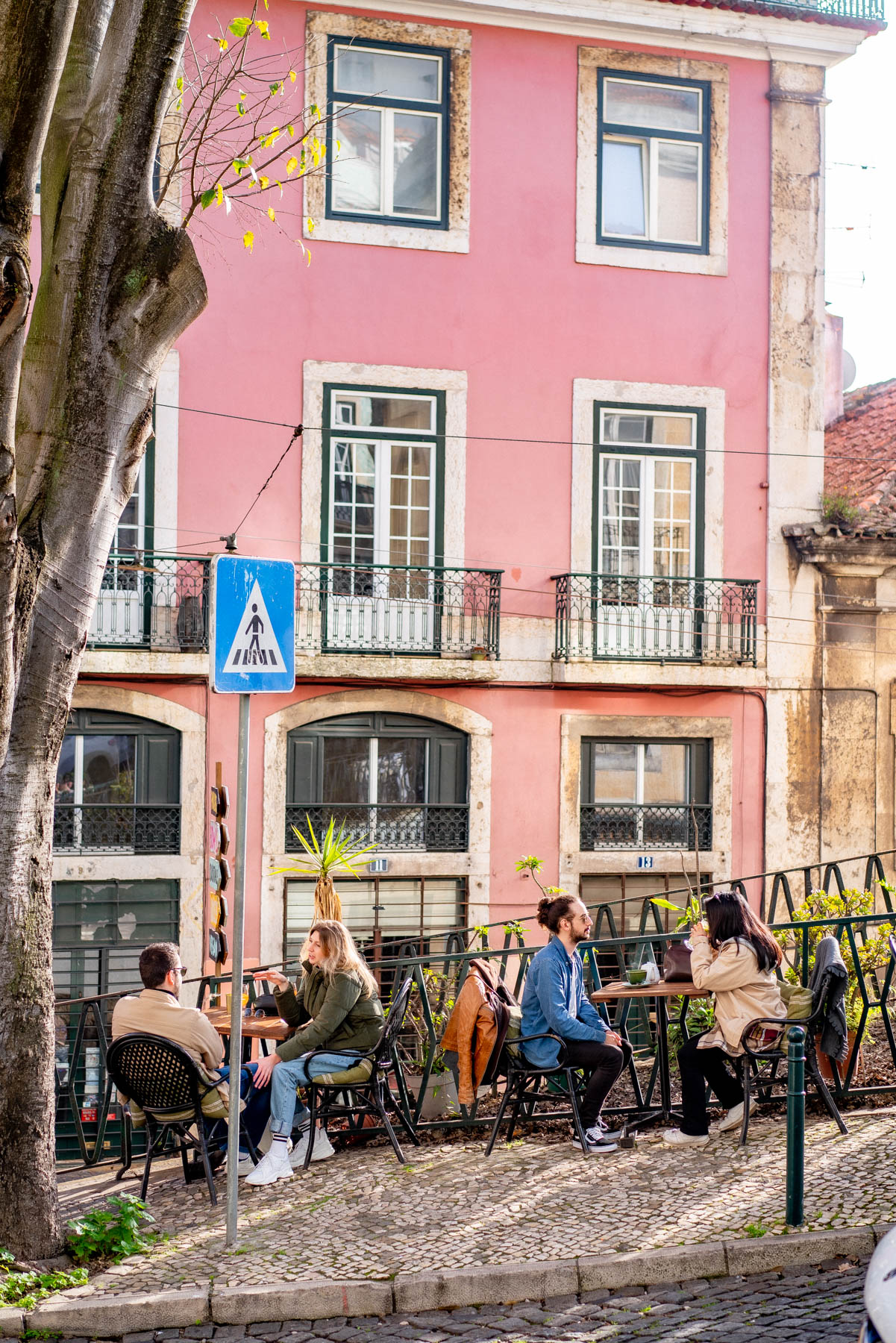
4:00 PM. Bifana and a Beer
You need an afternoon snack. A bifana is a thin pork cutlet marinated in garlic and white wine, slapped into a bread roll, and served with mustard. It costs 2.50 to 4 euros at most cafes. This is the sandwich that Lisbon runs on.
For the best one, try As Bifanas do Afonso near Martim Moniz. Get it with a 1.50 euro beer (Sagres or Super Bock, pick your side) and you’ve got a perfect snack for under 5 euros.
Running total: 17.50 euros.
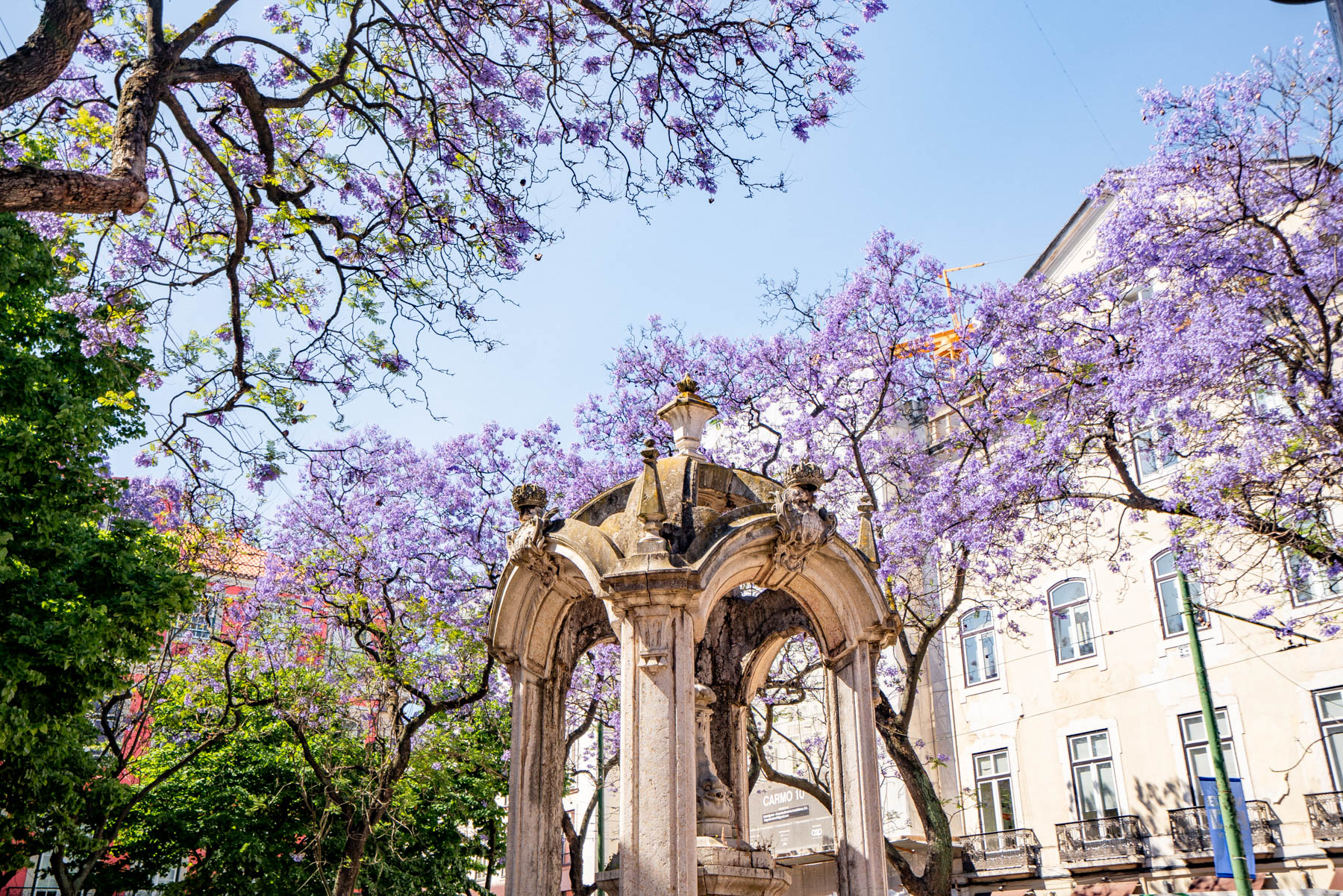
5:30 PM. Ginjinha at Rossio
Ginjinha is a sour cherry liqueur that Lisbon treats like a handshake. A small glass costs 1.50 euros at A Ginjinha near Rossio Square, which has been serving it since 1840. Choose “com” (with a cherry in the glass) or “sem” (without). We always go “com.”
Budget travelers, take note. A cocktail at a bar runs 8 to 12 euros. A glass of ginjinha is 1.50. Three glasses of ginjinha is 4.50. The math works in your favor here, and so does the taste.
Running total: 19 euros.
7:00 PM. Sunset Wine at a Miradouro
This is it. This is the moment that makes Lisbon the best budget city in Europe.
Grab a bottle of wine from Pingo Doce or Continente for 3 to 5 euros. Portugal makes some of the best wine in Europe, and supermarket bottles are shockingly good. A bottle of Douro red or vinho verde for 4 euros will beat most 8-euro glasses at tourist restaurants. Bring it to Miradouro da Graca or Miradouro da Senhora do Monte.
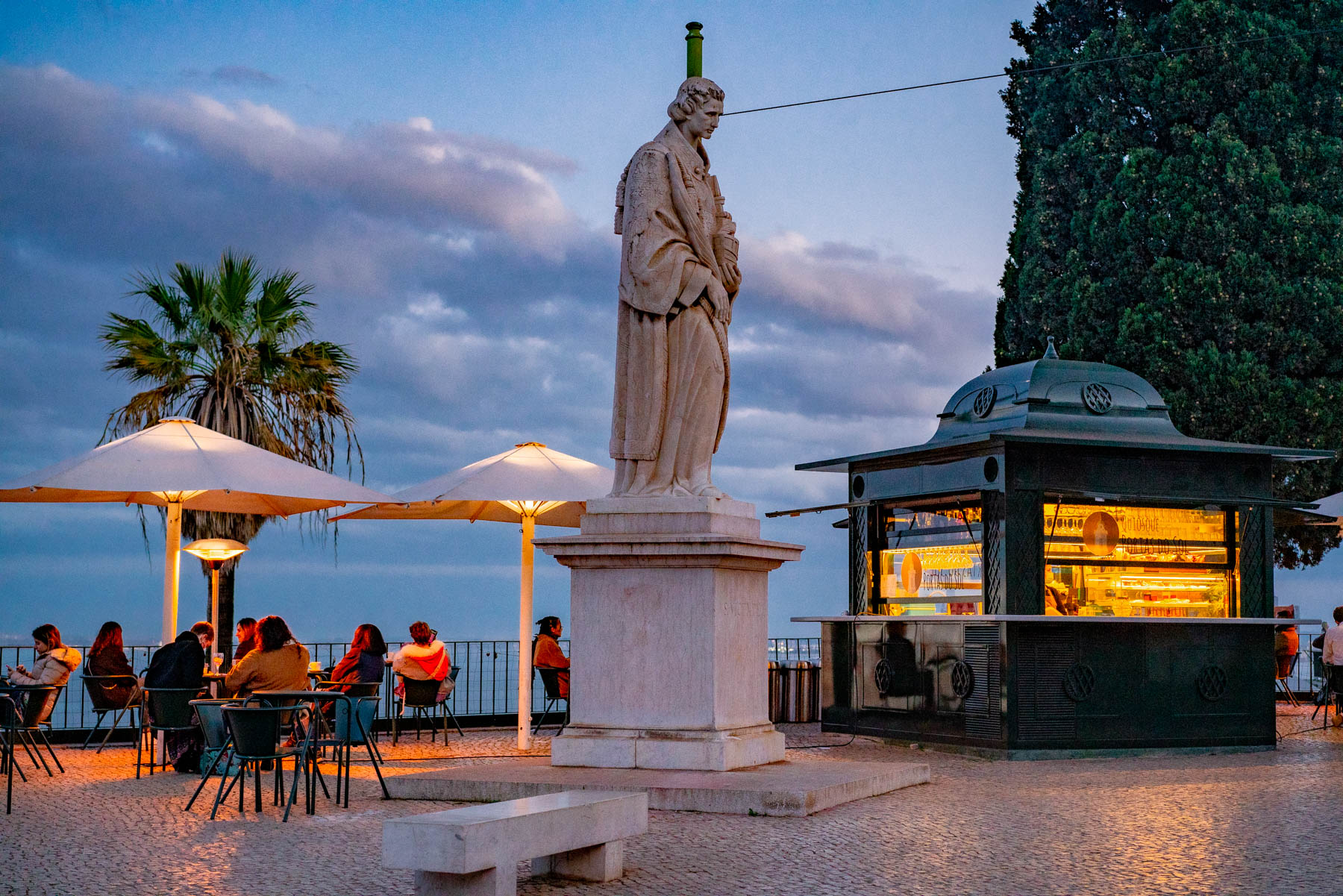
Watch the sun go down over terracotta rooftops and the Tagus River. Split the bottle. You’re spending 2 euros each on wine with the best view on the continent.
Running total: 23 euros (with a 4 euro bottle split between two).
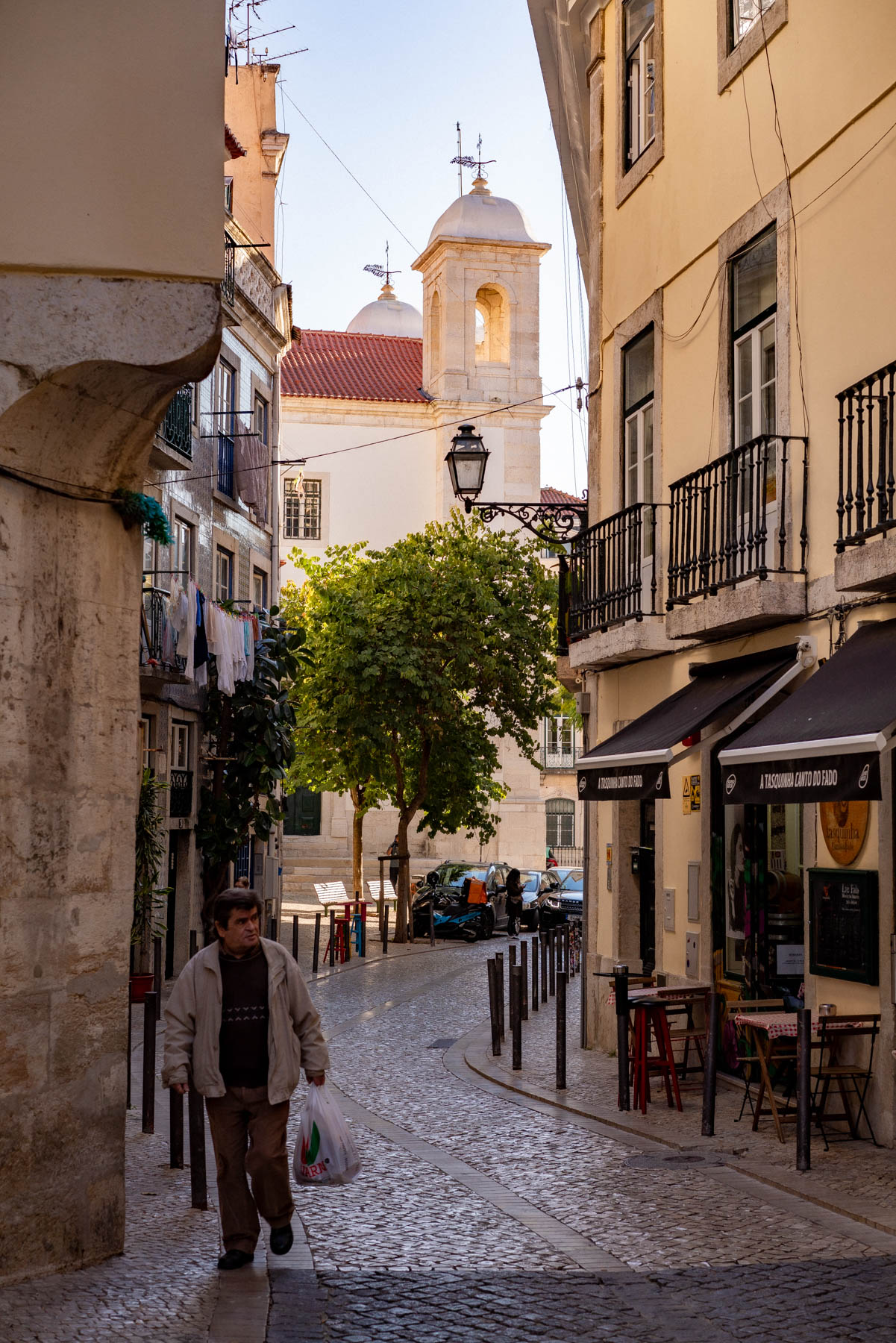
8:30 PM. Dinner in Alfama
Keep it simple. A plate of grilled sardines, bread, olives, and a glass of house wine at a tasca. Total: 10 to 15 euros. If you went big at lunch, this is where you go lighter. Nobody needs two heavy meals in Lisbon’s heat.
Running total: 35 to 38 euros for the entire day. In a European capital. With wine at sunset. I rest my case.
Where to Sleep Without Wrecking the Budget
Now that you’ve seen what a day costs, let’s talk about the overnight. Neighborhood choice matters a lot in Lisbon, and getting this right can save you 40 to 60 euros per night.
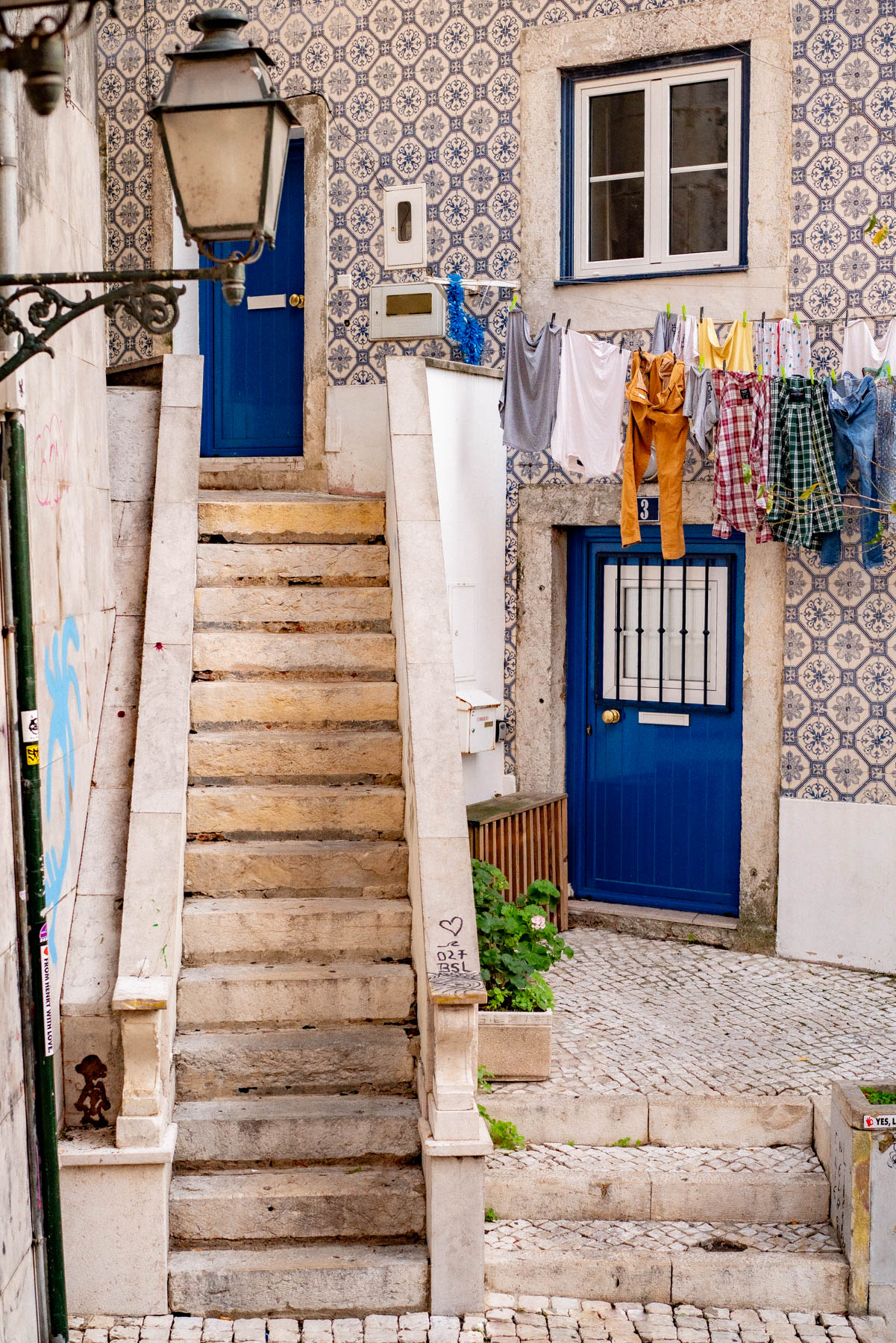
Alfama is the oldest neighborhood and one of the most affordable for sleeping. Narrow cobblestone streets, fado music from open doors, and views from every corner. Guesthouses and budget hotels run 40 to 80 euros per night. It’s touristy during the day but empties out at night into something genuinely atmospheric.
Mouraria sits right next to Alfama with a fraction of the tourist traffic. This is one of Lisbon’s most multicultural neighborhoods, with excellent cheap eats everywhere you look. Budget accommodation runs 35 to 65 euros per night. It’s not polished, but if you want authenticity over aesthetics, this is your spot.
Graca is residential, quiet, and home to some of the best miradouros in the city. Hotels and guesthouses run 45 to 75 euros per night, and you’ll feel like you’re living in a real neighborhood rather than a tourist district. The morning routine of coffee at a local bakery hits different up here.
Skip Chiado for sleeping. It’s beautiful, but hotels start at 120 euros and climb fast. Visit Chiado for coffee and bookshops during the day, but sleep somewhere cheaper. For a deeper dive on neighborhoods, check our where to stay in Lisbon guide.
Hostel dorms in any of these neighborhoods start at 15 to 25 euros. Portugal in general has excellent hostels, and Lisbon’s are some of the best in Europe.
Getting Around Lisbon Cheaply
The Viva Viagem card costs 0.50 euros for the card itself and then you load it up. Single rides on the metro, bus, and tram cost 1.65 euros each. If you’re riding three or more times in a day, buy the 24-hour pass for 6.85 euros. It covers unlimited metro, bus, tram, and elevator rides. Buy the card at any metro station.
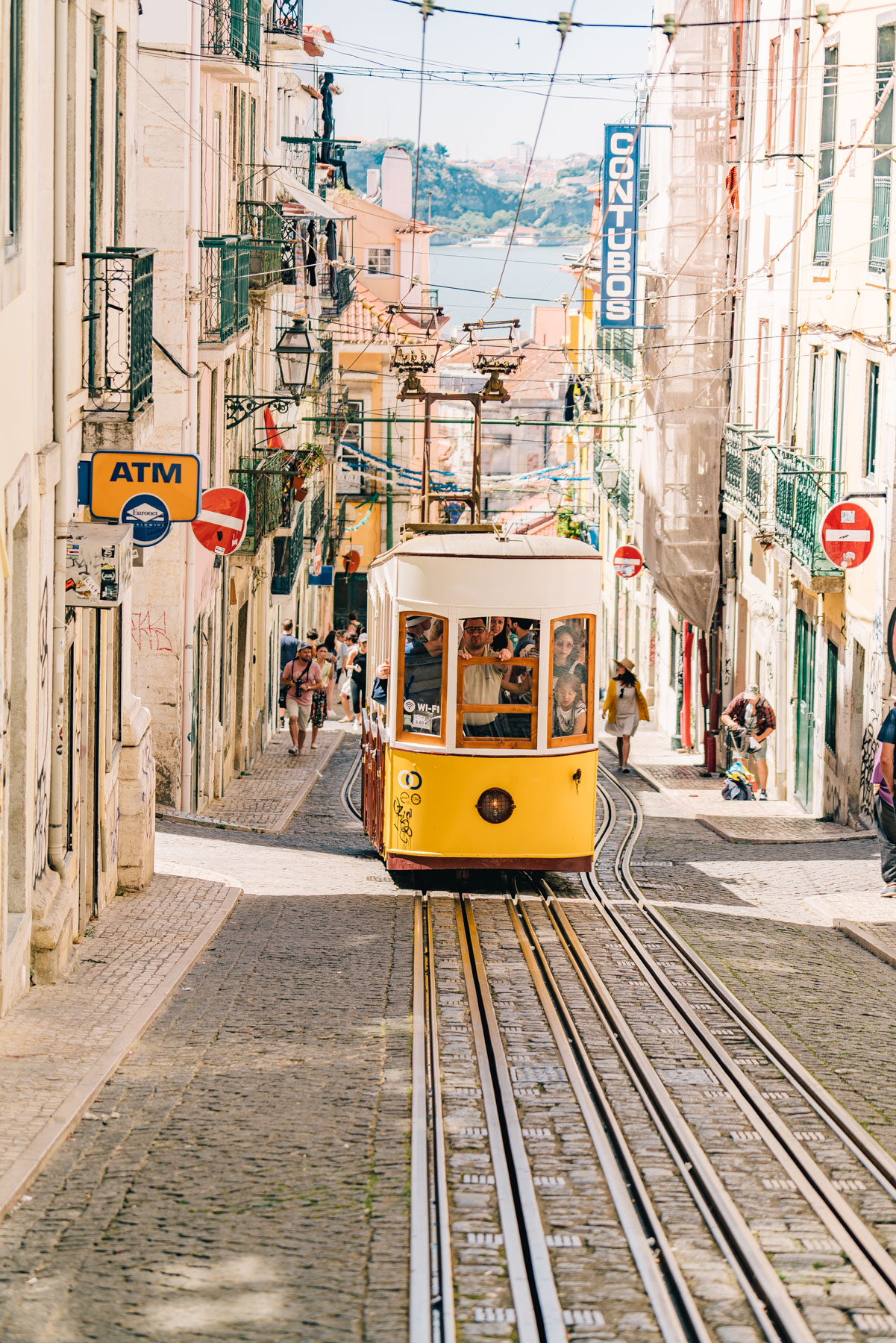
Everyone tells you to ride Tram 28. Here’s the reality. It’s packed shoulder-to-shoulder with tourists, pickpockets love it, and the wait is 30 to 45 minutes. Ride Tram 12 or Tram 25 instead, which follow similar routes through beautiful neighborhoods without the crowds. Or better yet, just walk it. The entire Tram 28 route is maybe 3 kilometers, and walking it means you’ll actually see the neighborhoods instead of being pressed against a stranger’s backpack.
For the beach, the train from Cais do Sodre to Cascais takes 40 minutes and costs 2.35 euros each way. Along the line, Praia de Carcavelos is the most popular beach, while Praia da Conceicao in Cascais is smaller and calmer. Pack a lunch, bring a 4 euro bottle of supermarket wine, and you’ve got a full beach day for under 10 euros. Lisbon is one of the only European capitals where that’s even possible.
The Time Out Market Reality Check
Look, the Time Out Market in Cais do Sodre is fun. It’s a big, buzzy food hall with stalls from some of Lisbon’s best restaurants. But it is not cheap. Most dishes run 10 to 18 euros, and the portions are smaller than what you’d get at the actual restaurants.
If you go, split a few dishes between two people and keep it under 25 euros total. Think of it as a tasting experience, not a budget meal. For proper value, the tascas will always win. Always.
Day Trip to Sintra Without Going Broke
Sintra is the most popular day trip from Lisbon, and for good reason. Fairytale palaces, misty forests, and architecture that looks like it came from a storybook. The problem is that entrance fees add up fast if you’re not strategic about it.
The train from Lisbon’s Rossio station to Sintra costs 2.35 euros each way. From there, the Scotturb 434 bus to the main palaces is 4.20 euros round trip. Palace entries range from 8 to 14 euros per person.
My strategy: pick two palaces maximum. I’d choose Pena Palace at 14 euros and Moorish Castle at 8 euros, or get a combined ticket for 19.90. Skip Quinta da Regaleira if you’re tight on funds (it’s 10 euros and beautiful, but Pena is the one you’ll remember). Pack your own lunch since the restaurants near the palaces charge tourist prices that feel like a different country from Lisbon’s tascas.
Total Sintra day trip budget: around 30 to 40 euros per person, including train, bus, two palace entries, and a packed lunch. Not bad for a UNESCO World Heritage town that looks like a Disney set that someone forgot to tear down.
The Full Budget Math
Let me lay out what we actually spent, in two tiers.
Bare-bones budget: around 50 euros per day. A hostel dorm bed runs 18 to 25 euros. Breakfast is a pastel de nata and coffee for 2.50. Lunch is a bifana and a beer for 5 euros. Dinner at a tasca with wine costs 12 to 15 euros. Transportation is 3.30 for two rides, or free if you walk everything. That puts you at 40 to 50 euros depending on how much you snack.
Comfortable budget: around 70 to 80 euros per day. A private room in Alfama or Graca is 45 to 65 euros (split between two, that’s 22 to 32 per person). Bakery breakfast with coffee and a pastry for 3 euros. Menu do dia lunch for 8 to 10 euros. Dinner at a mid-range restaurant with a bottle of wine split between two is 15 to 20 per person. Add the 24-hour transit pass for 6.85 euros, and you land right around 70 to 80.
For context, this same level of eating and sleeping in Paris or Amsterdam would cost you 150 to 200 euros per day. Lisbon is genuinely half the price. That’s not marketing. That’s math.
Quick Tips That Save Real Money
Free walking tours run through Alfama, Bairro Alto, and Belem on a tip-based model. Pay 5 to 10 euros (which is fair), and you get oriented in the city faster than any guidebook could manage. The guides are usually young locals who know all the spots.
Take the ferry to Cacilhas for 1.35 euros each way. The ride itself gives you great views of Lisbon’s skyline, and Cacilhas has excellent cheap seafood restaurants on the other side. It’s a full experience for the price of a metro ticket.
Ginjinha over cocktails, every time. A 1.50 euro pour beats a 10 euro cocktail and tastes like Lisbon in a glass.
Eat big at lunch. The menu do dia exists so that working locals can eat a full meal cheaply. Use the same system they do. Dinner should be the lighter meal.
Supermarket wine is not a compromise. Go to Pingo Doce, pick up a bottle for 3 to 5 euros, and bring it to a miradouro. You’ll drink better than most tourists paying triple at restaurants, and you’ll have a better view too.
Why Lisbon on a Budget Feels Like a Cheat Code
Lisbon is the one European capital where budget travel doesn’t feel like budget travel. You’re eating well, drinking well, and ending each day at a viewpoint with a 3 euro glass of wine watching the sun set over terracotta rooftops.
Other cities make you feel like you’re missing out when you travel cheap. Lisbon makes you feel like you’re doing it right.
For more planning help, check out our full guide to the best things to do in Lisbon and tips on where to stay in Lisbon.


