Ask any Parisian when the best time to visit their city is and they’ll almost never say summer. Too hot. Too crowded. Too many tourists clogging the Metro. Spring is lovely, sure. But fall? That’s when Paris really becomes itself again.
I’ve spent enough time in Paris across different seasons to understand why locals feel this way. September through November is when the city shakes off the summer tourist hangover and settles back into its rhythm. The cafés fill with regulars instead of guidebook-clutching visitors. The light goes from harsh and bright to golden and warm. The markets overflow with wild mushrooms, fresh figs, and the first bottles of Beaujolais nouveau.
The weather sits in this perfect zone between summer heat and winter chill. You’re looking at 50-65°F (10-18°C) most days, crisp mornings, and the kind of clear autumn light that makes every building in this city look like it was painted by someone who really knew what they were doing.
If you’re planning a trip to Paris and you have any flexibility on timing, here’s why fall should be at the top of your list.
Why Fall is the Local Favorite
There’s a phrase in French called la rentrée. It literally means “the return,” and it describes the period in September when Parisians come back from their August vacations, schools reopen, cultural seasons launch, and the city snaps back to life. It’s the real New Year in Paris, and it’s electric.

Summer tourism peaks at 15-17 million visitors. By October, that number drops significantly. But unlike winter, the weather is still genuinely pleasant. You get the best of both worlds. Fewer crowds and comfortable temperatures. That’s a combination that’s nearly impossible to find during any other season.
Hotel prices reflect this too. They’re lower than summer but not as rock-bottom as January. You’ll find good boutique hotels in central neighborhoods for $150-250 a night, compared to $300-500 in peak season. Flights from the US typically run $400-600 roundtrip if you book a month or two ahead.
But honestly, the biggest reason to come in fall is the feeling. Paris in autumn just feels more authentic. The sidewalk cafés are still open, but the people sitting at them are actually Parisian. The bookstores along the Seine aren’t mobbed. The boulangeries aren’t running out of croissants by 9 AM. It’s the version of Paris you imagined before you ever visited.
Paris Fall Weather (Month by Month)
Fall in Paris stretches from September through November, and each month has its own personality.
September feels like summer’s elegant farewell. Temperatures hover around 60-68°F (15-20°C), with long sunny days and the occasional warm spell that pushes into the low 70s. The light is golden and softer than July, which is why photographers love this month. You can still eat outside comfortably and walk for hours without breaking a sweat or bundling up.
October is when fall really announces itself. Temperatures drop to 50-60°F (10-16°C), the leaves start changing, and you’ll want a light jacket for mornings and evenings. This is my personal favorite month in Paris. The colors in the parks are gorgeous, the cultural calendar is packed, and the city has this cozy energy that’s hard to describe but impossible to miss.
November gets cooler and rainier, with temps around 45-52°F (7-11°C). Some people skip November, but I think that’s a mistake. The fall foliage peaks in early November, the Christmas decorations start going up by month’s end, and the city has a moody, atmospheric quality that feels very… well, very Paris.
Rain is possible throughout fall, averaging about 8-10 rainy days per month. But it’s usually light rain, not downpours. Pack a compact umbrella and a water-resistant jacket and you’ll be fine.
Fall Colors in Paris (Where to See Them)
Paris isn’t Vermont or Kyoto when it comes to fall foliage, but it holds its own better than most cities. The trick is knowing where to go.
Luxembourg Gardens
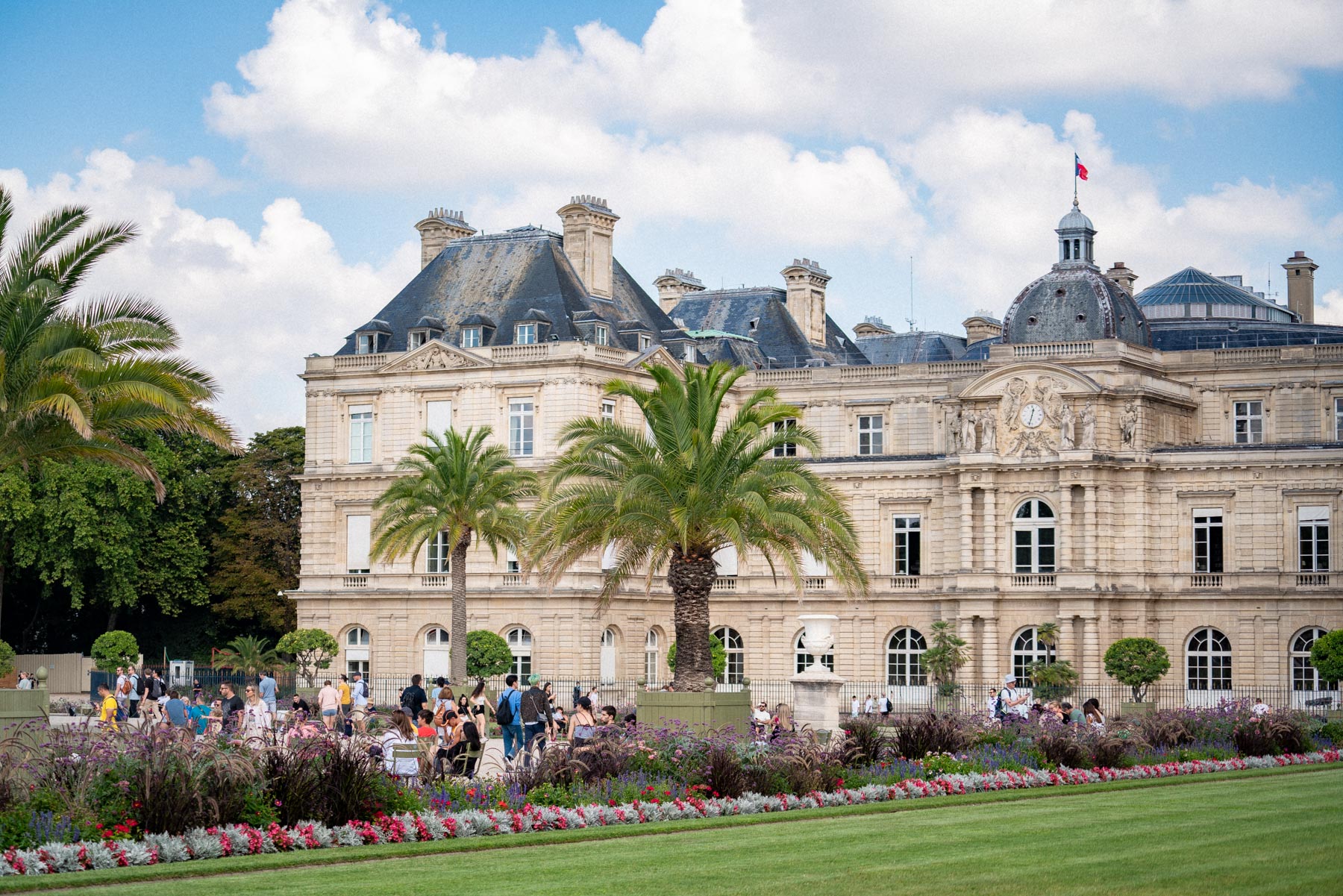
This is the absolute best spot for fall colors in Paris, and it’s not even close. The 60-acre Luxembourg Gardens are filled with horse chestnut trees, maples, and plane trees that turn brilliant shades of gold, amber, and rust starting in mid-October.

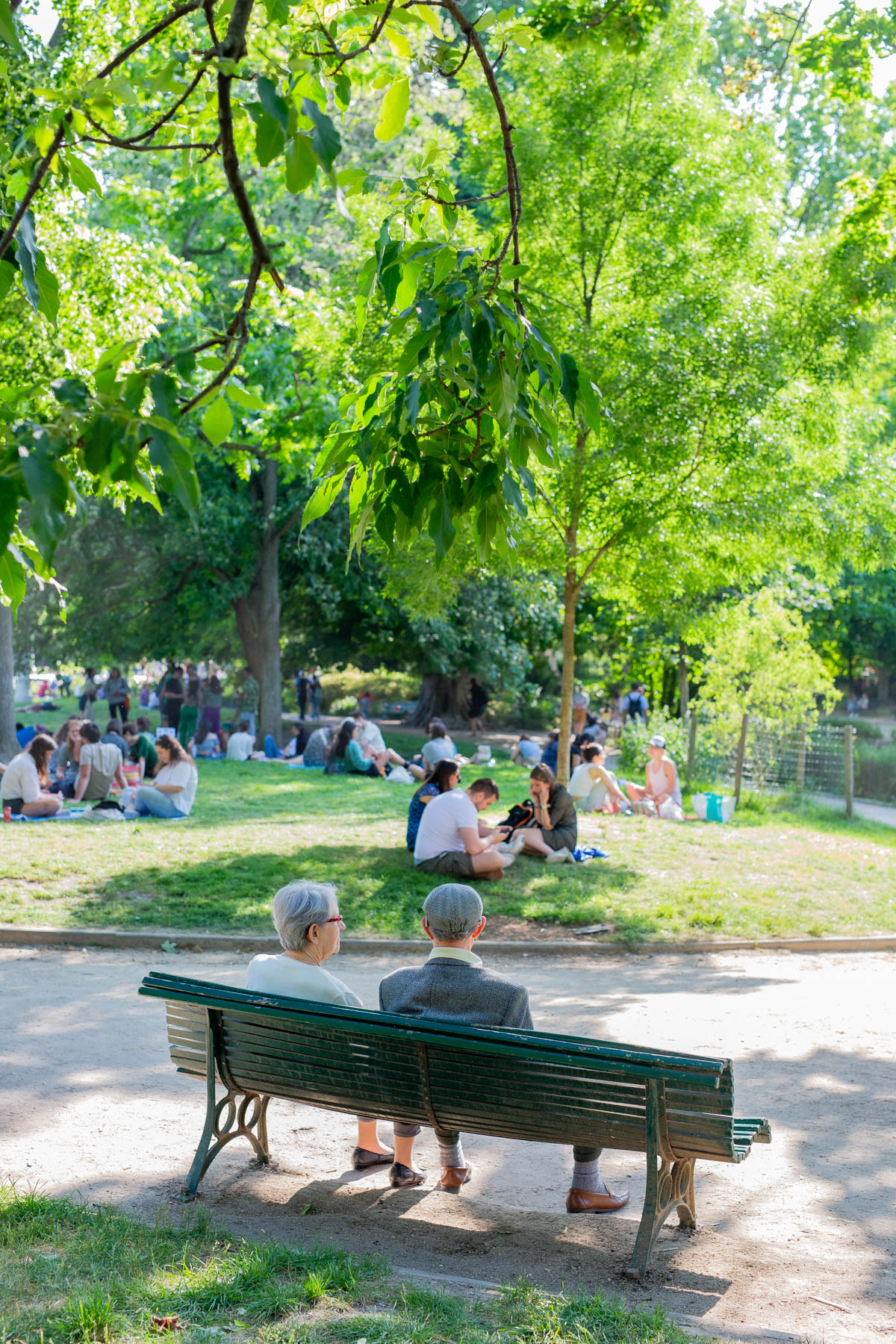
The wide gravel paths lined with orange-leafed trees, the green metal chairs scattered around the central fountain, the old men playing chess. It’s so perfectly Parisian in autumn that it almost feels staged. But it’s just Paris being Paris.
Go in the morning when the light is low and the gardens are quiet. Grab a coffee from a nearby café first and bring it with you. You’ll want to sit and soak it in.
Tuileries Gardens
Stretching from the Louvre to the Place de la Concorde, the Tuileries in autumn are a masterclass in symmetry and color. The neatly trimmed trees lining the central path turn golden in October, creating these tunnels of warm light that are gorgeous to walk through.
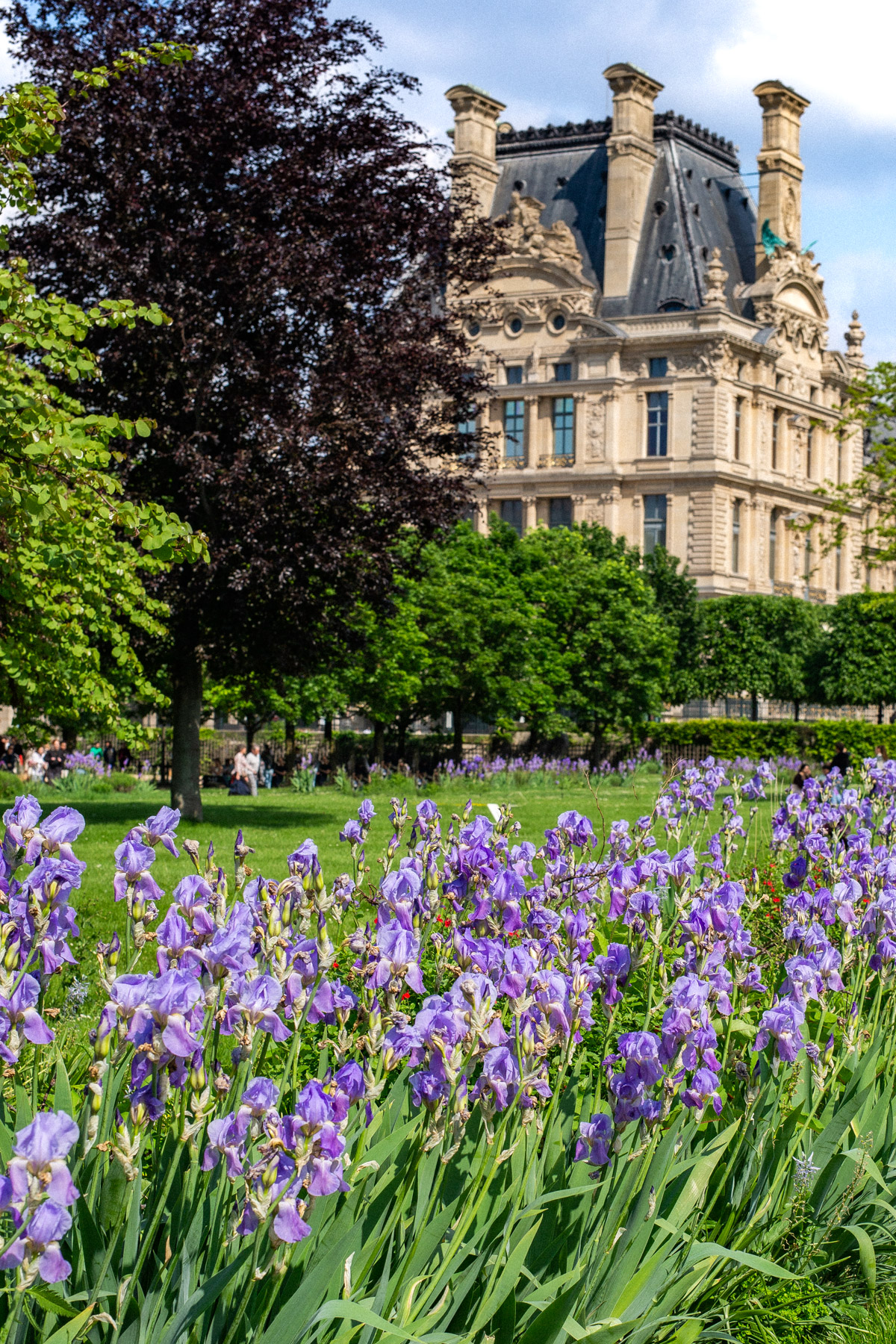
The gardens also host the annual Foire Internationale d’Art Contemporain (FIAC) outdoor installations in October, so you might stumble across contemporary sculptures and art pieces scattered among the autumn leaves. It’s one of those unexpected combinations that just works.
Along the Canal Saint-Martin
The plane trees lining the Canal Saint-Martin turn golden in late October, and the reflection on the water is genuinely beautiful. This is the neighborhood where young Parisians hang out, so the cafés and wine bars along the canal are full of energy.

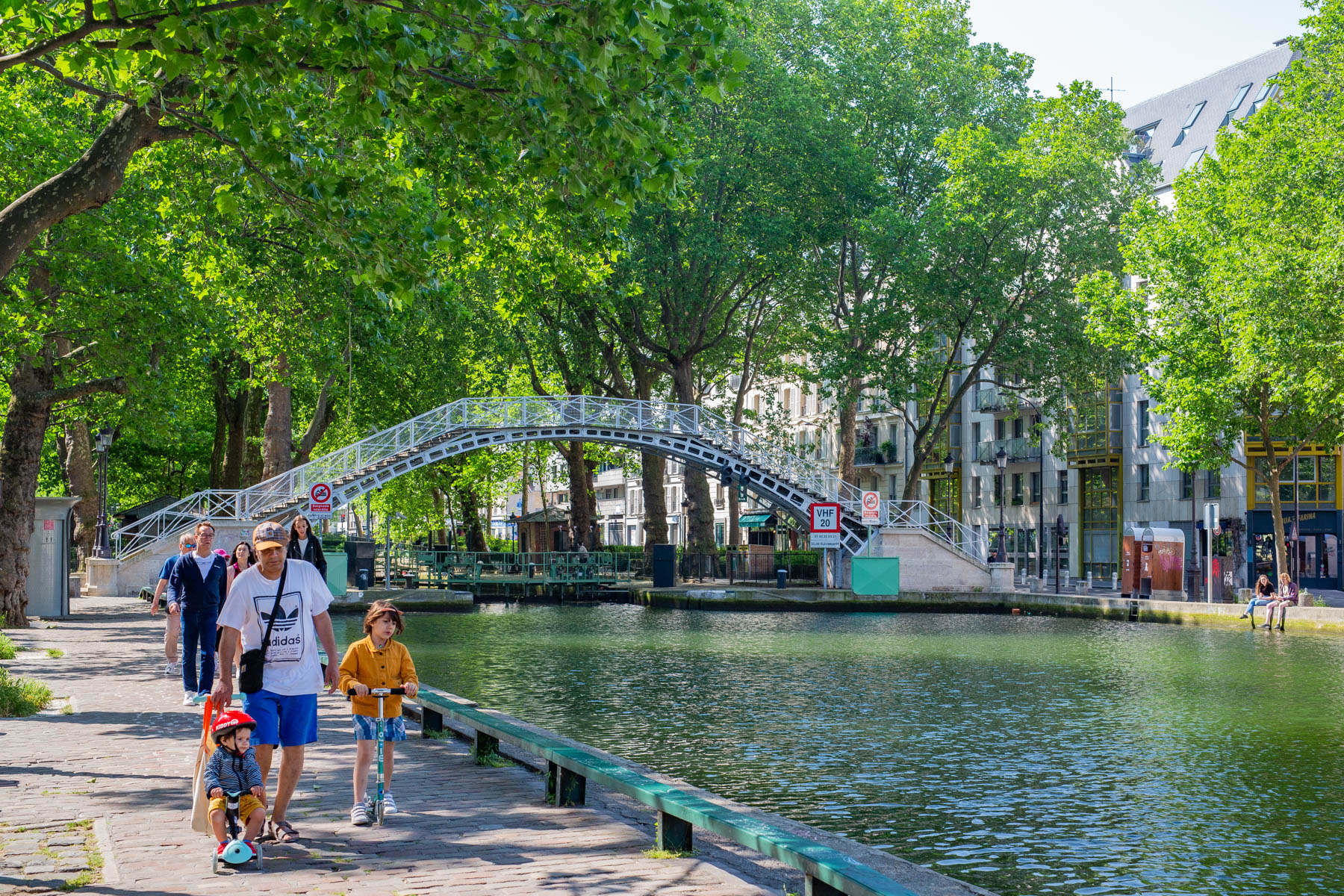
Walk the length of the canal from Place de la République north to the Bassin de la Villette. It’s about 2.5 miles and takes you through some of the most authentic, non-touristy parts of Paris.
The Best Things to Do in Paris in Fall
Café Culture at Its Peak
Fall is prime café season in Paris. The terraces are still open (and will be until at least late November, thanks to heat lamps), but the frantic summer energy has calmed. People linger over their café crème. They read actual books. They watch the world go by without checking their phones every 30 seconds.
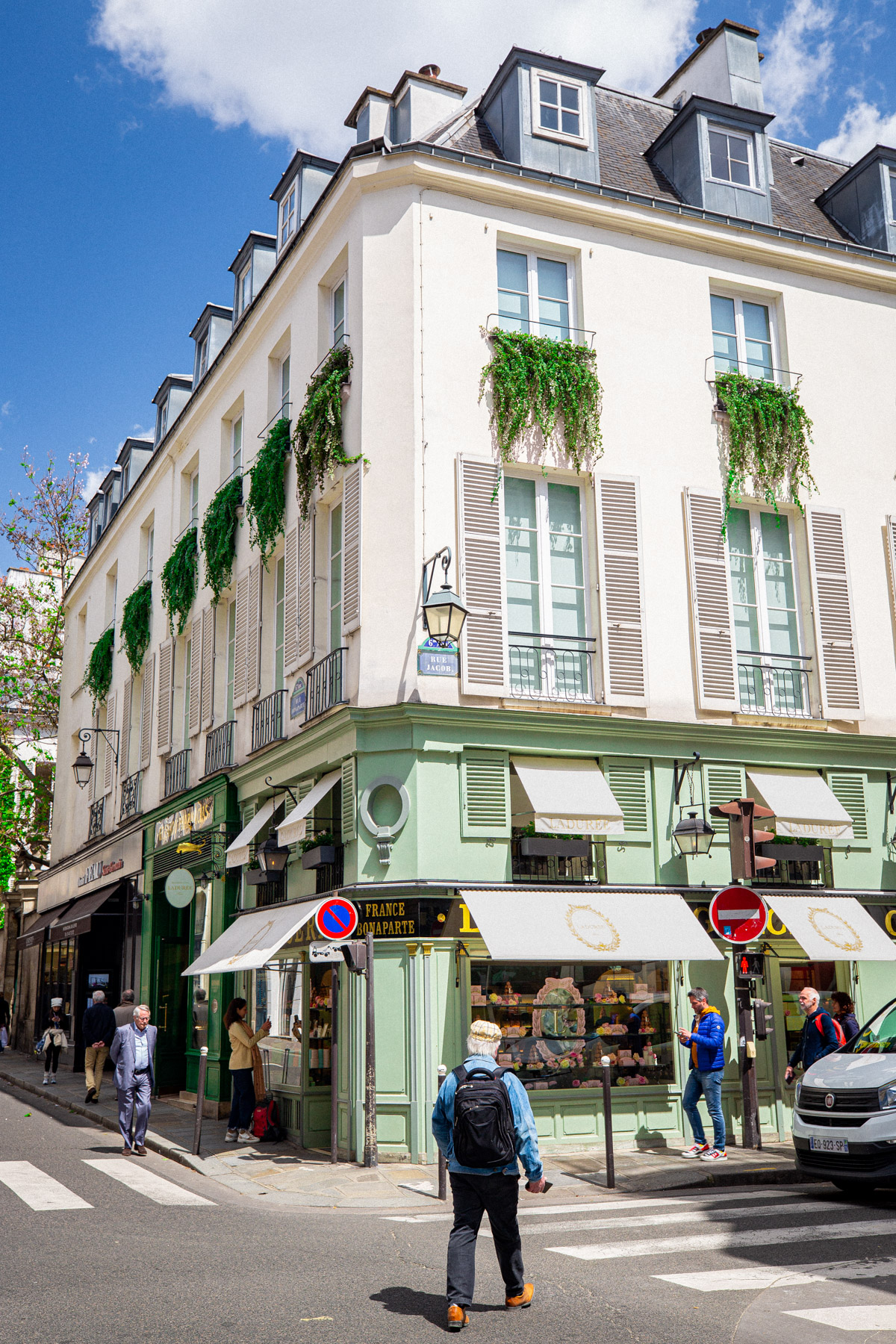
My favorite fall café routine is settling in at a Saint-Germain terrace around 10 AM with a café allongé and a pain au chocolat, watching the neighborhood come to life. Students heading to the Sorbonne. Shopkeepers opening their doors. The occasional older couple in matching scarves walking their tiny dog.
Café de Flore and Les Deux Magots are the famous ones, and they’re genuinely lovely in fall when the tourist crowds thin. But also try some of the smaller places on Rue de Seine or around Place Saint-Sulpice. Same energy, half the price.
Nuit Blanche (The White Night)
Nuit Blanche is one of the most unique events in Paris and it happens only once a year, on the first Saturday of October. The entire city transforms into an all-night, open-air art gallery. Museums, churches, public buildings, and outdoor spaces host free art installations, performances, and projections from sunset until sunrise.
It started in 2002 and has become a genuine cultural phenomenon. We’re talking hundreds of thousands of people walking the streets all night, discovering art in unexpected places. A light show projected on the Panthéon. An interactive sound installation inside a closed swimming pool. Dance performances in the courtyard of the Palais Royal.
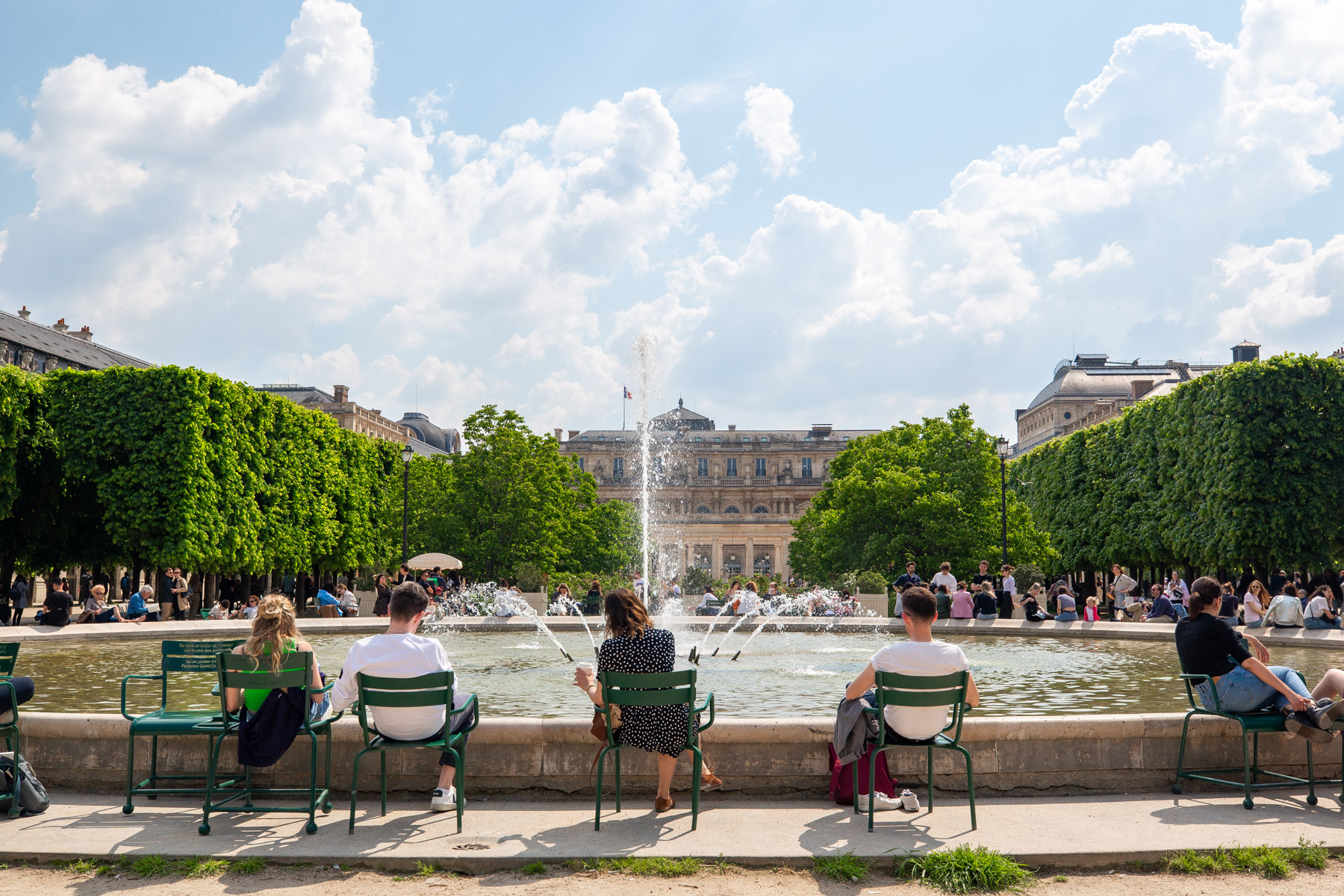
The Metro runs all night for the event (one of the only times it does), and everything is free. It’s easily one of the most memorable things I’ve experienced in Paris, and it’s one that most tourists have never heard of.
Montmartre Grape Harvest Festival (Fête des Vendanges)
Yes, there’s a working vineyard in Montmartre. It’s tiny (about 2,000 vines on a steep hillside), but it’s been there since the 12th century and it produces around 500 bottles of wine each year.
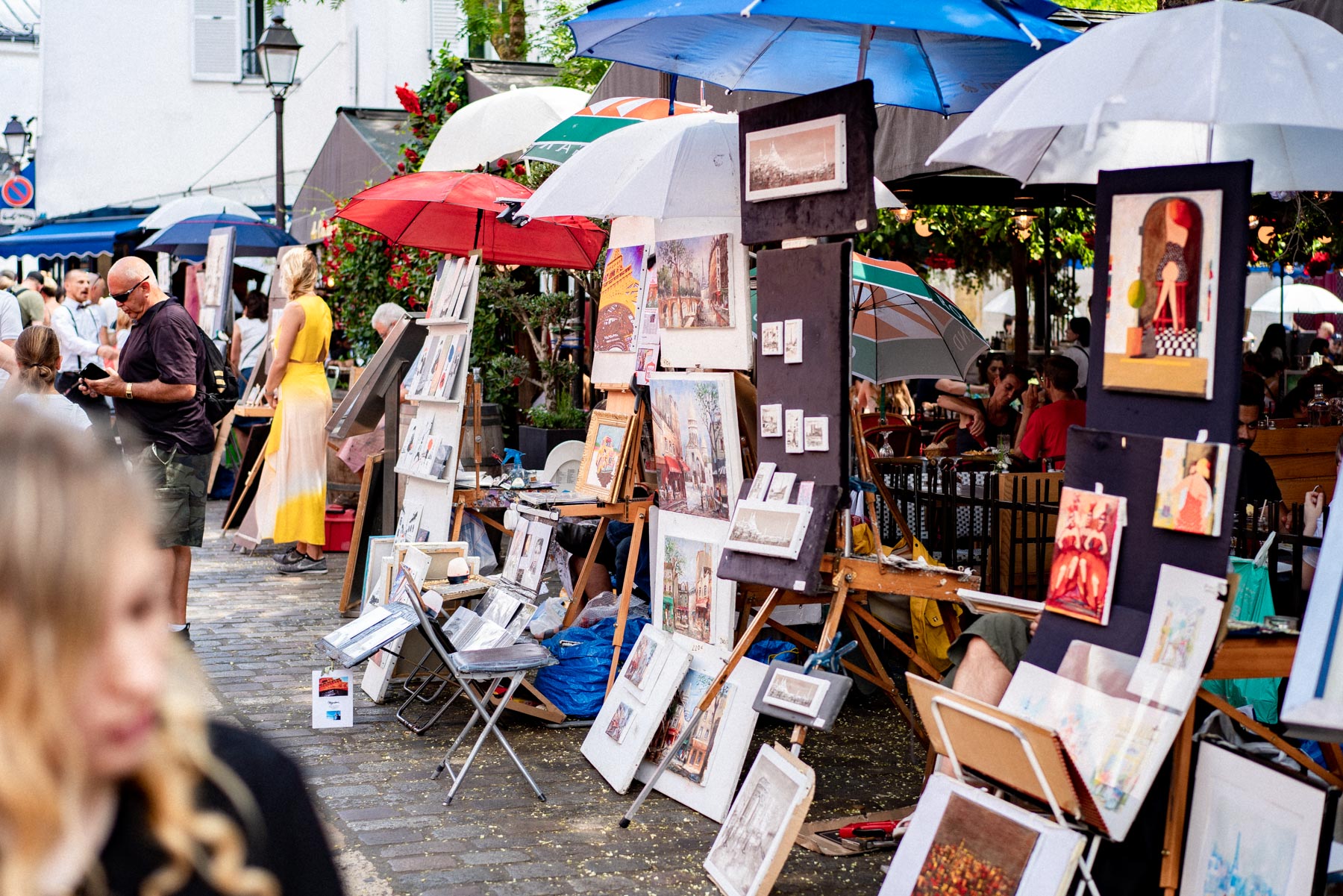
Every October, the neighborhood throws the Fête des Vendanges de Montmartre, a five-day harvest festival with parades, wine tastings, concerts, fireworks, and more food stalls than you can possibly visit. It’s a true neighborhood celebration, and it feels wonderfully local.
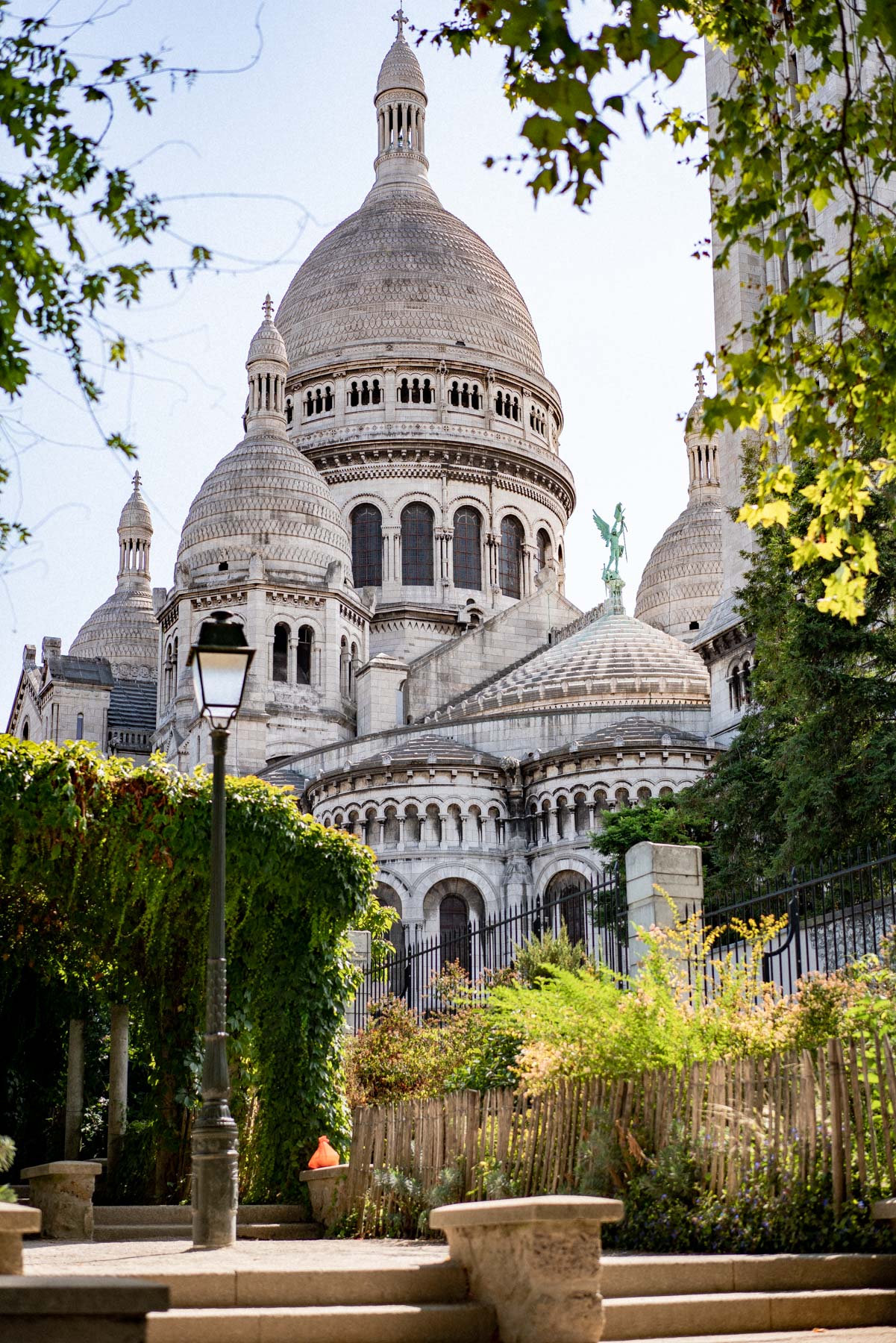
The festival takes over the streets around the Sacré-Coeur and spills down toward the Place du Tertre. Local restaurants set up outdoor stands, bands play on makeshift stages, and there’s a general atmosphere of joy that’s infectious. The opening parade on Friday evening and the Saturday night fireworks are the highlights.
The wine itself is… well, it’s not Burgundy. But you can buy a bottle as a souvenir, and the novelty of drinking wine grown inside Paris city limits is worth the €30-40 price tag.
Wine Harvest Season
Speaking of wine, fall is harvest season throughout France, and Paris feels the effects. Wine bars stock their shelves with new vintages, restaurants update their wine lists, and in late November, the Beaujolais nouveau arrives.
Beaujolais nouveau release day (the third Thursday of November) is a genuine event in Paris. Wine bars and restaurants open bottles at midnight, and the whole city seems to celebrate. The wine itself is light, fruity, and meant to be drunk young. Is it the best wine in France? No. Is it fun? Absolutely.
If you want to take a day trip to wine country, fall is ideal. Champagne is about an hour from Paris by train, and several companies run harvest-season tours that include vineyard visits, tastings, and lunch.
Fall Markets and Food
The outdoor markets in Paris shift dramatically in fall. Summer stone fruits and berries give way to wild mushrooms (cèpes, chanterelles, girolles), chestnuts, squash, figs, persimmons, and the first oysters of the season.
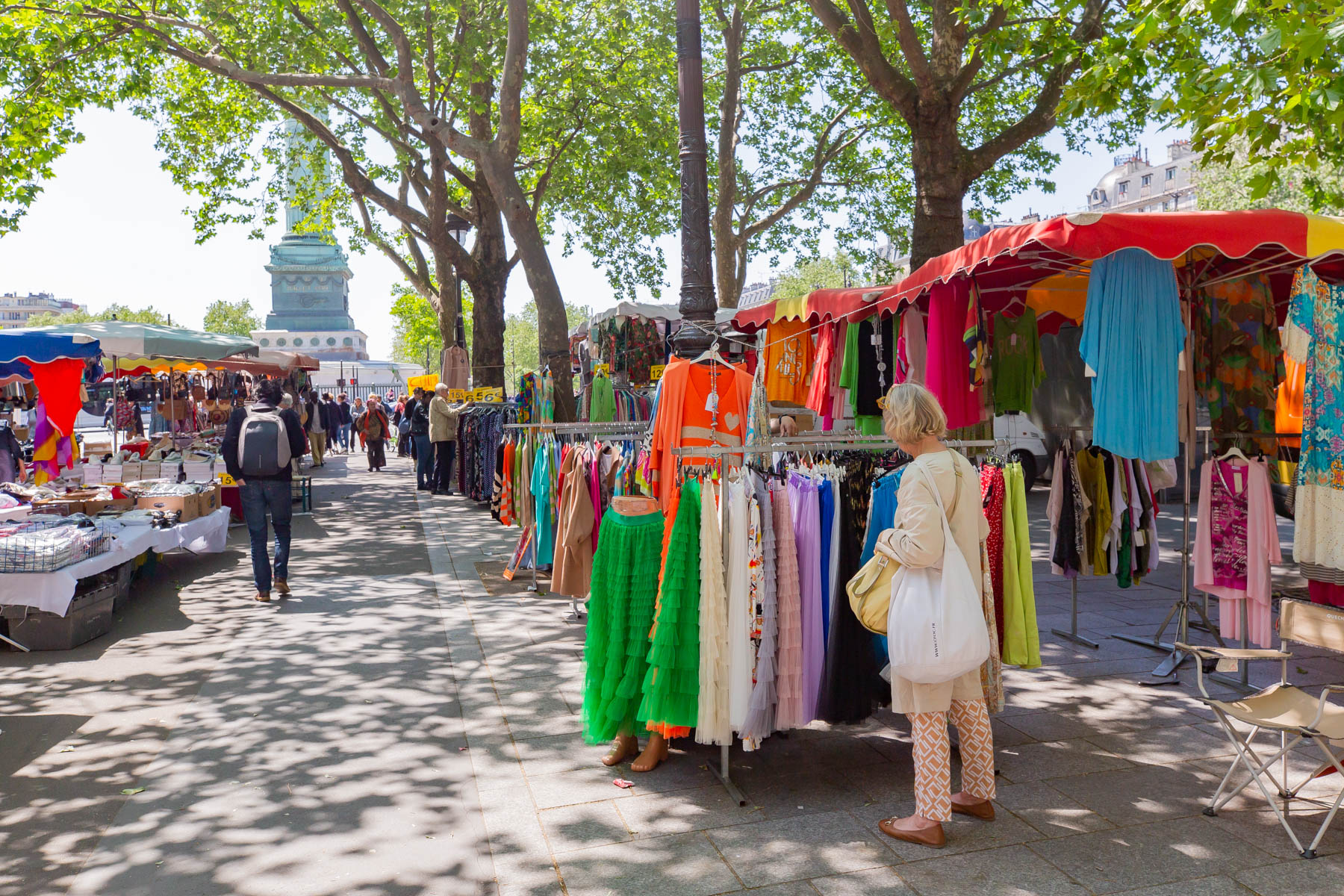
The Marché Bastille (Thursday and Sunday mornings) is the biggest and best. Arrive hungry. Grab some roasted chestnuts from a street vendor (they’re everywhere starting in October, sold in little paper bags for €4-5) and wander the stalls.
Restaurants lean into the season too. Fall menus in Paris mean game birds, pumpkin soups, tartiflette (that impressive baked potato-and-cheese dish from the Alps), and chocolate desserts that get richer and more intense as the weather cools.
Romantic Fall Walks
Paris is already the most romantic city in the world. Add autumn colors and crisp air, and it’s almost unfairly beautiful.
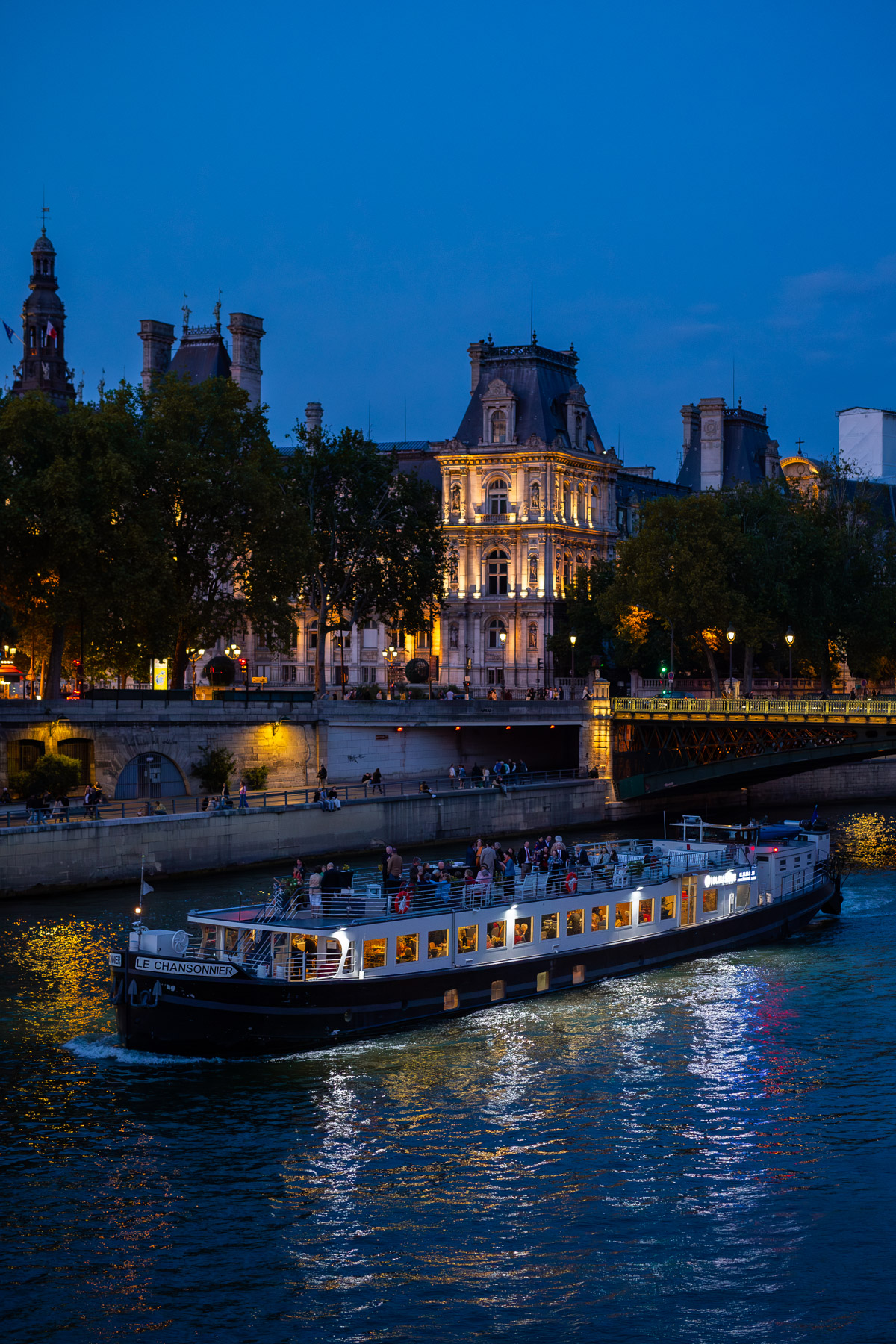
My favorite fall walk starts at the Île Saint-Louis, crosses to the Left Bank, follows the Seine past Shakespeare and Company bookshop, through the Latin Quarter, and ends at the Luxembourg Gardens. It takes about 90 minutes if you walk slowly, which you should. Every block has something to look at, smell, or photograph.
Another great one follows the Rue des Martyrs up through the 9th arrondissement to Montmartre. It’s one of the best food streets in Paris, lined with fromageries, chocolate shops, and wine stores, and in fall, the shop windows are decorated with seasonal displays that make the whole street feel like a scene from a film.
What to Pack for Paris in Fall
Fall packing for Paris is all about layers. The mornings are cool, the afternoons can be surprisingly warm (especially in September), and the evenings drop off again. Here’s what actually works.
A light jacket or trench coat. The classic Paris trench isn’t just for fashion. It’s genuinely practical in October. Water-resistant, warm enough for 50°F weather, and light enough to carry when the sun comes out.
Scarves. Bring at least two. Parisians accessorize with scarves the way other people accessorize with jewelry. A lightweight silk or cotton scarf for September, a warmer wool one for November.
Walking shoes. This hasn’t changed since my Paris in spring advice. You will walk 8-12 miles a day. Your shoes matter more than any other item in your suitcase. Break them in before you go.
A compact umbrella. Not negotiable in fall. Get one that fits in your day bag without taking up too much space.
Layers underneath. Long-sleeve shirts, a light sweater, and something warmer for November evenings. You want to be able to strip down inside heated museums and layer back up when you step outside.
Where to Stay in Paris in Fall
Fall is a great time to stay in neighborhoods that might be uncomfortably hot or crowded in summer.
Le Marais (3rd and 4th arrondissements) is my top pick for fall. The narrow medieval streets are sheltered from wind, the density of cafés means you’re never far from a warm drink, and the neighborhood’s mix of Jewish bakeries, vintage boutiques, and art galleries is endlessly interesting to explore.
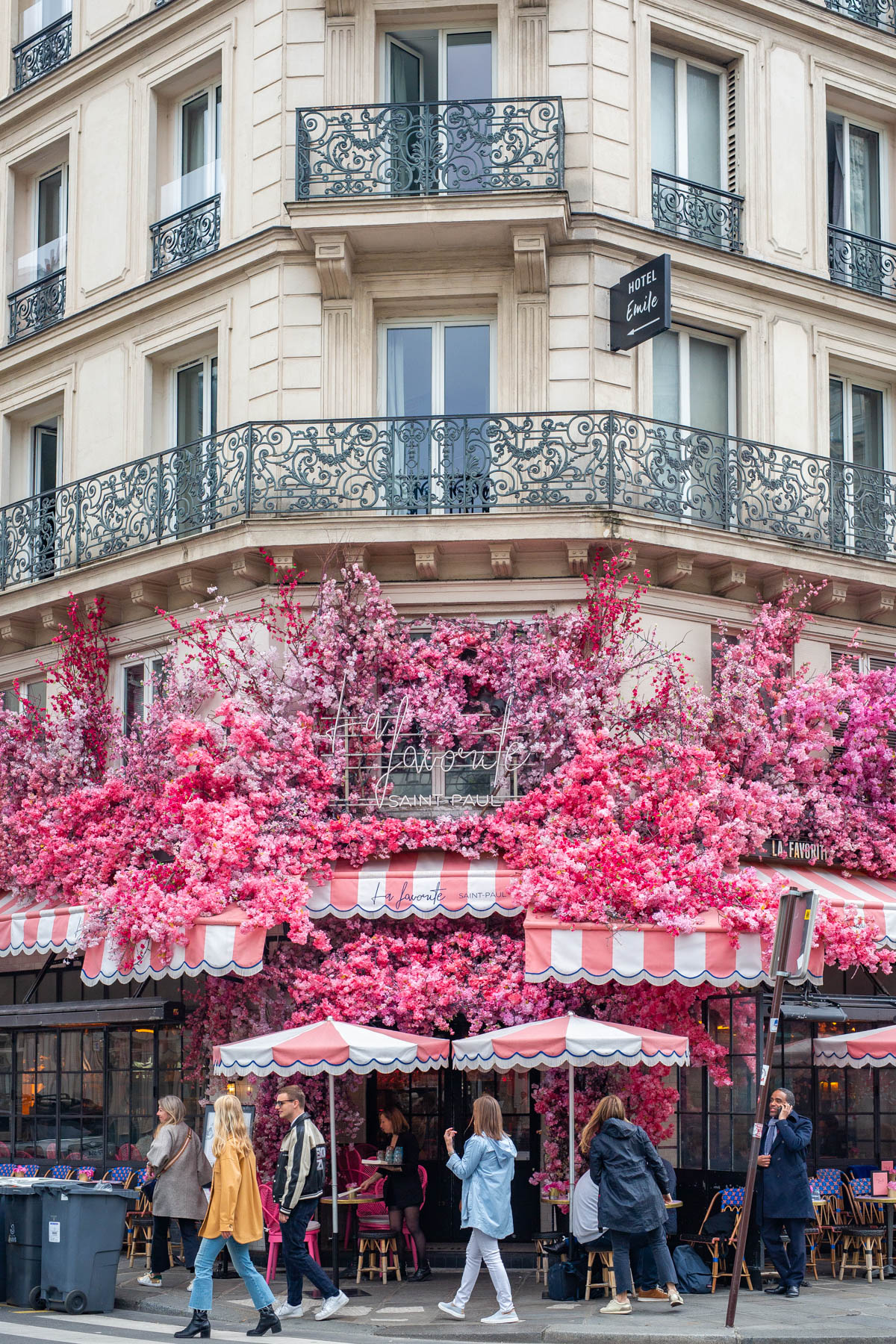
Saint-Germain-des-Prés (6th arrondissement) is classic for a reason. Literary cafés, excellent restaurants, proximity to the Luxembourg Gardens. It’s pricier but worth it for the atmosphere.
The Latin Quarter (5th arrondissement) is great for budget travelers. Student neighborhood energy, affordable bistros, and easy walking distance to Notre-Dame and the Seine.
Montmartre (18th arrondissement) is especially magical in fall, with the vineyard harvest and the neighborhood’s village-like atmosphere. Just be prepared for hills.
Practical Tips for a Fall Trip to Paris
Daylight hours. September still gives you about 13 hours of daylight. By late November, that drops to about 9. Plan your outdoor activities around the available light, especially if photography matters to you.
Book ahead for restaurants. La rentrée means Parisians are eating out again. Popular bistros fill up quickly for dinner, especially on weekends. Book 2-3 days ahead for any restaurant you really want to try.
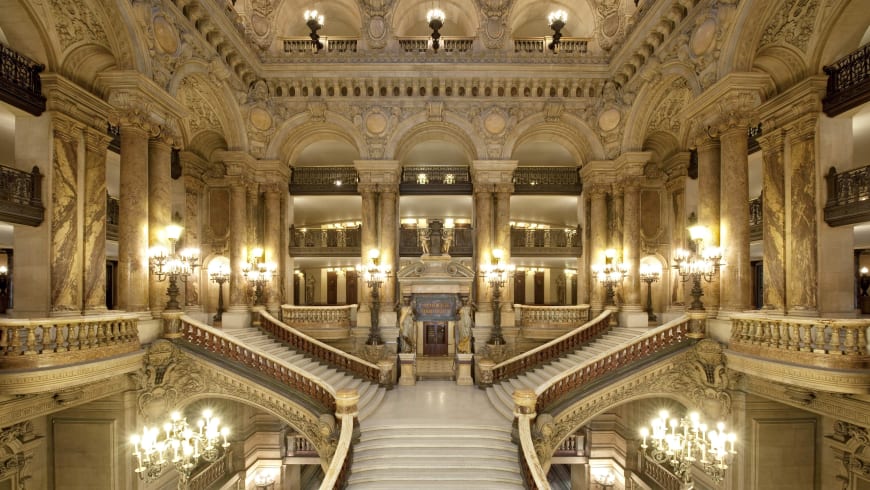
Cultural season tickets. Fall is when Paris’s performing arts season launches. The Opéra Garnier, Théâtre du Châtelet, and Philharmonie de Paris all release their fall schedules in September. If you’re interested, book early. The opening nights sell out fast.

The Metro. Still the best way to get around. Same as always. But in fall, also consider walking more. The weather is perfect for it, and you’ll discover things between Point A and Point B that you’d miss underground.
Travel insurance. Fall weather is generally predictable, but the occasional storm can disrupt flights. Basic travel insurance that covers delays and cancellations is worth the $30-50 for peace of mind.
A Perfect Fall Day in Paris
Here’s how I’d spend an ideal October day in Paris.
Wake up early and walk to a boulangerie for a warm croissant and a café crème. Eat it on a bench in the Luxembourg Gardens while the morning mist lifts off the fountain. Watch the regulars jog past and the gardeners rake leaves into neat piles.
Mid-morning, head to the Musée d’Orsay or the Orangerie. Both are manageable in size (unlike the Louvre, which requires a full day), and in fall, you might have entire rooms to yourself.
Lunch at a neighborhood bistro. Something seasonal. Mushroom risotto, a salade Lyonnaise, a glass of Côtes du Rhône. Sit by the window and watch the street.
Afternoon, wander. Through the Marais, along the Seine, up to Montmartre. Stop whenever something catches your eye. That’s the beauty of Paris in fall. There’s no rush. The city invites you to slow down, and the weather is perfect for doing exactly that.
Late afternoon, find a wine bar. Paris has hundreds of excellent natural wine bars, and fall is when they start pouring the new releases. A glass of something interesting, a cheese plate, a quiet moment.
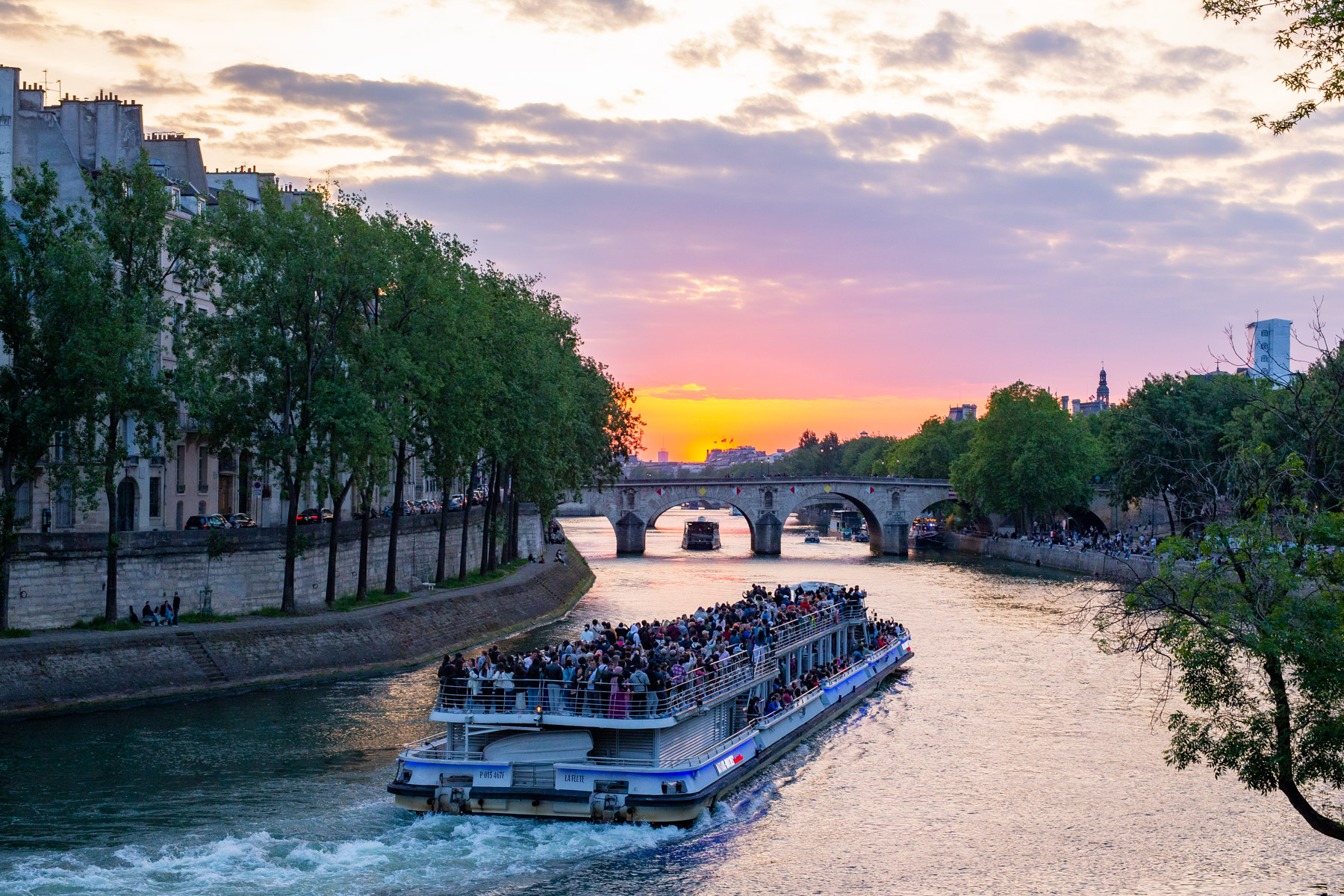
Dinner somewhere you’ve booked ahead. Walk home along the Seine at night. Watch the Eiffel Tower sparkle on the hour.
That’s a fall day in Paris. Simple, unhurried, and perfect.
Final Thoughts on Visiting Paris in Fall
I understand why spring and summer get all the attention. The cherry blossoms, the long evenings, the Instagram appeal. But fall in Paris has something those seasons don’t. It has authenticity.
When you visit Paris in fall, you’re seeing the city the way Parisians actually live in it. Not the tourist version, not the postcard version, but the real thing. The neighborhood routines, the seasonal food, the cultural energy of la rentrée, the golden light that makes everything look a little more beautiful than it has any right to.
If you’ve been to Paris before and want to see a different side of it, come in fall. And if you’ve never been and want to see the real Paris, come in fall then too.
The locals will be glad you did. (Well, as glad as Parisians ever are about tourists. Which, honestly, in fall, is pretty glad.)