



In the revitalizing landscape of Scotland’s Affric Highlands, neighboring landowners have come together to re-wet and restore degraded peatland. This globally rare ecosystem, artificially engineered across most of its range, now stores more carbon, provides unique habitats for a variety of specialist species, and retains water for longer at high elevations.


an overlooked ecosystem


Peatlands are unique ecosystems that are home to a variety of species. Sphagnum moss covers the floor in a colorful carpet, dragonflies buzz over puddles, and a variety of ground-nesting birds take advantage of the safety of the waterlogged terrain to raise their young. Habitat that once seemed barren is actually a haven for wildlife. Moreover, they are also one of the most important climate change response tools we have.
Peatlands cover only 3% of the Earth’s surface, but store more than 30% of soil carbon. This is more than double the amount found in forests worldwide. However, historically attempts to make land more productive (often for forestry or agricultural purposes) have led to the depletion of much of it.
When these important carbon sinks are eroded, they turn into carbon sources that oxidize with the air and release huge amounts of carbon dioxide into the atmosphere. In Scotland, where 13% of the world’s total bogs are found, Rewilding Affric Highlands and its partners are on a mission to change that.


james shooter
Peatland Partnership
Across the country, peatland drainage, extraction, overgrazing, increasing bushfires and prescribed burning have made Scotland’s peatlands unsuitable for nature or people. 80% of this unique habitat is now degraded across the country, but more than 1000 hectares within the Affric Highlands Rewilding Landscape have been restored.
Three neighboring landholdings – Trees for Life’s Dundreggan Estate and the private lands of Guisachan and Corrimony Farm – have come together to carry out large-scale restoration of the land, with expert advice from Caledonian Climate and support from Rewilding Affric Highlands.
“This is about restoring entire ecosystems at landscape scale through a shared commitment to address the natural and climate emergency and benefit local communities,” said Stephanie Kiel, Executive Director of Rewilding Affric Highlands.
water is life
Peat is formed when wetland plants die and the decomposing organic matter becomes trapped in anaerobic (oxygen-deficient) conditions and becomes waterlogged. This forms a condensed mat, which eventually becomes peat at a rate of just 1 mm per year. It is this very slow process that makes peatland restoration so important. Because it takes thousands of years for these specialized habitats to be replaced.
On a remote hilltop, restoration teams are re-profiling peat gullies (exposed ridges of dried peat soil) and ditches to prevent further erosion. They have also been plugging artificial drains and transplanting sections of sphagnum moss into bare soil to trap water. This keystone species is one of the most important peatland plants, with its ability to hold approximately 20 times its own weight in water and acidify the surrounding environment, creating perfect conditions for peat formation.
These important steps mean the region can now better retain and store carbon once again, in addition to filtering, cleaning and retaining huge amounts of water. This will, in turn, reduce flood risk, mitigate drought and increase land resilience to bushfires. Wet conditions will also increase biodiversity, providing important habitat for species such as the carnivorous sundew and the rare black-throated diver.

long term investment
This multi-year scheme has benefited from a variety of innovative funding sources, including the Scottish Government’s Peatland ACTION Fund, which has provided more than £250 million to restore these precious ecosystems across the country. Additional funding came from Alex Grigg and Wilderway, a nature and carbon credit development company incubated by Rewilding Europe and which will now become an independent entity in 2024.
The British Dragonfly Association and the Scottish Government’s Nature Restoration Fund provided additional funding to establish a series of dragonfly breeding grounds across the landscape. These shallow wetlands are expected to support the return of endangered swamp species such as white-faced darter, blue hawk and northern emerald.
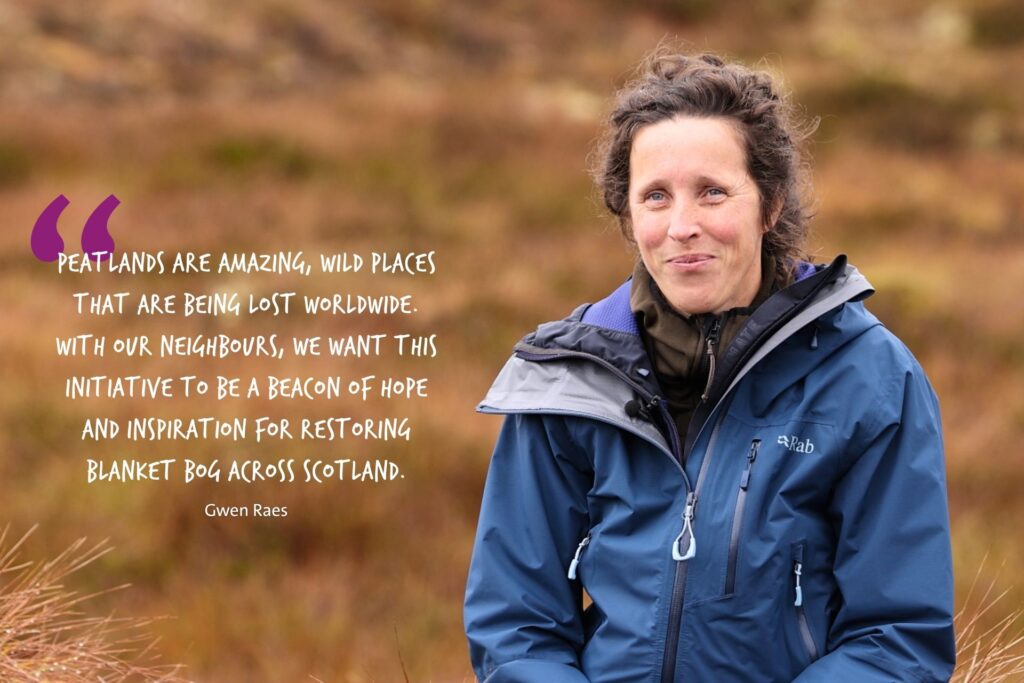
Gwen Raes, Dundreggan estate manager at Trees for Life, said: “Peatlands are amazing, wild places that are disappearing around the world. Together with our neighbors, we hope this scheme will be a beacon of hope and inspiration for the restoration of blanket bogs across Scotland.” This holistic approach to nature restoration shows how closely linked climate and ecological emergencies are. You can’t get one without the other.
This is a pioneering approach being taken by a network of landscape team partners such as Rewilding Europe and Rewilding Affric Highlands. Whether it’s restoring peatlands in Scotland, reviving wild rivers in Sweden or revitalizing wetlands in Ukraine, restoring the continent’s wild spaces is essential for the climate, nature and people.
Want to know more?
Visit the Rewilding Affric Highlands website.
Wilderway: Making rewilding investable.


