



Millions of people across western Cuba and Havana were without power as the Caribbean country’s power grid collapsed and its oil reserves dwindled.
The outage was caused by the shutdown of the Antonio Guiteras thermal power plant in the city of Matanzas. It is reported that the factory was closed due to a boiler leak and pipe rupture within the factory.
The recent increase in power outages on the island is widely believed to be due to fuel shortages caused by the U.S. oil blockade. The Trump administration has threatened to cut off Venezuela’s main oil supplies and impose tariffs on potential new oil suppliers.
A student currently attending the University of Havana said: Latin America Report Speaking about the power outage, speaking on condition of anonymity for fear of repercussions, she explained that her anxiety is growing in the face of the current situation.
“I couldn’t sleep for more than a short period of time (due to the power outage),” she explained. “Of course we have no water. I don’t know how much longer the Cubans can take,” she warned.
While the outage appears to be a direct result of the collapse of the Antonio Guiteras factory infrastructure, it could also be an indirect result of sanctions. Government officials have reported that U.S. economic sanctions on the island are preventing the government from purchasing new equipment and special parts needed for the plant.
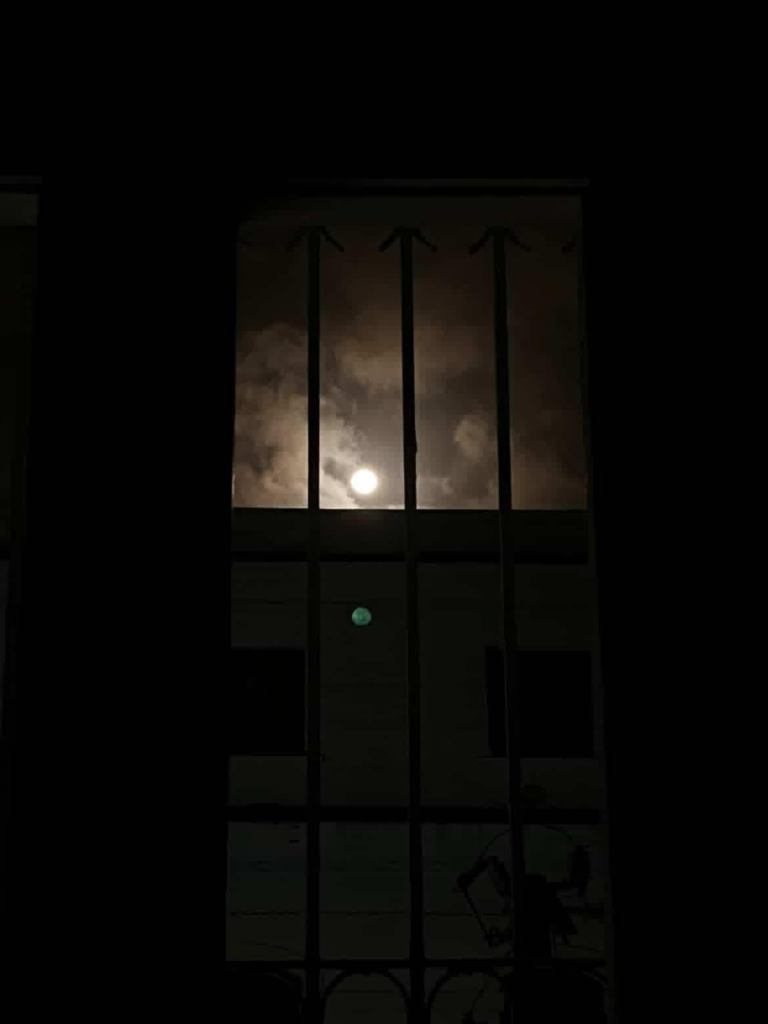
Image source: Havana resident who wishes to remain anonymous
According to a Cuban government report, suspending the decades-old US trade embargo on the island for just five days could prevent a financial loss of US$100 million. This is estimated to be equivalent to the cost of repairs to the Antonio Guiteras factory. According to Cuban Foreign Minister Rodríguez Parrilla, a 12-day suspension of the embargo would cover the entire annual maintenance budget of the entire Cuban electric energy system.
But some opponents of the regime blame the Cuban Communist Party’s central economic planning for shortages of power, food and water. The U.S.-based Center for a Free Cuba (CFC) has criticized the government for not investing enough in infrastructure in the first decade after the revolution, when Cuba received heavy subsidies from the Soviet Union.
The CFC also accuses the Communist Party elite of enriching themselves and worsening shortages at the expense of the Cuban population.
Most of the country’s power plants were completed in the 1980s and 1990s, and maintenance has been inadequate since then. Therefore, the plants all suffer from varying degrees of severe deterioration. Power outages have long been a feature of daily life in Cuba, especially since 2022.
According to a Cuban government official quoted by a state radio station: radio Rebel, Restoration of normal functioning at the Antonio Guiteras plant following the recent outage could take up to 72 hours.
The Cuban government has attempted to diversify its energy supply by investing in the installation of solar power complexes with support from China. This has had some success. From early 2025 to 2026, Cuba will connect 49 new solar parks to the grid, increasing solar power generation from 5.8% to more than 20% of total energy consumption. These installations added more than 1,000 megawatts of capacity to Cuba’s power grid.
But critics of the Cuban government argue the country is overstating the significance of this achievement, noting that the country lacks the large-scale battery storage systems needed to provide solar power to meet night-time demand.
Featured Image: Cubans cooking with torches after power outage
Image credit: Ramon Espinosa via Heute.at
patent: Creative Commons License


