The Smarter Side of Luxury: How Borrowing, Renting, and Pre-Owned Are Redefining Status
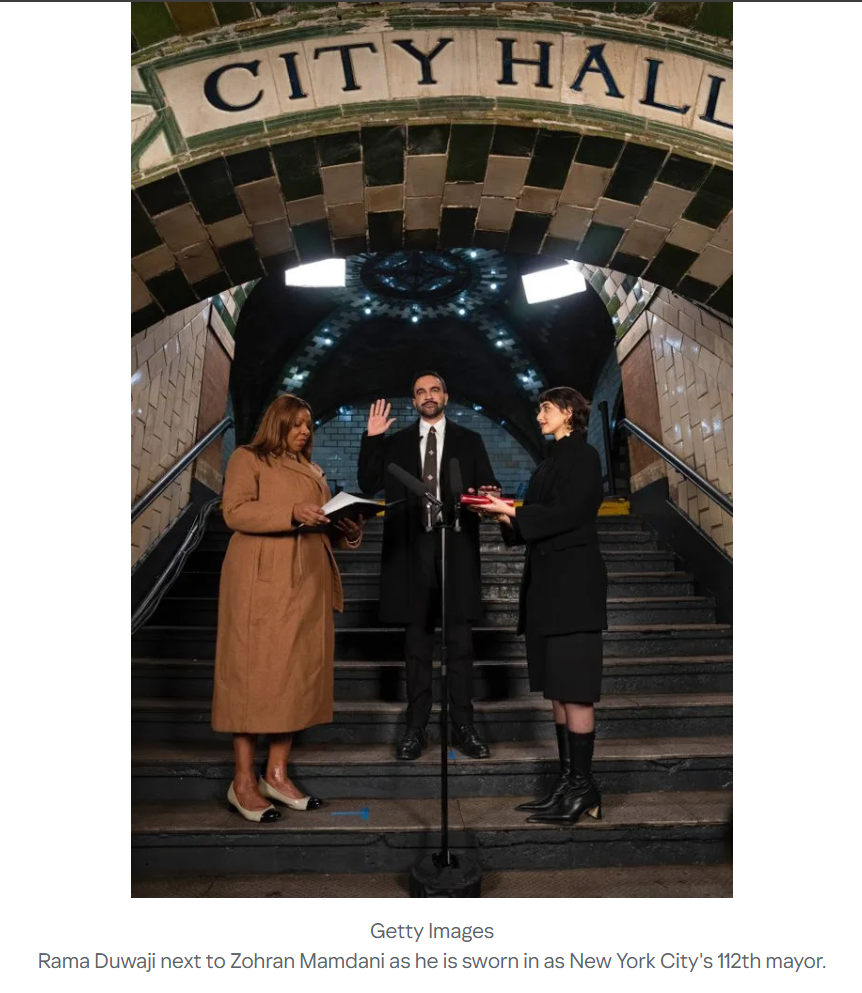
On January 1, 2026, during New York City’s mayoral swearing-in ceremony, fashion made a quiet but telling statement. Mayor Zohran Mamdani and Rama Duwaji chose to borrow and rent their outfits—an intentional departure from the tradition of brand-new, headline-grabbing looks.
The most revealing detail wasn’t what was worn, but how it was sourced.
In the fashion credits for Rama Duwaji’s look, a small note stood out: “On loan.” For the midnight ceremony held in an old subway station, she wore a vintage Balenciaga wool coat rented from the Albright Fashion Library, paired with borrowed shorts from The Frankie Shop, vintage earrings, and Mista Shelley boots—also on loan. Nothing about the look felt temporary or compromised. It was polished, composed, and quietly confident.
That single credit line said more about the future of luxury than any runway manifesto.
At a time when fashion houses are racing to rebrand themselves as sustainable, this choice quietly flipped the script, proving that the most meaningful progress often happens outside the boutique.
What That “On Loan” Credit Really Signals
Borrowing and renting at a mayoral swearing-in isn’t a styling gimmick—it’s a values-based decision.
When public figures choose archival or vintage pieces for moments of visibility, the message is subtle but unmistakable: clothing doesn’t need to be new to feel significant. What gives a garment meaning is the time, skill, and craftsmanship already embedded in it, and the respect shown by allowing it to continue its life rather than replacing it.
Luxury has always been about access: access to craftsmanship, access to rarity, access to objects with cultural weight. What’s changing isn’t the desire for luxury, but the way access is achieved. Ownership is no longer the only marker of status. Increasingly, it’s discernment—knowing when to buy, what to borrow, and how to keep exceptional pieces in circulation.
This is where sustainability stops being abstract and starts becoming practical.
Sustainable Luxury Fashion: The Smarter Way Forward
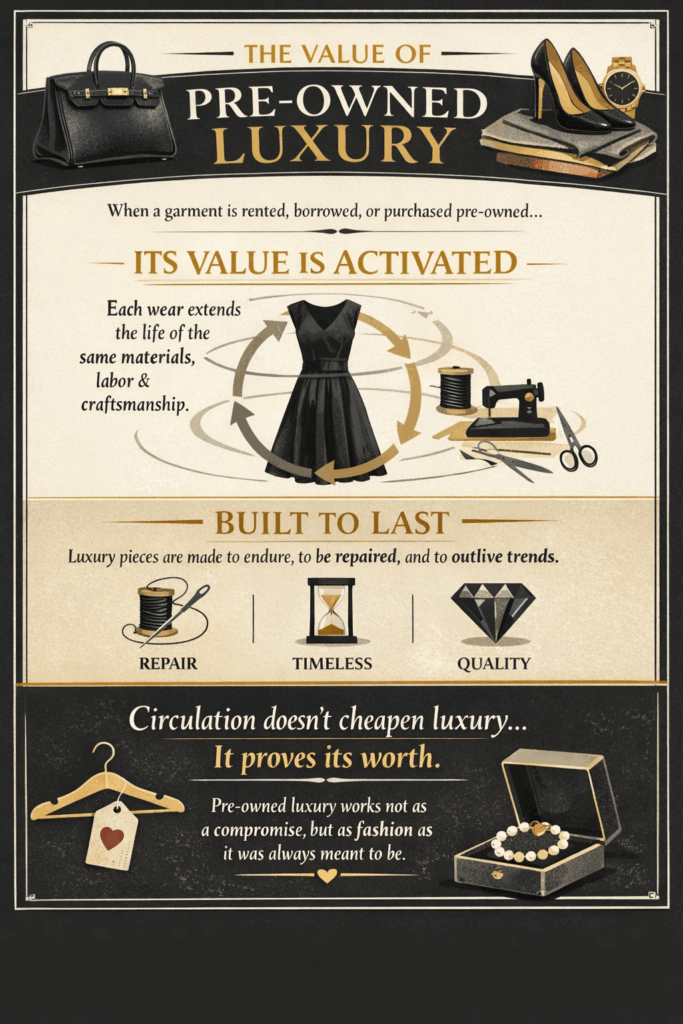
When a garment is rented, borrowed, or purchased pre-owned, its value isn’t diluted—it’s activated. Each additional wear extracts more return from the same materials, the same labour, the same craftsmanship. That efficiency is what most “sustainable luxury” conversations miss.
Luxury pieces are uniquely suited to this model. They’re built to endure, to be repaired, and to outlive trends. Circulation doesn’t cheapen them; it proves their worth.
Pre-owned luxury works not because it is a compromise, but because it aligns with how high-quality fashion was always meant to function.
Luxury Needs a Reset—Not a Rebrand
This isn’t about decluttering closets or romanticising minimalism. It’s about rethinking how luxury fits into a circular economy.
The shift toward authenticated pre-owned designer fashion isn’t driven by a sudden moral awakening within the industry. It’s driven by consumers who are better informed, more selective, and increasingly unimpressed by vague “eco” claims.
Even among high-net-worth buyers—where luxury is a lifestyle, not an indulgence—pre-owned pieces are reshaping what prestige looks like. Sustainability is no longer positioned against luxury. It’s becoming part of its baseline.
Can Luxury and Sustainability Really Go Hand-in-Hand?

Yes — but not in the way glossy campaigns want you to think.
True sustainability comes from longevity. Luxury craftsmanship already supports that:
- Better materials
- Smaller batches
- Timeless design
- Repair-friendly construction
But the real magic happens when these pieces circulate again — through resale, rewearing, and responsible reuse. That’s where luxury suddenly becomes meaningfully sustainable.
Why Luxury Brands Face Extra Pressure
High-end brands aren’t immune to sustainability challenges — in fact, they’re under the microscope more than ever. With external stakeholders expanding their focus beyond fast fashion, luxury labels are being pushed to:
- Rethink materials
- Modernize production
- Improve supply-chain transparency
- Treat workers and artisan communities ethically
- Reduce their environmental footprint
- Innovate without compromising craft
It’s a long to-do list, and invariably, brands sometimes take shortcuts. That’s when the PR machine gets louder than the actual progress.
The Tactics That Mimic Sustainability (But Aren’t)
The infographic you shared summarizes the most common greenwashing tricks — here they are in simple, cut-through language your readers will appreciate:
- Fibbing: Claims that sound good but aren’t true.
- Vagueness: “Eco-friendly,” “clean,” or “green” with zero specifics.
- No Proof: Environmental benefits that can’t be verified.
- Lesser Evils: Slapping a halo on a product that’s still fundamentally harmful.
- Hidden Trade-Off: Highlighting one “eco” feature to distract from everything else.
- Irrelevance: Boasting about avoiding banned or irrelevant materials to appear progressive.
These tactics work because luxury is built on storytelling — and sustainability has become part of that story.
The Greenwashing Problem: When ‘Sustainable Luxury’ Isn’t Sustainable At All
Luxury fashion loves a buzzword, and right now, “sustainable” is the hottest accessory in the room. Brands plaster it everywhere: in campaigns, hangtags, newsletters, and runway speeches. But flashy language doesn’t always match responsible action.
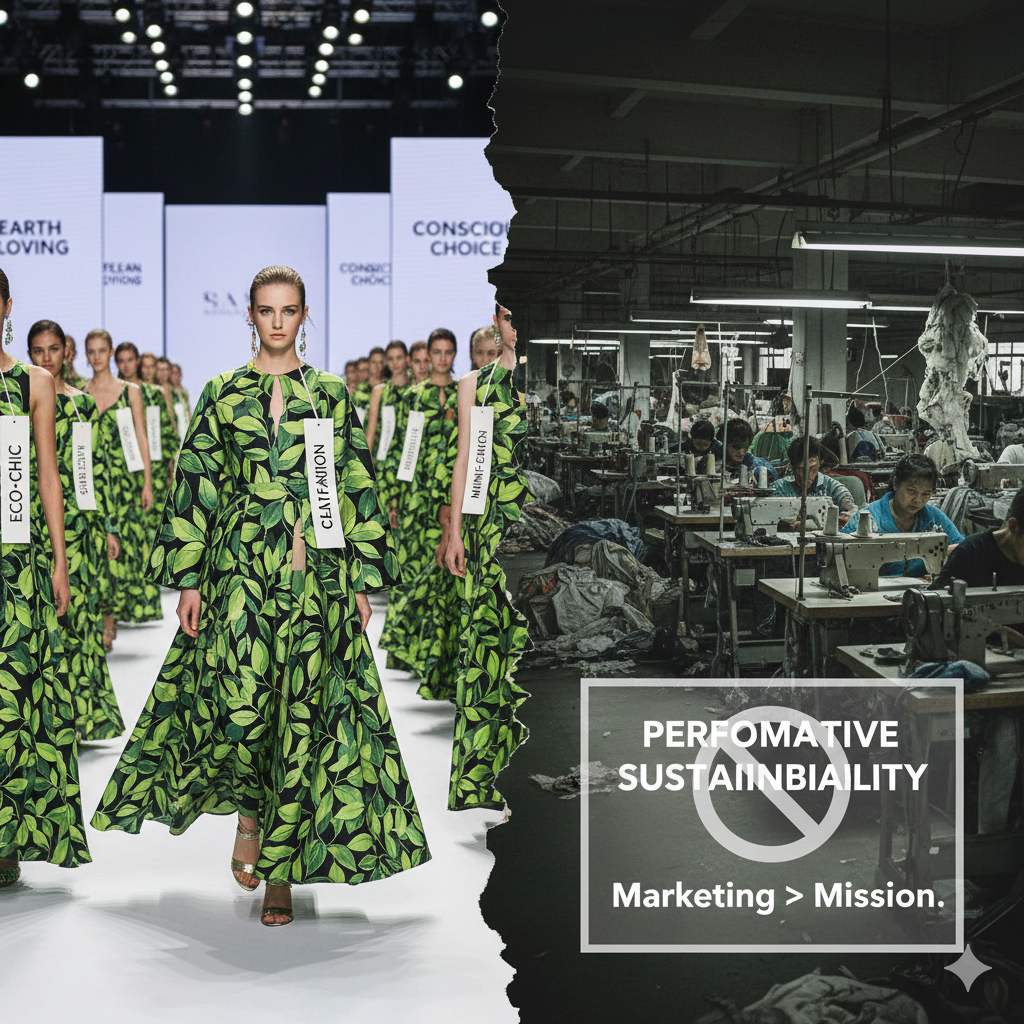
This is when brands turn to greenwashing:
Fashion houses make eco-promises that sound noble but don’t stand up to scrutiny. And consumers, understandably, get swept up because the messaging is seductive — clean, earth-loving, conscious, mindful. The whole vocabulary has become a marketing toolkit.
So What’s Really Happening Behind the Scenes?
Many high-end brands do try to innovate responsibly, through:
- regenerative or bio-based textiles,
- traceability systems,
- reduced-waste ateliers,
- long-lasting craftsmanship,
- or returning to traditional slow-fashion techniques.
But ensuring the well-being of customers, workers, and supply-chain communities is complex. Brands that can’t meet all the criteria sometimes resort to “performative sustainability” instead — big pledges, vague claims, pretty green packaging, and campaigns that feel more philanthropic than they actually are.
In other words, the marketing outpaces the mission.
How to Protect Yourself as a Conscious Luxury Shopper
Call out the red flags. Look for specifics — materials, certifications, sourcing, repair programs, and real targets with real deadlines.
And, most importantly:
Choose pre-owned whenever possible.
Because no matter how sustainable a brand claims to be, nothing beats extending the life cycle of a piece that already exists.
True sustainability requires both improving existing production (e.g., regenerative materials, reduced waste, ethical supply chains) and extending lifecycles via resale.
Carbon Footprint: A Practical Guide
You don’t need a sustainability diploma — just a few smarter habits:
1. Support Circular and Zero-Waste Labels
Brands that design for longevity, repairability, and full life-cycle reuse instantly slash waste. Circular fashion keeps pieces in circulation longer — which is why pre-owned is such a powerful climate tool.
2. Invest in Labels That Support Real Social & Environmental Causes
Look for brands that back their claims with concrete partnerships — reforestation projects, fair-trade cooperatives, artisan communities, biodiversity initiatives, and transparent impact reporting. Bonus: you’re essentially shopping with your conscience and your wallet.
3. Choose Slower Delivery and Local Pickup
Speedy shipping sounds glamorous, but it’s basically a carbon bomb wrapped in pretty packaging. When possible, go for in-store pickup or slower shipping options. Your clothes will still arrive — just without the environmental chaos.
4. Treat Your Clothes Like They’re Meant to Last
Most garments don’t die — bad laundry habits murder them.
Extend the lifespan of your wardrobe by:
- Following the aftercare guides
- hand-washing delicate pieces
- using eco detergents
- storing items properly
The longer a piece lives, the lower its annual carbon footprint becomes—simple math, significant impact.
5. Choose High-Quality, Low-Impact Materials
Prioritize fabrics such as organic cotton, community silk, linen, recycled polyester, and certified eco-fibres. High-quality natural materials tend to outlast synthetics, feel better, and break down more easily at the end of their life cycle.
6. Reduce Consumption — Repair, Upcycle, Repeat
The greenest garment is the one you already own.
Patch it, tailor it, dye it, upcycle it. Turn that “almost perfect” piece into your new signature. Nothing makes a fashion footprint smaller than avoiding unnecessary replacements.
If you’re refreshing your wardrobe, consider buying authenticated second-hand Hermès or pre-owned Chanel in Dubai — a lower footprint, higher craftsmanship, and better value.
Learning Circular Fashion: Where Real Change Starts
Circular fashion means keeping products in use longer — repair, resale, upcycling, and thoughtful end-of-life care. To stay updated:
- Follow sustainability reports from luxury houses.
- Track circular economy studies
- Follow trusted pre-owned platforms, such as The Luxury Closet, that specialise in authentication.
- Watch how fashion weeks are incorporating rewearing and archival pieces.
The more you learn, the clearer it becomes: luxury items are made to circulate — and thrive in the circular economy.
A few luxury houses are trying — not perfectly, but progressively.
The point isn’t to buy new; it’s to understand which brands design pieces that hold, last, and resell well. These are the names whose craftsmanship makes them ideal for the pre-owned ecosystem.
Stella McCartney
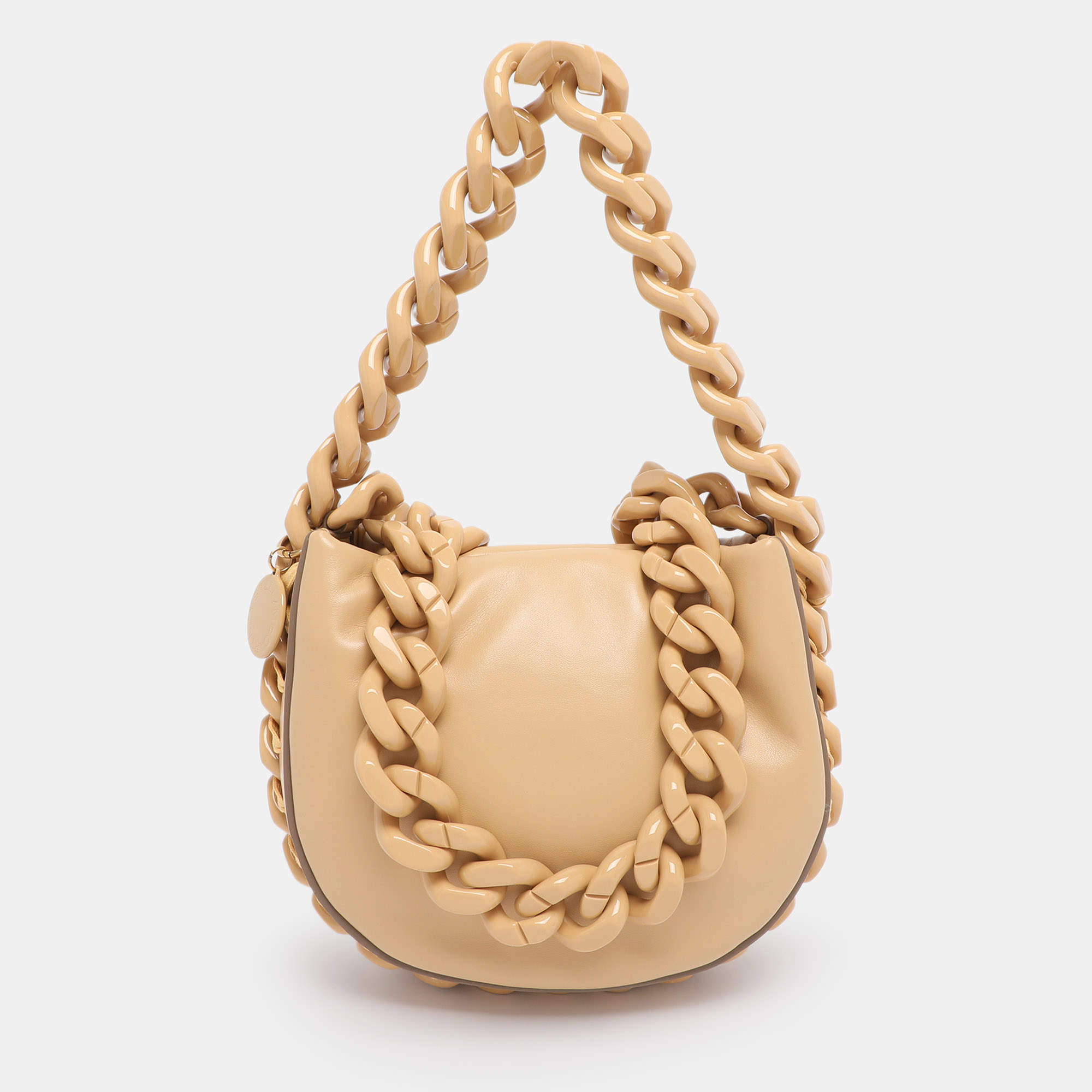
A pioneer in eco-luxury with vegetarian leather, recycled textiles, and Clevercare garment education. Member of the Ethical Trading Initiative and partner of Parley for the Oceans.
Gucci (Equilibrium Program)
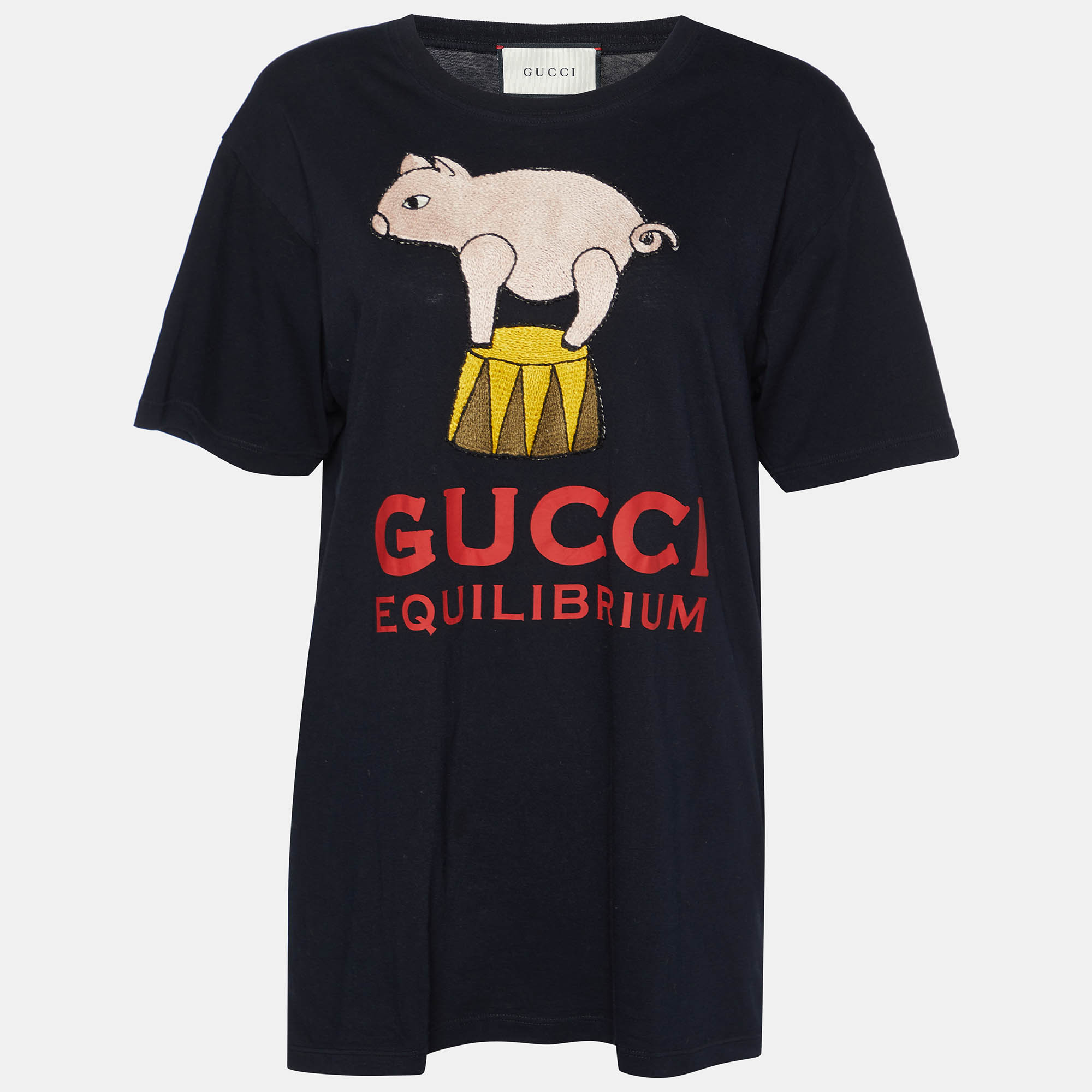
Carbon-neutral operations, traceable materials, and sustainable packaging.
Chloé
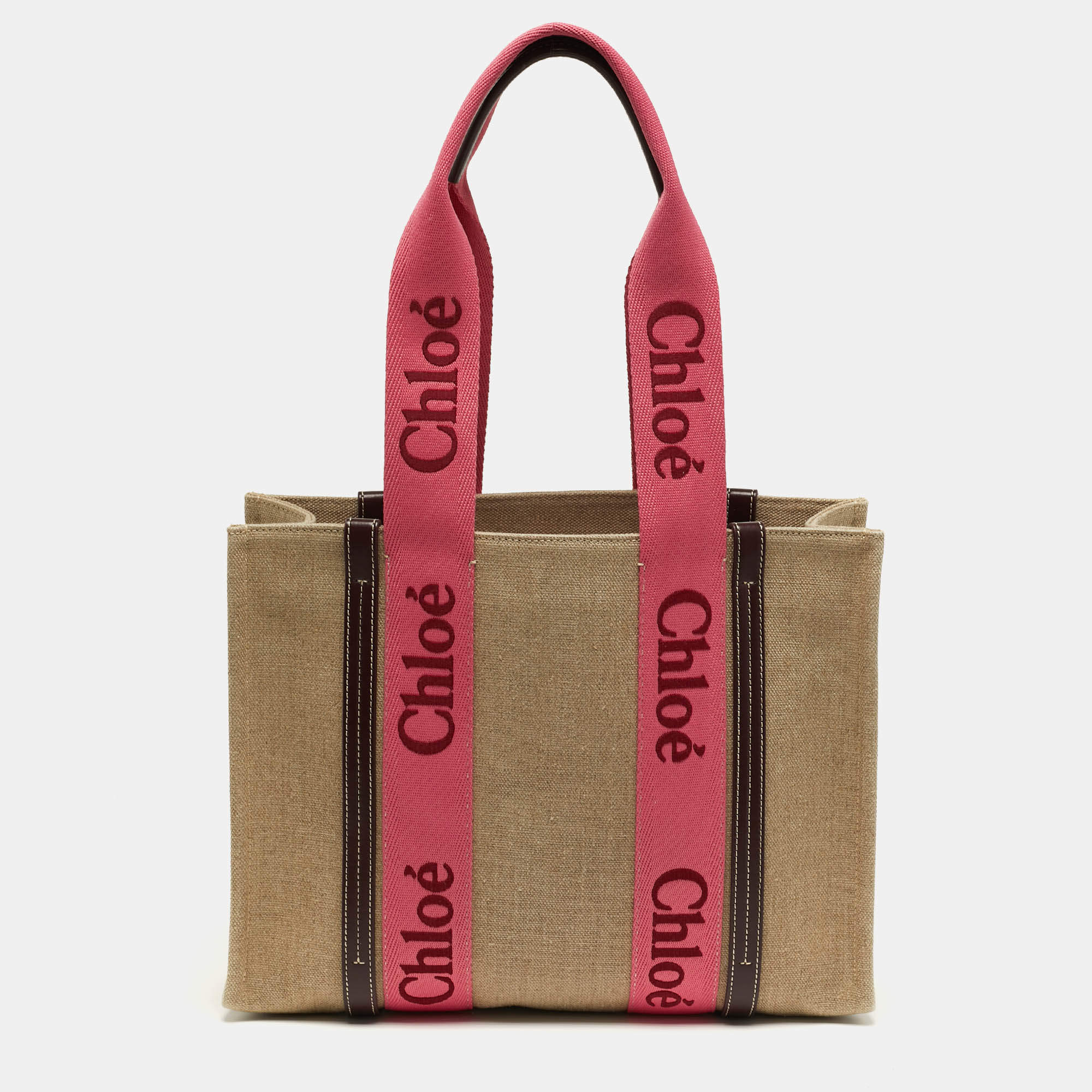
The first major luxury house to become B-Corp certified — a massive commitment to ethics and transparency.
Burberry
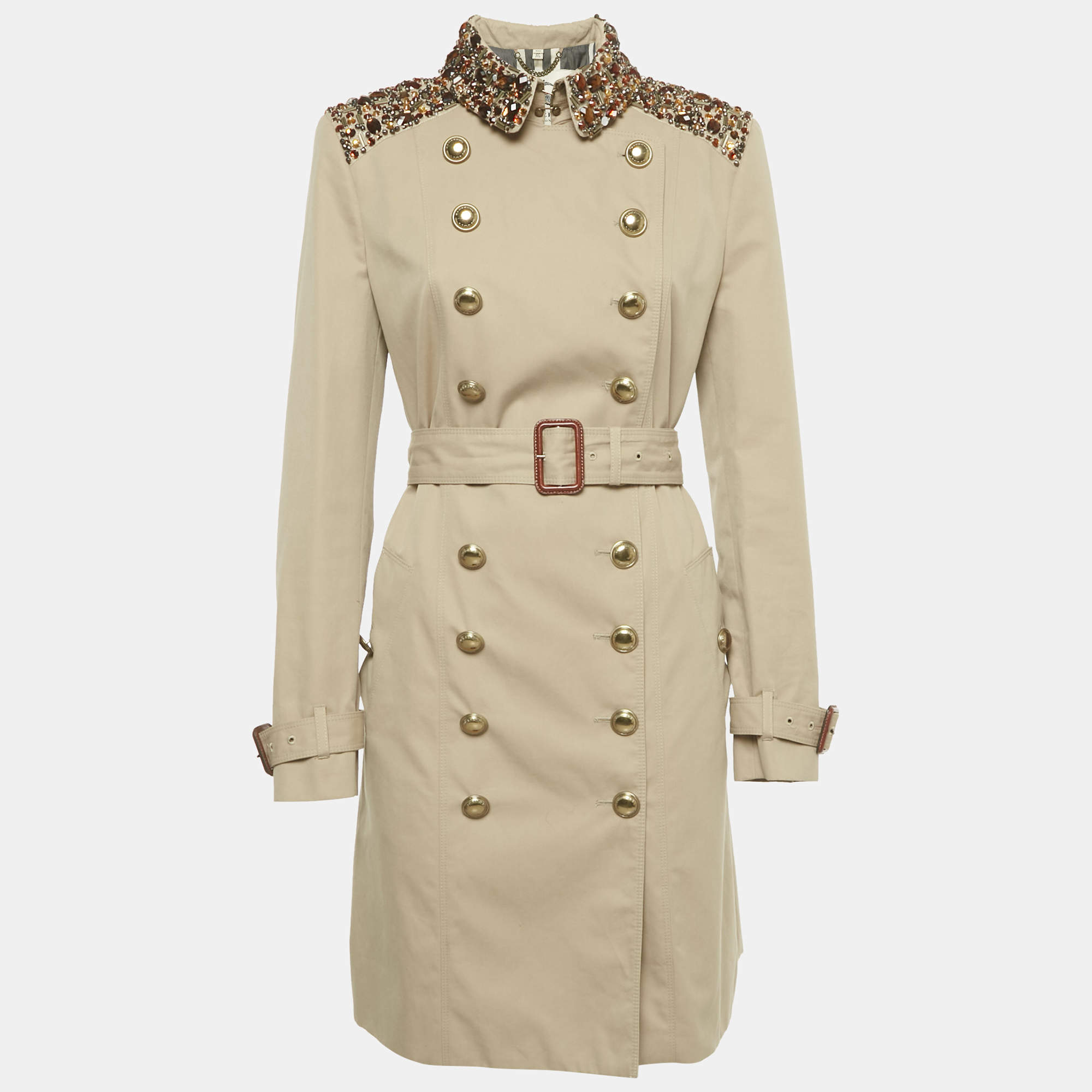
Renewable energy adoption, reduced-waste manufacturing, and traceability upgrades.
Valentino
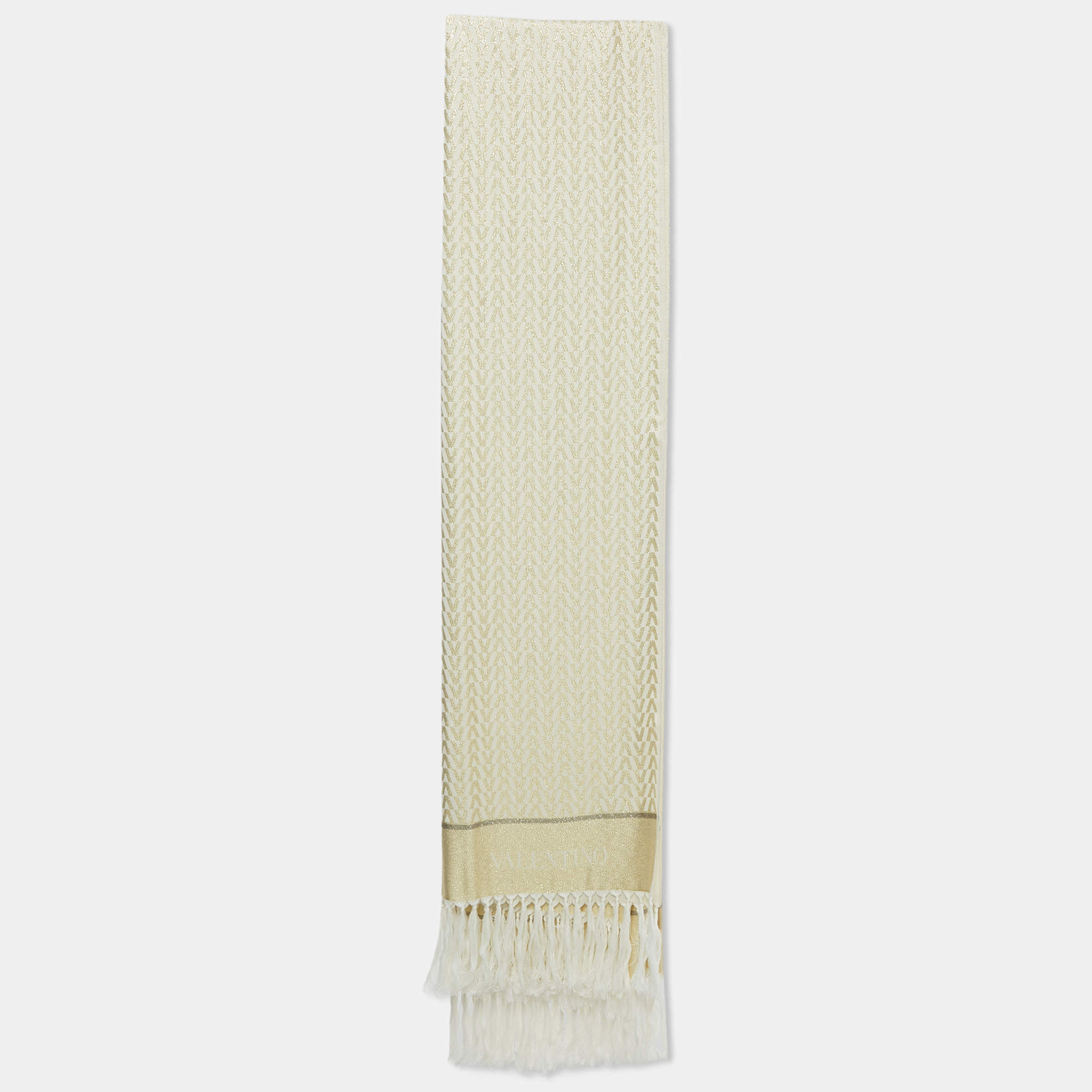
Phasing out fur and improving sourcing and social responsibility.
Vivienne Westwood
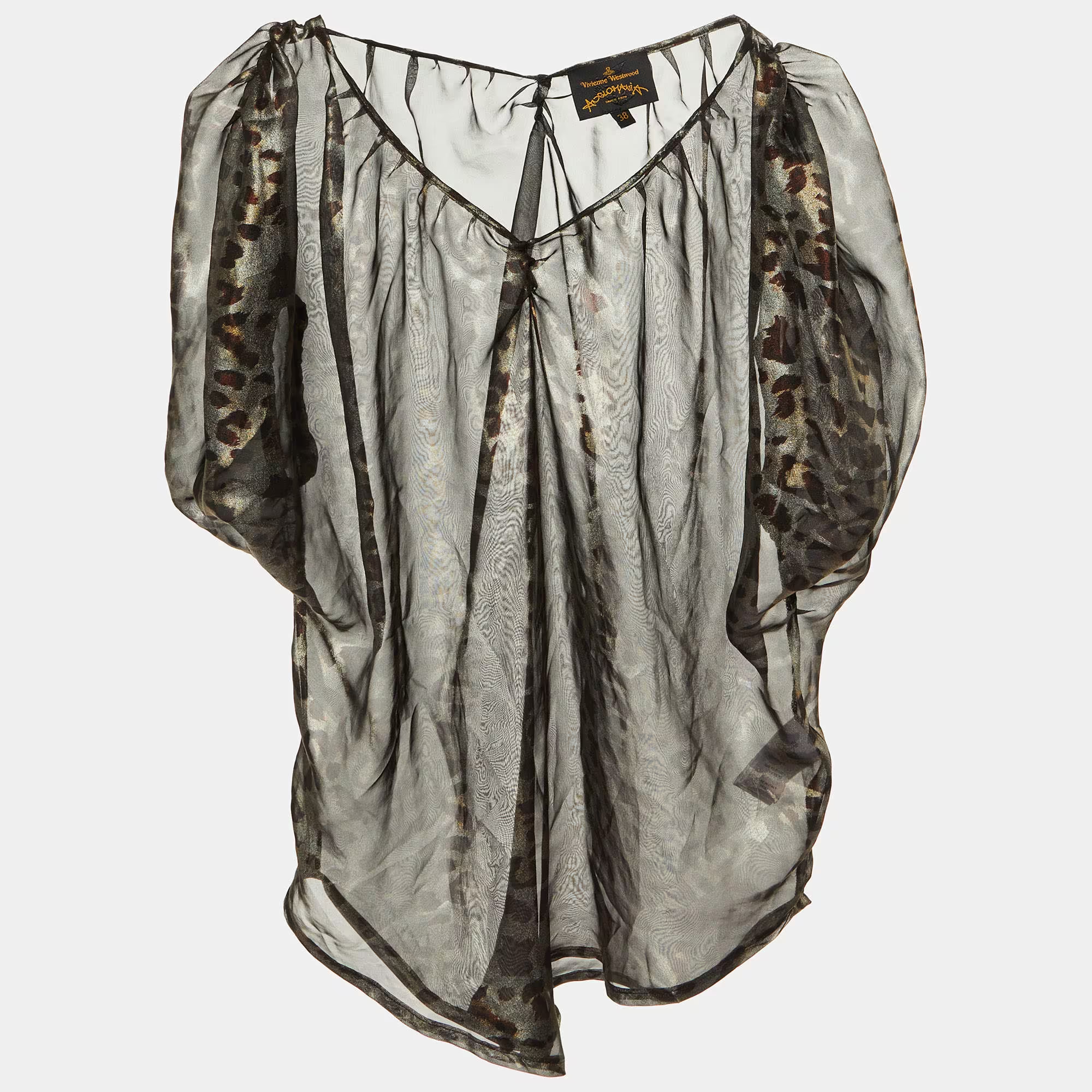
A punk-era icon turned sustainability advocate. The house champions slow fashion, responsible sourcing, activism, and its famous philosophy: “Buy less, choose well, make it last.”
Activism-driven fashion, responsible sourcing, and the iconic philosophy: “Buy less, choose well, make it last.”
Why These Brands Also Matter in the Pre-Owned Context
Because the better the construction, the better the resale value — and the longer each piece can circulate.
They aren’t “alternatives” to pre-owned; they are the fuel that keeps the pre-owned market thriving.
These brands prove one thing: the future of luxury is purposeful, not performative.
Luxury Fashion Scene: Where Pre-Owned Is Becoming the Smart and Sustainable Buy
Luxury lovers used to chase the newest release. Now they chase:
- Rare Hermès Birkins
- Archive Chanel Flaps
- Limited-edition Louis Vuitton pieces
- Pre-loved designer bags with investment value
And more often than not, the most interesting finds aren’t in boutiques — they’re in authenticated pre-owned platforms.
If you’re based in the UAE, exploring pre-loved designer bags in Dubai gives you access to styles no longer in stores — often at much better prices.
Sustainability isn’t a sacrifice here. It’s a status symbol with IQ.
Here’s the simple, grounded truth:
As impressive as sustainable initiatives are, nothing beats the environmental power of choosing pre-owned.
Here’s why:
1. No New Carbon Footprint
The most sustainable fashion item is the one that already exists — no fresh production, no new emissions.
2. Extends the Product Life Cycle
A single designer bag or dress can circulate for decades if cared for.
3. Reduces Landfill Waste
By keeping luxury pieces in circulation, we stop premium materials from ending up where they never belonged.
4. Makes Sustainable Luxury Affordable
Get iconic designs at smarter price points — without compromising ethics or craftsmanship.
5. Encourages Better Industry Practices
High resale value forces brands to design for durability rather than disposability.
Pre-owned isn’t a trend; it’s the backbone of circular luxury.
Re-circulating what already exists is always cleaner than manufacturing something new.
Everything else is a bonus.
Shop Authenticated Pre-Owned Luxury at The Luxury Closet
Ready to make luxury smarter?
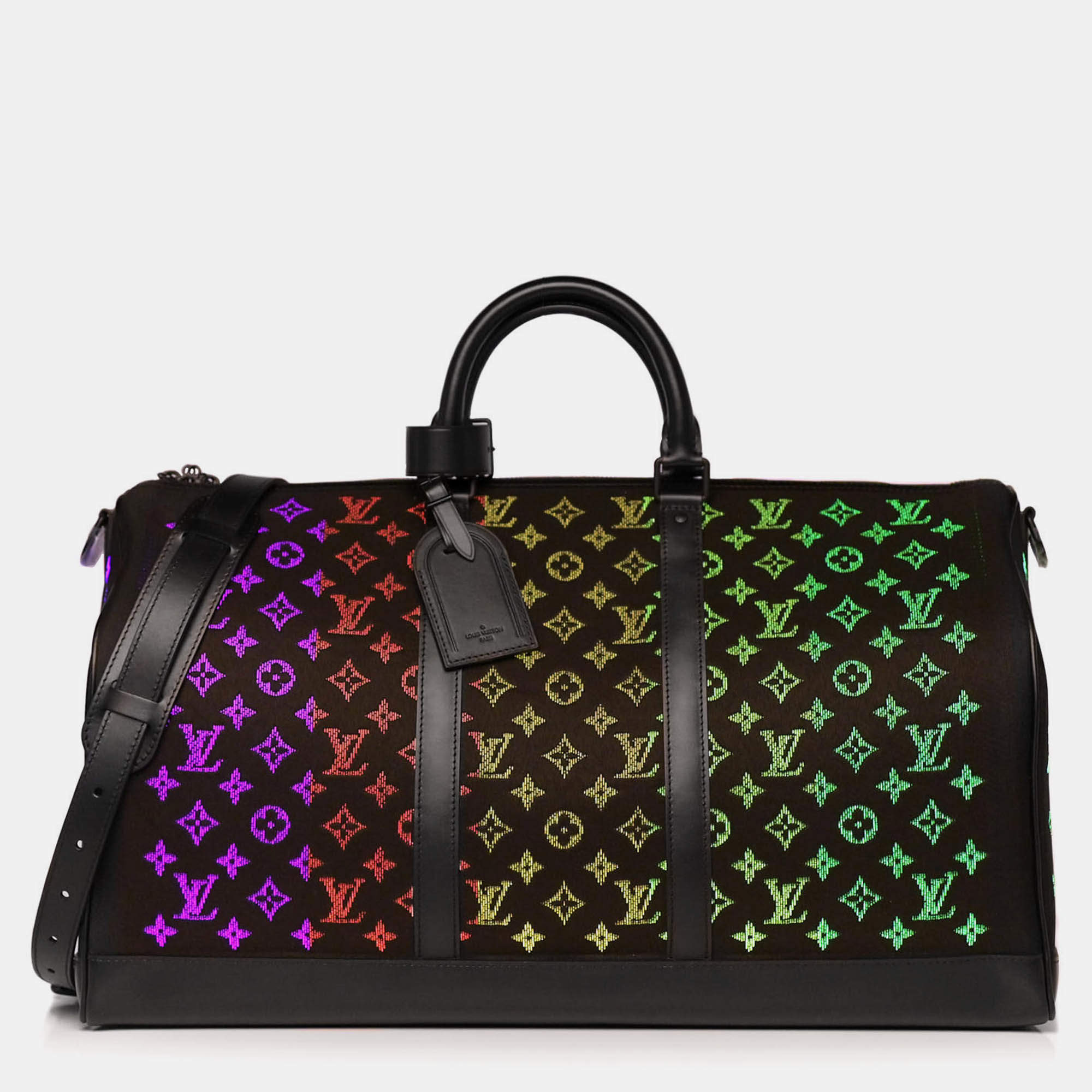
At The Luxury Closet, you’ll find:
- Authenticated pre-owned Hermès, Chanel, Dior & Louis Vuitton
- Rare, sold-out, and archive pieces unavailable in stores
- Pre-loved designer bags in Dubai vetted by specialists
- Sustainable alternatives that don’t dilute the luxury experience
Whether you want an investment-grade Birkin, a classic pre-owned Chanel flap, or everyday sustainable staples, you’re choosing a cleaner, more conscious wardrobe — without sacrificing the joy of luxury.
Luxury doesn’t have to cost the planet.
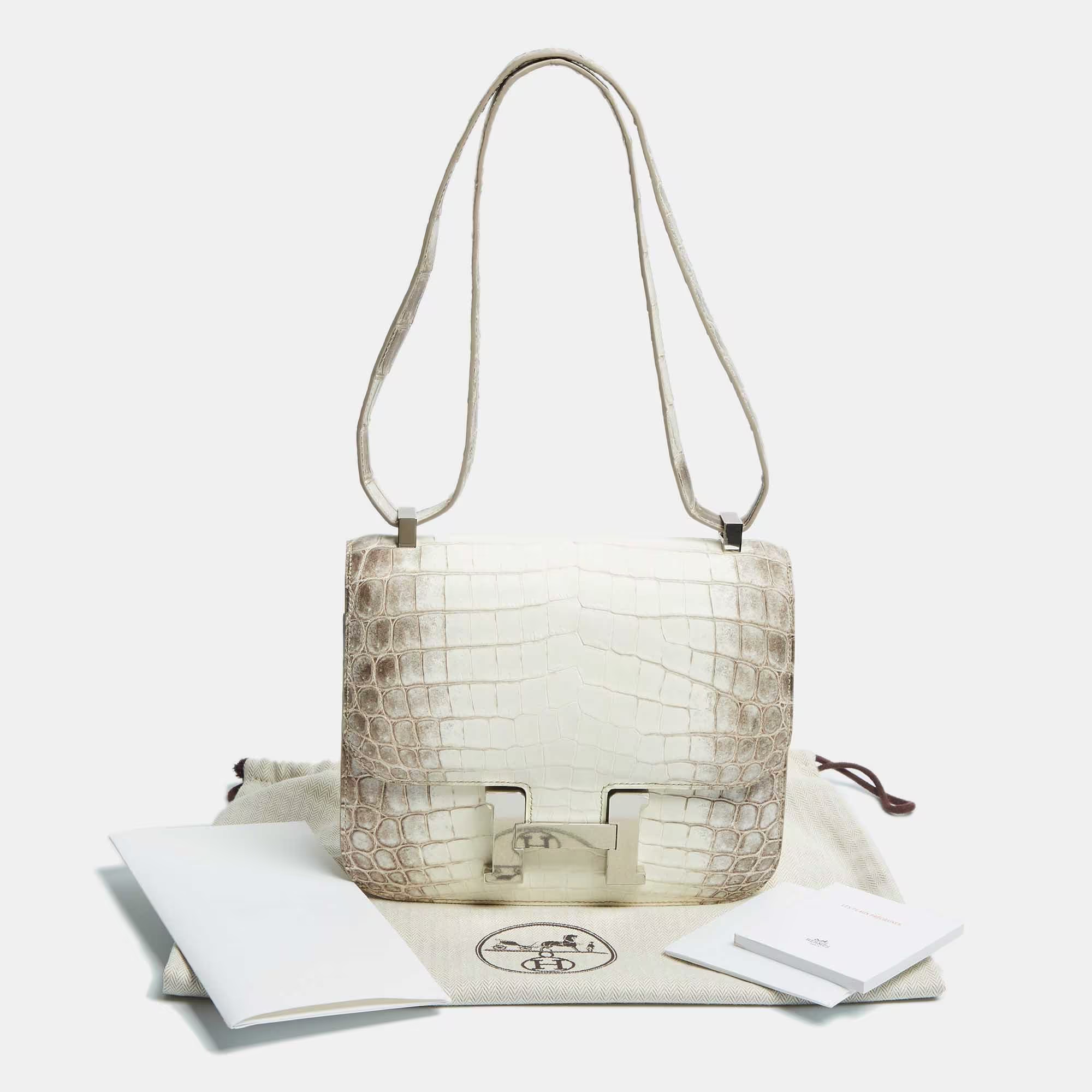
Switch to authenticated pre-owned at The Luxury Closet — where sustainability meets true style.
1. Is buying pre-owned luxury more sustainable than buying new?
Yes. Purchasing pre-owned luxury reduces carbon emissions, conserves raw materials, and keeps high-quality designer items in circulation for years longer. Instead of contributing to the production of a brand-new item, you extend the life of an existing one — the simplest and most impactful sustainability win in fashion.
2. How do I know if a pre-owned designer bag is authentic?
Always buy from platforms that provide multi-step authentication, expert verification, and return guarantees. Marketplaces like The Luxury Closet use trained authenticators and specialized tools to examine stitching, serial numbers, heat stamps, hardware, and material quality before listing any item.
3. Is pre-loved luxury accepted in Dubai’s fashion scene?
Absolutely. Dubai’s style-savvy shoppers are embracing the shift toward pre-loved luxury, especially among younger consumers and conscious buyers. With rising environmental awareness — and a strong appetite for limited-edition pieces — authenticated second-hand designer goods are now seen as smart, stylish, and sustainable.
4. Which luxury brands are leading in sustainability?
Brands like Stella McCartney, Vivienne Westwood, Chloé, Gucci (Equilibrium), Prada (Re-Nylon), and Burberry have publicly committed to responsible materials, circularity, and carbon reduction. However, even with these efforts, buying pre-owned remains the more sustainable choice across all labels.
5. How do I reduce my carbon footprint through fashion?
Choose pre-owned luxury, avoid impulse buying, repair and maintain your pieces, opt for high-quality materials, and support brands that invest in circular design. Also, reduce shipping emissions by selecting slower delivery or in-store pickup when possible.
6. Are pre-owned designer bags cheaper than buying new?
Most of the time, yes — especially for brands with frequent price increases like Chanel, Louis Vuitton, Dior, and Hermès. You can often save 20–60% versus boutique prices, and in some cases (e.g., exotic Hermès or rare Chanel pieces), pre-owned even offers access to items that are completely unavailable in-store.
7. Is it worth buying second-hand luxury in the UAE?
Definitely, the UAE resale market is thriving, and platforms like The Luxury Closet offer tax-free pricing, access to rare pieces, and a deeper pool of pristine items thanks to the region’s high-end consumer base. You get authenticated designer items at better prices — with a smaller environmental footprint.
8. Are pre-owned luxury bags hygienic and safe to use?
Yes, when purchased from trusted platforms. Authentic pre-owned marketplaces clean, restore, and carefully inspect items before listing them. You can also request additional cleaning or refurbishment services if you prefer.
9. What is circular fashion, and how does it relate to luxury?
Circular fashion keeps products in use for as long as possible through resale, repair, recycling, and upcycling. Luxury items — because of their craftsmanship and durability — are naturally built for circularity. Pre-owned platforms extend this lifespan even further.
10. Where can I shop for authenticated pre-owned luxury in Dubai?
For verified, quality-checked pieces, The Luxury Closet is the region’s leading marketplace. You can shop pre-loved designer bags, watches, accessories, shoes, and apparel, backed by authentication, easy returns, and exclusive UAE-only deals.