



Slide 2:
RSV stands for respiratory syncytial virus. It is a common virus that causes infections in the lungs and respiratory tract.
RSV typically begins spreading in the fall and peaks in the winter.
Slide 3:
Most people have mild symptoms similar to cold symptoms and recover within 1 to 2 weeks.
snot
congestion
cough
sneeze
wheezing
having fever
decreased appetite
Slide 4:
However, some people, especially infants and the elderly, may develop more serious infections, and RSV can be life-threatening.
Complications that can cause breathing difficulties include:
respiratory infection
Bronchiolitis
pneumonia
Hypoxia (low oxygen levels)
dehydration
heart attack and stroke
Slide 5:
You can manage RSV symptoms by:
Taking general fever reducers
Drink plenty of water
rest
If you have high blood pressure or are taking prescription medications, be sure to check with your doctor before taking over-the-counter medications.
Slide 6:
RSV can worsen underlying lung diseases such as COPD and asthma. People with these conditions may need treatment for recurrences if they become infected with RSV.
Slide 7:
Talk to your health care provider or go to the emergency room if:
I have trouble breathing
cannot eat or drink
I have chest pain
Slide 8: Prevention is the best medicine.
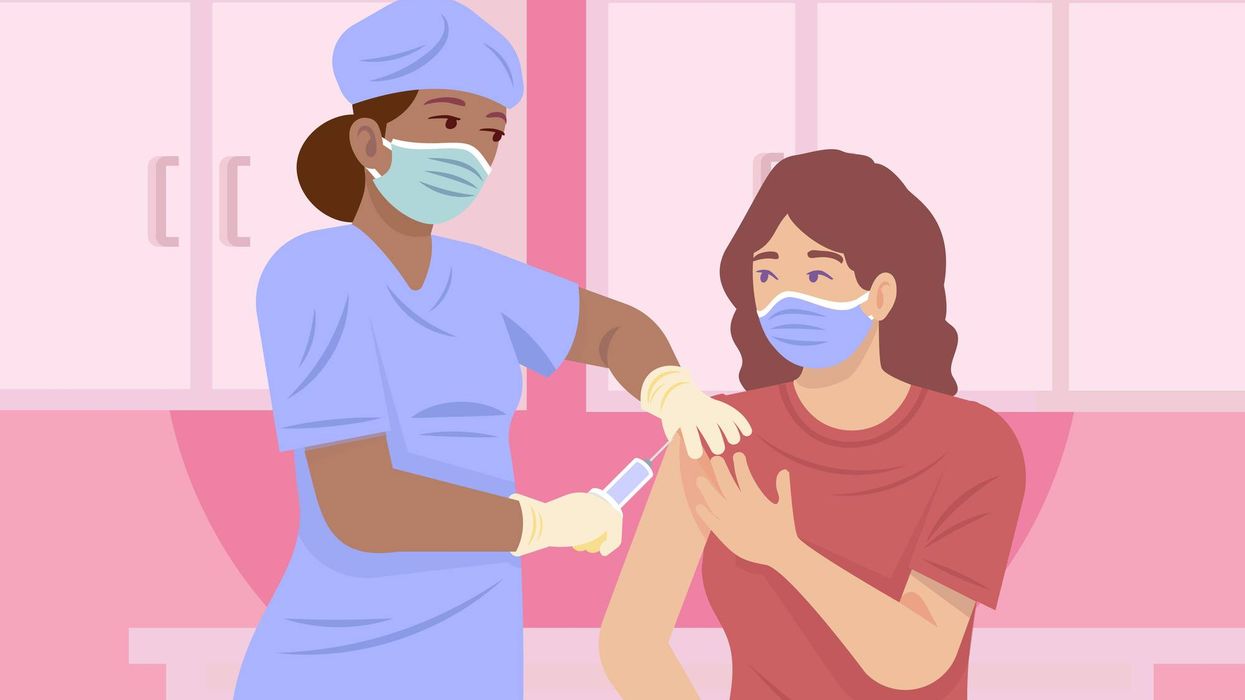
The best way to be protected against serious respiratory diseases is to get vaccinated.
Slide 9:
RSV vaccine is recommended for:
infant
Adults over 75 years old
Adults 50 to 74 years of age at high risk for severe RSV
Slide 10:
logo
This training material was created with support from Moderna.






