



Split, Croatia, becomes more enjoyable when you slow down. Split, Croatia’s second-largest city, lies along the Dalmatian coast, centered around a UNESCO-listed Roman palace, and boasts a local culture that moves at a leisurely pace. Split has many famous tourist attractions to visit, but what makes it special is the leisurely pace of languid mornings, sea swims, warm cobblestone walks and long-lasting meals. After visiting Diocletian’s Palace or swimming in Bacvice, a relaxing stop at Split’s beach pizzeria feels like part of the day.
Here is a brief overview table to help you understand local life in Split Croatia at a glance:
| experience | best time of day | expense | location |
|---|---|---|---|
| Riva’s Coffee | morning | €2-4 | Riva Promenade, waterfront |
| Walk around Diocletian’s Palace | early morning | free | Old Town Center |
| Visit to Green Market | 7-10 am | You can explore for free. | Just outside the old town walls |
| Bacvice Beach and Fishgin | morning or late afternoon | free | 10 minutes walk from the old town |
| Marjan Hill Walk | late afternoon | free | west of old town |
| Explore the Barosi region | morning or evening | free | Close to the old town |
| seafood dinner | 7-9 p.m. | €20-40 per person | Old town or Riva area |
| watch the sunset | 1 hour before sunset | free | Riva, Marjan or beachside table |
Start with coffee and Riva
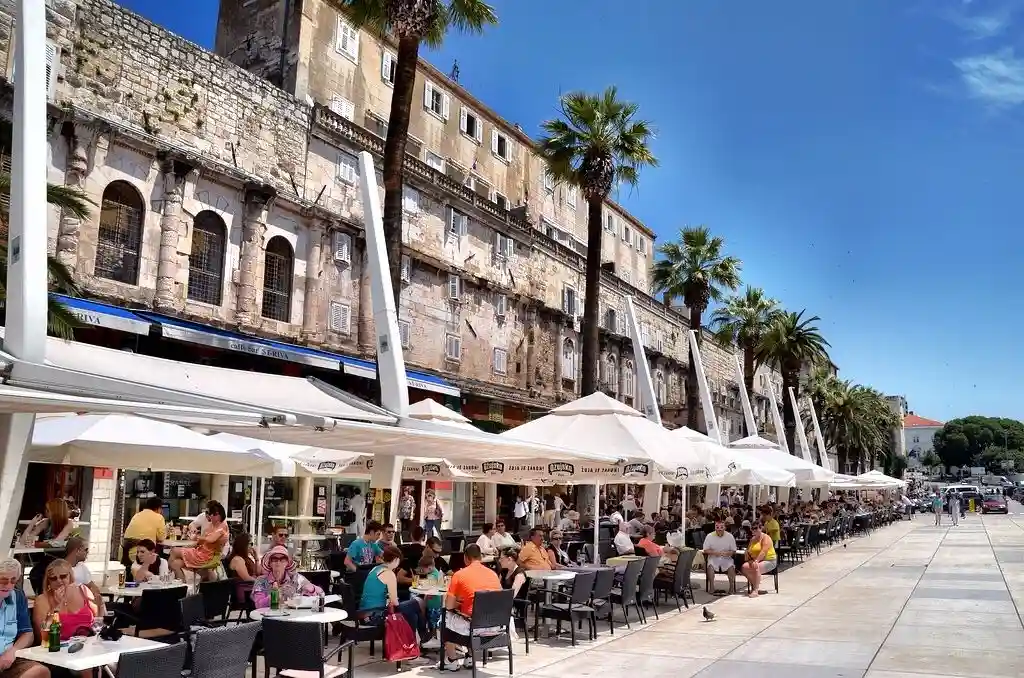
Begin your visit at Riva, an extensive promenade along Split’s vibrant waterfront. Here, locals meet before work, friends have long conversations, and tourists watch ships crossing the harbor.
Have a coffee and relax. You can’t rush your coffee in Split. Because coffee is part of the local daily ritual. Wake up to the morning by sitting outside and listening to the sounds of the city around you. Before entering the old town, this stop will give you a sense of the local rhythm.

You can also see how citizens use the city through its streets. Some people meet friends, some take a walk with their children, and some sit alone with a cell phone or a newspaper. No matter how diverse the scene changes throughout the day, there is always an element of community.
Take a walk around the palace without a set plan
Diocletian’s Palace is in the center of Split, but unlike many historic sites, it never feels closed to the public. Rather, life is happening everywhere within these ancient walls. Be meandering and follow less directions.
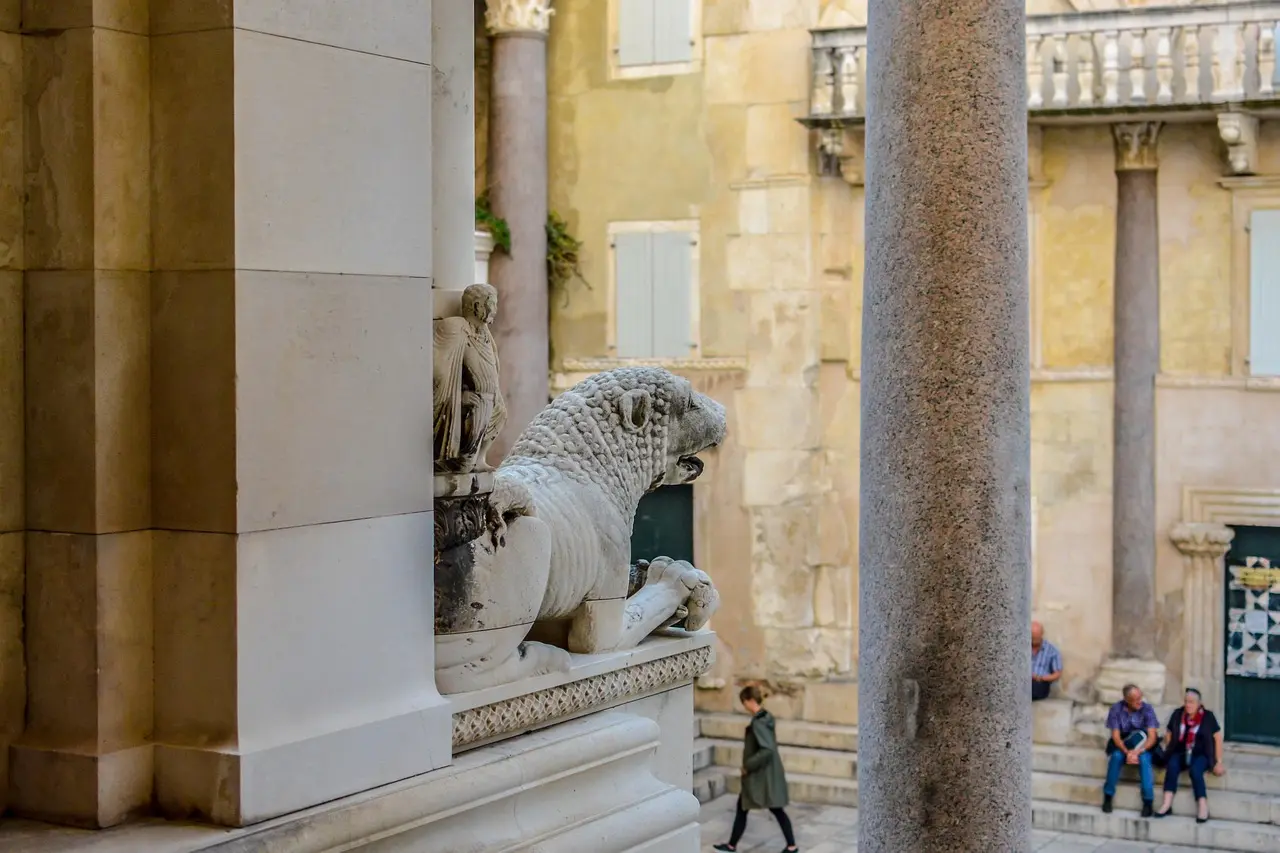
Follow the side streets into a quiet square and listen to the music. Whatever you do, you’ll eventually reach the peristyle, gates, and cathedral, but you may find you cherish the quiet moments more.
Look for cats snoozing on the stone steps, plants growing in the back window, and people greeting you at your doorstep. Palace life is right here. Come early in the day when the light is less harsh and there are less crowds around. Diocletian’s Palace is surprisingly suitable for families too. Our guide to family adventures through Europe’s historic destinations covers Dubrovnik and the Dalmatian coast in detail with kids.
Visit the market in the morning
The fruit and vegetable market near the old town is probably the best place to feel the reality of everyday life. There are a variety of stalls selling different types of fruits and vegetables, spices, flowers, olive oil and other local delicacies. People are bargaining, evaluating things, and everything around is full of life.
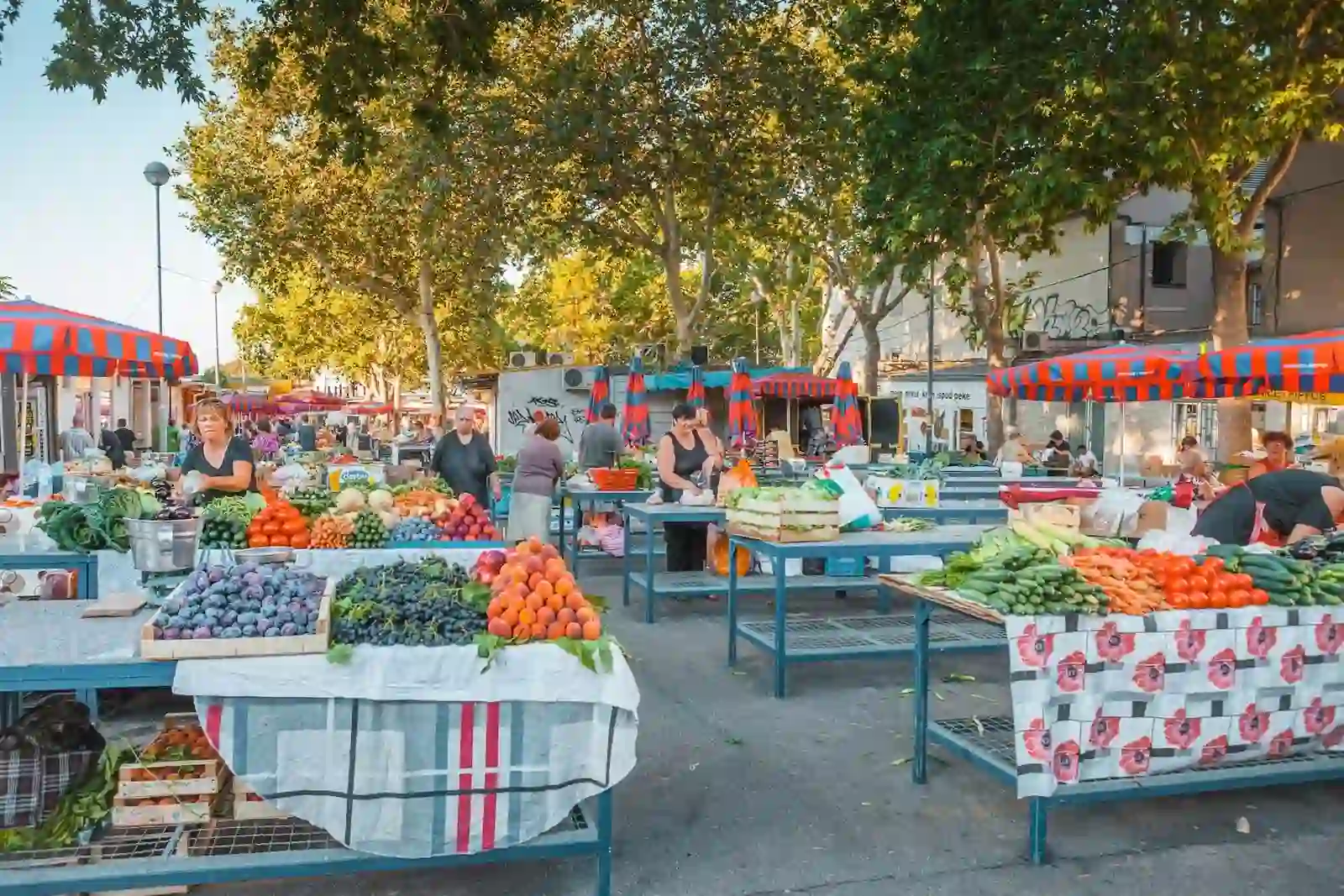
There is no need to buy anything significant there. Bring some fruit with you in case you visit the beach or some bread to snack on. It helps to always be polite.
Plus, the greengrocer’s market tells you what the season is, giving you good insight into the ingredients for your upcoming meal. The fish market operates next to the fruit and vegetable market and operates on its own schedule. If you don’t arrive before 8am, most of your best catches are already gone. The atmosphere alone is worth a quick stroll.
Make the ocean part of your day
The sea not only makes up the landscape of Split, but also forms an important aspect of everyone’s day. For example, you could explore Split’s old streets in the morning, take a swim in the sea, and then return for dinner with a little salt in your hair.
The beaches of Bačvice are easy to access and exciting. It is also possible to meet locals and watch them play picigin. Figgin is a centuries-old Dalmatian ball game played in shallow water, where players dive and leap to keep the small ball from reaching the sea. It’s unique to Split, making it worth watching even if you’ve never participated.
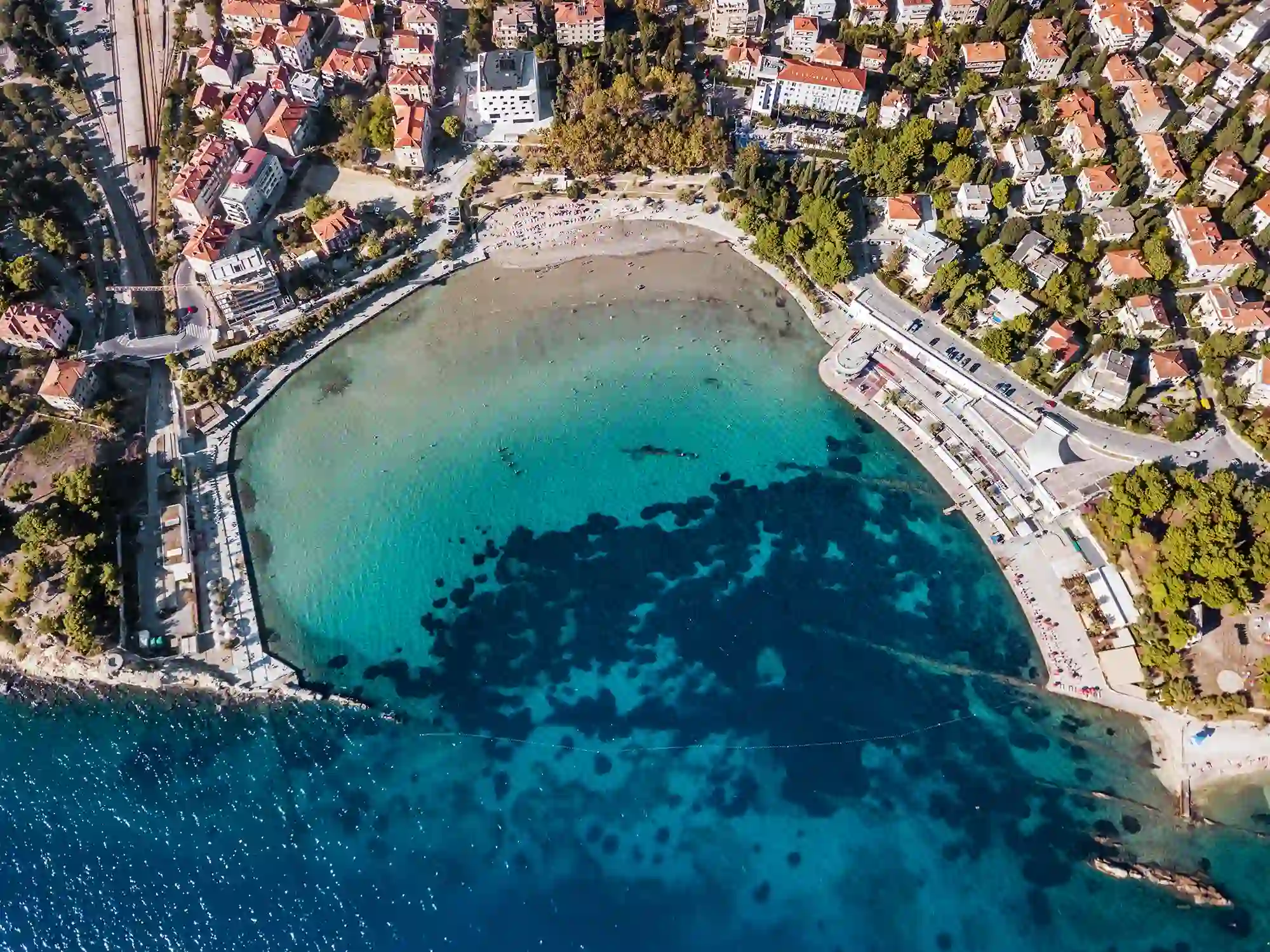
For a more personal experience, we recommend heading towards Marjan from the city beach. The water is clearer, the stones are more choppy, and some pine trees provide shade. Don’t forget to bring a towel, water, and shoes for the stones. Marjan’s main entrance is a short walk west of the old town along Šetalište Ivana Meštrovića. The climb to the first lookout takes about 20 minutes and is manageable for most fitness levels.
If you like the quieter side of the Adriatic, it’s worth reading our guide to Gjipe beaches in Albania before finalizing your route. A wilder, less visited alternative is just a few hours south.
A brief dip in the sea can change a person’s day. People feel cool and refreshed, their minds become clearer and they focus on relaxation. Split’s biggest advantage is its proximity to the sea.
Eat when the city slows down
Food in Split, Croatia always seems coastal. The menu is expected to include grilled fish, seafood pasta, risotto, salads, local cheeses, olive oil and bread. Also, pizza would be fine after a walk, a swim, or a sea breeze.
Find a comfortable and attractive restaurant. A good dinner isn’t about flashy advertising or presentations. A good dinner is about good food and good service in an environment where you can enjoy enjoyable moments. Visit the market or stroll through the palace ruins before enjoying dinner. As the cool air comes in and people start to gather on the beach, lunch seems like the perfect time. Try to make meals an inseparable part of your trip.

Konoba Matejuška, near the old town’s fishing port, is one of the most consistently recommended local spots for grilled fish and seafood pasta at honest prices. For pizza after a long day at the beach, Pizzeria Galija in Tončićeva has been a neighborhood staple for decades.
Don’t rush through dinner trying to squeeze everything into one day. Eat, enjoy and observe Split while doing so.
Explore beyond Main Street
Along with Riva, Split’s old town is also worth exploring, but venture a little further and Split is completely open to visitors. Varoš is one of the oldest districts near the city’s historic centre. The area boasts stone houses and staircases that give a feeling of being close to history, but without losing touch with modern life.
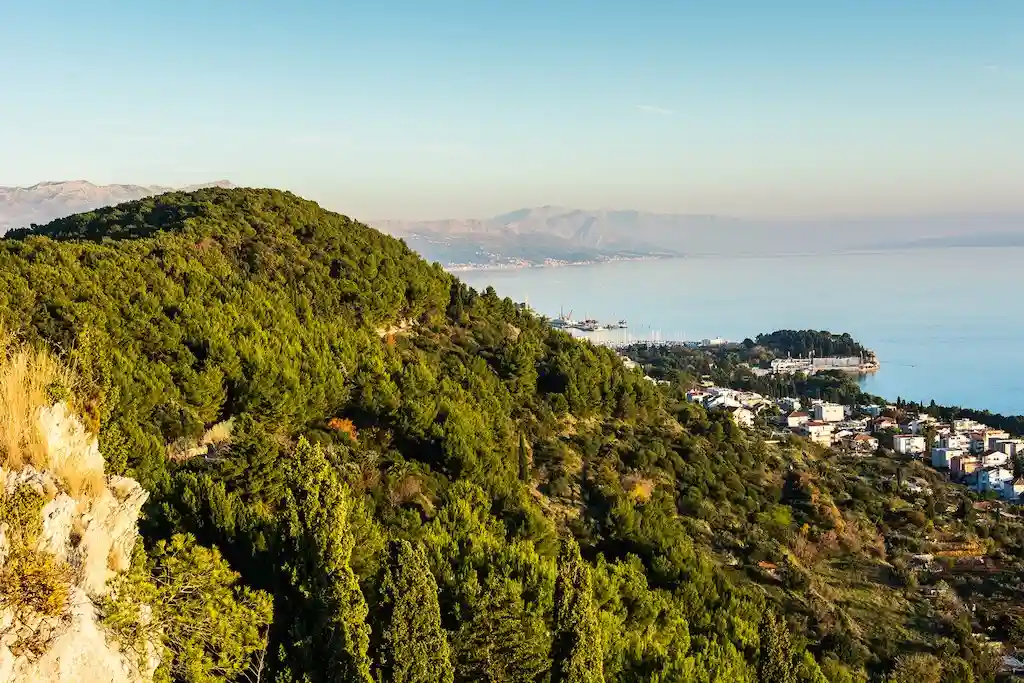
Marjan’s hill offers fresh air to Split. Locals go there to walk, run, bike and relax. As you climb the hill, take your time stopping at all the lookouts and enjoy breathtaking views of the bay, islands, rooftops, and the ocean.
Don’t rush during this time of day. Sit in the shade. Take some water. Let the noise of the city fade away for a moment. These slow walks help balance the busy parts of the centre. If you want to venture further into Split’s outdoor areas beyond Marjan, the area around Split has some truly rewarding hiking terrain. Our guide to Split Rock Saddle in Croatia covers one of the most memorable outdoor routes accessible from the city.
Check out the little details
Local life often appears when you least plan for it. The smell of bread in the morning. There is a church bell above the old town. Children eating ice cream near the sea. Friends sitting on a bench and talking. Ferry horn in port.
These details don’t cost anything, but they determine how you remember the place. Leave space for them in your day. Walk slowly. Sit longer. If you feel like it, go back to the cafe.
Split doesn’t ask for too much. It rewards attention. The more you notice, the more personal the city feels.
ends near the water
Evening is one of the best times in Split. The heat disappears, the stones become soft in the light, and the Riva River fills with people. Some people walk, some eat, and some sit and talk.
Watch the sunset from a table at Marjan, Riva or near the sea. There is no wrong choice if you take your time. Even though the promenade is full, the city feels peaceful at this time.
The best way to experience local life in Split is simple. Drink your coffee without rushing. Take a walk through the palace with curiosity. Swim when the weather gets warmer. Eat well when the city slows down. Make your trip feel less like a checklist and more like a fun few days on the Adriatic. If you’re considering extending your Adriatic trip, a guide to the secret nooks and crannies of Kotor, Montenegro, is a natural next stop, just a few hours by ferry and road from Split.
How to get there and get around
Split has Split Airport (SPU), about 25 km from the city center, with direct flights from most major European cities. The Old Town, Riva, Bačvice and Marjan are all within walking distance of the centre. Considering the pedestrian-only streets of the old town, a car is not necessary and very inconvenient.
For a balance of good weather and manageable crowds, the best months to visit are May, June, and September. July and August are peak months, which are beautiful but much busier and more expensive. If you’re looking to extend your trip beyond the city, read our guide to Gule holidays in Croatia for a completely different way to experience the island.







