



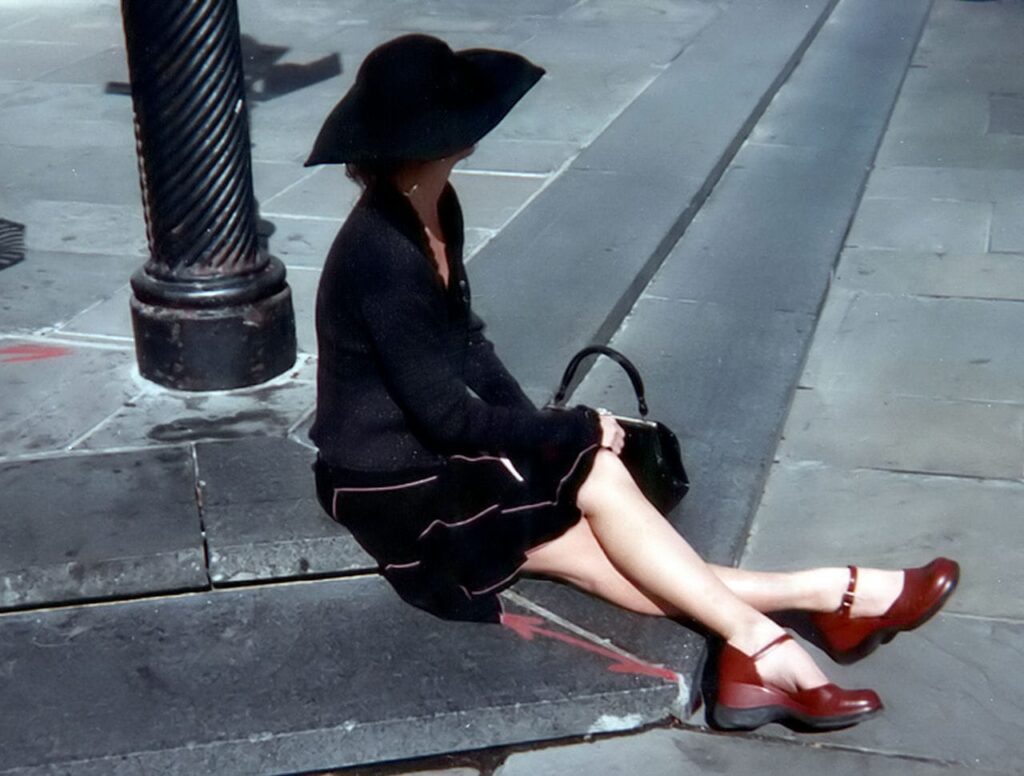

When we think of fashion, the image that often comes to mind is a stylishly dressed woman. Luxury fashion, after all, has long been created to cater to the tastes and aspirations of high-society ladies.
Yet despite women making up the majority of luxury fashion consumers, only a small percentage of the world’s major luxury houses were originally founded by them. But their overall influence has been phenomenal.
Influence of Women on Luxury Fashion
Female visionaries have profoundly shaped the industry, from pioneering founders who built iconic maisons to transformative designers and executives who redefined existing brands. Across more than a century of fashion history, women have introduced revolutionary silhouettes, forged artistic collaborations, championed sustainability, and expanded the cultural meaning of luxury.
From trailblazing founders to visionary creative directors and powerful executives, women have influenced luxury fashion at every level of the industry.


In celebration of International Women’s Day 2026, it is time to spotlight the women who helped define luxury fashion on their own terms. From historic pioneers like Coco Chanel, Jeanne Lanvin, and Elsa Schiaparelli, who introduced practicality and surrealism into couture, to modern designers like Stella McCartney, who are redefining sustainable luxury, women have continually expanded the boundaries of what fashion can represent. Alongside these creators, contemporary leaders are guiding global fashion houses with strategic vision and cultural insight. Together, their stories reveal how female creativity, entrepreneurship, and leadership continue to transform the luxury industry.
Luxury Brands Founded by Women: 10 Visionary Designers Who Shaped Fashion
Chanel – The House That Redefined Modern Elegance
Origins

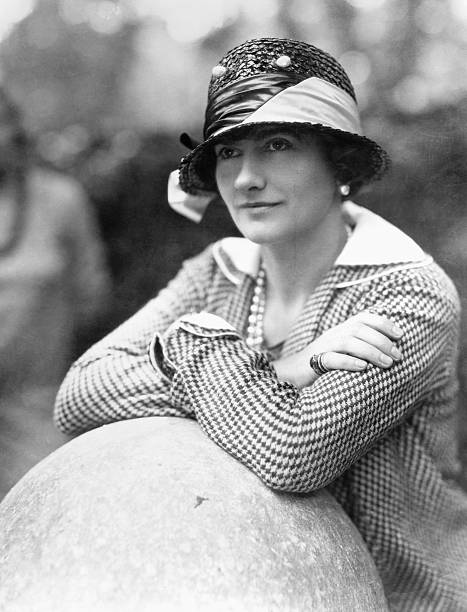
Gabrielle “Coco” Chanel (1883–1971) launched her millinery in 1910, evolving it into a full-fledged empire that, after World War I. It freed women from corsets and restrictive norms, offering comfort and practicality. Her vision of casual chic, menswear-inspired pieces, and versatile elegance became a symbol of liberated femininity. Chanel became one of the most enduring luxury brands founded by women. She is the only fashion designer on Time magazine’s list of the 100 most influential people of the 20th century.
Turning Point
One of Chanel’s most significant business decisions came in 1925, when she partnered with Pierre Wertheimer to establish Parfums Chanel, the company that would commercialize Chanel No. 5 globally. That partnership ultimately shaped the brand’s ownership structure, which remains privately controlled by the Wertheimer family today.
Iconic Creations


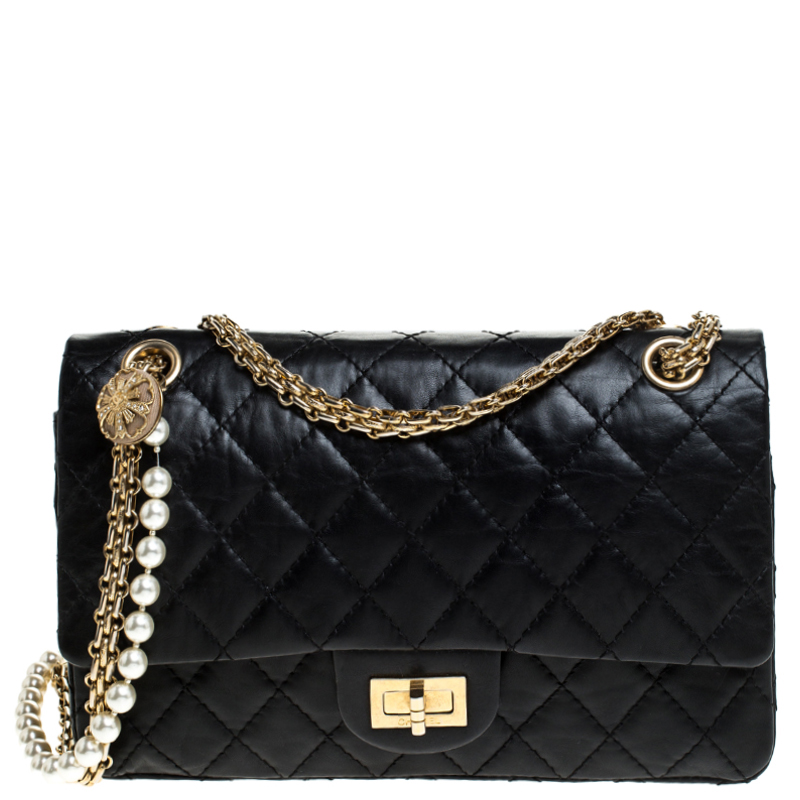
The little black dress (1926); Chanel No. 5 perfume (1921); the 2.55 quilted flap bag (1955) with chain strap; classic tweed suit.
Today
More than a century after its founding, Chanel remains one of the most influential luxury houses in the world. Privately owned by the Wertheimer family, the brand continues to dominate the global luxury market with its iconic tweed suits, quilted handbags, and timeless fragrances.
In December 2021, Chanel appointed Leena Nair as Global CEO, marking a new chapter in the historic maison’s leadership.
Creatively, the house entered a period of transition in June 2024 when long-time collaborator Virginie Viard stepped down as artistic director after five years in the role and nearly three decades with the company. Viard succeeded Karl Lagerfeld in 2019, maintaining Chanel’s signature aesthetic while introducing a softer, more contemporary interpretation of the brand’s heritage.
Following her departure, Matthieu Blazy, formerly Bottega Veneta’s creative director, was appointed as Chanel’s creative director. His debut collection for the house in October 2025 signaled the beginning of a new creative era for the iconic maison.
Chloé – The Birthplace of Effortless Parisian Luxury
Origins


Gabrielle “Gaby” Aghion founded Chloé in 1952, introducing accessible prêt-à-porter luxury with romantic, effortless designs that contrasted traditional couture. She is credited with coining and popularizing the concept of high-fashion ready-to-wear, making luxury more democratic. Her contributions were celebrated in the 2023–2024 Jewish Museum exhibition “Mood of the Moment: Gaby Aghion and the House of Chloé.”
Interesting Fact
In the 1960s and 70s, Chloé became a launchpad for legendary designers, including Karl Lagerfeld, helping define the modern idea of luxury ready-to-wear.
Iconic Creations


Paddington padlock bag; Marcie suede hobo; Drew bag; flowing chiffon dresses with lace and ruffles.
Today
Chemena Kamali’s creative direction continues to energize the house in 2026, with Richemont-backed growth and recent Winter and Fall collections that emphasize sustainable romanticism, folk influences, and effortless femininity.
Vivienne Westwood – The Punk Revolutionary of Fashion
Origins
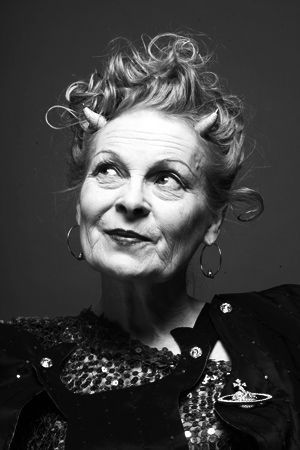

Dame Vivienne Westwood (1941–2022) debuted in 1971, blending punk rebellion with historical tailoring and advocacy for human rights and climate issues. She was appointed Dame Commander of the Order of the British Empire (DBE) in 2006 for services to British fashion, won British Fashion Designer of the Year three times (1990, 1991, 2006), and received the Leonardo da Vinci Lifetime Achievement Award (2021).
Turning Point
Westwood’s 1976 “Anarchy in the UK” collection helped define the punk movement’s visual identity, transforming underground rebellion into global fashion.
Iconic Creations

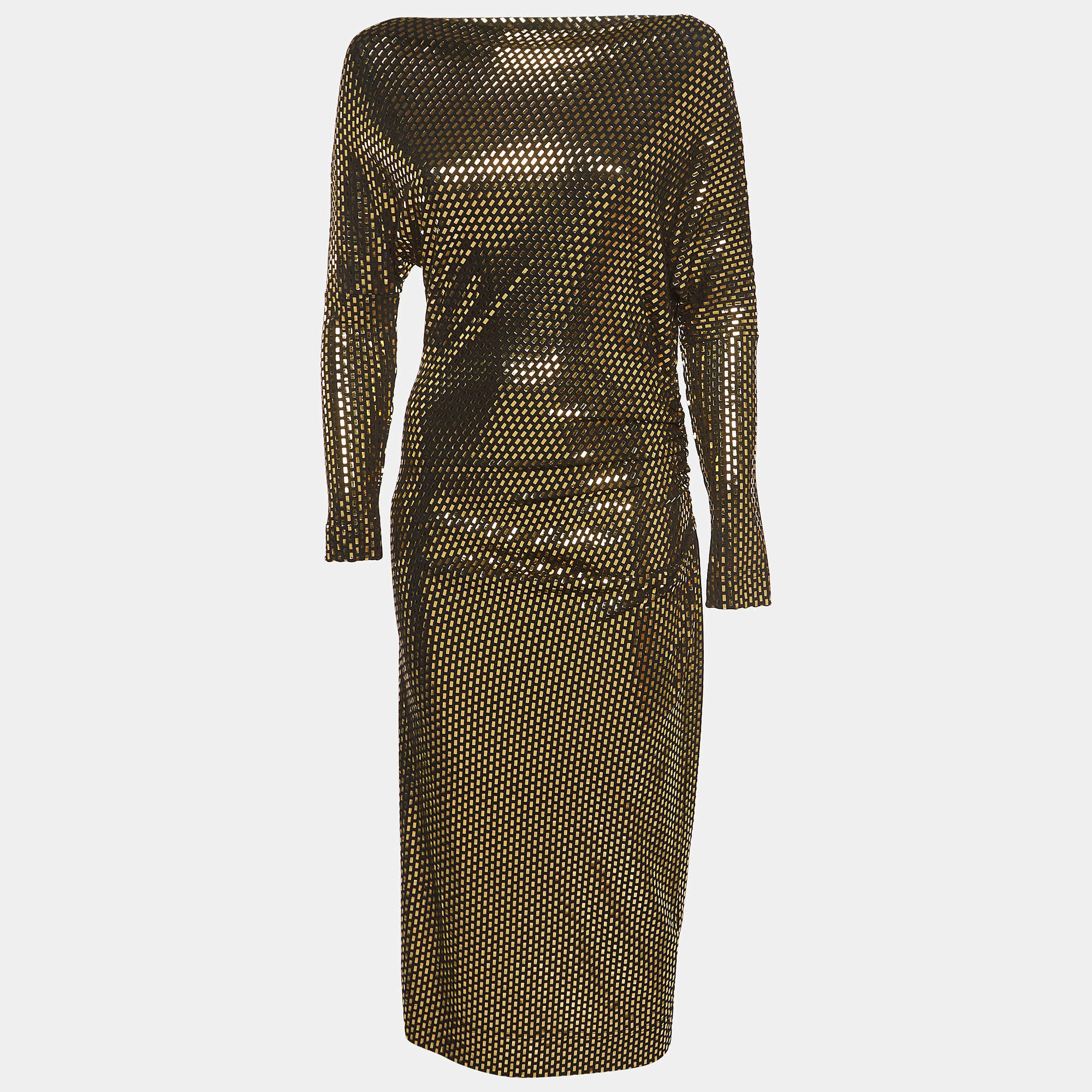
Corset designs; orb logo jewelry; tartan punk pieces; safety-pin jewelry.
Today
Andreas Kronthaler remains the driving force (Creative Director since Vivienne’s passing in 2022). He’s presenting Fall/Winter 2026 collections (e.g., theatrical, chaotic shows in Paris in March 2026) while maintaining the activist and punk heritage through reissues. The brand operates independently.
Schiaparelli – Couture’s Surrealist Visionary
Origins
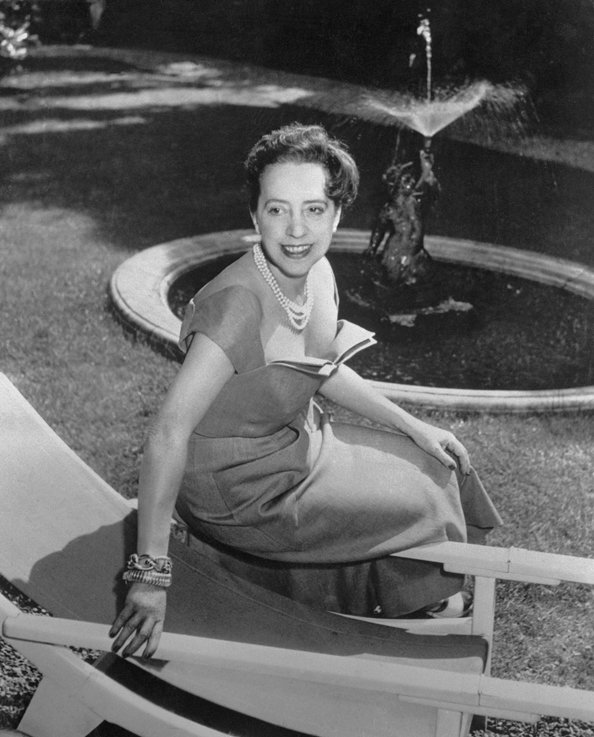

Elsa Schiaparelli (1890–1973) launched in 1927, drawing on Dada and surrealism (e.g., collaborations with Dalí) to create provocative, artistic luxury until 1954; revived in 2013. She was the first female fashion designer featured on the cover of Time magazine (1934) and the first European to receive the Neiman Marcus Award for distinguished service in fashion.
Interesting Fact
Schiaparelli famously introduced the color “Shocking Pink” in 1937, naming it after her fragrance Shocking. The vibrant color became one of the most recognizable signatures in fashion Origins. Her 1937 Lobster Dress, created with Salvador Dalí, remains one of the most famous surrealist garments ever produced.
Iconic Creations
Shocking pink, Lobster dress, Surrealist jewelry


Today
Daniel Roseberry is still Creative Director (since 2019). He’s leading recent collections like Fall/Winter 2026 (“The Sphynx”) with surreal innovations and red-carpet dominance. Brand under Tod’s Group ownership.
Madame Grès – The Sculptor of Couture
Origins

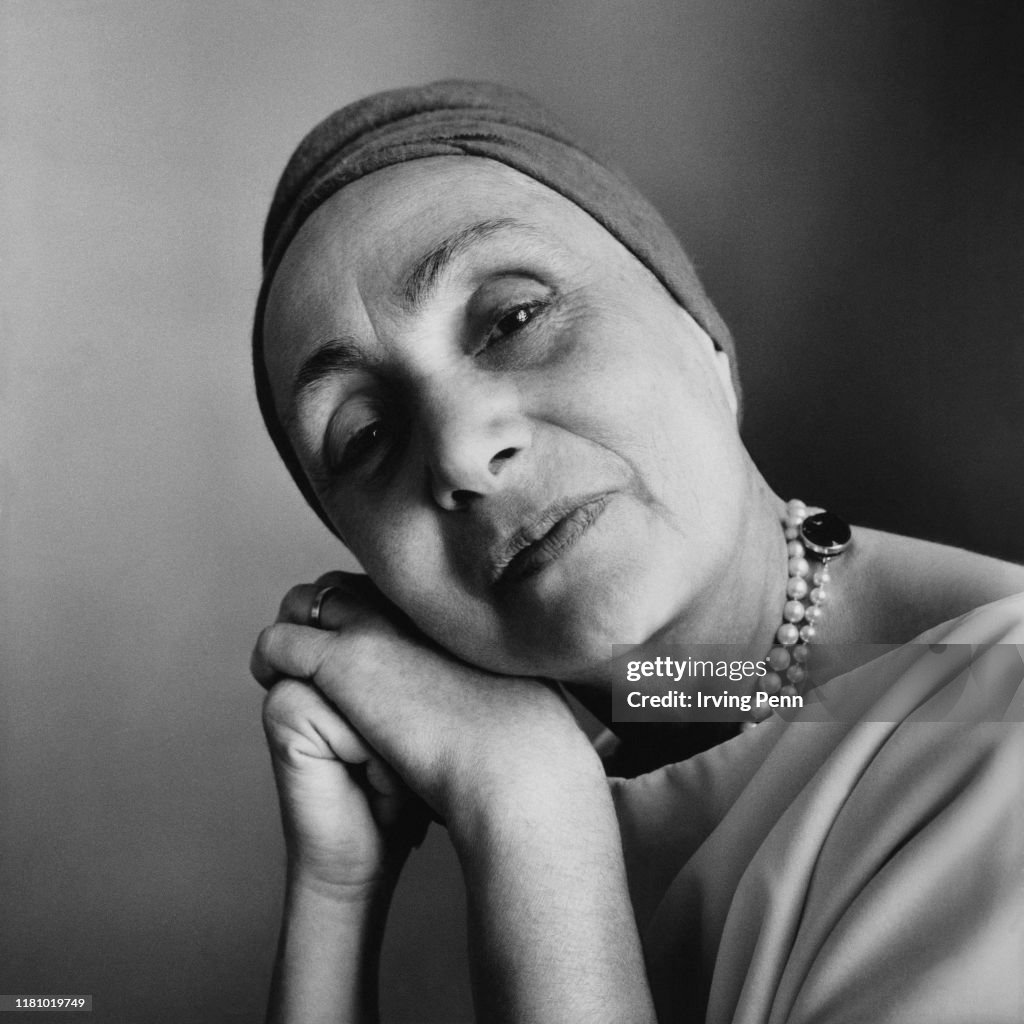
Germaine Émilie Krebs, known as Madame Grès, founded the House of Grès in 1942. Renowned for her extraordinary draping techniques, she created sculptural gowns inspired by classical Greek statues, earning a reputation as one of the greatest couturiers of the 20th century.
Fashion Innovation
Madame Grès became famous for gowns made from yards of silk jersey, meticulously pleated and draped by hand. Her designs celebrated the natural female form and were widely regarded as masterpieces of couture craftsmanship.
Iconic Creations
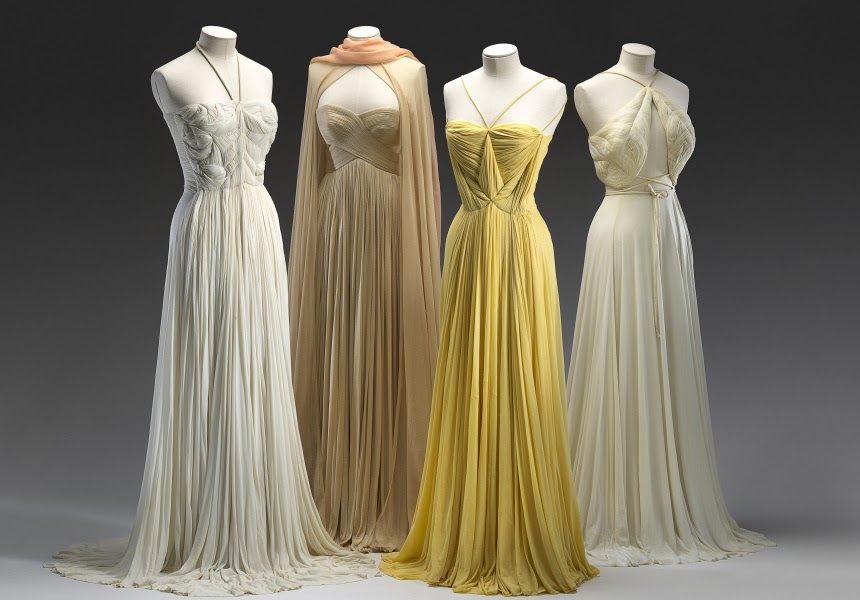

Greek-inspired draped gowns; sculptural silk jersey dresses.
Today
Though the original house eventually closed, Madame Grès remains one of couture’s most revered pioneers, influencing generations of designers who view draping as an art form.
Lanvin – Parisian Elegance from Fashion’s Oldest Couture House
Origins


Jeanne Lanvin (1867–1946) began in 1889 with mother-daughter dressing, pioneering Art Deco elegance, perfumes (such as Arpège), and a full empire, including lingerie and furs, and was known for her brilliant eye for color (“Lanvin Blue”). She received France’s highest civilian honor, Knight of the Legion of Honour, in 1926.
Jeanne Lanvin was also among the first designers to build a true lifestyle brand, expanding into perfumes, menswear, and home décor decades before it became standard practice in luxury fashion.
Interesting Fact
Lanvin’s iconic logo, a mother and daughter holding hands, was inspired by Jeanne Lanvin’s close relationship with her daughter, Marguerite. The image was originally created for a 1920s invitation to a Lanvin ball and later became the house’s official emblem.
Iconic Creations


Robe de style, Arpège parfum, slips en soie à motifs de perles.
Today
Under Artistic Director Peter Copping (appointed 2024), Lanvin emphasizes revival through couture craftsmanship, archival research, and Parisian refinement in 2026, with recent collections reimagining Jeanne Lanvin’s legacy.
Fendi – Roman Craftsmanship and the Legacy of Fur and Leather
Origins


Adele “Adda” Fendi co-founded the company in 1925; her vision and family’s expansion built the iconic fur/leather legacy, emphasizing Roman craftsmanship (e.g., the Selleria collection) and handmade techniques that became foundational to the brand’s global success.
Turning Point
In 1965, the brand began collaborating with Karl Lagerfeld, who introduced the iconic double-F logo (“Fun Fur”) and helped transform Fendi into a global luxury powerhouse.
The Fendi Baguette became a cultural phenomenon in the late 1990s after appearing on the television series Sex and the City, helping turn it into one of the most recognizable luxury accessories ever created.
Iconic Creations


Baguette bag, FF monogram, Peekaboo satchel.
Today
Following Kim Jones’s departure as Artistic Director in October 2024, Fendi continues Roman innovation under LVMH, with Silvia Venturini Fendi leading accessories, men’s, and children’s lines. A new creative structure is expected, maintaining focus on heritage fur, leather, and iconic bags.
Céline – The Origins of Quiet Luxury
Origins


Céline Vipiana started in 1945 with made-to-measure children’s shoes, expanding into refined leather goods, bags, and ready-to-wear. She introduced the iconic Blazon Chaine logo (inspired by the Arc de Triomphe) and opened a factory in Florence to maintain high standards of craftsmanship.
Interesting Fact
The Triomphe logo, today one of the house’s most recognizable emblems, was inspired by the chains
surrounding the Arc de Triomphe in Paris.
Iconic Creations


Luggage tote, Triomphe canvas, Ava bag.
Today
Séverine Merle has been Chief Executive Officer since April 2017. Michael Rider, since 2025. serves as Creative Director (following Hedi Slimane’s departure in October 2024), presenting well-received collections that blend modern tailoring with Céline’s quiet luxury heritage.
Diane von Furstenberg – The Woman Behind the Wrap Dress Revolution
Origins


Diane von Furstenberg founded her eponymous brand (DVF) in 1972 in New York City after relocating from Europe, where she presented her first collection of jersey dresses and began building her ready-to-wear line. In 1974, she introduced the wrap dress—a knitted jersey design that wrapped around the body and tied at the waist—becoming one of the most iconic garments in fashion history. The brand helped define 1970s women’s fashion by combining elegance, independence, and practicality. Beyond design, she has played a major role in fashion leadership as chairwoman of the Council of Fashion Designers of America (CFDA) from 2006 to 2019. She remains a champion of female empowerment through philanthropy and mentorship. Though she stepped back in the 1980s to found a publishing house, she relaunched DVF in 1997, expanding into accessories and lifestyle products.
Turning Point
By 1976, millions of wrap dresses had been sold, earning von Furstenberg a Newsweek cover and making her a global fashion name. The wrap dress quickly became a cultural symbol of female independence during the 1970s feminist movement.
Iconic Creations


Wrap Dress (the timeless, versatile jersey piece that symbolizes confidence and femininity).
Today
In 2026, DVF continues as a vibrant global luxury lifestyle brand with bold prints, ready-to-wear, and accessories. Recent highlights include a strategic European wholesale expansion through a partnership with Brama Group (starting Fall 2026), new collections evoking the Italian spirit (e.g., Fall 2026 “La Serenissima”), and collaborations with Estée Lauder Beauty. Nathan Jenden serves as Chief Design Officer (returned in 2025), with Graziano de Boni as CEO (since 2024), driving evolution while honoring the founder’s empowering ethos.
Stella McCartney – The Pioneer of Sustainable Luxury
Origins
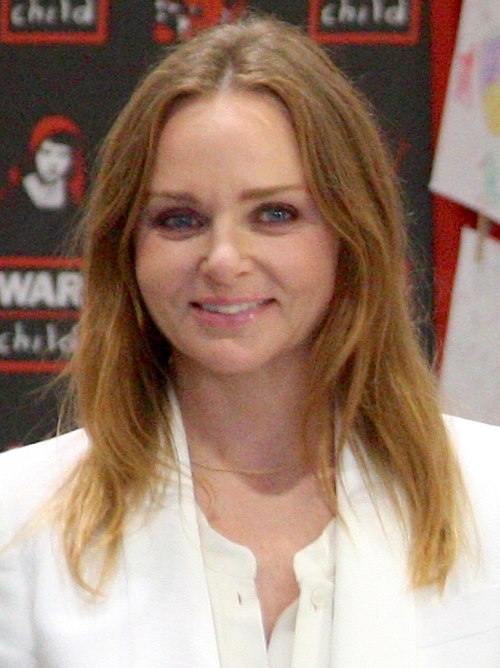

Founded in 2001 with a no-fur/no-leather commitment, rooted in sustainability. McCartney has been awarded the OBE (2013) and CBE (2022) for services to fashion and sustainability, multiple British Designer of the Year honors, and accolades such as Green Designer of the Year (2008).
Interesting Fact
When Stella McCartney launched her brand in 2001, it became one of the first luxury fashion houses to commit entirely to a no-fur, no-leather policy.
Fashion Innovation
Stella McCartney has collaborated with material innovators to develop alternatives to leather and fur, including partnerships with companies exploring bio-fabricated materials and mushroom-based leather substitutes.
Iconic Creations

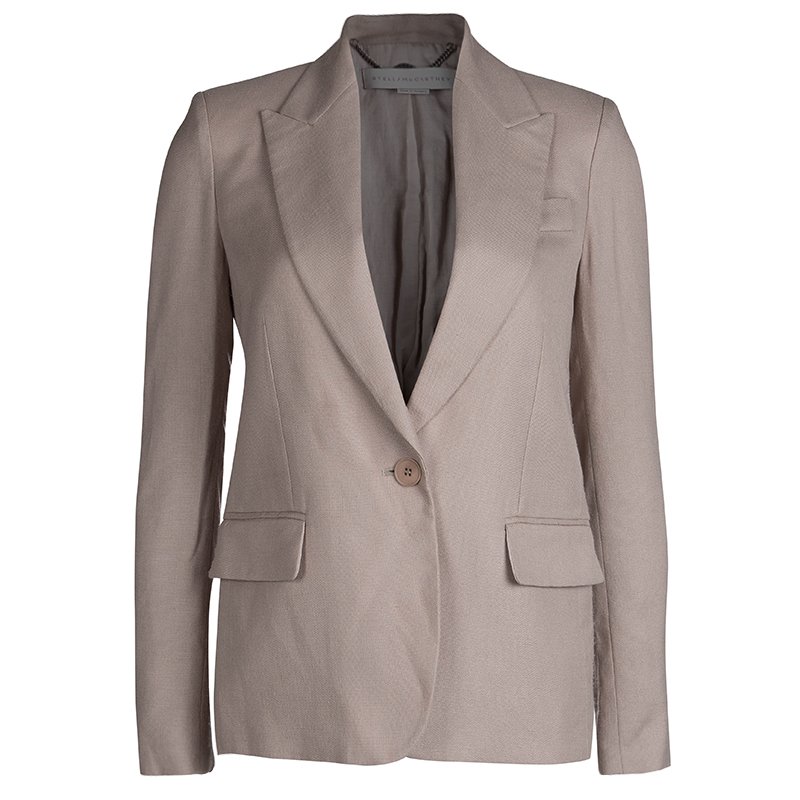


Falabella faux-leather bag; tailored blazers; eco-activewear; vegan leather handbags.
Today
Independent leader in sustainable luxury (repurchased LVMH stake in 2025), Stella McCartney continues ethical innovation in 2026, recently honored as Chevalier de la Légion d’Honneur for contributions to fashion and sustainability.
Tory Burch – American Preppy Chic with a Purpose
Origins


Tory Burch launched in 2004, blending accessibility with aspirational style and founding the Tory Burch Foundation to support women entrepreneurs (providing access to capital, education, and resources). She has won the CFDA Accessories Designer of the Year award (2008), been named to Forbes’ lists of powerful women, and received multiple rising-star and launch awards.
Interesting Fact
Her debut collection famously sold out at Bergdorf Goodman on the day it launched, immediately establishing Tory Burch as a major new American luxury brand.
Iconic Creations

Tory Burch Reva Size 40.5 Beige/Brown Leather Raffia Ballet Flats


Reva ballet flats, double-T totes, Miller cloud sandals.
Today
Tory Burch remains Executive Chairman and Chief Creative Officer. No dedicated creative director; she leads design. The recent executive appointment of Joëlle Grunberg as President has strengthened North American operations (November 2025). The foundation and empowerment focus is strong in 2026.
Luxury Brands Transformed by Women: Visionary Leaders Who Redefined Icons
Only a small percentage of major luxury houses were originally founded by women, yet many of fashion’s most influential moments have been driven by female designers. These visionaries redefined eras, aesthetics, and commercial success through bold creativity and strategic leadership.
Many major houses gained their modern identity through female creative direction:
Prada


Transformed by Miuccia Prada (who took over the family business in 1978 and founded Miu Miu in 1993) with intellectual minimalism, conceptual edge, and innovative fabrics that turned a leather-goods company into a global fashion powerhouse.
Gucci

Transformed by Frida Giannini (creative director 2006–2015), who revived heritage codes like the Flora motif, infused softer femininity and boho-chic glamour, drove massive accessories growth, and championed philanthropy (e.g., Gucci Museum opening and film preservation initiatives).
Dior
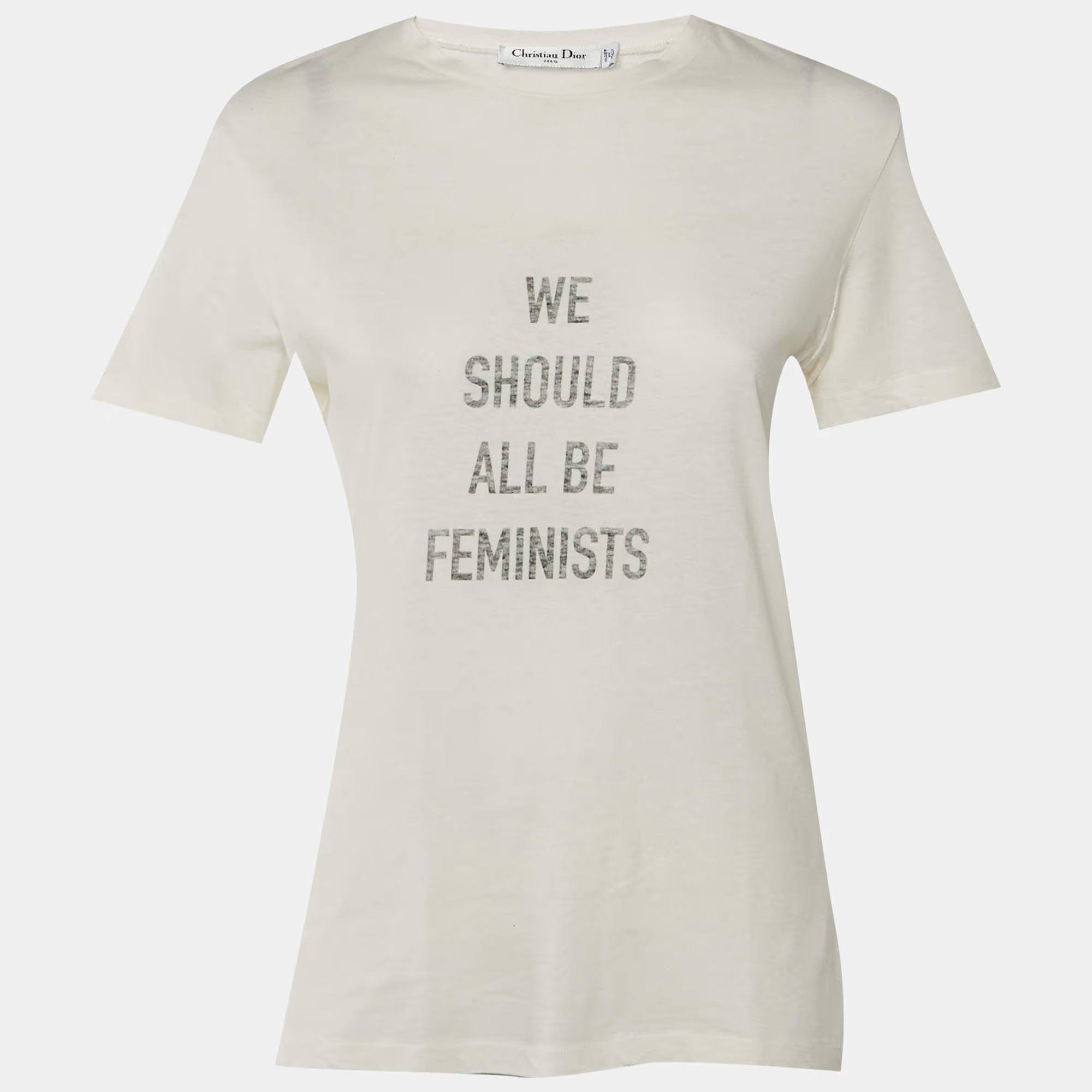
Led by Maria Grazia Chiuri (creative director, womenswear 2016–2025), who brought overt feminist messaging, “We Should All Be Feminists” T-shirts, and empowered, inclusive designs—shifting the house toward bold social commentary while honoring its couture roots.
Pucci

Founded by Emilio Pucci, yes—but the brand was rebuilt and creatively defined by women, especially Laudomia Pucci (his daughter) and later female creative directors who helped revive the house.
Burberry

Revitalized by Angela Ahrendts (CEO 2006–2014), who globalized the brand through digital innovation, trench-coat heritage elevation, and strong e-commerce growth—turning Burberry into a modern British luxury leader before her move to Apple.
Jimmy Choo


Globalized by Tamara Mellon (co-founder, 1996; built empire until 2011), who transformed a bespoke shoe brand into an international accessories powerhouse with celebrity appeal, red-carpet dominance, and commercial scalability.
Alexander McQueen


Shaped by Sarah Burton (creative director 2010–2023), who preserved Lee McQueen’s dramatic DNA while adding romantic elegance and impeccable tailoring—most notably designing Kate Middleton’s 2011 royal wedding gown, which cemented the house’s cultural status before Burton’s departure and move to Givenchy in 2025.
Céline

Revolutionized by Phoebe Philo (creative director 2008–2018), who introduced refined minimalism, architectural silhouettes, and the iconic Luggage Tote that defined “sophisticated luxury” and intellectual chic for a generation. Her influence endures in 2026, with archival demand and echoes in the brand’s current evolution under Michael Rider.
These women not only elevated heritage labels but also set benchmarks for empowerment, innovation, and relevance, proving the lasting impact of female leadership in luxury fashion.
Women Leading the World’s Biggest Luxury Houses Today
While female designers have shaped the aesthetics of luxury fashion, a new generation of women is also influencing the global strategy and leadership of major fashion houses. From CEOs to creative directors, these leaders are redefining how luxury brands operate in an era of digital innovation, sustainability, and global expansion.
Leena Nair – Global CEO of Chanel
Appointed in December 2021, with her role beginning in January 2022, Leena Nair became one of the most prominent women leading a global luxury house. Before joining Chanel, she spent nearly three decades at Unilever, where she rose to the position of Chief Human Resources Officer.
At Chanel, Nair has brought a people-first leadership philosophy to the historic maison, emphasizing sustainability, craftsmanship, and long-term brand stewardship. Under her leadership, the company has also strengthened its global presence and expanded social initiatives through Fondation Chanel, including a $100 million annual commitment to support gender equality and climate resilience.
Her appointment reflects a broader shift within the luxury industry toward more diverse and modern leadership at the highest levels.
Francesca Bellettini – Deputy CEO of Kering
Francesca Bellettini is one of the most influential executives in luxury fashion today. After successfully transforming Saint Laurent into one of the fastest-growing brands in the industry during her tenure as CEO, she was promoted to Deputy CEO of Kering.
Her strategic leadership continues to shape the future of the group’s major luxury houses, including Gucci, Balenciaga, and Bottega Veneta.
Delphine Arnault – CEO of Dior
As the daughter of Bernard Arnault, Delphine Arnault grew up in the world of luxury fashion. After playing a key role in developing brands across the LVMH portfolio, she became CEO of Dior in 2023.
Arnault has focused on strengthening Dior’s heritage while expanding its global appeal, particularly among younger luxury consumers.
Emerging Modern Icons: Rising Women-Founded Luxury Brands in 2026
Contemporary female-founded luxury brands build on pioneers’ legacies with sustainability, minimalism, and bold creativity:
Carolina Herrera – Timeless Bold Elegance

Founded in 1981 by Carolina Herrera, known for voluminous gowns and fragrances.
Gabriela Hearst – Sustainable, Traceable Luxury

Launched in 2015, carbon-neutral designs with Uruguayan heritage.
The Row – Stealth Wealth Minimalism
Olsen twins’ 2006 line: anonymous, high-quality essentials.
Iconic products:
Staud – Playful, Versatile Contemporary

Founded in 2015 in LA, beaded bags and midi dresses for modern lifestyles.
FAQs: Luxury Brands Founded by Women

Which luxury fashion brands were founded by women?
Some of the most influential luxury brands founded by women include Chanel, Chloé, Lanvin, Schiaparelli, Stella McCartney, Carolina Herrera, and Tory Burch. These designers built globally recognized fashion houses and introduced groundbreaking ideas that changed how women dress.
Who was the first woman to create a major luxury fashion brand?
One of the earliest female founders in luxury fashion was Jeanne Lanvin, who launched Lanvin in 1889. Her designs for women and children became hugely popular, and Lanvin remains the oldest continuously operating French fashion house today.
Are there many female founders in luxury fashion?
Historically, relatively few major luxury fashion houses were founded by women. However, female designers such as Gabrielle Chanel, Elsa Schiaparelli, and Vivienne Westwood broke barriers and proved that women could lead global fashion movements.
Which luxury brands are currently led by women?
Female designers or executives, including Chanel, Prada, Dior, and Chloé, currently lead several major luxury houses. Women today hold some of the most influential creative roles in fashion.
Which female designers transformed existing luxury brands?
Some female designers dramatically reshaped the identity of major fashion houses. Miuccia Prada modernized Prada, Phoebe Philo revolutionized Céline, and Maria Grazia Chiuri brought feminist messaging to Dior.
A Lasting Legacy of the Women Who Shaped Luxury Fashion
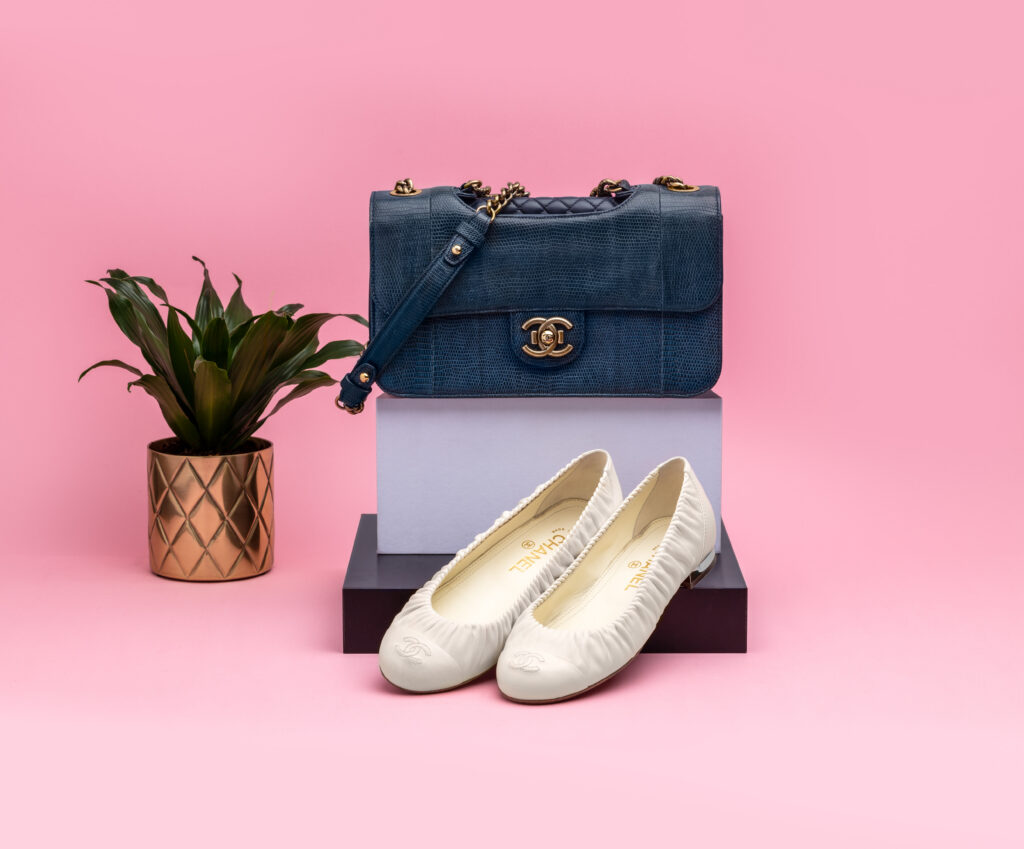

From founders who built iconic maisons to creative visionaries who transformed established houses and executives guiding global luxury brands today, women have played a defining role in shaping the fashion industry.
More than creating beautiful garments, they challenged conventions, influenced culture, and reimagined what luxury could represent. Their creativity, resilience, and entrepreneurial spirit demonstrate that women possess not only an instinctive understanding of fashion but also the leadership and vision required to redefine the industry.
Today, that legacy continues through designers and executives who are guiding luxury fashion into new territories, from sustainability and ethical craftsmanship to global cultural relevance. Together, these founders, innovators, and leaders prove that the past, present, and future of luxury fashion have their reins in soft yet strong hands.

Many of their enduring creations, from iconic handbags and statement jewelry to classic ready-to-wear and accessories, continue to circulate through the luxury resale market, allowing new generations of collectors and fashion enthusiasts to experience these designs firsthand. Platforms like The Luxury Closet, a leading destination for authenticated pre-owned luxury, help keep these iconic pieces in circulation while connecting collectors with some of fashion’s most celebrated creations.
As luxury fashion evolves, the influence of these pioneering women continues to remind the world that great style and great leadership never go out of fashion.


