Two national parks in Belgium and Montenegro and a natural park in Croatia have joined the European Rewilding Network. Connecting with a growing community of wildlife restoration experts and accessing a variety of practical tools and expertise will help you scale your restoration efforts.
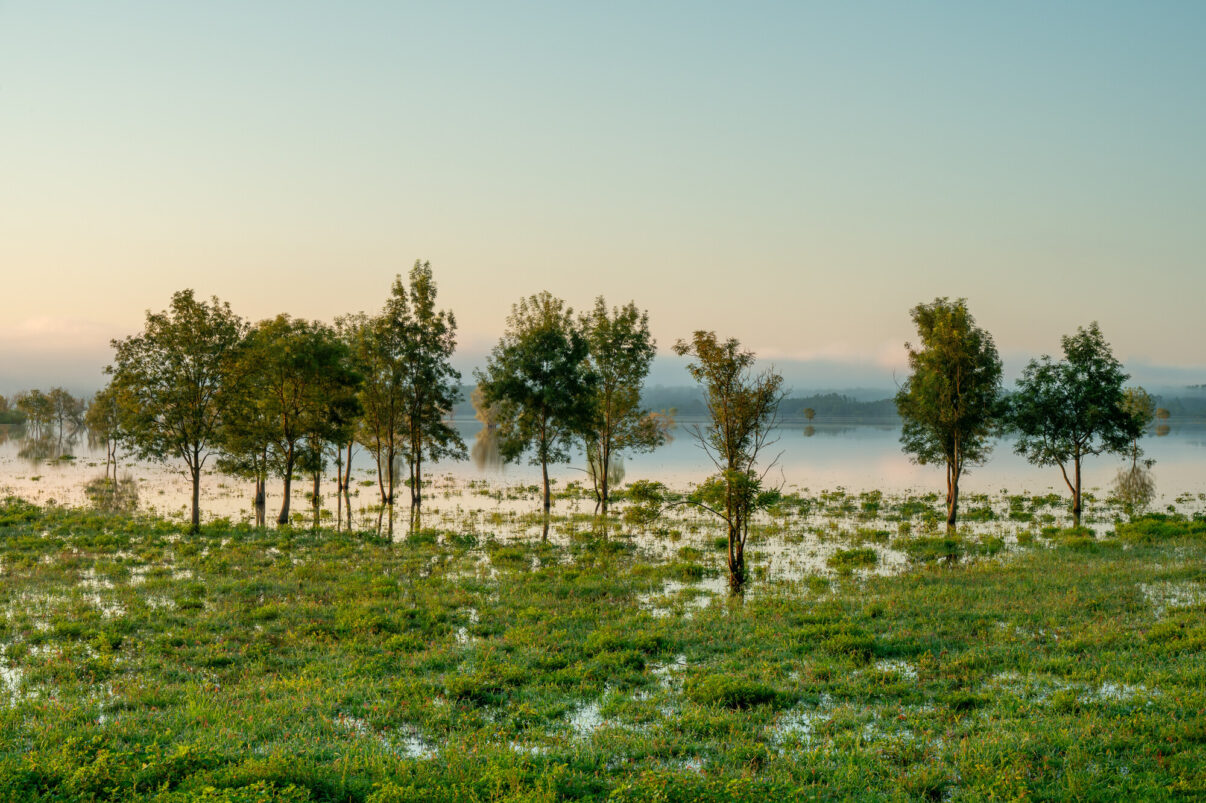
Lens / Adobe Stock
Progress in rewilding across protected areas in Europe
Protected areas in Europe play an important role in protecting nature, but many areas have been affected by centuries of ecological destruction and are still missing key natural processes and wildlife species. Across the continent, a growing number of national parks and other protected areas are embracing rewilding as a way to restore how ecosystems work, enhance biodiversity and enhance the benefits wild nature provides to local communities and society at large.
Entre-Sambre-et-Meuse National Park in Belgium, Lake Skadar National Park in Montenegro, and Lonjsko Polje Natural Park in Croatia recently joined Rewilding Europe’s European Rewilding Network. Uniting more than 100 rewilding initiatives across Europe, this network allows members to exchange knowledge and experience, access practical tools, engage in training and capacity-building opportunities, and collaborate with a growing community of practitioners. For these three protected areas, membership will help accelerate the resurgence of wilderness parks and support our long-term vision of becoming more wild parks.
Restoration of rivers, forests and meadows in Belgium
The 22,000-hectare Entre-Sambre-et-Meuse National Park in southern Belgium was one of the first two national parks established in Wallonia. The region of Fagne, Calestienne and Ardenne boasts a diverse landscape of wetlands, calcareous meadows, forests and river valleys. The park is home to a variety of wildlife, including wolves, beavers, black storks, white-tailed eagles, Eurasian eagle-owls, bobcats, and red deer.
Since its designation in 2023, Entre-Sambre-et-Meuse National Park has already taken important steps towards its vision of rewilding. Efforts include expanding highly protected forest areas, restoring river and floodplain dynamics, improving human-wildlife coexistence, and restoring natural grazing. Going forward, the park aims to further restore natural processes across forests, watersheds and grasslands, while supporting nature-based tourism and regional development.
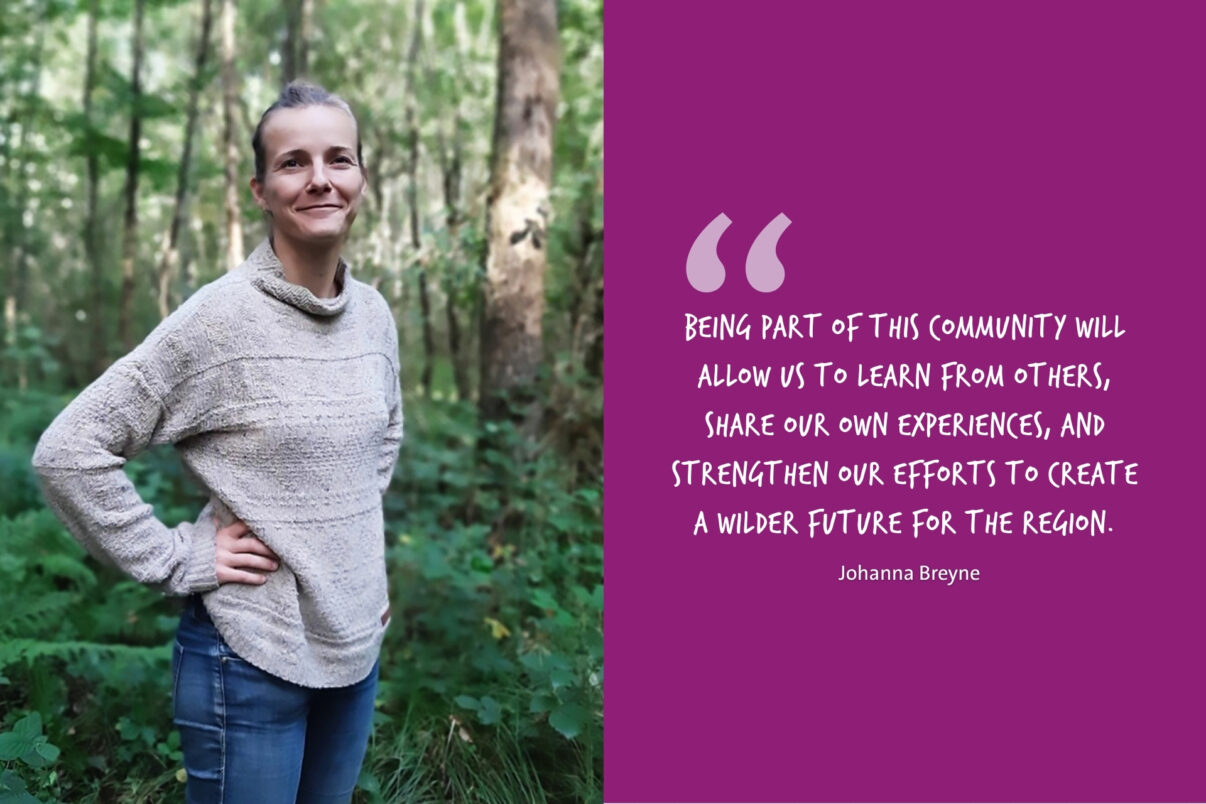
“Joining the European Rewilding Network is a very exciting opportunity for us,” says Park Director Johanna Breyne. “We are ambitious in restoring natural processes and creating landscapes where people and nature thrive together. Being part of this community allows you to learn from others, share your own experiences and strengthen our efforts to create a better future for the region.”
A harsher future for the Balkan Peninsula’s largest lake
Established in 1983 and covering approximately 40,000 hectares in Montenegro, Lake Skadar National Park is the largest lake in the Balkans and protects one of the region’s most important wetland ecosystems. About 80% of the park is made up of freshwater habitats, wetlands and rivers, which are home to rich fish communities as well as species such as Dalmatian pelicans, otters and golden jackals. The park also forms part of the border landscape shared with neighboring Albania.
Although the park already maintains a strong sense of wildness, management sees significant opportunities to enhance ecological integrity through rewilding. Priorities include strengthening the food chain, reducing illegal harvesting of wildlife, investigating the return of the critically endangered Adriatic sturgeon, tackling invasive species and restoring natural grazing processes. Additionally, rewilding will help support the development of wildlife viewing tourism and other nature-based economic opportunities for communities surrounding the lake.
Lake Skadar National Park is Montenegro’s first member of the European Rewilding Network, representing a total of 32 countries across the continent.
Restoring Europe’s Great Floodplain Landscapes
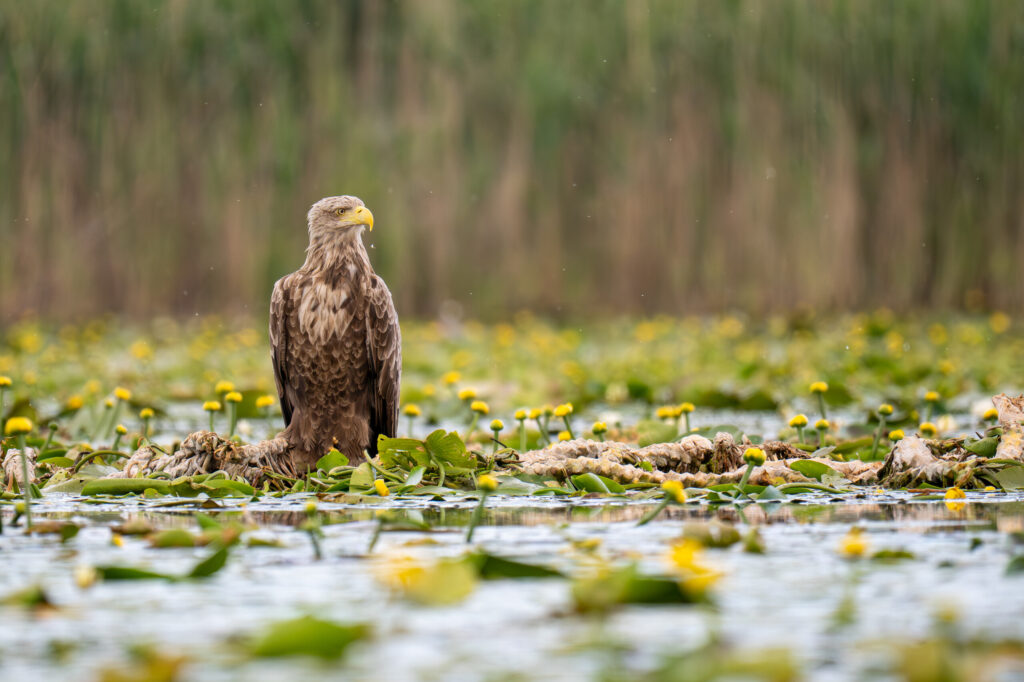
Lonjsko Polje Nature Park, located along the Sava River in central Croatia, protects over 50,000 hectares of floodplain landscapes, alluvial forests, wetlands, traditional grazing lands and villages. The park is recognized as one of the best-preserved natural floodplains in Europe and maintains exceptional biodiversity, including white-tailed eagles, black storks, spoonbills, beavers, otters, red deer and roe deer.
The park’s rewilding vision focuses on restoring and enhancing the natural processes that have shaped the landscape for centuries. Planned measures include improving natural water flows by reconnecting rivers and oxbows, expanding areas of strictly protected forest, encouraging natural grazing, reducing the impact of invasive species and creating additional space for wildlife. By working closely with local communities, the park aims to demonstrate how rewilding can complement traditional land uses, providing benefits to both nature and people.
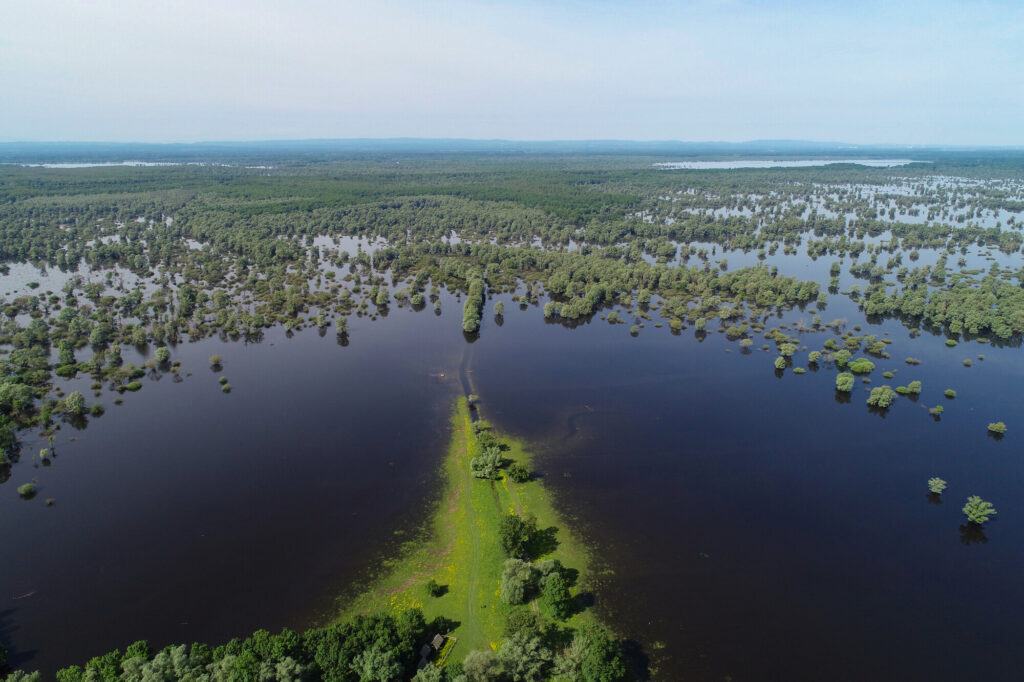
Damir Kulzak
Leading the way towards more wild and protected areas
All three parks are among 10 lead participants in Rewilding Europe’s Wilder Parks initiative, which will launch in late 2025 and supports protected areas that place natural processes at the heart of natural restoration and sustainable landscapes. Rewilding allows Wilder Parks to move toward a future where processes such as free flow of water, natural grazing, and wildlife-driven ecosystem dynamics play a greater role in shaping the landscape.
Combining the support, expertise and collaboration opportunities provided by the European Rewilding Network, the Wilder Parks initiative provides a practical pathway to scale up nature recovery across protected areas in Europe. Entre-Sambre-et-Meuse, Lake Skadar and Lonjsko Polje continue their journey of rewilding, demonstrating how parks can be powerful showcases for natural restoration and the wide-ranging benefits they provide to wildlife, ecosystems and local communities, helping to build a future where people and nature can thrive together.
catalin premature birth
Let’s reenact together
Rewilding Europe warmly welcomes all European rewilding initiatives focused on practical, result-oriented rewilding initiatives and encourages them to apply for membership in the European Rewilding Network.