



english
May is Hepatitis Awareness Month.
In the United States, approximately 4.5 million adults have chronic liver disease, and women are more likely to develop it than men.
Some people may associate liver disease with drinking, but the truth is that a variety of factors can cause liver disease, including being overweight, autoimmune diseases, and even viruses. Additionally, certain types of liver disease primarily attack women.
It provides detailed information about the liver, what it does in the body, and what bad things can happen.
Liver: what it is and what it does
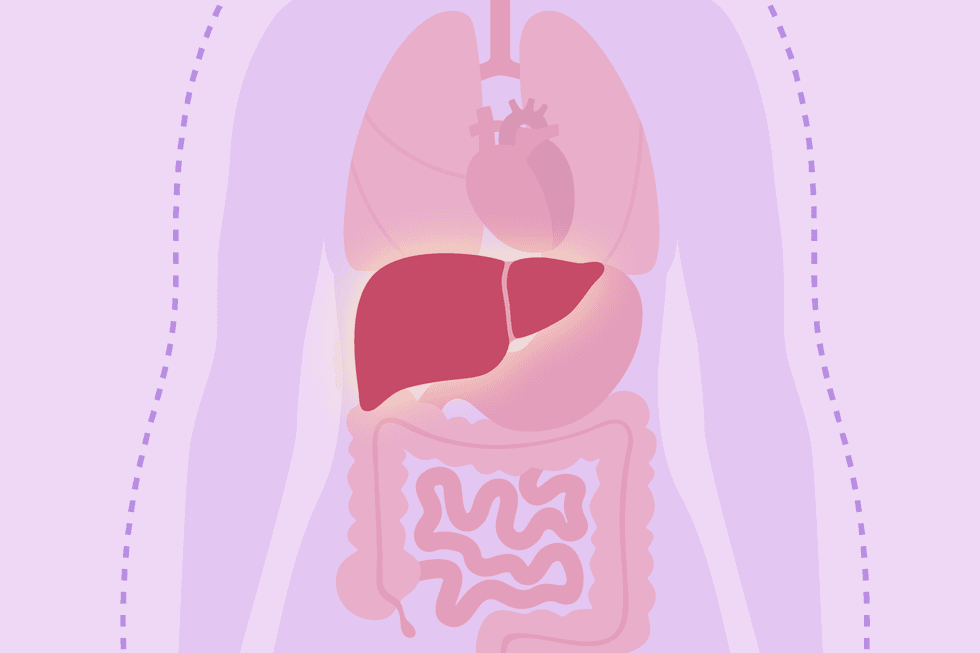
Weighing about 3 pounds, the liver is the largest internal organ in the body (technically, skin is the largest organ).
The liver may not get as much attention as the heart or kidneys, but the reddish-brown, football-shaped organ just below the ribs performs many impressive functions every day. Additionally, it is the only internal organ in the body that can heal itself and fully regrow if damaged or removed. Honestly, how amazing is this?
Below is a brief description of some of the functions the liver performs on an ongoing basis.
- Processes nutrients from food.
- Produces essential proteins
- Filters toxins from the blood (this doesn’t just apply to the kidneys!)
- Decomposes hazardous substances.
- Stores vitamins and minerals.
- Removes old red blood cells.
- Produces components needed for blood clotting.
The National Institutes of Health (NIH) describes the liver as “robust” and “resilient.” No matter how strong your liver is, it is not indestructible. Organs that are capable of healing themselves can also become damaged, especially if they are overused over a long period of time.
What is liver disease?
Liver disease can be acute (short-term) or chronic (long-term). Acute liver disease is rarer than chronic liver disease. In both cases, the liver is too saturated to function, but the causes are usually different.
acute liver disease
Short-term liver disease is usually caused by a viral infection, such as hepatitis A, or in some cases, an overdose of acetaminophen, also known as Tylenol (that label warning is there for a reason). Depending on the extent of the damage, acute liver disease can often be treated, especially if caught early.
In rare cases, acute liver disease can lead to complete liver failure, which may require a liver transplant.
chronic liver disease
Next: The most common chronic liver diseases.
One of the main roles the liver plays is removing toxins from the blood. This makes them particularly susceptible to disease over time. If the liver is constantly exposed to high levels of toxins and forced to operate at high levels, even the most resistant organ can deteriorate over time.
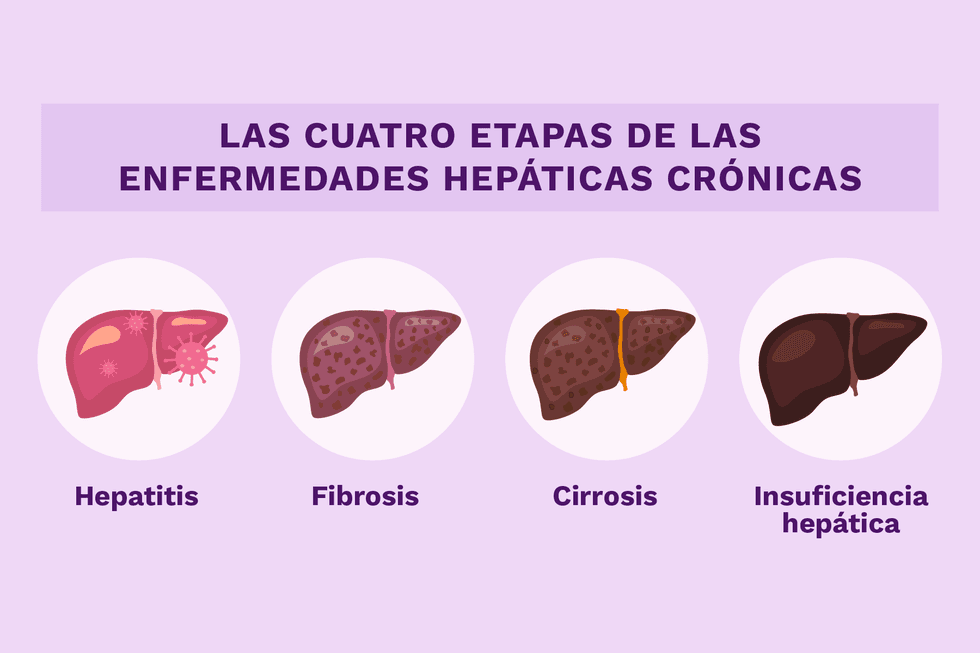
There are four stages of chronic liver disease, which progress according to severity.
- hepatitis: This is an inflammatory stage in which the liver responds to injury or trauma. If no action is taken to stop the inflammation, it progresses to the next stage of fibrosis.
- fibrosis: At this stage, the liver deteriorates and healthy tissue is replaced by scar tissue. Bands of scar tissue prevent the liver from functioning normally. However, even at this stage, scar tissue can heal if caught early. However, if the liver does not have a chance to heal, the next stage will result in permanent scarring.
- cirrhosis: Once cirrhosis occurs, scars remain permanently, but if the underlying cause is treated, it may improve in the early stages. As liver function worsens, symptoms gradually appear in the body. However, when the liver is not functioning normally, the body is very capable of compensating, so it may take years before noticeable symptoms appear. Even if there is permanent scarring, detecting liver disease relatively early can help slow the progression of the disease or prevent further damage.
- liver failure: The final and fourth stage of liver disease is liver failure. The disease may still worsen slowly and symptoms may appear over time, but at some point, full signs of liver failure will appear. The only cure for liver failure is a liver transplant.
Symptoms of Liver Disease
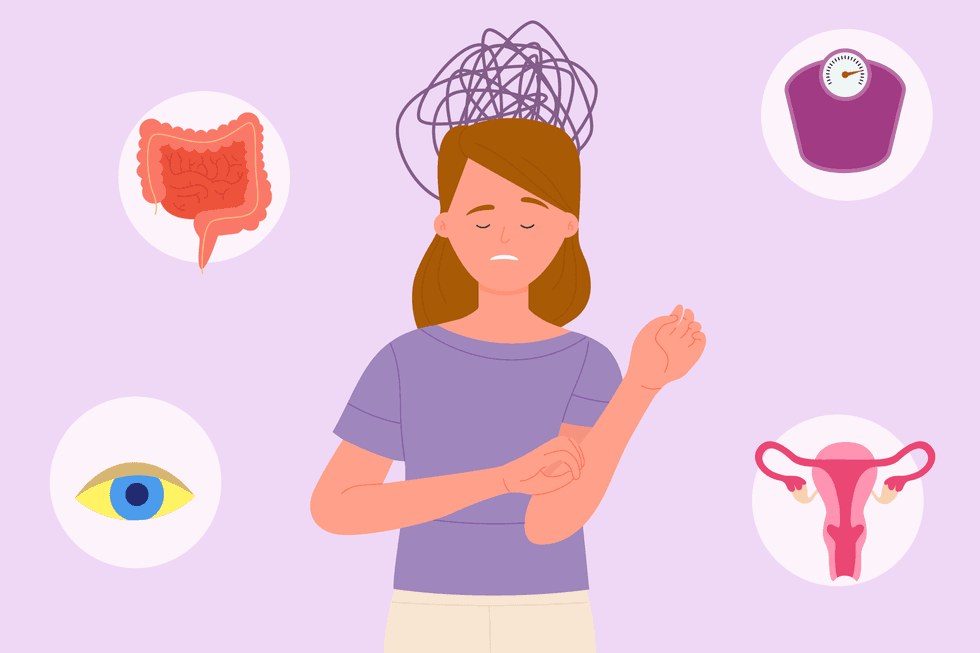
If you have severe discomfort in your liver, you may experience extreme pain in the upper right side of your abdomen, nausea and vomiting, and general discomfort.
Chronic liver disease may have similar symptoms but may also cause worsening symptoms, such as:
- Jaundice (when the whites and skin turn yellow)
- delirium
- Itchy skin without rash
- white excrement
- very dark urine
- Easy bleeding and bruising
- If you have small, yellow lumps of fat on your skin or eyelids
- weight loss
- muscle loss
- putrid breath
- Difficulty digesting fat
- swelling of the hands and feet
- loss of menstrual cycle
- inflammation of the testicles
Chronic liver disease tends to get worse slowly over time as the body compensates for damage until the disease is very advanced. Because of this, people may not notice symptoms of liver disease right away.
What causes liver disease?
Liver disease can be caused by excessive drinking, which is probably the most common known cause. However, it can occur even if it is not directly related to lifestyle. For example, liver disease may be caused by infection or genetic disease.
There are more than 100 different types of liver disease, but the most common types are:
- autoimmune liver disease: Autoimmune hepatitis, like other types of autoimmune diseases, can occur randomly when the body mistakes healthy liver cells for foreign cells and attacks them. This type of liver disease is more common in women and people assigned female at birth (AFAB). Autoimmune hepatitis can occur in middle-aged women (type 1) or girls ages 2 to 14 (type 2).
- Primary biliary cholangitis (PBC): PBC is another type of chronic liver disease that primarily affects women. It is also thought to have some connection to the immune system and is more common in middle-aged women.
- viral hepatitis: Viruses can cause acute or chronic liver disease. Hepatitis A, B, C, D, and E are the most common cases of viral hepatitis, but other types can also attack the liver, including cytomegalovirus, Epstein-Barr virus, yellow fever, and even herpes simplex virus (HSV).
- Hepatic steatosis (SLD): Hepatic steatosis is a disease commonly known as fatty liver. The name was changed because patients often heard the word ‘fat’ and mistakenly thought it was their disease, thought it was not serious, or felt ashamed of the stigma associated with the word. Hepatic steatosis includes three types of disorders, including those associated with alcohol consumption, which can have varying levels of symptoms and severity.
- Hepatic steatosis associated with metabolic dysfunction (EADM)Formerly known as nonalcoholic fatty liver disease (NAFLD), this is the most common type of liver disease and is caused by excess fat building up in the liver.
- Steatohepatitis Associated with Metabolic Disorders (EADM)Steatohepatitis, formerly known as nonalcoholic steatohepatitis (NAS), can involve fat accumulation and liver damage.
- Alcoholic liver disease (HPA)Formerly known as ARLD (alcohol-related liver disease), this condition is caused by consuming more alcohol than the liver can process. The amount of alcohol that poses a risk to humans is not known, but it is generally believed to be an average of four or more drinks per day for women and five or more drinks per day for men over a long period of time.
- that Alcoholic and metabolic liver disease (HPA + Met) This is a new category of liver disease that includes cardiometabolic risk factors such as obesity, diabetes, and high cholesterol, as well as alcohol consumption sufficient to be a contributing factor but not sufficient to raise the levels typically seen in classic HPA (2 to 5 drinks per day for women and 3 to 6 drinks per day for men). You may experience signs and symptoms of EADM or HPA.
- liver cancer: Almost all types of chronic liver disease, especially hepatitis or chronic liver disease caused by excessive drinking, can increase the risk of liver cancer. Liver cancer, like other types of cancer, can occur in people without other liver diseases.
How do health care providers identify liver disease?

The easiest way to identify early signs of liver disease is with a blood test. If you suspect you may be at risk for liver disease, have a history of liver disease, or are experiencing symptoms, you should talk to your health care provider (HCP) about testing.
Liver function tests may not be a traditional part of your annual checkup, but it’s wise to evaluate your hardest-working organ, which sometimes faces a constant wave of toxins, so talk to your health care provider about your risks.
You can also reduce your overall risk of liver disease or slow or stop the progression of existing liver disease by:
- reduce alcohol consumption
- Maintaining a Healthy Diet
- exercise regularly
- Avoid saturated fat
- reduce sugar consumption
- Include healthy fats in your diet, such as olive oil, nuts, and fish.
- maintaining a healthy weight
This educational material was produced with the support of . Merck.
From your site article
Related articles on the web






